
13 Places In Tennessee That Feel Especially Rewarding To Visit In 2026
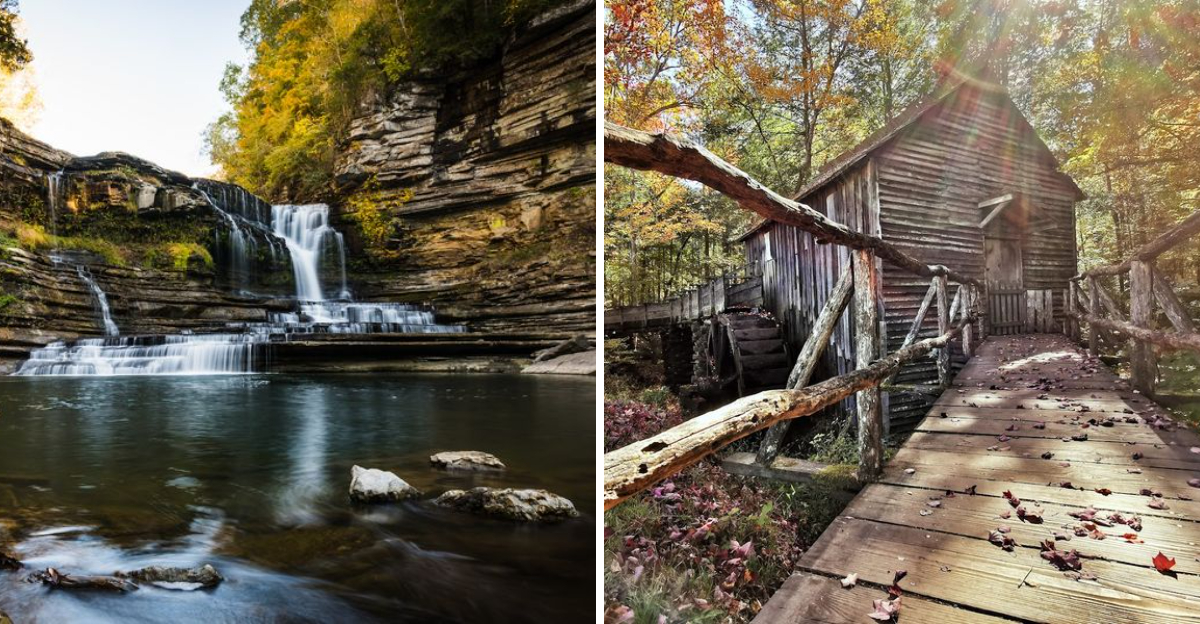
Some places stay with you long after the trip ends. Tennessee is full of destinations that offer more than just pretty views or a quick photo stop.
They deliver moments that feel meaningful, relaxing, exciting, or simply worth the time it took to get there. In 2026, travellers are looking for experiences that feel genuine and memorable, and Tennessee continues to deliver on that front.
Scenic mountain overlooks, historic landmarks, lively downtown districts, and peaceful state parks all offer their own kind of reward. Some spots surprise you with quiet beauty, while others impress with scale and energy.
Each one offers something that makes the visit feel satisfying, giving you a reason to slow down, look around, and appreciate what makes Tennessee special.
1. Great Smoky Mountains National Park
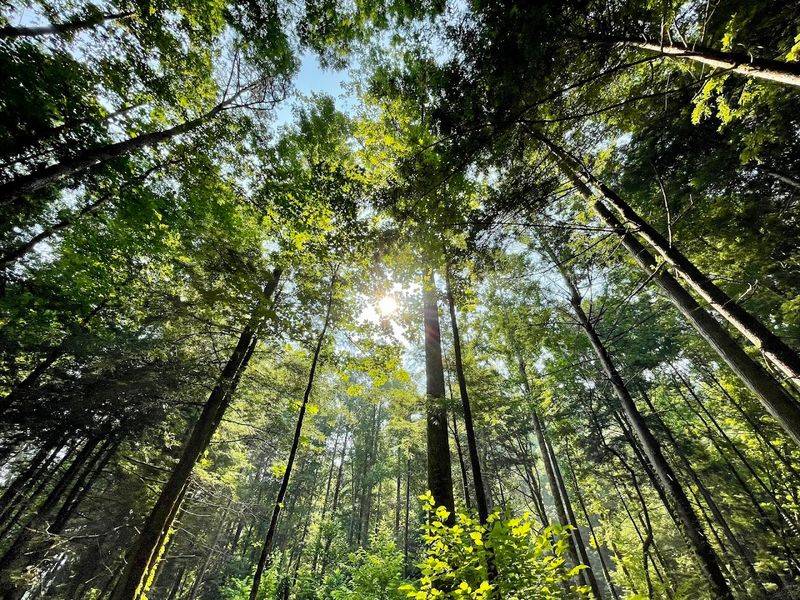
No admission fee, no disappointment, and somehow still the most-visited national park in the entire country. Great Smoky Mountains National Park pulls in over 12 million visitors a year, and once you’re standing at Clingmans Dome or watching fog roll through the valleys at sunrise, you completely understand why.
The scale of it is hard to wrap your head around until you’re actually there.
Spend a day on the Alum Cave Trail for serious views, or cruise Newfound Gap Road if you want the highlights without a strenuous climb. Wildflowers in spring and flame-colored foliage in fall make the timing feel almost too perfect.
The park stretches across the Tennessee-North Carolina border, covering over 500,000 acres of old-growth forest.
Black bears are a real presence here, so keep your distance and store food properly. The visitor centers at Sugarlands and Oconaluftee are genuinely helpful starting points.
Go early in the morning to beat traffic and catch the light at its best.
2. Fall Creek Falls State Park
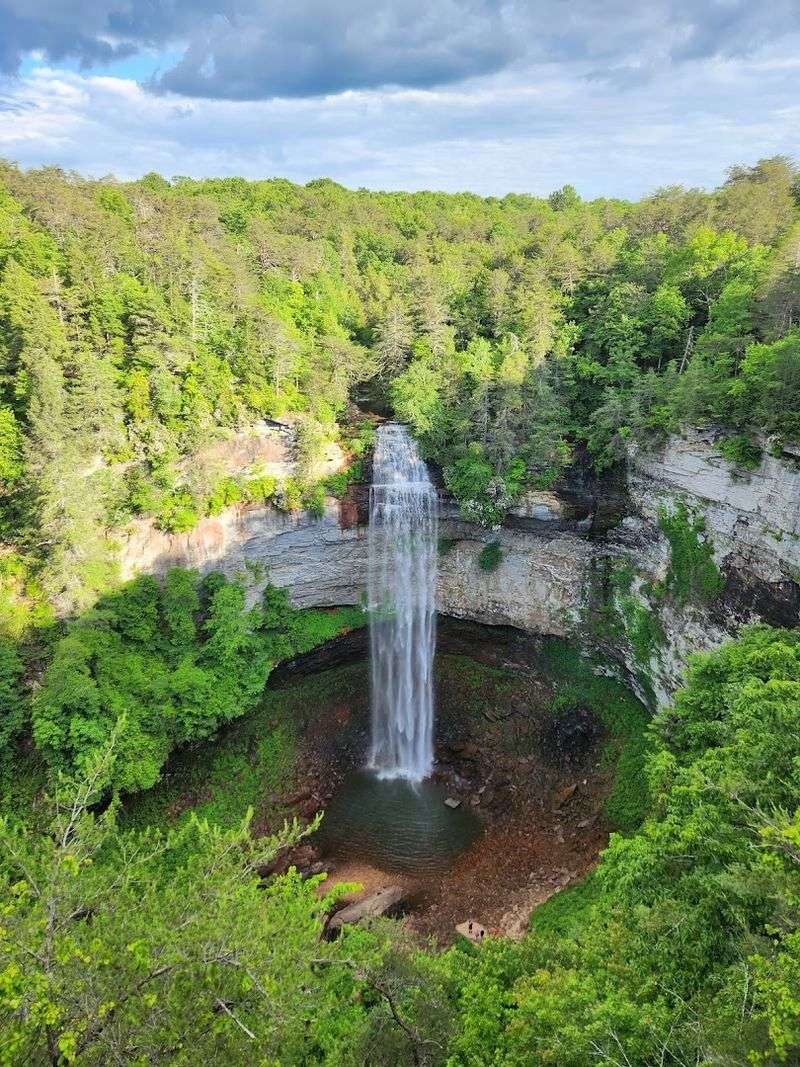
Standing at the base of Fall Creek Falls and looking straight up is one of those moments that genuinely makes your jaw drop. At 256 feet, this is one of the tallest free-plunging waterfalls in the eastern United States, and the park around it has only gotten better after major lodge renovations in recent years.
The upgraded facilities make it easy to turn a day trip into a full weekend stay.
The trail system here is varied enough to satisfy both casual walkers and serious hikers. You can reach the main falls overlook on a relatively flat path, but pushing further into the gorge rewards you with swimming holes, suspension bridges, and views that feel almost cinematic.
Spring and early summer bring the highest water flow, making the falls even more dramatic.
Camping, cabins, and the renovated inn give you plenty of overnight options. The park sits in Van Buren County, about two hours from Nashville.
Book accommodations early because this place fills up fast, especially on summer weekends when families pour in from across the region.
3. Lookout Mountain
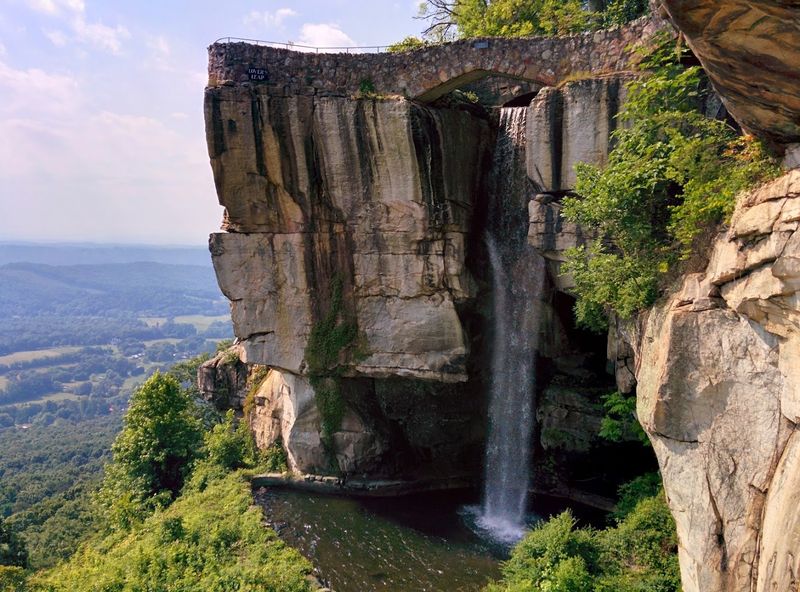
From the top of Lookout Mountain, you can see parts of seven states on a clear day. That alone is worth the drive to Chattanooga.
But this mountain delivers much more than a view, layering Civil War history, natural wonders, and quirky attractions into one surprisingly rich destination that you could easily spend a full day exploring without running out of things to see.
Rock City is the classic stop here, with its narrow rock formations, hanging bridges, and that sweeping Lover’s Leap overlook. Point Park at the mountain’s summit is a National Park site that marks one of the most dramatic battles of the Civil War.
Ruby Falls is nearby too, though it deserves its own spotlight entirely.
The Incline Railway, one of the steepest passenger railways in the world, is a fun and slightly nerve-wracking way to reach the top. Kids tend to love it, and honestly, adults do too.
Chattanooga itself is a walkable, food-friendly city that makes a perfect base for exploring everything this corner of Southeast Tennessee has to offer.
4. The Parthenon
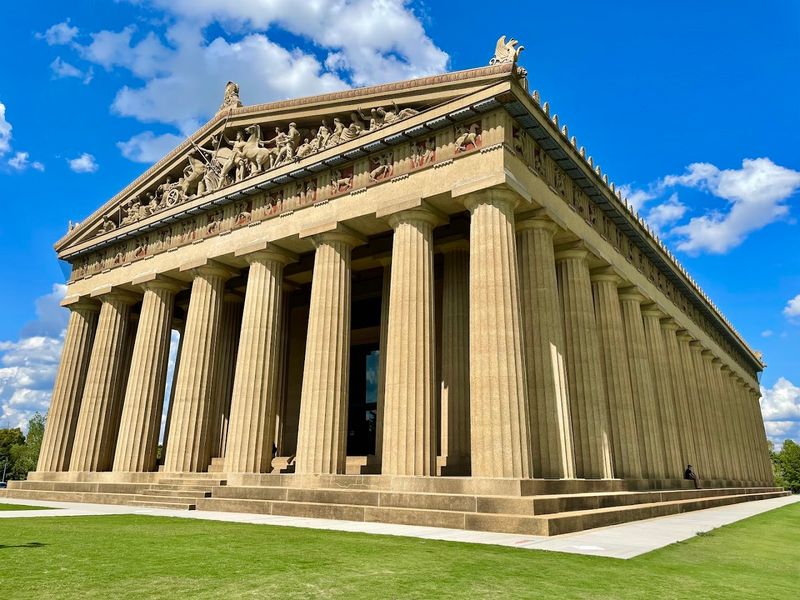
Nashville calls itself the Athens of the South, and standing in front of this building, you start to believe it. The Parthenon in Centennial Park is a full-scale, architecturally accurate replica of the ancient Greek temple in Athens, and it is shockingly impressive in person.
First-time visitors often do a double-take because nothing quite prepares you for how massive and detailed it actually is.
Built originally for Tennessee’s 1897 Centennial Exposition, the structure was made permanent in the 1920s and now houses an art museum on the inside. The real showstopper indoors is a 42-foot gilded statue of Athena Parthenos, the tallest indoor sculpture in the Western world.
She is covered in gold leaf and painted with incredible detail, making the interior visit just as impressive as the exterior.
Centennial Park itself is a lovely green space for a picnic or afternoon walk. Admission to the museum is affordable, and parking in the area is manageable.
This stop works especially well as part of a broader Nashville day since it sits just a few miles from downtown and takes about an hour to fully appreciate.
5. Ruby Falls
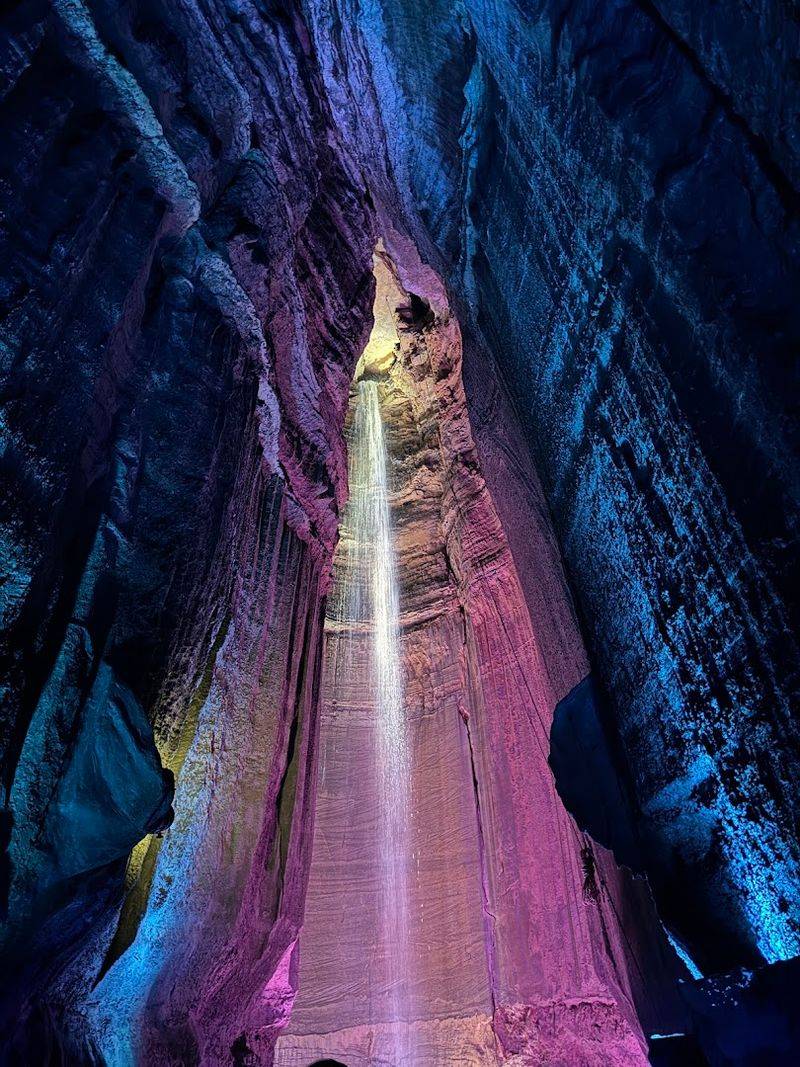
Going underground to find a waterfall is not something most people get to say they have done, which is exactly what makes Ruby Falls so memorable. Located 1,120 feet inside Lookout Mountain, this 145-foot underground waterfall is the deepest commercially accessible cave waterfall in the United States.
The whole experience feels genuinely adventurous even though it is a guided tour on a paved path.
The cave formations along the way are stunning on their own, with stalactites, stalagmites, and limestone walls that have been shaped over millions of years. When you finally reach the falls and the lights shift to bring out the colors in the rock and mist, the effect is dramatic in the best possible way.
The name comes from Ruby Lambert, the wife of the geologist who discovered the falls in 1928.
Tours run throughout the day and last about an hour. The temperature inside the cave stays around 60 degrees year-round, so bring a light jacket even if it is blazing hot outside.
Book tickets in advance online to avoid long waits, especially during summer and holiday weekends when crowds pick up significantly.
6. Roan Mountain State Park
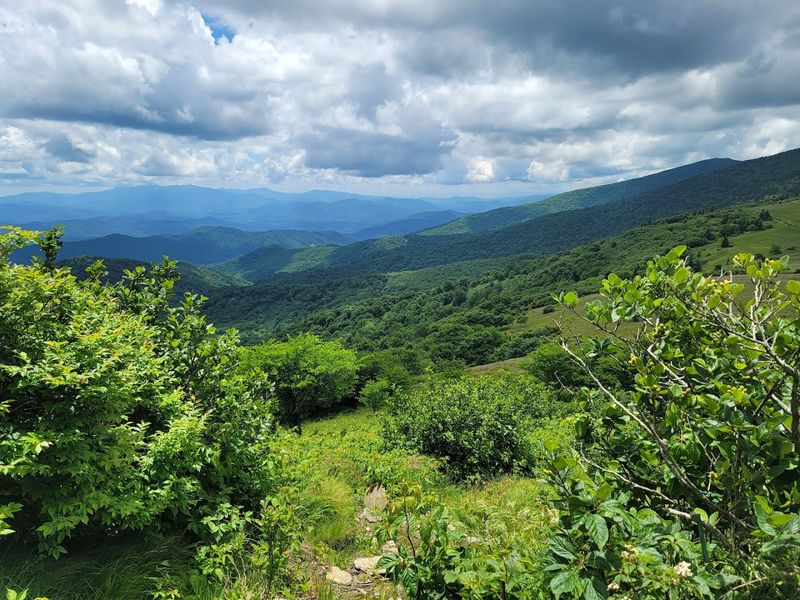
Late May and early June turn Roan Mountain into something that looks almost unreal. The Catawba rhododendrons that blanket the high-elevation balds explode into brilliant shades of purple and pink, stretching across the ridgeline in a display that draws photographers and hikers from hundreds of miles away.
The Roan Highlands are considered one of the finest natural rhododendron gardens in the world, and seeing them in peak bloom is genuinely unforgettable.
The park sits at the base of Roan Mountain along the Tennessee-North Carolina border, reaching elevations above 6,000 feet at the summit. The Appalachian Trail passes directly through this area, giving serious hikers access to some of the most scenic high-country terrain in the entire Southeast.
Even on a short walk, the views from the balds are wide open and spectacular.
The state park below offers camping, cabins, and a swimming pool for a more relaxed visit. Fall is also beautiful here, with golden grasses and clear skies making the balds feel peaceful and vast.
Plan around the rhododendron festival in June if you want the full, crowd-buzzing, camera-clicking experience at its absolute peak.
7. Cades Cove
Early morning at Cades Cove is one of those travel experiences that quietly becomes a favorite memory. The 11-mile one-way loop winds through an open valley where white-tailed deer, black bears, wild turkeys, and even the occasional coyote show up without warning.
Wildlife sightings here are so common that it almost feels choreographed, though the animals are completely wild and wonderfully unpredictable.
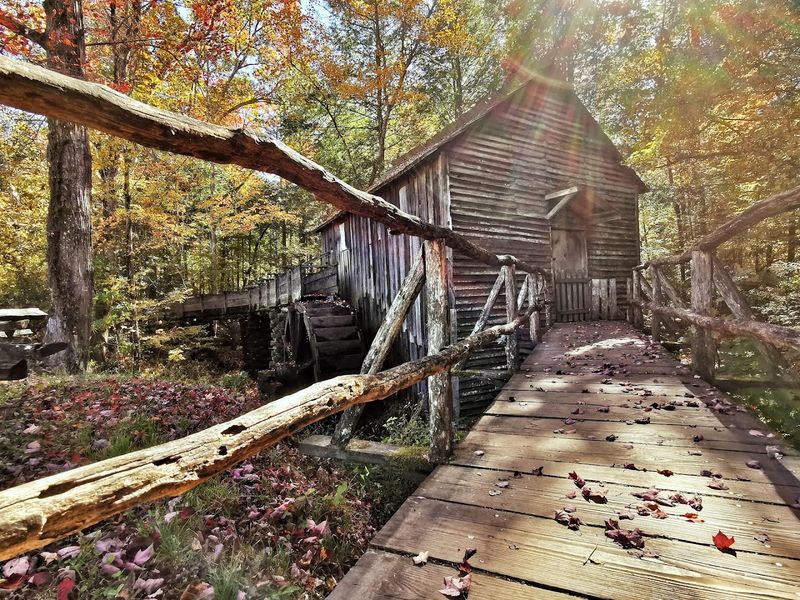
Scattered throughout the loop are preserved 19th-century homesteads, grist mills, and churches that give the valley a layered sense of history. The Cable Mill area is especially worth stopping at, with its working water-powered mill and nearby historic structures that paint a clear picture of what life looked like for early Appalachian settlers.
Reading the interpretive signs adds real depth to what you are seeing.
Wednesday and Saturday mornings allow bicycle and foot traffic only on the loop, making those days especially peaceful and scenic. The cove can get congested on summer afternoons when cars slow for wildlife, so an early start makes a significant difference.
Pack snacks, charge your camera, and plan to spend at least two to three hours to do it justice.
8. Tennessee Aquarium
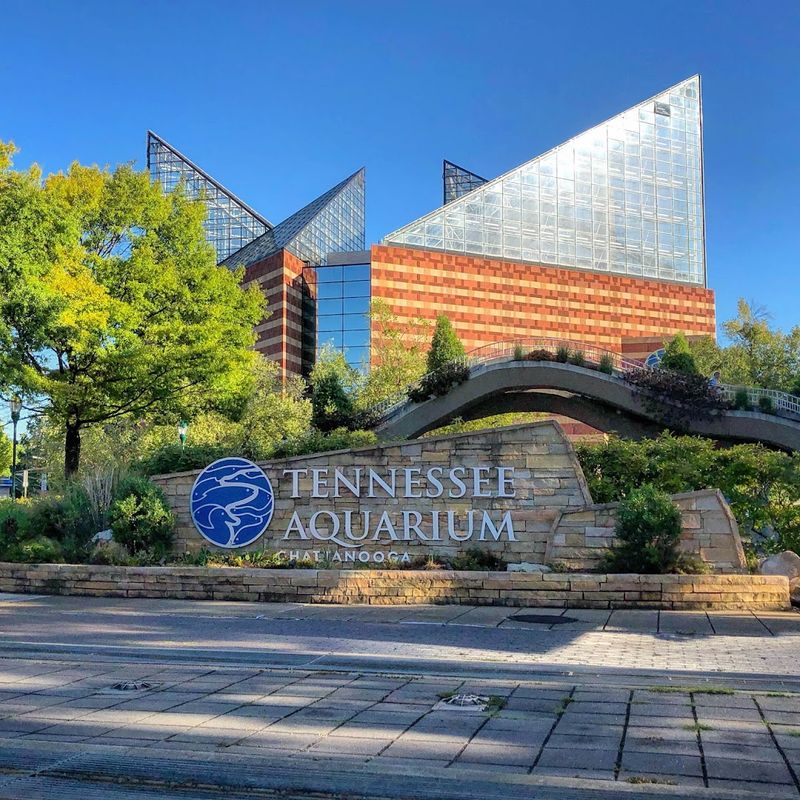
Chattanooga’s Tennessee Aquarium has a reputation that is well-earned and consistently backed up by the experience inside. Regularly ranked among the top aquariums in the country, it stands out because of its deep focus on freshwater ecosystems, a subject most marine facilities barely touch.
The River Journey building traces the path of a water droplet from the Appalachian Mountains all the way to the Gulf of Mexico through a series of immersive exhibits.
The Ocean Journey building brings in saltwater tanks, a butterfly garden, and a penguin habitat that kids absolutely go wild for. Jellyfish displays glow in otherworldly colors, and the shark touch tank is a crowd favorite that adults end up enjoying just as much as children.
The whole experience is well-paced and designed so that you never feel rushed or overwhelmed.
Plan on spending three to four hours to see both buildings comfortably. The aquarium sits right on the Tennessee Riverfront in downtown Chattanooga, making it easy to combine with the Walnut Street pedestrian bridge, nearby restaurants, and the Hunter Museum of American Art.
Parking garages nearby are affordable and convenient throughout the day.
9. Cummins Falls State Park
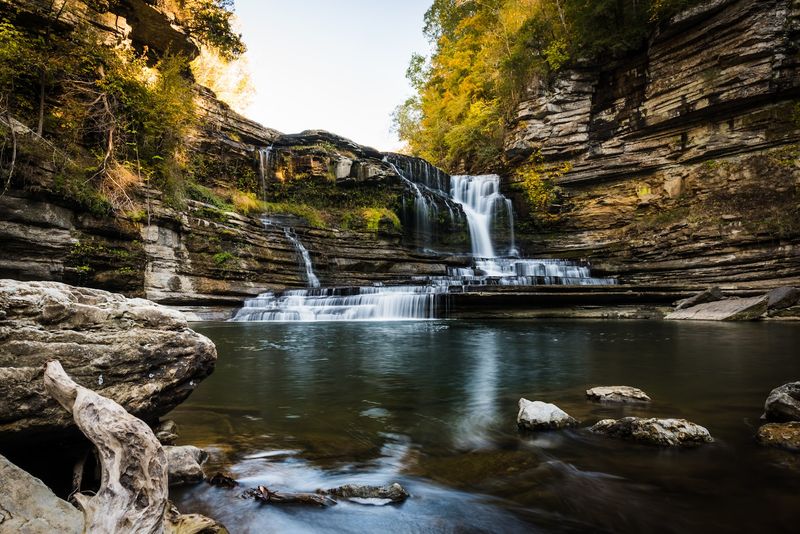
Getting to Cummins Falls is not exactly a stroll in the park, and that is entirely the point. The hike involves wading through Blackburn Fork Creek, scrambling over rocks, and navigating a gorge that demands your full attention.
But when you round the final bend and the 75-foot waterfall comes into view, crashing into a wide, clear swimming hole below, every slippery rock and muddy shoe is immediately worth it.
The falls are located near Cookeville in Jackson County, and the park is small but spectacularly beautiful. Swimming is allowed in the pool at the base of the falls during warmer months, and the cold, clear water feels incredible after the effort of the hike in.
Photographers love the dramatic angle from the rocks at the water’s edge.
Water shoes are strongly recommended because the creek crossing can be slick and unpredictable. During heavy rain or high water, the gorge hike is closed for safety, so check conditions before heading out.
The total hike is roughly two miles round trip, but the terrain makes it feel longer and more demanding than the distance suggests. Arrive early on summer weekends to beat the crowds.
10. Arrington Vineyards
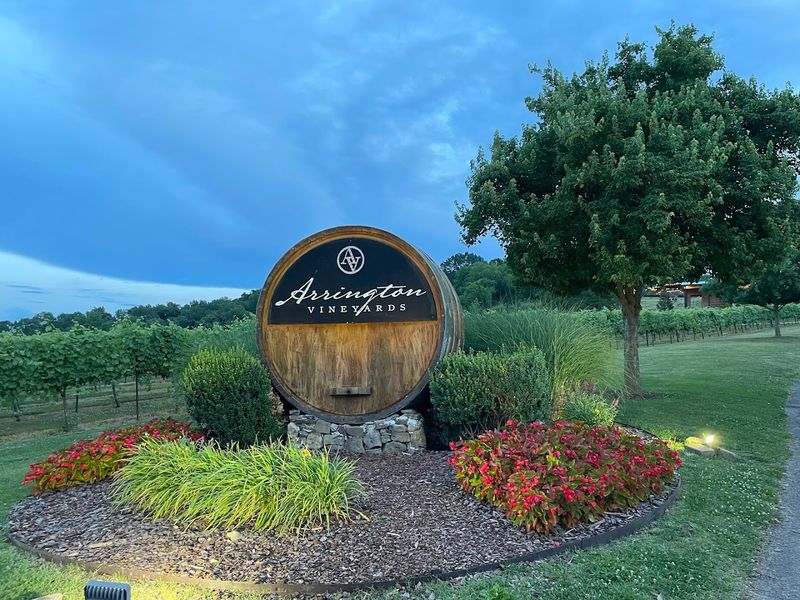
A Saturday afternoon at Arrington Vineyards has a way of slowing everything down in the best possible way. The vineyard sits on 300 acres of rolling Tennessee hills about 25 miles south of Nashville, and the setting alone makes the trip feel worth it before you even taste anything.
Founded in part by country music legend Kix Brooks of Brooks and Dunn, the place has genuine personality rather than just polished marketing.
Live music on weekends draws a laid-back crowd that spreads out across the lawn with blankets and picnic baskets. Tastings are approachable and unpretentious, which keeps the atmosphere relaxed rather than stuffy.
Bringing your own food is encouraged, and you will see plenty of people arrive with elaborate spreads. Dogs are welcome in outdoor areas, which adds to the friendly, community-park vibe that makes Arrington feel like a genuinely special Tennessee original rather than a tourist trap.
11. Sun Studio
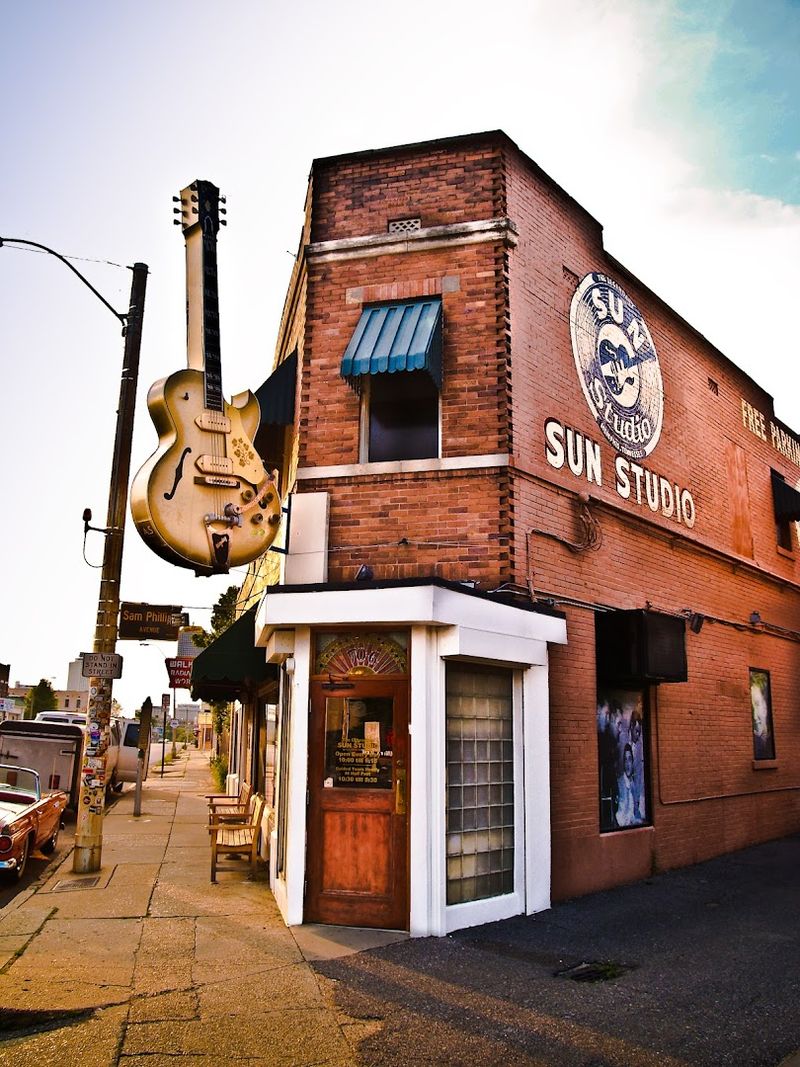
On January 5, 1956, Elvis Presley recorded Heartbreak Hotel in this building, and the music world was never quite the same. Sun Studio in Memphis is where rock and roll was essentially born, and the studio still operates as a working recording space today while running tours during daylight hours.
That combination of living history and active creative use makes it feel unlike any other music landmark in the country.
The tour is intimate and packed with detail, walking you through the original equipment, photographs, and stories from the early sessions that launched careers for Elvis, Johnny Cash, Jerry Lee Lewis, and Carl Perkins. Standing on the same floor where those recordings happened is a surprisingly emotional experience even if you are not a devoted fan.
The microphone Elvis used is still there, and yes, you can stand next to it for a photo.
Tours run about an hour and are capped at small group sizes, which keeps the experience personal. The attached diner is a fun spot for a milkshake before or after.
Book tickets in advance because this is one of the most consistently popular stops in Memphis, especially on weekend mornings when the line forms early.
12. Burgess Falls State Park
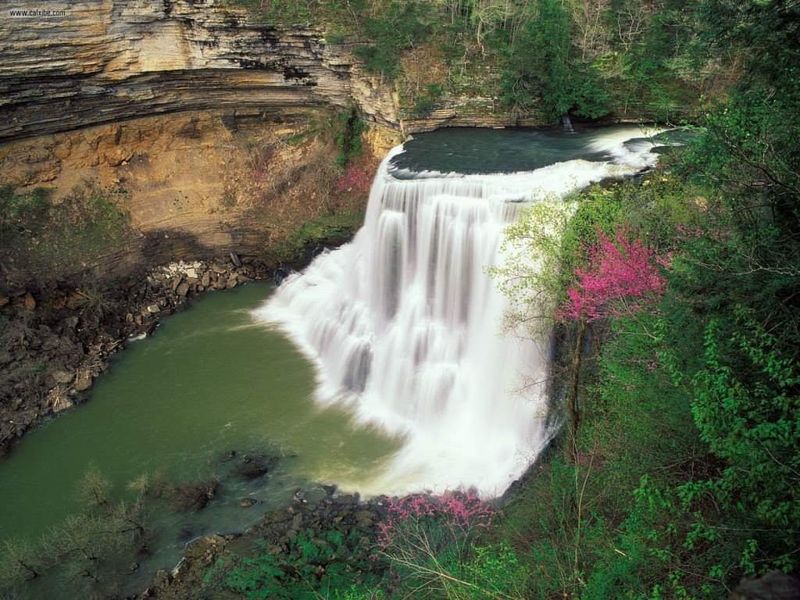
Most people expect one waterfall when they visit Burgess Falls State Park. What they actually get is four, each one bigger and more dramatic than the last, building toward a 136-foot main falls that crashes into a deep, rocky gorge with serious force.
The progression makes the hike feel like a story with a genuinely satisfying ending that keeps getting better with every bend in the trail.
Located near Cookeville in Putnam County, the park is accessible and family-friendly for the most part, though the final stretch to the main falls requires some careful footing on steep and uneven terrain. The trail runs about three miles round trip along the Falling Water River, offering continuous views of rushing water and canyon walls draped in ferns and moss.
Spring runoff and post-rain visits bring the highest water volume and the most dramatic visual impact.
Swimming is not permitted at the falls, but the scenery is more than enough reason to make the trip. Picnic tables near the trailhead make it easy to extend the visit into a full afternoon outing.
The park is free to enter and rarely overcrowded outside of peak summer weekends, giving it a relaxed and unhurried atmosphere that feels refreshingly easy.
13. Big South Fork National River And Recreation Area
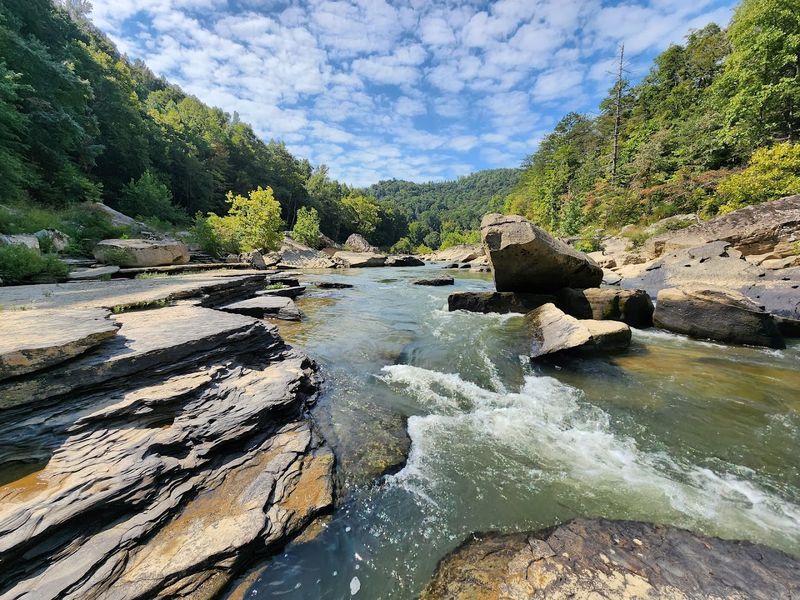
Big South Fork does not get nearly the attention it deserves, which is honestly part of what makes it so rewarding. Straddling the Tennessee-Kentucky border in Scott and Pickett counties, this national recreation area covers over 125,000 acres of rugged Cumberland Plateau terrain, with sandstone arches, deep river gorges, and forested bluffs that rival anything in better-known parks.
The relative lack of crowds means you can actually hear the river, the birds, and your own thoughts.
The Blue Heron area is a great starting point, with an interpreted ghost town, a swinging bridge, and river access that makes for a memorable afternoon. The John Muir Trail and Sheltowee Trace offer longer backpacking routes for those ready to commit to a multi-day adventure.
Horseback riding, whitewater paddling, and mountain biking are all available within the park, giving it serious versatility as a destination.
The nearest towns of Oneida and Jamestown offer basic services and lodging. Camping within the park ranges from primitive backcountry sites to developed campgrounds with hookups.
Fall is spectacular here when the hardwood forest turns gold and rust across the gorge walls, and the cooler temperatures make hiking feel genuinely effortless and endlessly enjoyable.