
12 Places Where Camping Feels Especially Rewarding In Tennessee This Spring
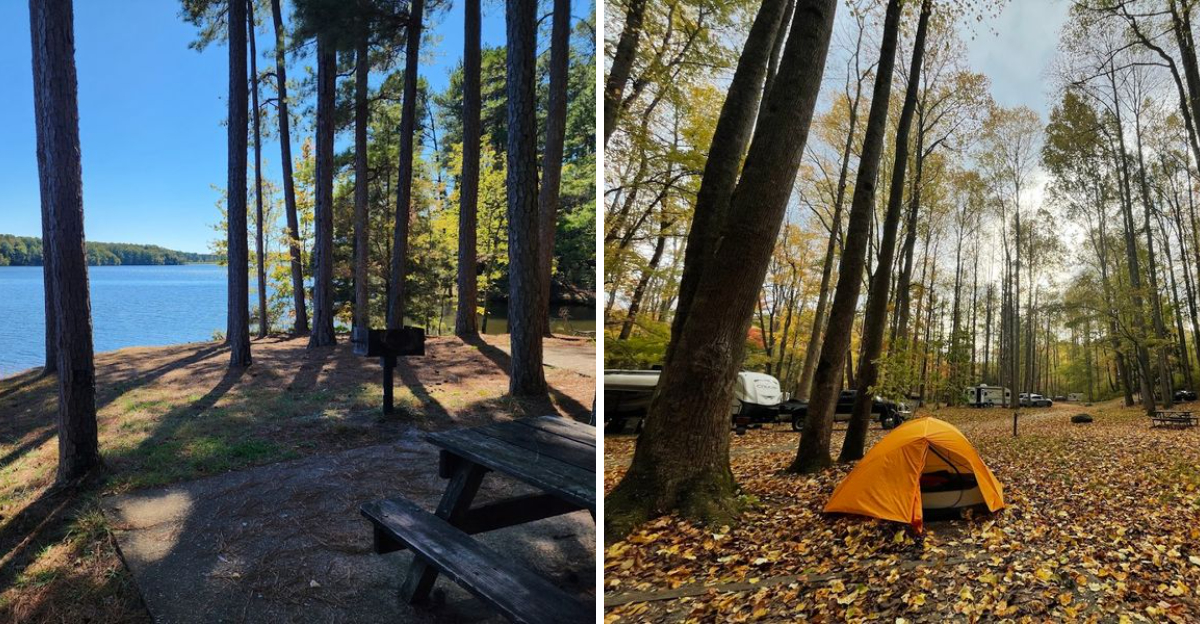
Spring has a way of making camping feel even more worthwhile, especially in Tennessee’s mix of mountains, forests, and lakes. Cooler mornings, blooming wildflowers, and longer daylight hours create the kind of setting that’s hard to rush through.
Some spots offer peaceful water views, while others bring scenic trails and fresh air that feels like a reset. It’s not just about pitching a tent, it’s about slowing down and enjoying the surroundings without distractions.
Campfires feel better, hikes feel easier, and even the quiet moments stand out more. These places make spring camping feel simple, refreshing, and genuinely rewarding.
1. Great Smoky Mountains National Park – Elkmont Campground
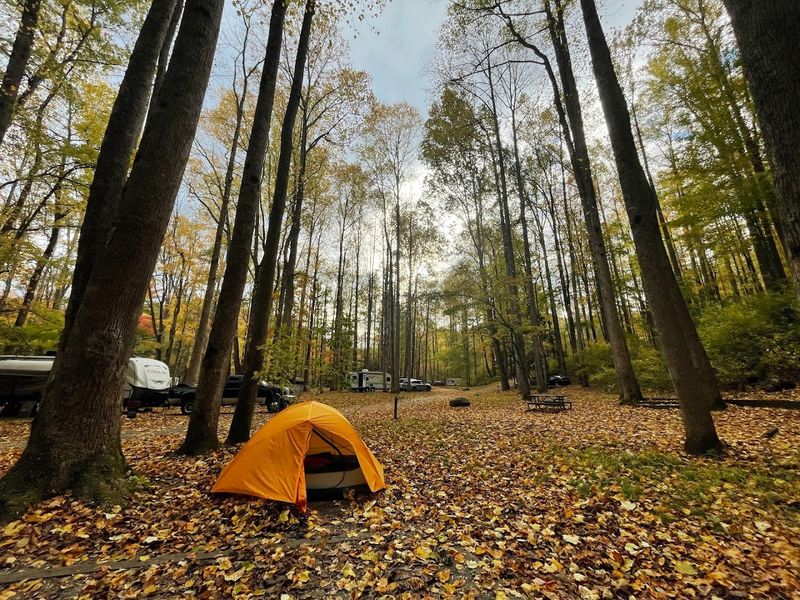
Walking into Elkmont in spring feels like stepping into a painting that someone forgot to finish, because new colors keep appearing every single day. Wildflowers carpet the forest floor while Jakes Creek rushes nearby, filling the air with that constant, calming sound of moving water.
It’s the kind of place that makes you forget your phone exists.
Elkmont sits at around 2,150 feet elevation, which keeps temperatures cooler than the valleys below. That’s great news when you want to hike without melting.
The campground has over 200 sites, so booking ahead on Recreation.gov is a must, especially for spring weekends when everyone has the same idea you do.
Firefly season begins building momentum in late spring here, and even before peak synchronous firefly activity, the woods feel magical after dark. The historic Elkmont cabins nearby add a layer of old-mountain-town charm that most campgrounds simply can’t offer.
Bring layers, sturdy shoes, and a curiosity for wildflowers, because trillium, bloodroot, and wild geranium all show up like invited guests.
2. Fall Creek Falls State Park Campground
Standing at the edge of Fall Creek Falls and looking down 256 feet is one of those experiences that rewires your brain a little. It’s the tallest free-falling waterfall in the eastern United States, and spring turns everything around it into an explosion of green that makes the white water pop even harder against the backdrop.
The campground itself is well-developed and comfortable, with both tent and RV sites available. You won’t feel roughing it here, which is honestly perfect for families easing into camping.
There’s a swimming pool, a restaurant, and a golf course nearby if you need a break from trail life.
Spring hiking at Fall Creek Falls is genuinely outstanding. The Gorge Overlook Trail gives you sweeping views without demanding too much from your legs.
Cascade Falls and Cane Creek Cascades are also within easy reach, so you could spend three days just waterfall-hopping. Pack a rain jacket because spring showers are common, and the falls look absolutely wild after a good rain.
Reserve your site early at tnstateparks.com because this park fills up fast once the warm weather arrives.
3. Cades Cove Campground
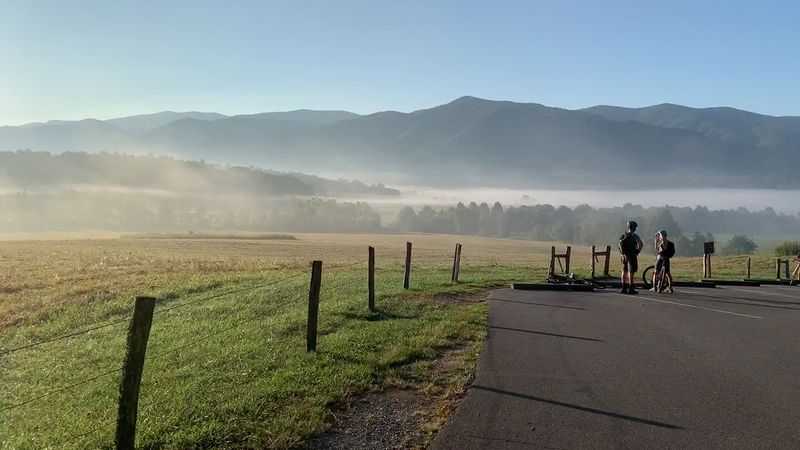
Misty mornings at Cades Cove are the kind of thing people describe to their friends for years afterward. The wide open valley sits surrounded by forested ridges, and in spring, that bowl fills with low-hanging fog that makes deer, turkeys, and the occasional bear look like they’re moving through a dream.
You really can’t manufacture this kind of atmosphere.
The campground has 159 sites and sits right along Abrams Creek, which adds a pleasant soundtrack to your evenings. Loop A is especially popular because of its proximity to the creek and a bit more shade.
Since this is inside Great Smoky Mountains National Park, reservations are handled through Recreation.gov, and spring dates go fast.
Cades Cove Loop Road is an 11-mile scenic drive that you can do by car or, on certain mornings, by bike before cars are allowed in. Spring cycling here, with wildflowers edging the road and wildlife grazing in the open fields, is genuinely one of the best free experiences in Tennessee.
The historic grist mill, churches, and homesteads along the loop make this campground feel like a living history lesson wrapped in a nature documentary.
4. Roan Mountain State Park Campground
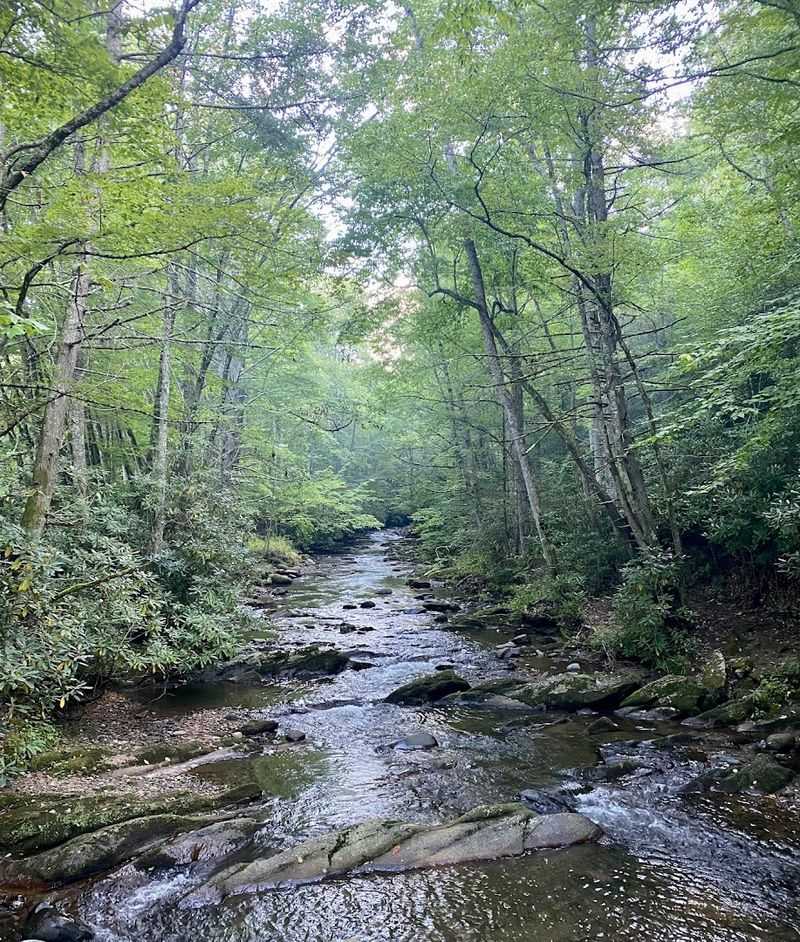
Roan Mountain runs cooler than most of Tennessee, which in spring means you get that crisp, clean mountain air that feels like a reward just for showing up. The campground sits along Doe River, and falling asleep to the sound of moving water while the temperature dips pleasantly low is something your future self will thank you for arranging.
The rhododendron bloom at Roan Mountain is legendary. While peak bloom usually hits in June, the buildup begins in spring with other wildflowers and budding trees that transform the entire mountainside.
The park celebrates this annually with the Rhododendron Festival, so timing your visit right could land you in the middle of a genuine local tradition.
Hiking options here are excellent and varied. The Appalachian Trail crosses Roan Mountain, and the high balds above the treeline offer 360-degree views that feel almost unfair on a clear spring day.
Campsites are comfortable and shaded, with modern restrooms and hot showers available. Book through tnstateparks.com and choose a site near the river if you can.
Bring a fleece because even warm spring days cool off dramatically once the sun drops behind the ridge.
5. Big Ridge State Park Campground
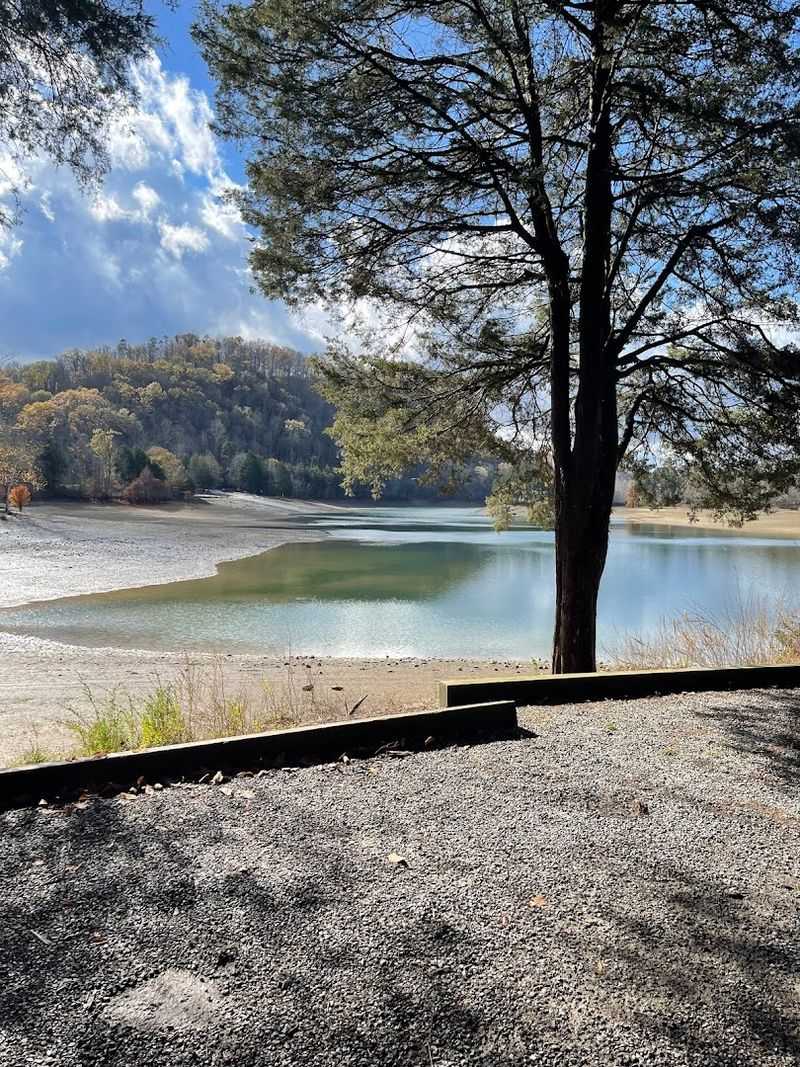
Big Ridge is the campground you tell your closest friends about and quietly hope stays a secret. Located near Norris Lake in Union County, this park draws far fewer crowds than the Smoky Mountain campgrounds, which means you actually get to hear birds instead of neighboring campers.
Spring here feels genuinely peaceful in a way that’s increasingly hard to find.
The lake access is a serious perk. Fishing, kayaking, and swimming are all available, and spring bass fishing on Norris Lake is something local anglers plan their whole season around.
The campground has around 50 sites, a mix of tent-only and RV-compatible spots, all set among mature hardwoods that are absolutely stunning when the leaves first come in.
Trails in the park are moderate and well-maintained. The Dark Hollow Trail winds through a hollow that stays cool and shaded even on warmer spring days.
Big Ridge also has a small sandy beach area that’s perfect for afternoon breaks between hikes. Reservations are available through tnstateparks.com, and because this park doesn’t get the same name recognition as others, you have a better shot at snagging a weekend site without planning months ahead.
6. Harrison Bay State Park Campground
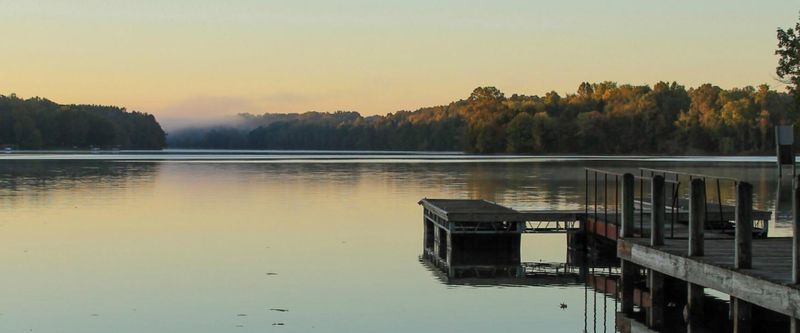
Lakeside camping with wide open water views is a different kind of joy than mountain camping, and Harrison Bay delivers it in a way that feels almost indulgent. Sitting on the shores of Chickamauga Lake near Chattanooga, this park gives you big sky, big water, and the satisfying sound of waves lapping against the bank while you drink your morning coffee.
Spring fishing here is genuinely excellent. Crappie, bass, and catfish are all active as the water warms up, and the park has a boat ramp and marina that make getting out on the water easy.
Even if fishing isn’t your thing, watching the lake at sunset from a lakeside campsite is a full entertainment package on its own.
The campground has over 130 sites, many with electric hookups, and the facilities are well-kept and family-friendly. Chattanooga is only about 20 minutes away, so you can enjoy the outdoors during the day and still pop into the city for dinner if cabin fever strikes.
Spring wildflowers bloom along the park’s trails, and the mild temperatures make hiking comfortable. Reserve through tnstateparks.com, and request a lakeside site specifically because those spots book out first.
7. Natchez Trace State Park Campground
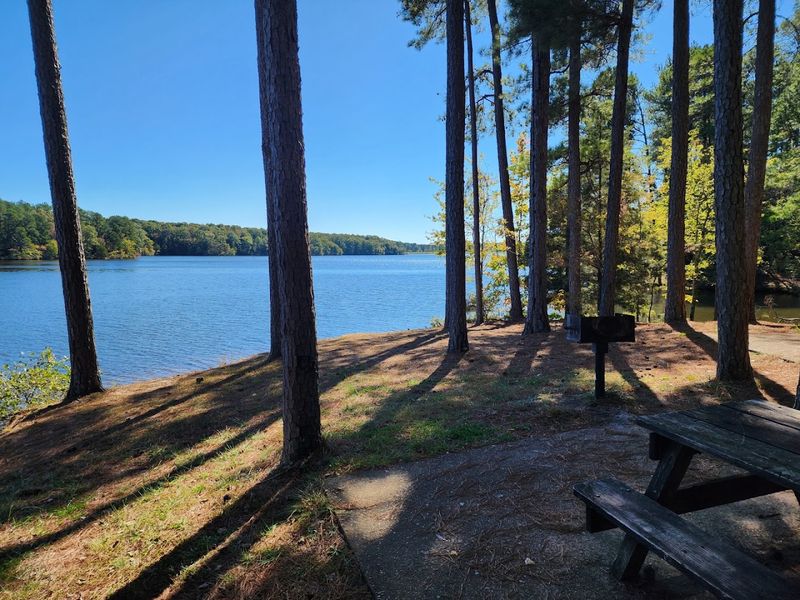
Out in West Tennessee where the land flattens and the forests spread wide, Natchez Trace State Park offers something genuinely underrated. Four lakes, miles of trails, and a campground that rarely feels overcrowded make this one of the best-kept secrets in the state park system.
Spring softens everything here, painting the forest in shades of green that range from pale yellow-green to deep emerald.
The park covers over 48,000 acres, which means you have serious room to roam. Hiking and equestrian trails wind through the forest, and the lakes are open for fishing, swimming, and boating.
Pin Oak Lake is particularly scenic in spring when the trees around its edge are freshly leafed out and the water reflects everything perfectly.
Camping options include primitive tent sites, improved sites with hookups, and even cabins if you want a roof over your head. The campground is quiet and the pace is slow, which is exactly the point.
This park sits close to the historic Natchez Trace Parkway, so combining your trip with a scenic drive along that corridor adds another layer of richness to the experience. Book through tnstateparks.com and give yourself at least two nights to really settle in.
8. Pickett CCC Memorial State Park Campground
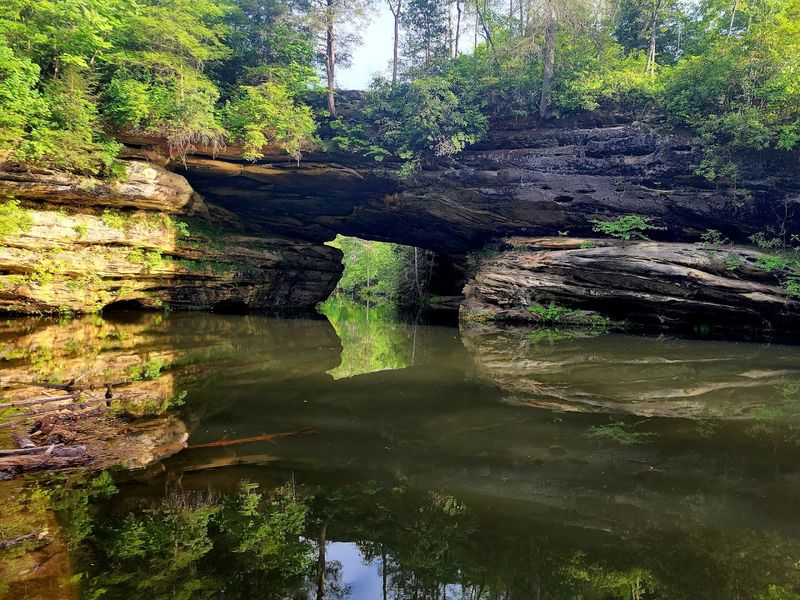
There are campgrounds, and then there are campgrounds that make you feel like you’ve discovered something most people have never seen. Pickett CCC Memorial State Park falls firmly in the second category.
Located in the Cumberland Plateau near Jamestown, this park has sandstone arches, natural bridges, and rock formations that look like they belong in a completely different landscape than Tennessee.
Spring is an ideal time to visit because the forest canopy hasn’t fully closed in yet, which means better light for photography and easier navigation on the trail system. The park connects to the Big South Fork National River and Recreation Area, expanding your hiking options dramatically.
Over 58 miles of trails are accessible from this area, ranging from easy walks to serious backcountry routes.
Dark skies are a real draw here. Pickett is one of the darkest places in Tennessee, and spring nights before summer humidity settles in offer some of the clearest stargazing in the region.
The campground is small and intimate, which adds to the remote feeling without actually being far from civilization. Reservations through tnstateparks.com are recommended but this park books up slower than others, giving you a bit more flexibility on timing.
9. Edgar Evins State Park Campground
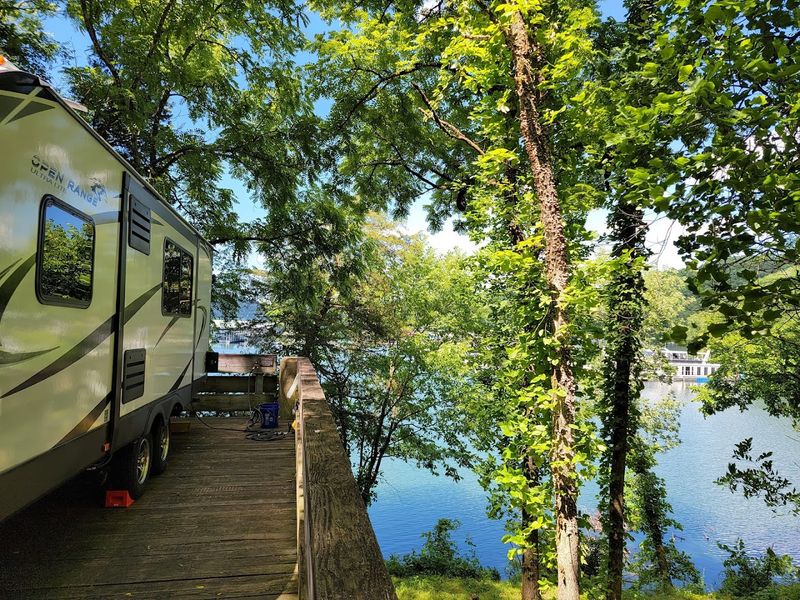
Imagine waking up in your tent, unzipping the door, and looking out over a lake that’s so blue and calm it looks photoshopped. That’s a real Tuesday at Edgar Evins State Park.
Perched above Center Hill Lake in DeKalb County, this campground has some of the most dramatic lake views of any state park in Tennessee, and spring makes those views even more vivid.
The lake itself is a playground. Boating, fishing, kayaking, and swimming are all popular activities, and the marina at the park makes getting on the water straightforward.
Spring bass fishing on Center Hill Lake has a strong local reputation, and the combination of clear water and warming temperatures makes for productive days out on the boat.
Hiking trails in the park are moderate and scenic, winding through hardwood forest that’s alive with birdsong in spring. The campground has both tent and RV sites, many of which sit elevated with lake views that you’d normally have to pay serious resort money to access.
Facilities are clean and well-maintained. Because this park doesn’t get the same foot traffic as the Smoky Mountain campgrounds, spring weekends here feel genuinely relaxed.
Book through tnstateparks.com and ask for a lakeview site.
10. Norris Dam State Park Campground
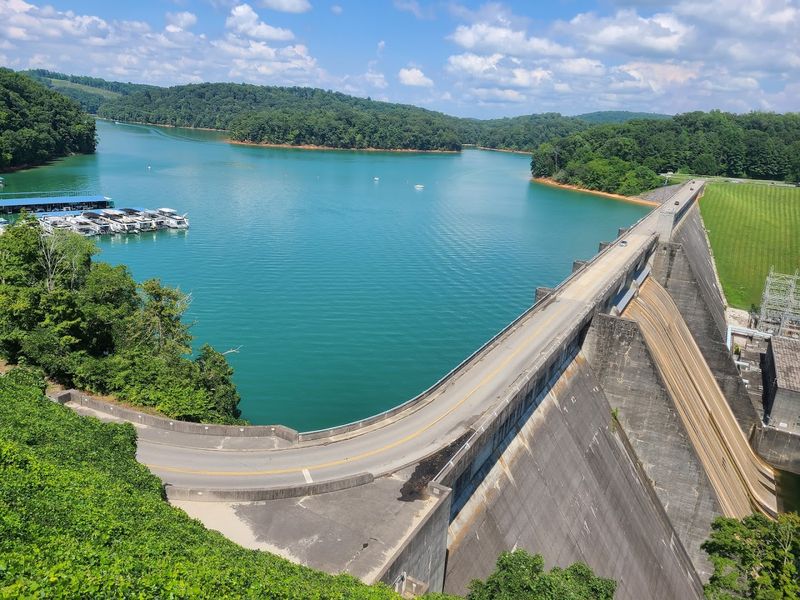
History and nature rarely combine as smoothly as they do at Norris Dam State Park. The dam itself, built by the Tennessee Valley Authority in the 1930s, is a genuine piece of American history, and the park that surrounds it has been drawing campers for generations.
Spring rolls through this part of East Tennessee with rolling green hills and a lake that seems to stretch in every direction.
Norris Lake is massive, covering over 34,000 acres, and the park gives you access to some of its most scenic shoreline. Boating and fishing are popular, and the campground’s proximity to the water means you can go from your sleeping bag to the boat ramp in about five minutes.
Largemouth bass and walleye fishing are both strong in spring as the water temperature climbs.
The park has two campground areas, the Norris Dam and the Sawmill, each offering a slightly different experience. Trails connect to the Lenoir Museum, which showcases early Appalachian life and is worth an hour of your time.
The campground facilities are solid, with hot showers and clean restrooms. Knoxville is less than 30 minutes away, making this a realistic option even for a long weekend escape.
Reserve through tnstateparks.com well ahead of spring break.
11. South Cumberland State Park – Foster Falls Campground
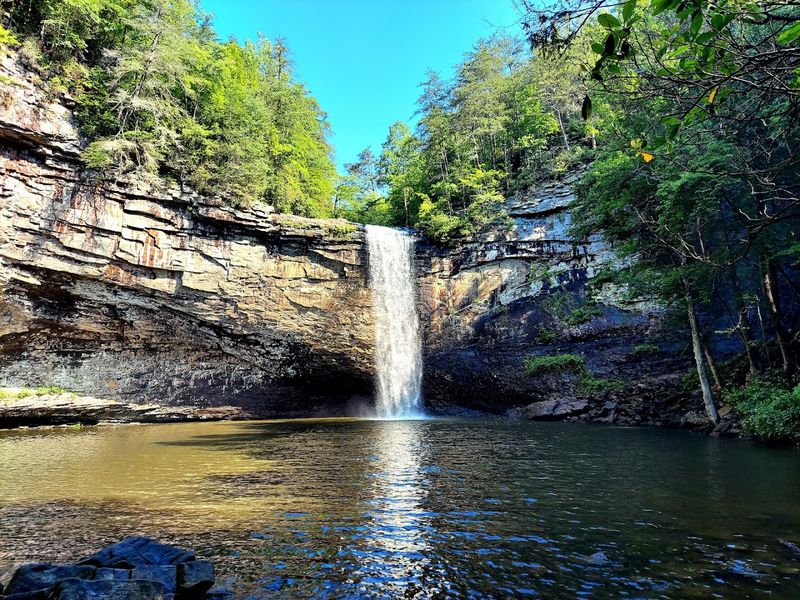
Foster Falls hits different in spring. The waterfall drops about 60 feet into a rocky gorge, and after spring rains push the water volume up, it roars.
Standing at the overlook with mist on your face while the forest around you is bursting with new green growth is one of those moments that reminds you why camping exists in the first place.
The campground at Foster Falls is small, primitive, and absolutely perfect for that reason. You get pit toilets and fire rings, not resort amenities, and the trade-off is an atmosphere of genuine wilderness that more developed parks simply can’t replicate.
Rock climbing is popular here too, with sandstone walls attracting climbers from across the Southeast each spring.
The trail network connects to the larger South Cumberland trail system, which spans multiple park units across the plateau. Day hikes from the campground can take you to overlooks, through narrow canyon passages, and along creek corridors lined with wildflowers.
Spring ephemerals bloom early in the shaded hollows, and the birding is exceptional as migratory species pass through. Reservations are available through tnstateparks.com, and because the campground is small, booking early is genuinely important if you want a spring weekend spot.
12. Paris Landing State Park Campground
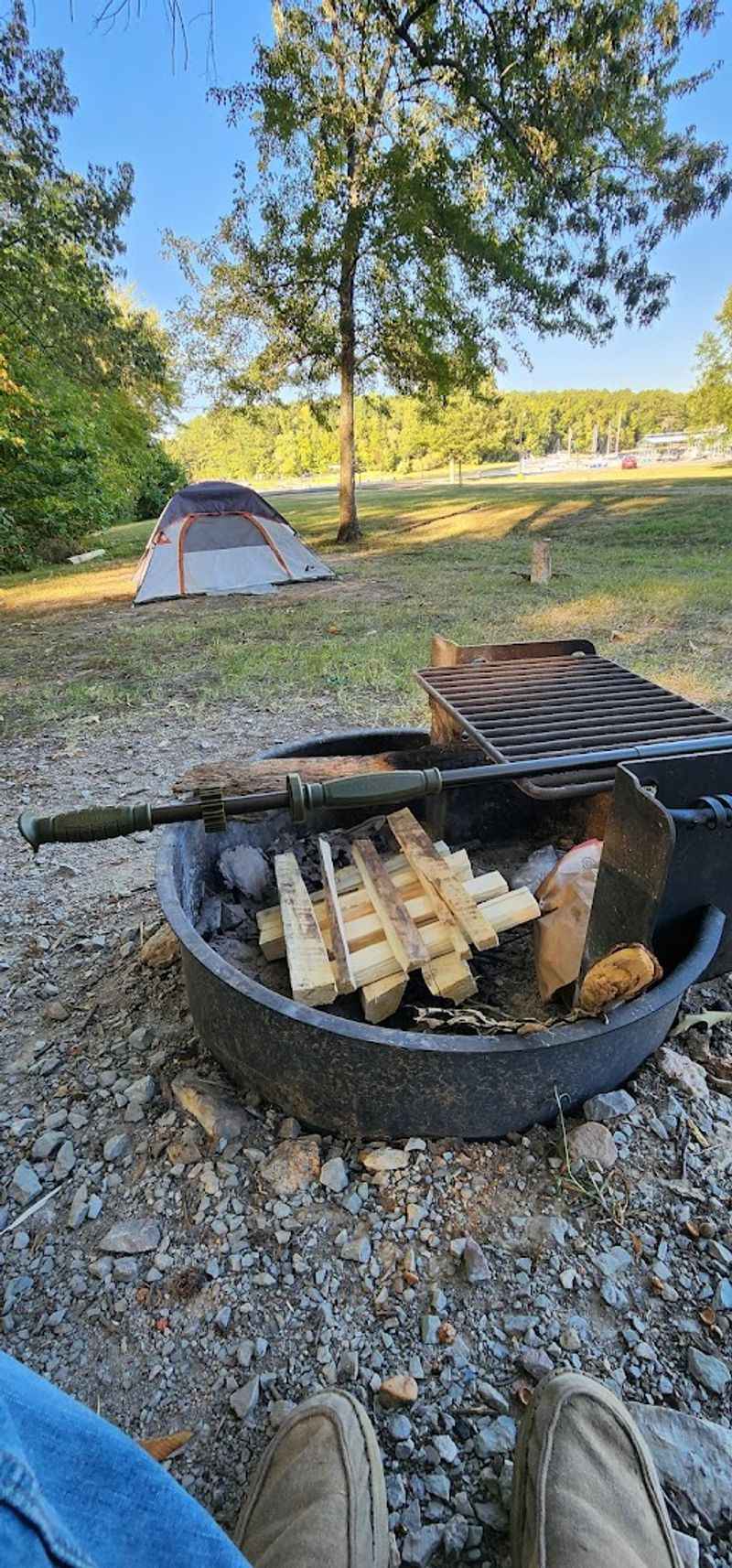
Kentucky Lake at sunset, viewed from a lakeside campsite at Paris Landing, is the kind of scene that turns skeptics into dedicated campers. This is big water, covering over 160,000 acres, and the park sits right on its western shore in Henry County.
Spring brings calm winds, warming water, and the kind of golden afternoon light that photographers chase their whole careers.
Fishing is the main event here. Kentucky Lake is one of the top bass fishing lakes in the country, and spring is prime time as fish move into shallower water.
The park has a full-service marina, boat ramps, and a fishing pier, so you don’t even need your own boat to get in on the action. Crappie fishing in spring is especially productive along the lake’s many submerged timber areas.
The campground has over 45 improved sites with hookups, and the facilities include a swimming pool, restaurant, and tennis courts, making this one of the more resort-like state park campgrounds in Tennessee. Families with kids who want outdoor adventure without giving up basic comforts will find Paris Landing hits the sweet spot perfectly.
Reserve through tnstateparks.com, and specifically request a site with a lake view because watching that sunset from your camp chair is the whole point.