
Pull Yourself Across A Crystal-Clear Spring On A Hand-Powered Raft In Michigan
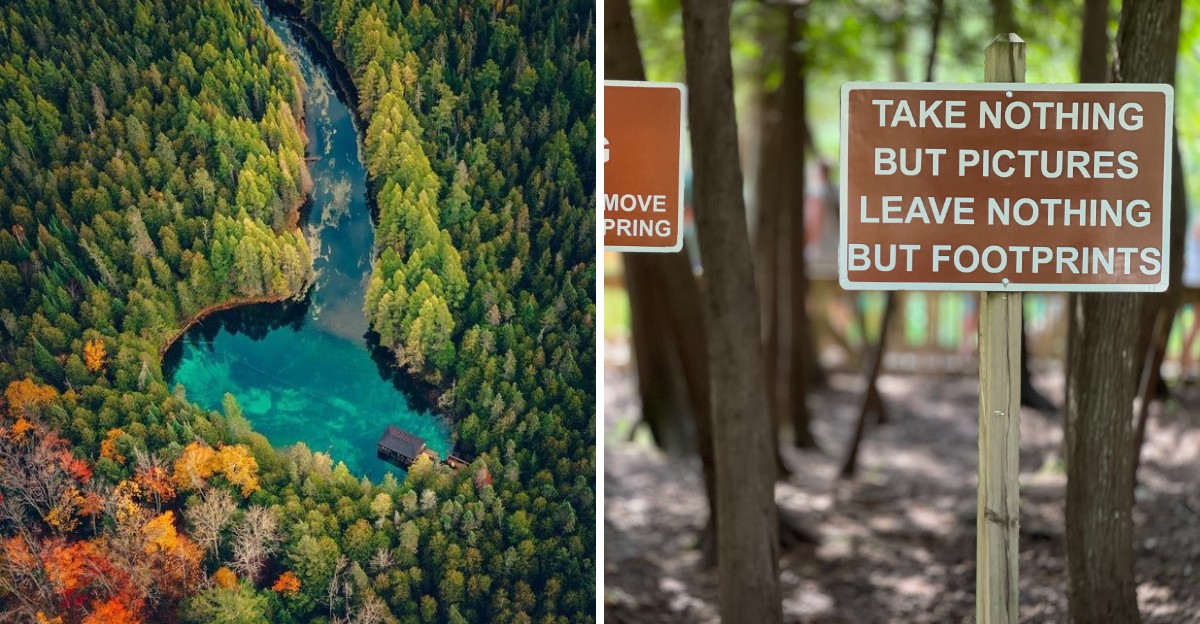
Your arms are the engine on this little raft. Turn a big wheel, and a cable pulls you across a cold, clear spring.
How clear are we talking? The bottom sits about forty feet down, yet it looks close enough to touch.
Sand puffs up like tiny volcanoes where water pushes through the rock. Big trout hang below you as if floating in air.
Could a state park in Michigan really hide something this strange?
The water holds steady at a chilly forty-five degrees all year. The rules ban swimming, so your eyes do all the exploring.
Best of all, the ride costs nothing beyond park entry.
Why settle for a scenic overlook in Michigan when you can steer the view yourself?
A Raft That Runs On Your Own Muscle
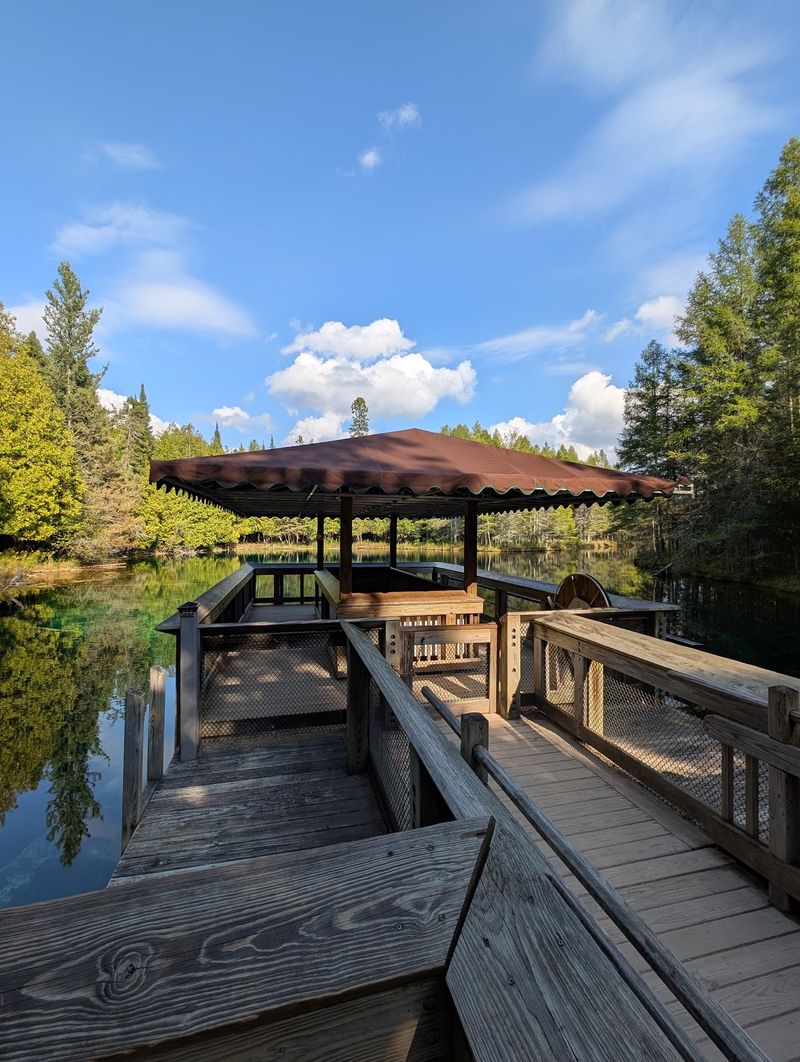
Turn the wheel and the whole raft glides. That’s the heart of Kitch-iti-kipi at Palms Book State Park.
The raft moves along a cable, and visitors pull it across the water by hand.
Nobody needs a motor here. Each group shares the work, so everyone can take a turn at the wheel.
It’s simple, and it’s a lot more fun than pushing a button.
The raft is covered and ADA accessible. It has viewing windows in the center, so you can look straight down.
That means you can enjoy the spring without leaning over the edge.
A ride usually takes about 15 to 20 minutes. There’s no extra fee for the raft, though the park itself requires a Michigan Recreation Passport for vehicle entry.
Plan on a relaxed pace, because the raft crosses slowly.
Teamwork helps. If one person tires out, another can step in and keep things moving.
Kids, parents, and strangers all end up working together.
It’s a small thing, but it makes the crossing feel like your own adventure. You earn every foot of the view.
Michigan has plenty of scenic spots, but few let you drive the boat with your arms.
Water So Clear It Almost Looks Empty
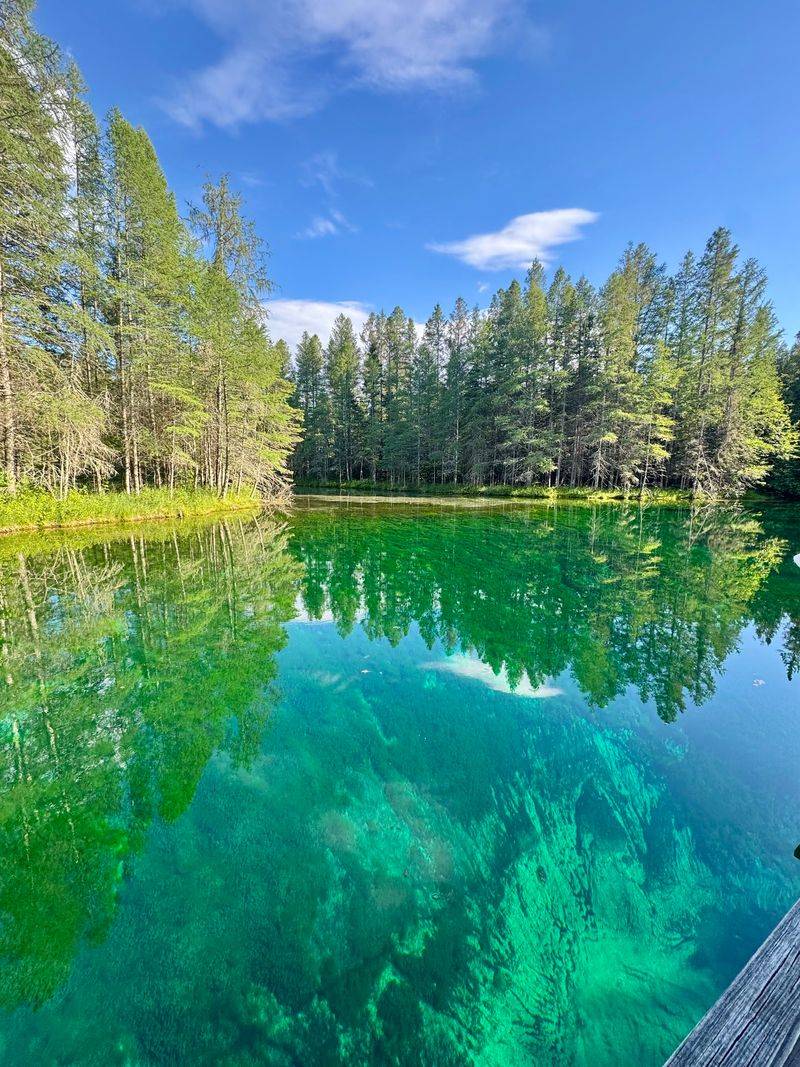
Forty feet of water can look like nothing at all. That’s the trick of this spring.
The water is so clear that the bottom seems close enough to touch.
The spring is an oval pool, roughly 300 by 175 feet. It’s about 40 to 45 feet deep.
The bottom has an emerald green tint that glows in the sunlight.
Plenty of people call it the Mirror of Heaven, one of the names tied to Kitch-iti-kipi. Sources list several Ojibwe meanings, including The Great Water and Big Cold Spring.
Each one fits.
On calm days, the surface can reflect the trees like glass. Look down through the raft windows, and the scene flips.
Suddenly you’re peering into a deep, bright world.
Bring a camera, but know that photos may not capture the color. The blue-green shades are best enjoyed in person.
Polarized sunglasses can cut glare if the sun is high.
Remember, the spring is for looking only. Swimming and launching objects into the water are not allowed.
Let your eyes do the exploring.
The Sand That Bubbles Like A Slow Fountain
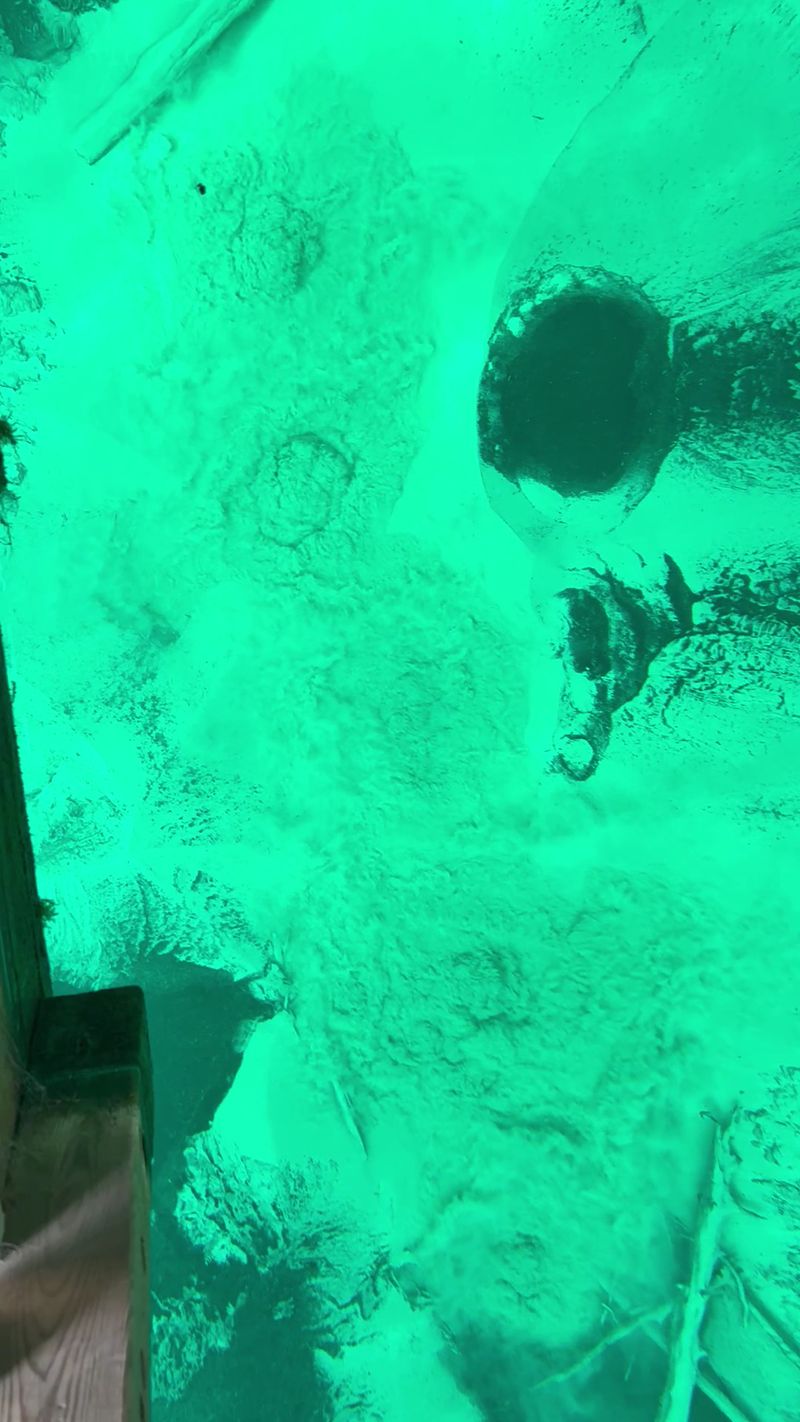
Between 10,000 and 16,000 gallons of water gush up every minute. That’s the number tied to this spring.
It pours out of cracks in the limestone bedrock below.
The moving water stirs the sand on the floor. You can see little sand fountains rising and falling.
They look like tiny underwater volcanoes puffing along.
Here’s a fun twist. The spring stays at a steady 45 degrees Fahrenheit all year.
Because the water keeps flowing, it rarely freezes, even in a hard Upper Peninsula winter.
The raft’s center windows give the best view of the bubbling sand. Stand there and wait a moment.
The patterns shift slowly, so patience pays off.
Kids love pointing out each new bubble. Adults tend to go quiet and just stare.
Both reactions make sense.
It’s a good reminder that the ground beneath Michigan is full of hidden plumbing. This spring is where it shows.
No special gear is needed, only a steady gaze.
Trout, Perch, And Ancient Logs Below Your Feet
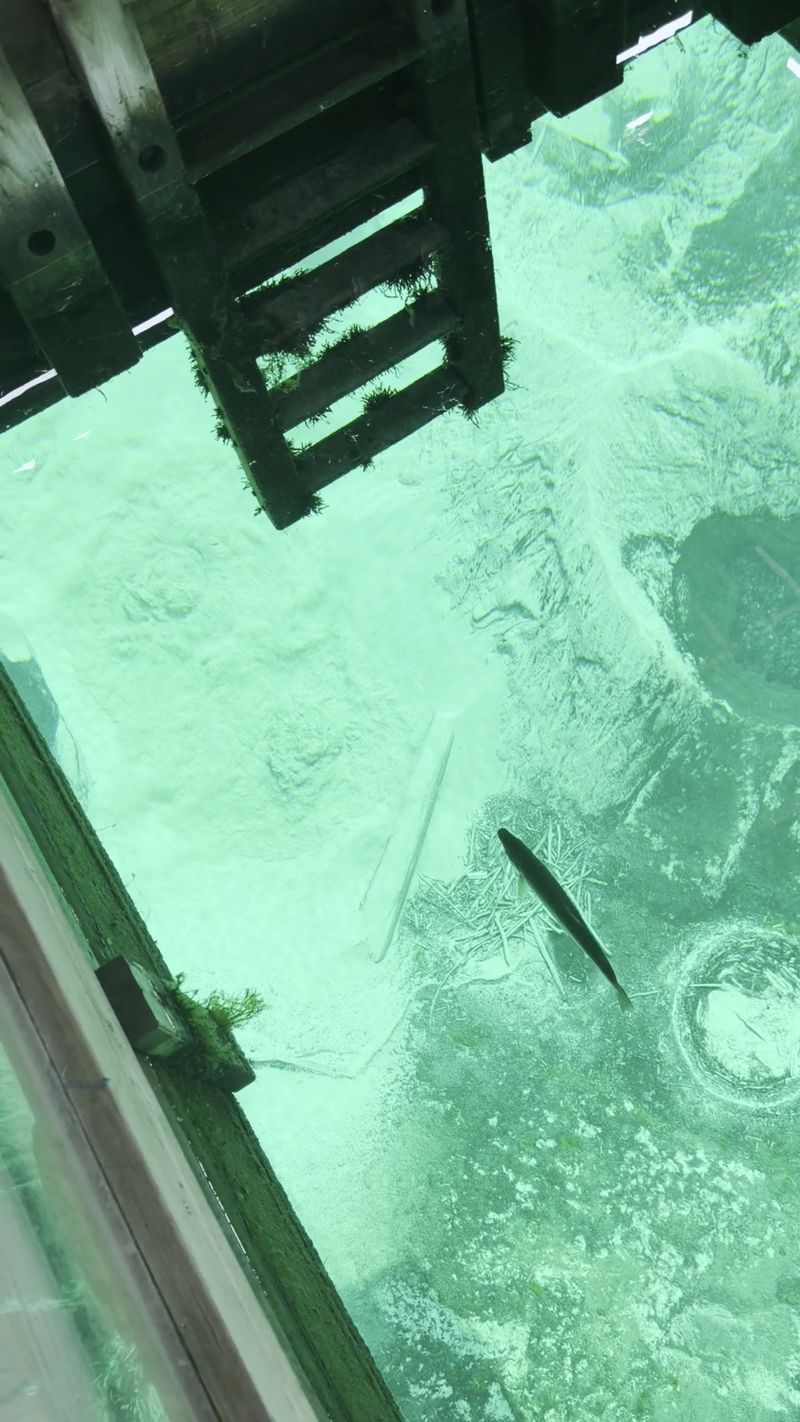
Fish seem to hang in midair here. The water is so clear that trout look suspended.
It’s a strange, wonderful trick of the eye.
Lake, brown, and brook trout all live in the spring. Yellow perch show up now and then too.
You can watch them glide past without hooks or nets.
Sunken tree trunks lie on the bottom as well. Some are covered in minerals.
They give the spring a quiet, prehistoric feel.
Fishing is not allowed, so the trout can relax. That’s likely part of why they seem so calm.
They stay put while the raft slides overhead.
Visitors sometimes find fish numbers vary from year to year. Nature keeps her own schedule.
Whatever swims by, the logs and sand still make a great show.
Look straight down through the raft windows for the best view. Point things out to each other, and you may spot more.
A slow scan from left to right works well.
A Park Born From A Ten-Dollar Sale
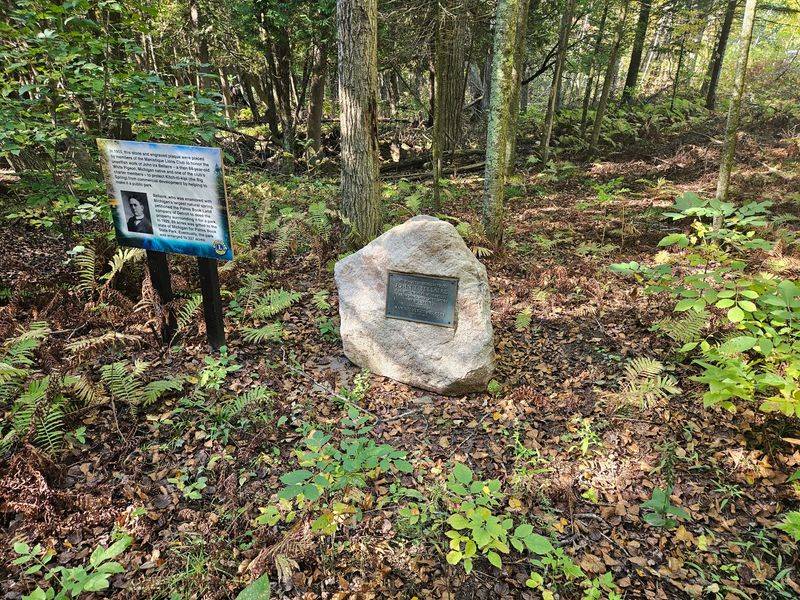
The state of Michigan paid just $10 for this land in 1926. That’s the story behind Palms Book State Park.
It’s a tale of a store owner with a big idea.
John I. Bellaire, a Manistique store owner, discovered the spring in the 1920s.
He convinced Frank Palms of the Palms Book Land Company to sell about 90 acres. The deed says the land must be used forever as a public park.
Today the park covers more than 300 acres. That’s a lot of growth from one small sale.
The deal is a gift that keeps on giving.
In the 1930s, the Civilian Conservation Corps built the original raft, dock, concession stand, and ranger’s quarters. Later, in 2003, a new walkway, covered raft, and dock arrived.
The upgrades keep the experience fresh.
Some Native American legends tied to the spring may have been embellished for promotion, according to some sources. In 2020, Carole Lynn Hare of the Sault Ste.
Marie Tribe of Chippewa Indians published an authentic Ojibwe legend passed down in her family.
Finding The Spring In The Upper Peninsula
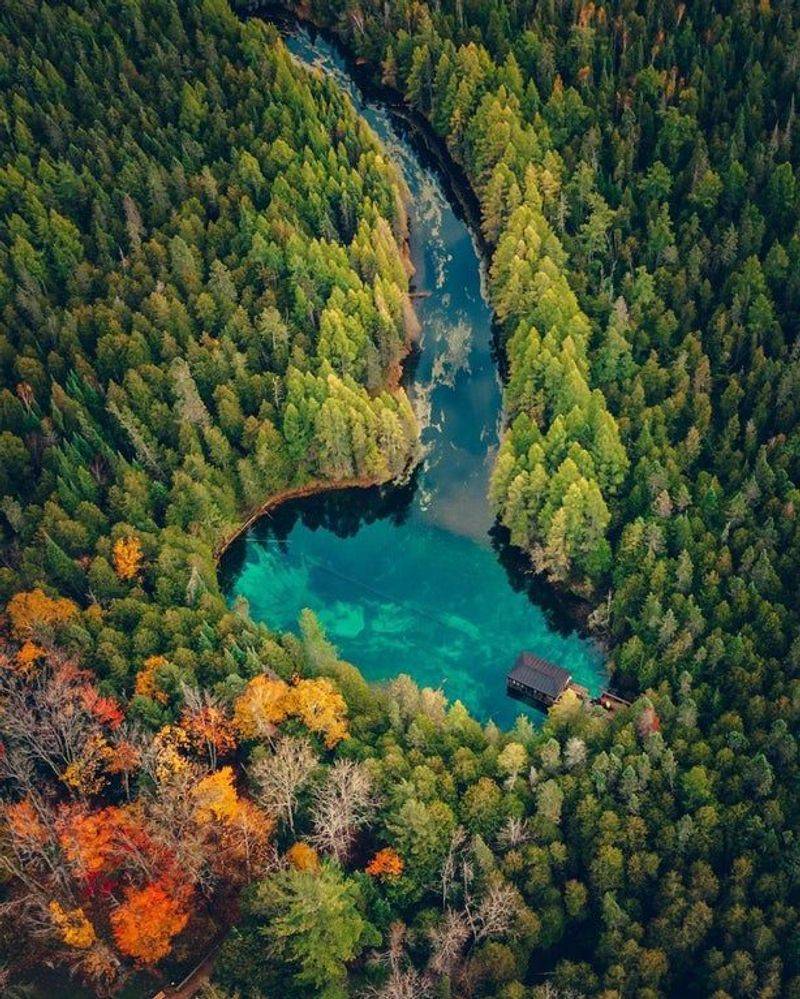
The address is 1380 Sawmill Road, Manistique, Michigan, 49854. That puts Kitch-iti-kipi northwest of Manistique.
It sits in Thompson Township, Schoolcraft County, at the north end of Indian Lake.
The Upper Peninsula is big and spread out. Give yourself time to drive.
Cell service and gas stops can be less frequent in remote areas, so plan ahead.
The raft operates daily from 8 a.m. to dusk. The park and spring are generally open year-round.
Early mornings often bring shorter waits, and some visitors note that lines can build later in the day.
A Michigan Recreation Passport is required for vehicle entry. If you don’t have one, a day pass is available for out-of-state visitors, though cash may be needed.
Bring a little just in case.
Many people tuck the spring into a longer U.S. 2 road trip. It makes a nice break from the car.
Plan on a visit of about 30 to 45 minutes.
Parking is plentiful. The walk from the lot to the spring is short and paved.
Everyone can make the trip comfortably.
An Easy Path For Almost Everyone
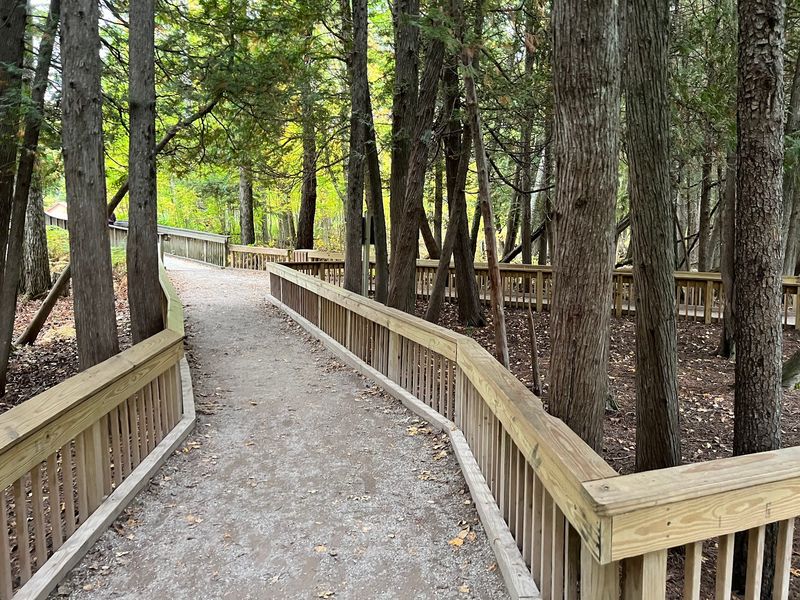
Wheelchairs and strollers roll right to the water. A short, paved, universally accessible path leads from the parking lot to the spring and raft.
The raft itself is ADA accessible.
That’s rare for a natural wonder. Many scenic spots demand a long hike.
Here, the walk is a quick stroll through the woods.
Leashed pets are welcome on the path and the raft. The leash must be 6 feet or shorter.
Bring water for your dog and keep an eye on the wheel.
Shade can be limited near the line. A hat and sunscreen help on bright days.
Early or late visits can feel cooler.
Facilities include picnic areas, vault toilets, and ample parking. Modern restrooms are seasonal.
Grills and swings add a bit of fun.
Families will find plenty of room to roam. Little ones can burn off energy before or after the ride.
It’s an easy stop on a long travel day.
Rules That Keep The Spring Sparkling
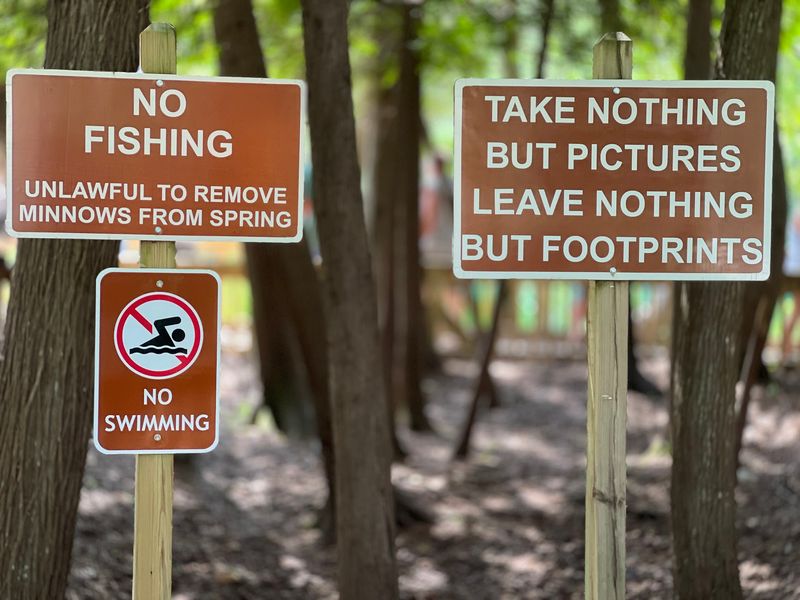
No swimming, no fishing, no boating, no drones. The list is short and clear.
It keeps the spring looking the way it should.
Skin diving, scuba diving, and bathing are also off the table. So is launching any object, including underwater cameras.
Drones can’t fly over the raft either.
Why so strict? A spring this clear is delicate.
One splash or dropped item could change the scene. The rules protect the view for everyone.
Staff may guide the raft rides and keep each trip to a fair length. That helps the line move.
A friendly attitude makes the wait easier.
The raft can sometimes be out of service. When that happens, visitors may still walk onto it and look down.
The view is still lovely.
Follow the posted signs and enjoy the show. Take photos from the raft or the path.
Leave only footprints.
Snacks, Souvenirs, And Picnic Plans
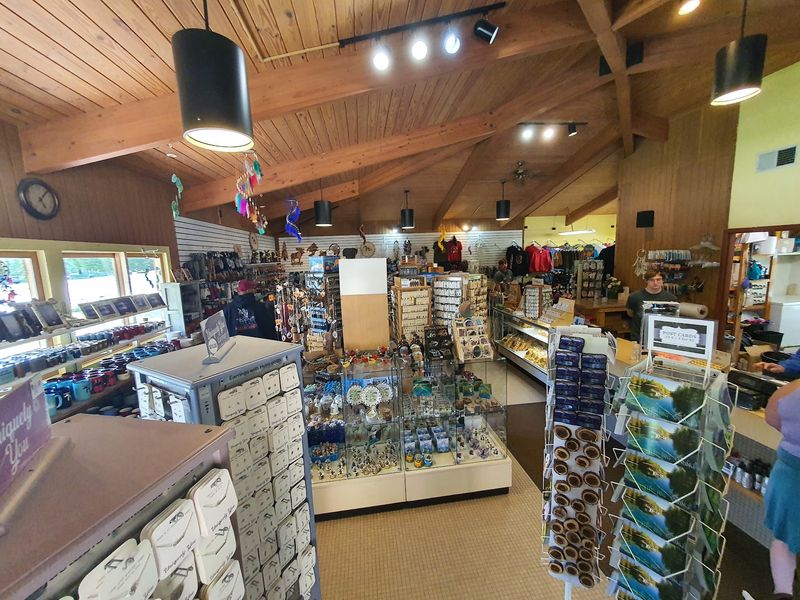
Ice cream after a raft ride sounds like a fine plan. The seasonal park store sells snacks, ice cream, bottled drinks, and souvenirs.
It’s a handy stop at Palms Book State Park.
Shop hours are seasonal and can end earlier than the raft. Visit before the store closes if you want a keepsake.
Early arrivals may find it closed.
Picnic areas sit near the parking lot. Grills are available, so a cookout is possible.
Pack your own supplies and make a meal of it.
Swings add some playtime for kids. Vault toilets stay available when the main restrooms are closed.
Planning ahead makes the day smooth.
Looking for more to do? Indian Lake State Park offers camping, boating, and lake recreation nearby.
Indian Lake Pathway is a short drive for trail lovers.
Manistique has a boardwalk and a lighthouse. Farther afield, Pictured Rocks, Fayette Historic State Park, Seney National Wildlife Refuge, and Tahquamenon Falls are popular side trips.