
10 Quirky Facts About Massachusetts That Sound Made Up (But Are 100% True)
Massachusetts has never been boring, even when it tries to look serious.
Behind the old brick buildings, college towns, harbor views, and quiet village greens, the state has stories that sound almost too strange to be real.
A wave of molasses once rushed through Boston. Christmas was actually banned for a while. A lake name is so long that most people give up halfway through saying it.
Then there are the sports, foods, beaches, and public spaces that started here before becoming part of everyday life across America.
That is what makes these facts so fun. They are odd, surprising, and completely true. Some feel like local legends. Others feel like answers to trivia questions no one expects.
Massachusetts may be small on the map, but its weird history takes up plenty of room.
1. Boston Banned Christmas
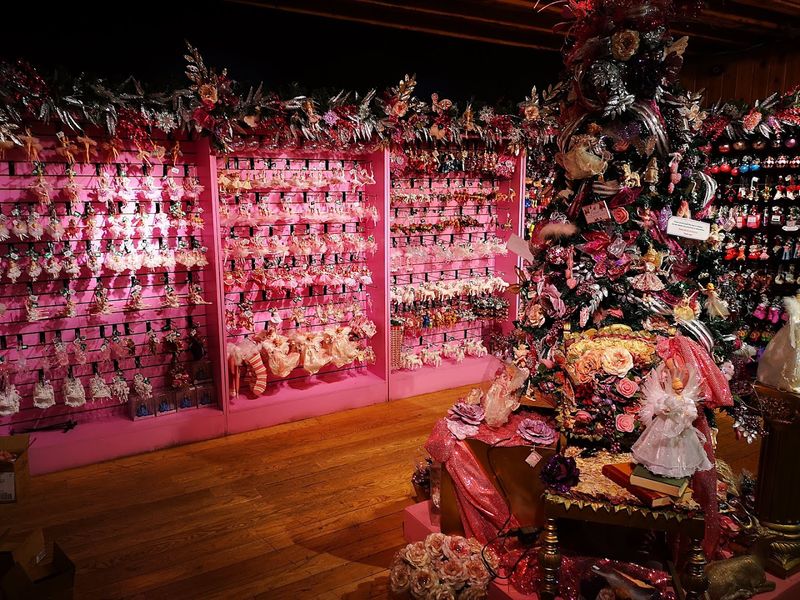
Long before holiday shopping and festive parades became traditions, Boston actually made Christmas against the law.
In 1659, the Massachusetts Bay Colony passed a rule that banned any celebration of December 25th.
People who were caught feasting, skipping work, or treating the day like a special occasion could be fined five shillings. That was serious money back then, and the Puritan leaders were not joking around about enforcing it.
The reasoning behind the ban came from Puritan religious beliefs.
The colonists felt that Christmas had become too connected to rowdy behavior and non-religious traditions, so they decided to get rid of it entirely.
The law stayed in place until 1681, meaning Boston went more than two decades without any legal Christmas celebrations. Imagine explaining that to a kid today.
Visiting Boston now, you would never guess the city once had such a strict holiday policy.
The Freedom Trail winds through the city and passes many landmarks tied to this Puritan era, giving travelers a real sense of how seriously these early settlers took their rules.
Boston truly has layers of history that keep surprising people at every turn.
2. A Molasses Wave Hit Boston
Picture this: a wall of sticky, dark molasses, standing over 25 feet tall, rushing through the streets of a Boston neighborhood at 35 miles per hour.
That actually happened in January 1919, and it is one of the strangest disasters in American history.
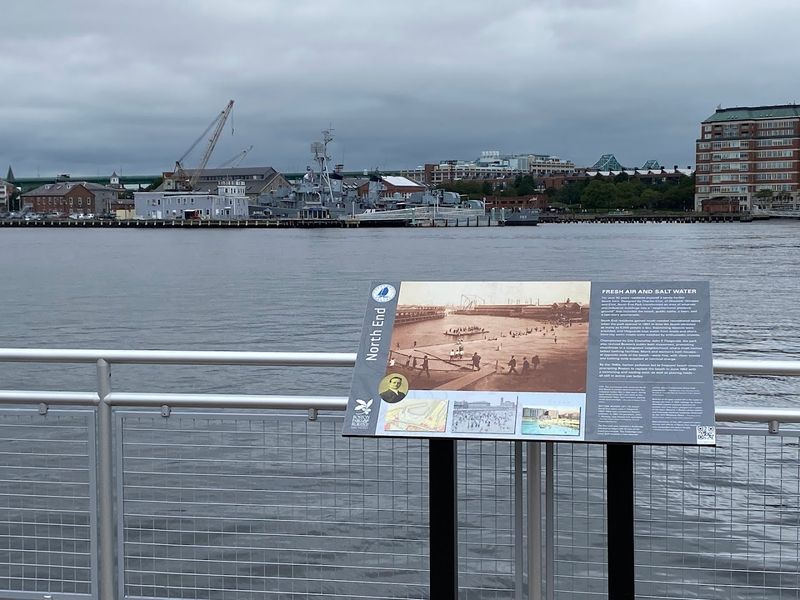
A massive storage tank owned by the United States Industrial Company burst open in Boston’s North End, releasing about 2.3 million gallons of molasses into the surrounding area.
The wave crushed buildings, overturned vehicles, and knocked over an elevated train structure. The cleanup took weeks, and residents later claimed they could still smell molasses on hot summer days for years afterward.
Today, the North End is one of Boston’s most beloved neighborhoods, packed with Italian restaurants, bakeries, and historic sites.
Visitors walking through the area near Commercial Street are literally strolling over the ground where the Great Molasses Flood occurred.
There is no official monument to the event, but local historians and tour guides love sharing the story.
It is the kind of tale that makes you stop mid-bite of a cannoli and think about just how strange and surprising history can be in this one remarkable corner of Massachusetts.
3. Basketball Started In Springfield
Before packed arenas, million-dollar contracts, and sneaker deals, basketball was just a simple idea dreamed up by one man trying to keep students active during a cold Massachusetts winter.
James Naismith was a physical education instructor at the International YMCA Training School, now known as Springfield College, when he invented the game in December 1891. He nailed peach baskets to an elevated track and handed his students a soccer ball.
The first official game had 13 basic rules and was played with nine players on each side. It was a far cry from the fast-paced sport millions of people watch and play today.
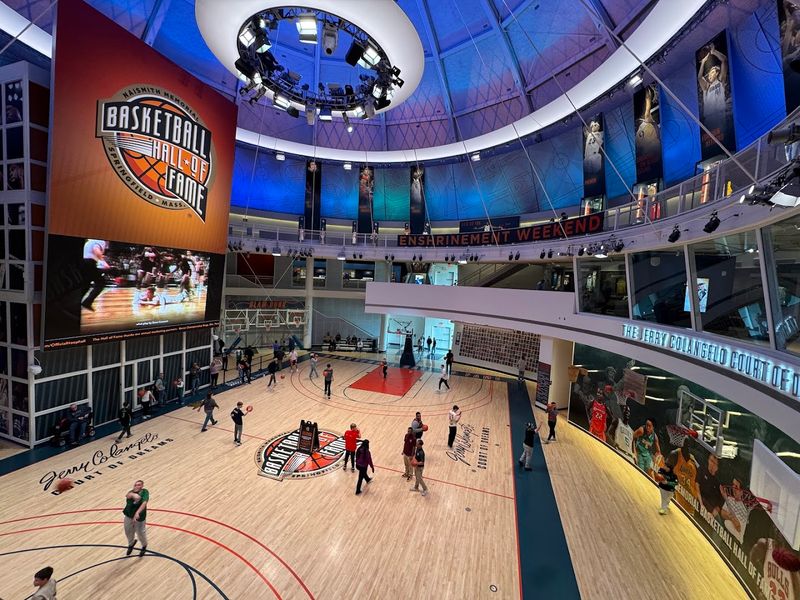
Springfield, located in western Massachusetts, is now home to the Naismith Memorial Basketball Hall of Fame.
The museum is a must-visit for any sports fan traveling through New England, featuring interactive exhibits, championship trophies, and stories from legends of the game.
Walking through the Hall of Fame, you can actually read Naismith’s original 13 rules on display.
It is a powerful reminder that one of the world’s most popular sports started right here in Massachusetts, born from a simple need to keep a gym class moving during a cold winter month.
4. Volleyball Started In Holyoke
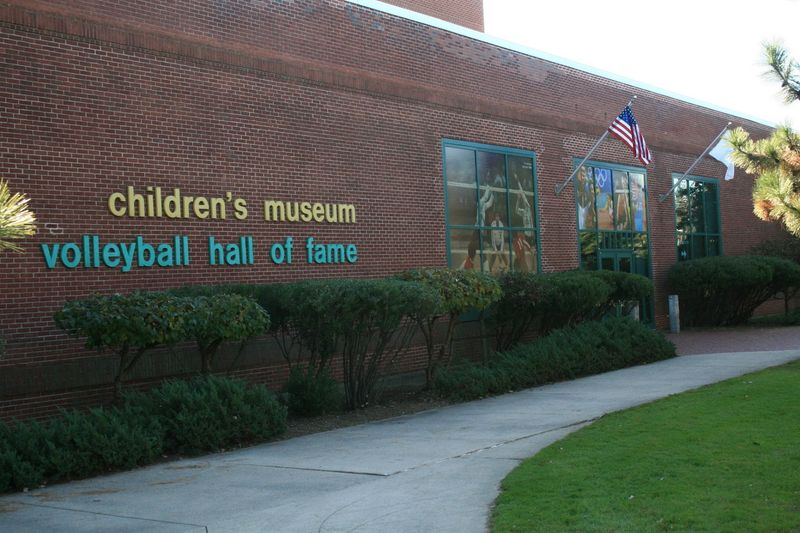
Just a short drive from Springfield, another sport was quietly being born in a YMCA gymnasium in Holyoke, Massachusetts. Four years after basketball was invented, volleyball made its debut in 1895 under a very different name.
William G. Morgan, a physical education director at the Holyoke YMCA, created the game as a less intense alternative to basketball.
He originally called it mintonette, a name inspired by badminton, and designed it for older members who wanted a lighter workout.
The name changed to volleyball after a professor watching an early game noted that players were volleying the ball back and forth over the net. The sport quickly spread through YMCA networks across the country and eventually the world.
Holyoke, a small city in the Pioneer Valley region of western Massachusetts, takes pride in its place in sports history.
The Volleyball Hall of Fame is located right in downtown Holyoke, celebrating the sport’s origins with exhibits, memorabilia, and tributes to the athletes who made it a global phenomenon.
Few people realize that two of the world’s most popular sports were both invented within just a few miles of each other in the same corner of Massachusetts, making this region a true birthplace of athletic culture.
5. A Famous Cookie Was Born In Whitman
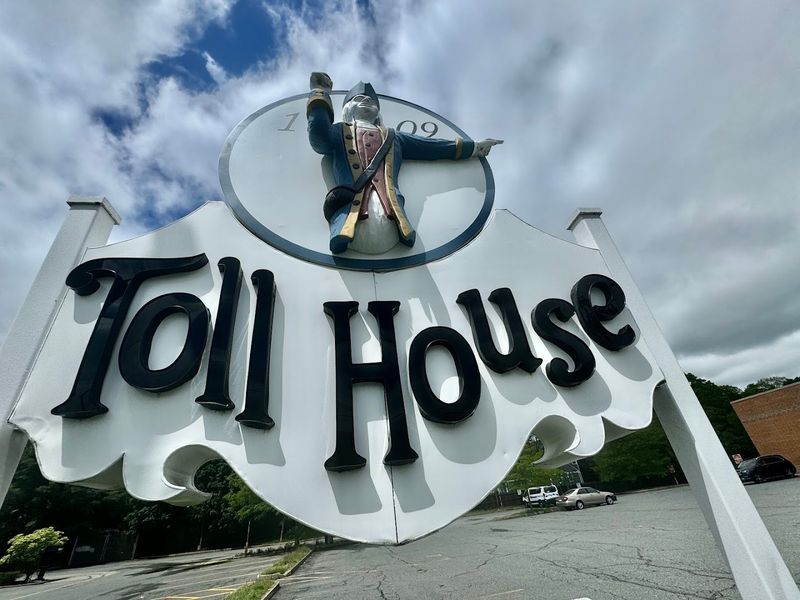
Few snacks have earned a place in the hearts of people quite like the chocolate chip cookie, and Massachusetts has full bragging rights for bringing this beloved treat into the world.
Ruth Wakefield, who ran the Toll House Restaurant in Whitman with her husband Kenneth, created the recipe in the 1930s.
She added broken pieces of a chocolate bar to her butter cookie dough, expecting the chocolate to melt fully into the batter. It did not, and the result was something far better.
The cookies became so popular that Ruth eventually sold her recipe to Nestle in exchange for a lifetime supply of chocolate.
Nestle began printing the Toll House cookie recipe on their chocolate chip packages, where it still appears today.
Massachusetts later made the chocolate chip cookie the official state cookie, a well-deserved honor that most residents are pretty proud of.
Whitman is a small town south of Boston in Plymouth County, and while the original Toll House Restaurant no longer stands, its legacy lives on in kitchens everywhere.
Next time you pull a fresh batch of cookies from the oven, just remember that a resourceful woman in a small Massachusetts town accidentally changed snack history forever, and the world has been grateful ever since.
6. A Lake Has A 45-Letter Name
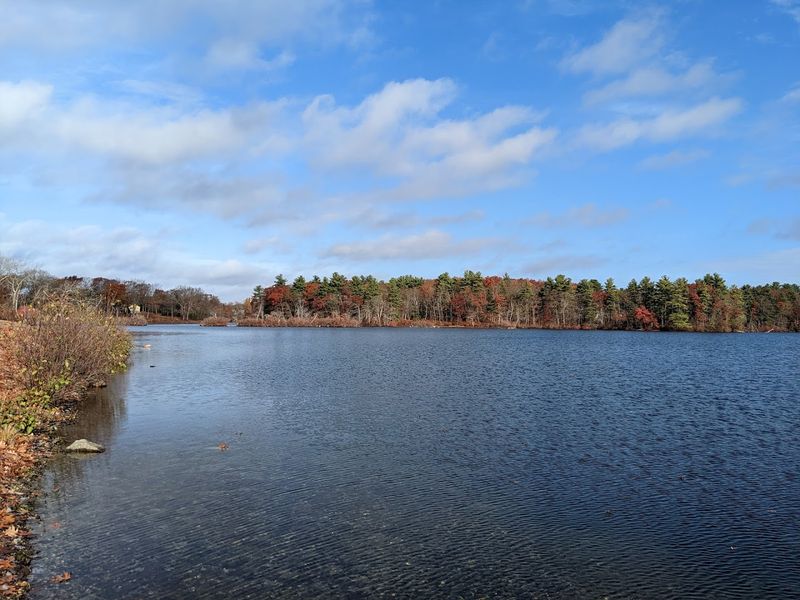
Say this five times fast: Chargoggagoggmanchauggagoggchaubunagungamaugg. That is the full name of a lake in Webster, and yes, it is a real place that you can actually visit.
At 45 letters long, it holds the record for the longest place name in the United States and is one of the longest lake names anywhere on the planet.
The name comes from the Nipmuc language and is generally translated to mean something along the lines of “you fish on your side, I fish on my side, nobody fishes in the middle.”
Webster is a small town in Worcester County in central Massachusetts, and the lake is a popular spot for fishing, kayaking, and summer recreation.
Most locals simply call it Webster Lake, which is significantly easier to say at a normal conversational speed.
The road signs near the lake do feature the full name, and they have become a popular photo stop for curious travelers passing through the area. Tourists often pull over just to pose next to the sign and attempt to read it aloud.
Whether you can pronounce it or not, there is something undeniably charming about a quiet New England lake that holds a world record simply by having a name that is longer than most paragraphs.
7. Boston Built America’s First Subway
Underground travel might feel like a modern convenience, but Boston was doing it back when most people were still getting around by horse and carriage.
The Tremont Street Subway opened on September 1, 1897, making Boston the proud home of the first subway system in the United States.
The line was built to ease surface congestion caused by the growing number of electric streetcars clogging Tremont Street near Boston Common.
Moving the trolleys underground was a practical solution that ended up changing urban transportation across the country.
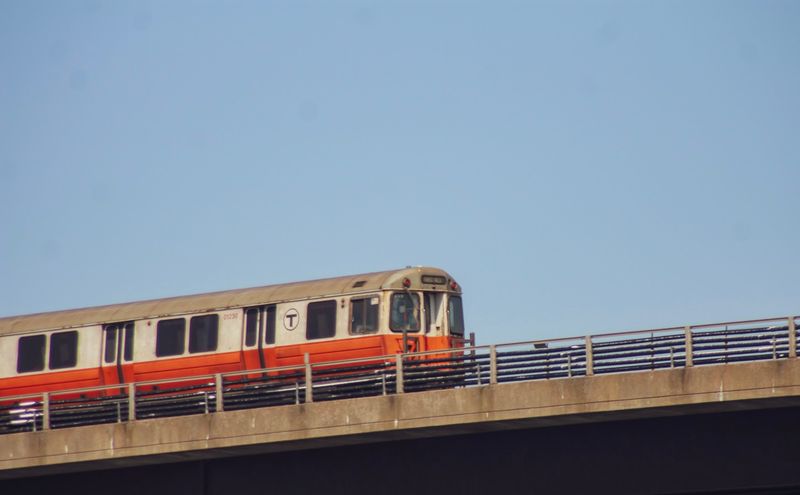
The original tunnel stretched about 1.5 miles and allowed streetcars to travel beneath the busy city streets. The system later evolved into what Boston residents today call the “T,” officially known as the Massachusetts Bay Transportation Authority.
Riding the Green Line today, particularly the section near Boylston and Park Street stations, puts you on some of the oldest subway infrastructure in the entire country. The stations have a certain historic charm that newer transit systems simply cannot replicate.
For visitors exploring Boston on foot and by transit, the T is both a practical way to get around and a living piece of American history.
Few cities can say their public transit system is also a landmark, but Boston pulls it off with characteristic old-fashioned confidence.
8. Revere Had America’s First Public Beach
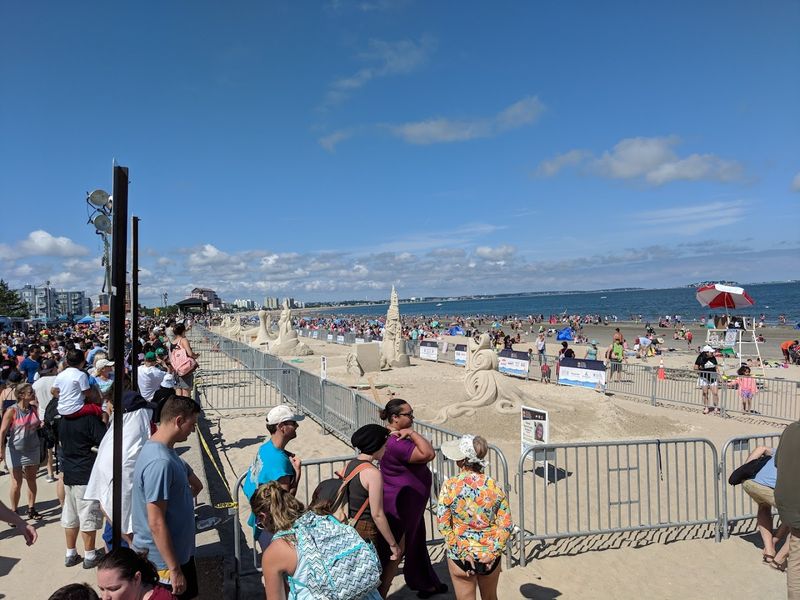
Before beach days became a summer staple across the country, one stretch of sand north of Boston quietly made history by becoming the first public beach in the entire United States.
Revere Beach, located in Revere, just a few miles from downtown Boston, was established in 1896 by the Metropolitan Park Commission. The goal was to give working-class families a free, accessible place to enjoy the ocean without needing to travel far or pay for private access.
The beach quickly became a beloved gathering spot, drawing enormous crowds on hot summer weekends.
A boardwalk, amusement rides, and food vendors eventually lined the shore, turning Revere Beach into a full seaside destination for generations of Massachusetts residents.
Today, Revere Beach is still open to the public and remains a popular summer destination.
It hosts an annual international sand sculpting festival that draws artists from around the world, making the shoreline a creative showcase as well as a relaxing retreat.
Getting there is easy from Boston using the Blue Line on the T, which makes it accessible for visitors staying in the city.
Revere Beach stands as proof that Massachusetts has a long tradition of making great experiences available to everyone, not just those who can afford them.
9. Boston Common Is America’s Oldest Park
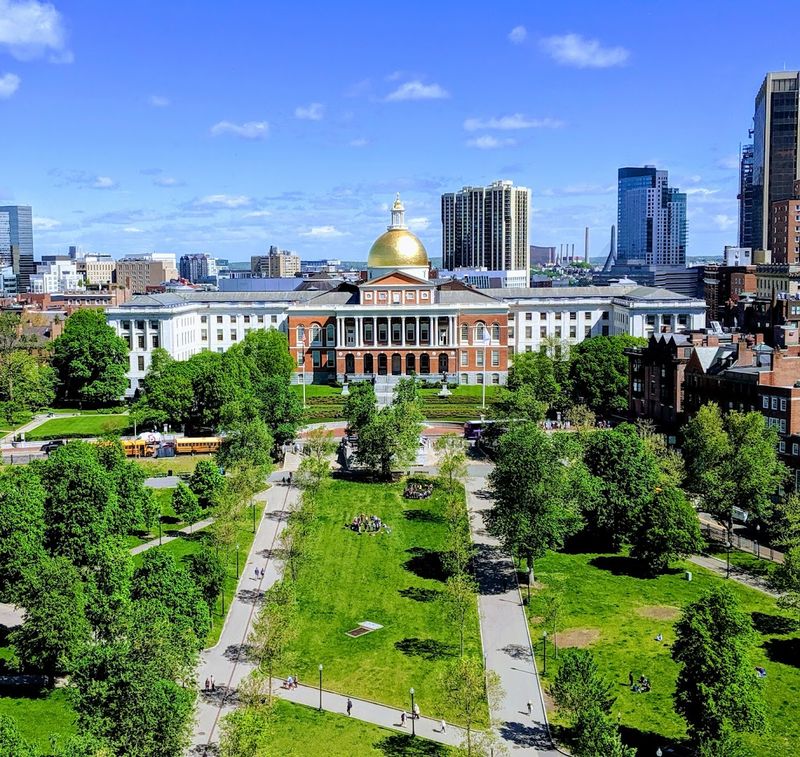
Right in the heart of one of America’s most historic cities sits a green space that has been part of public life since before the United States was even a country.
Boston Common was established in 1634, making it the oldest public park in the United States.
Originally used as a shared pasture where residents could graze their cattle, it has served many purposes over the centuries, from military training grounds to public gathering spaces.
Today, the 50-acre park sits at the center of Boston’s downtown area, bordered by Tremont, Boylston, Charles, Beacon, and Park streets.
It is the starting point of the Freedom Trail, a 2.5-mile walking route that connects 16 historically significant sites across the city.
Visitors to Boston Common can enjoy open lawns, walking paths, a frog pond that becomes a skating rink in winter, and plenty of benches for people-watching.
The park is lively in every season and serves as a true community hub for both locals and tourists.
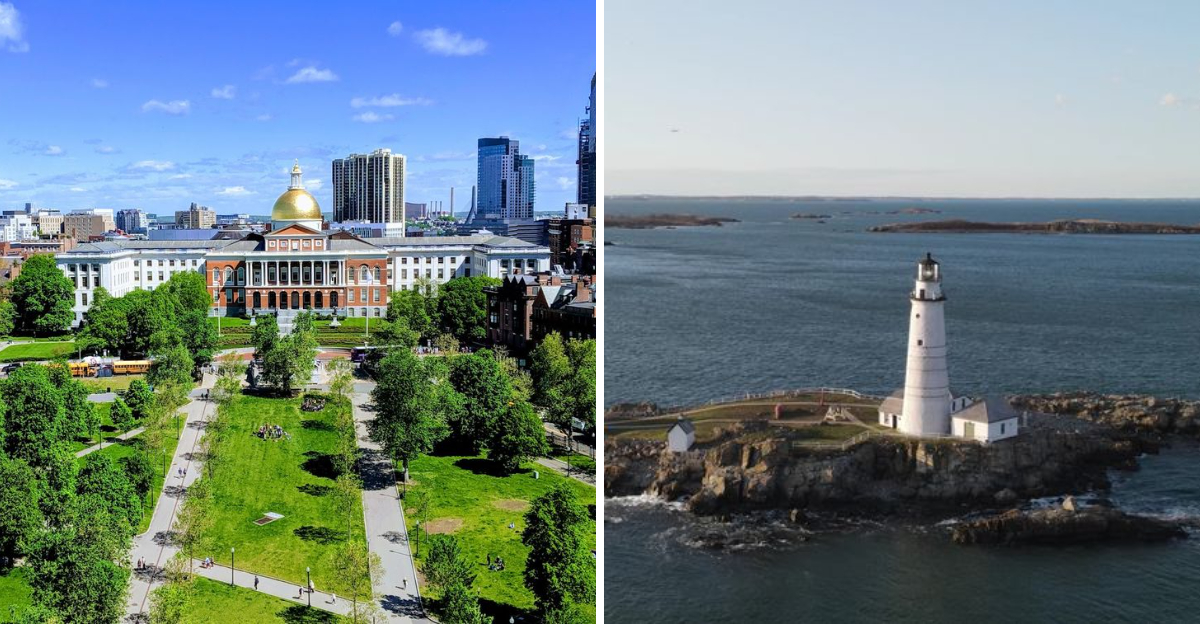
Standing in Boston Common, surrounded by centuries-old trees and the backdrop of the golden-domed State House, it is easy to feel the weight of history beneath your feet.
Few parks in the world can claim nearly 400 years of continuous public use, and Boston wears that distinction well.
10. America’s First Lighthouse Lit Boston Harbor
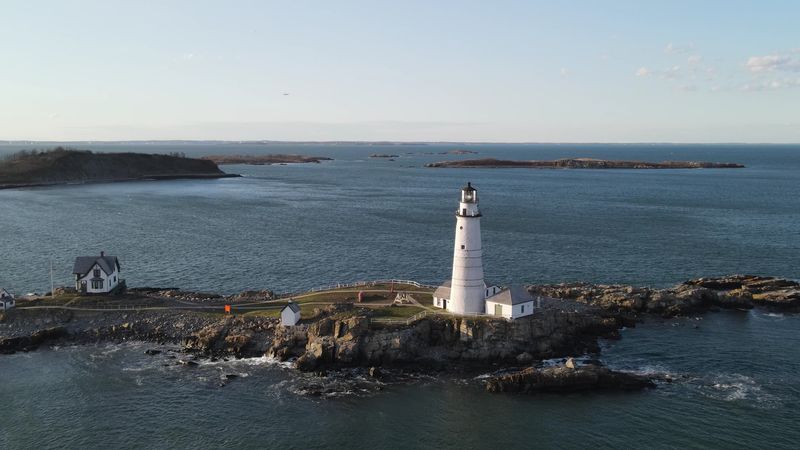
Out on a small rocky island in Boston Harbor, a lighthouse has been guiding ships safely to shore for more than 300 years, making it one of the oldest and most storied beacons in American history.
Boston Light on Little Brewster Island in Boston Harbor first shone its light in 1716.
It was the first lighthouse established in what would become the United States, built to protect the busy merchant ships navigating the tricky waters around Boston.
The original structure was damaged and rebuilt over the years, and the current tower dates to 1783.
At 89 feet tall, it remains an active lighthouse to this day and is the last staffed lighthouse in the country, maintained by the U.S. Coast Guard.
Little Brewster Island is accessible by ferry from Boston and Quincy during the summer months, making it a unique and memorable day trip for curious travelers.
The island offers guided tours that cover the lighthouse’s long history and the role it played in shaping maritime life in New England.
Watching the light sweep across the harbor from the island on a clear afternoon feels like stepping into a different era entirely.
Boston Light is not just a historic structure; it is a living connection to the earliest days of American commerce, navigation, and coastal life.