
Reaching This Remote Nevada Mining Town Requires A Canyon Drive Most People Will Not Attempt
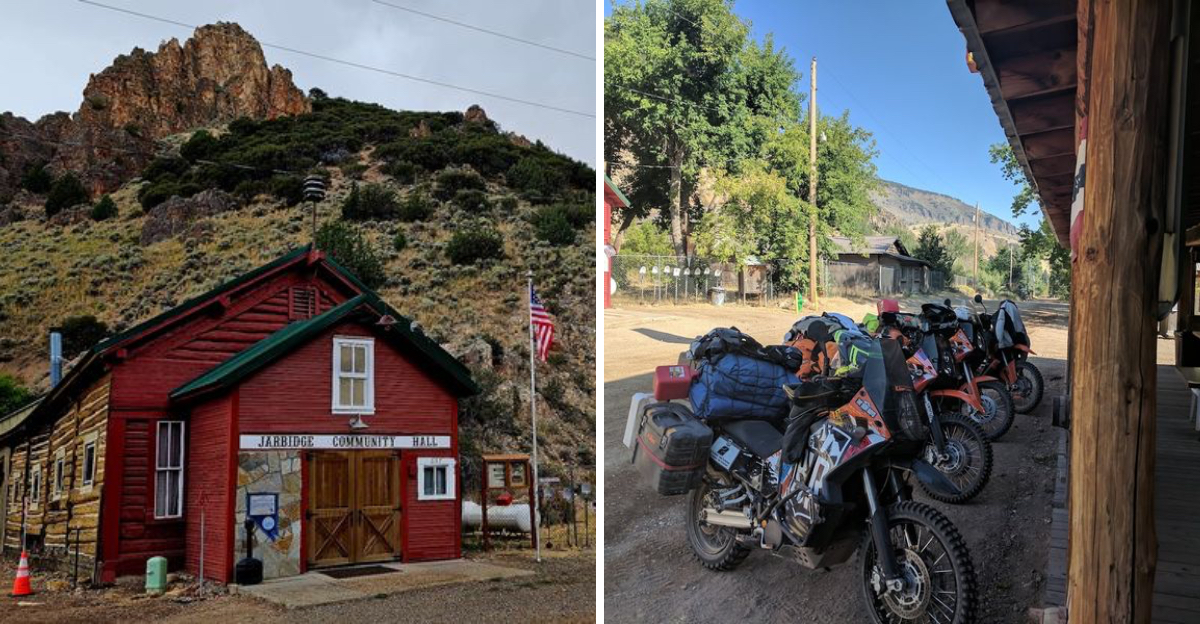
A canyon road this brutal should not lead anywhere special. It leads straight into one of Nevada’s last true frontier towns.
Gold fever built this place almost overnight, then nearly wiped it out just as fast. Fires, brutal winters, and an old canyon legend could not finish the job.
Locals still gather in a hall older than most Nevada roads. A glassblower works steps from where miners once struck gold.
One dusty mystery from here rewrote how crimes get solved in America. Above town, wild peaks stretch past ten thousand feet, guarding lakes, wildflowers, and trout streams almost nobody has seen.
Wander far enough and you might stumble onto carvings a century old. That kind of canyon rewards anyone willing to make the drive and stay awhile.
The Drive In: A True Wilderness Gateway
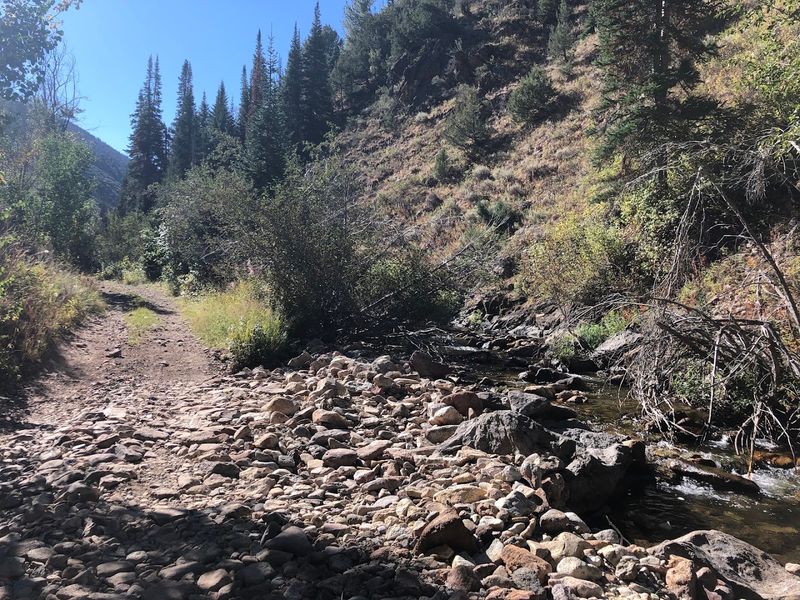
Few roads in the American West demand as much respect as the route into Jarbidge, Nevada. Miles of unpaved surface wind through high desert ranchlands before climbing steadily into the imposing Jarbidge Mountains.
Travelers approaching from the Nevada side often start north of Elko, bracing for a gradual but relentless ascent. The most infamous section, known as the Black Grade, drops roughly a thousand feet in a steep, narrow descent that requires full concentration.
From the Idaho side, the road plunges from open high plains directly into the surprisingly lush East Fork Jarbidge River canyon. The contrast is striking.
Arid stretches give way to dense pine forests, wildflower meadows, and striking basalt formations.
Some sections close seasonally due to heavy snowfall, so timing matters. A high-clearance vehicle is strongly recommended outside of summer months.
Visitors can find lodging and supplies near the center of town on Main Street.
Every challenging mile of this drive is a preview of the wild, untamed world waiting at its end.
A Name Rooted In Ancient Legend
The name alone raises eyebrows. Jarbidge traces its roots to the Shoshone word “Tsawhawbitts,” meaning a bad or evil spirit, or in some tellings, a man-eating giant said to roam the canyon.
Early Shoshone inhabitants told stories of a monstrous creature lurking in the shadowy depths of the gorge. These legends warned travelers to stay away from the canyon’s dark recesses.
The fear was real, and the stories were passed down with serious intent.
As European settlers moved into the region, the Shoshone name passed through several mispronunciations. It shifted from “Tsawhawbitts” to “Jahabich” before eventually settling into the version used today.
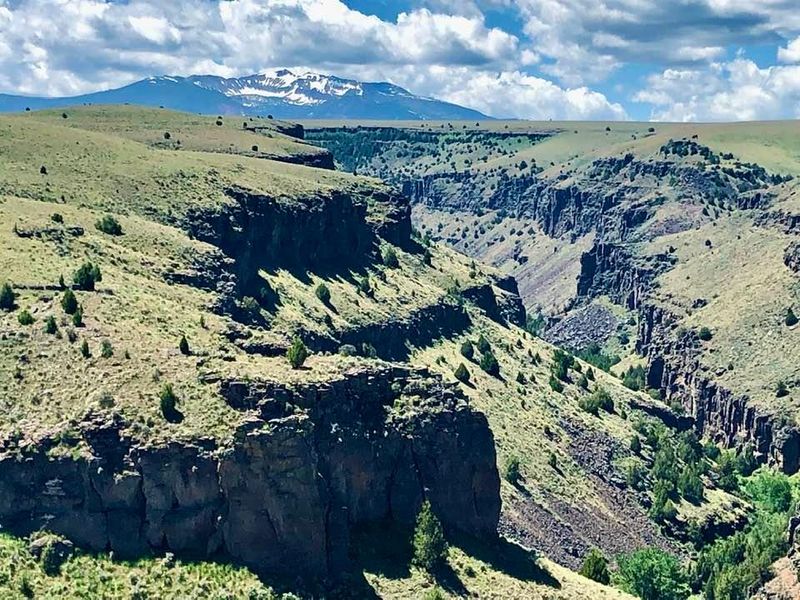
That linguistic journey feels fitting for a place so layered in mystery. The canyon walls are tall and imposing, the shadows deep, and the silence heavy.
Standing at the canyon floor, it is easy to understand why ancient stories took root here.
The name is not just a curiosity. It is a window into the deep human history of this remote Nevada landscape.
Gold Rush Glory That Transformed A Canyon
Gold changed everything here. In 1909, a prospector named Dave Bourne discovered gold in this remote canyon, and word spread fast.
Within a year, the population had swelled to around 1,500 people, all chasing the same glittering dream.
Jarbidge rapidly grew from a wilderness camp into a functioning town. Schools opened, roads improved, and businesses lined the main street.
By the early 1920s, this canyon outpost had actually surpassed several other famous Nevada gold camps in total gold production.
The boom brought energy, ambition, and no small amount of chaos. But like most gold rushes, the peak was brief.
A major fire tore through the business district in 1919, leveling much of what had been built.
Mining operations began winding down in the early 1930s and had largely ceased by 1941. Millions in gold had been pulled from the earth, but the frantic energy of the rush faded with the ore.
What remained was a town with deep roots, a stubborn spirit, and a story worth telling for generations.
The Last Stagecoach Robbery In The American West
History books record plenty of stagecoach robberies across the American West, but this canyon holds a special distinction. It was the site of the very last one.
On a stormy December night in 1916, a mail wagon was ambushed on its route into town. Roughly four thousand dollars in cash and mail pouches went missing that night, and the case that followed became a genuine turning point in American forensic history.
A palm print left behind on the stolen mail helped investigators track down a suspect named Ben Kuhl. This case is remembered as one of the earliest instances of palm print evidence being used to secure a criminal conviction in the United States.
That kind of story gives the town’s history a sharp, cinematic edge. Walking the same main street where it all unfolded adds a layer of intrigue that most guidebooks never capture.
This little canyon town did more than outlast a gold rush. It quietly helped write a new chapter in how crimes get solved.
A Small Town That Refuses To Disappear
Ghost town? Not quite.
Jarbidge pushes back hard against that label. While its winter population drops to fewer than twenty hardy residents, the warmer months bring the number closer to eighty, and the town hums with real activity.
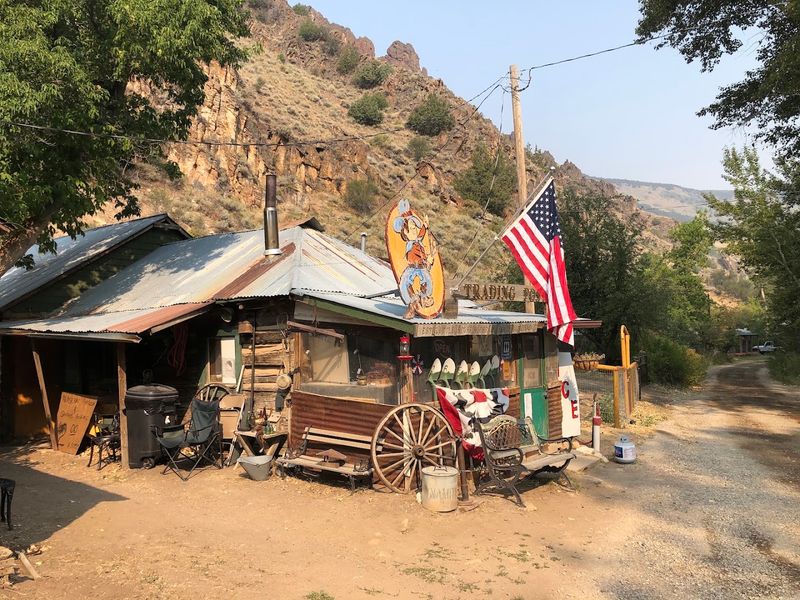
The Jarbidge Trading Post stocks groceries, souvenirs, and essential supplies for visitors and locals alike. North Star Mine Gas and Gifts keeps vehicles fueled for the long roads ahead.
The Outdoor Inn offers rooms, a restaurant, showers, and laundry facilities for those spending the night.
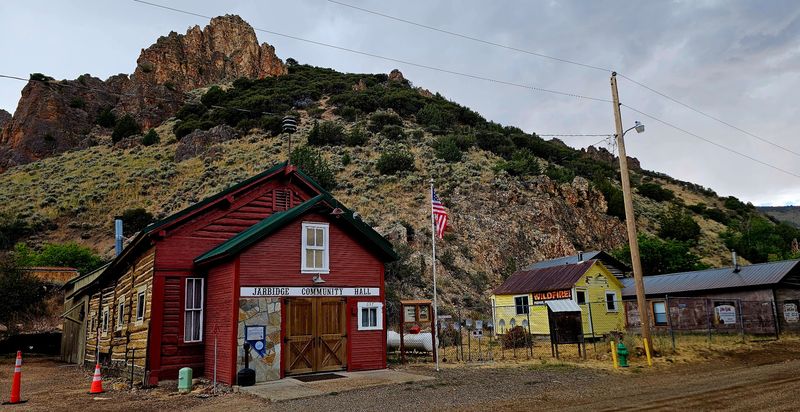
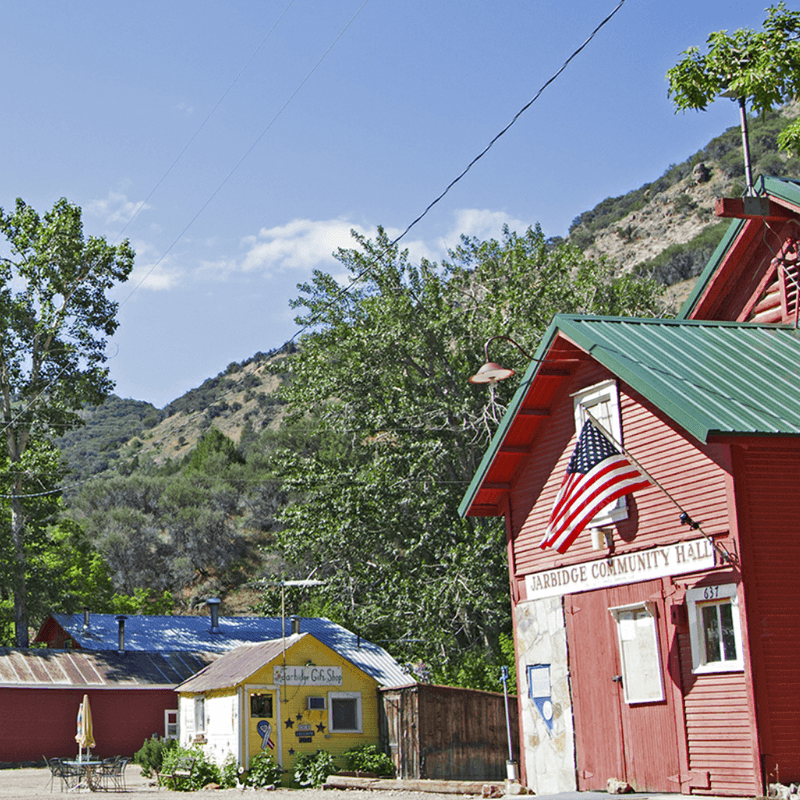
The historic Community Hall, built in 1910, still hosts meetings, dances, and local gatherings. It is one of the oldest functioning community buildings in this part of Nevada.
An RV park and several primitive campgrounds offer additional options for overnight stays.
A working glassblowing studio adds an unexpected creative dimension to the remote setting. Local artisans and residents bring a genuine warmth to every interaction.
This is a community that has outlasted fires, economic collapse, and geographic isolation. Its continued existence feels less like luck and more like sheer determination.
Nevada’s First And Finest Wilderness Area
Established in 1964, the Jarbidge Wilderness holds a special title in Nevada history. It was the state’s very first officially designated wilderness area, and it remains one of the least visited in the entire United States.
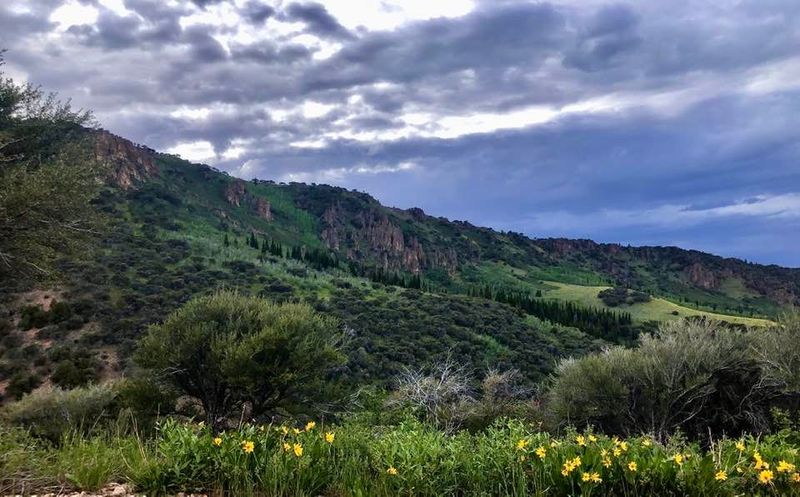
The wilderness spans over 113,000 acres of rugged, breathtaking terrain. It straddles two distinct ecosystems, the Great Basin and the Northern Rockies, which creates an unusually rich diversity of plant and animal life within a single protected zone.
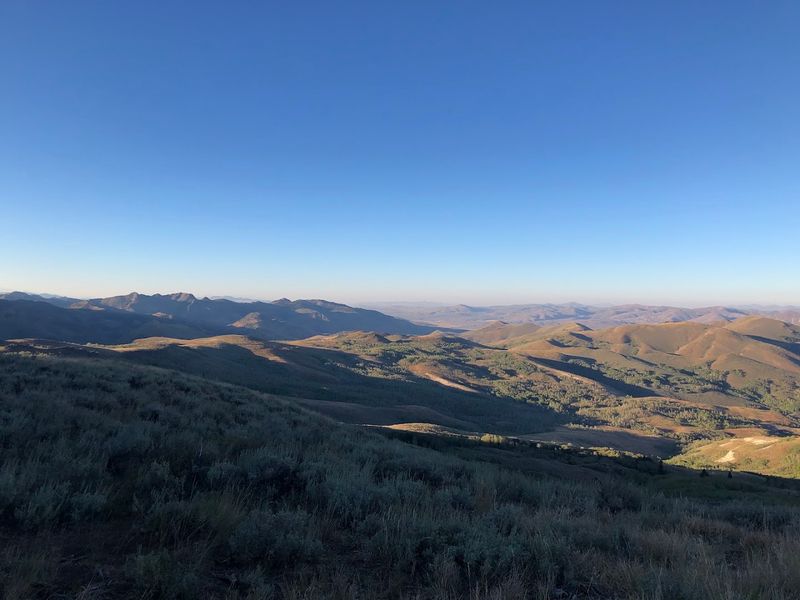
Eight to ten peaks rise above 10,000 feet within the wilderness boundaries. The tallest, the Matterhorn, reaches 10,838 feet and offers panoramic views stretching north into Idaho on clear days.
The area receives exceptionally high snowfall for Nevada, feeding lush forests and clear mountain streams that feel more like the Pacific Northwest than the high desert. Air quality here is rated Class 1, among the cleanest in the country.
Stepping into this wilderness feels like entering a private alpine world that most of the country has simply forgotten exists. That obscurity is, arguably, its greatest feature.
Trails, Peaks, And Rivers Built For The Bold
Outdoor adventure runs deep in this canyon. The Jarbidge Wilderness offers a wide range of activities for visitors willing to put in the effort to reach it.
Hiking trails wind through pine forests, open meadows, and along pristine river corridors.
The Jarbidge River Trail is a favorite, threading through fields of wildflowers toward Jarbidge Lake. More ambitious hikers push higher, tackling challenging ascents to Jarbidge Peak or the Matterhorn for sweeping summit views.
The rivers and streams here are cold, clear, and full of trout. Fishing is popular from July through October, and the remote setting means far fewer competing lines than most Nevada waterways.
Hunters also prize this area for its strong populations of mule deer and Rocky Mountain elk.
Old mining roads double as routes for four-wheeling and mountain biking during summer. When snow covers the landscape, snowmobiling and cross-country skiing take over, drawing a different crowd entirely.
U.S. Forest Service campgrounds are scattered throughout the area, and dispersed camping is also permitted.
The wilderness practically begs visitors to slow down and stay awhile.
Seasonal Rhythms Worth Planning Around
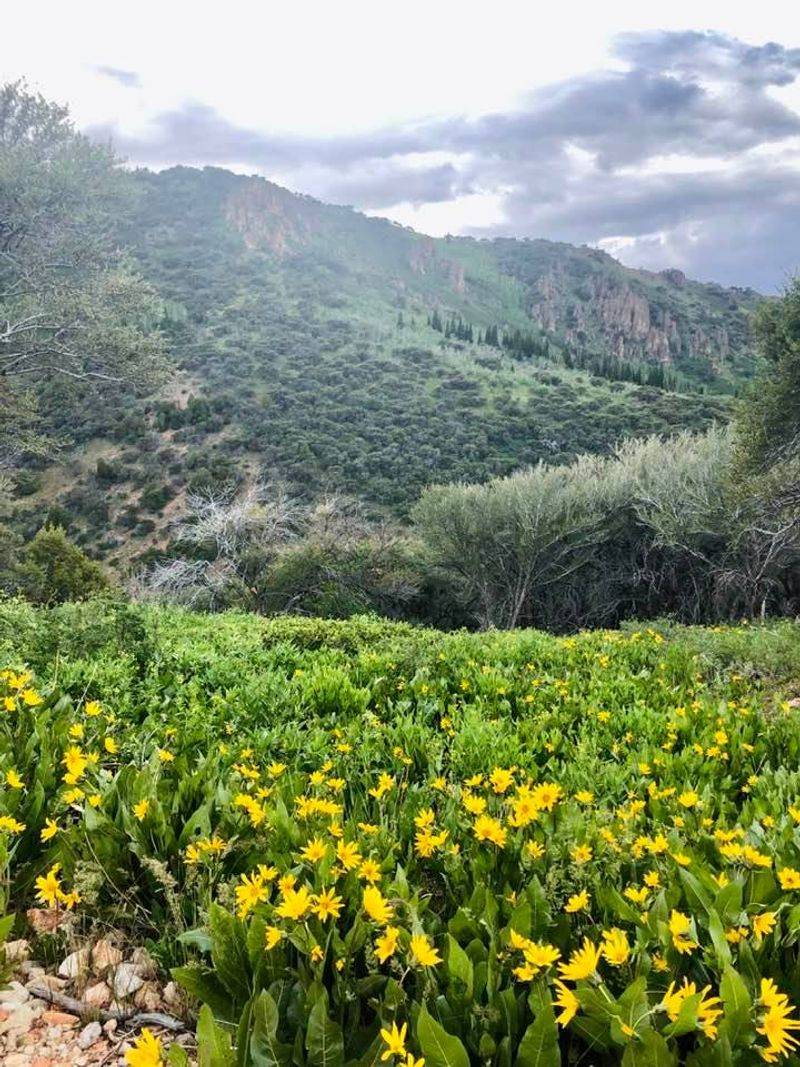
Timing a visit to Jarbidge requires some planning. The town and surrounding wilderness are most accessible from July through September, when roads are clear and temperatures are comfortable.
Summer days often reach the 70s, making outdoor exploration genuinely pleasant.
Spring and fall offer cooler, quieter visits, but temperatures can drop sharply at night. Snow lingers at higher elevations well into July and can return as early as October.
Layers and preparedness are not optional.
Winter is a different world entirely. Deep snowdrifts can block the Nevada approach roads for months at a time.
During these periods, the Idaho route often provides the only reliable access. The town shrinks to its core winter population, and the pace slows dramatically.
Each season has its own appeal, though. Spring and early summer bring an explosion of wildflowers, with over sixty documented varieties blooming across the wilderness.
Autumn transforms the aspen groves into a blaze of gold and crimson that rivals any fall foliage display in the country.
Knowing when to go makes all the difference between a smooth adventure and an unexpectedly complicated one.
Wildlife And Wonders Hidden In Plain Sight
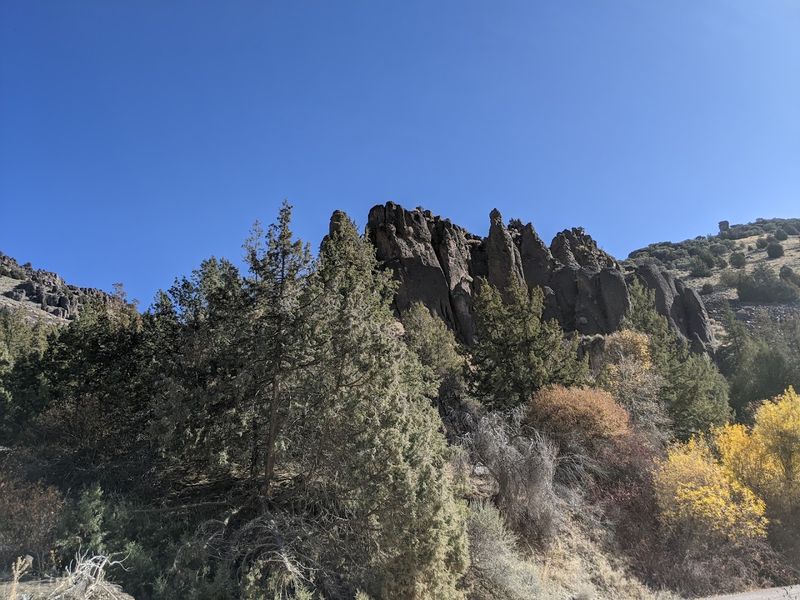
The biodiversity here surprises even experienced naturalists. The Jarbidge Wilderness sits at the crossroads of two major ecosystems, and that overlap produces an unusually varied collection of plants and animals in a relatively compact area.
Elk, mule deer, and mountain lions roam the forests and ridgelines. Rare moose sightings have been reported in the river corridors, which is unusual for this part of Nevada.
The Jarbidge River system is celebrated for both its purity and the biodiversity it supports.
Look closely at the aspen groves and you might find arborglyphs, carvings left in tree bark by Basque sheepherders who worked these mountains generations ago. These quiet marks connect modern visitors to a layered human past.
The canyon walls themselves are geological showcases. Basalt formations, including unusual pillar and chimney shapes, rise from the landscape in ways that feel almost sculptural.
Fossils found in the area point to ancient forest ecosystems that once covered this region.
Even the air feels different here. Clean, crisp, and carrying the faint scent of pine, it is a sensory reminder of how far removed this place is from the modern world.
Community Events And Local Culture Worth Celebrating
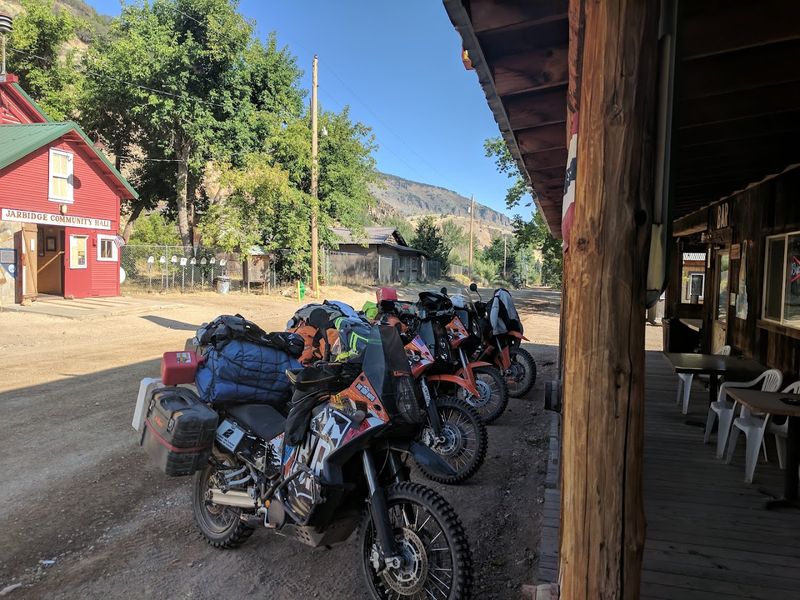
Do not mistake small for quiet. Jarbidge punches well above its weight when it comes to community spirit and local events.
The town hosts several annual celebrations that draw visitors from across the region and beyond.
Jarbidge Days, held each August, is the highlight of the social calendar. The event features outdoor live music, a parade through the mile-long townsite, barbecues, and a mountain men village with crafts and demonstrations.
Wagon rides add a nostalgic touch that fits the historic setting perfectly.
September brings the Annual Harvest Dance, offering live music and an easy way to connect with permanent residents. The Jarbidge Arts Council stays active throughout the year, organizing watercolor workshops, poetry readings, and musical performances that reflect the creative energy of this unlikely outpost.
Geological mine tours give curious visitors a structured look at the area’s gold-mining heritage. The historic Old Jail still stands as a well-preserved reminder of the town’s rougher days.
Picking up one of the iconic “What the Hell’s a Jarbidge” stickers on the way out has become a beloved local tradition. It captures the town’s personality better than any travel brochure ever could.