
10 Reasons Why Tennessee Is the Best Place To Retire
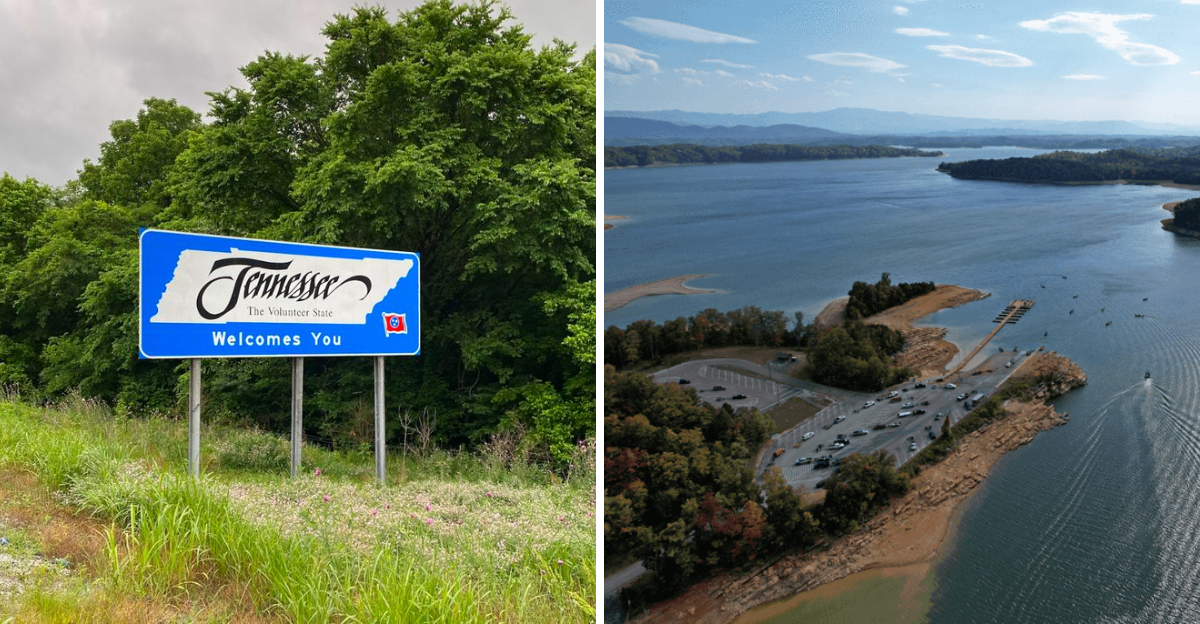
Retirement should feel like a deep breath, not a budgeting puzzle with a view. Tennessee makes that idea feel surprisingly real.
Think lower everyday costs, friendly towns, music around the corner, mountain drives, lake days, and neighborhoods where people still wave.
It is the kind of place where a morning can start with coffee on the porch and end with live music, a park trail, or dinner downtown.
Ready for a slower pace without giving up fun? That balance is exactly why so many retirees keep looking south.
Tennessee offers practical perks, but it also gives people room to enjoy the life they worked so hard to build. Big cities bring hospitals, restaurants, and culture close by.
Smaller communities bring quiet streets and a strong sense of belonging. Retirement looks different for everyone, but here, it can feel easier to shape.
1. Your Retirement Income Can Stretch Further Here
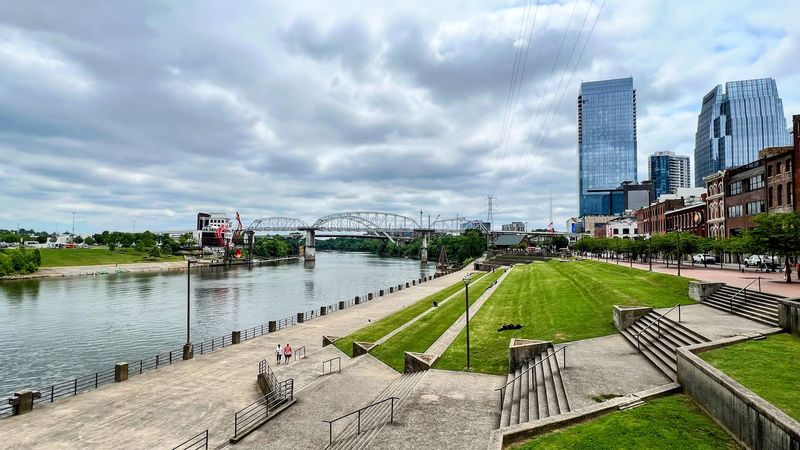
Picture this: your monthly budget covers everything you need, and you still have money left over for the things you actually enjoy. That is the kind of financial breathing room Tennessee gives retirees, and it is not a fluke.
The state consistently ranks among the most affordable places to live in the entire country.
Groceries, utilities, and transportation all tend to cost less here than in states like California, New York, or Florida.
Housing is especially budget-friendly.
Whether you prefer a modest cottage in a small town or a larger home near a city, you will likely pay less per square foot than in most other popular retirement spots.
Tennessee’s overall cost of living sits roughly 10% below the national average, which adds up to real savings over months and years.
That gap gives retirees more flexibility to travel, support family, or simply enjoy a comfortable daily life without constantly watching every dollar.
For those living on a fixed income, that extra cushion is not just convenient, it is genuinely life-changing. Tennessee makes it possible to retire well without needing a massive nest egg to do it.
2. Tennessee Has No State Income Tax On Wages
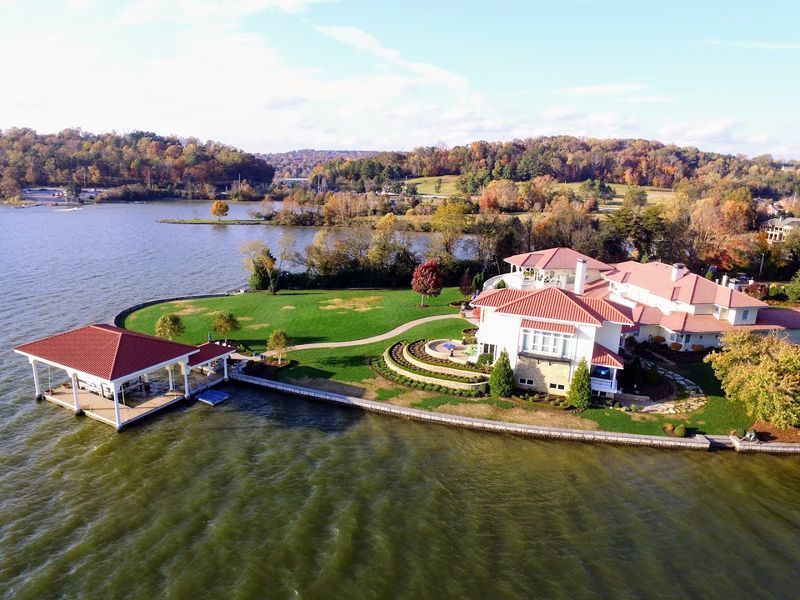
One of the first things financial advisors mention when discussing Tennessee retirement is the state’s famously tax-friendly structure.
Tennessee does not tax earned wages at the state level, which is a major financial advantage for retirees drawing from multiple income sources.
Social Security benefits are not taxed by the state. Neither are pension payments, 401(k) withdrawals, or IRA distributions, which means more of your retirement income stays in your pocket where it belongs.
Tennessee eliminated its Hall Income Tax on investment income back in 2021, closing the last remaining door on state-level income taxation.
That move made the state even more attractive to retirees who rely on dividends or interest from savings and investments.
Property taxes in Tennessee are also among the lowest in the nation, with an effective rate well below the national average.
For retirees who own a home, that translates to noticeably smaller annual tax bills compared to many other states.
When you add it all together, the tax environment here is genuinely one of the most retiree-friendly in the country.
Keeping more of what you have earned is one of the smartest moves retirement planning can offer, and Tennessee makes that surprisingly easy to do.
3. The Cost Of Living Feels Easier Than In Many States
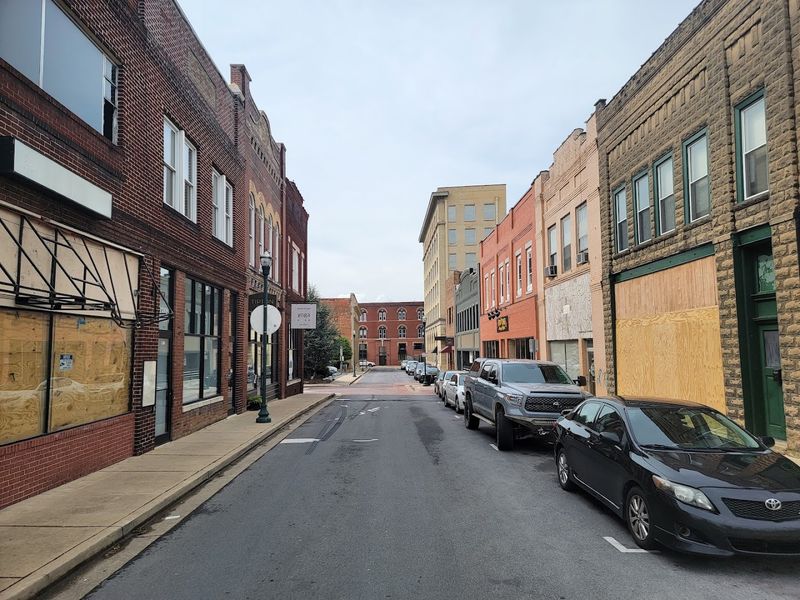
Affordability is not just a number on a spreadsheet in Tennessee, it is something you actually feel when you go about your daily life.
Filling up a grocery cart, paying a utility bill, or grabbing a meal at a local restaurant all tend to cost noticeably less here than in higher-priced states.
Cities like Chattanooga and Johnson City offer some of the most budget-friendly housing markets in the Southeast.
Even in more popular areas like Knoxville or the suburbs of Nashville, prices remain reasonable compared to coastal retirement hotspots.
Everyday services, from haircuts to car repairs to medical co-pays, often run lower than what retirees coming from the Northeast or West Coast are used to paying.
That consistent savings across multiple spending categories is what makes Tennessee feel financially comfortable rather than just technically affordable.
The state also has a strong network of senior discount programs, farmers markets with reasonable prices, and community events that are either free or low-cost.
Retirement here does not feel like a constant financial balancing act.
Living well on less is a real possibility in Tennessee, and that sense of ease makes the everyday rhythm of retirement feel lighter, more enjoyable, and far less stressful than many retirees expected.
4. Mild Seasons Make Everyday Life More Comfortable
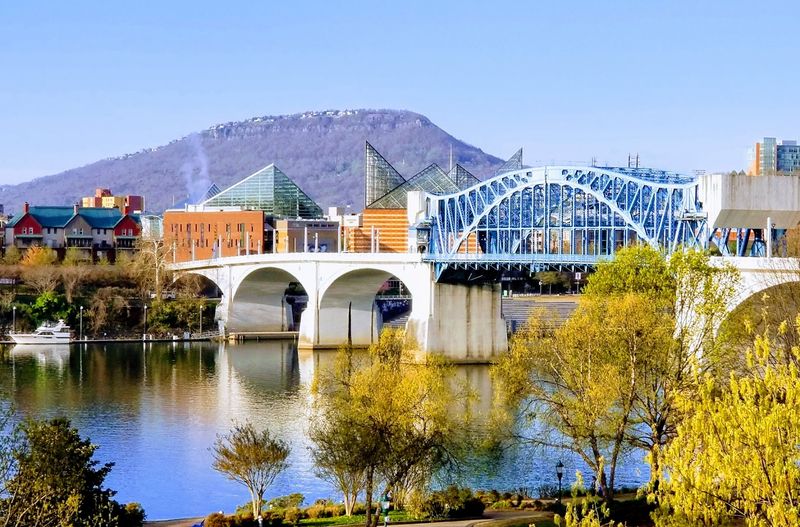
Tennessee sits in a sweet spot when it comes to weather.
The state experiences all four seasons, but none of them tend to push into the extreme ranges that make daily life difficult for older adults.
Winters in central and western Tennessee are generally mild, with snowfall that is light and short-lived compared to states farther north.
That means fewer icy mornings, less risk of weather-related disruptions, and more days when getting out of the house actually sounds appealing.
Spring in Tennessee is genuinely beautiful.
Flowering dogwoods and redbuds bloom across the hills, temperatures climb gradually, and the landscape shifts into shades of green that feel almost cinematic. It is the kind of season that makes morning walks feel like a reward.
Summers are warm and humid, especially in the western part of the state, but the higher elevations in East Tennessee offer cooler relief during the hottest months.
Fall is widely considered the showstopper, with brilliant foliage that draws visitors from across the country.
For retirees who want a climate that feels livable year-round without the burden of harsh winters or oppressive heat, Tennessee strikes a balance that is hard to find elsewhere.
The weather here simply cooperates more often than not.
5. Small Towns Offer A Slower Pace Without Feeling Isolated
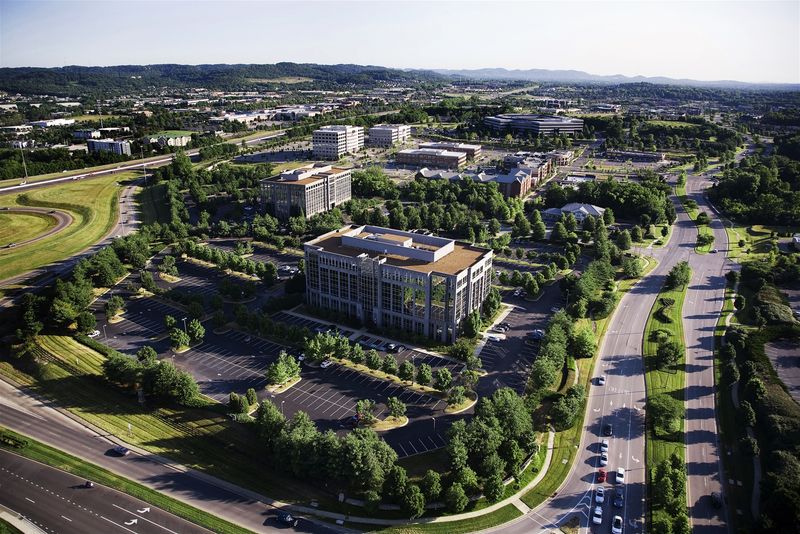
Not every retiree wants city life, and Tennessee gets that.
The state is full of small towns that move at a gentler pace while still offering the essentials that make daily life comfortable and connected.
Places like Franklin, Jonesborough, and Greeneville have walkable downtowns, local diners, community theaters, and farmers markets that give residents a genuine sense of belonging.
These are towns where people know their neighbors and local business owners remember your name.
Jonesborough holds the distinction of being Tennessee’s oldest town, and it hosts the National Storytelling Festival each fall, drawing thousands of visitors while keeping its small-town soul intact.
That blend of character and community is exactly what many retirees are searching for.
Small-town Tennessee is also better connected than it might appear on a map.
Most of these communities sit within a reasonable drive of a larger city, meaning access to specialized healthcare, airports, and major shopping is never truly out of reach.
The slower rhythm of small-town life here is not about missing out, it is about choosing something more intentional.
Retirees who settle into these communities often find that the simplicity they were looking for was waiting in Tennessee all along, right on a quiet main street with a good cup of coffee nearby.
6. Big Cities Keep Dining, Music, And Healthcare Close

Tennessee’s cities are not just backdrops, they are active, energetic places that give retirees access to world-class experiences without the overwhelming scale of a megacity.
Nashville, Memphis, and Knoxville each bring something distinct to the table.
Nashville’s restaurant scene has expanded dramatically over the past decade, offering everything from classic Southern comfort food to internationally inspired menus.
The city’s live music culture runs deep, with performances happening on any given night across a wide range of venues and genres.
Memphis carries the legacy of blues, soul, and rock and roll in a way that feels lived-in rather than manufactured.
Beale Street and the Stax Museum of American Soul Music give music lovers genuine reasons to keep exploring long after the first visit.
Healthcare access is a major consideration for retirees, and Tennessee’s cities deliver.
Vanderbilt University Medical Center in Nashville and Methodist Le Bonheur in Memphis are nationally recognized facilities.
Knoxville’s University of Tennessee Medical Center adds another strong option in the eastern part of the state.
Having top-tier medical care, great food, and live entertainment within a short drive is not something every retirement destination can offer.
Tennessee’s cities make sure that choosing a quieter life nearby does not mean sacrificing the good stuff.
7. Outdoor Beauty Is Easy To Enjoy At Any Age

Tennessee’s natural scenery has a way of stopping people mid-step.
The Great Smoky Mountains National Park sits right on the state’s eastern border and offers trails ranging from easy paved paths to more challenging mountain routes.
For retirees who enjoy being outside, the options here go well beyond hiking.
Fishing is a beloved pastime, with Douglas Lake, Cherokee Lake, and the Tennessee River offering excellent spots year-round.
Boating, kayaking, and paddleboarding are popular on the state’s many lakes and rivers.
Crossville has earned the nickname Golf Capital of Tennessee, with dozens of courses spread across the Cumberland Plateau.
The combination of scenic views and well-maintained fairways makes it a popular base for retirees who organize their weeks around tee times.
Cycling and birding have also grown in popularity across the state. Tennessee sits along major migratory bird routes, making it a rewarding destination for birdwatchers during spring and fall.
Greenways in cities like Knoxville and Chattanooga make urban nature access surprisingly easy.
Whether you prefer a challenging adventure or a gentle stroll through colorful scenery, Tennessee keeps the outdoors accessible, inviting, and genuinely spectacular in every season of the year.
8. State Parks Make Fresh Air Part Of The Lifestyle
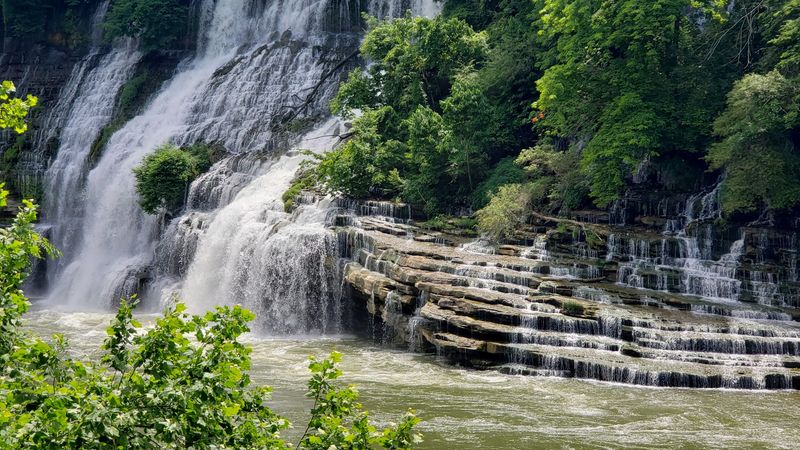
Tennessee takes its state parks seriously, and retirees are among the biggest beneficiaries of that commitment.
The state operates more than 50 state parks spread across its three distinct regions, offering everything from lakeside camping to historic sites and nature centers.
Fall Creek Falls State Park is home to one of the highest waterfalls east of the Rocky Mountains.
The park has accessible trails, a lodge, cabins, a golf course, and a swimming pool, making it a full destination rather than just a scenic stop.
Reelfoot Lake State Park in the far western corner of the state offers something entirely different.
The lake was formed by a series of massive earthquakes in the early 1800s, and its cypress-lined waters are now a haven for eagles, herons, and other wildlife.
Guided boat tours make wildlife viewing accessible to visitors of all mobility levels.
Many Tennessee state parks offer senior discounts on camping fees and park passes, making regular visits easy on the budget.
Some parks also host ranger-led programs and educational events that give retirees a social reason to return throughout the year.
Having this many quality outdoor spaces within driving distance means that fresh air and natural beauty are never more than a short road trip away, which is exactly how retirement should feel.
9. Retirees Can Choose Mountains, Lakes, Or City Convenience
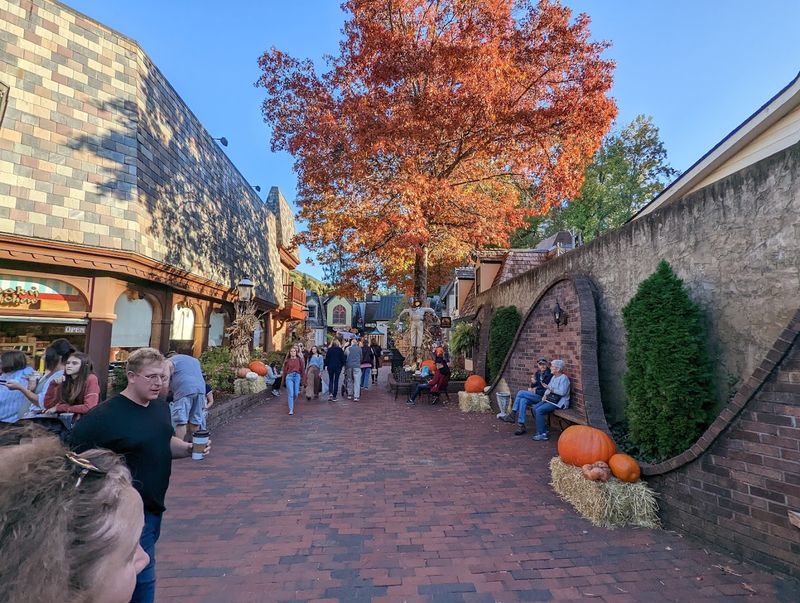
One of Tennessee’s most underappreciated qualities is the sheer variety of environments it offers within a single state.
Retirees do not have to settle for one type of lifestyle when they can find mountains, lakes, and cities all within a few hours of each other.
East Tennessee is mountain country. Areas around Gatlinburg, Sevierville, and Townsend put the Great Smoky Mountains practically at your doorstep.
Retirement communities like Tellico Village near Loudon offer lakeside living with golf courses, marinas, and an active social calendar built right in.
Middle Tennessee leans toward rolling hills, open farmland, and the cultural energy of Nashville’s surrounding suburbs.
Towns like Franklin and Murfreesboro give retirees a comfortable base with easy access to the city without being in the thick of it.
West Tennessee is flatter, warmer, and deeply rooted in its cultural heritage.
Memphis anchors the region with its music history, medical facilities, and urban dining scene, while smaller communities nearby offer quieter alternatives for those who prefer more space.
Fairfield Glade on the Cumberland Plateau and various communities around Knoxville round out the picture, giving retirees even more options to match their preferred terrain and pace.
Tennessee rarely forces a compromise, and that flexibility is something most retirement destinations simply cannot match.
10. The Sense Of Community Makes It Easier To Feel At Home
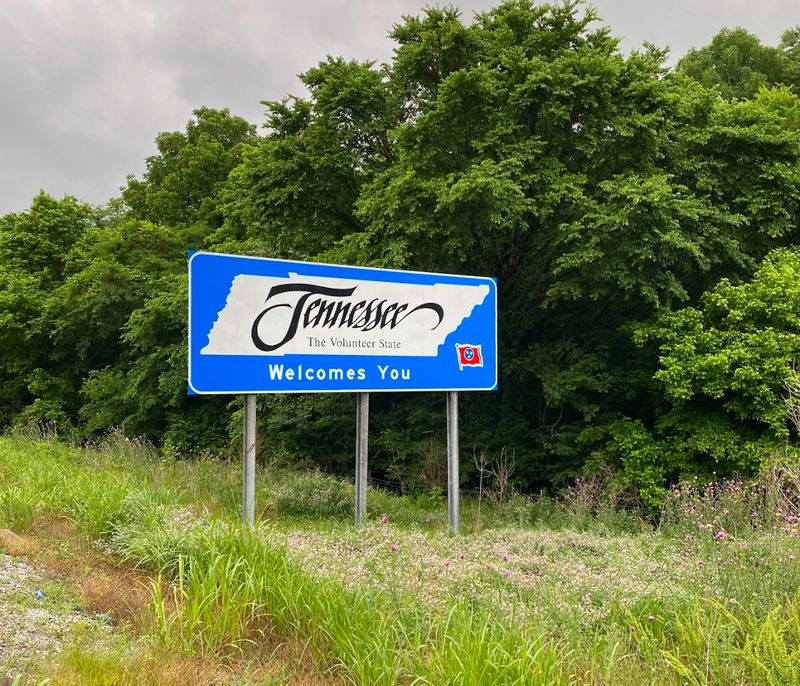
Tennessee did not earn the nickname The Volunteer State by accident.
The culture of helping, showing up, and looking out for neighbors runs deep here, and retirees who move from other parts of the country often remark on how quickly they felt welcomed.
Southern hospitality in Tennessee is not a performance, it is a habit.
Conversations with strangers at the hardware store, waves from neighbors across the yard, and invitations to community events tend to happen naturally and frequently in both small towns and larger neighborhoods.
Active adult communities across the state, including popular planned developments near Nashville, Knoxville, and Chattanooga, are designed specifically to foster connection.
Many organize regular social events, fitness classes, hobby clubs, and volunteer opportunities that make it easy to build a meaningful social life after relocating.
Faith communities also play a strong role in Tennessee’s social fabric.
Churches, temples, and other places of worship frequently host community meals, outreach programs, and social gatherings that welcome newcomers and help retirees find their footing quickly.
Loneliness is one of the most common challenges retirees face after leaving careers and familiar surroundings behind.
Tennessee’s community-minded culture actively works against that, giving people real and consistent reasons to connect, engage, and feel like they truly belong somewhere worth calling home.