
10 Relaxed Kansas Cities Where Everyone Knows Your Name, And Small City Values Are Still Alive
There is a version of American life that does not make the news because nothing dramatic is happening in it. The neighbors wave.
The diner remembers your order. The evening is quiet in a way that feels like something you earned rather than something you stumbled into.
Kansas has cities that still run on that version. That is not a small thing anymore.
Somewhere along the way, the simple mechanics of community became rare enough to feel remarkable. Knowing the people on your street.
Having a hardware store where someone walks you to the right aisle. Sitting at a counter where the coffee arrives before you finish asking for it.
Kansas held onto those things while a lot of other places let them go. The cities on this list are not frozen in time.
They have everything a person needs to live well. What they also have is something harder to manufacture.
A sense that the people around you are paying attention. That you are part of something with edges small enough to actually feel.
1. Cottonwood Falls
Fewer than 1,000 people call this Flint Hills place home, and honestly, that might be the best part. Cottonwood Falls moves at the kind of pace that makes you forget what a deadline feels like.
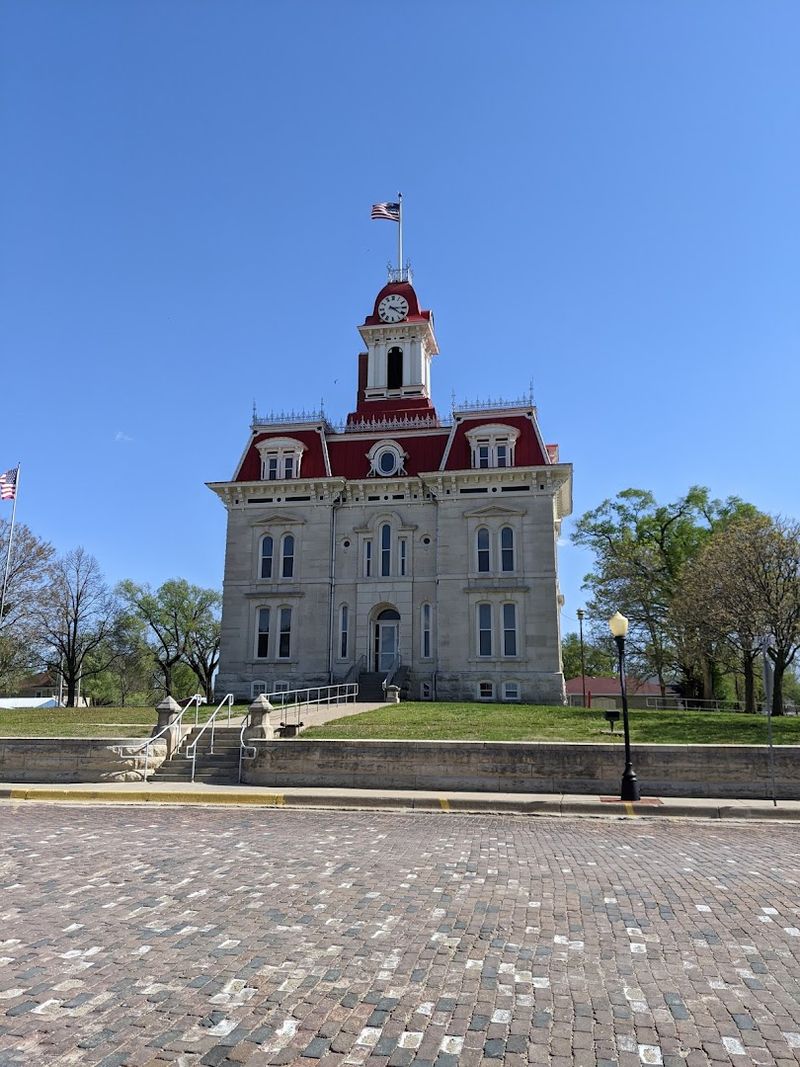
The original brick-paved streets are still intact. Walking down Main Street here feels like a living postcard from another era.
The Chase County Courthouse is the oldest operating courthouse in Kansas, completed in 1873. It sits at the center of the city like a proud grandfather watching over everything.
Grand Central Hotel is a local favorite for good food and good stories. Locals and visitors mix easily here, and conversations start without much effort.
The Flint Hills stretch out around the city in every direction. Rolling tallgrass prairies and big open skies make every drive feel cinematic.
Art galleries, antique shops, and tiny boutiques line the streets. Nothing is rushed, nothing is overpriced, and nothing feels corporate.
Cottonwood Falls is the kind of place where you park once and walk everywhere. The whole city is basically a neighborhood you never want to leave.
Outdoor lovers come for the Flint Hills Trail and the nearby Chase State Fishing Lake. It is peaceful, unhurried, and completely real.
2. Council Grove
Council Grove has this rare ability to feel both historic and alive at the same time. The downtown shops and restaurants have roots going back to the 1800s, and you can feel that weight in the best possible way.
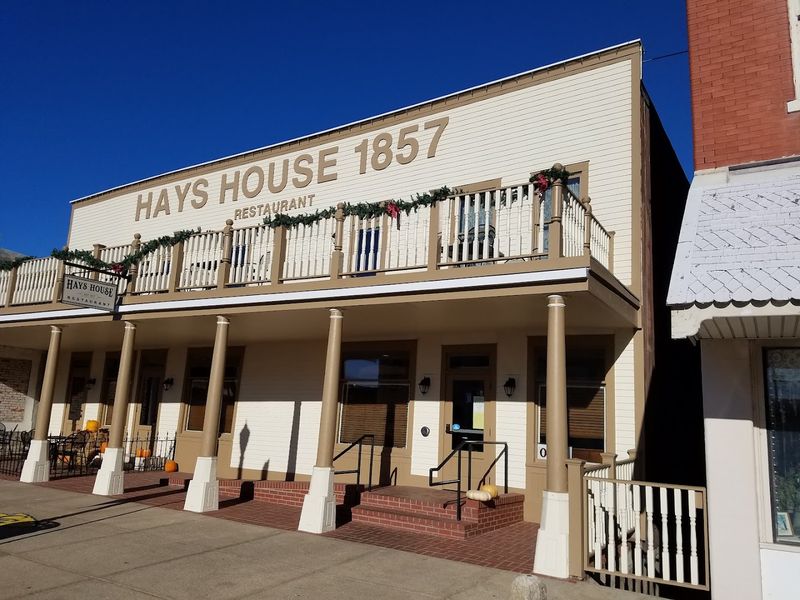
The Hays House Restaurant has been feeding people since 1857. That is not a typo.
It is the oldest continuously operating restaurant west of the Mississippi River.
Santa Fe Trail history runs deep here. Council Grove was a major stop on the trail, and the city has preserved that story with pride and care.
Kaw Lake sits just outside city and draws anglers, kayakers, and anyone who needs a quiet afternoon by the water. Sunsets over that lake are absolutely worth staying late for.
The local vibe is warm without being overbearing. People greet you at the hardware store and ask follow-up questions at the diner.
Historic murals tell stories on the sides of buildings downtown. Every corner has something worth slowing down to notice.
Farmers’ markets, seasonal festivals, and community events keep the calendar full. There is always a reason to show up and be part of something.
Housing here is affordable, and the crime rate is low. Council Grove rewards those who choose it.
3. Lindsborg
Lindsborg calls itself Little Sweden USA, and it earns that name every single day. Swedish immigrants founded this city in 1869, and their descendants never let the heritage fade.
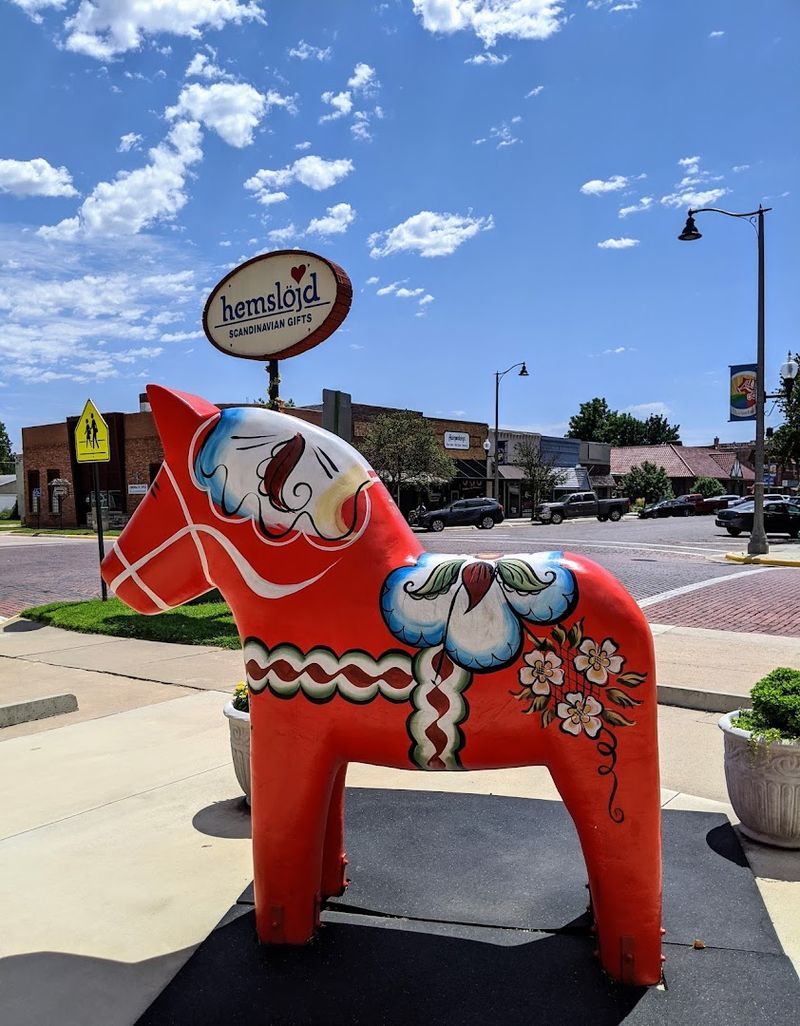
Bright red Dala horse sculptures stand all over city. Each one is painted differently, and spotting them all becomes a fun little mission.
Bethany College anchors the community with arts, culture, and events that draw people from across the state. The college choir is genuinely world-class and performs every Easter season.
Midsummer festivals, Swedish food, folk art shops, and handmade crafts fill the calendar. This is not a manufactured theme park.
It grew organically from real roots.
The crime rate is consistently low, and housing costs are well below the national average. Families move here and stay for decades without looking back.
Old Mill Museum tells the full immigrant story with artifacts and exhibits that feel personal. You leave knowing this community better than most places you have ever visited.
Local restaurants serve homemade food with Swedish twists. Limpa bread and rice pudding show up on menus alongside Kansas classics.
The art scene is unusually strong for a city this size. Galleries, studios, and street art make Lindsborg feel creative and alive.
4. Hillsboro
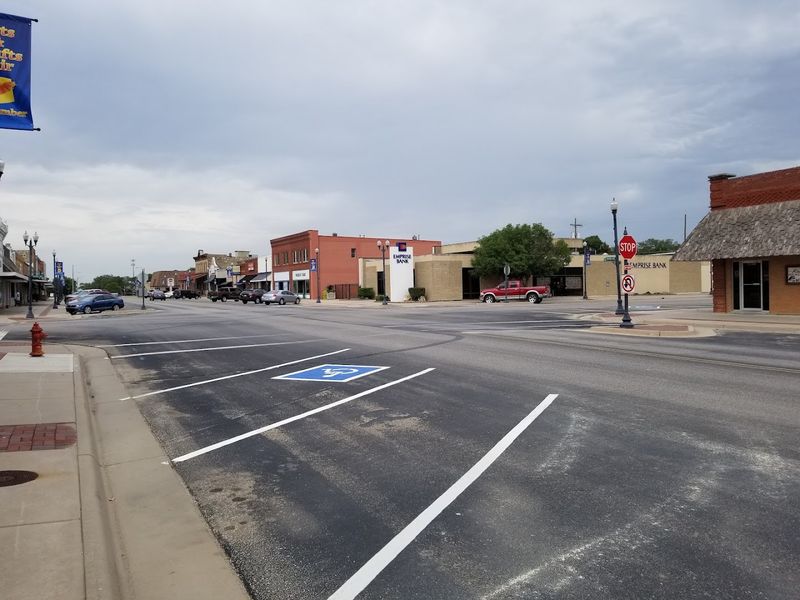
This city is the kind of city that makes you wonder why you ever paid big-city rent. Around 2,600 people live here, and almost all of them seem to know each other by first name.
The downtown brick buildings are well-kept and full of character. Storefronts are clean, painted, and clearly loved by the people who run them.
Living here is genuinely affordable compared to most places, and that goes for both housing and everyday expenses like groceries. The difference adds up fast, and people notice it in their daily lives.
Tabor College sits right in the city and brings a steady energy of students, events, and community programming. Game days have a real neighborhood feel.
The Adobe House Museum and Mennonite Heritage Museum both tell fascinating local stories. This city has layers of history that reward curious visitors.
Community pride shows up in small details. Flower boxes on windows, swept sidewalks, and hand-painted signs all say that people here care.
Hillsboro hosts regular community events like the annual Hillsboro Harvest Festival. Everyone shows up, everyone pitches in, and nobody needs a reason to say hello.
The low crime rate and friendly atmosphere make it especially appealing for families and retirees. Life here is simple in the best possible sense.
5. Cheney
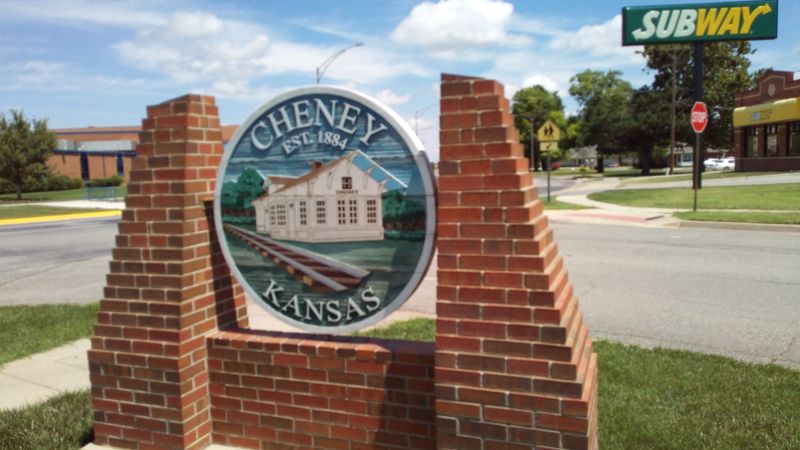
Cheney sits about 25 miles west of Wichita, but it feels like a completely different world. The pace slows down the moment you cross the city limits, and your shoulders follow.
Cheney Reservoir is the real star attraction here. Locals fish, sail, and kayak on it regularly, and the surrounding park is a favorite weekend hangout for families.
The city has a small-school feel where teachers know students by name and parents show up to everything. Friday night football games are practically a community holiday.
Local diners serve breakfast all day and mean it. Coffee is strong, portions are generous, and the waitstaff remembers your usual order after two visits.
Cheney is the kind of place where you can leave your car unlocked and your front door open in summer. That level of trust is earned over generations.
The surrounding farmland gives the city a grounded, agricultural identity. Harvest season brings the whole community together in ways that feel ancient and necessary.
New residents are welcomed with genuine warmth, not just polite nods. Neighbors introduce themselves and mean it when they offer to help.
Housing costs are low, and the commute to Wichita is manageable if you need city amenities. Cheney gives you the best of both worlds.
6. Pleasanton
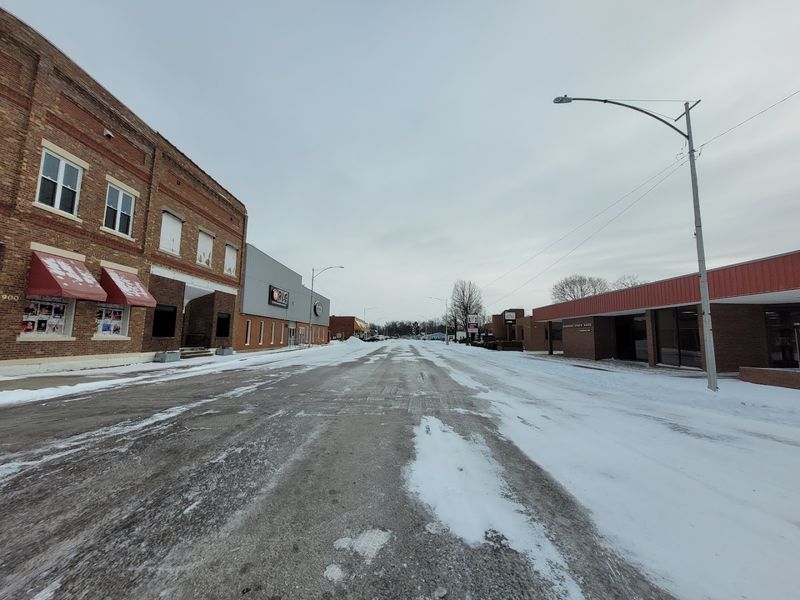
This place is one of those cities that sounds made up because it sounds too good. But it is completely real, and the name actually fits the place perfectly.
Linn County Park and Melvern Lake are both nearby, making outdoor access a regular part of life here. Hiking, fishing, and camping are weekend staples for locals.
The city has a deep Civil War history that most people outside Kansas never know about. Mine Creek Battlefield State Historic Site is just minutes away and genuinely fascinating.
Mine Creek Battlefield preserves one of the largest cavalry battles west of the Mississippi River. History buffs make special trips just for this site, and locals are proud to share it.
Downtown Pleasanton is small but personal. A handful of shops and community spaces make up the core, and everyone who works there knows the regulars by name.
Annual events like the Linn County Fair bring the whole region together. Funnel cakes, livestock shows, and live music create the kind of memories people talk about for years.
The schools here are small enough that every kid gets noticed. Teachers invest in students beyond the classroom, and that community investment shows in the results.
Real estate is extremely affordable, and the quality of life is high. Pleasanton rewards people who value peace over pace.
7. Elk City
A city like this is tiny, and it wears that fact proudly. The city is small enough that a new face gets noticed immediately, but in the warmest possible way.
Elk City State Park wraps around Elk City Lake just outside the city. The park draws campers, hikers, and anglers who keep coming back every season without fail.
The lake has over 4,500 acres of surface water and miles of wooded shoreline. Sunrises over that water are the kind that make you put your phone away.
The community here operates on a handshake-and-your-word system. Deals get made over coffee, and neighbors show up without being asked when someone needs help.
Local events are low-key but well-attended. A city this size does not need big productions to bring people together.
Shared purpose does that naturally.
The surrounding countryside is rugged and beautiful in a way that southeastern Kansas rarely gets credit for. Rolling hills and dense forest replace the flat prairie that people expect.
Wildlife is abundant around the lake and park. Deer, wild turkey, and bald eagles are regular sights for anyone paying attention.
Elk City feels like a place that exists outside the noise of modern life. If you want quiet, community, and nature all at once, this city delivers.
8. Mound City
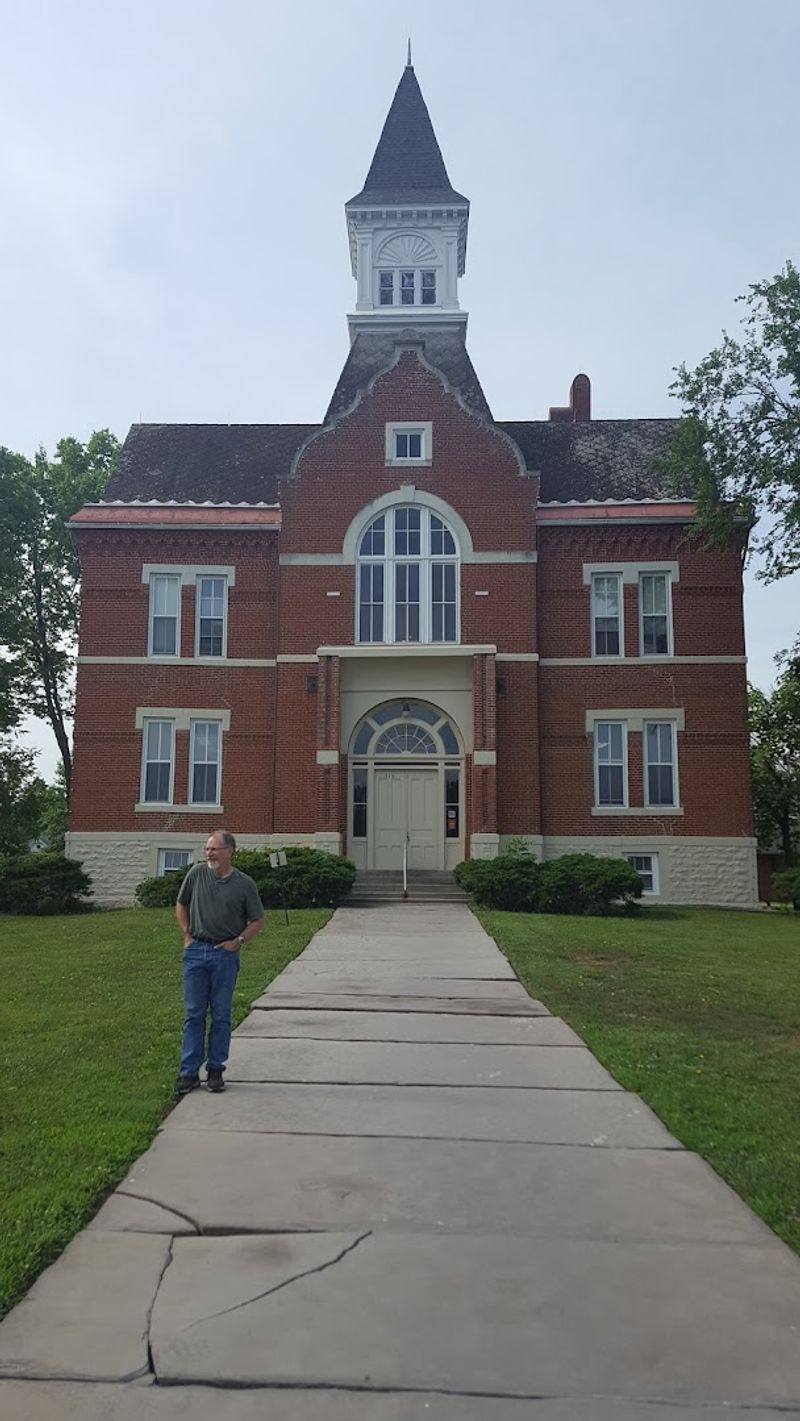
Mound City has about 700 residents, and every single one of them seems to have a story worth hearing. This is a city built on memory, loyalty, and showing up for each other.
Linn County is known for its Civil War history, and Mound City sits right at the center of it. The county courthouse and local museums preserve stories that shaped the entire region.
The Mine Creek Battlefield is nearby, and locals take real pride in that history. School field trips, reenactments, and historical tours keep that memory active and alive.
Downtown is quiet but not empty. A few key businesses keep the heart of the community beating, and the people who run them have been doing so for years.
Community gatherings here are not optional in spirit. Funerals, festivals, and fundraisers all draw the same crowd because everyone is connected to everyone else somehow.
The surrounding farmland is flat, wide, and deeply calming. Driving through Linn County at golden hour is one of those experiences that sticks with you.
Housing is very affordable, and the cost of living is among the lowest in the state. People who move here for the price often stay for the people.
Mound City is not trying to compete with anyone. It is just being itself, and that is more than enough.
9. Jetmore
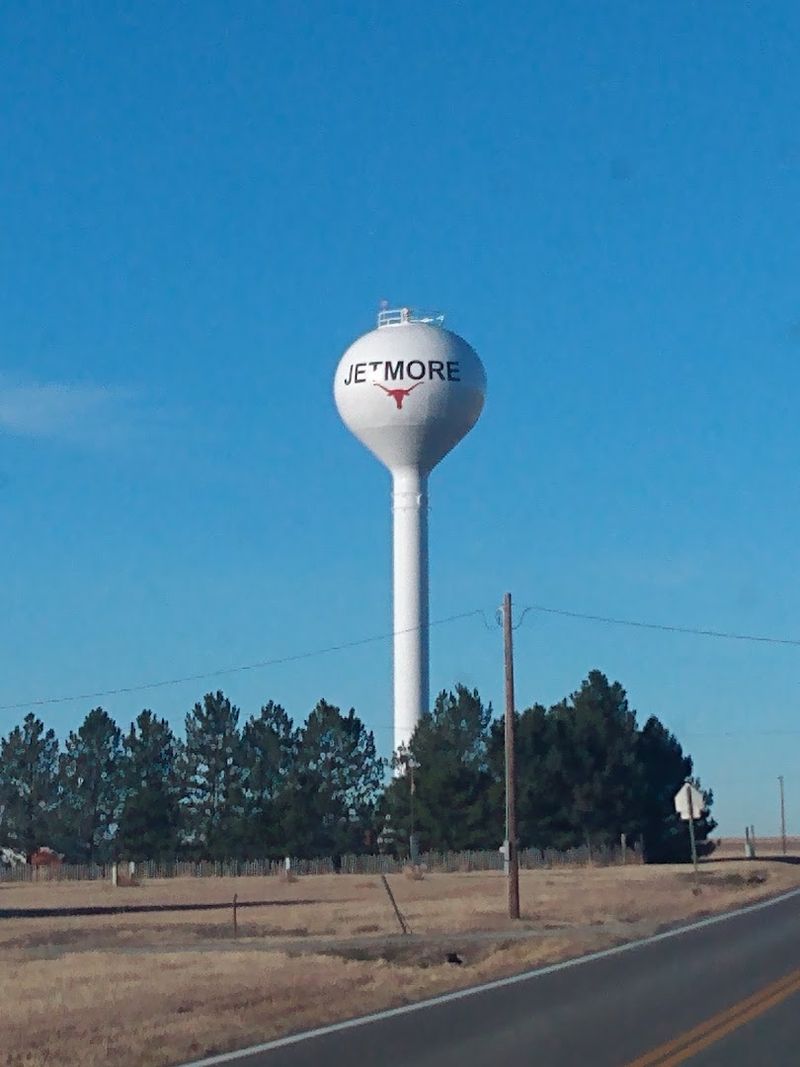
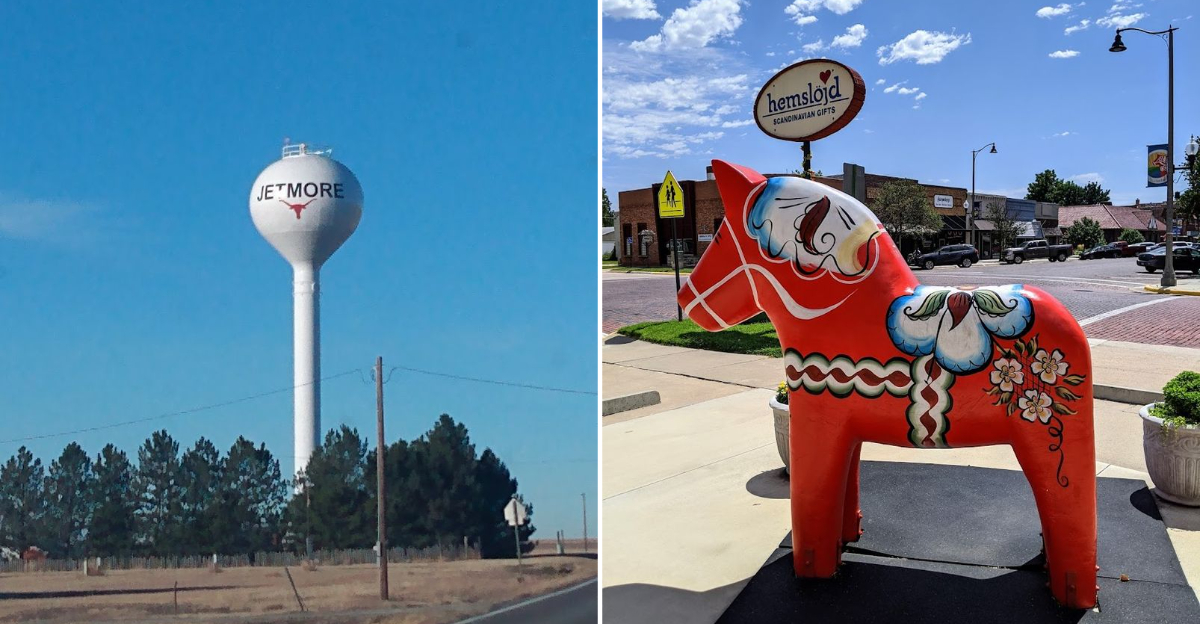
Jetmore is the county seat of Hodgeman County, and it takes that responsibility seriously. A city of around 800 people running a full county is a feat of genuine community commitment.
The Hodgeman County Courthouse stands downtown as a symbol of local governance done right. Small cities like this one prove that civic pride is not just a city thing.
Jetmore sits in the heart of the High Plains, and the landscape around it is dramatic in a quiet way. Big sky, wide horizons, and total silence make for a powerful combination.
Buckner Creek flows near the city and offers a peaceful spot for fishing and reflection. Locals know every good spot along the bank and are happy to share directions.
The annual Hodgeman County Fair is a big deal here. Livestock, homemade pies, carnival rides, and community pride all show up at once, and the whole county comes out.
Neighbors in Jetmore do not need a formal reason to check in on each other. A casserole at the door after a hard week is just normal behavior here.
The schools are small enough that teachers follow students from year to year and genuinely invest in their growth. That kind of continuity is rare and valuable.
Jetmore is peaceful, purposeful, and completely underrated.
10. Osborne
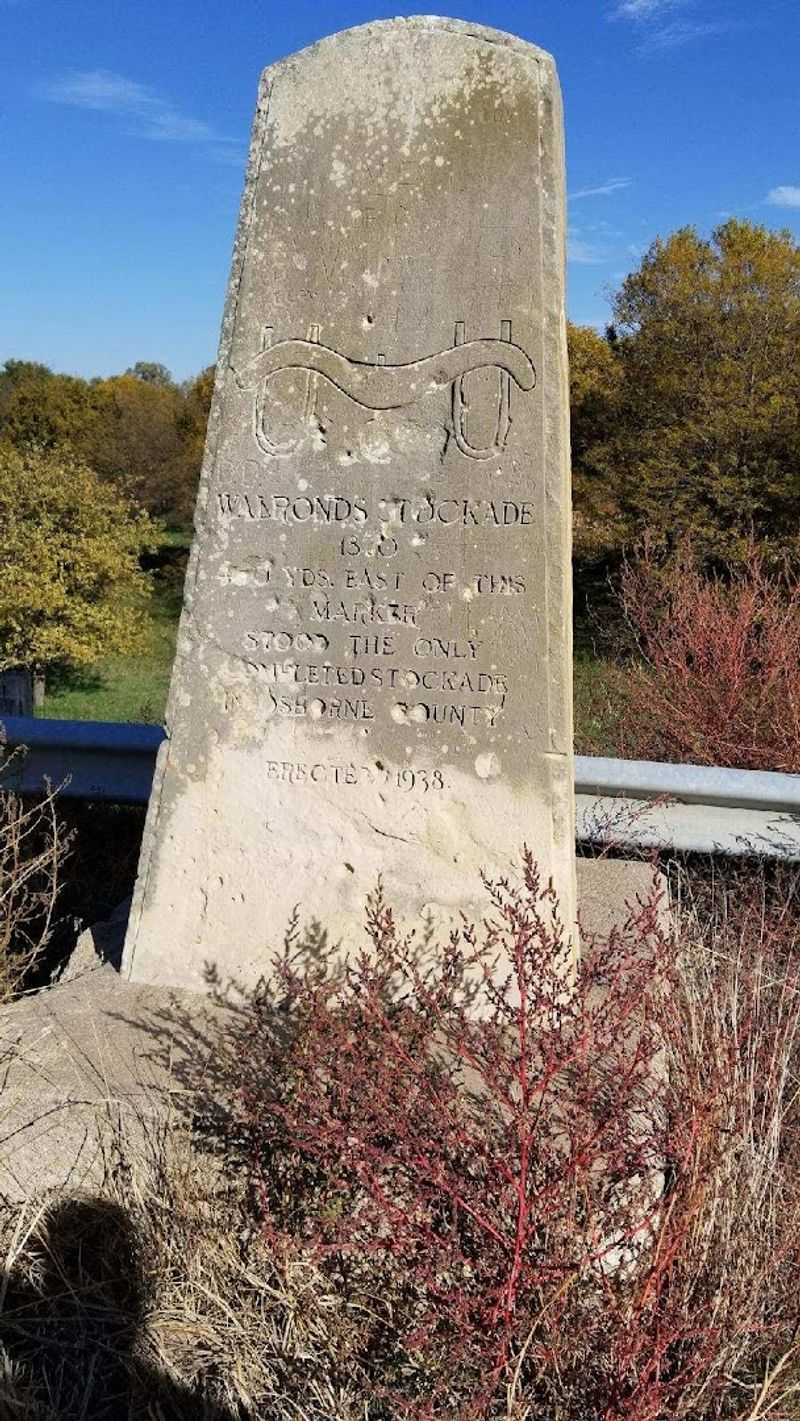
This spot sits near the geographic center of the contiguous United States, and locals love reminding you of that fact. There is something poetic about a small city anchoring the whole country.
The city has around 1,400 residents and a downtown that still functions the way downtowns were meant to. Hardware stores, diners, and community spaces anchor the main street.
Osborne County is known for its strong agricultural roots. Wheat farming, cattle ranching, and cooperative spirit define the culture here in ways that go beyond bumper stickers.
The Solomon River runs through the area and offers solid fishing and quiet outdoor time. Early morning casts on that river are a local tradition for good reason.
The Osborne County Courthouse is a beautiful historic structure worth seeing. The community keeps it well-maintained because pride in local institutions runs deep here.
Annual community events bring residents together throughout the year. Parades, county fairs, and school events create a social rhythm that keeps people connected across generations.
New families moving to Osborne typically report feeling welcomed within the first few weeks. Introductions happen naturally at the grocery store, the diner, and the school pickup line.
The cost of living is well below the national average, and the quality of life is high. Osborne is proof that the best things in life really do not cost much.