
10 Remote Historic Towns In New Mexico That Tourists Don’t Explore
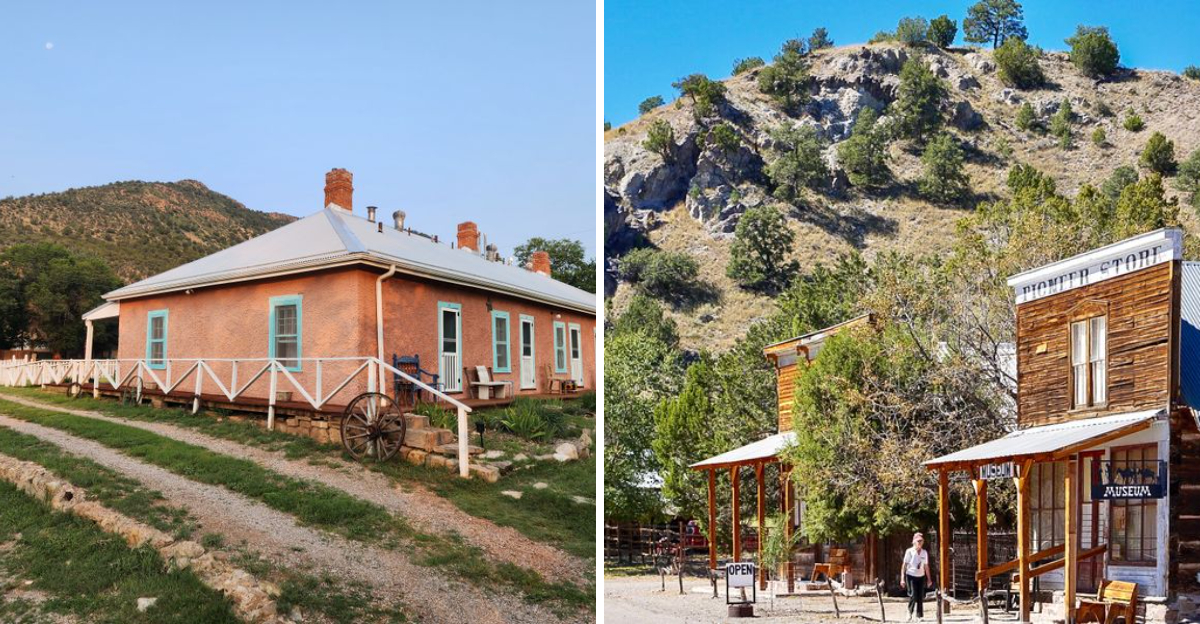
New Mexico holds secrets in its dusty corners that most travelers never discover.
While crowds flock to Santa Fe and Albuquerque, dozens of forgotten towns sit quietly in the desert and mountains, preserving stories from the Wild West, mining booms, and Spanish colonial days.
I’ve wandered through these remote places where time seems frozen, and I’m excited to share the hidden gems that offer authentic history without the tourist buses.
1. Hillsboro
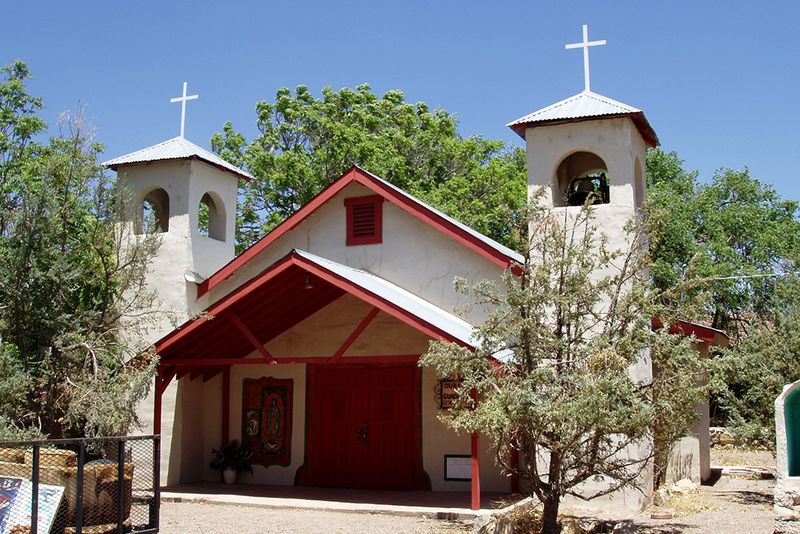
Once a roaring silver mining camp with over 3,000 residents, Hillsboro now hosts fewer than 100 souls who prefer the quiet life.
The 1892 courthouse still stands proud, along with several buildings that whisper tales of boom-and-bust fortune.
Local artists have claimed some historic structures, turning them into quirky galleries and studios.
The Black Range Museum showcases mining equipment and photographs from when silver flowed like water.
September brings the annual Apple Festival, but otherwise, this town remains peacefully off the beaten path.
2. Lincoln
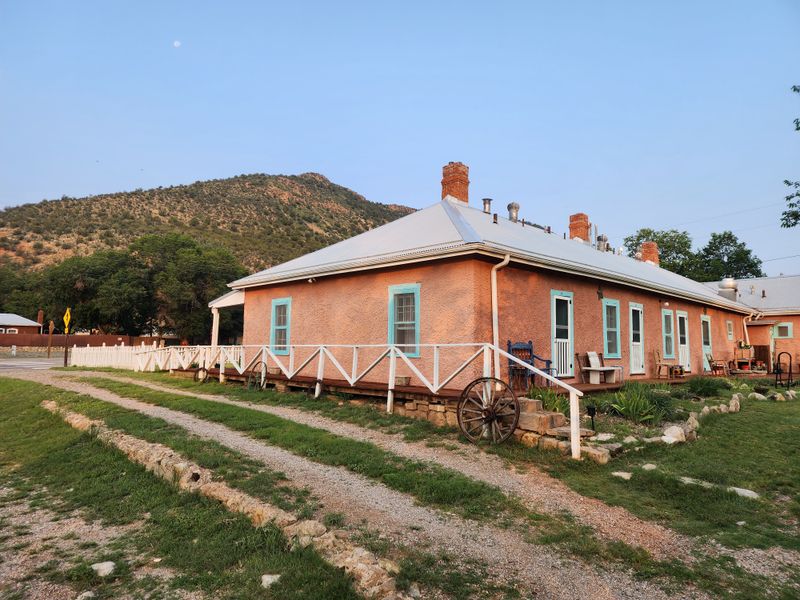
Walking down Lincoln’s single street feels like stepping onto a movie set, except everything here is genuinely from the 1800s.
This entire town is a National Historic Landmark where Billy the Kid made his famous courthouse escape in 1881.
The old buildings stand exactly as they did during the Lincoln County War, with bullet holes still visible in some walls.
You can explore the courthouse museum and imagine the chaos of that violent frontier era.
Few tourists make the journey here, which means you’ll have this Wild West time capsule mostly to yourself.
3. Cerrillos
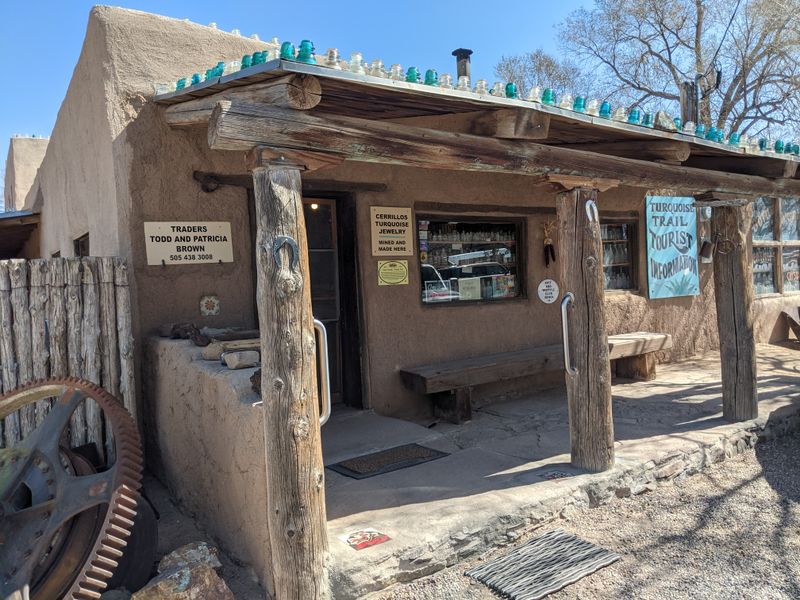
Turquoise from Cerrillos adorned ancient Pueblo jewelry centuries before Spanish conquistadors arrived seeking gold.
By the 1880s, this place exploded into a wild mining town with 21 saloons and four hotels serving thousands of prospectors.
Today, the population barely reaches 250, but the spirit of those glory days lingers in weathered buildings and the fascinating What-Not Shop filled with mining artifacts.
The old Tiffany Bar and the vintage storefronts make you feel like a cowboy might ride past any moment.
Hollywood has filmed here multiple times, recognizing its authentic frontier character.
4. Las Trampas
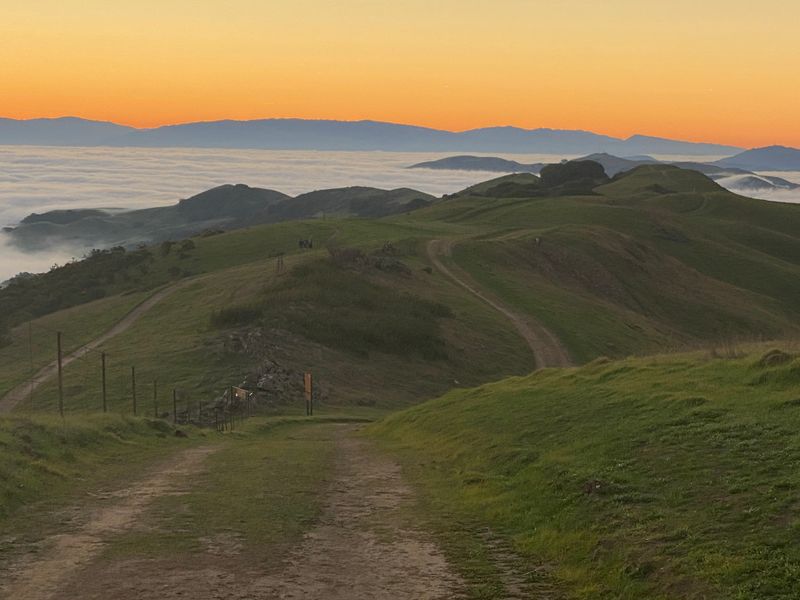
Founded in 1751 by Spanish settlers, Las Trampas remains remarkably unchanged, tucked away in a mountain valley where modern life barely intrudes.
The San Jose de Gracia Church stands as one of the finest examples of Spanish colonial religious architecture in the entire United States.
Its thick adobe walls and hand-carved wooden beams have witnessed nearly three centuries of prayers and celebrations.
Families here still farm the same land their ancestors cultivated generations ago.
The remoteness has preserved traditions and architecture that vanished elsewhere, making this village feel genuinely timeless.
5. Truchas
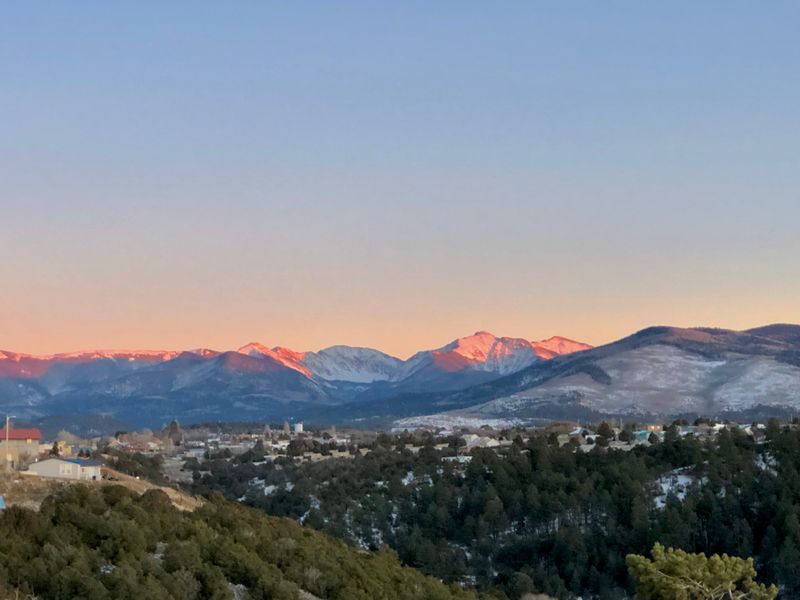
Perched at 8,000 feet in the Sangre de Cristo Mountains, Truchas commands breathtaking views across valleys that seem to stretch forever.
Spanish colonists established this village in 1754, and descendants of those original families still live here today.
Artists discovered Truchas decades ago, drawn by the extraordinary light and isolation that inspired their creativity.
Robert Redford filmed parts of “The Milagro Beanfield War” here, capturing the village’s authentic character.
The combination of stunning scenery, artistic community, and deep-rooted history makes Truchas unforgettable for those who find it.
6. El Rito
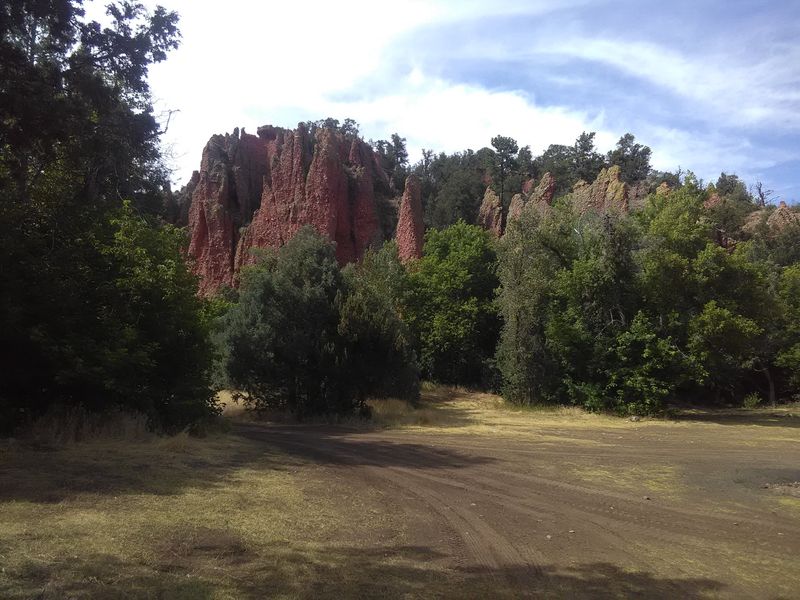
Hidden in a narrow valley where cottonwoods shade a trickling creek, El Rito has maintained its agricultural traditions since Spanish settlers arrived in the 1700s.
The village name means “the little river,” though calling it little seems generous during dry seasons.
Northern New Mexico College anchors the community, but El Rito remains wonderfully rural and unhurried.
Historic adobe homes blend with the earth, their rounded corners and flat roofs following centuries-old building methods.
Visitors who stumble upon El Rito often describe feeling like they’ve discovered a secret that wasn’t meant to be shared.
7. Magdalena
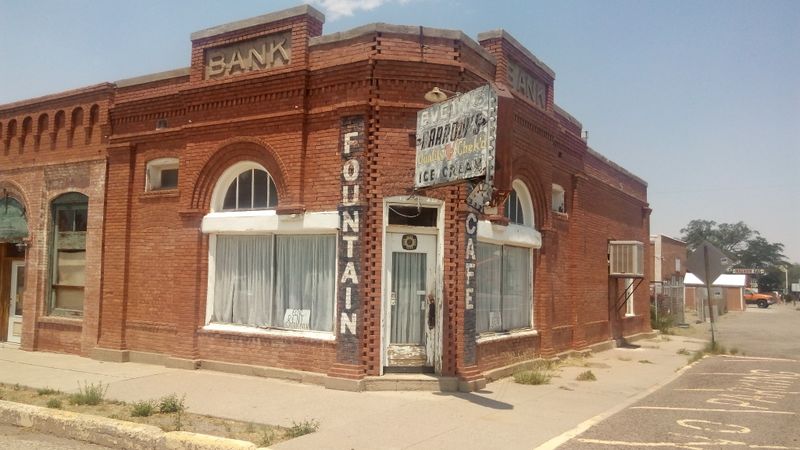
Cowboys once drove massive cattle herds along the Magdalena Livestock Driveway, making this town the busiest shipping point west of Chicago during the early 1900s.
Thousands of cattle passed through the stockyards, heading to railcars bound for distant markets.
That ranching heritage remains visible in the historic buildings lining the main street and the annual reunion of old-time cowboys each July.
The nearby Very Large Array radio telescope adds an unexpected twist—ancient ranching culture meets cutting-edge space science.
Population hovers around 900, keeping Magdalena authentically small and welcoming.
8. Pinos Altos
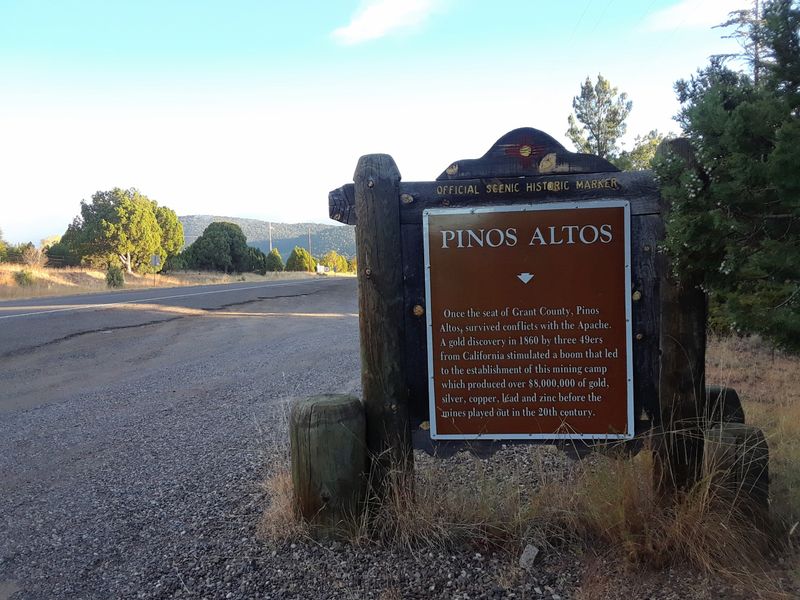
Gold fever struck these tall pines in 1860, creating a boomtown that attracted fortune seekers, gamblers, and outlaws in equal measure.
Apache conflicts made early mining dangerous, but prospectors kept coming for the precious metal hidden in these mountains.
The 1866 log cabin opera house still hosts performances, while the Buckhorn Saloon serves meals surrounded by authentic Wild West memorabilia.
Original miners’ cabins dot the hillsides, some restored, others slowly returning to the earth.
At 7,000 feet elevation, Pinos Altos offers cool mountain air and genuine frontier atmosphere without crowds.
9. Cuchillo
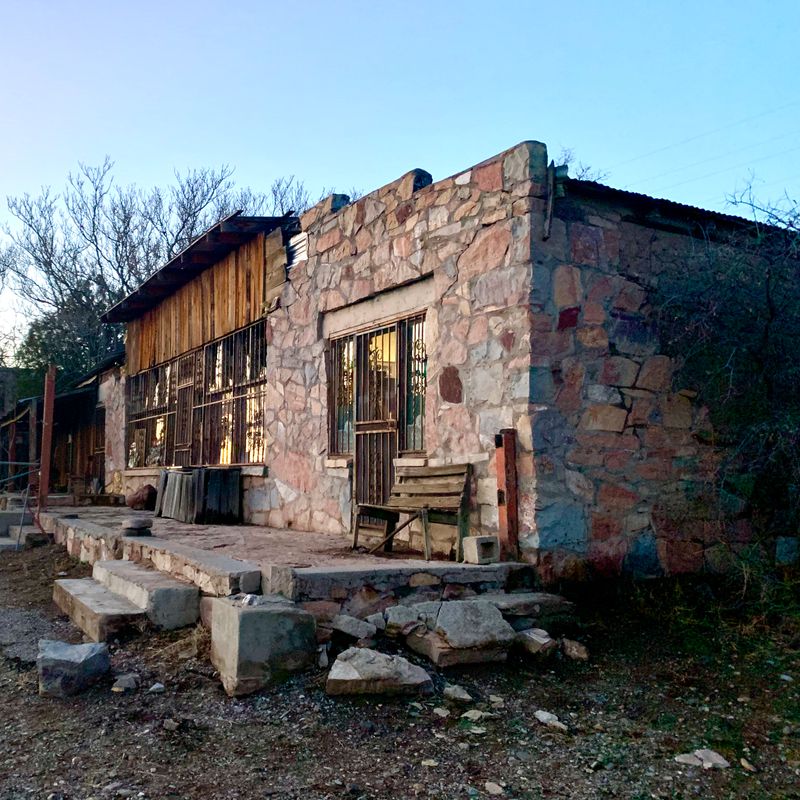
Barely a wide spot in the road, Cuchillo represents the kind of place most drivers pass without noticing—and that’s exactly how the handful of residents prefer it.
Spanish for “knife,” the name references the nearby creek that cuts through the landscape.
Established in the 1850s, this tiny community served ranchers and farmers who worked the harsh but beautiful terrain.
A few historic adobes remain, along with stories of Apache raids and frontier hardships.
The population has dwindled to almost nothing, making Cuchillo one of New Mexico’s most overlooked historic settlements.
10. Chloride
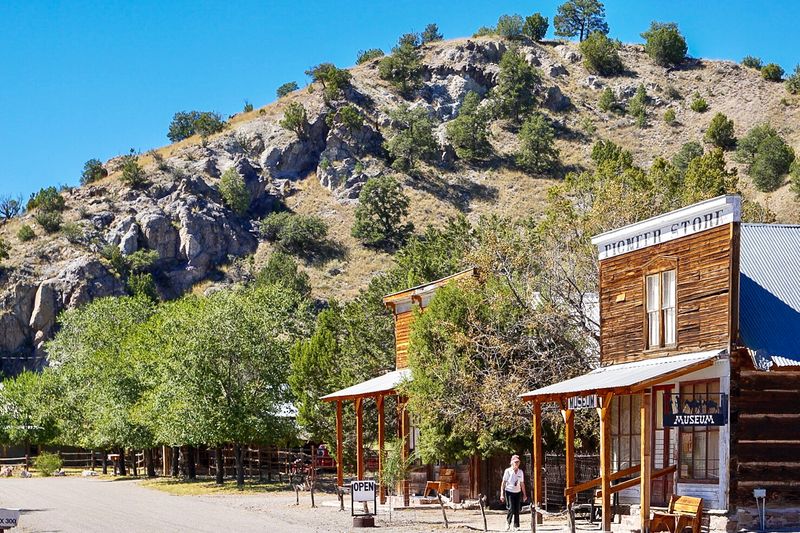
Silver lured thousands to these rugged mountains in the 1880s, transforming Chloride into a roaring camp with saloons, brothels, and the constant noise of mining operations.
Prospectors pulled millions of dollars worth of ore from the surrounding hills before the veins played out.
Now mostly abandoned, Chloride’s weathered buildings lean against mountain winds that whisper through empty windows.
The Pioneer Store Museum preserves artifacts from those wild days when fortunes were made and lost overnight.
Getting here requires determination, but exploring this authentic ghost town rewards adventurous travelers seeking genuine history.