
7 Remote Rocky Mountain Meadows In Wyoming You Should See
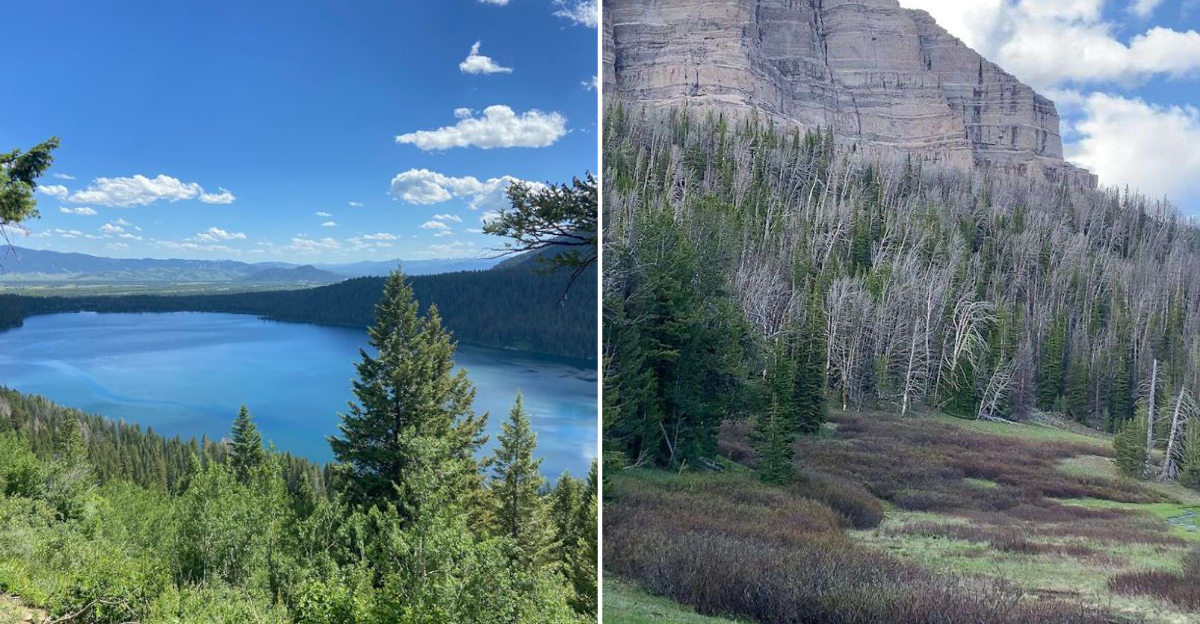
If you find yourself out of breath by the time you arrive, that is a sign you need to get out more often. But trust me, the effort required is nothing compared to what you get in return.
Wyoming’s remote Rocky Mountain meadows have a way of burning themselves into your memory in the best possible way. You stand there and suddenly understand why people dedicate entire trips just to reach a single view.
The landscape does not ask for much. It just delivers more than you expected.
And you know what is better than one person witnessing all of this? Two.
Or a whole family standing together, completely speechless, phones half raised and forgotten. These are the moments that do not need a filter or a caption.
They just need to be lived. Bring someone you love and let Wyoming do the rest.
1. Lupine Meadows Trail
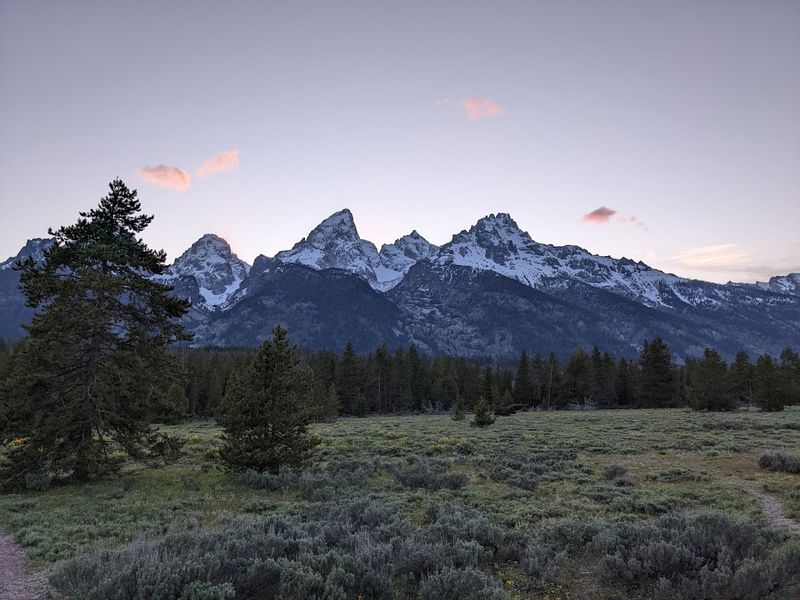
Purple wildflowers as far as your eyes can see, framed by the sharp Teton peaks. That is Lupine Meadows in a nutshell.
It sits right at the base of the Grand Tetons and earns its name every single summer.
Lupine flowers carpet the meadow floor in deep violet and blue. The contrast against the rocky grey peaks behind them is almost unfair.
You will want to take about a hundred photos and still feel like none of them capture it right.
The trailhead here is popular for a reason. It leads hikers up toward Disappointment Peak and Garnet Canyon.
But even if you never leave the meadow, you have already won the day.
Wildlife shows up here regularly. Moose graze along the edges in the early morning.
Pikas dart between rocks near the trail. Black bears have been spotted here, too, so keep your eyes open and your bear spray handy.
The elevation sits around 6,732 feet. You feel it a little when you first start hiking, especially if you drove in from lower ground.
Give yourself a few minutes to adjust and enjoy the view while you do.
Summer is the best time to visit. Peak wildflower season runs from late June through mid-July.
The lupine blooms are most vivid right after a wet spring, so check recent reports before you head out.
Sunrises here are something else entirely. The light hits the peaks first and slowly creeps down into the meadow.
If you can drag yourself out of bed early, it is absolutely worth it.
Parking fills up fast on weekends. Arrive before 7 a.m. to grab a spot without stress.
The meadow rewards early risers with quiet, golden light, and fewer crowds. Find it at Teton Park Rd, Moose, WY 83012.
2. Willow Flats Overlook
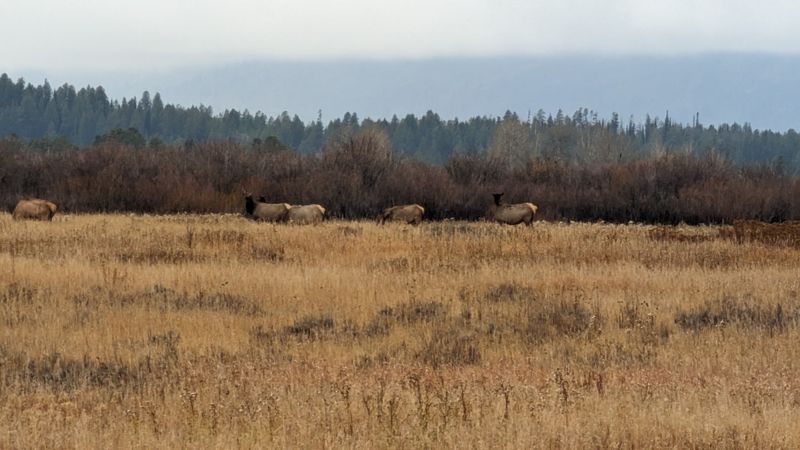
Willow Flats might be the best wildlife-watching meadow in all of Wyoming. It is broad, marshy, and absolutely packed with animals doing animal things.
The Jackson Lake Lodge overlook gives you a front-row seat to all of it.
Moose love this place more than almost anywhere else in the park. You can spot them wading through the shallow wetlands, munching on willows without a care.
Early mornings are when the real action happens out here.
The meadow stretches out wide and flat below the lodge overlook. It feels almost cinematic.
You half expect a nature documentary narrator to start whispering in your ear while you watch.
Elk move through Willow Flats during migration seasons. In the fall, you might catch bull elk bugling across the meadow.
That sound carries in the cold air like nothing you have ever heard before.
Birdwatchers show up here with serious binoculars and even more serious dedication. Sandhill cranes, great blue herons, and osprey are regulars.
The wetland habitat supports a surprisingly rich mix of bird species year-round.
You do not need to hike hard to enjoy Willow Flats. The overlook near the lodge is accessible and offers wide views.
It is one of those rare places where you can be lazy and still have an incredible experience.
The light here during sunset turns the whole meadow golden. The Teton peaks glow in the background while the willows catch fire with orange and amber tones.
It is genuinely one of the most beautiful things you can see in Wyoming.
Bring layers because the meadow gets cold fast after sundown. Temperatures drop quickly at this elevation.
3. Green River Lakes
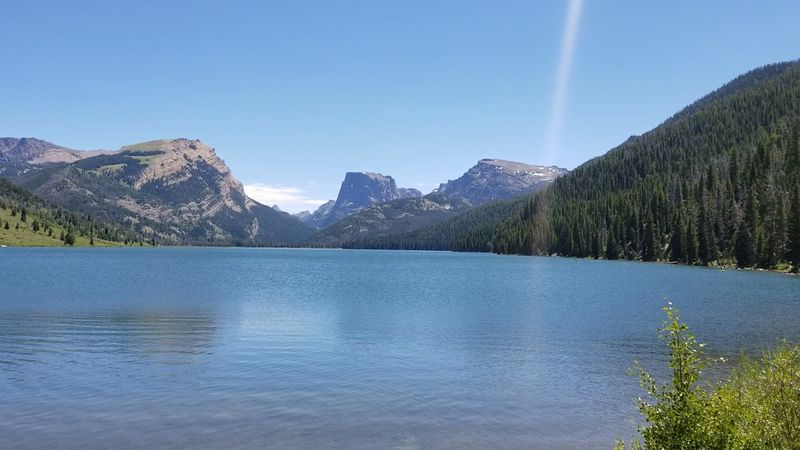
Squaretop Mountain rising straight up from the edge of a turquoise lake is a view that stops people mid-sentence. Green River Lakes delivers that exact moment, and it does it without apology.
This place belongs on every Wyoming bucket list.
The meadows surrounding the lower lake are wide and lush. Wildflowers fill every open patch of ground from July through August.
The green is so vivid it almost looks digital, but it is completely, gloriously real.
Getting here takes some effort. The road into Green River Lakes is mostly unpaved and can be rough depending on recent weather.
A vehicle with decent clearance makes the drive a lot more comfortable.
The campground at the trailhead is small and fills up fast on summer weekends. If you want a spot, arrive on a Thursday or book as early as reservations open.
Waking up with that view right outside your tent is worth every bit of planning.
Hiking trails fan out from the lakes in several directions. The Highline Trail begins here and heads north into the Wind River Range.
Even a short walk along the lower lake gives you meadow views that feel endlessly wide.
Fishing in the Green River here is excellent. Cutthroat trout are common, and the water is cold and clear.
Anglers show up every summer knowing exactly what they are after.
Wildlife sightings are common around the meadows. Pronghorn graze in the open areas near the road.
Osprey hunt over the lakes with impressive precision and zero self-doubt.
Photographers absolutely love this location at sunrise. The calm morning water reflects Squaretop Mountain perfectly.
Pack your camera and get up early because that reflection only lasts until the wind picks up.
4. Togwotee Pass
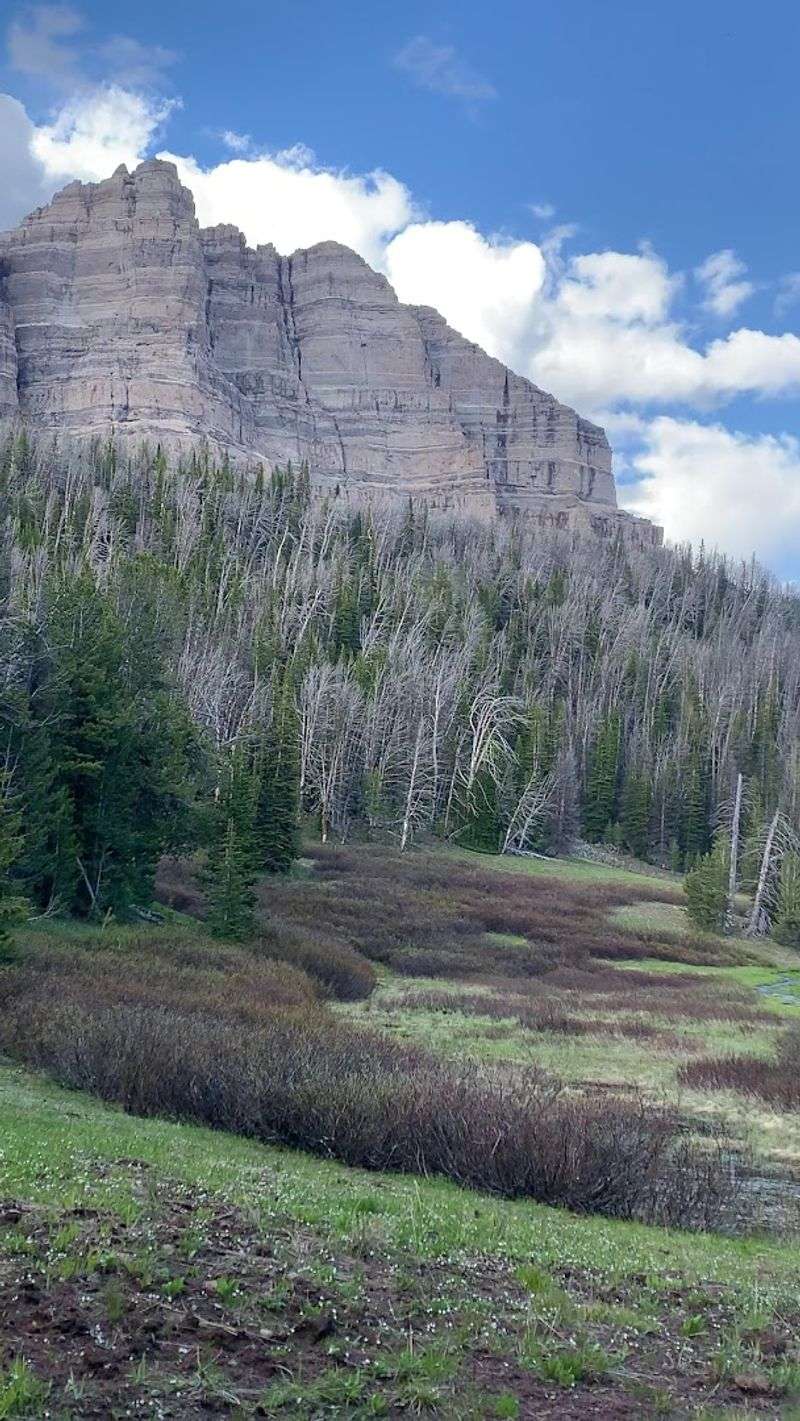
Togwotee Pass sits at 9,658 feet and makes no secret of how high up you are. The views from the meadows along the pass stretch across two mountain ranges at once.
It feels like standing on top of the world without needing ropes or crampons.
The Absaroka Range fills one side of the horizon, and the Tetons anchor the other. On a clear day, the panorama is almost too much to process.
You will find yourself slowly spinning in a circle just trying to take it all in.
Wildflowers along the pass are spectacular from late June through early August. Indian paintbrush, yarrow, and asters grow in dense clusters across the open meadows.
The color combinations are wild and completely natural.
Togwotee Pass is also a launching point for some serious backcountry adventures. The Teton Wilderness lies just to the south and covers over 585,000 acres.
Hikers and horseback riders use this area to access some of the most remote terrain in the lower 48.
Snowmobiling here in winter is legendary. The powder snow gets deep, and the terrain is incredibly varied.
But in summer, the same landscape becomes a quiet, flower-filled escape that feels like a completely different place.
Wildlife here is abundant and often visible from the road. Grizzly bears have been spotted near the pass in recent years.
Bison occasionally wander through the meadows, which is both exciting and a reminder to keep your distance.
The drive along US-26/287 through the pass is genuinely scenic. Pull-offs along the road let you stop and soak in the views without hiking anywhere.
It is one of those drives that makes you forget you had a destination in mind.
Road conditions can change fast in early spring and late fall. Always check the weather before heading out here.
5. Cloud Peak Wilderness
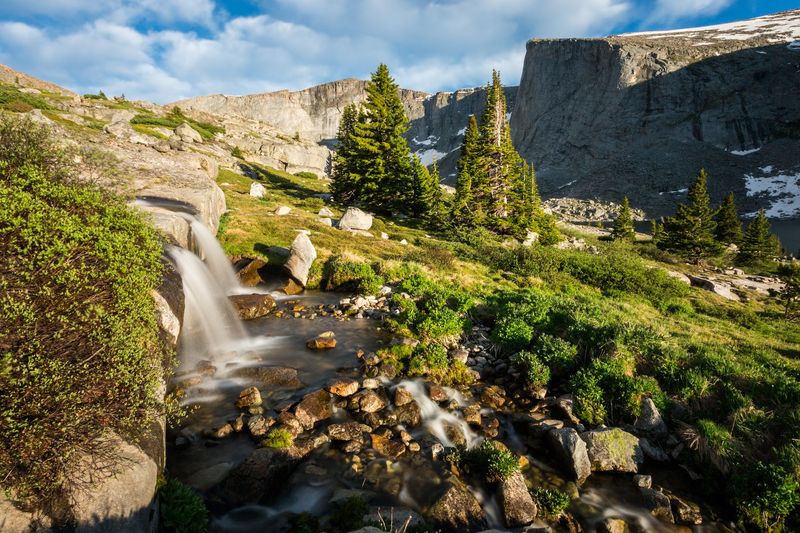
Cloud Peak Wilderness is Wyoming’s best-kept secret, and locals who know it would probably prefer to keep it that way. It sits inside the Bighorn Mountains, far from the tourist traffic of the Tetons.
The meadows here feel genuinely untouched.
Cloud Peak itself tops out at 13,175 feet. The alpine meadows below the summit are wide, wild, and full of color in summer.
Getting there requires real effort, which is exactly why the crowds never show up.
The wilderness area covers about 189,000 acres of the Bighorn National Forest. Trails lead through open meadows, past glacial lakes, and up steep rocky ridgelines.
Every direction you look, something incredible is happening.
Wildflowers in the meadows peak in mid-July. Columbine, fleabane, and clover fill the lower meadow areas with bursts of color.
Higher up, the flowers get smaller but no less beautiful against the rocky terrain.
The Adelaide Trail is a standout route through this wilderness. It follows Shell Creek through long stretches of open meadow.
The sound of the creek running beside the trail makes the whole hike feel oddly peaceful.
Wildlife in the Bighorns is diverse and active. Bighorn sheep are the obvious stars, but black bears and mountain lions also roam the area.
Mule deer and elk are practically guaranteed sightings if you hike at dawn.
Fishing the wilderness lakes here is a real treat. Brook trout and cutthroat trout are common in the cold, clear water.
Many anglers pack in for multiple nights just to fish different lakes each day.
Crowds are genuinely rare here compared to more famous Wyoming destinations. You might hike an entire day without seeing another soul.
That kind of solitude is rare and worth every mile of the drive. The address is Cloud Peak Wilderness, Buffalo, WY 82834.
6. Snowy Range Meadows
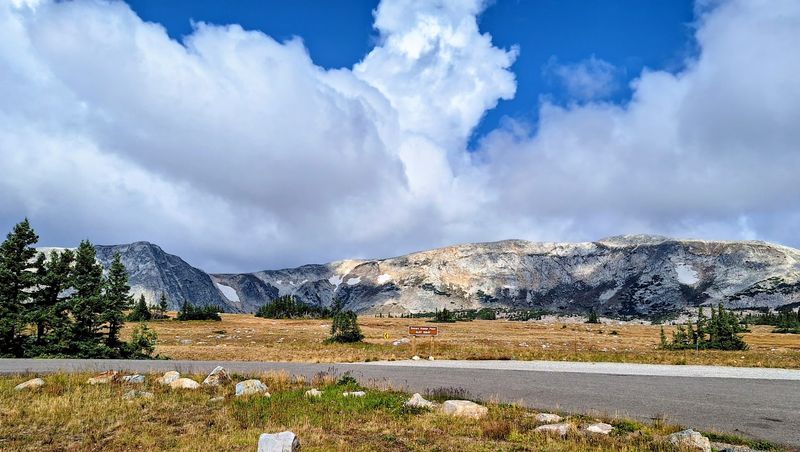
This spot does not mess around when it comes to scenery. These mountains in southeastern Wyoming rise sharply and unexpectedly from the surrounding plains, and the meadows they cradle are absolutely worth the drive.
First-timers usually react with a dropped jaw and a slow exhale.
The Snowy Range Scenic Byway runs 29 miles through this area. It is paved, which is refreshing, and lined with pullouts where you can stop and stare at the meadows.
Lupine and Indian paintbrush cover the ground in waves of purple and orange every summer.
The elevation here tops out around 10,847 feet at the pass. The air is thin and crisp, and the meadows feel closer to the sky than seems reasonable.
It is the kind of elevation that makes your legs feel like strangers.
Elk, deer, moose, and marmots are common sightings along the byway and in the meadows. Marmots especially have no fear and will sit on rocks and stare you down.
They are hilarious and completely unbothered by human presence.
Hiking trails branch off from the byway in multiple directions. The Lakes Loop Trail connects several alpine lakes through open meadow terrain.
It is a moderate hike with big rewards and relatively light foot traffic on weekdays.
The Medicine Bow Peak trail offers a more challenging climb above the meadows. Views from the top stretch across the entire range and beyond.
On a clear day, you can see into Colorado, which feels like a bonus you did not pay for.
Fall colors here are underrated and stunning. Aspens around the meadow edges turn gold and orange in late September.
The contrast against the white quartzite peaks makes for some of the best photography in Wyoming.
Winter closes the byway, but cross-country skiing replaces hiking seamlessly. The meadows become quiet, snow-covered expanses perfect for exploration.
It’s located at Centennial, WY 82055.
7. Phelps Lake Overlook
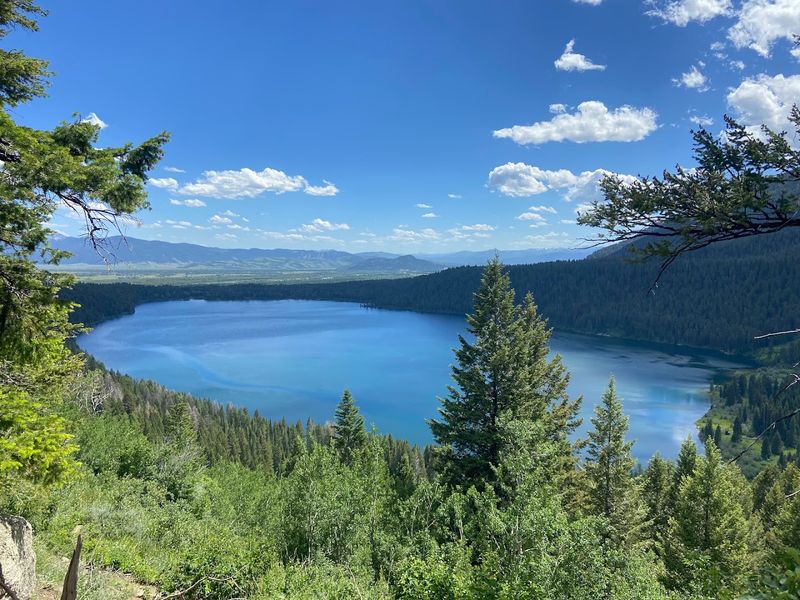
Phelps Lake sits in one of the quieter corners of Grand Teton National Park, and the meadows along its shores are genuinely peaceful. Most visitors head for the more famous trails, which means this spot stays refreshingly uncrowded.
You will feel like you found a cheat code for the park.
The Death Canyon Trailhead is the starting point for this hike. The name sounds alarming, but the trail itself is beautiful and manageable.
A moderate 4-mile round trip brings you to the lake and the open meadows surrounding it.
The meadow near the lake is wide and grassy with great views toward the canyon walls above. Wildflowers bloom throughout July and into August.
The mix of open meadow and forested edges creates habitat that wildlife absolutely loves.
Moose are frequent visitors to the marshy areas near the lake shore. Black bears have been spotted in the meadow edges, particularly in berry season.
Bring binoculars, and you will have plenty to watch without moving an inch.
The lake itself is 25 acres and sits at around 6,640 feet in elevation. It is cold and clear and backed by dramatic cliffs.
The jump rock on the far shore is a legendary local spot for those brave enough to leap in.
Photographers love the late afternoon light here. The canyon walls catch the golden hour glow while the meadow grasses shimmer below.
It is a composition that basically arranges itself for you.
The trail passes through open sagebrush flats before entering the forest near the lake. That open section offers wide views of the southern Teton Range.
It is one of the lesser-photographed Teton angles and, honestly, one of the best.
Parking at the trailhead is limited, so an early arrival is smart. The lot fills by mid-morning on summer weekends.
Address: Alta, WY 83414.