
8 Scenic Underrated Beach Communities On The Georgia Coast For Nature Lovers And Beach Walks
Georgia coastline carries a quieter energy than its neighbors to the north and south. The communities along it reflect that difference in ways that nature lovers tend to appreciate immediately.
Marsh views, shell-covered shorelines, and long stretches of sand that stay uncrowded through most of the season. Each destination brings its own character to the same coastal landscape.
Georgia has invested in preserving its barrier island ecosystems. That commitment shows up in the quality of the beaches sitting alongside these communities.
Early morning walks here feel genuinely restorative in ways that busier coastal destinations stopped delivering years ago. The light, the quiet, and the wildlife make that case without any assistance.
Nature lovers who prioritize experience over amenities find exactly what they came for along this stretch of coast. Each spot serves the landscape rather than competing with it.
Discovering this part of Georgia requires looking past the more marketed destinations. Every community on this list rewards that decision.
1. Tybee Island
Most people think Tybee Island is just a party beach, but they are missing the real story. The northern end of the island is wild, quiet, and packed with birds and marsh views that will stop you mid-step.
The North Beach area is where nature lovers should head first. You will find shorebirds, ghost crabs, and a stretch of sand that feels genuinely untouched compared to the busier southern end.
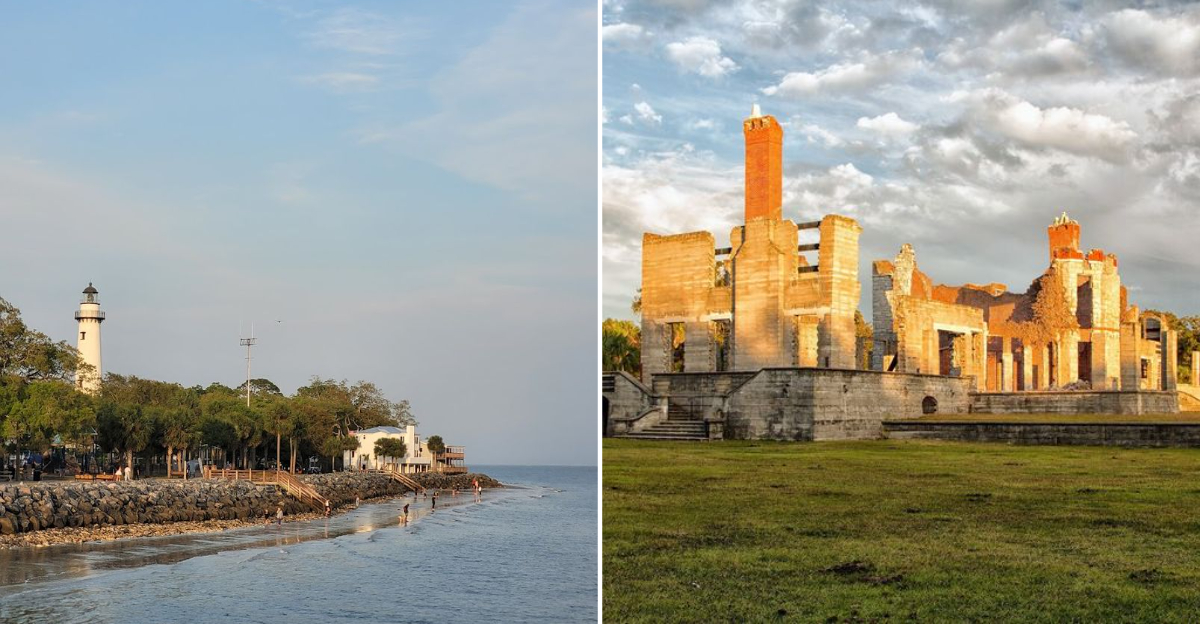
The Tybee Island Lighthouse is one of the oldest in the country. It dates back to 1736, and the views from the top are worth every step of the climb.
Walking the beach at sunrise here is a different experience entirely. The light hits the water in a way that makes the whole place feel like a painting you accidentally walked into.
Little Tybee Island sits just across the inlet and is twice the size of Tybee itself. It is completely uninhabited and only reachable by kayak or boat, making it perfect for a true escape.
Dolphins are common in the waters around Tybee. Pelicans cruise overhead like they own the place, and ospreys are almost always circling somewhere nearby.
The Back River side of the island is great for calm kayaking and watching the marsh come alive at low tide. Fiddler crabs and wading birds are everywhere you look.
If you want a beach place with real personality, actual history, and wildlife around every corner, Tybee delivers without making you fight through enormous crowds to enjoy it.
2. Sapelo Island
Getting to Sapelo Island requires a ferry reservation from Darien, and that small effort keeps it beautifully uncrowded. Only a few hundred visitors are allowed at a time, which means you actually get to breathe here.
Cabretta Beach is the kind of place people describe in hushed tones. The sand is hard-packed and perfect for long walks, and the sunrises are genuinely jaw-dropping.
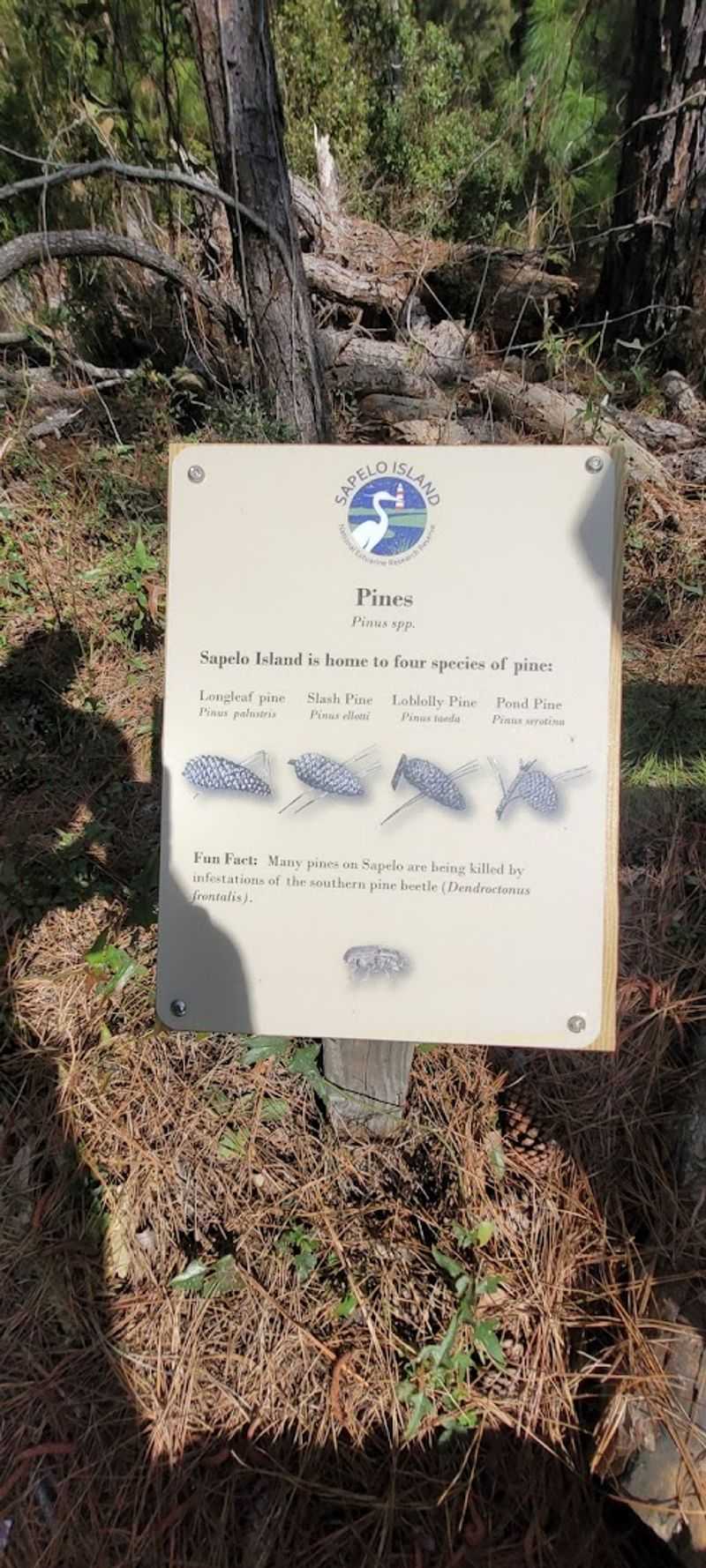
Birdwatchers go absolutely wild on this island. Loggerhead sea turtles nest here, and the dune systems are some of the most complex and intact on the entire Georgia coast.
Hog Hammock is a living African American community on the island, home to the Gullah-Geechee people. Their history and culture here stretches back centuries and adds real depth to any visit.
The Reynolds Mansion is another fascinating stop. It is a historic structure surrounded by towering live oaks, and the whole scene feels like it belongs in a different era entirely.
Wildlife on Sapelo is not shy. Deer wander near the trails, and the marshes surrounding the island are rich with herons, egrets, and all kinds of wading birds going about their day.
The ecological zones here are protected, which is why everything feels so untouched. You are walking through a place that has been actively preserved from overdevelopment.
Sapelo rewards slow travelers. Bring comfortable shoes, a good pair of binoculars, and zero expectations of rushing anywhere.
This island operates on its own peaceful timeline.
3. Darien
Darien is one of those places that feels genuinely forgotten by the tourist industry, and that is exactly what makes it so good. It sits quietly on the Altamaha River, surrounded by marshes and history that most people drive right past.
Fort King George State Historic Site is the big draw for history fans. A short trail winds through a maritime forest before opening up to a reconstructed colonial fort with sweeping river views.
The Altamaha River delta nearby is one of the most biologically diverse river systems in North America. Birders, kayakers, and wildlife watchers all find something to love here without much competition for space.
Darien also serves as the departure point for the ferry to Sapelo Island. So if you are planning that trip, you are already in a great spot to spend a day or two exploring.
Wolf Island National Wildlife Refuge is accessible from this area and offers some stunning coastal scenery. It is a remote, protected zone that rewards anyone willing to make the effort to get there.
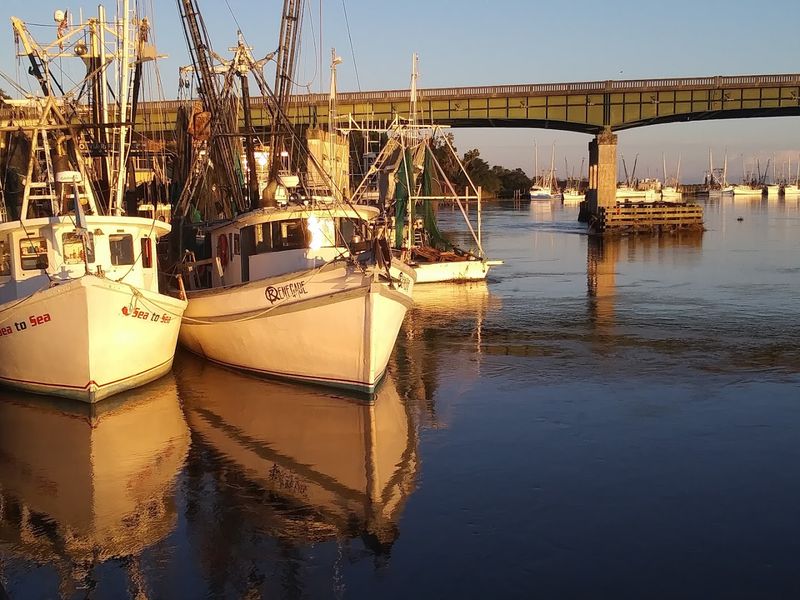
The city itself is small and unhurried. There are shrimp boats on the water, old buildings with real stories, and a general vibe that makes you want to slow down immediately.
Spanish moss hangs from nearly every tree in the city. The waterfront is peaceful and easy to walk, and the whole place has a quiet, lived-in charm that feels completely authentic.
For nature lovers who also like a little history with their beach walks, Darien is a surprisingly rich stop along the Georgia coast.
4. St. Simons Island
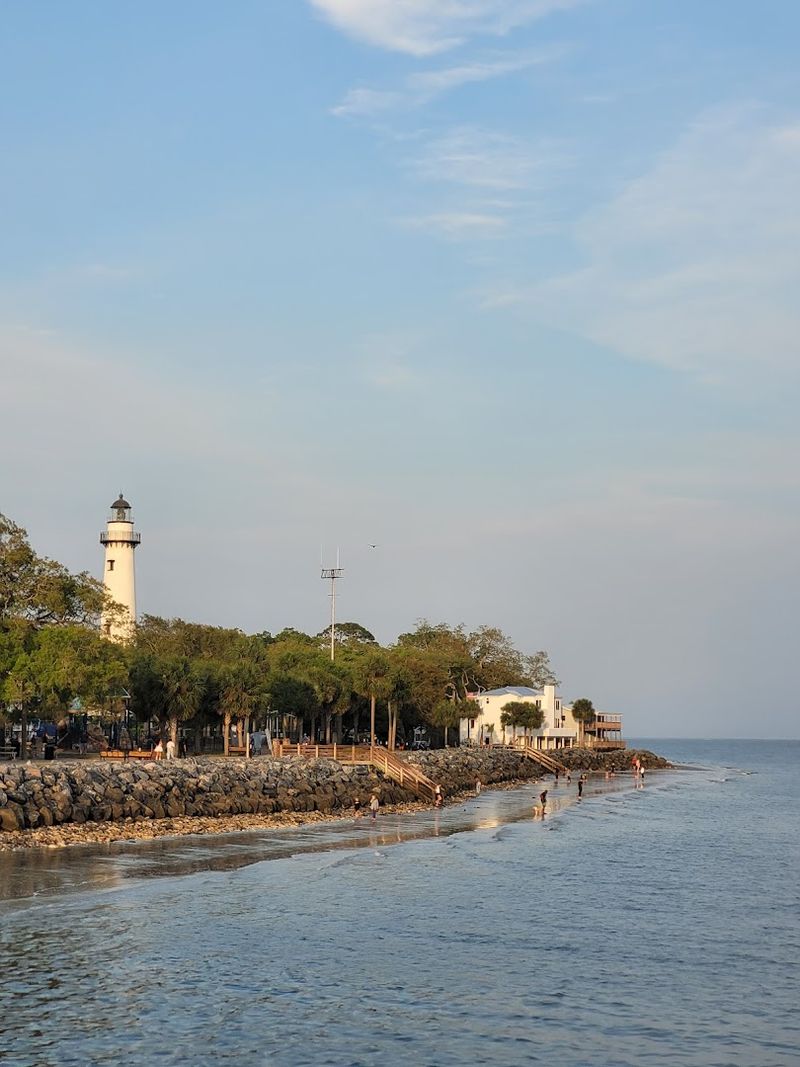
St. Simons Island has a rhythm that is hard to explain until you feel it yourself. The live oaks here are enormous, draped in Spanish moss, and they line almost every road and trail on the island.
The East Beach area stretches for miles and is ideal for long morning walks. You will find shells, shorebirds, and the kind of salty breeze that makes every step feel intentional and unhurried.
The St. Simons Lighthouse has been standing since 1872 and is one of only four surviving lighthouses on the Georgia coast. The museum inside is genuinely interesting and surprisingly detailed.
Fort Frederica National Monument is a must for anyone curious about colonial history. The ruins of the 18th-century fort sit within a beautiful natural setting along the Frederica River.
Gould’s Inlet on the north end of the island is a favorite for birders and beachcombers. Shorebirds gather there in impressive numbers, especially during migration season in spring and fall.
Biking is huge on St. Simons because the trails connect beaches, forests, and marshes in a way that makes every ride feel like a little adventure. Rentals are easy to find near the village.
The village area has a laid-back energy with local shops and a pier that is perfect for watching pelicans and dolphins in the late afternoon. It never feels overwhelming or over-commercialized.
St. Simons is one of those places that keeps pulling you back. Every visit reveals a new trail, a new bird, or a new corner of coastline you somehow missed before.
5. Sea Island
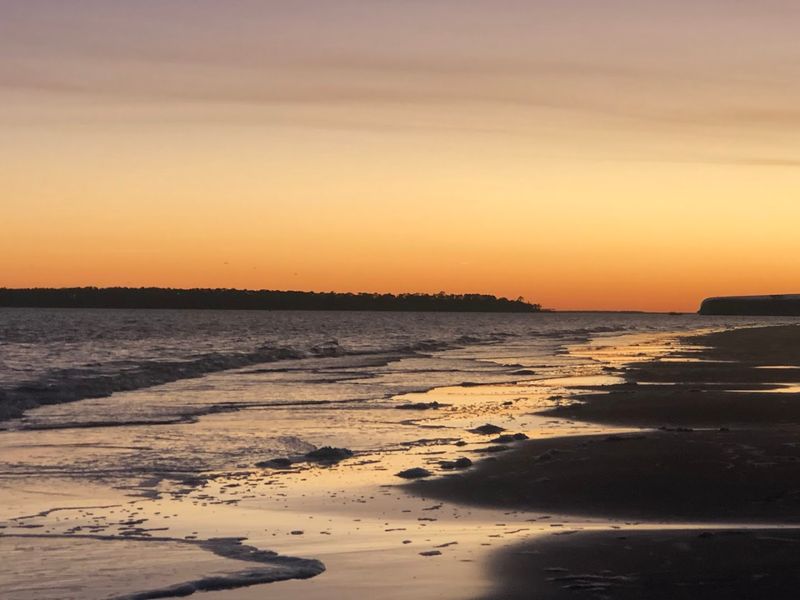
This island is the kind of place that operates at a different frequency than most Georgia coast destinations. It is refined, quiet, and surrounded by some of the most beautiful natural scenery on the entire coastline.
The beach here is immaculate and long. Walking it early in the morning, you might see loggerhead sea turtle tracks in the sand from overnight nesting activity.
Sea Island sits between the marshes of the Altamaha Sound and the Atlantic Ocean. That position creates a rich ecosystem where birds, fish, and coastal wildlife are constantly active around the island’s edges.
The maritime forest in the interior of the island is worth exploring. Ancient live oaks create a canopy that feels primeval, and the shade makes even midday walks completely comfortable.
Birding here is excellent year-round. Wading birds patrol the marsh edges, ospreys nest in tall pines, and during migration, the variety of species passing through is genuinely impressive.
The beach itself is wide and flat, making it ideal for long, uninterrupted walks. You can go for miles without running into anything that disrupts the natural setting around you.
Sea Island has a long history tied to conservation. The landscape has been carefully managed to maintain its ecological integrity, and that intentional care shows in how pristine everything looks and feels.
If you are the kind of person who finds real joy in a beautiful beach walk with nobody around, Sea Island is worth every bit of effort it takes to get there.
6. Jekyll Island
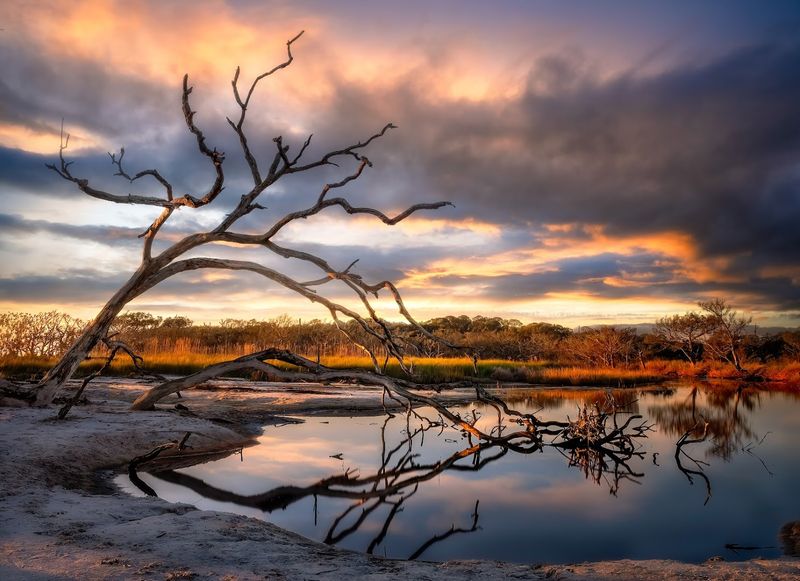
Jekyll Island has a secret, and it is called Driftwood Beach. Ancient bleached tree trunks rise out of the sand like sculptures, creating one of the most photographed and genuinely eerie landscapes on the East Coast.
The beach is the result of ongoing erosion, reshaping the island over centuries. What looks otherworldly is actually just nature doing its slow, relentless work in the most dramatic way possible.
About 65 percent of Jekyll Island is permanently protected from development by state law. That means the wild spaces here are not going anywhere, which is a rare and wonderful thing.
The bike trail system covers over 20 miles and winds through maritime forests, salt marshes, and along the beach. It is one of the best ways to see the whole island without rushing anything.
Horton Pond is a freshwater pond near the northern end of the island. Alligators, turtles, and dozens of bird species hang out there, and it is surprisingly easy to spot wildlife right from the trail.
The Georgia Sea Turtle Center is a rehabilitation facility that also offers educational programs. Seeing the actual work being done to protect loggerhead turtles makes the whole visit feel meaningful.
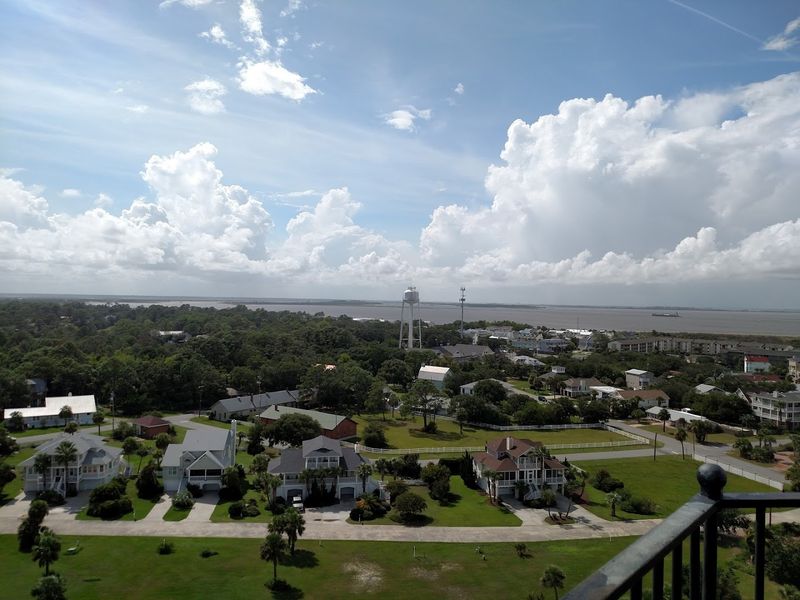
St. Andrews Beach Park on the south end is quieter and wilder than most of the island. A viewing tower there gives you a panoramic look at the marsh, ocean, and wildlife below.
Jekyll Island does not try to be anything it is not. It is a barrier island doing what barrier islands do best, which is being spectacularly wild and beautiful at the same time.
7. Brunswick
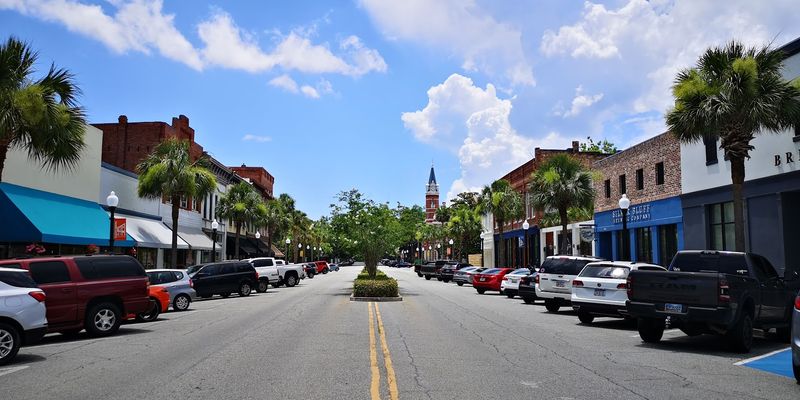
Brunswick gets skipped over constantly because everyone is racing to the Golden Isles just beyond it. But Brunswick itself has a coastal character that is deeply rooted, genuinely local, and completely worth a slow afternoon.
The waterfront is lined with working shrimp boats, and watching them come and go gives you an honest look at the fishing culture that has defined this coast for generations. It is real, not staged.
Overlook Park sits right on the marsh and offers sweeping views of the salt grass stretching toward the islands. At sunset, the colors reflected in the water are almost unfairly beautiful.
The historic district downtown has streets canopied by massive live oaks. The trees are so old and wide that they practically form tunnels over the roads, and walking under them feels like wandering through a natural cathedral.
Mary Ross Waterfront Park is a great spot for a stroll along the river. Dolphins occasionally surface in the Brunswick River, and pelicans are practically permanent residents of the nearby docks.
The Marshes of Glynn, made famous by poet Sidney Lanier in 1878, are visible right from the edge of the city. Those marshes are not just scenic; they are ecologically critical and absolutely massive in scale.
Brunswick is also the gateway to Jekyll Island, St. Simons Island, and Sea Island. So staying here and using it as a base makes a lot of practical sense for exploring the whole region.
The city has a gritty, lived-in charm that feels honest. No pretense, no overpriced waterfront shops, just a real coastal community doing its thing.
8. Cumberland Island
Wild horses roam freely on Cumberland Island, and that single fact should be enough to get anyone on the ferry. But the island delivers so much more than that once you actually arrive.
Cumberland is Georgia’s largest and southernmost barrier island. It is only accessible by a 45-minute ferry from St. Marys, and visitor numbers are capped at 300 per day to keep the experience genuinely secluded.
The beaches here are completely undeveloped. No hotels, no souvenir shops, no crowds.
Just miles of wide, wild coastline with loggerhead sea turtle nesting grounds and driftwood scattered across the sand.
Over 50 miles of hiking trails cross the island through maritime forests, open dunes, and freshwater ponds. Deer, alligators, pelicans, egrets, and herons are regular sightings along almost every route.
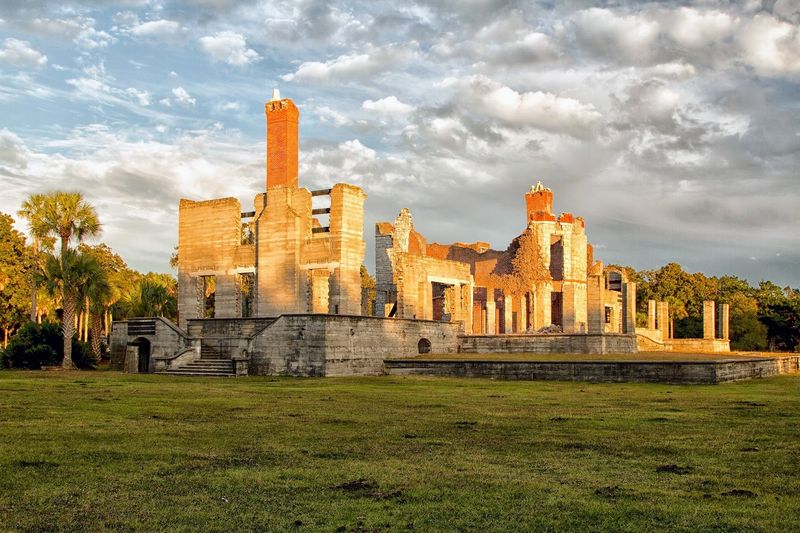
The ruins of Dungeness Mansion sit near the southern end of the island. The crumbling stone walls draped in vines and moss are hauntingly beautiful and surrounded by live oak forest.
Plum Orchard Mansion is another historic structure that guided tours cover. It is a Carnegie-era estate that feels completely surreal sitting in the middle of such untamed wilderness.
Beachcombing here turns up an impressive variety of shells and marine life. The beach is so clean and undisturbed that every walk feels like an actual discovery rather than a casual stroll.
Cumberland Island is the kind of place that changes how you think about coastlines. Once you have walked its beaches with horses grazing nearby and no development in sight, ordinary beaches never feel quite the same.