
10 Secluded Places In Tennessee For People Who Want To Escape Crowds
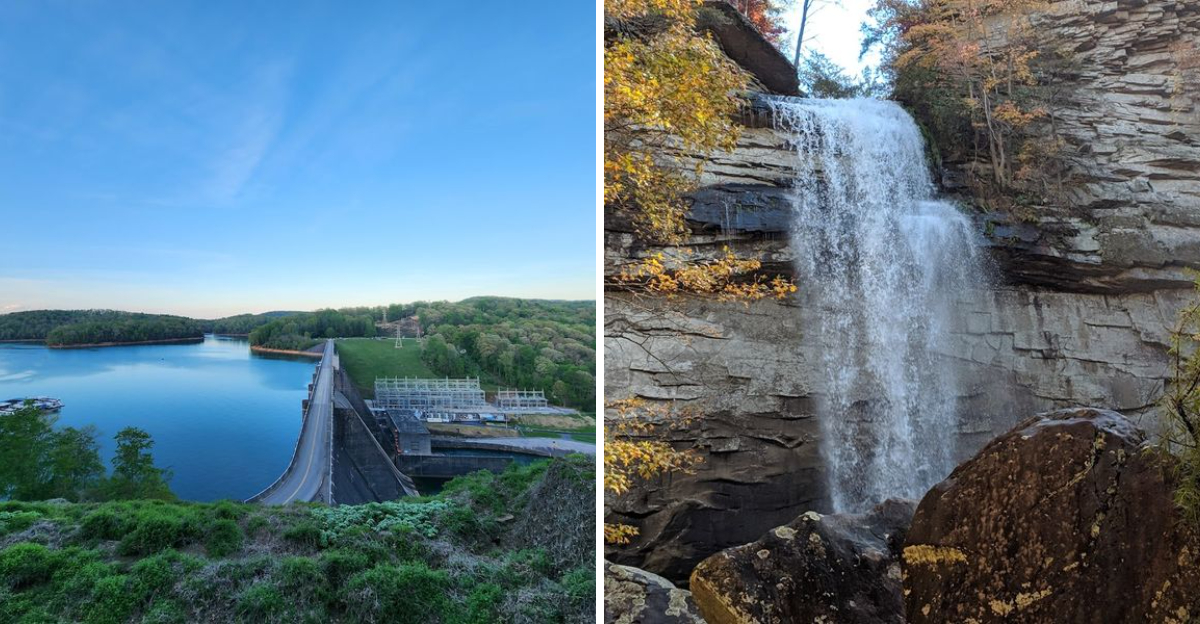
Silence hits differently when you finally find it. In Tennessee, it’s still possible to step away from packed trails, busy towns, and the constant buzz of everyday life.
One quiet turn leads to another, and suddenly the noise fades into birdsong, rustling leaves, and open space. Some spots stretch out with wide views, others feel calm and close, but each one offers a chance to slow down and breathe.
No rush, no crowds, no pressure to keep moving. If you’re craving a peaceful break in Tennessee, these places deliver the kind of quiet that’s hard to come by.
1. Frozen Head State Park, Wartburg
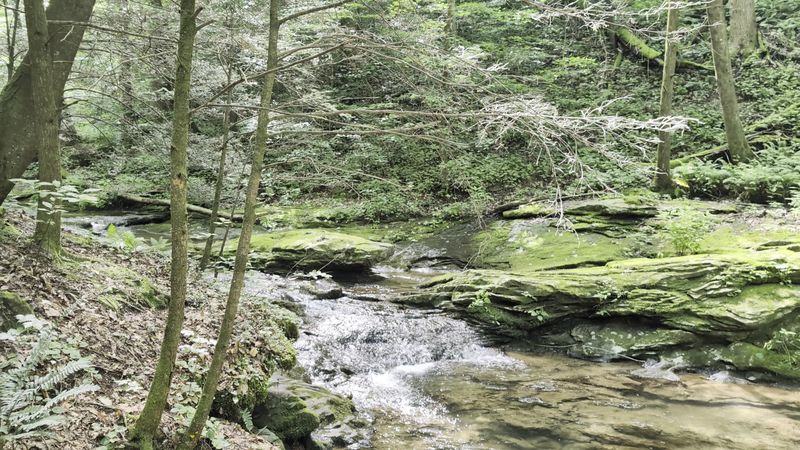
Covering more than 24,000 acres of rugged backcountry, Frozen Head State Park near Wartburg is the kind of place that makes you feel genuinely small in the best possible way.
The park sits on the western edge of the Cumberland Mountains and offers over 50 miles of trails that wind through towering hardwood forests, past cascading waterfalls, and along rocky ridgelines with sweeping mountain views.
Because the terrain is demanding and the park does not advertise itself loudly, visitor numbers stay refreshingly low even on weekends.
Hikers who push to the summit of Frozen Head Mountain are rewarded with one of the most dramatic panoramas in all of East Tennessee, stretching across rolling green ridges as far as the eye can see.
Spring brings a spectacular wildflower bloom along the lower trails, while fall turns the canopy into a tapestry of orange, red, and gold.
The park also features primitive campsites that put you deep inside the forest, far from road noise or artificial light.
Birding is surprisingly excellent here too, with many species found in the dense woodland that most casual visitors never get to see.
If you want a Tennessee wilderness experience that rewards effort and offers solitude in return, Frozen Head delivers every single time.
2. Pickett CCC Memorial State Park, Jamestown
Some parks earn their reputation through marketing, but Pickett CCC Memorial State Park near Jamestown earns it through sheer geological drama and blissful quiet.
Designated as an International Dark Sky Park, Pickett offers some of the clearest nighttime skies in the entire southeastern United States, making it a favorite among stargazers who want to see the Milky Way without driving to a remote desert.
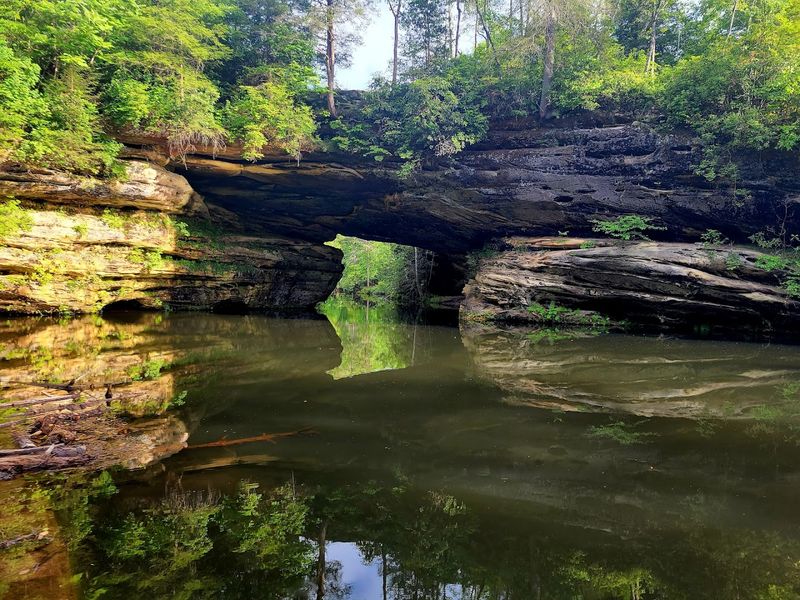
During the day, visitors explore a landscape carved by centuries of erosion, featuring natural rock arches, sandstone bluffs, Native American shelter caves, and forest trails that feel more like something from an adventure novel than a state park.
The park shares a border with the Big South Fork National River and Recreation Area, effectively doubling the wild land available for exploration.
Foot traffic here stays remarkably light year-round, partly because Jamestown is not on the way to anywhere particularly famous, which is honestly its greatest selling point.
Cabin rentals are available for those who want to wake up inside the forest without sleeping on the ground, and the accommodations fill up fast in fall, so booking early is a smart move.
Whether you come for the stars, the sandstone formations, or simply the sound of wind moving through ancient trees, Pickett has a way of resetting even the most overstimulated mind.
3. Coker Creek, Cherokee National Forest
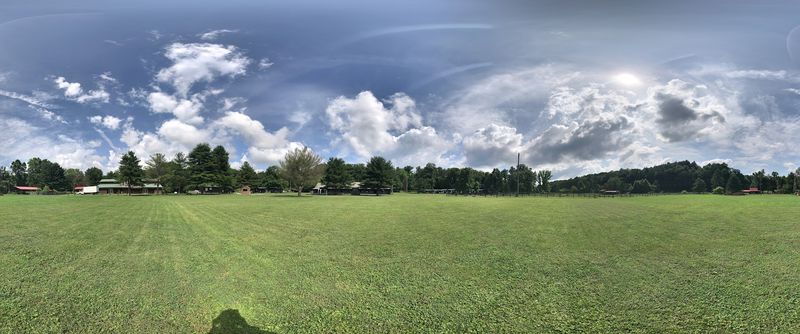
Gold fever once swept through the Coker Creek area of Cherokee National Forest in southeastern Tennessee, and while the rush is long over, the beauty that drew people here has never left.
Coker Creek is a small community surrounded by the sprawling Cherokee National Forest, and it offers one of the most genuinely off-the-radar experiences in the entire state.
The creek itself is open for recreational gold panning, which makes it a surprisingly fun activity for families who want something different from the usual trail-and-viewpoint routine.
Beyond the panning, the area provides access to miles of forest hiking, quiet swimming holes, and waterfall trails that rarely see more than a handful of visitors on any given day.
The Coker Creek Scenic Area features a short trail leading to a lovely waterfall, and the surrounding forest feels dense, green, and wonderfully undisturbed.
Fall is arguably the best season to visit, when the hardwood canopy explodes into color and the creek runs cold and clear through a corridor of blazing foliage.
Camping options nearby are simple and uncrowded, and the community itself has a welcoming, unhurried character that makes you want to linger a little longer than planned.
It is the kind of spot that rewards the curious traveler who bothers to look past the more famous destinations on the map.
4. Big South Fork National River And Recreation Area, Oneida
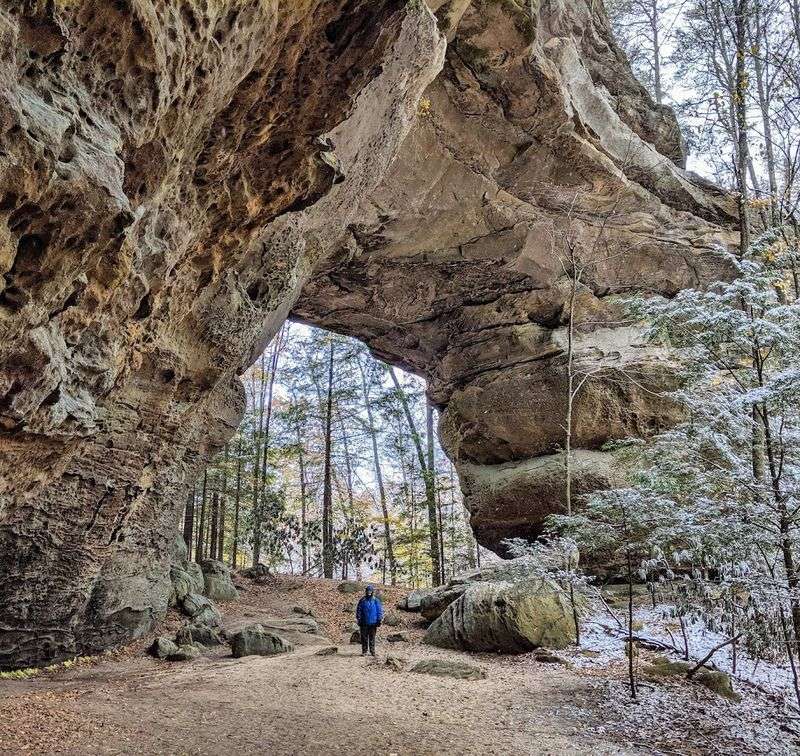
Stretching across 125,000 acres of the Cumberland Plateau near Oneida, Big South Fork National River and Recreation Area is one of those places that makes you wonder how it managed to stay so beautifully undervisited.
The park protects a rugged river canyon system carved by the Big South Fork of the Cumberland River, and the scenery is genuinely jaw-dropping, with towering sandstone bluffs, natural arches, and deep forested gorges that seem to belong in a landscape painting.
Hiking trails range from casual riverside walks to multi-day backcountry routes, and the trail network is extensive enough that finding true solitude is not difficult even during peak season.
Horseback riding is enormously popular here, with designated equestrian trails winding through some of the most scenic terrain in the park.
The river itself offers excellent whitewater paddling opportunities, and the calmer stretches are perfect for fishing or simply floating and watching the canyon walls drift past.
Wildlife sightings are common throughout the park, including white-tailed deer, wild turkey, and a variety of bird species that thrive in the mixed forest habitat.
Because it sits between better-known destinations and lacks a flashy visitor center presence, Big South Fork tends to attract a quieter, more self-sufficient crowd of outdoor enthusiasts.
That low-key reputation is exactly what keeps it so special.
5. Fall Hollow Falls, Natchez Trace Parkway, Hohenwald
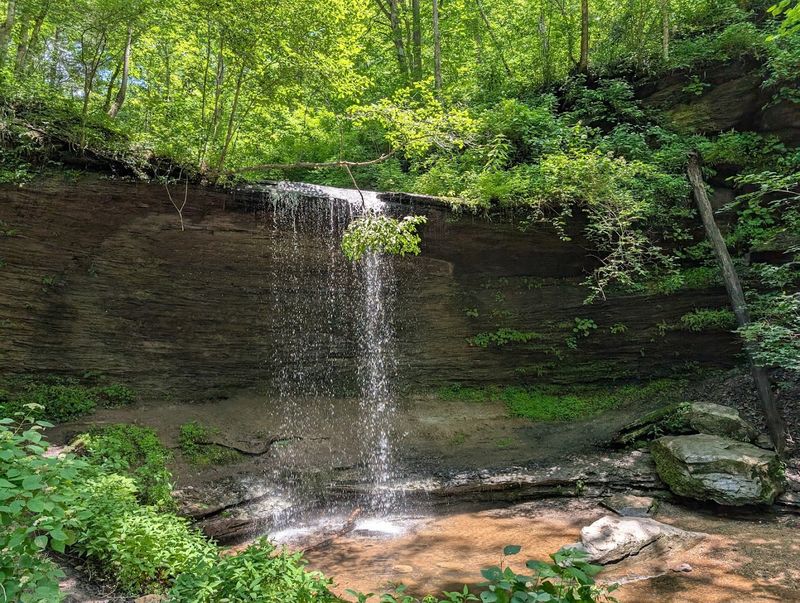
Most people drive the Natchez Trace Parkway without ever stopping at Fall Hollow Falls, which means you can often have this little waterfall almost entirely to yourself on a quiet weekday morning.
Located near Hohenwald, the falls are accessed by a short trail that drops down from a small roadside parking area along the parkway, making it one of the easiest waterfall visits in Middle Tennessee.
The trail itself is only about a quarter mile long, but it passes through a lush, fern-draped ravine that feels completely separate from the open farmland visible from the road above.
The waterfall drops roughly fifteen feet into a mossy grotto surrounded by large boulders and old-growth trees, creating a scene that photographers absolutely love.
Because the Natchez Trace Parkway prohibits commercial vehicles and moves traffic at a gentle 50 mph maximum, the atmosphere along the road is already calm and unhurried before you even step out of the car.
Spring and early summer are especially beautiful here, when the surrounding forest is a vivid green and the water flow is at its strongest after seasonal rains.
Combining Fall Hollow with a longer scenic drive along the parkway makes for an ideal low-pressure day trip that never feels rushed or overcrowded.
Simple pleasures, perfectly delivered.
6. Savage Gulf State Natural Area, Gruetli-Laager
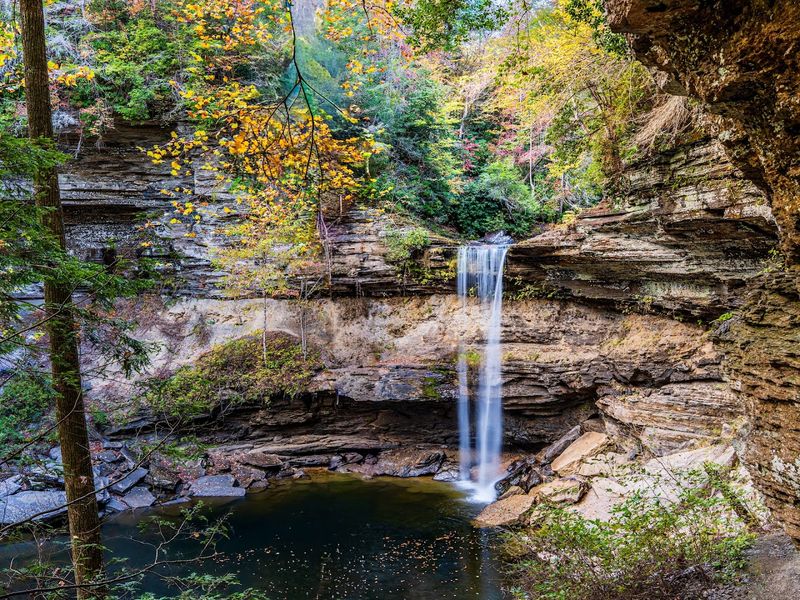
Carved into the southern edge of the Cumberland Plateau near the small community of Gruetli-Laager, Savage Gulf State Natural Area is one of the most ecologically significant wild places in the entire southeastern United States.
The area features three major gorges that converge in a dramatic landscape of sandstone bluffs, clear-running streams, ancient forests, and waterfalls that reward hikers willing to put in the miles.
Greeter Falls, accessible from one of the less-visited entrances, is a two-stage waterfall surrounded by hemlocks and rhododendrons that creates a scene so peaceful it almost feels staged.
The trail system here is extensive, with routes ranging from short day hikes to challenging overnight loops that take you deep into the gorge where the outside world completely disappears.
Because the park covers a large area and has multiple access points spread across several miles of rural road, the visitor population tends to spread out naturally, reducing the chance of encountering large groups on the trail.
Wildlife is abundant throughout the natural area, and quiet hikers often spot salamanders, box turtles, and an impressive variety of songbirds along the creek corridors.
Fall is spectacular here when the hardwoods above the gorge rim blaze with color while the canyon floor stays cool and shadowy below.
Few places in Tennessee feel this genuinely wild and uncrowded.
7. Obed Wild And Scenic River, Wartburg
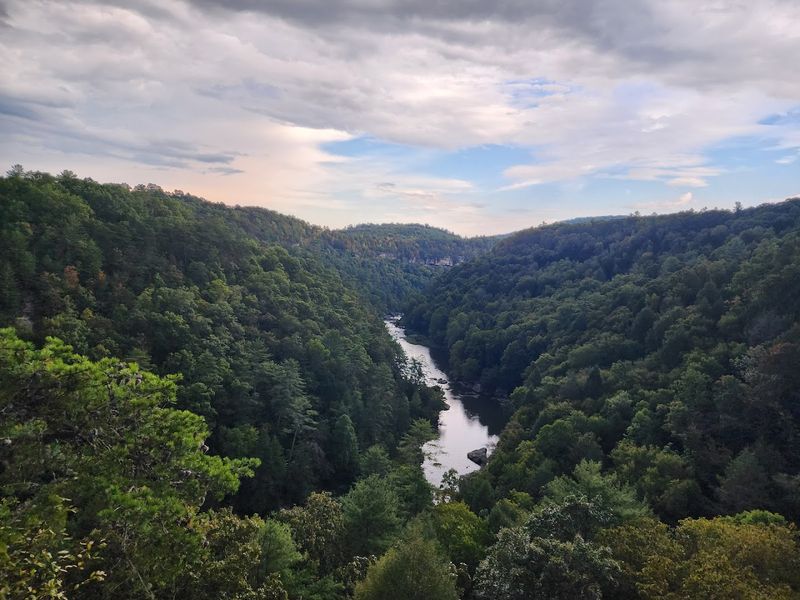
The Obed Wild and Scenic River near Wartburg, Tennessee does not get nearly the attention it deserves, and for the people who know it, that is a perfectly fine arrangement.
Managed by the National Park Service, the Obed protects a network of river gorges cut deep into the Cumberland Plateau, featuring dramatic sandstone cliffs, pristine water, and forest so thick it blocks out road noise entirely.
The river system is considered one of the premier whitewater paddling destinations in the eastern United States, with rapids ranging from beginner-friendly floats to challenging technical runs that attract experienced kayakers from across the region.
For those who prefer to stay dry, the canyon rim trails offer stunning aerial views of the gorge system and are far less crowded than comparable overlooks at more famous parks.
Rock climbing is another popular activity here, with sandstone walls providing excellent routes that draw a small but dedicated community of climbers who appreciate the uncrowded conditions.
The visitor center in Wartburg is a good first stop for trail maps and current river conditions, and the staff there tend to be genuinely knowledgeable and enthusiastic about the area.
Because Wartburg sits off the main tourist corridors of East Tennessee, the Obed draws a crowd that is smaller, quieter, and more focused on actually experiencing the landscape.
That makes every visit feel a little more personal.
8. Laurel Snow Pocket Wilderness, Dayton
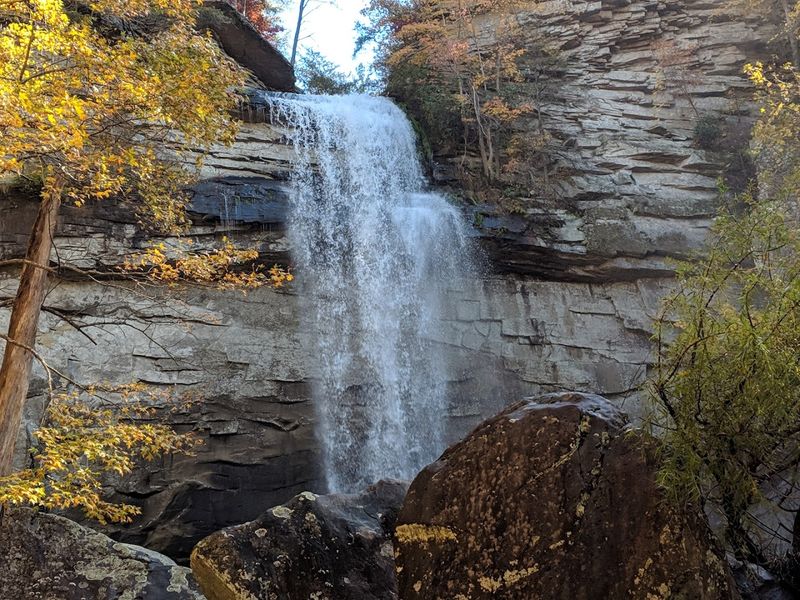
Pocket wilderness areas in Tennessee are a unique concept, and Laurel Snow near Dayton is one of the finest examples of what that designation can offer a hiker seeking genuine escape.
The area is managed by Bowater Incorporated and covers a rugged stretch of Walden Ridge on the Cumberland Plateau, featuring two impressive waterfalls, Laurel Falls and Snow Falls, connected by a trail that follows a boulder-strewn creek through dense rhododendron tunnels.
The hike to both falls is moderately challenging, involving some rock scrambling and creek crossings that keep casual crowds away while rewarding those willing to work for the view.
Laurel Falls drops about 80 feet in a dramatic free-falling cascade, while Snow Falls tumbles over a wider, more gradual ledge into a quiet pool below, giving both destinations a distinct personality.
The surrounding forest is rich with wildflowers in spring, and the rhododendrons typically bloom in late June, creating a tunnel of pink and white blossoms along the lower trail sections.
Because the pocket wilderness concept limits development, there are no paved roads, no visitor centers, and no concession stands anywhere near the trailhead, which naturally keeps visitor numbers modest.
Parking is limited at the trailhead, so arriving early on weekends is strongly recommended if you want a spot.
Worth every early alarm.
9. Norris Dam State Park, Norris
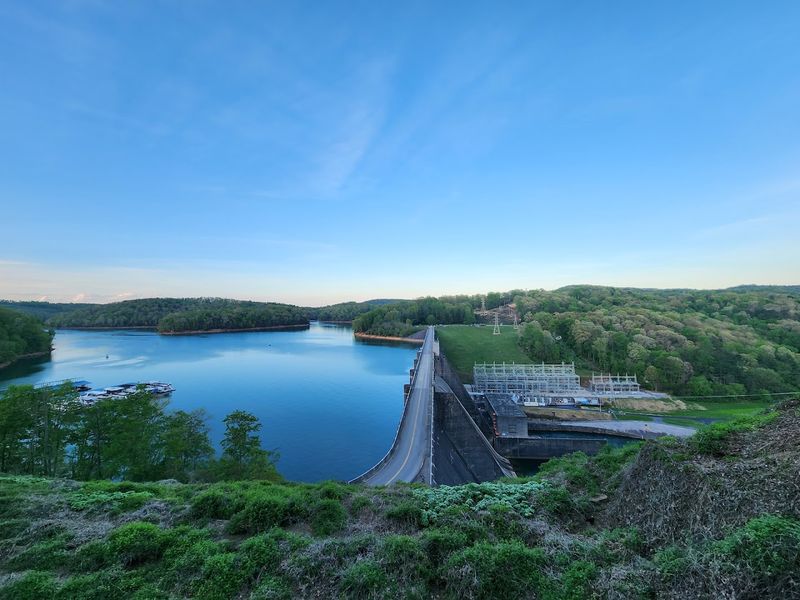
Built during the New Deal era by the Tennessee Valley Authority, Norris Dam near Norris carries a fascinating chapter of American history alongside its considerable natural beauty.
The dam itself is worth a look, but most visitors come for the surrounding state park, which wraps around the shores of Norris Lake and offers a surprisingly quiet outdoor experience considering its proximity to Knoxville.
The park features two separate units connected by the lake, with hiking trails, forest roads, and waterfront access spread across enough acreage that crowding is rarely an issue even during summer weekends.
Norris Lake is one of the clearest and cleanest reservoirs in Tennessee, making it a favorite for swimming, fishing, and paddling in conditions that feel closer to a natural mountain lake than a man-made impoundment.
The park also maintains a grist mill and threshing barn that date back to the 18th century, offering a glimpse into Appalachian rural life that adds an unexpected cultural layer to an outdoor visit.
Cabin rentals are available and provide comfortable lakefront accommodations without the resort-style pricing found at more popular destinations in the region.
Fishing enthusiasts will find the lake stocked with bass, walleye, and crappie, and the calm morning hours on the water are about as peaceful as Tennessee gets.
History, nature, and quiet all in one place.
10. Standing Stone State Park, Hilham
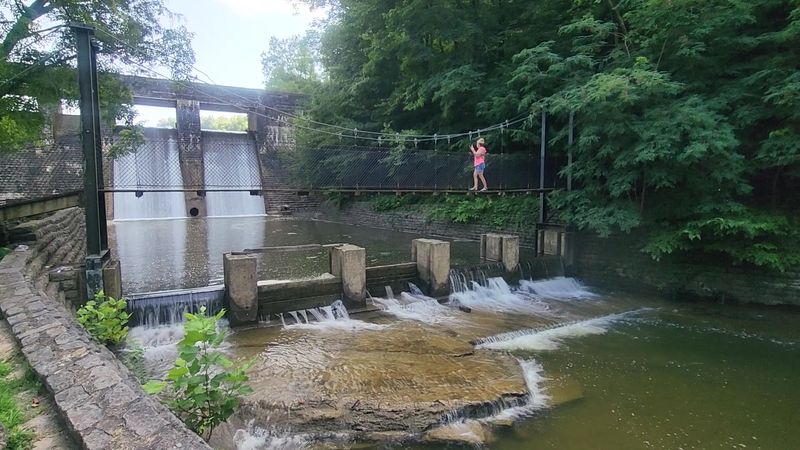
Named after a large sandstone boulder that served as a boundary marker for Native American tribes, Standing Stone State Park near Hilham carries a sense of quiet history that runs as deep as its forested hollows.
The park sits on the upper Cumberland Plateau and covers nearly 11,000 acres of rolling woodland, centered around a beautiful 69-acre lake that sees a fraction of the boat traffic found at larger Tennessee reservoirs.
Hiking trails wind through second-growth hardwood forest and past small streams, offering a gentle pace that suits families, older hikers, and anyone who simply wants to walk without a destination in mind.
The lake is open for fishing, paddling, and swimming, and the beach area stays refreshingly uncrowded even during the height of summer when more famous parks are packed to capacity.
Cabin and campground accommodations are available throughout the park, and the rustic stone structures built by the Civilian Conservation Corps in the 1930s give the facilities a charming, timeless character.
Hilham itself is a tiny community with almost no commercial development, meaning the park exists in a genuinely rural setting free from the strip malls and tourist shops that crowd around more visited parks.
Standing Stone rewards the traveler who chooses slow over spectacular, and that turns out to be a very fine trade.