
Some Trees In This Nevada Grove Were Already Ancient When The Pioneers Arrived
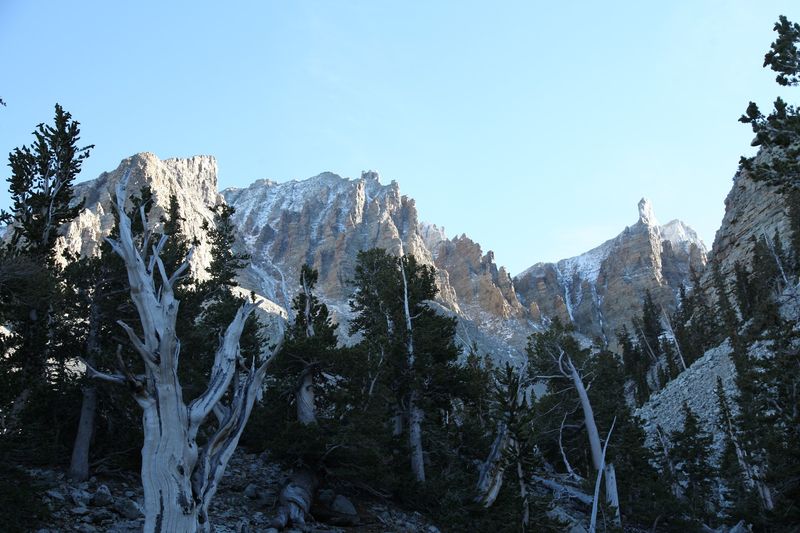
The plan was simple: stretch our legs on a short mountain trail in eastern Nevada and head back down for lunch. We did not expect to spend the afternoon standing beside twisted, silver trees that were already thousands of years old when the first wagons crossed the state.
There was no entrance fee, no crowd, and a surprising number of small signs telling us exactly how old each tree was. Here is what makes this high, quiet corner of Nevada so hard to forget.
A Bristlecone Grove Near 10,000 Feet in Great Basin National Park
Picture a parking lot sitting close to 10,000 feet above sea level, at the very end of a winding mountain road in eastern Nevada. That is where the walk to the Wheeler Peak Bristlecone Pine Grove begins.
The grove sits inside Great Basin National Park, near the tiny community of Baker, and it is considered the most reachable bristlecone stand in the whole park.
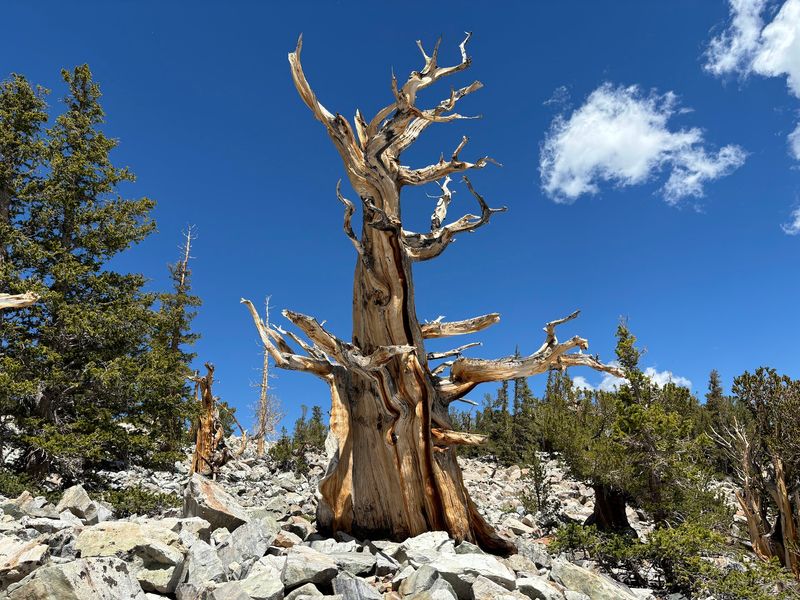
Great Basin bristlecone pines, known to scientists as Pinus longaeva, rank among the oldest non-clonal living things on Earth. Many in Nevada are estimated to be somewhere between 3,000 and 5,000 years old.
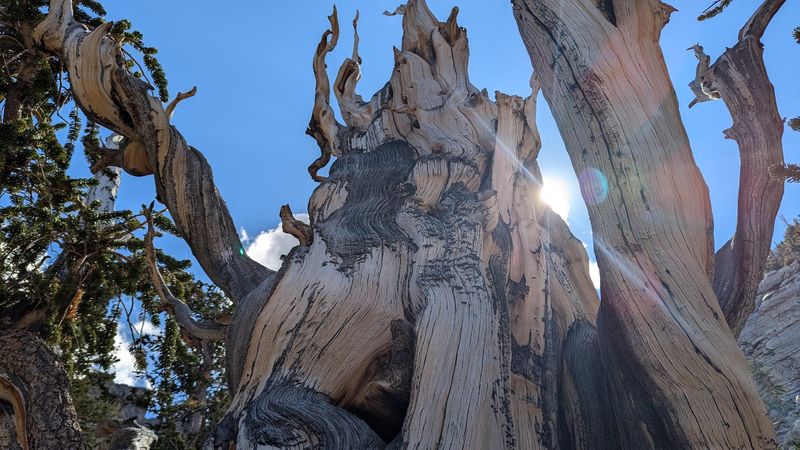
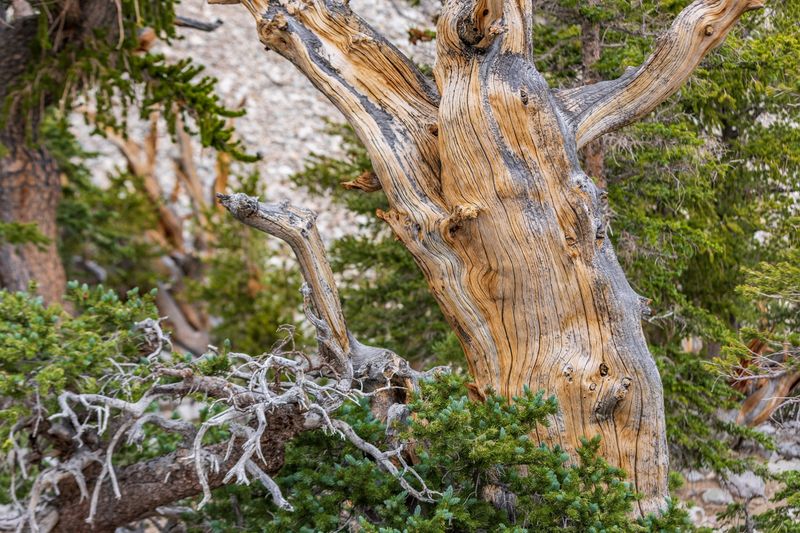
Their trunks twist like wrung-out towels, and the wood looks polished by centuries of wind and ice.
Why should a grove of scraggly trees matter to a family planning a weekend? For one thing, the park charges no entrance fee, so this ranks among the least expensive ways in Nevada to stand next to something older than most of recorded history.
For another, the trail is short enough for many school-age kids and patient grandparents. Plan on a few hours on foot, plus the scenic drive up and back down, and the outing can easily fill the better part of a day.
Older Than Every Wagon Trail in the State
American mountain men were exploring parts of Nevada as early as the 1820s. By the late 1840s and early 1850s, thousands of emigrants were crossing the region on their way to the California goldfields.
Around 1851, a trading post called Mormon Station, later renamed Genoa, became one of the first permanent American settlements.
Now stack that timeline against the grove. When those wagons rolled west, many of the bristlecones on Wheeler Peak had already been growing for thousands of years.
A tree that sprouted 3,000 years ago would have been close to 2,850 years old by the time those first trading post cabins went up, and the oldest individuals were already elderly long before the Roman Empire rose.
Here is a detail kids tend to enjoy: the travelers who crossed Nevada likely never laid eyes on these particular trees. The grove is tucked high on a remote mountain, far above the valley floors where wagons and pack animals moved.
One visitor reflected that some of these trunks may have been alive in the era of Moses, and comparisons like that tend to stick.
Standing among them, the whole story of the Old West suddenly feels like a very recent chapter.
Prometheus and the Puzzle of Tree Age
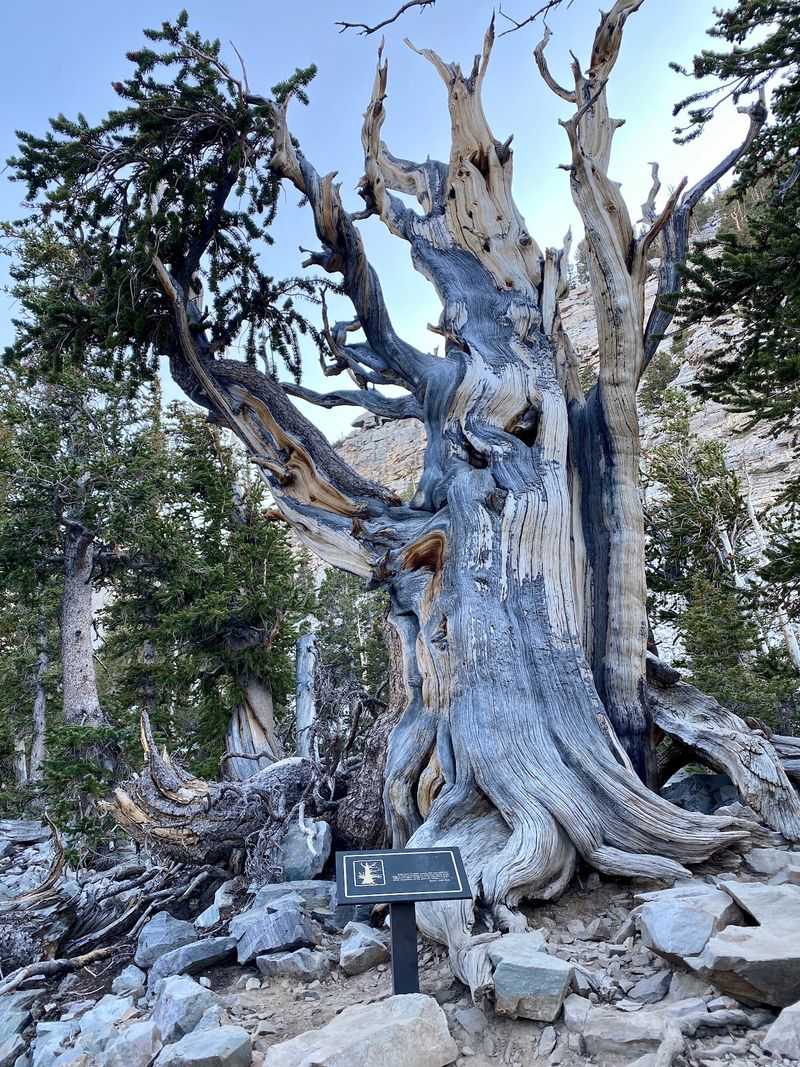
Few trees have a reputation quite like Prometheus. That bristlecone grew on Wheeler Peak and was estimated to be somewhere between 4,700 and 5,200 years old, and for a time it was considered the oldest known living non-clonal organism in the world.
Great Basin National Park still features what remains of it, a quiet reminder that the mountain has long held record holders.
How does anyone figure out that a tree is thousands of years old? Scientists study growth rings, and bristlecones pack those rings incredibly tight because the growing season at this altitude is so short.
The harsh setting actually helps them, since slow growth makes for dense, resin-rich wood that resists rot and insects.
Visitors often mention how the signs along the trail list specific dates for individual trees, which turns a stroll into something closer to a history lesson. Some markers even note when a particular tree stopped growing, and several people say that detail left them feeling small in a good way.
For curious kids, Prometheus makes a great conversation starter on the drive. Ask them what the world looked like 5,000 years ago, then let the trees fill in the rest once you arrive.
Three Miles of Shade, Sun, and Rock
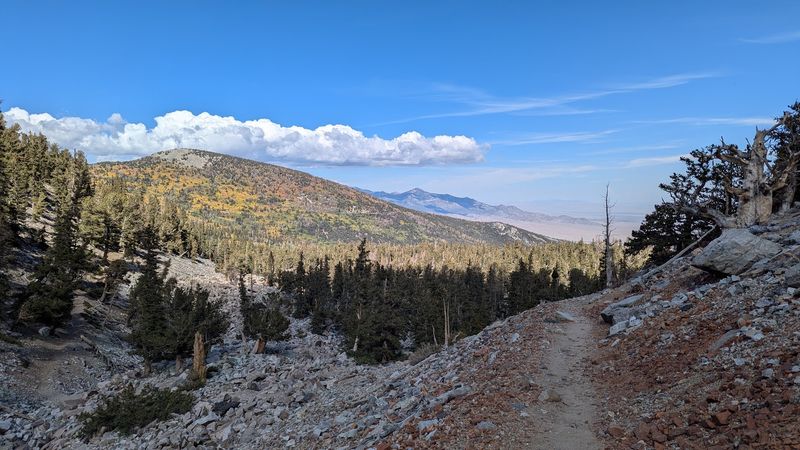
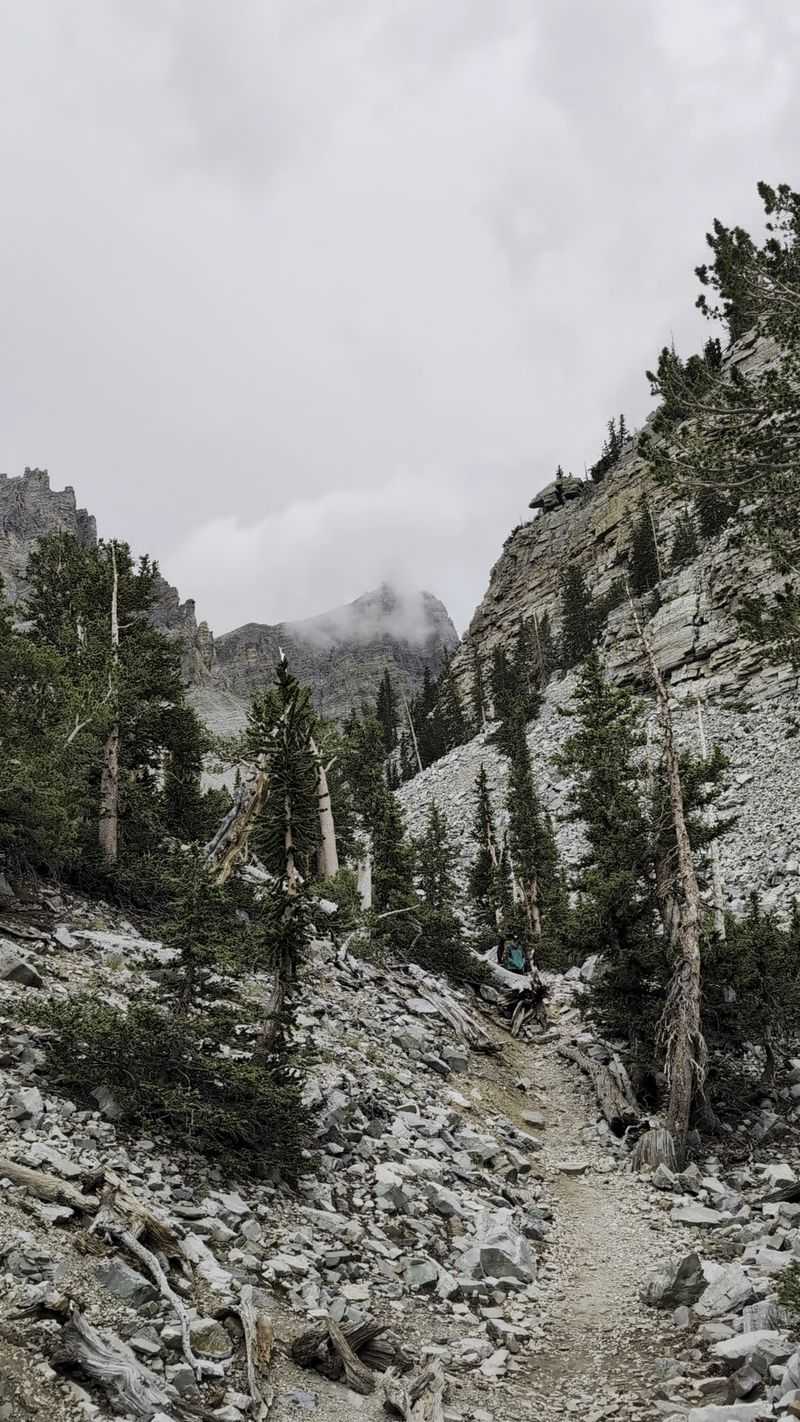
Round trip, the Bristlecone Trail runs roughly 2.8 to 3.0 miles, with an elevation gain of about 500 to 600 feet. Most people finish in 1.5 to 3 hours, and the posted sign at the start suggests allowing two to four hours if you like to linger.
One family of five, who described themselves as not especially fit, reached the grove in about an hour and a half, including a side trip to a lake. Coming back down took them only 30 to 35 minutes.
They called the hike moderate at most, though they admitted showing up with almost no water, no hats, and one teenager in flip-flops, which is not a plan anyone should copy.
Expect a mix of cover along the way. The first half of the path stays largely shaded by trees, while the second half opens up and gets noticeably sunnier.
Several sections are rocky and uneven, so steady footing matters more than speed.
A small navigation tip comes up again and again: map apps may place the grove a bit short of where it actually sits. Keep walking past that marker until you reach the signed loop, or you could miss some of the best trees entirely.
Trailside Plaques That Read Like a Timeline
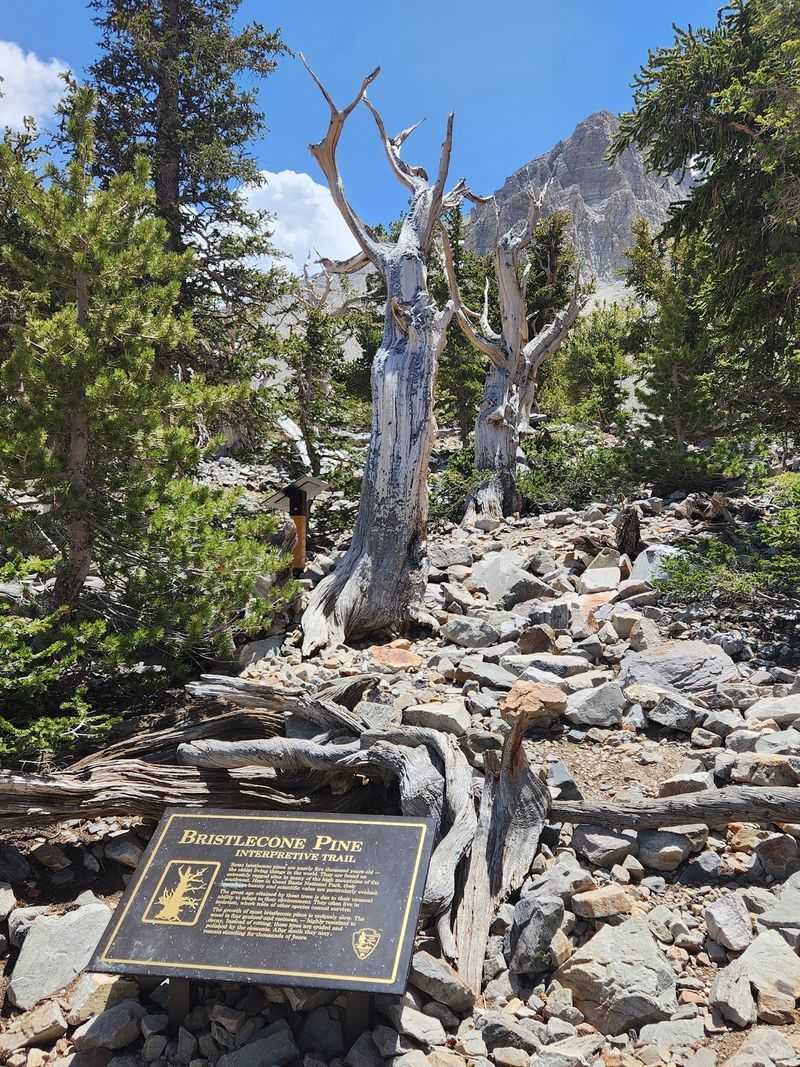
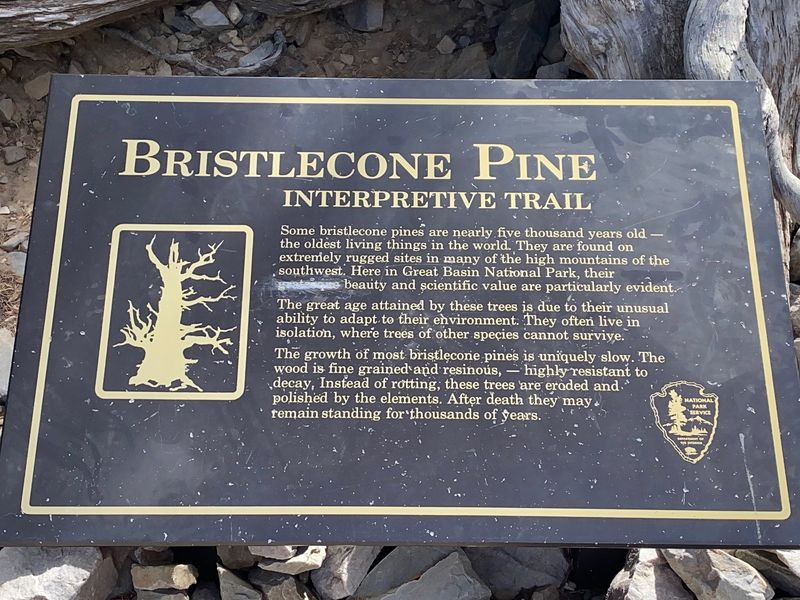
Small signs do a lot of heavy lifting here. At the grove, a short interpretive loop winds between the bristlecones, and plaques near individual trees explain their approximate ages along with a bit of history.
Visitors repeatedly describe these markers as informative and educational, the kind that answer questions you did not realize you had.
Think of it as an outdoor museum with no ticket booth. Kids can hunt for the oldest tree listed, compare dates, and guess which gnarled trunk has been standing longest before reading the answer.
That turns a quiet walk into a game, and it tends to slow everyone down in the best way.
Beyond the loop, bristlecones are scattered across the surrounding slopes. Many sit off the trail on loose moraine rubble, which makes them tricky to reach, so staying on the path protects both the trees and your ankles.
You will still see plenty from the designated route.
On the way up, pay attention to the other conifers too. Several different pine species line the lower trail before the bristlecones take over, and noticing that shift in the forest is a neat lesson in how elevation shapes what grows where.
Theresa Lake and Stella Lake Side Trips
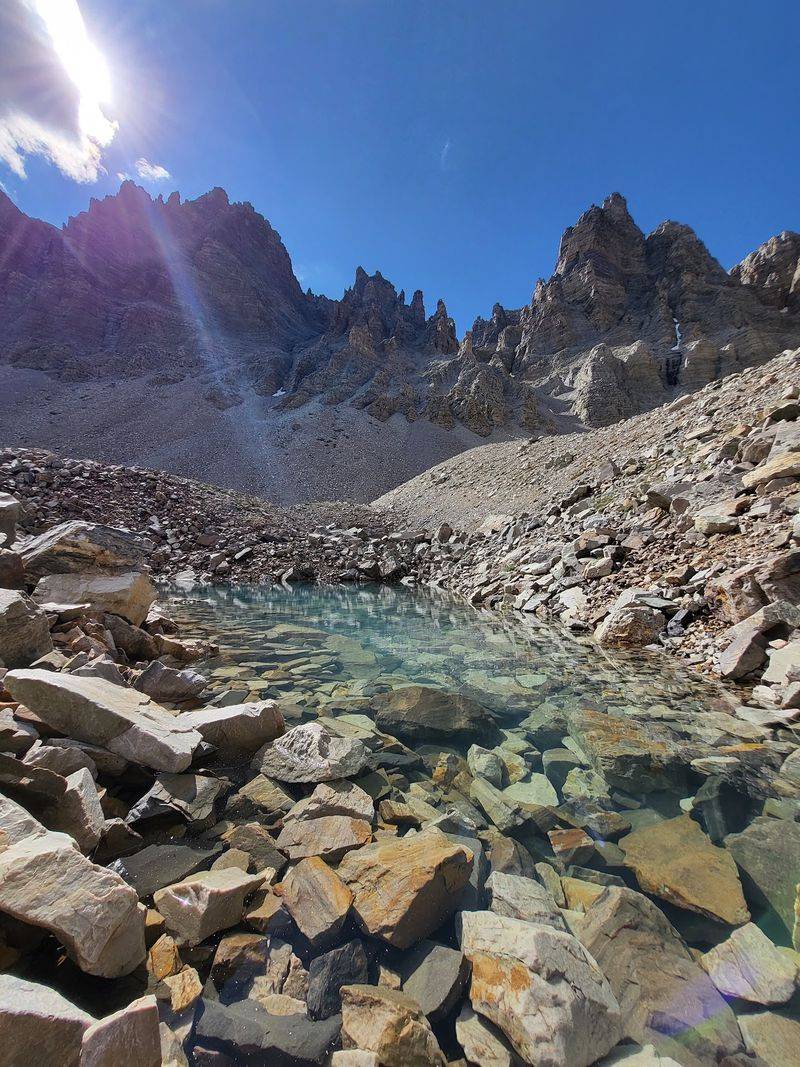
About halfway to the grove, a sign points toward Theresa Lake. The marker says the lake is just 0.1 mile away, though one visitor figured it felt closer to 0.2 miles each direction, making the detour roughly 0.4 miles round trip.
For a small added effort, the payoff is a peaceful alpine lake that some families say was their favorite part of the day.
Timing it is easy. A group with kids ranging from 10 to 18 spent about 10 to 15 minutes resting at the shore before heading on, and several hikers recommend saving the detour for the walk back to the parking lot when legs appreciate a break.
Stella Lake is another option for anyone following the wider loop. One visitor who stopped there in June said it looked more like a pond than a lake at that point in the season, but still found it charming.
Do not plan on wading, though. People describe small glacier-fed ponds up here as icy cold, even on warm days.
Instead, bring a snack, find a flat rock, and let everyone catch their breath while the mountain reflects in the still water.
The Rock Glacier and a Silence You Can Hear
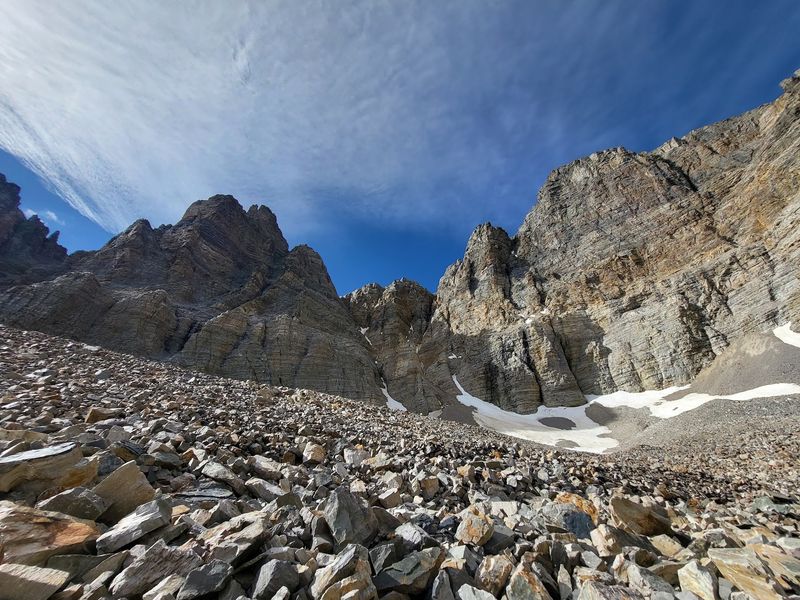
Past the bristlecones, the trail keeps climbing toward the Rock Glacier Viewpoint beneath Wheeler Peak. Several hikers say pushing on a little farther was a highlight, and some of them point out that the views open up in ways the grove cannot match.
Set expectations honestly, though. Visitors describe the glacier today as closer to a small snowfield, and in summer it can be nearly gone.
The official trail also ends short of it, where a tall terminal moraine blocks part of the view, and the rocks beyond get uneven enough to test anyone’s ankles.
What surprises people most is the quiet. One hiker said the stillness near the head of the moraine was so complete it almost made their ears ache.
With fewer crowds than many national parks, it is easy to find stretches where the only sound is your own breathing.
Going all the way toward the glacier is a much bigger commitment. One couple spent five to six hours round trip, calling the last mile or two quite strenuous.
Families with younger kids may prefer to turn around at the viewpoint and save the longer push for another trip.
A Mountain for Tree Lovers, Grandparents, and Curious Kids
Not everyone falls for this place, and that is fine. Visitors expecting red rock towers like those in southern Utah may find the grove underwhelming, and one hiker overheard someone call it just a bunch of trees.
For people who love history, patience, and wild spaces, the experience lands very differently.
Many describe the grove as moving, even spiritual. Standing beside a trunk that has weathered thousands of winters tends to quiet a group.
It suits retirees who enjoy slow, thoughtful outings, families who want kids unplugged for an afternoon, and anyone who prefers solitude to crowds.
Great Basin is often called one of the least visited national parks, so you may share the trail with only a handful of others. Hikers report seeing people of all ages and skill levels, along with deer and wild turkeys along the way.
Rangers get warm mentions for being friendly and helpful too.
Timing can add extra magic. In autumn, the drive up glows with yellow leaves, and the remote location makes the area ideal for stargazing.
A free astronomy festival held in late September gives families another reason to stay after sunset.
Costs, Parking, and a Smart Packing List
Money first, since it matters: Great Basin National Park has no entrance fee. Fees do apply for Lehman Caves tours and managed campsites, so budget for those only if you plan to add them.
A day spent hiking to the bristlecones can cost little more than gas and snacks.
Speaking of gas, fill up before heading out. Visitors call the drive long, remind others that services are limited, and warn about cows wandering on roads near the park.
Cell coverage on the trail can be almost nonexistent, so download directions ahead of time.
The trailhead lot sits at the end of Wheeler Peak Scenic Drive and can fill up. One hiker found an open spot by waiting until about 11 a.m., when morning crowds started heading down.
Hours, road access, and conditions can shift with the seasons, so confirm with the park before driving.
Pack more than you think you need:
Water and a snack for everyone. A jacket, even if the parking lot feels warm.
Sunscreen and hats for the sunnier second half. Sturdy shoes for rocky footing.
Hiking poles, especially early in the season when leftover snowpack can make spots slick and icy.
An Afternoon Measured in Millennia
Somewhere on the walk back down, the math finally sinks in. You spent a few hours with trees that were already ancient when mountain men first wandered into Nevada, and it cost nothing to get through the park gate.
That combination is rare anywhere, let alone in your own state.
Is it the flashiest outing in Nevada? No, and that is part of its appeal.
The thin air at nearly 10,000 feet asks for some respect, the rocky stretches demand careful steps, and the long drive means planning ahead. In return, you get cool mountain temperatures, quiet trails, helpful signs, and a lake detour that many families remember longest.
For budget-minded retirees, it is a low-cost day with a big sense of wonder. For parents, it is a chance to show kids something that will outlast every screen they own.
For anyone who loves history, it is a living timeline you can walk right up to.
Bring water, a jacket, and a little patience. Take your time reading the plaques, rest at Theresa Lake, and look up often.
These trees have waited thousands of years, so there is no need to rush them.