
10 South Carolina Towns Where Rising Property Taxes Are Making Long Time Residents Think About Leaving

Property tax bills do not usually make people question a whole life built in one place. South Carolina has entire communities where that is exactly what is happening right now.
Home values climbed fast in the last several years, and assessments followed close behind. Neighbors who bought decades ago are opening envelopes that do not match old budgets.
Growth brought new schools, new restaurants, and new neighbors. It also brought numbers on a tax bill that keep climbing every reassessment cycle.
Coastal towns feel it hardest, where scenery and demand push values higher every single year. Inland towns near growing cities are not far behind.
South Carolina still offers a lower overall tax burden than many states nearby. Whether that advantage holds for long-time residents remains an open question.
1. Bluffton
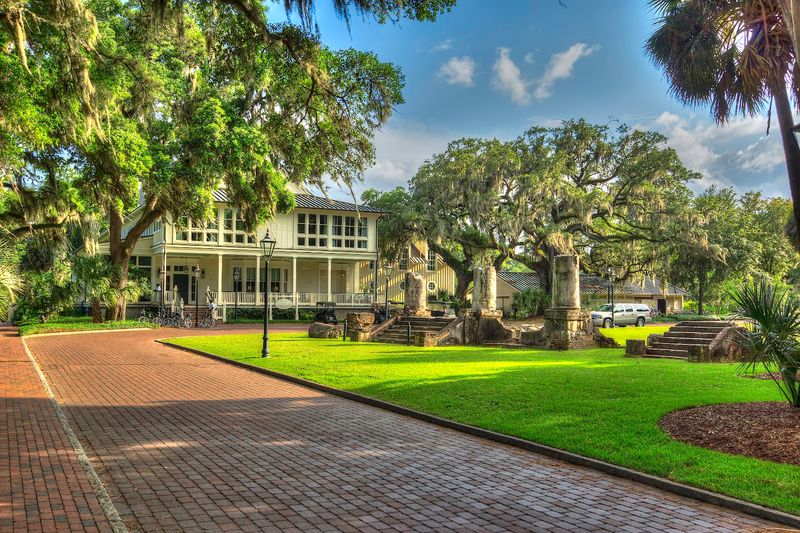
Property taxes in Bluffton have become a hot topic at every neighborhood cookout and town hall meeting. This small but fast-growing town in Beaufort County has seen explosive development over the past decade, pushing property values to levels that would have seemed unimaginable to original residents.
Beaufort County leads South Carolina in median annual property taxes, with residents paying a median of around $2,022 each year. For long-time homeowners who bought modest properties years ago, reassessment periods can mean a sudden and sharp jump in what they owe.
The 15% cap on taxable value increases between reassessments offers some protection, but that cap resets to full market value when a property sells. Neighbors who bought recently may pay far more than those who have lived on the same street for twenty years.
Bluffton’s charm, its oak-lined streets, the May River, and the tight-knit Old Town community, still draws people in. But affordability is becoming a real concern for retirees and working families on fixed incomes who built their lives here long before the developers arrived.
2. Summerville
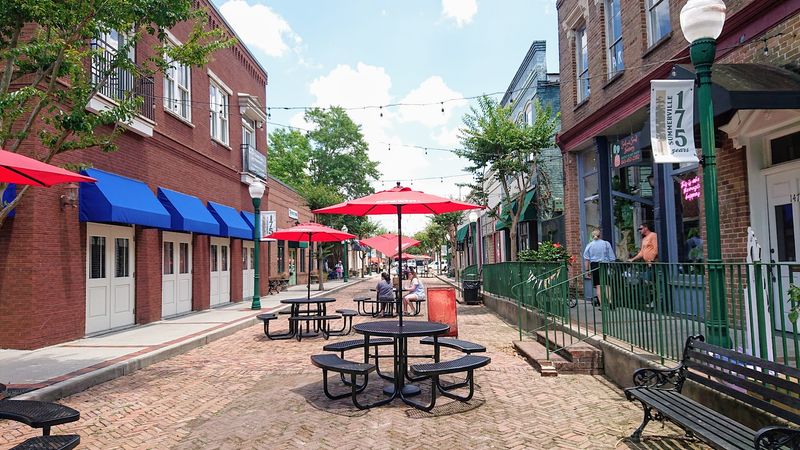
Known as the Flower Town in the Pines, Summerville has always had a special kind of appeal. Its historic neighborhoods, slow-paced charm, and relative affordability made it a magnet for families and retirees looking for a quieter life near Charleston without the downtown price tag.
That affordability is now under pressure. The Charleston metro area, which includes Summerville, recorded property tax increases of around 10 to 12 percent between 2020 and 2021.
As more people discovered Summerville during the remote work boom, demand surged and property values followed.
Long-time residents who have watched their quiet streets fill with new subdivisions are now facing reassessments that reflect a very different market than the one they bought into. The 15% cap on value increases between reassessment periods helps, but it only delays the inevitable for many homeowners.
Summerville’s community spirit remains strong, and local leaders have generally tried to balance growth with resident needs. Still, the question of whether working-class and retired families can continue to afford life here is one that more people are asking out loud with each passing tax cycle.
3. Mount Pleasant
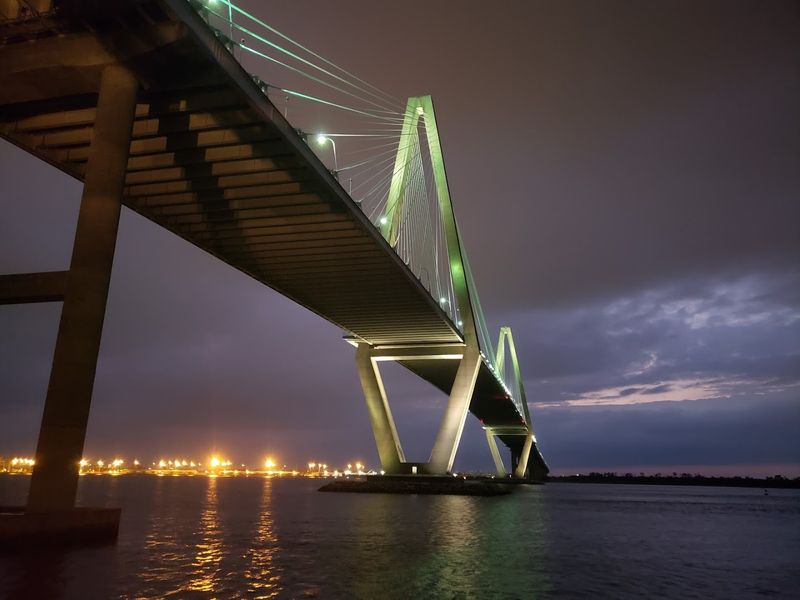
Few places in South Carolina have grown as dramatically as Mount Pleasant, and that growth comes with a price tag that is landing squarely on longtime residents. Situated just across the Cooper River from Charleston, this town has transformed from a quiet bedroom community into one of the most sought-after addresses in the Southeast.
Rising demand has driven property values upward at a pace that catches many homeowners off guard during reassessment cycles. The Charleston metropolitan area saw property tax increases of roughly 10 to 12 percent between 2020 and 2021 alone, and Mount Pleasant felt that shift acutely.
Owner-occupied homes are assessed at 4% of market value, which sounds manageable until the market value itself climbs dramatically. Residents who have lived here for thirty years suddenly find themselves sitting on properties worth far more than they ever anticipated, and their tax bills reflect that reality.
The quality of life here remains high, with excellent schools, waterfront access, and proximity to Charleston. But for residents on fixed incomes or modest salaries, the math is getting harder to ignore every single year.
4. Fort Mill
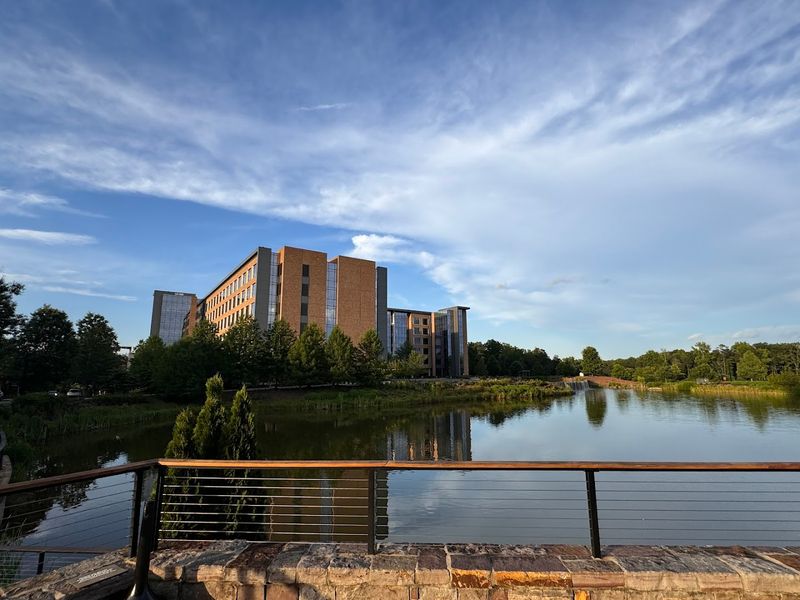
Right on the border of North Carolina, Fort Mill has become one of the fastest-growing communities in the entire Carolinas region. Its location near Charlotte, combined with South Carolina’s historically lower tax rates, made it irresistible to buyers flooding in from across state lines.
That wave of newcomers changed everything. Property values in Fort Mill climbed sharply as demand outpaced supply, and long-time residents found their modest homes suddenly appraised at figures that triggered noticeably higher tax bills during reassessment periods.
York County, where Fort Mill sits, has seen sustained growth pressure that keeps pushing values upward. The 15% cap between reassessments offers temporary relief, but when properties change hands, the reset to full market value can shock new buyers and reshape entire neighborhoods’ tax dynamics.
Families who moved to Fort Mill for its affordability and small-town feel are now watching that equation shift. School quality and community amenities remain strong draws, but residents who have been here since before the boom are quietly wondering if their piece of this growing town will remain financially within reach for years to come.
5. Hilton Head Island
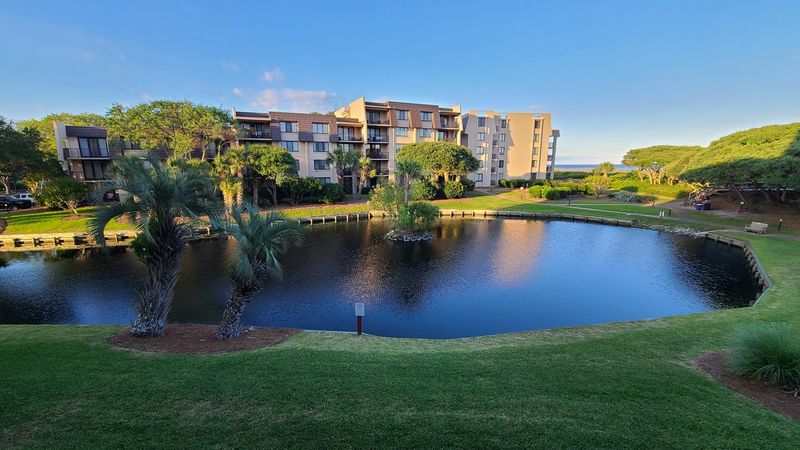
Hilton Head Island is synonymous with luxury, and that reputation cuts both ways. Beaufort County, which encompasses Hilton Head, leads South Carolina in median annual property taxes, with residents contributing a median of around $2,022 per year.
On an island where real estate commands premium prices, many homeowners face bills that go well beyond that figure.
The island’s desirability as a vacation and retirement destination keeps property values elevated. Reassessments in high-value coastal markets can produce jarring results for homeowners who bought years ago and have watched their paper wealth grow faster than their income.
Investment properties and second homes face an even steeper climb, assessed at 6% of market value rather than the 4% rate for primary residences. This distinction matters enormously on an island where a significant share of properties serve as rental investments or seasonal getaways.
Full-time residents, particularly those in service industries or on fixed retirement incomes, feel the squeeze most acutely. The island’s natural beauty and world-class amenities are not going anywhere, but the financial reality of staying here long-term is prompting serious conversations among people who have called Hilton Head home for decades.
6. Beaufort

Beaufort carries history in every corner, from its antebellum waterfront homes to the cobblestone-adjacent streets of the Point neighborhood. It is one of South Carolina’s most storied cities, and it sits at the heart of Beaufort County, which holds the state’s highest median annual property tax burden.
That distinction matters deeply for residents who have lived here through decades of quiet Southern life, only to find their property values climbing alongside the county’s growing reputation as a desirable coastal destination. Reassessment cycles can deliver unwelcome surprises when market values have shifted significantly since the last assessment period.
The 15% cap on taxable value increases between reassessments provides a buffer, but it does not eliminate the upward trend for long-time owners. When neighboring properties sell at elevated prices, the market data feeds into the next reassessment, and the ripple effect reaches everyone on the street.
Beaufort’s cultural richness, its Gullah Geechee heritage, its arts scene, and its military community, give it a depth that newcomers find compelling. But residents who built modest lives here over many years are increasingly aware that the town’s growing appeal is making their tax situation harder to manage season by season.
7. Myrtle Beach
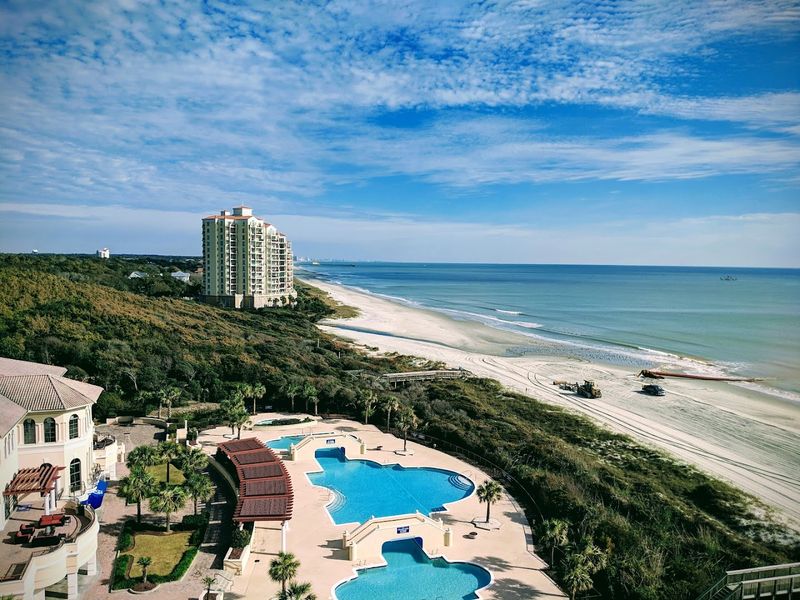
Myrtle Beach draws millions of visitors every year, and that constant spotlight on the Grand Strand has consequences for the people who actually live there year-round. Tourism drives up demand for property, and that demand pushes values in directions that do not always favor long-time local residents when tax time arrives.
The mix of owner-occupied homes, vacation rentals, and investment properties creates a complex tax landscape. Investment properties and second homes are assessed at 6% of market value, while primary residences enjoy the 4% rate.
In a market as tourism-heavy as Myrtle Beach, that distinction shapes the entire neighborhood economy.
Coastal reassessments have delivered meaningful increases in property values across Horry County in recent cycles. Residents who bought modest homes near the beach years ago, when Myrtle Beach was a more affordable slice of the Carolina coast, now hold assets that carry a much heavier tax obligation.
The city’s entertainment options, beaches, and relatively low cost of living compared to other coastal markets still attract newcomers. But for working families and retirees who depend on stability, the gradual creep of property tax bills is a slow and steady source of anxiety that does not fade with the summer crowds.
8. Daniel Island
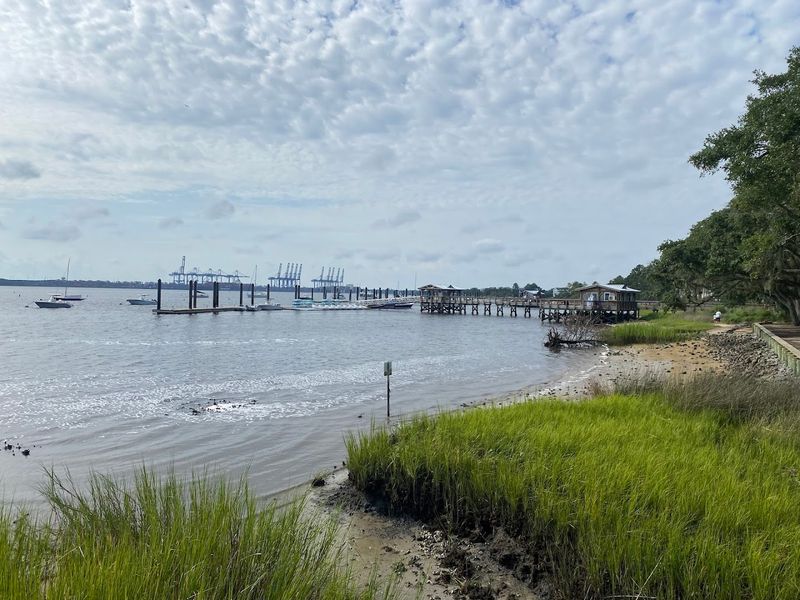
Daniel Island is one of South Carolina’s most meticulously planned communities, and its polish comes at a price that keeps climbing. Nestled between the Wando and Cooper rivers as part of the City of Charleston, this master-planned island has attracted affluent buyers and rising property values since its development began in earnest.
Charleston County, which includes Daniel Island, is part of a metro area that saw property tax increases of roughly 10 to 12 percent between 2020 and 2021. For homeowners on the island, where properties already trade at premium prices, those percentage increases translate into significant dollar amounts on annual tax bills.
The community’s amenities, top-rated schools, waterfront access, and walkable town center, make it one of the most desirable addresses in the Lowcountry. That desirability is precisely what drives values upward and keeps reassessments trending in one direction.
Long-time residents who bought in during the early phases of development have seen their properties appreciate dramatically. That appreciation is gratifying on paper, but for those who have no plans to sell and simply want to stay in the community they helped build, the rising tax burden is a real and growing concern worth watching carefully.
9. Johns Island
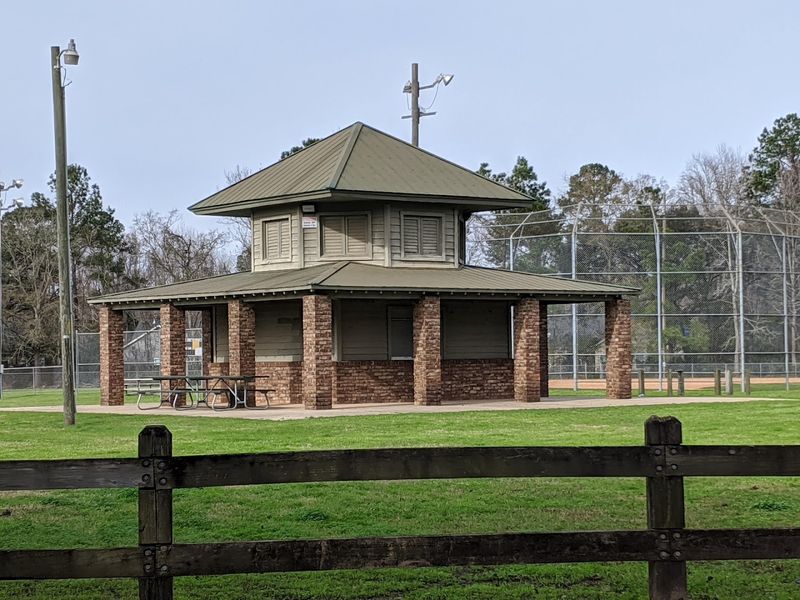
Johns Island is the largest island in South Carolina and the fourth-largest island on the East Coast by land area. That heritage is now colliding with rapid suburban expansion pushing outward from Charleston, and the results are reshaping the island’s character and its tax landscape.
As developers move in and new neighborhoods rise, property values across Johns Island have climbed sharply. Long-time families, many of whom have owned their land for generations, find themselves sitting on parcels that assessors now value at figures reflecting a booming real estate market rather than a rural farming community.
The 15% cap between reassessments offers some protection, but each new cycle brings the taxable value closer to current market reality. For families with deep roots and limited incomes, the pressure to sell land that has been in their family for over a century is both financial and emotional.
Community advocates have raised alarms about the displacement risk facing Gullah Geechee families on Johns Island. The island’s ancient oak trees and rich cultural history deserve protection, and so do the people who preserved that history long before anyone else was paying attention to this remarkable place.
10. Tega Cay
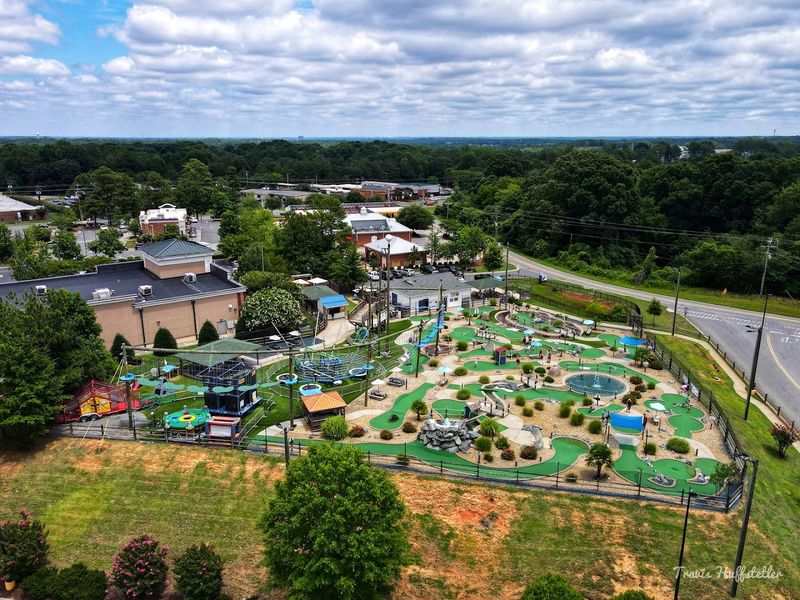
Perched on a peninsula jutting into Lake Wylie, Tega Cay has one of the most enviable settings in all of York County. Its waterfront access, tight community feel, and proximity to Charlotte made it a well-kept secret for years, and then everyone found out at once.
The surge of buyers relocating from higher-cost markets transformed Tega Cay’s real estate landscape. Property values rose swiftly, and reassessment periods brought tax bills that reflected a market many original residents barely recognized.
York County’s sustained growth pressure keeps that trend moving in one direction.
The town’s small size means there is limited new inventory to absorb demand, which keeps upward pressure on existing home values. For residents who bought lakefront or near-lakefront properties years ago at prices that now seem impossibly low, the appreciation is real, but so is the annual tax obligation that comes with it.
Tega Cay maintains an impressive quality of life, with parks, trails, and lake recreation that families genuinely love. But residents who chose this community for its affordability relative to Charlotte are watching that advantage slowly erode, one reassessment at a time, as the secret about this lakeside town becomes less of a secret every year.