
South Carolina’s Quiet Beaches Most Tourists Still Miss
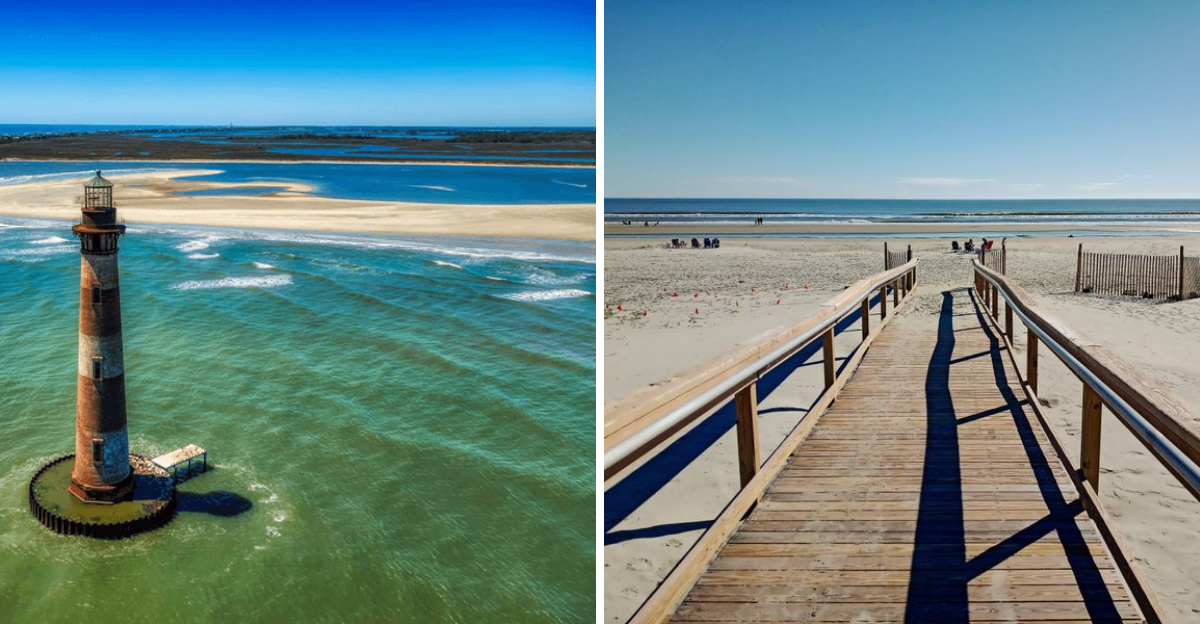
South Carolina’s coastline stretches for miles, but most visitors flock to the same crowded hotspots year after year.
While they’re fighting for parking and towel space, you could be exploring pristine shores where the only footprints in the sand are yours.
These hidden beaches offer everything you love about the ocean, soft sand, rolling waves, and stunning views, without the chaos.
Ready to discover where the locals go when they want peace and quiet?
1. Capers Island Heritage Preserve
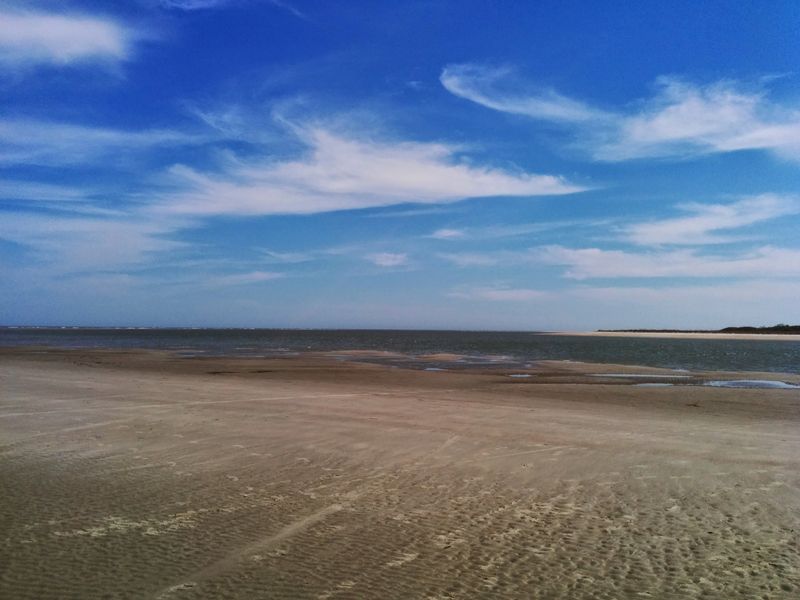
Accessible only by boat, this barrier island feels like stepping into another world entirely.
No roads, no buildings, no wifi—just three miles of untouched beach where nature runs the show.
The island sits north of Charleston, and getting there requires a kayak or private boat, which keeps the crowds practically nonexistent.
Loggerhead sea turtles nest along these shores during summer months, and dolphins frequently swim close enough to shore that you can watch them hunt.
The maritime forest behind the dunes shelters countless bird species, making it a paradise for anyone with binoculars.
Pack everything you need because there are zero facilities here.
Bring plenty of water, snacks, and sunscreen for your adventure.
The isolation means you’ll have one of South Carolina’s most beautiful beaches almost entirely to yourself.
2. Bulls Island
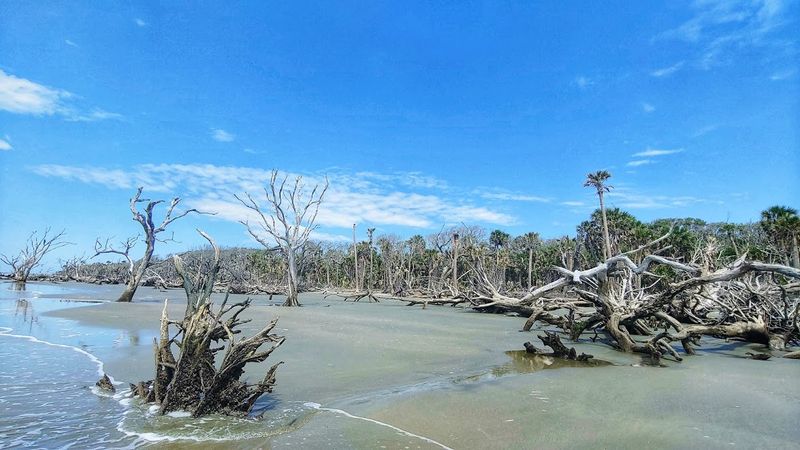
Part of the Cape Romain National Wildlife Refuge, Bulls Island rewards adventurous visitors with seven miles of shell-covered beaches.
You’ll need to catch a ferry from Garris Landing to reach this treasure, which immediately filters out casual beachgoers looking for convenience.
Once you arrive, Boneyard Beach greets you with its dramatic landscape of bleached tree skeletons rising from the sand like sculptures.
Erosion created this haunting beauty, and photographers absolutely love the contrast between weathered wood and blue sky.
The island’s interior features freshwater ponds and maritime forests teeming with alligators, deer, and over 300 bird species.
Hiking trails wind through different ecosystems, but the beach remains the main attraction.
Shelling here rivals anywhere else on the East Coast, with sand dollars and whelks scattered generously across the shore.
Remember to check ferry schedules carefully before planning your trip.
3. Botany Bay Plantation Heritage Preserve (Boneyard Beach)
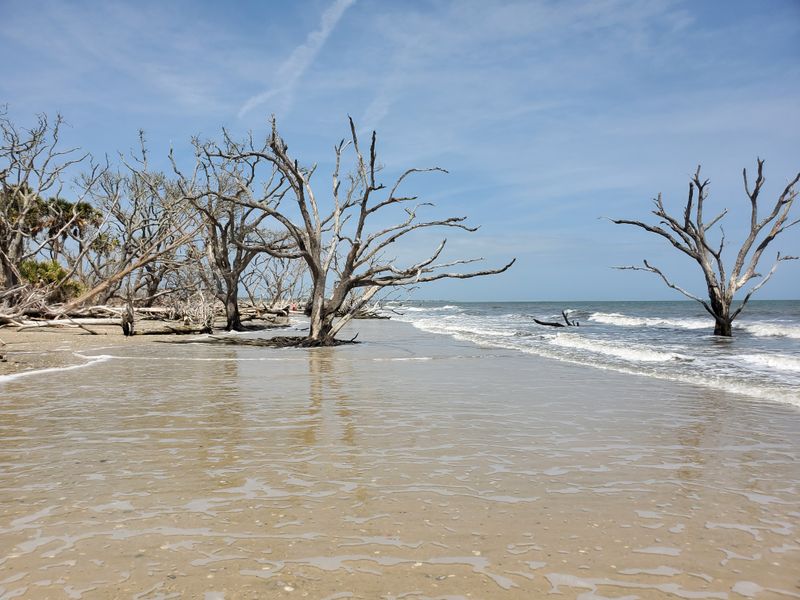
Ancient oak trees stand frozen in time along this otherworldly shoreline, their skeletal branches reaching toward the sky.
Erosion claimed these maritime forest giants decades ago, transforming them into one of South Carolina’s most photographed natural wonders.
Located on Edisto Island, Botany Bay offers something different from typical beach experiences.
The preserve encompasses over 4,600 acres of maritime forest, salt marsh, and beach habitat.
Wildlife viewing opportunities abound, with bobcats, alligators, and numerous bird species calling this protected area home.
Low tide reveals the best photo opportunities when more beach and tree formations become visible.
Sunrise and sunset paint the bleached wood in golden and pink hues that seem almost unreal.
Swimming isn’t recommended here due to strong currents and submerged stumps, but beachcombing and photography more than make up for it.
The preserve charges a small entrance fee and closes at certain times, so plan accordingly.
4. Edisto Beach State Park
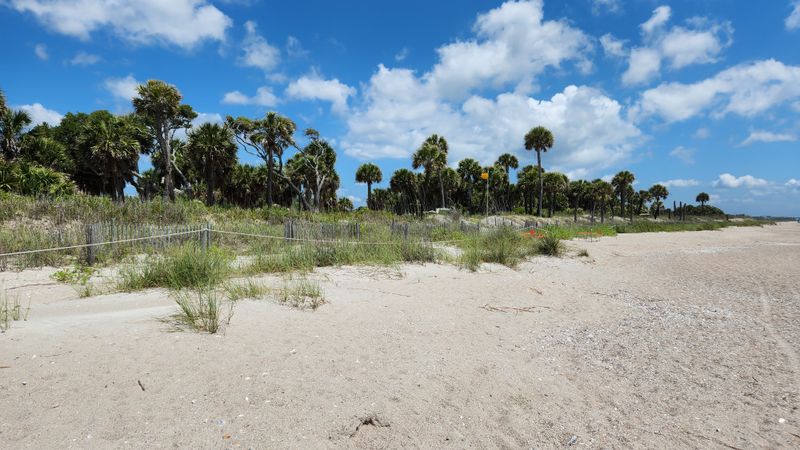
Edisto Beach State Park combines camping, hiking, and beachcombing into one laid-back coastal experience.
Unlike commercialized beaches, this park maintains its natural character with maritime forests backing the sand and limited development.
The beach here stretches wide and welcoming, perfect for long walks where you’ll spot more seabirds than people.
Fossil hunting becomes addictive once you start finding ancient shark teeth embedded in the sand.
These prehistoric treasures wash up regularly, especially after storms when the ocean churns up deep sediments.
The park also features an educational interpretive center where you can learn about local ecosystems and coastal history.
Camping facilities range from basic tent sites to cabins with modern amenities, letting you fall asleep to ocean sounds.
Palmetto trees provide natural shade along the beach access points, and the park’s trails wind through salt marshes teeming with fiddler crabs.
This beach truly offers something for everyone seeking tranquility.
5. Edisto Beach Public Access Points
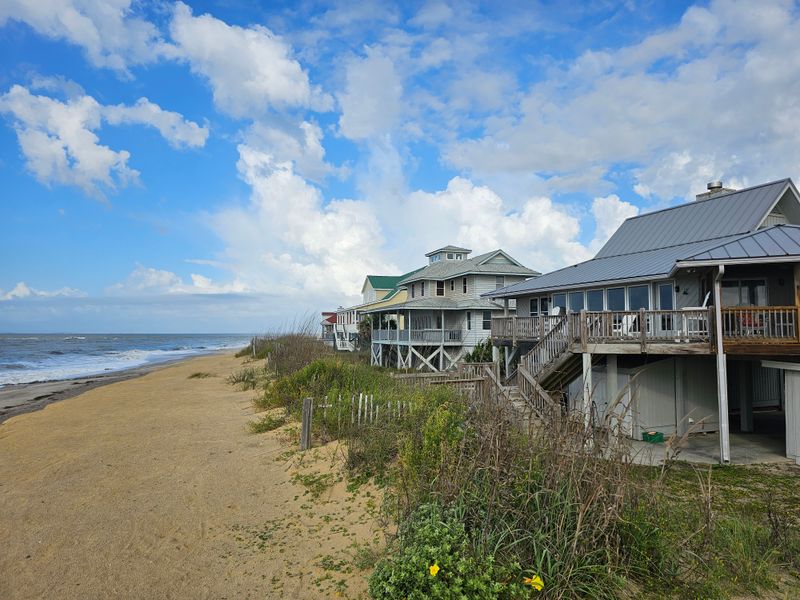
Beyond the state park, Edisto Island offers numerous public beach access points scattered along its coastline.
Each access point leads to stretches of beach that feel refreshingly uncrowded compared to touristy destinations.
Locals know these spots well, but somehow they remain blissfully unknown to most visitors heading to Myrtle Beach or Hilton Head.
The town of Edisto Beach maintains a relaxed, old-fashioned vibe that extends to its shores.
You won’t find high-rise hotels or flashy beach bars here—just simple beach houses and quiet streets.
Parking at most access points is free or very affordable, and you’ll rarely struggle to find a spot even during peak season.
The beach itself features firm sand perfect for biking and jogging, plus excellent opportunities for spotting dolphins feeding offshore.
Shelling remains consistently good year-round, with olive shells, sand dollars, and whelks washing up regularly.
Bring your own umbrella and cooler because amenities are minimal by design.
6. Hunting Island State Park
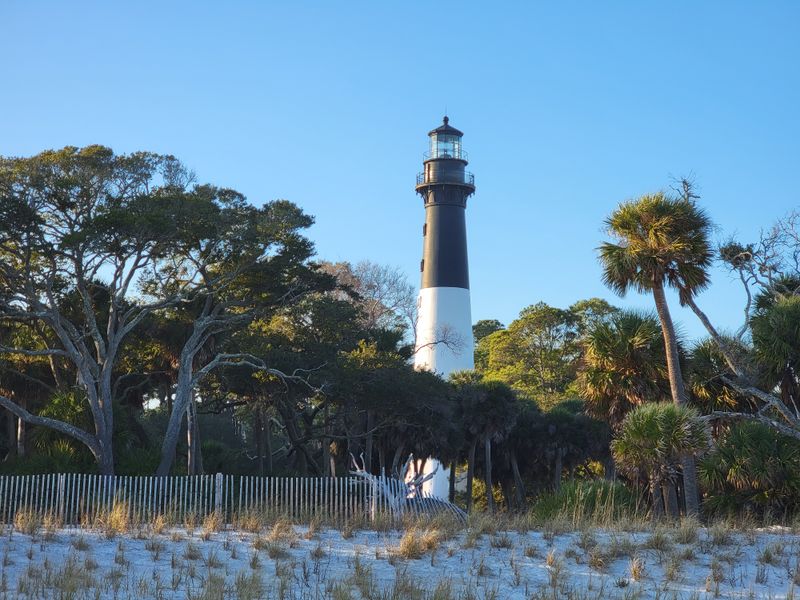
South Carolina’s most popular state park still manages to offer peaceful beach experiences if you know when and where to go.
The park’s five miles of natural beach provide plenty of room to spread out, especially during weekdays or off-season months.
A historic lighthouse towers 136 feet above the island, offering panoramic views after you climb its 167 steps.
Early morning visits reward you with nearly empty beaches and the best chance to spot loggerhead turtles during nesting season.
The northern end of the beach tends to be quieter than areas near the main facilities and parking lots.
Maritime forests thick with palmettos and live oaks create shaded picnic areas just steps from the sand.
Erosion has created dramatic landscapes where forest meets ocean, with fallen trees creating natural sculptures along the shore.
Fishing from the beach or pier remains popular, and the park offers camping facilities for extended stays.
Don’t miss exploring the tidal lagoons at low tide.
7. St. Phillips Island
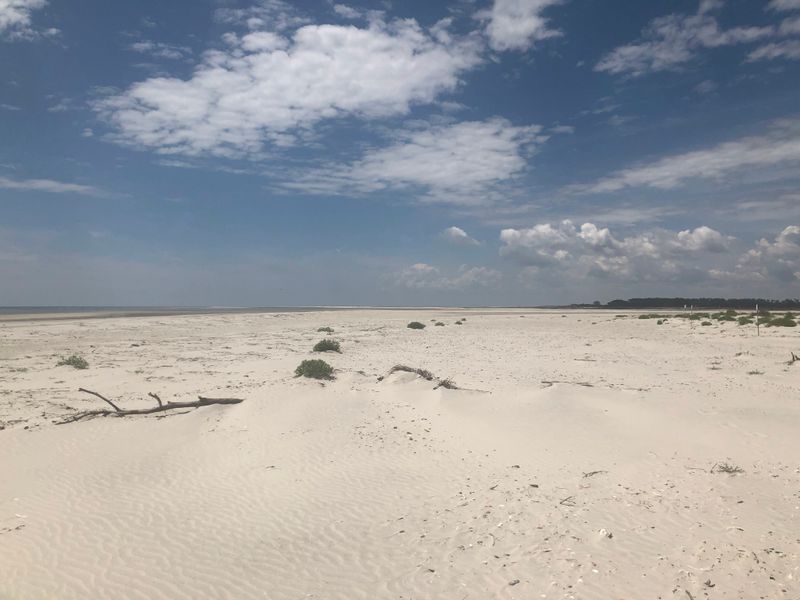
Tucked between Hunting Island and Fripp Island, St. Phillips Island remains one of the coast’s best-kept secrets.
This private island sees very few visitors, and its beaches feel like something from a deserted island fantasy.
Access requires permission or staying at one of the limited rental properties, which keeps tourism minimal.
The beaches here stretch wide and wild, backed by untouched maritime forests and salt marshes.
You might walk for hours without encountering another soul, making it perfect for those craving complete solitude.
Wildlife thrives in this protected environment, with deer frequently spotted near the tree line and eagles soaring overhead.
Shelling rivals anywhere else in South Carolina, with pristine specimens scattered across the sand after high tide.
The island’s isolation means you’ll need to bring all supplies with you, including food, water, and beach gear.
No stores, no restaurants, no distractions—just you and nature in its purest form.
This exclusivity makes every visit feel extraordinarily special.
8. Kiawah Beachwalker Park
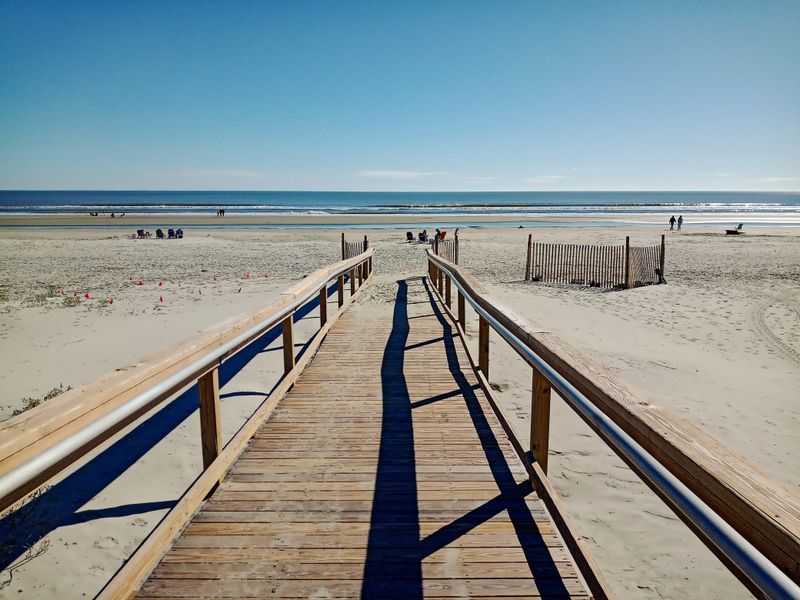
Located at the western end of Kiawah Island, Beachwalker Park offers the island’s only public beach access.
While Kiawah is known for luxury resorts and golf courses, this county park provides a surprisingly peaceful beach experience.
The park features excellent facilities including restrooms, showers, and seasonal lifeguards, making it family-friendly without feeling commercialized.
Wide, flat beaches stretch in both directions, giving everyone plenty of space to claim their own territory.
The sand here is consistently clean and soft, perfect for building sandcastles or simply stretching out with a good book.
Dolphin sightings happen so frequently that locals barely look up anymore, though visitors still find them thrilling.
The park’s location at the island’s tip creates interesting tidal patterns and excellent conditions for spotting seabirds.
Parking fees apply, but they’re reasonable considering the quality of the beach and facilities.
Arrive early during summer weekends to secure parking and the best spots on the sand.
9. Huntington Beach State Park
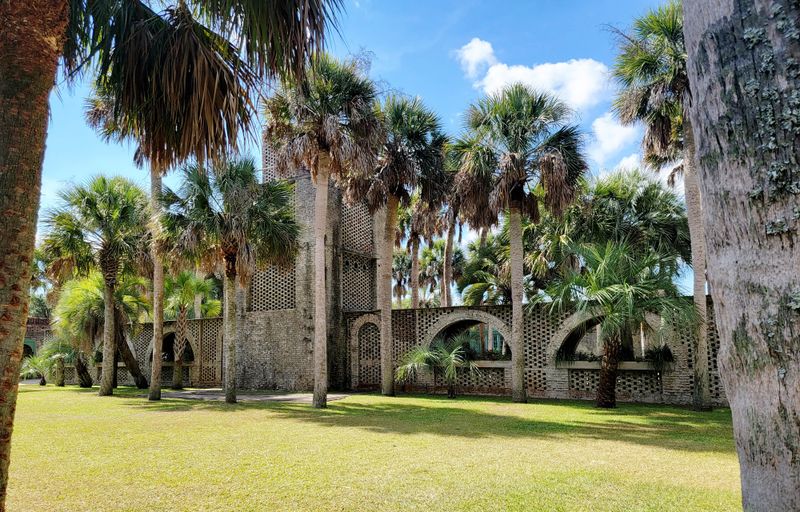
Just south of Myrtle Beach’s chaos lies this 2,500-acre state park that feels worlds away from the tourist madness.
Three miles of pristine beach remain remarkably uncrowded despite the park’s proximity to one of the East Coast’s busiest resort areas.
The contrast is striking and wonderful.
Beyond the beach, the park preserves Atalaya, a Moorish-style castle built in the 1930s as a winter home for sculptor Anna Hyatt Huntington.
Exploring this unique structure adds cultural interest to your beach day, and it’s absolutely worth the short walk from the parking area.
The park’s freshwater lagoon attracts an incredible variety of bird species, making it one of South Carolina’s premier birdwatching destinations.
Alligators sun themselves along the lagoon’s edges, providing safe wildlife viewing opportunities from designated observation areas.
Educational programs run throughout the year, teaching visitors about coastal ecosystems.
Camping facilities let you extend your visit and wake up to ocean breezes.
10. Morris Island
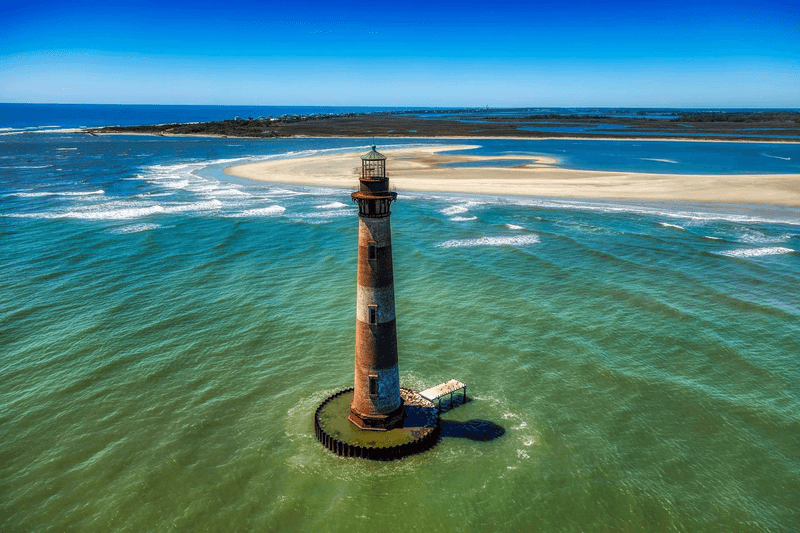
Famous for its lighthouse standing hundreds of feet offshore in the water, Morris Island offers a beach experience tinged with melancholy beauty.
Erosion has claimed much of the island over decades, creating a landscape that changes with every storm and tide.
Accessing the island requires a boat or kayak from Folly Beach, which keeps visitor numbers low.
The lighthouse, built in 1876, once stood on dry land but now rises from the waves like a sentinel guarding memories of the island’s past.
Photographing this iconic structure from the beach creates stunning images, especially during golden hour when light plays across the water.
Beachcombing here yields interesting finds, from shells to sea glass worn smooth by constant wave action.
Bird Island, connected to Morris Island at low tide, serves as an important nesting site for seabirds and is off-limits during breeding season.
The island’s remote feel and dramatic scenery make the journey worthwhile for those seeking something different from typical beach outings.
11. Waites Island
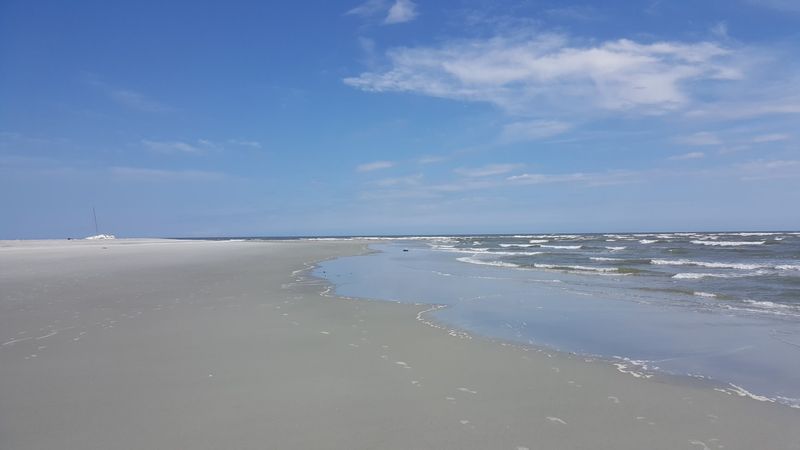
Straddling the North Carolina border, Waites Island remains one of the last undeveloped barrier islands on the Grand Strand.
No bridges connect this island to the mainland, preserving its wild character and keeping development at bay.
Accessing the beach requires either a boat or a long walk from Little River Inlet, which naturally limits crowds.
The island’s isolation creates a genuine wilderness experience rare along South Carolina’s increasingly developed coast.
Maritime forests, salt marshes, and pristine beaches support diverse wildlife populations including nesting sea turtles and migratory birds.
Conservation efforts have protected the island from the development that transformed neighboring beaches into resort destinations.
Walking these shores feels like traveling back in time to when all coastal areas existed in natural states.
The beach stretches wide and clean, with shells and sand dollars scattered generously across the sand.
Bring everything you need because there are absolutely no facilities or services available.
This pristine isolation is exactly what makes Waites Island so special.