
South Carolina’s Quiet Lakeside Paradise Locals Hope You Never Find
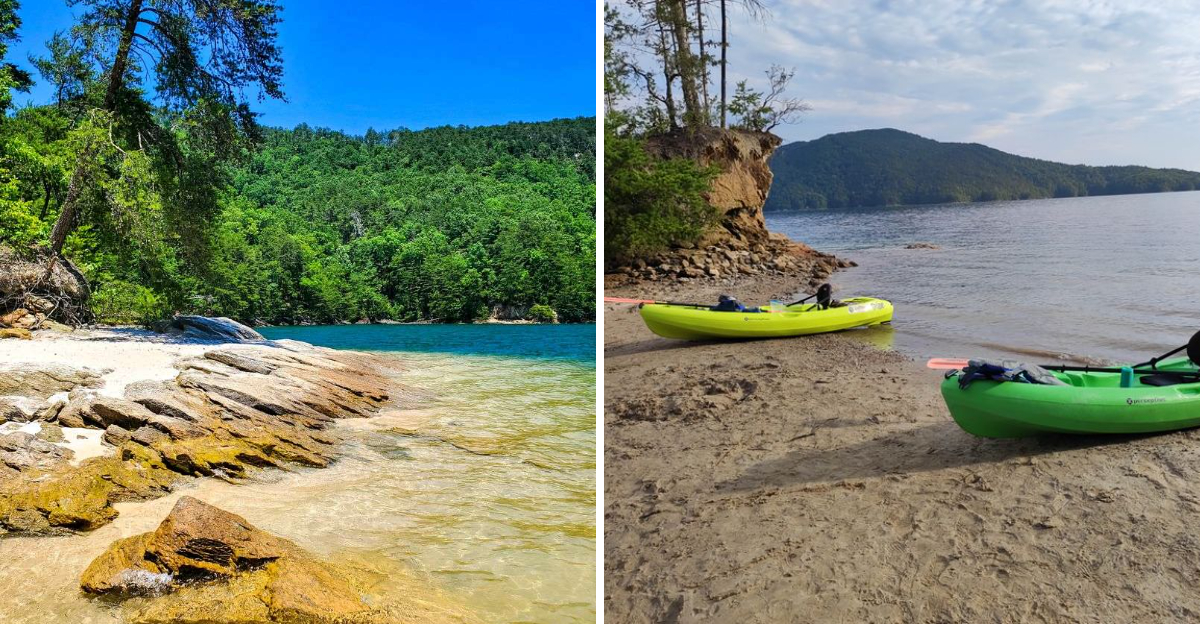
Tucked away in the northwestern corner of South Carolina, Lake Jocassee remains one of the state’s best-kept secrets. This 7,500-acre reservoir sits quietly in the foothills of the Blue Ridge Mountains, offering crystal-clear waters and untouched shorelines that seem almost too pristine to be real.
While other Southern lakes have succumbed to overdevelopment and weekend crowds, Jocassee has managed to preserve its wild character, drawing only those willing to venture off the beaten path.
Lake Jocassee Is One Of South Carolina’s Clearest Lakes
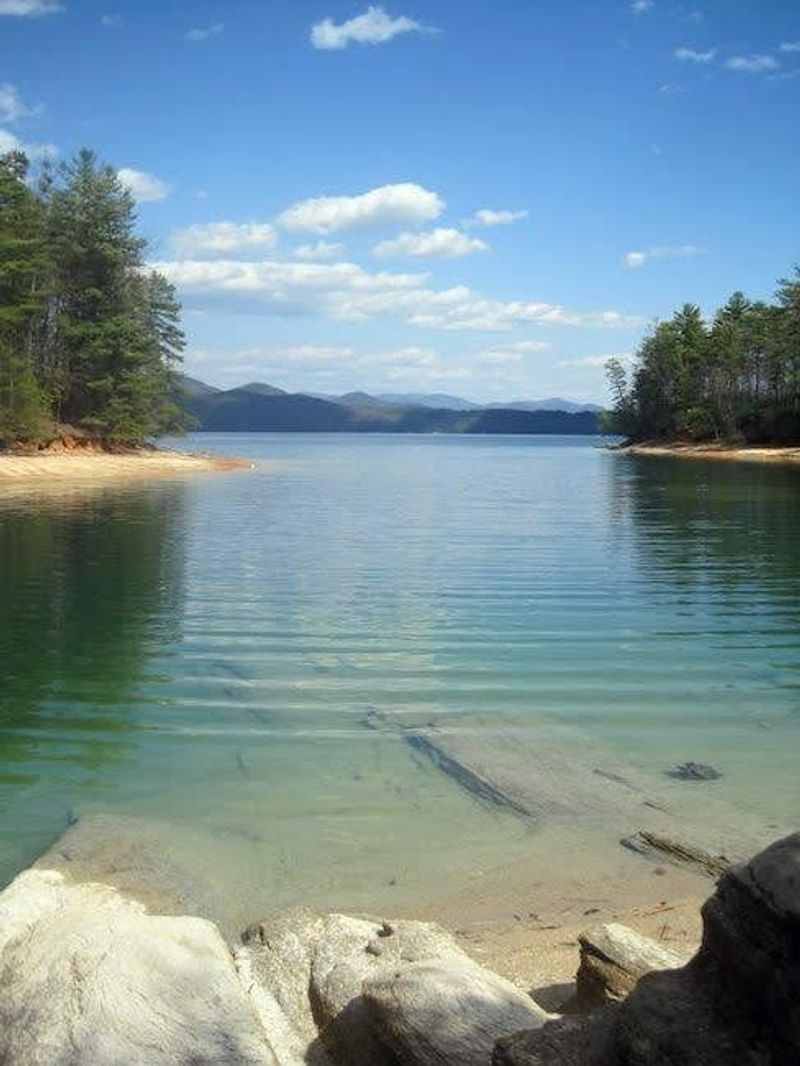
Visibility in Lake Jocassee routinely extends eight to ten feet below the surface, a rarity among Southern reservoirs. Cold Appalachian rivers feed the lake year-round, carrying minimal sediment and keeping the water remarkably transparent.
Divers frequently explore the submerged towns and old roadways that lie beneath, remnants of communities flooded when Duke Power created the reservoir in 1973.
The clarity comes partly from the lake’s depth, reaching 350 feet in some areas, which keeps sediment settled far below. Unlike shallower lakes that cloud easily with boat traffic and algae blooms, Jocassee maintains its jewel-like quality throughout the summer.
Snorkelers can observe rock formations and fish swimming below with startling detail.
Located at the coordinates 34.9812854, -82.92326349999999, this 11.72-square-mile body of water draws comparisons to alpine lakes found in far northern climates. Swimmers often comment on the surreal experience of seeing their feet clearly even in deeper sections.
The absence of heavy boat traffic and strict environmental protections help preserve this exceptional water quality season after season.
Most Of The Shoreline Is Protected And Undeveloped
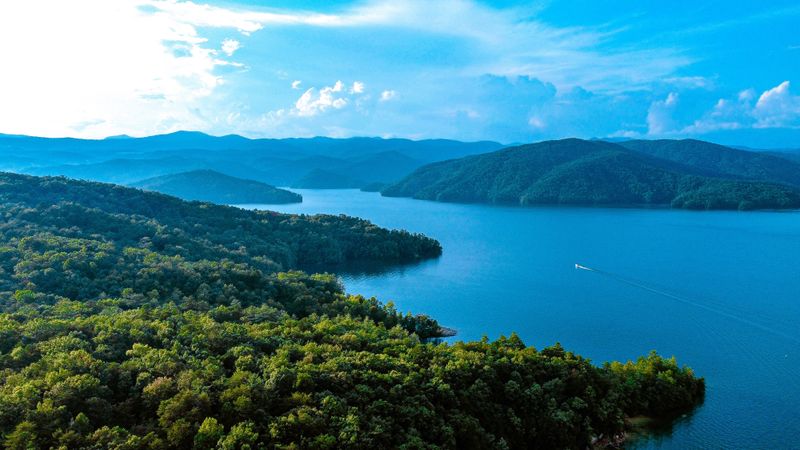
Over three-quarters of Lake Jocassee’s shoreline remains in its natural state, protected by conservation easements and state ownership. Private development was intentionally limited when the lake was formed, preventing the sprawl of vacation homes and commercial marinas that define many Southeastern reservoirs.
Dense forests grow right to the water’s edge along most of the perimeter.
This protected status means no manicured lawns, no private docks cluttering the views, and no string of waterfront mansions breaking the tree line. Devils Fork State Park manages a significant portion of the accessible shoreline, maintaining minimal facilities that blend into the landscape.
The few structures that do exist serve practical purposes rather than commercial ones.
Visitors often express surprise at the lack of visible human impact around the lake. Islands and coves appear much as they did decades ago, offering a glimpse of what Carolina mountain lakes looked like before development pressure arrived.
Environmental groups continue to work with state agencies to ensure this protection remains permanent, recognizing Jocassee as an increasingly rare example of thoughtful land stewardship.
Waterfalls Flow Directly Into The Lake
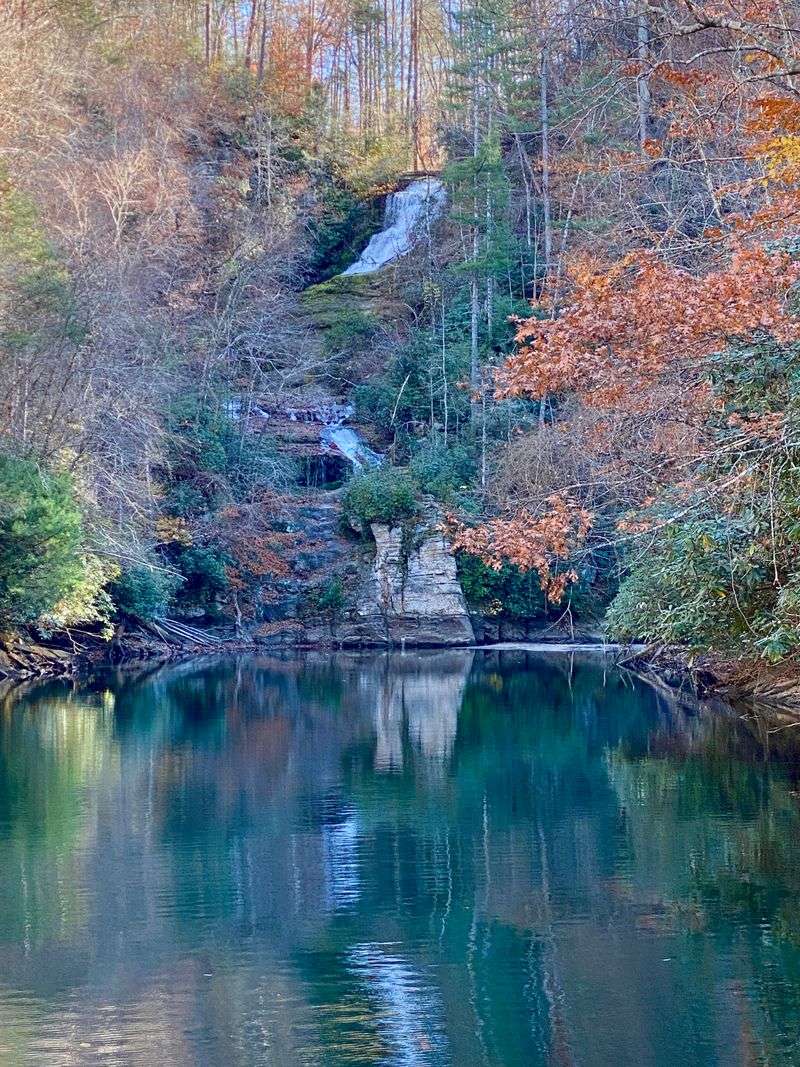
Several waterfalls cascade straight into Lake Jocassee’s waters, creating destinations that feel more like wilderness expeditions than typical lake outings. Laurel Fork Falls, Wright Creek Falls, and others spill down rocky cliffs into the reservoir, accessible only by boat or kayak.
During spring runoff, these falls roar with impressive volume.
The waterfalls exist because the lake flooded river valleys while leaving surrounding ridges and cliffs intact. Water still flows from higher elevations, but instead of continuing downstream through a river channel, it now drops directly into the lake’s depths.
Some falls can be climbed by adventurous visitors, offering jumping platforms into the deep water below.
Reaching these waterfalls requires navigation skills and stamina, as they sit in remote coves far from the boat launch. Many first-time visitors underestimate the distances involved and the lake’s confusing geography once you’re away from shore.
Charter tours offer guided waterfall excursions for those unfamiliar with the lake’s layout. Each waterfall possesses its own character, from gentle cascades to powerful plunges, and their locations shift slightly as water levels fluctuate throughout the year.
Boat Access Is The Only Way To Reach Many Spots
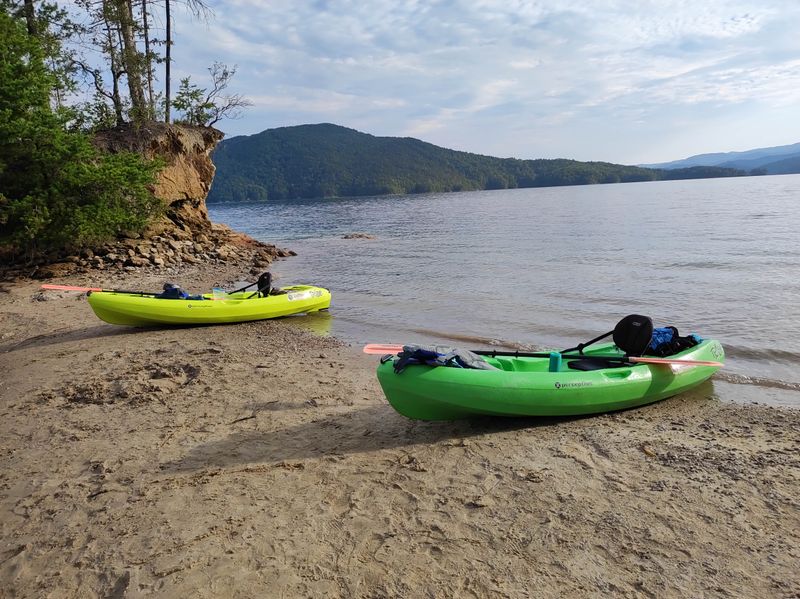
Much of Lake Jocassee’s appeal stems from its inaccessibility by foot or car. The best swimming holes, hidden coves, and waterfall destinations require a boat, kayak, or paddleboard to reach.
This natural barrier filters out casual visitors and maintains the lake’s quiet atmosphere.
Devils Fork State Park provides the primary boat launch, where kayaks and paddleboards can be rented during peak season. Private boats must reserve launch slots during busy summer months, as the park limits daily capacity to prevent overcrowding.
Once on the water, paddlers discover a network of inlets and islands that would take weeks to fully explore.
The boat-only access creates a self-selecting community of visitors willing to make the effort. You won’t find throngs of beachgoers here, just scattered groups of boaters anchored in favorite spots.
Small islands become temporary picnic sites, and cliff faces offer jumping platforms for the brave. This arrangement suits locals perfectly, as it keeps Jocassee from becoming another overcrowded weekend destination.
The eight-dollar park entry fee represents the only formal access point most visitors use, though some private land abuts the lake in limited locations.
The Lake Sits In The Foothills Of The Blue Ridge Mountains
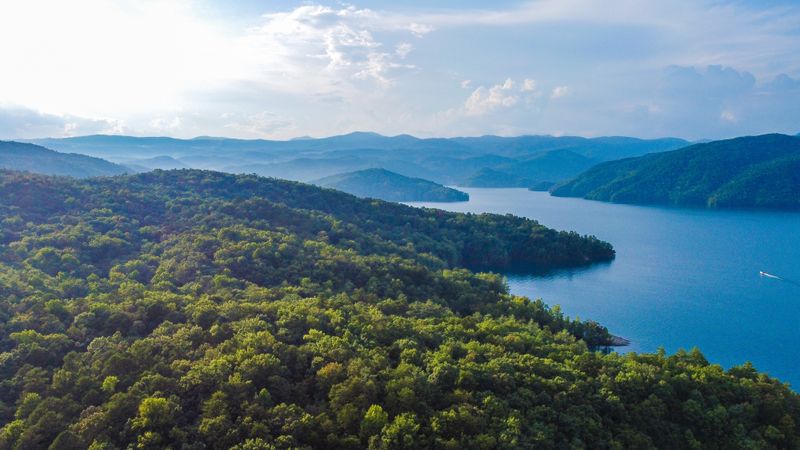
Lake Jocassee occupies a dramatic setting where the Piedmont gives way to the Blue Ridge Mountains. Ridges rise steeply from the water’s edge, creating a landscape more reminiscent of Tennessee or North Carolina than the South Carolina most people imagine.
Elevations around the lake reach well over 2,000 feet in places.
This mountain location explains the lake’s cool temperatures and clear water, as streams flow down from high elevations carrying minimal sediment. The surrounding peaks provide constantly changing views as you move around the reservoir, with layers of ridges fading into the distance.
Morning fog often settles in valleys, creating atmospheric conditions photographers prize.
The Blue Ridge influence extends beyond scenery to climate and ecology. Summer temperatures remain more moderate than in the lower Piedmont, and the forests contain species typically found at higher elevations.
Rhododendron and mountain laurel bloom along the shores in late spring. Wildlife includes species more common in mountain habitats than coastal plain environments.
This geographic position makes Jocassee feel like an outpost of Appalachia, dropped into South Carolina’s northwestern corner where few expect to find such rugged terrain.
Crowds Stay Away Thanks To Its Remote Location
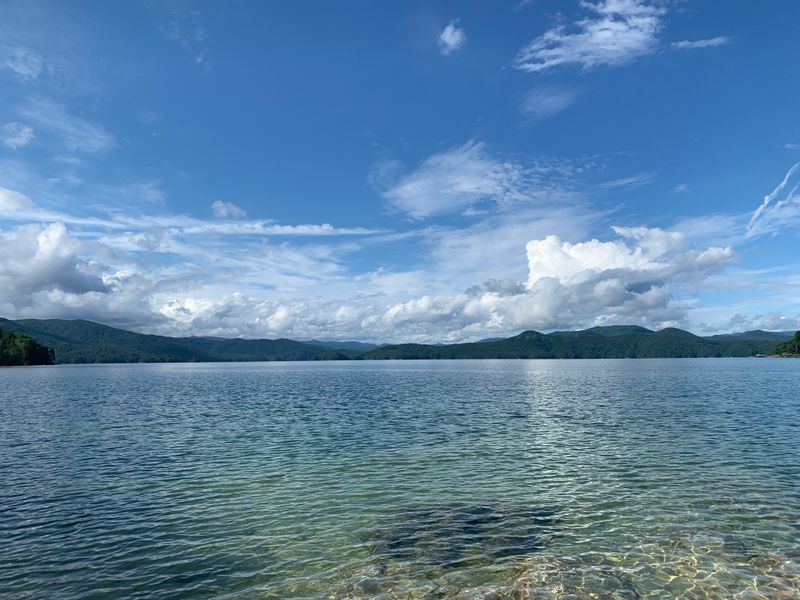
Lake Jocassee sits far enough from major population centers to discourage day-trippers looking for easy entertainment. The nearest significant city, Greenville, lies roughly an hour away, and the final approach involves winding mountain roads rather than convenient highways.
This distance alone eliminates the casual weekend crowds that pack more accessible lakes.
The lake’s location in Oconee and Pickens counties places it in one of South Carolina’s least densely populated regions. Small towns dot the area, but nothing resembling resort communities or tourist infrastructure has developed nearby.
Visitors must plan ahead, bringing supplies and equipment rather than relying on waterfront shops and restaurants.
Early arrival on summer weekends remains advisable, as parking at Devils Fork State Park fills by mid-morning during peak season. Still, even on busy days, the lake never feels truly crowded once you leave the immediate launch area.
The vast size and boat-only access naturally disperses visitors across miles of shoreline. Locals appreciate this relative solitude and quietly hope Jocassee remains overlooked while other destinations absorb the masses seeking lakeside recreation in the Southeast.
Devils Fork State Park Helps Keep The Area Quiet
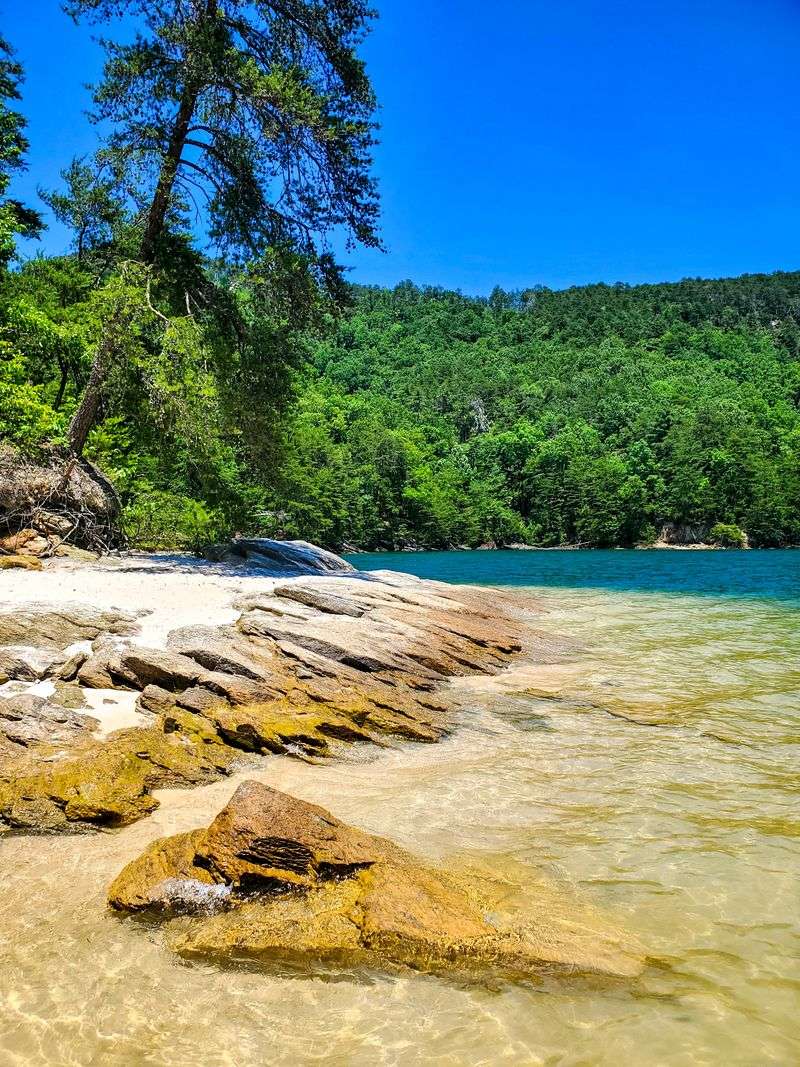
Devils Fork State Park serves as the primary access point for Lake Jocassee while maintaining a deliberately low-key atmosphere. The park offers basic amenities without the commercial development that often accompanies popular recreation areas.
Campgrounds provide sites with electrical hookups, and a few rental villas accommodate visitors seeking more comfort than tents provide.
Park management carefully controls daily visitor numbers by limiting boat launch reservations during peak periods. This proactive approach prevents the parking lot chaos and water traffic congestion that plague other lakes.
The small designated swimming beach suits families with young children but doesn’t encourage large groups seeking party atmospheres.
Rangers maintain a visible presence without creating an overly regulated feel. Rules exist to protect water quality and shoreline integrity, though some visitors find them restrictive compared to less-managed lakes.
The park serves as a buffer between the lake and potential overdevelopment, ensuring public access while preventing the commercial sprawl that often follows recreational popularity. Annual passes attract repeat visitors who appreciate the park’s role in preserving Jocassee’s character.
Without Devils Fork’s stewardship, the lake would likely have followed the development trajectory of nearby Lake Keowee.
Kayaking Here Feels Like Entering Another World
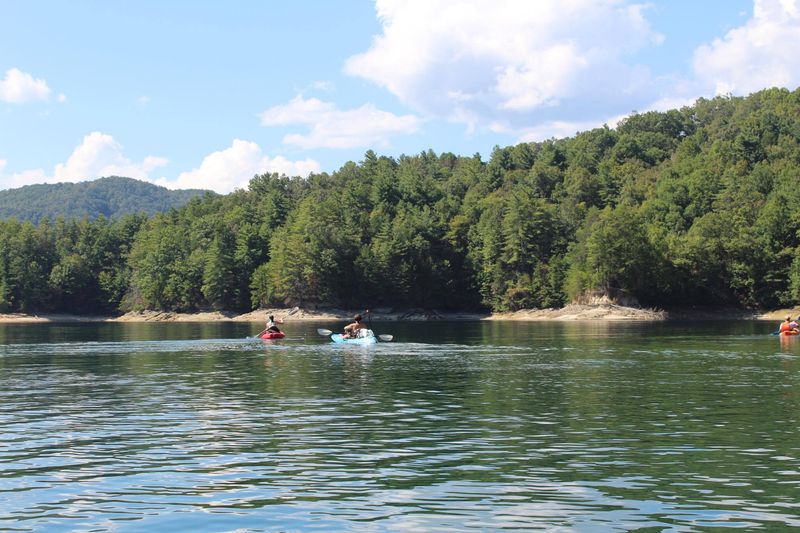
Paddling away from the boat launch at Lake Jocassee creates an immediate sense of entering wilderness rather than simply recreating on a reservoir. The steep forested shores and absence of development quickly erase any suburban context.
Within minutes, kayakers find themselves surrounded by unbroken forest and clear water that reveals the rocky bottom far below.
The lake’s complex shape, with numerous arms and coves branching off the main body, offers endless exploration opportunities. Each inlet presents a slightly different character, from narrow channels barely wider than your kayak to broad expanses where wind can create challenging conditions.
Navigation becomes genuinely difficult once you venture far from recognizable landmarks, as the fluctuating water level alters the shoreline’s appearance.
Experienced paddlers recommend starting early to avoid afternoon winds and bringing detailed maps, as GPS signals can be unreliable in the steep terrain. The journey to distant waterfalls can take two hours or more of steady paddling, far longer than most first-timers anticipate.
Wildlife sightings add to the wilderness atmosphere, with herons, turtles, and occasionally deer appearing along quiet shores. The physical effort required filters out less committed visitors, rewarding those who make it to remote destinations.
The Water Stays Cool And Shockingly Blue
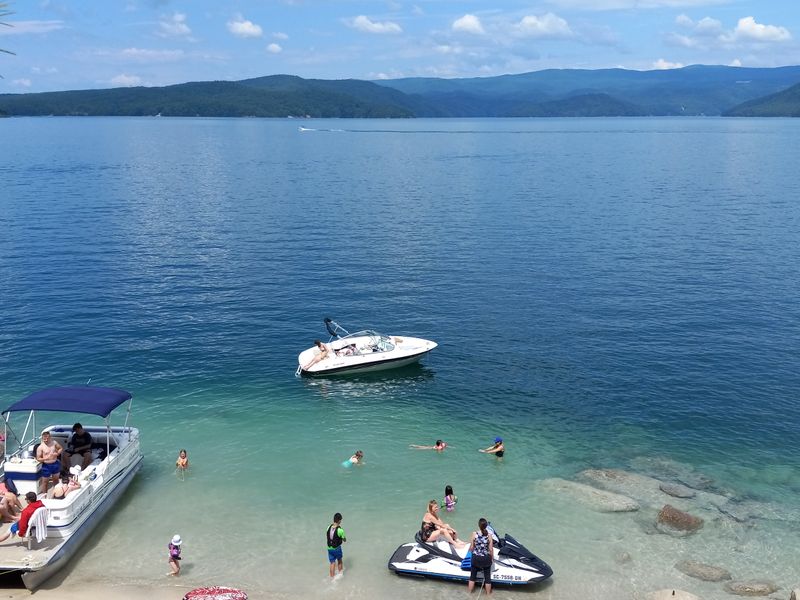
Even during South Carolina’s sweltering summers, Lake Jocassee maintains temperatures that shock swimmers accustomed to bathwater-warm reservoirs. Cold mountain streams continuously feed the lake, and its exceptional depth prevents the surface from warming significantly.
Many visitors describe the initial plunge as bracing, requiring a moment of adjustment before swimming becomes comfortable.
The water’s distinctive blue-green color comes from its clarity and depth rather than any chemical treatment or algae. Sunlight penetrates deep into the water column, reflecting back in shades that seem more appropriate to Caribbean seas than Appalachian foothills.
Photographers struggle to capture the true intensity of the color, which shifts throughout the day as light conditions change.
Strong swimmers handle the cold better than those who prefer to wade gradually into warmer lakes. The designated swimming areas at Devils Fork provide shallower water where families can acclimate more comfortably.
Away from shore, the combination of cold temperature and significant depth demands respect, as hypothermia becomes a real concern during extended swimming sessions. Visitors frequently mention the water’s refreshing quality in reviews, noting how it provides genuine relief from summer heat while remaining cold enough to limit extended immersion.
There Are No Big Resorts Or Party Marinas
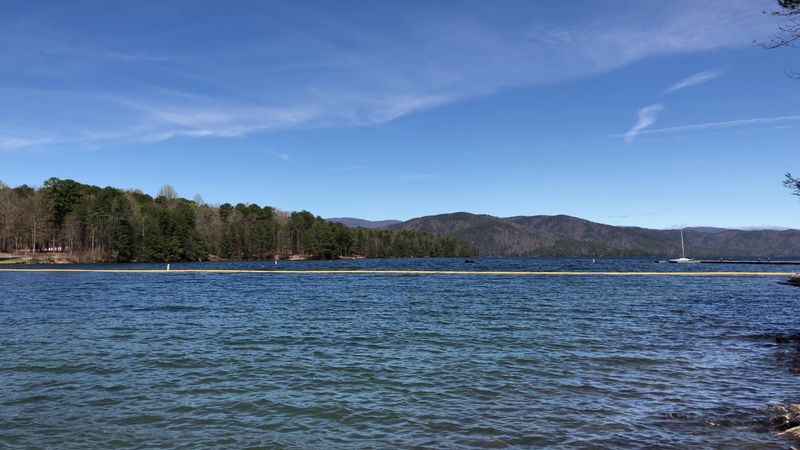
Lake Jocassee remains blissfully free of the commercial infrastructure that defines most popular Southern lakes. No waterfront resorts line the shores, no jet ski rental operations blast across the water, and no floating restaurants serve cocktails to boaters.
The absence of these amenities represents a deliberate choice rather than an oversight in development.
This lack of commercialization stems from the protected status of most shoreline and the state’s involvement in managing access. While some visitors initially feel disappointed by the limited services, most come to appreciate the trade-off.
The quiet atmosphere and pristine conditions wouldn’t exist alongside the party scene found at more developed destinations.
Charter services operate modest businesses offering guided tours, and the park rents basic watercraft, but nothing approaches the scale of operations at lakes Hartwell or Murray. Visitors must bring their own food, drinks, and entertainment rather than relying on waterfront vendors.
This self-sufficiency requirement appeals to people seeking genuine outdoor experiences rather than resort-style recreation. The lack of nightlife and restaurant options in the immediate area further ensures that Jocassee attracts nature enthusiasts rather than party crowds looking for lakeside entertainment with mountain scenery as a backdrop.
Lake Jocassee Feels More Like The Mountains Than The South
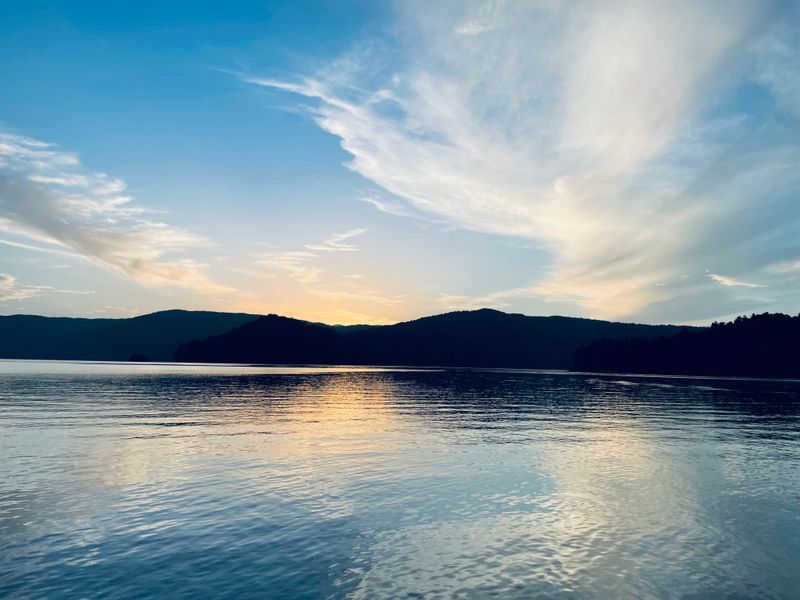
First-time visitors to Lake Jocassee often express surprise at finding such mountain character in South Carolina. The steep terrain, cool climate, and clear water create an atmosphere more associated with lakes in North Carolina, Tennessee, or even further north.
The typical markers of Southern lake culture—warm shallow water, sandy beaches, and humid lowland air—are notably absent.
This mountain identity stems from the lake’s position at the southern end of the Blue Ridge range. Ecologically and geologically, the area shares more with Appalachia than the Carolina Piedmont.
Even the light has a different quality, filtered through higher elevation atmosphere and reflected off mountain ridges. Locals sometimes refer to the area as South Carolina’s mountains, acknowledging its distinction from the rest of the state.
The cultural atmosphere reflects this geographic reality, with outdoor recreation focused on hiking, paddling, and fishing rather than the more social activities common at warmer, more accessible lakes. Visitors seeking a quintessential Southern lake experience might feel disappointed, but those appreciating mountain environments recognize Jocassee as exceptional.
This identity confusion works in the lake’s favor, as it remains overlooked by people searching for traditional Southern lake destinations while quietly satisfying those seeking something altogether different.
Hidden Underwater Towns Still Lie Beneath The Surface
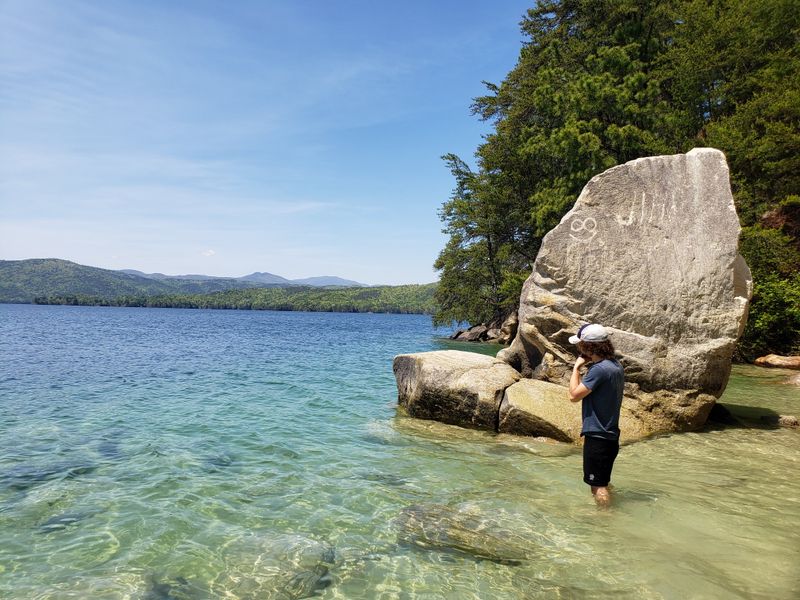
When Duke Power created Lake Jocassee in 1973, several small communities disappeared beneath the rising waters. Homes, roads, bridges, and even cemeteries now rest hundreds of feet below the surface, creating an eerie underwater landscape that draws divers from across the region.
The cold, clear water has preserved many structures remarkably well over the decades.
Scuba diving expeditions explore these submerged remnants, following old roadways and discovering foundations where families once lived. The depth and cold temperatures make these dives technically challenging, requiring proper training and equipment.
Still, the opportunity to swim through a preserved piece of history attracts experienced divers willing to make the effort.
Local historians maintain records of what existed before the flood, helping divers locate specific sites of interest. Some families whose ancestors lived in the flooded communities visit the lake with mixed emotions, knowing their heritage lies preserved but inaccessible beneath the surface.
The underwater towns add another layer of intrigue to Jocassee’s character, transforming it from simply a beautiful lake into a place where human history and natural beauty intersect in unusual ways. Few visitors realize they’re floating above an entire lost world.