
10 State Parks In Tennessee That Look Like National Parks But Without The Crowds
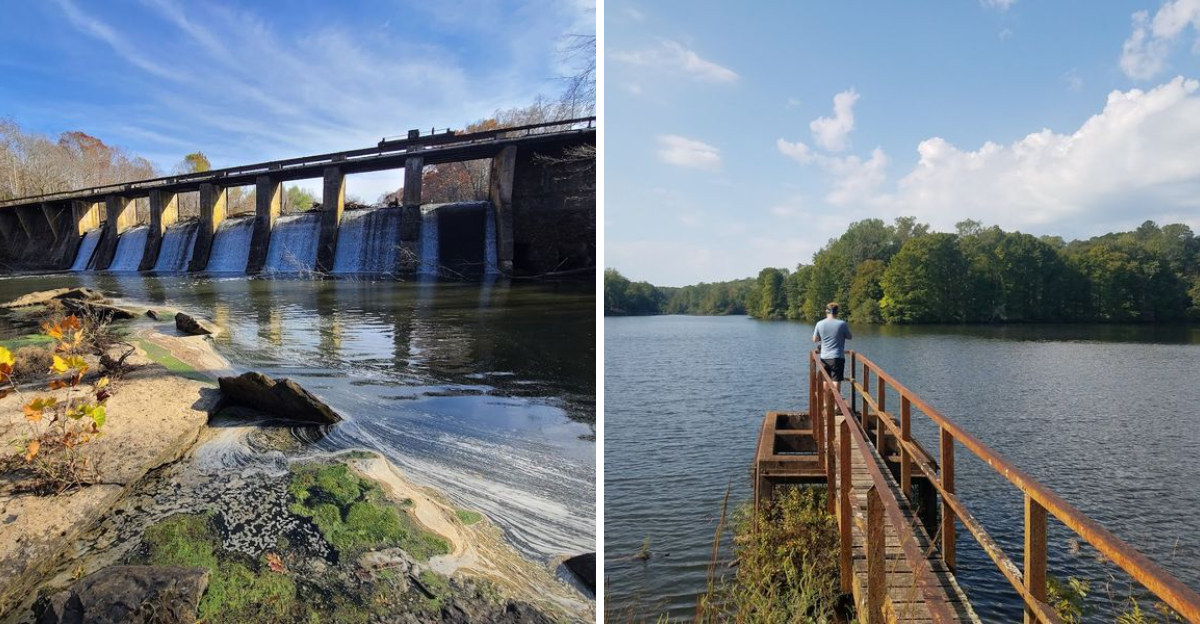
You don’t have to deal with packed trails or long lines to see breathtaking scenery in Tennessee. Move beyond the busiest spots, and the landscape starts to feel bigger, wilder, and far more personal.
Towering waterfalls crash into deep gorges. Clifftop views stretch for miles.
Quiet forests invite you to slow down and take it all in. Some places feel vast and rugged, almost like they belong on a national stage, yet the crowds never seem to follow.
Tennessee is full of these wide-open moments where nature takes the lead and the experience feels entirely your own.
1. Fall Creek Falls State Park, Spencer
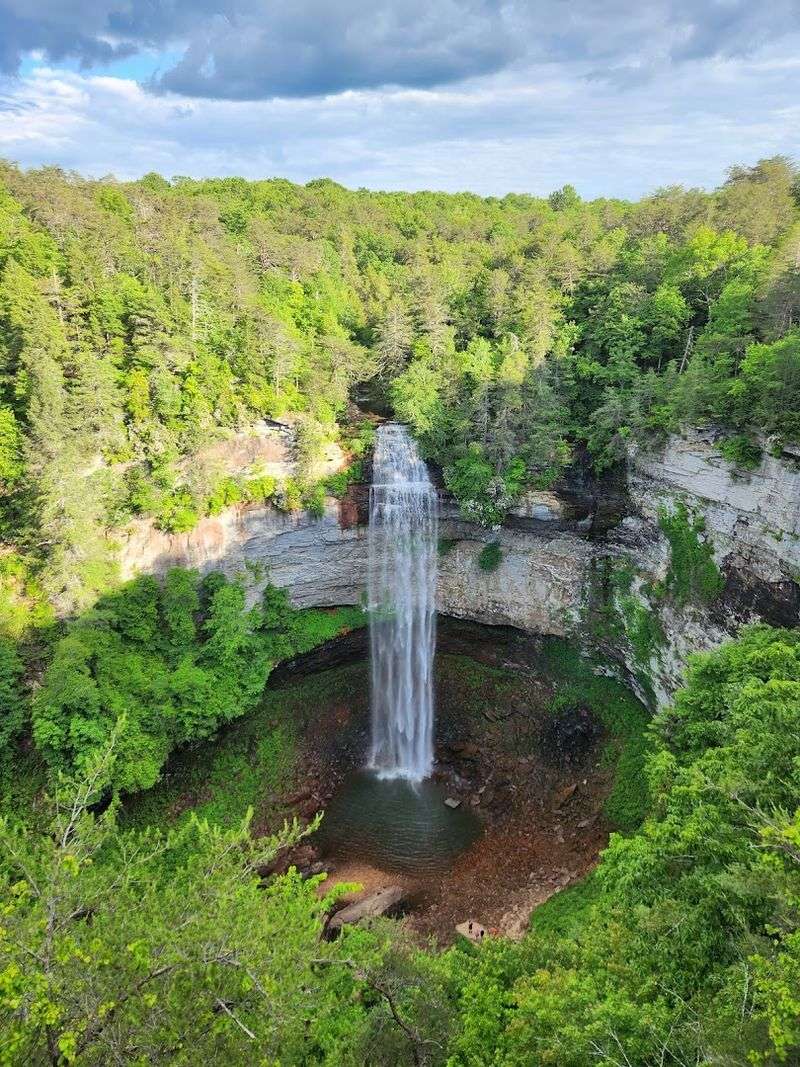
Standing at the edge of Fall Creek Falls, you realize pretty quickly that Tennessee has been hiding something extraordinary. The main waterfall drops 256 feet, making it one of the tallest free-falling waterfalls in the eastern United States, and the roar of the water echoes off the surrounding gorge walls in a way that genuinely stops you in your tracks.
Located near Spencer in Van Buren County, this park covers over 26,000 acres of rugged terrain, deep gorges, and lush hardwood forest. It feels less like a state park and more like a full wilderness destination.
Hikers can choose from trails ranging from easy paved walks to strenuous backcountry routes that wind through multiple canyon overlooks. The Gorge Overlook Trail is a favorite for its dramatic views without demanding too much effort.
Beyond hiking, the park offers swimming, fishing, mountain biking, and even a resort lodge if you want to stay overnight. Fall and spring are the most rewarding seasons to visit, when foliage colors are vivid and water levels are high.
Few places in the South pack this much scenery into one address.
2. South Cumberland State Park, Multiple Areas
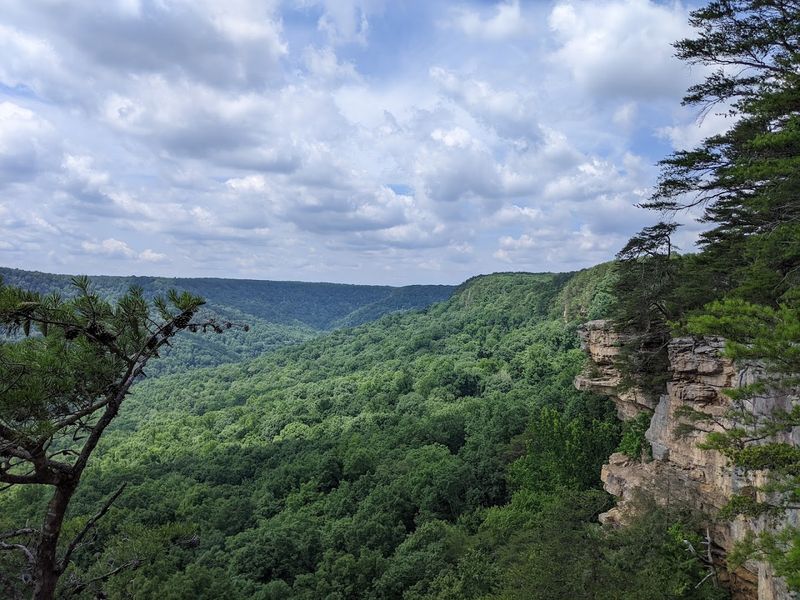
Stretching across multiple counties in the Cumberland Plateau region of Tennessee, South Cumberland State Park is really a collection of wild places stitched together under one name. The park includes several distinct natural areas, and each one has its own character, its own trails, and its own reasons to visit.
Savage Gulf is arguably the crown jewel, offering a dramatic network of trails that dip into deep gorges and climb back up to clifftop overlooks with views that seem to go on forever. The Fiery Gizzard Trail, which connects Tracy City to Grundy Forest, has earned a reputation as one of the best day hikes in the entire state.
Rock formations, cascading waterfalls, and dense forest canopy create an atmosphere that feels genuinely remote, even though the trailheads are accessible by car. Wildlife sightings are common, and the relative lack of crowds means you can take your time without feeling rushed.
The best strategy is to pick one natural area per trip and explore it thoroughly. Trying to see everything in a single day would mean missing the quiet details that make this park so rewarding to experienced hikers and casual walkers alike.
3. Frozen Head State Park, Wartburg
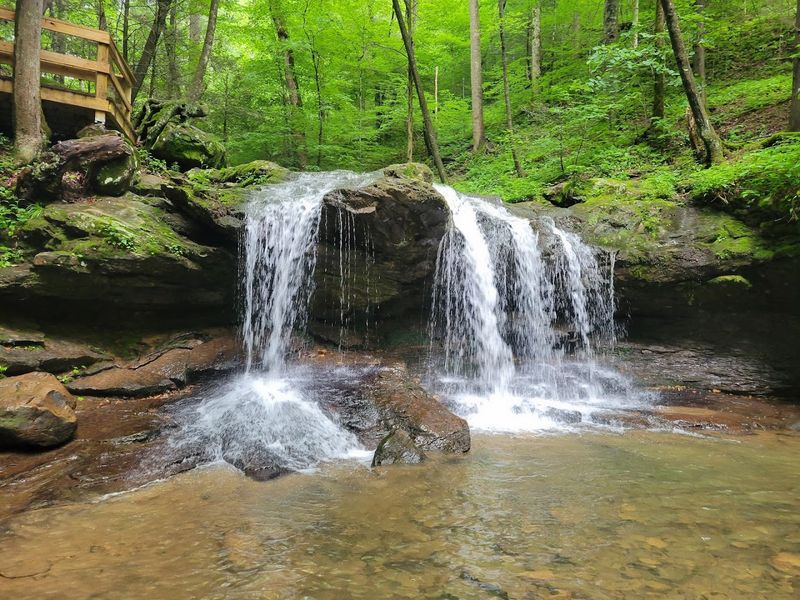
The name alone should tell you something interesting is going on here. Frozen Head State Park, located near Wartburg in Morgan County, sits in the heart of the Cumberland Mountains and offers a backcountry experience that most visitors do not expect from a Tennessee state park.
The park’s highest point reaches over 3,300 feet, and on clear days the summit views stretch across a broad sweep of forested ridgelines that look more like the deep Appalachians than anything near a highway. A network of trails covers more than 50 miles, ranging from short loop walks to full-day ridge climbs that will test your legs and reward your patience.
Wildflower season in spring is particularly spectacular here, with trillium, bloodroot, and wild columbine covering the forest floor in waves of color. Fall brings rich foliage that turns the mountain slopes into a patchwork of red, orange, and gold.
The park is also known among ultra-running enthusiasts as the site of the legendary Barkley Marathons, an infamously tough race that has helped put Frozen Head on the map for adventure seekers worldwide. This place earns every ounce of its reputation.
4. Pickett CCC Memorial State Park, Jamestown
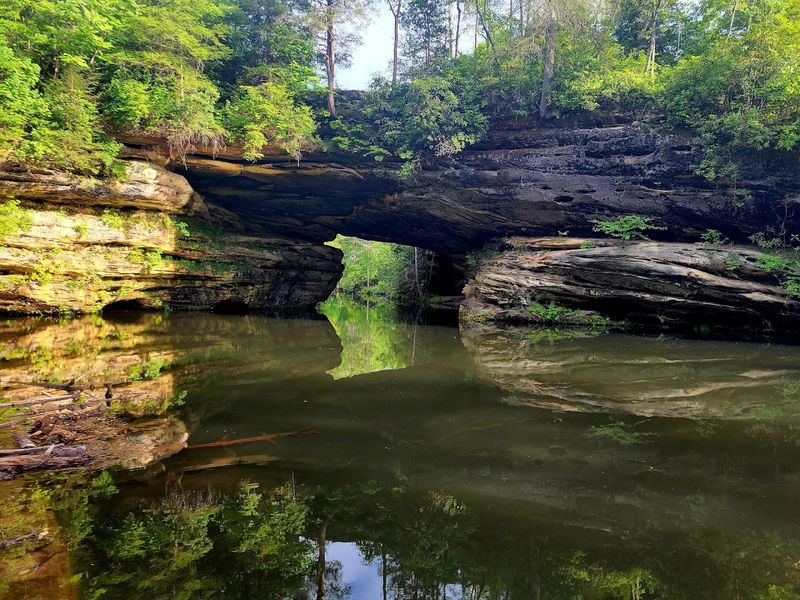
Rock arches, sandstone bridges, and cave-like overhangs dot the landscape of Pickett CCC Memorial State Park in ways that feel more like the American Southwest than the Tennessee highlands. Located near Jamestown in Fentress County, this park sits on a sandstone plateau that geology has spent millions of years sculpting into something genuinely surreal.
The trail system here winds through formations that force you to squeeze between boulders, duck under ledges, and cross natural rock bridges over small streams. It is the kind of hiking that keeps children and adults equally entertained, because the terrain itself is the attraction.
Pickett also boasts some of the darkest night skies in the entire region. Light pollution is minimal this far from major cities, which means stargazing here can be a breathtaking experience on a clear night away from urban glow.
The park connects directly to the Big South Fork National River and Recreation Area, effectively doubling your exploration options without requiring a separate trip. Camping is available, and the combination of rock formations, forests, and star-filled skies makes an overnight stay feel like a true escape from the modern world.
Plan to stay at least two nights.
5. Roan Mountain State Park, Roan Mountain
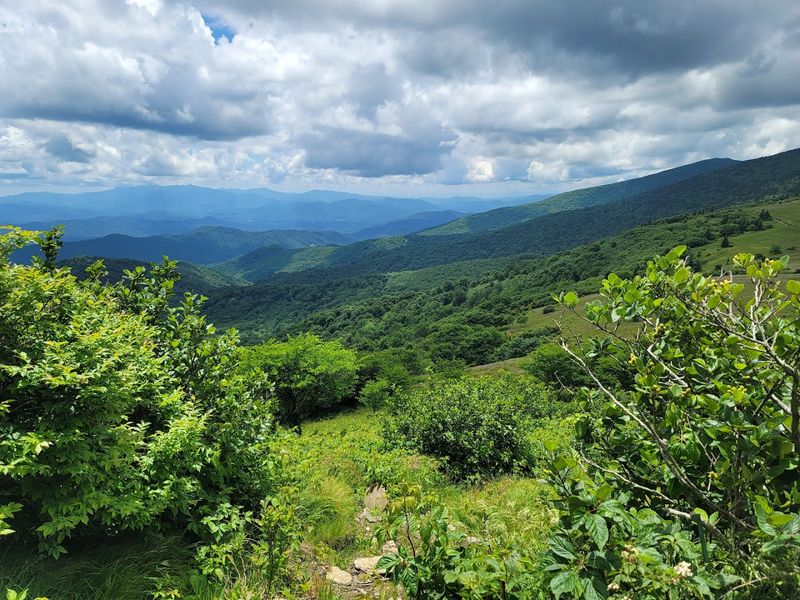
Few places in the eastern United States can match the visual drama of Roan Mountain during rhododendron season. Every June, the high-elevation balds along the Roan Highlands burst into waves of purple and pink blooms that stretch across open mountaintops in a display that draws visitors from across the country.
Roan Mountain State Park, located in Carter County near the small town of Roan Mountain, sits at the base of this remarkable ridge and serves as the perfect launching point for exploring it. The park itself is beautiful and well-maintained, with comfortable cabins, a campground, and easy access to the Appalachian Trail just up the road.
Outside of rhododendron season, the park offers excellent hiking, fishing along Doe River, and some of the best fall foliage views in the entire Appalachian region. The open balds allow for panoramic vistas that feel more like Montana or Colorado than eastern Tennessee.
Winter visits are surprisingly rewarding too, as snowfall transforms the high ridges into a quiet, frosted landscape that feels completely removed from everyday life. Arriving early on weekday mornings almost guarantees you will have the trails largely to yourself, which makes the whole experience feel even more personal and memorable.
6. Cummins Falls State Park, Cookeville
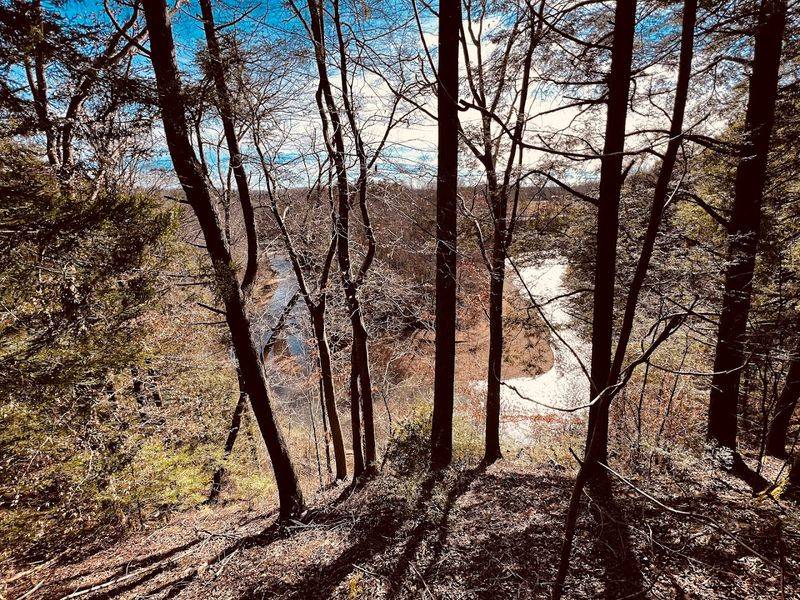
Getting to Cummins Falls requires a little effort, and that is exactly the point. The trail from the parking area to the waterfall involves creek crossings, boulder scrambling, and a descent into a rocky gorge that makes the whole journey feel like a legitimate adventure rather than a casual stroll.
Located near Cookeville in Jackson County, Cummins Falls State Park protects one of the largest waterfalls in Tennessee, where Blackburn Fork drops about 75 feet into a wide, churning plunge pool surrounded by smooth stone walls. The gorge amplifies the sound of the water into something almost musical.
Swimming is permitted in designated areas during warmer months, and the cold, clear water makes it an ideal summer destination for families willing to put in the hike. Waterproof shoes or sandals with grip are strongly recommended, as the creek crossings can be slippery.
Water levels and safety conditions are monitored by park staff, and entry is sometimes restricted during heavy rainfall when the creek rises. Checking conditions before you go is always a smart move here.
When the park is open and the water is running strong, few places in Tennessee deliver a more thrilling and photogenic payoff for a short hike.
7. Rock Island State Park, Rock Island
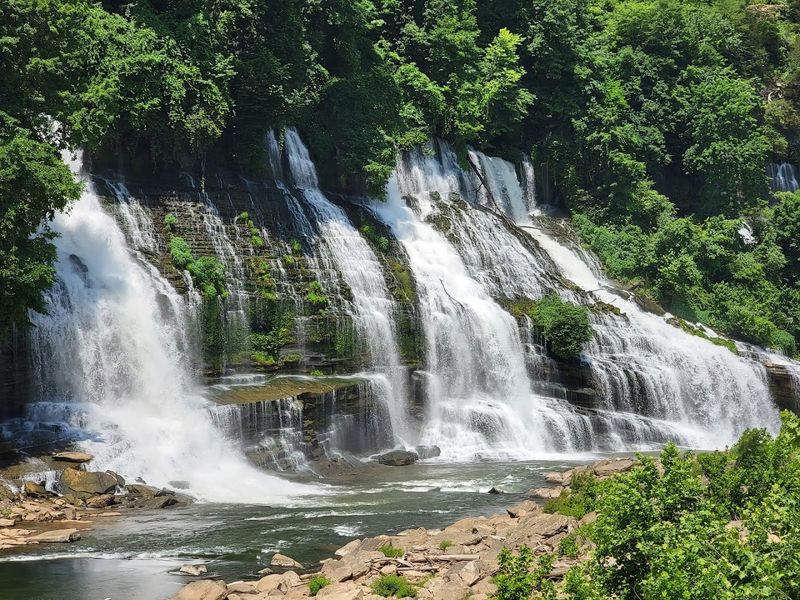
Where the Caney Fork, Collins, and Rocky rivers converge near the small community of Rock Island, something remarkable happens to the landscape. Rock Island State Park sits right at this meeting point, and the result is a compact but visually stunning park built around a series of waterfalls and a deep river gorge that feels carved by something much grander than a state park budget.
The Great Falls waterfall is the centerpiece, a wide curtain of water that drops into a churning gorge before the river widens into a popular swimming area known as the Blue Hole. On warm weekends, locals know this spot well, but weekday visitors often find it surprisingly quiet.
Trails along the gorge rim offer elevated views of the water below, and the combination of geology, river access, and forest scenery packs a lot of visual variety into a relatively small area. The park is especially photogenic in morning light when mist rises off the water.
Fishing, kayaking, and picnicking are all popular activities here, and the campground puts you right in the middle of the action. Rock Island punches well above its weight class in terms of scenery, proving that great landscapes do not always need thousands of acres to make a lasting impression.
8. Burgess Falls State Park, Sparta
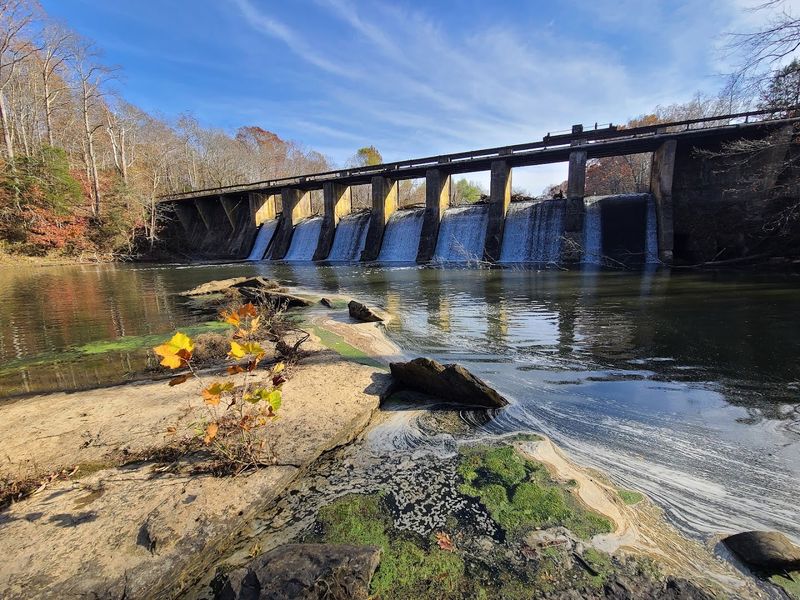
Some waterfalls make you work for the reward. Burgess Falls State Park near Sparta, in White County, takes a different approach by lining up an entire sequence of cascades along a single trail, so the scenery keeps building with every step forward.
The main trail follows the Falling Water River downstream through increasingly dramatic terrain, passing three smaller waterfalls before arriving at the main Burgess Falls, which drops around 136 feet into a wide canyon pool. Each waterfall along the way is worth stopping for, and the gradual escalation makes the final drop feel like a genuine payoff.
The trail itself is not overly demanding, making it accessible to a wide range of hikers, including older visitors and families with older children. Round-trip distance is roughly two miles, which means most people can complete the hike in under two hours at a relaxed pace.
Spring visits offer the highest water volume and the most impressive visual impact, while fall colors frame the canyon walls in warm tones that make every photo look effortless. The park also offers picnic areas and a small campground for those who want to linger.
Burgess Falls is the kind of place that earns a return visit almost immediately after the first one ends.
9. Edgar Evins State Park, Silver Point
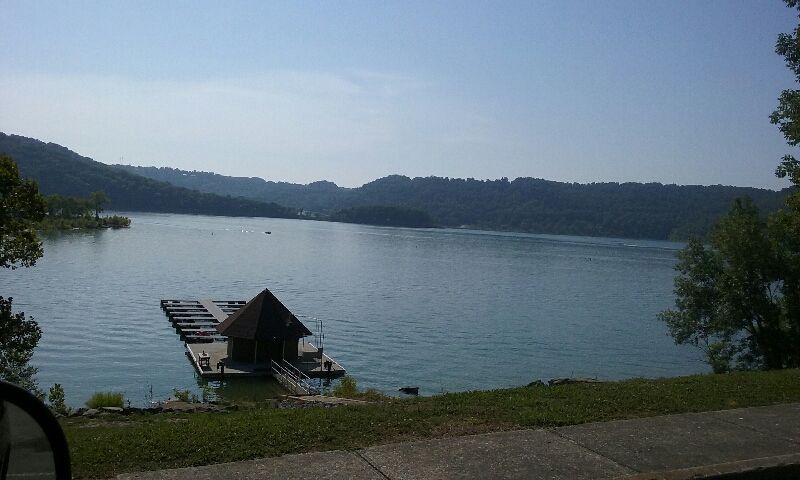
Center Hill Lake is one of those Tennessee landscapes that catches people off guard. Edgar Evins State Park, located near Silver Point in DeKalb County, sits on the steep ridges above this large reservoir, and the views from the park’s trails and overlooks have a scale that feels genuinely surprising for a lesser-known state park.
The park’s trail system climbs through hardwood forest before breaking out onto ridge tops where the lake spreads out below in long, winding blue fingers between forested hills. On a clear day, the visual depth of the scene is the kind of thing that makes you stop walking just to take it all in.
Boating and fishing are major draws here, and the park’s marina provides easy water access for those who want to experience Center Hill Lake from the surface rather than from above. Houseboating is popular in the warmer months, and rentals are available nearby.
The campground is well-positioned and comfortable, with sites that offer either lakeside access or forest shade depending on your preference. Edgar Evins tends to fly under the radar compared to flashier parks in the state, which means its trails stay quiet and its overlooks stay uncrowded.
That kind of solitude is becoming genuinely rare and worth seeking out.
10. Natchez Trace State Park, Wildersville
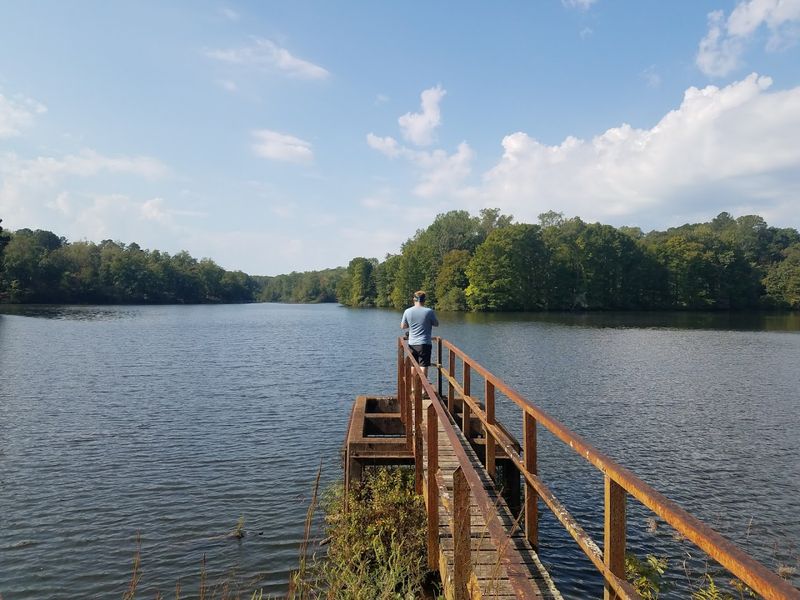
Not every great park experience needs to involve dramatic cliffs or thundering waterfalls. Natchez Trace State Park near Wildersville in Henderson County offers something different: space, quiet, and the kind of open natural landscape that lets your mind slow down without asking your legs to work too hard.
The park covers around 48,000 acres of rolling forest, making it one of the largest state parks in Tennessee by total land area. Several lakes are scattered throughout the property, providing excellent fishing for bass, crappie, and catfish, along with opportunities for paddling and swimming in designated areas.
Equestrian trails wind through the backcountry, and horseback riding is a popular activity that gives the park a distinctly rural and unhurried character. Hikers will find a variety of loop trails that pass through mixed hardwood forest and along the lake shores without ever feeling crowded.
The park also sits near the historic Natchez Trace Parkway, which adds a layer of cultural and historical context to the natural experience. Camping, cabins, and group facilities make it easy to plan a longer stay.
Natchez Trace is the kind of place where you arrive planning one night and end up rescheduling your whole week just to stay a little longer.