
Step Back In Time At This Michigan Italian Spot That Never Left The Seventies
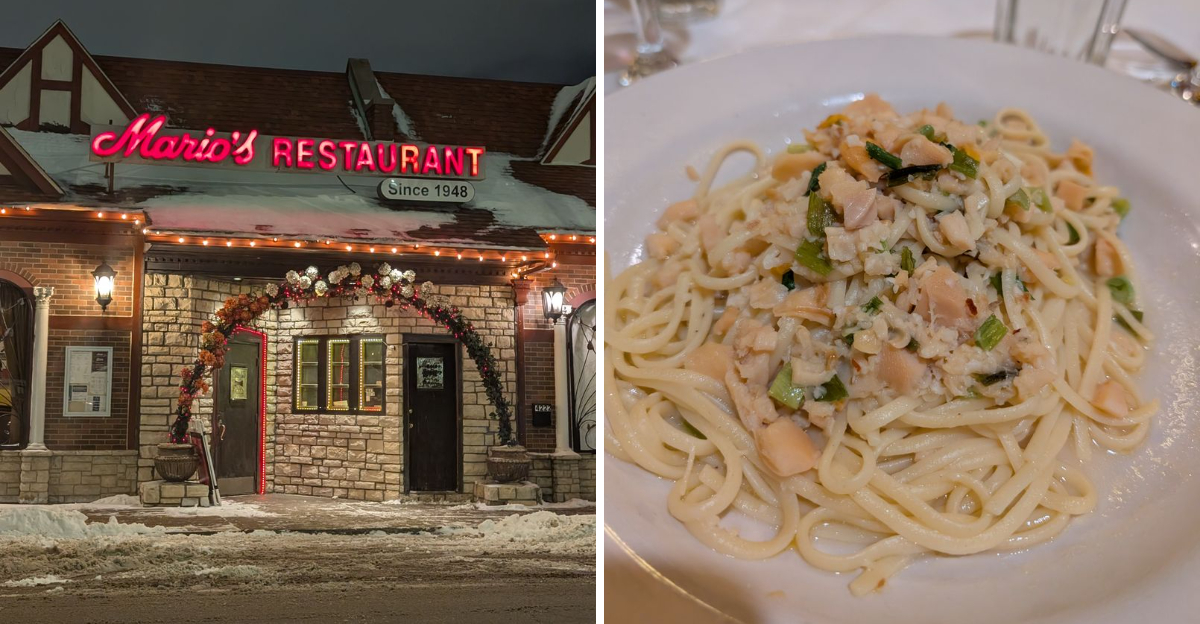
Walking into Mario’s on Second Avenue feels like opening a time capsule sealed during the Sinatra era. The restaurant has operated continuously since the late 1940s, but somewhere around the seventies, it decided to stop chasing trends and simply perfect what it already did well.
Tuxedoed waiters glide between tables as live music drifts through the dining room. The menu stays true to the Italian-American dishes that turned family celebrations into cherished Detroit traditions.
Mario’s Has Been Serving Detroit Since The Late Forties
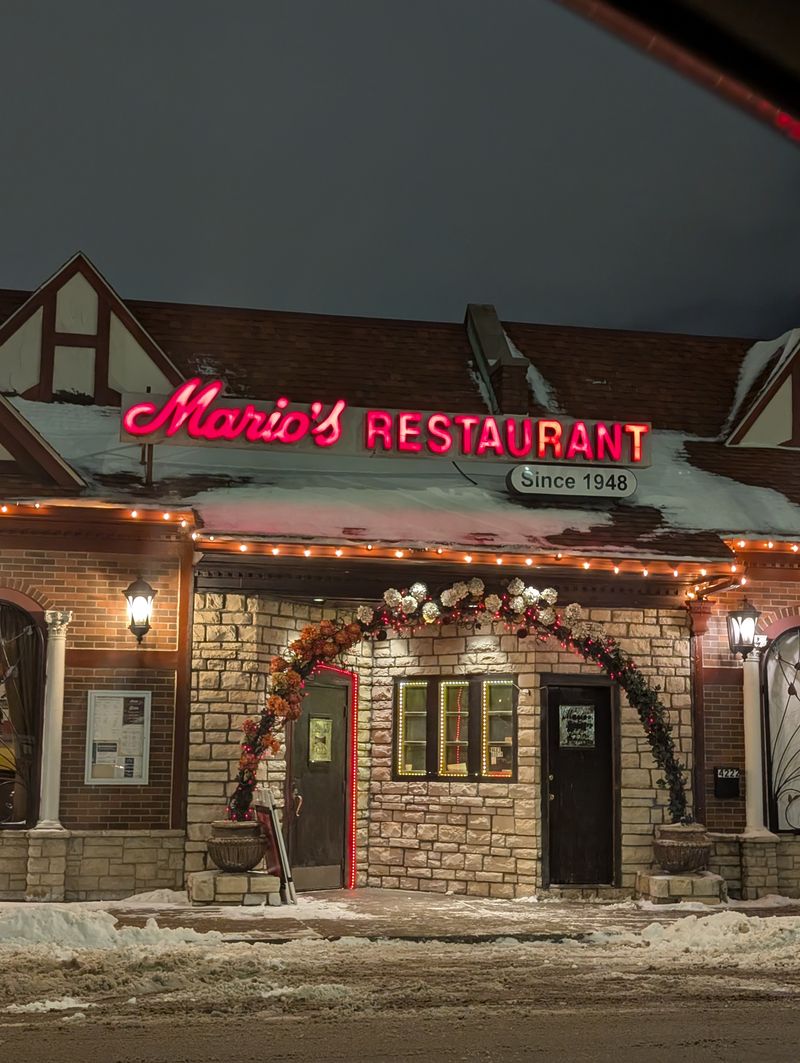
Mario’s opened its doors when Detroit was roaring with post-war optimism and manufacturing prosperity. The restaurant carved out its reputation during an era when dining out meant something more formal, more ceremonial than today’s casual approach.
Families celebrated graduations, anniversaries, and promotions within these walls, building memories that would span decades.
Located at 4222 2nd Avenue in Detroit, the restaurant has watched the city transform around it while maintaining its original commitment to Northern Italian cuisine. The longevity speaks to more than just good food.
Consistency matters, and Mario’s understood early that people crave places where they know exactly what to expect.
Many restaurants claim history, but few can genuinely trace their lineage back more than seventy-five years. The building itself carries stories in its bones, from the original bar where autoworkers once celebrated Friday nights to the dining rooms that have hosted countless marriage proposals.
That kind of staying power requires more than luck or good timing.
The Dining Room Still Feels Like A Classic Italian Supper Club
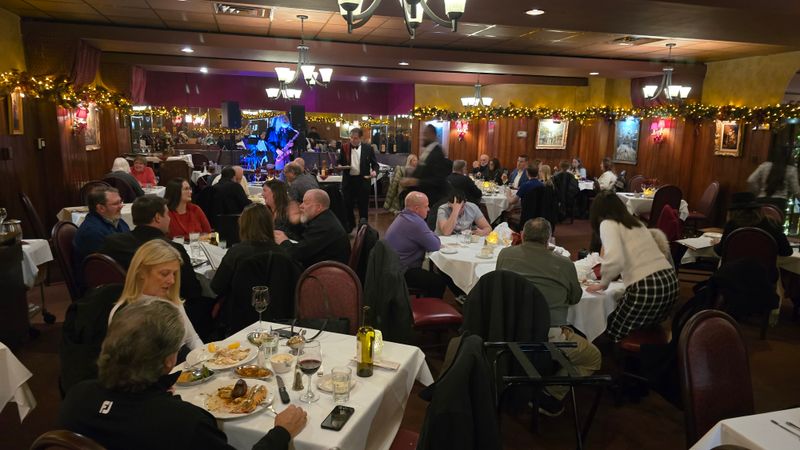
Stepping into the main dining room triggers immediate recognition for anyone who remembers when restaurants meant white tablecloths and proper silverware arrangements. The lighting stays purposefully low, creating intimate pockets of conversation even when the room fills completely.
A working fireplace adds warmth during colder months, both literal and atmospheric.
The space refuses modern minimalism in favor of richness and texture. Booths line the walls, offering privacy for couples or small groups who want to feel separated from the larger crowd.
The bar area maintains its own distinct personality, functioning as both waiting area and destination for those who prefer cocktails and conversation over full meals.
Everything about the room design reinforces the supper club concept, where dining represents an entire evening’s entertainment rather than just fuel consumption. Tables space themselves generously, allowing waiters room to perform tableside preparations without bumping elbows.
The acoustics somehow manage to absorb noise without feeling muffled, letting music enhance rather than overwhelm conversations throughout the space.
Live Music Is Part Of The Experience
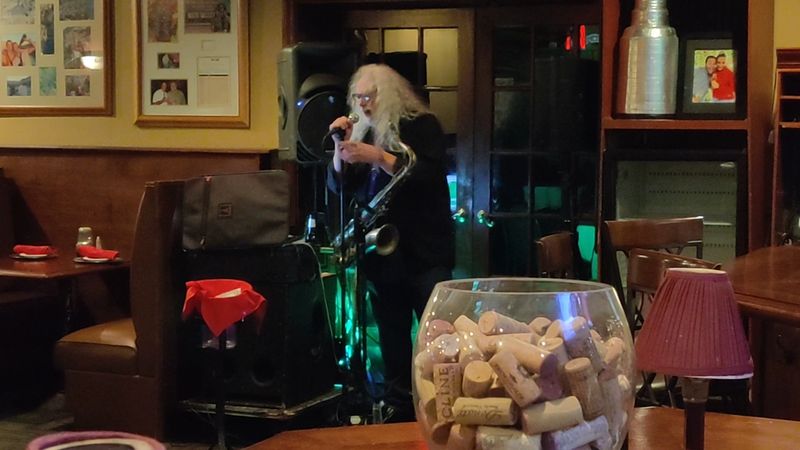
Most restaurants treat music as background noise piped through speakers, but Mario’s employs actual human musicians who perform throughout dinner service. A jazz ensemble or solo instrumentalist typically sets up in a corner, close enough to feel present without dominating the acoustic space.
The repertoire leans toward standards, the kind of songs your grandparents might have danced to during their courtship.
The live performance transforms dinner into something closer to an event. Couples occasionally leave their tables to dance on a small floor area, particularly on Friday and Saturday evenings when the crowd arrives ready for celebration.
The musicians read the room well, adjusting volume and tempo to match the energy level as the night progresses.
This approach to entertainment feels increasingly rare as recorded music becomes cheaper and more convenient. Mario’s commitment to live performers adds genuine warmth and unpredictability to each visit.
No two evenings sound exactly alike, and that spontaneity keeps regulars coming back to hear familiar songs played with fresh interpretation by talented musicians who appreciate working a room that still values their craft.
The Menu Leans Into Traditional Italian-American Comfort Food
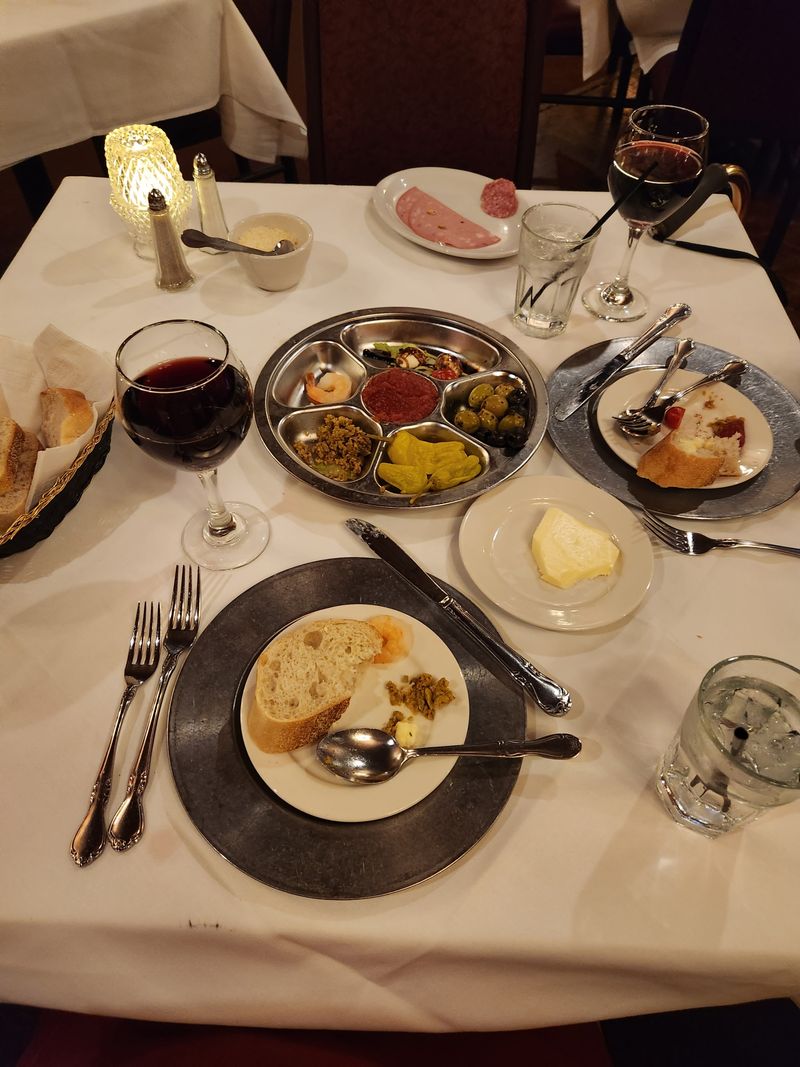
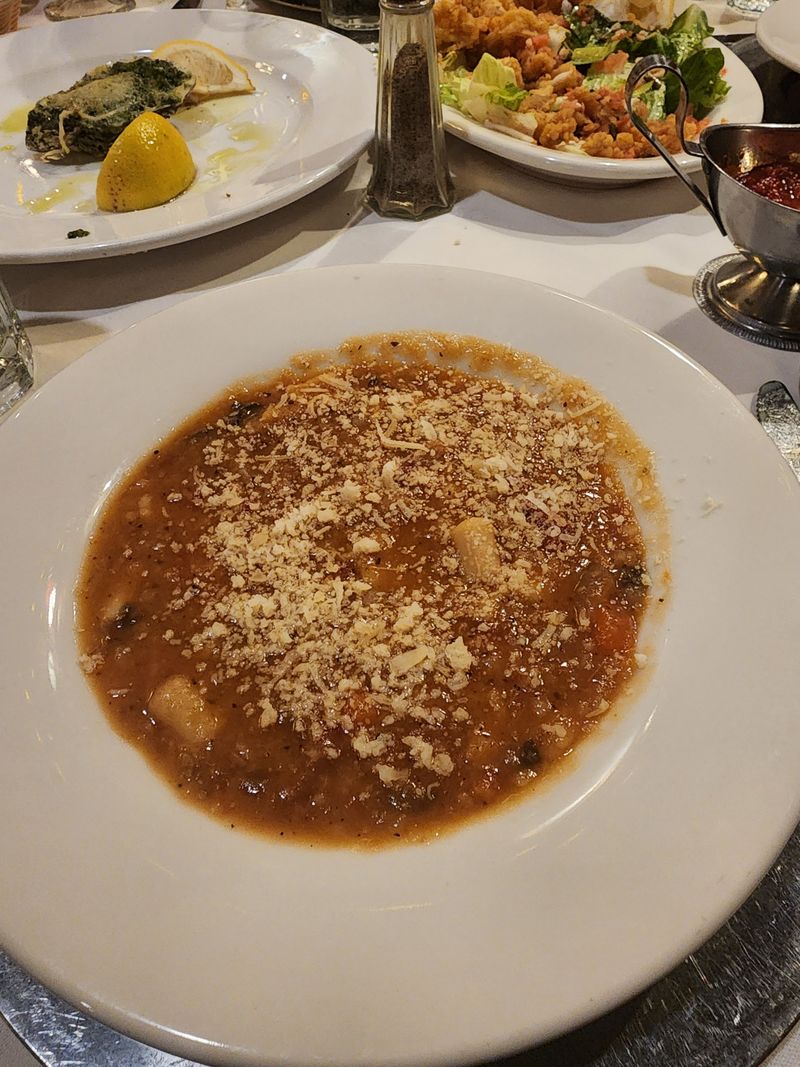
The menu reads like a greatest hits collection from mid-century Italian-American dining. Minestrone soup arrives in generous bowls, earning consistent praise from reviewers who appreciate its hearty construction.
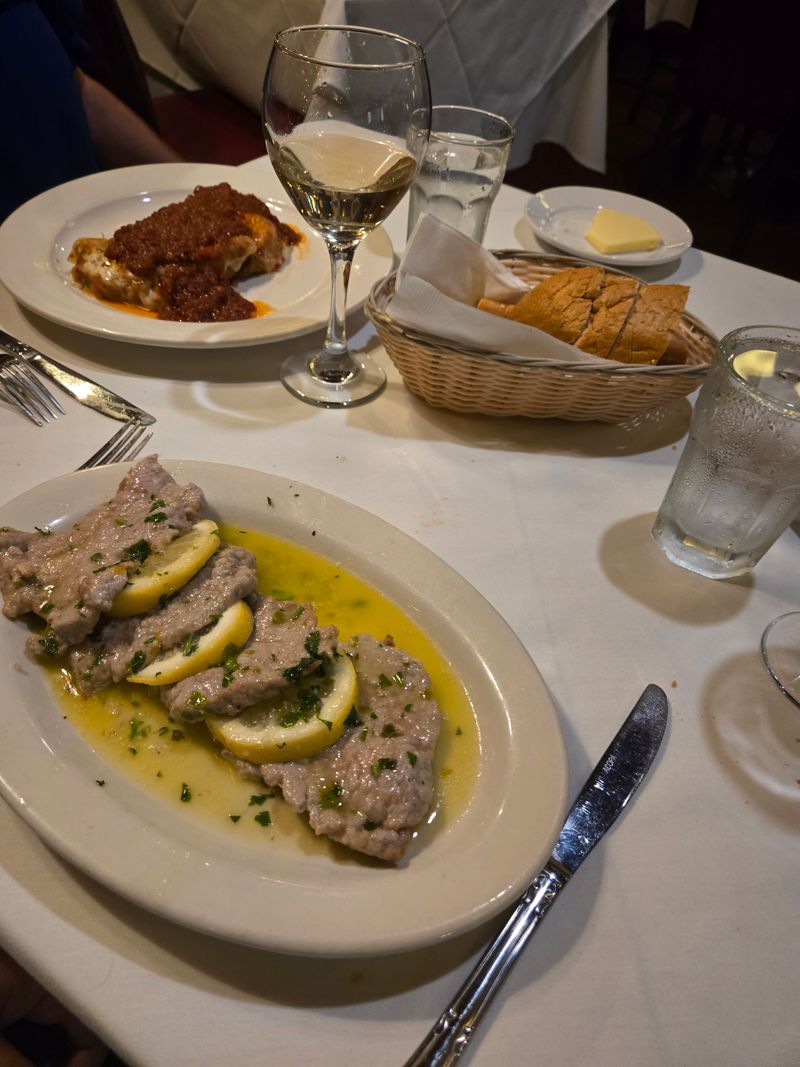
Lamb chops appear frequently in customer testimonials, cooked properly and served without unnecessary embellishment. The lasagna follows traditional layering techniques, though some recent reviews suggest inconsistency in execution.
Every entree includes multiple courses, beginning with warm bread and an antipasto relish tray that sets an immediate tone of abundance. Homemade soups follow, then crisp salads, before the main dish finally arrives accompanied by either pasta with meat sauce or potatoes with green beans.
This progression mirrors dining customs from an earlier era when meals unfolded slowly across multiple stages.
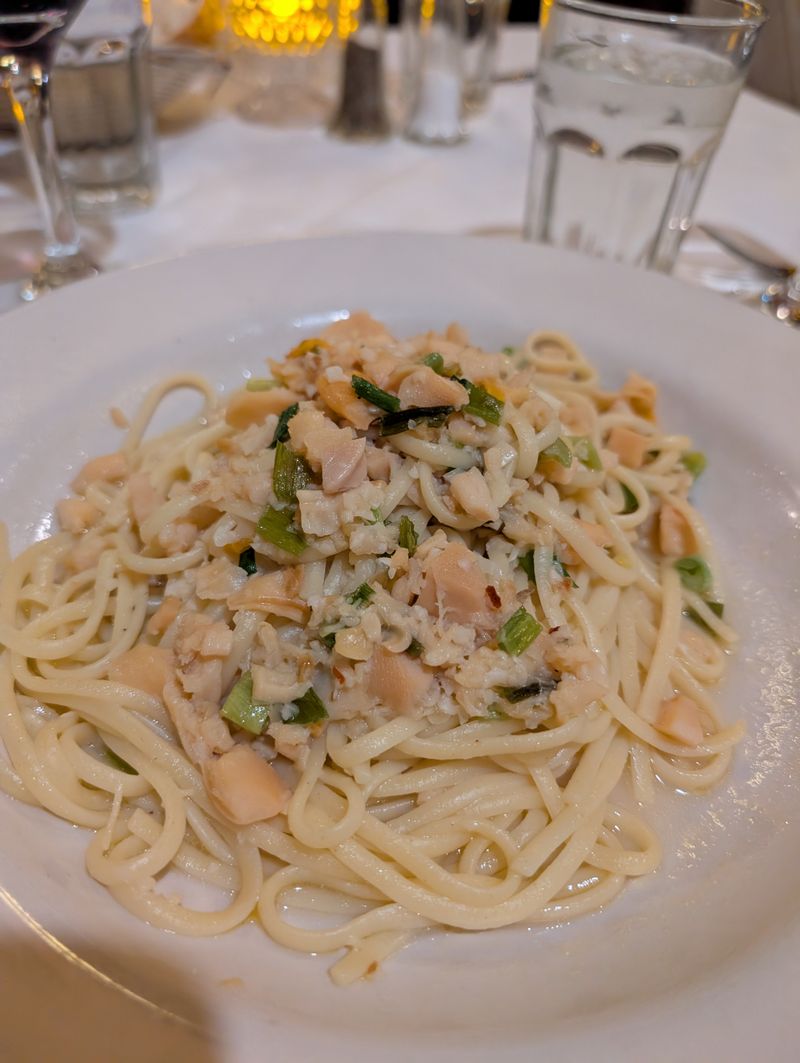
Seafood pasta and chicken piccata round out the offerings, alongside specialties like Chateaubriand for those seeking something more substantial. The kitchen understands its strengths and sticks to preparations that have satisfied customers for decades.
Innovation takes a back seat to reliability, which aligns perfectly with what most patrons seek when they choose Mario’s over trendier alternatives scattered throughout Detroit’s evolving restaurant landscape.
Nothing About The Space Tries To Feel Trendy
Walk past any newly opened restaurant and you will likely encounter exposed brick, Edison bulbs, and reclaimed wood arranged to project carefully calculated casualness. Mario’s contains none of these currently fashionable elements.
The decor remains firmly rooted in the aesthetic preferences of several decades ago, complete with carpeting, upholstered seating, and traditional lighting fixtures that provide function over Instagram appeal.
This resistance to renovation might read as neglect in some establishments, but here it feels intentional. The restaurant knows its audience and understands that many customers specifically seek environments untouched by contemporary design trends.
The slightly worn quality of certain furnishings adds authenticity rather than detracting from the experience, proving that a space occupied continuously for seventy-five years should show some honest signs of use.
The bathrooms have drawn occasional criticism in reviews, suggesting that some practical updates might improve guest comfort without compromising historical character. Still, the overall refusal to chase current aesthetics distinguishes Mario’s from competitors who constantly reinvent themselves chasing the next wave of dining fashion that will inevitably crest and recede within a few short seasons.
Regulars Return Because It Still Feels Familiar
Customer reviews frequently mention returning after many years away, sometimes spanning decades between visits. These guests consistently express relief at finding the restaurant largely unchanged from their memories.
One reviewer described bringing family members to experience the same environment they enjoyed during previous generations, creating a tangible link between past celebrations and present gatherings.
This continuity matters more than most modern restaurateurs might assume. People develop deep attachments to places that witnessed important life moments, and Mario’s has accumulated thousands of such memories across its long operation.
The staff recognizes regular customers by name, according to multiple reviews, with particular praise directed toward servers like Vince and Roy who treat guests like extended family rather than transactional encounters.
The restaurant’s longevity as Detroit’s oldest Italian establishment stems partly from this loyalty loop, where satisfied customers become ambassadors who introduce new generations to the experience. Management under Lou, Shawna, and Leeah maintains standards that honor tradition while ensuring service quality remains consistent enough to justify continued patronage from families who have made Mario’s part of their personal history over multiple decades of Detroit dining evolution.
The Service Style Feels Old-Fashioned In The Best Way
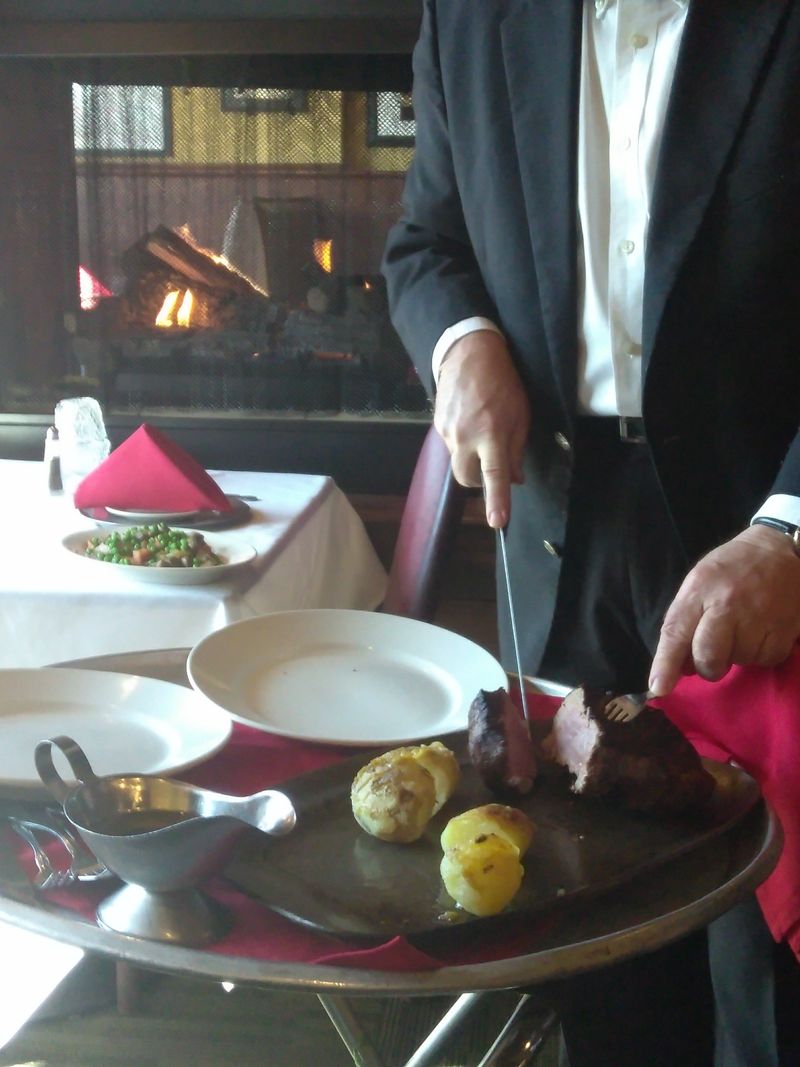
The entire wait staff wears tuxedos, a detail that immediately signals formality rarely encountered in contemporary dining. These are not costumes worn ironically but professional uniforms that reflect the seriousness with which the restaurant approaches hospitality.
Servers prepare Caesar salads tableside, tossing fresh ingredients and mixing dressing in full view of guests who appreciate the theatrical element alongside the practical benefits of customization.
This level of service requires training and experience that cannot be rushed. Multiple reviews praise specific servers for their attentiveness, professionalism, and ability to anticipate needs without hovering.
The valet parking adds another layer of convenience, particularly valuable given Detroit’s downtown parking challenges and weather extremes that make self-parking less appealing during winter months.
Some recent reviews document service failures, particularly around understaffing during busy periods or large group bookings. These complaints stand out precisely because they violate expectations established by the restaurant’s reputation.
When service functions properly, it elevates the entire experience, transforming a simple meal into something that feels genuinely special and worth the premium pricing that accompanies this level of traditional hospitality and careful attention to detail.
The Restaurant’s Location Keeps It Tied To Detroit’s Cultural History
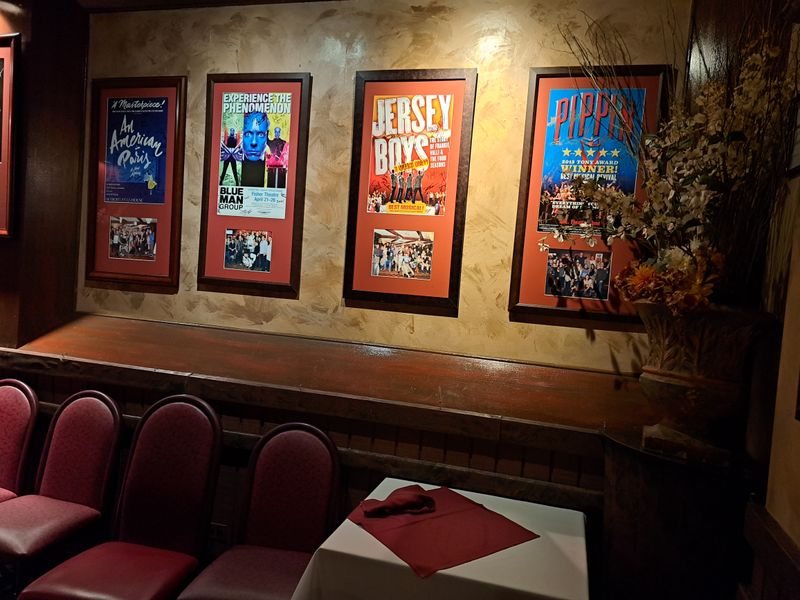
Mario’s sits in an area rich with Detroit’s cultural infrastructure, positioned near venues like the Fox Theatre and MGM Grand Detroit. The restaurant capitalizes on this proximity by offering dinner and show packages that include shuttle transportation to nearby entertainment destinations.
This integration with the broader cultural landscape makes Mario’s more than just a dining destination but rather a component of complete evening experiences centered around Detroit’s performing arts scene.
The Second Avenue location places the restaurant within reach of downtown workers, theater patrons, and residents who value establishments with genuine historical connections to the city. Detroit’s manufacturing heritage created the prosperity that originally sustained restaurants like Mario’s, and the establishment has survived economic downturns that eliminated many competitors who lacked the same deep community roots and loyal customer base built over generations.
The Opera House proximity gets mentioned in customer reviews, indicating that many diners strategically choose Mario’s when attending performances at nearby venues. This symbiotic relationship between restaurant and cultural institutions strengthens both, creating a dining district atmosphere that benefits from concentrated foot traffic and shared audiences who appreciate traditional approaches to both cuisine and entertainment within Detroit’s evolving urban core.
Mario’s Feels Like A Night Out From Another Era
Dining at Mario’s requires a different mindset than most contemporary restaurant visits. Guests arrive expecting a leisurely progression through multiple courses rather than quick service optimized for table turnover.
The pace encourages conversation and connection, with meals stretching across two or three hours when the kitchen and service function smoothly. This temporal generosity feels increasingly precious in a culture that treats efficiency as the highest virtue.
The dress code remains unwritten but understood, with most guests choosing attire that matches the formality of the setting. Jeans and sneakers would not violate any posted policy, but they would feel contextually inappropriate given the tuxedoed servers and white tablecloth elegance.
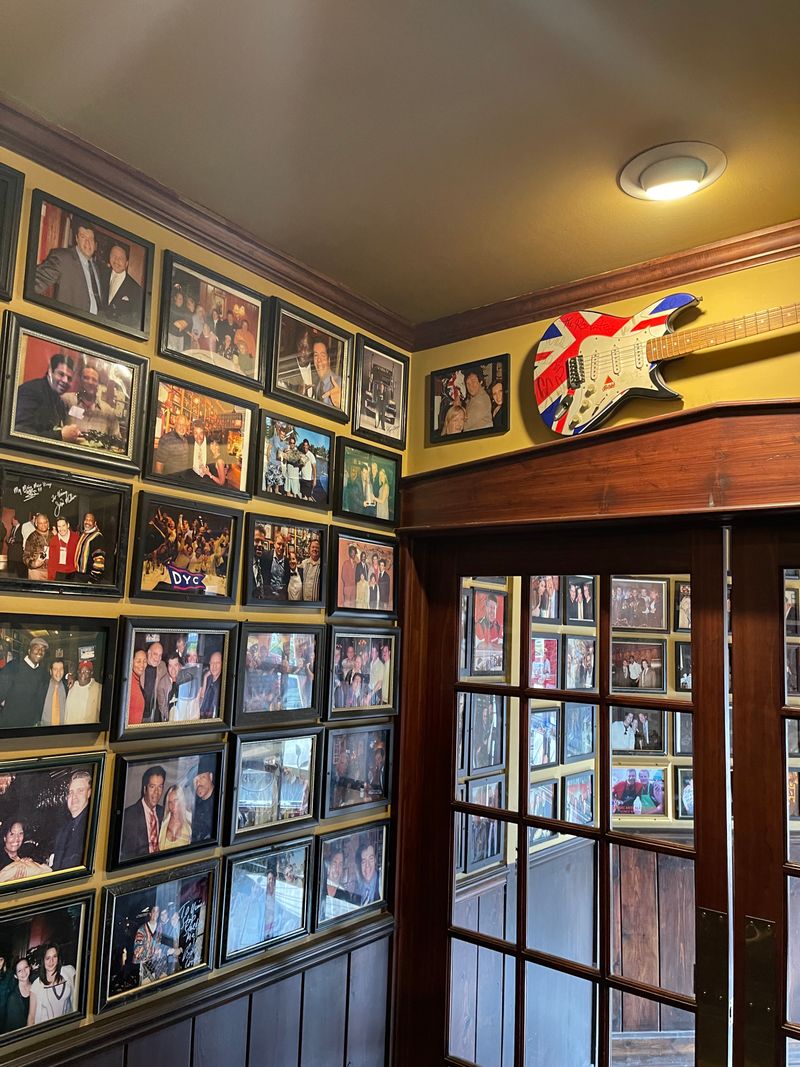
This unspoken agreement between restaurant and clientele maintains an atmosphere that photographs from the seventies would recognize immediately.
The entire concept of the supper club, combining food, music, and dancing into a single destination, has largely disappeared from American dining culture. Mario’s preservation of this model offers something genuinely rare, a chance to experience an evening structured around pleasure and celebration rather than mere sustenance, reminding diners that restaurants once aspired to provide complete entertainment rather than just efficient fuel delivery.
The Seventies Vibe Is Intentional, Not Accidental
Some restaurants accidentally become time capsules through neglect or financial inability to renovate. Mario’s appears to have made a conscious choice to maintain its seventies character as a defining feature rather than a liability requiring correction.
This decision demonstrates remarkable confidence in understanding what the establishment offers and who comprises its core audience. The restaurant recognizes that attempting to compete with modern design trends would sacrifice its primary competitive advantage.
The decor, music selection, service style, and menu all align to create a cohesive experience that transports diners backward several decades. This consistency prevents the jarring disconnection that occurs when restaurants mix contemporary and vintage elements without clear purpose.
Everything works together to reinforce a singular vision of what dining meant during an era when going out for Italian food represented a significant occasion worthy of special clothing, advance reservations, and unhurried enjoyment.
Management’s commitment to this aesthetic requires turning away potential customers who prefer Edison bulbs and small plates. That willingness to maintain identity rather than chase broader appeal explains how Mario’s has survived while countless competitors disappeared chasing temporary trends that quickly faded, leaving those establishments without distinctive character or loyal followings to sustain them through inevitable economic downturns.