
Still Water, Tall Trees, And A Hidden Minnesota River That Feels Like The World Left It Alone On Purpose
You know that feeling when you find a place so untouched it almost feels unfair that you get to be there?
Minnesota has been sitting on exactly that kind of secret, a remnant hardwood forest where the trees have never been cleared, where a waterfall hides at the end of a short trail, and where a flower grows that exists nowhere else on Earth.
The spring forest floor alone is worth the drive, blanketed in rare wildflowers that bloom for just a few weeks before disappearing until next year.
Minnesota rewards the visitors who show up for this one, with 11 miles of quiet trail, wildlife around every bend, and the kind of stillness that only old-growth forest can deliver.
The Last Big Woods Standing
Most forests in Minnesota have been cleared, farmed, or developed. This one survived.
Nerstrand Big Woods State Park protects one of the last remaining fragments of the “Big Woods,” a vast hardwood forest that once stretched across much of the upper Midwest. Before European settlement, these woods covered enormous stretches of land.
Today, only small pockets remain, and this park is among the most significant.
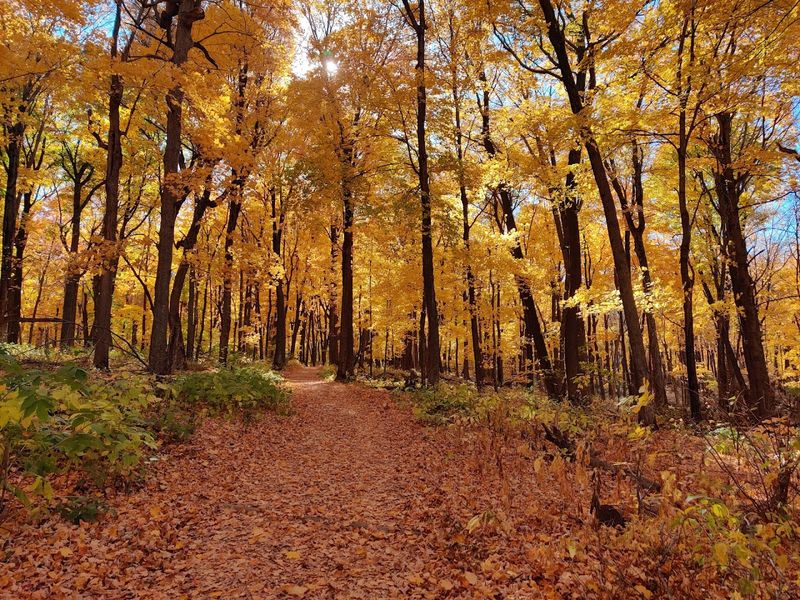
The trees here are extraordinary. Sugar maple, basswood, elm, green ash, and ironwood grow tall and close together, their canopies blocking out the sky.
The Big Woods Trail offers some of the best views of the oldest and straightest specimens in the park.
Walking beneath these trees feels different from other hikes. The forest has a weight to it, a quiet density that younger woodlands simply do not have.
Minnesota has worked hard to protect this place, and spending time here makes it easy to understand why that effort matters so much.
Prairie Creek And The River That Moves On Its Own Schedule
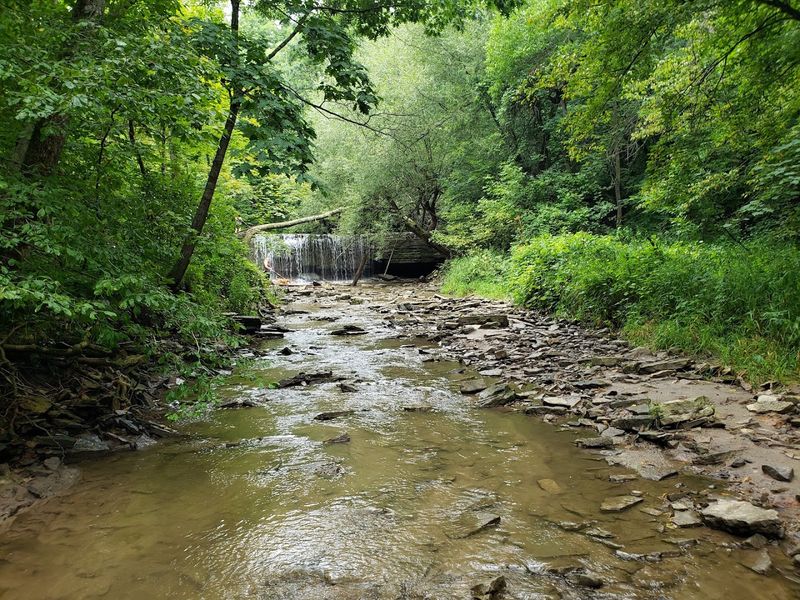
Prairie Creek does not rush. It moves through the park at its own unhurried pace, cutting a shallow path through limestone and tree roots.
The creek is the park’s main water feature, and it shapes nearly every trail experience here. Hikers cross it using concrete stepping stones called Crossing Bars, which provide access to the northern trail loops.
On a quiet weekday, the sound of water moving over stone is often the only sound worth noticing.
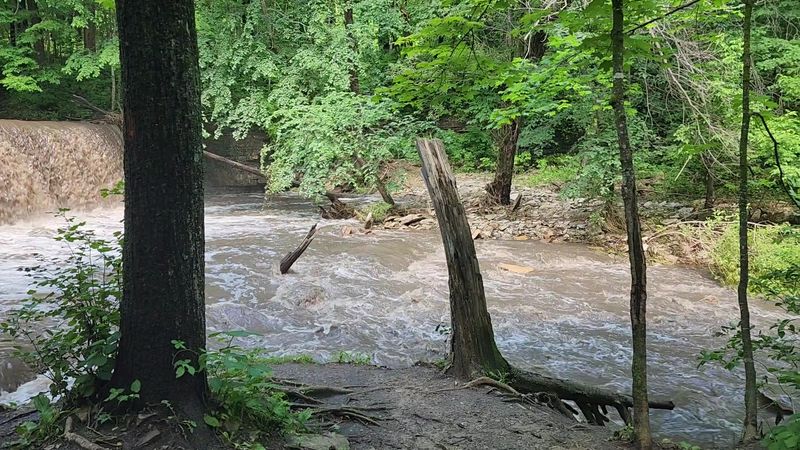
Water levels in Prairie Creek vary significantly depending on recent rainfall. After a good rain, the creek runs with more energy and character.
During dry stretches, it becomes very shallow, almost still in places. Either way, it adds life and movement to a forest that might otherwise feel completely frozen in time.
Following the trail alongside the creek is one of the most satisfying ways to explore the park. The combination of moving water, old trees, and cool shade creates an atmosphere that is hard to replicate anywhere else in southern Minnesota.
Hidden Falls And The Hike Worth Every Step
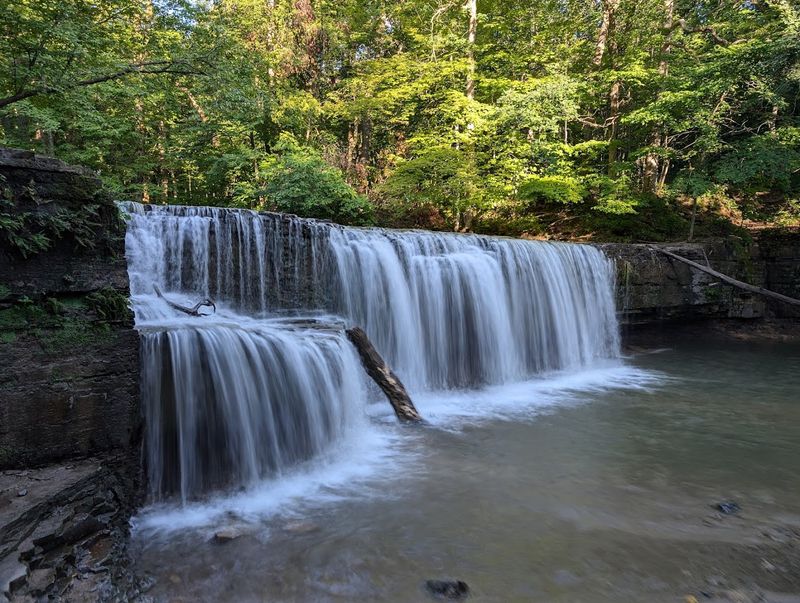
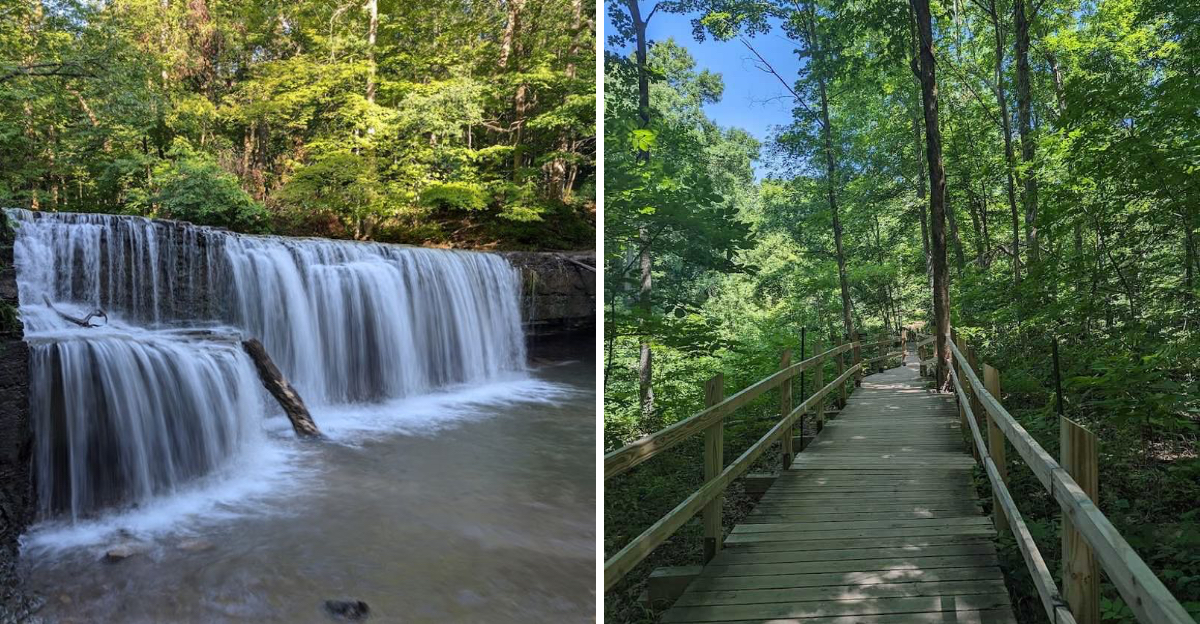
Hidden Falls is the park’s headline act, and it earns that title every single season.
The waterfall drops about 20 feet over a limestone ledge on Prairie Creek, tucked into a narrow wooded ravine roughly half a mile from the picnic area parking lot. The hike to reach it is short and accessible for most visitors, though some sections include roots and mild elevation changes that keep things interesting.
Spring is peak season for the falls. Snowmelt and spring rains push water volume up, making the cascade louder and more dramatic.
Summer and fall visits are quieter, with lower water flow but equally beautiful surroundings. In winter, the falls freeze into a sculpted ice formation that draws snowshoers and cross-country skiers from across the region.
The spot near the base of the falls is a natural gathering place. Kids splash at the edge, adults sit on rocks nearby, and everyone seems to slow down instinctively.
It is one of those places in Minnesota where time simply stops feeling urgent.
Wildflowers So Rare They Only Grow Here
Forget the waterfall for a moment. The most scientifically remarkable thing in this park grows close to the ground.
Nerstrand Big Woods State Park is home to the dwarf trout lily, a federally endangered wildflower found in only three counties in Minnesota and nowhere else on Earth. The plant is endemic to this region, meaning it evolved here and has no other natural home.
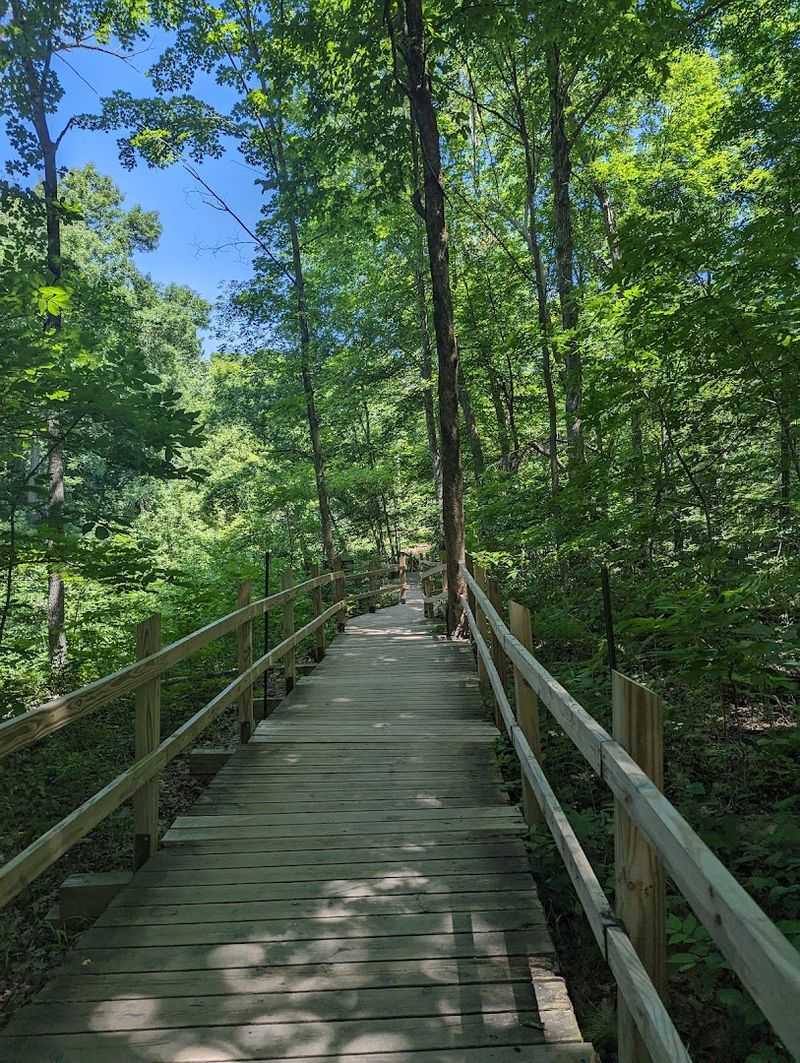
Colonies of dwarf trout lily bloom in spring, and the park has installed a boardwalk specifically to allow visitors to view them without damaging the fragile habitat.
Beyond the trout lily, the park supports more than 200 species of wildflowers, ferns, and mushrooms combined, transforming the forest floor each spring into something resembling a botanical garden, except entirely wild and unmanaged. The spring bloom season transforms the forest floor into something resembling a botanical garden, except entirely wild and unmanaged.
Visiting during peak bloom, typically mid-April through May, offers one of the most unique nature experiences in Minnesota. Bring a camera, move slowly, and stay on designated paths to protect what cannot be replaced.
Eleven Miles Of Trail And Zero Crowds
Eleven miles of trail sounds like a lot until you realize how easy it is to lose yourself in them.
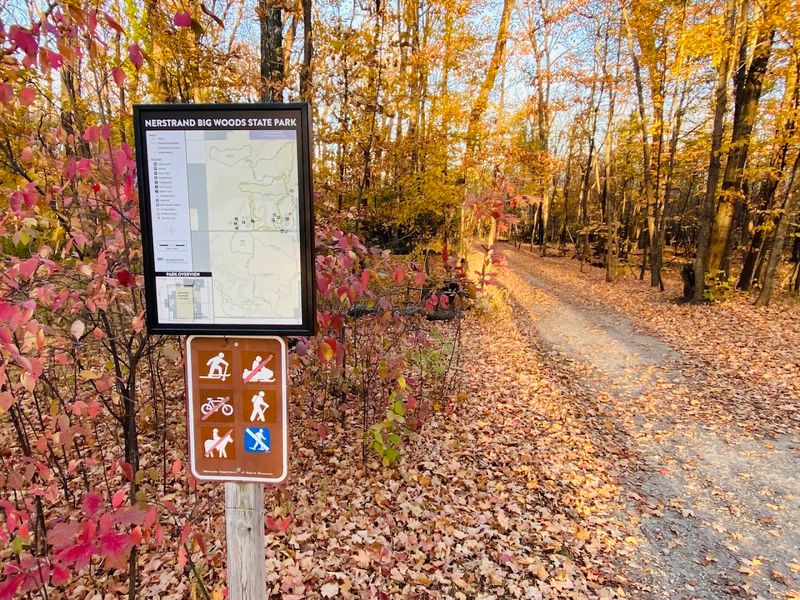
The park at 9700 170th St E, Nerstrand, MN 55053, offers a network of clearly marked trails that range from flat and easy to moderately hilly. Signs at trail intersections make navigation straightforward, and the well-maintained paths mean hikers can focus on the forest rather than their footing.
Two separate parking areas sit close to the trailheads, making access simple from the start.
On most weekdays, the park sees very light traffic. The trails feel genuinely quiet, with long stretches where a hiker might not see another person for half an hour or more.
Weekends can bring more visitors, particularly to the Hidden Falls Trail, but the northern loop trails tend to stay peaceful even then.
The park also features an interpretive trail with informational markers about trees, ecology, and forest history. It is a smart option for families or anyone who wants to understand the landscape while moving through it.
What Happens When Water Stays Too Long
Not everything in this forest is thriving. Some parts of the park tell a quieter, more complicated story.
Over the past few decades, rainfall patterns in the region have shifted. Flat, low-lying areas of the park now hold water for longer periods than they once did.
The sugar maples and basswoods that define the Big Woods ecosystem need relatively dry soil to survive. Prolonged wet conditions stress these trees and, over time, many have perished.
Green ash trees are moving in to replace them. Ash tolerates wet soil far better than maple or basswood.
However, ash faces its own serious threat in the form of the Emerald Ash Borer, an invasive beetle that has caused widespread damage across Minnesota and much of the country.
Park managers and the Minnesota Department of Natural Resources monitor these changes closely. The situation is a real-time example of how ecosystems shift under environmental pressure.
For visitors paying attention, the contrast between the lush Big Woods canopy and the struggling wet zones adds a layer of ecological depth to any hike through the park.
Winter Turns This Forest Into Something Else Entirely
Summer gets the attention, but winter might be the park’s most dramatic season.
When snow covers the forest floor, the trails transform into cross-country ski and snowshoe routes. The park offers snowshoe rentals, making it easy for first-timers to explore the woods without specialized gear.
Designated snowmobile trails also run through the park, adding another option for winter visitors.
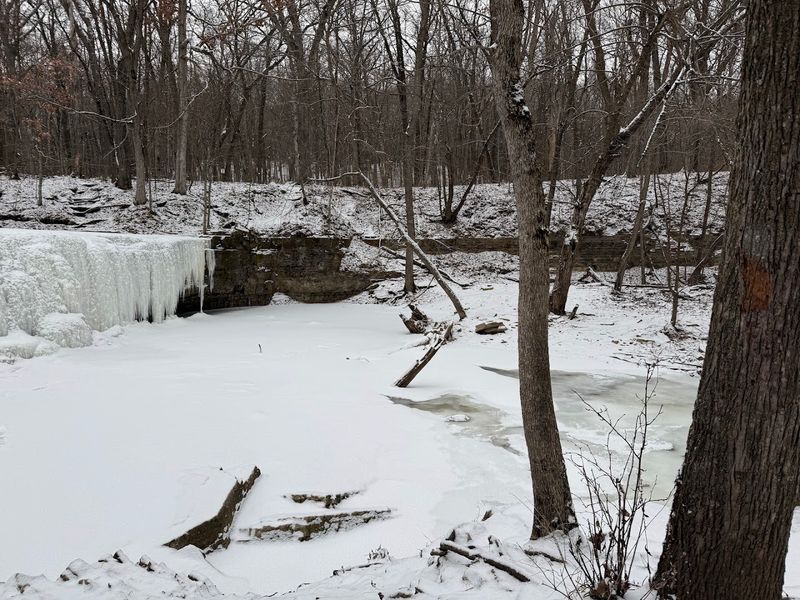
Hidden Falls takes on a completely different personality in cold weather. The cascade freezes into a layered ice sculpture, with water still moving beneath the surface in places.
Reaching it on snowshoes through a silent winter forest is an experience that feels genuinely unlike anything a summer visit can offer.
The hardwood trees, stripped of their leaves, reveal the architecture of the forest in a way that warmer months hide. Tall, straight trunks rise from the snow in clean vertical lines.
Animal tracks cross the trails frequently, hinting at the deer, birds, and small mammals that stay active through the cold Minnesota months. Winter visitors often have the entire park nearly to themselves.
Camping Under A Canopy That Earns Its Reputation
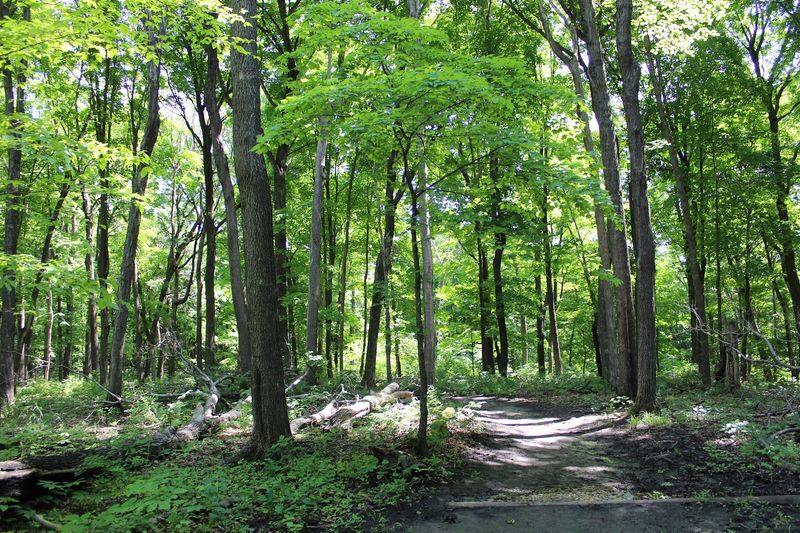
Camping here is not about amenities. It is about what surrounds the campsite.
The campground at Nerstrand Big Woods State Park sits within the forest, with sites positioned beneath the hardwood canopy. The setting is peaceful and shaded, and the sound of wind through the treetops replaces the usual background noise of daily life.
The campground is small and cozy by design, which keeps the atmosphere calm even when it fills up.
Tent sites come with large tent pads, and electric sites offer a practical option for those who need a power connection. The roads through the campground are narrow and unpaved, so visitors with larger trailers should plan accordingly and check site dimensions before arriving.
Reservations are strongly recommended for weekends and peak season, as popular spots fill quickly.
The campground sits within walking distance of the ranger station, which is convenient for firewood and park information. Clean, modern restroom facilities with showers are available on site.
Waking up in this forest, with birds calling through the trees at first light, is a simple and deeply satisfying experience.
The Ravine, The Roots, And The Erosion Problem
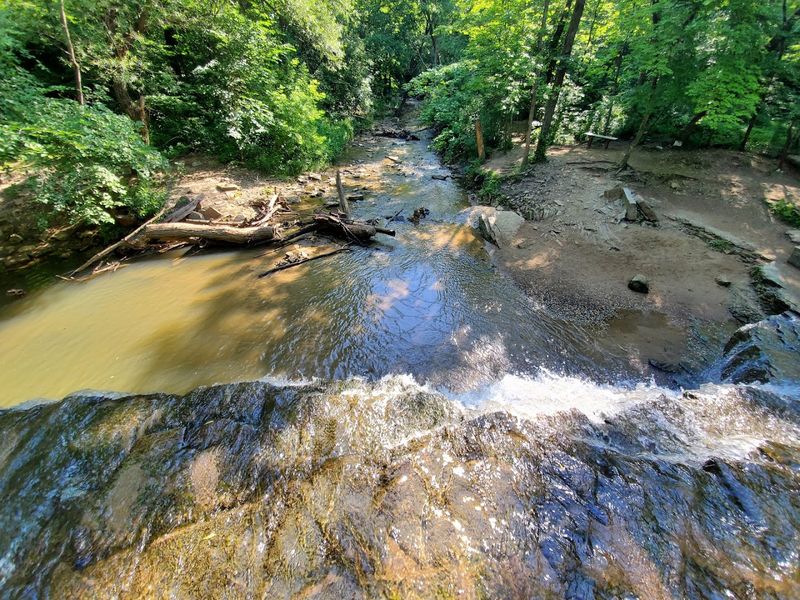
The northern part of the park holds one of its most visually striking and ecologically troubled features.
A ravine in this section has been experiencing significant erosion over time. Runoff has undercut the banks, destabilizing the soil and causing trees to tip and fall into the gully.
The scale of the erosion is visible from the trail, and it is a striking contrast to the stable, mature forest just a short distance away.
The Minnesota Department of Natural Resources has been actively working to address the situation. Erosion control is a complex challenge in a natural area, requiring careful approaches that do not further disturb the surrounding ecosystem.
Progress is ongoing, and the area continues to be monitored.
For hikers, the ravine is a compelling stop on the northern trail loop. It is raw and unpolished in a way that manicured parks rarely allow.
The exposed roots, the leaning trees, and the carved earth tell a story about what happens when water and gravity work on a landscape without interruption. Nature, it turns out, is not always tidy.
Practical Tips For Getting The Most Out Of Your Visit
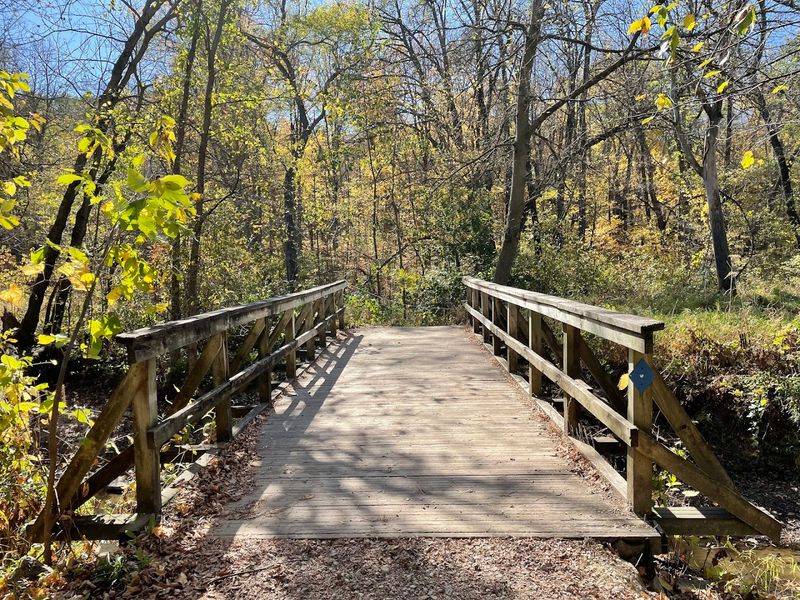
A little planning goes a long way at this park, and a few simple tips can make the difference between a good visit and a great one.
Spring is the strongest season for wildflower viewing, with peak bloom typically running from mid-April through May. The dwarf trout lily and dozens of other species put on their best display during this window.
Fall brings vivid maple color to the canopy, making October another excellent time to visit. Arriving on a weekday, or early on weekend mornings, significantly reduces the chance of encountering crowds near Hidden Falls.
Dogs are welcome on the trails, which makes the park a solid option for visitors traveling with pets. Day-use passes can be purchased online if the ranger station is unstaffed.
Staying on marked trails is essential, particularly in areas where endangered wildflowers grow near the boardwalk.
The park sits northeast of Faribault in Rice County, about an hour south of the Twin Cities. It is close enough for a day trip but rich enough in character to justify an overnight camping stay in the heart of the Minnesota woods.