
11 Storybook Little Communities In Tennessee That Feel Frozen In Time
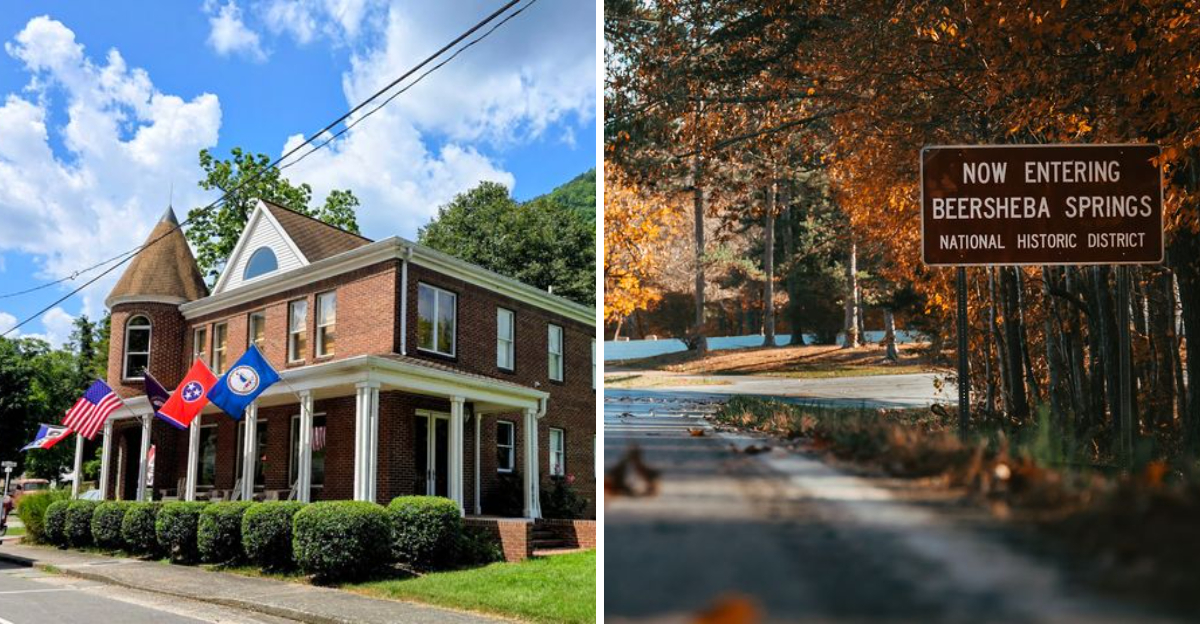
Time moves differently in Tennessee once the main roads fade behind you. One minute, you are chasing a quick weekend idea.
The next, you are standing beside old storefronts, quiet squares, painted porches, and streets that feel like they were sketched into a storybook. These little communities do not need flashing signs or big attractions to hold your attention.
Their charm comes through slowly. A brick building here.
A church steeple there. A café where the coffee tastes better because nobody seems in a rush. Ever wonder what it feels like to visit a place that still remembers its own rhythm?
Tennessee has plenty of small towns and villages where history, scenery, and everyday life still share the same sidewalk.
These are the places that make you slow down, look closer, and wish your afternoon had a few extra hours.
1. Rugby
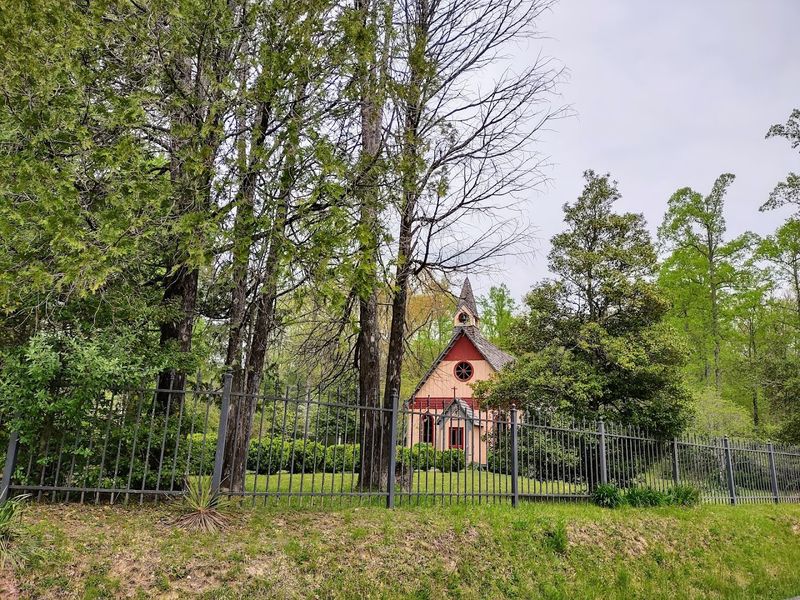
Imagine suddenly finding yourself surrounded by Victorian architecture that looks lifted straight from an English countryside novel.
Rugby sits on the Cumberland Plateau and was founded in 1880 by British social reformer Thomas Hughes as a utopian colony for younger sons of English gentry.
More than 20 of the original structures still stand today, including the beautiful Christ Church Episcopal, which still holds its original 1849 organ. The Historic Rugby museum offers guided tours that walk you through the colony’s fascinating and sometimes turbulent past.
Nature lovers will appreciate the Gentleman’s Swimming Hole Trail, a moderate hike that leads to a gorgeous natural pool in the Clear Fork River.
Rugby is the kind of place where every building has a story, every path has a purpose, and every visit feels like a chapter from a book you never want to put down.
2. Bon Aqua
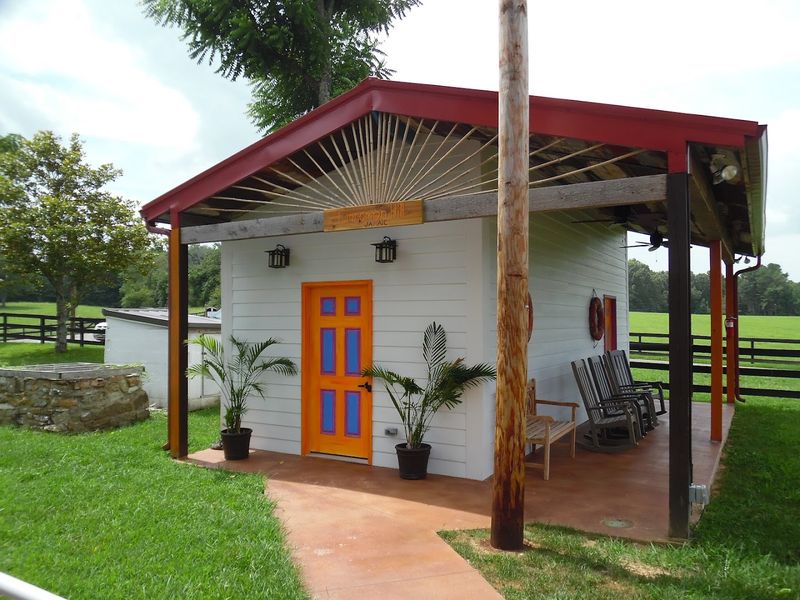
Not every legendary place announces itself with a billboard.
Bon Aqua, a tiny community in Hickman County is the kind of spot you almost miss if you blink on the highway, yet it carries a surprisingly rich cultural legacy.
Johnny Cash once owned a cabin retreat here, and the land still carries that same spirit of quiet reflection and creative solitude that drew him to it.
The surrounding countryside is a patchwork of rolling farmland, dense woodland, and old stone fences that make every drive feel like a slow-motion painting.
Bon Aqua earned its name from the French phrase for “good water,” a nod to the mineral springs that once made it a popular 19th-century health resort.
Visitors today come for the stillness, the scenery, and the chance to stand somewhere that once inspired one of America’s greatest musicians.
Sometimes the most powerful places are the ones that ask nothing of you except your attention.
3. Bell Buckle
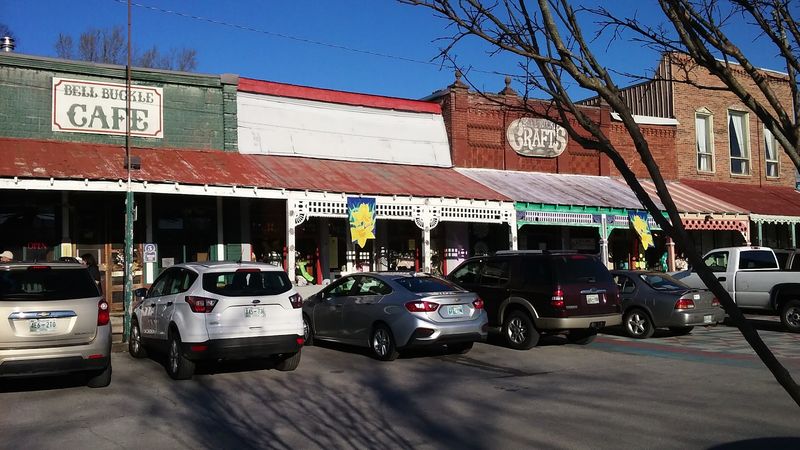
With a name as quirky as Bell Buckle, you already know this Tennessee town is going to deliver something special.
Located in Bedford County, this small railroad community has held onto its 19th-century character with a kind of stubborn, lovable pride that makes visitors feel instantly at home.
The downtown strip is lined with antique shops, craft galleries, and cozy cafes that occupy buildings dating back to the late 1800s.
Railroad tracks still run through the heart of town, and the old depot area gives Bell Buckle a wonderfully preserved, unhurried atmosphere that feels genuinely authentic.
Every summer, Bell Buckle hosts its famous RC Cola and Moon Pie Festival, a celebration so joyfully offbeat that it has become one of Tennessee’s most beloved annual events. The Webb School, a prestigious prep school founded in 1870, also calls this town home.
Bell Buckle proves that small-town charm and big-time personality can absolutely share the same zip code.
4. Leiper’s Fork
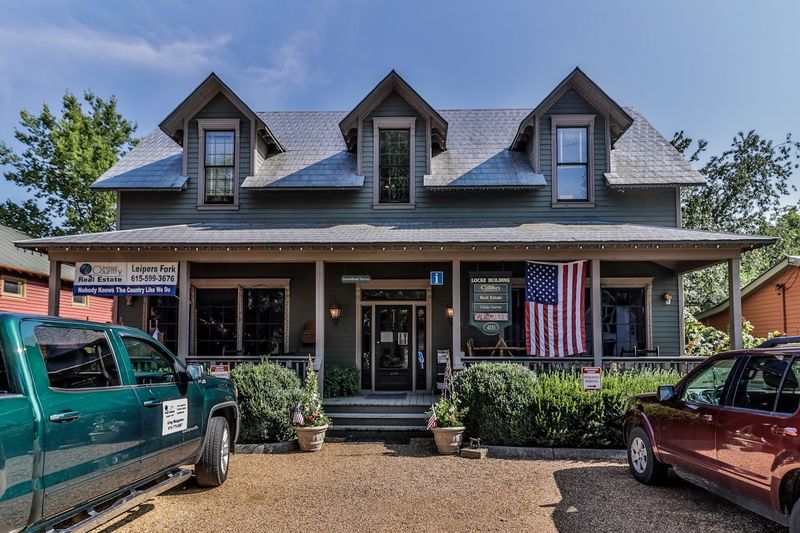
There is a certain kind of cool that cannot be manufactured, and Leiper’s Fork has it in abundance. This unincorporated community sits along a scenic stretch of road that feels a world away from the city’s noise and pace.
Art galleries, vintage boutiques, and locally owned diners line the short main stretch, creating a creative atmosphere that has long attracted musicians, painters, and writers seeking inspiration without the spotlight.
Live music spills out of small venues on weekends, giving the village a soulful, low-key energy that is hard to replicate.
The surrounding countryside is postcard-perfect, with horse farms, stone walls, and old barns dotting the landscape in every direction. Leiper’s Fork is also a popular stop on the Natchez Trace Parkway, one of America’s most scenic drives.
Whether you stop for a meal, a gallery stroll, or simply to breathe in the fresh country air, this place has a way of making you want to linger just a little longer.
5. Beersheba Springs
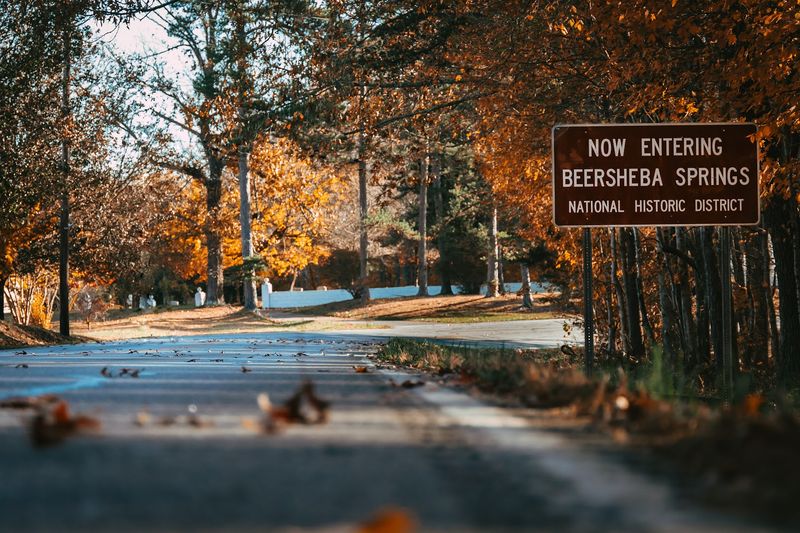
Perched on the edge of the Cumberland Plateau, Beersheba Springs carries the dignity of a place that once played host to Tennessee’s most prominent families during the antebellum era.
Founded as a summer resort community in the 1830s, it was named after Beersheba Cain, the woman who first discovered the local mineral springs.
By the mid-1800s, wealthy planters and politicians were making the journey up the plateau to enjoy the cool mountain air and healing waters.
The Beersheba Springs Hotel, now owned by the United Methodist Church and used as a conference center, still anchors the community with its old-world presence.
Stone cottages and historic structures line the bluff road, many of them dating back over a century and still privately owned by families with deep roots in the area. The views from the plateau edge stretch for miles across the valley below.
Beersheba Springs is not a tourist trap or a polished attraction; it is simply a place where history breathes slowly and the air feels cleaner than anywhere else.
6. Cumberland Gap
Few places in America carry the weight of history the way Cumberland Gap does.
This legendary mountain pass, located where Tennessee, Kentucky, and Virginia meet, was the primary gateway through the Appalachian Mountains for thousands of westward-bound settlers in the 18th and 19th centuries.
Daniel Boone famously helped blaze the Wilderness Road through this gap in 1775, and an estimated 300,000 pioneers followed that same route over the following decades.
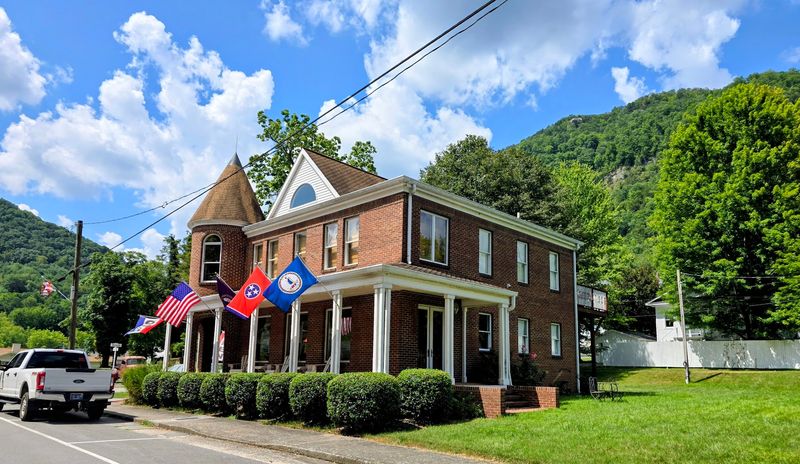
The small town of Cumberland Gap, Tennessee, sits right at the base of the pass and has preserved much of its historic character remarkably well.
The Cumberland Gap National Historical Park surrounds the town and offers hiking trails, historic fortifications, and sweeping overlooks that make the geography of the pass immediately clear.
Walking the main street of the town feels like a 19th-century frontier settlement, with brick storefronts and quiet sidewalks that invite slow exploration.
This is one of those rare places where American history is not just described but actually felt.
7. Ethridge
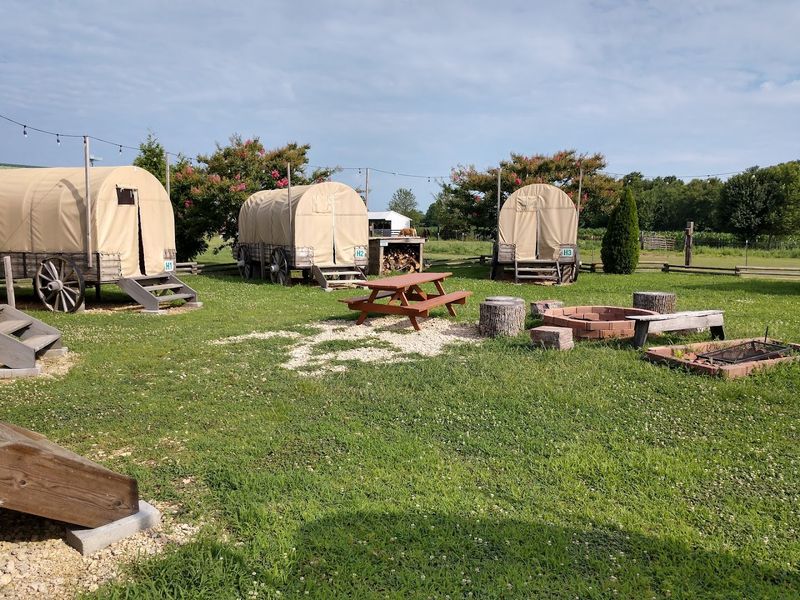
Somewhere between Lawrenceburg and Pulaski, time takes a different shape entirely.
Ethridge, a small community in Lawrence County, is home to one of the largest Amish settlements in Tennessee, and a drive through its back roads feels like a genuine journey into another century.
Horse-drawn buggies move along the roadside, handmade quilts hang from porch railings, and the smell of freshly baked goods drifts from simple farm stands where Amish families sell their handcrafted wares.
The pace here is not just slow; it is intentional, rooted in a way of life that prioritizes community and craftsmanship over convenience.
Visitors are welcome to stop at roadside stands and purchase quilts, jams, furniture, and baked goods directly from the families who made them. Respect for the community is essential, so photography of individuals is discouraged.
Ethridge is not a theme park version of rural life; it is the genuine article, and spending even a few hours here has a way of quietly recalibrating your sense of what actually matters.
8. Dandridge
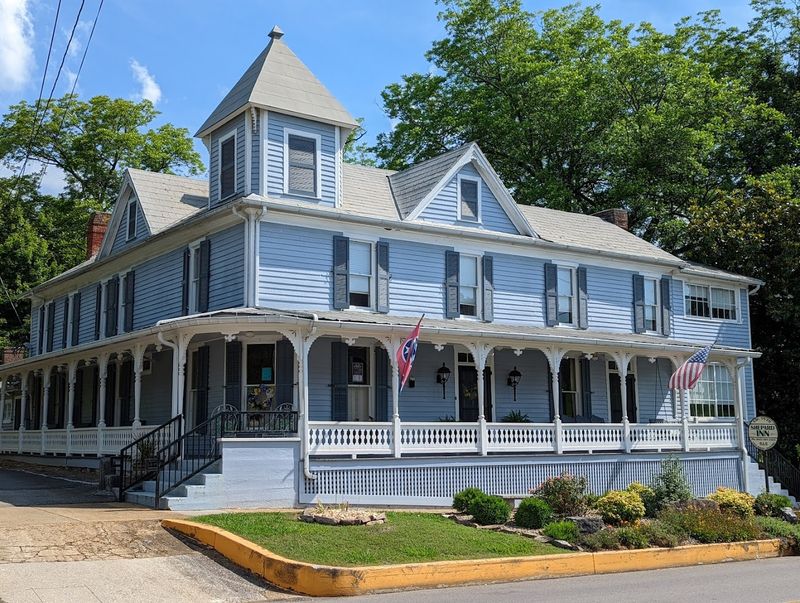
Dandridge holds the proud distinction of being Tennessee’s second oldest town, chartered in 1793 and named in honor of Martha Dandridge Washington, the first First Lady of the States.
Located in Jefferson County, this small community has somehow managed to keep its historic core remarkably intact despite the passage of more than two centuries.
The centerpiece of town is the stunning 1845 Jefferson County Courthouse, which still dominates the square and serves as a daily reminder of how deeply rooted this community’s civic life truly is.
Surrounding it are historic homes, old churches, and storefronts that have been quietly standing their ground since the 19th century.
What makes Dandridge even more remarkable is its proximity to Douglas Lake, which was created in the 1940s and now laps right up against the edges of the historic district.
The combination of mountain views, lake scenery, and colonial-era architecture gives Dandridge a layered beauty that few small towns can match.
Come on a weekday morning when the streets are calm and the courthouse square is all yours.
9. Pulaski
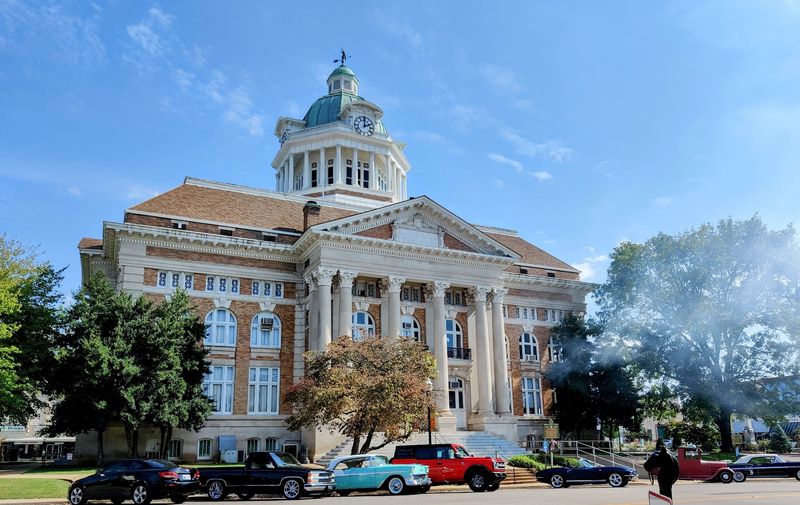
The courthouse square in Pulaski is the kind of place that makes you want to slow your car to a crawl and just look.
Located in Giles County in southern Tennessee, Pulaski is a town where classic Southern architecture and small-town life come together in a way that feels completely unforced.
Founded in 1809 and named after Revolutionary War hero Casimir Pulaski, the town carries a deep sense of history in every corner of its well-preserved downtown.
The Giles County Courthouse, a stately structure that anchors the square, has been a landmark since the 1909 and draws visitors who appreciate fine historic architecture.
The surrounding streets are lined with Victorian and Federal-style buildings that house local shops, restaurants, and offices, many of which have operated in the same locations for generations.
Pulaski also sits along the scenic Natchez Trace, adding even more historic context to a visit.
If you enjoy towns where the past is treated as something worth protecting rather than paving over, Pulaski will feel like a very welcome discovery.
10. Winchester
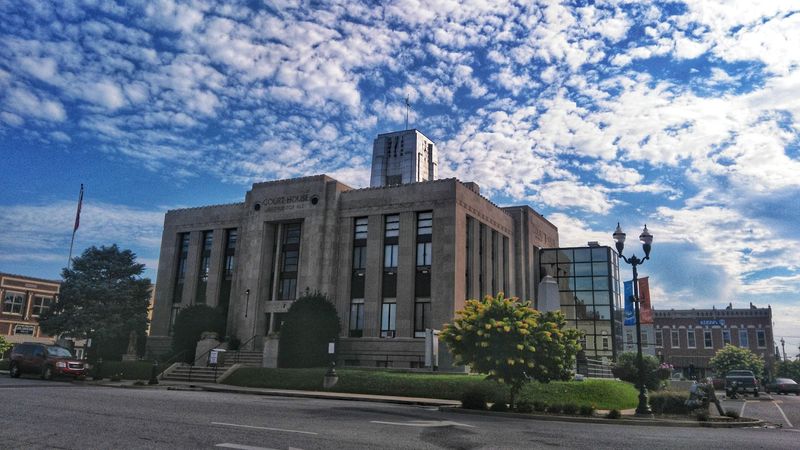
Winchester, the seat of Franklin County in south-central Tennessee, is the kind of town that rewards those who take the time to wander its streets without a particular agenda.
The downtown square, centered on the Franklin County Courthouse, has a classic, unhurried quality that feels rare in a modern world that rarely slows down.
Founded in 1809, Winchester grew steadily through the 19th century and developed a strong architectural identity that still defines its character today.
Historic homes, churches, and buildings from the 1800s are scattered throughout the town, many of them beautifully maintained by residents who clearly take pride in their community’s heritage.
The nearby Tims Ford State Park and Tims Ford Lake offer excellent outdoor recreation just minutes from the historic square, making Winchester a wonderful base for combining history with nature.
The town also has a lively local food scene that draws on traditional Southern cooking with real warmth and flavor.
Winchester is the kind of place where a short visit has a habit of turning into a long afternoon, and nobody seems to mind at all.
11. Tracy City
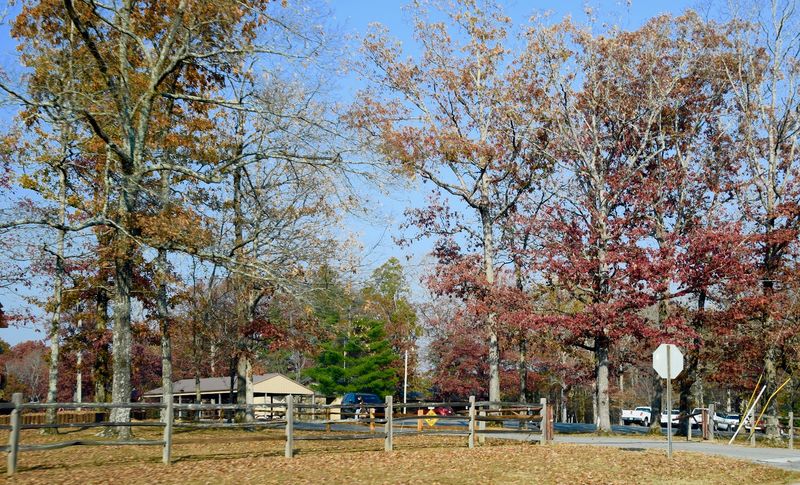
Sitting high on the Cumberland Plateau in Grundy County, Tracy City is a place where coal mining history and mountain solitude come together in a surprisingly compelling way.
The town was founded in the 1870s as a company town to support the nearby coal mines, and much of that industrial heritage is still visible in its architecture and layout.
The Fiery Gizzard Trail, one of most celebrated hiking routes, begins near Tracy City and winds through dramatic gorges, waterfalls, and over rocky bluffs that showcase the raw beauty of the plateau.
It is widely considered one of the best day hikes in the entire southeastern United States.
Downtown Tracy City retains a handful of historic storefronts and buildings that hint at the town’s more prosperous past, giving it a slightly melancholy character that feels honest.
The Dutch Maid Bakery, reportedly the oldest family-owned bakery in Tennessee, has been producing traditional breads and pastries here since 1902.
Tracy City is for travelers in Tennessee who appreciate places that wear their history plainly, without any need for embellishment.