
Summer Is Over But This Tennessee Farmers Market Keeps Going All Year Long
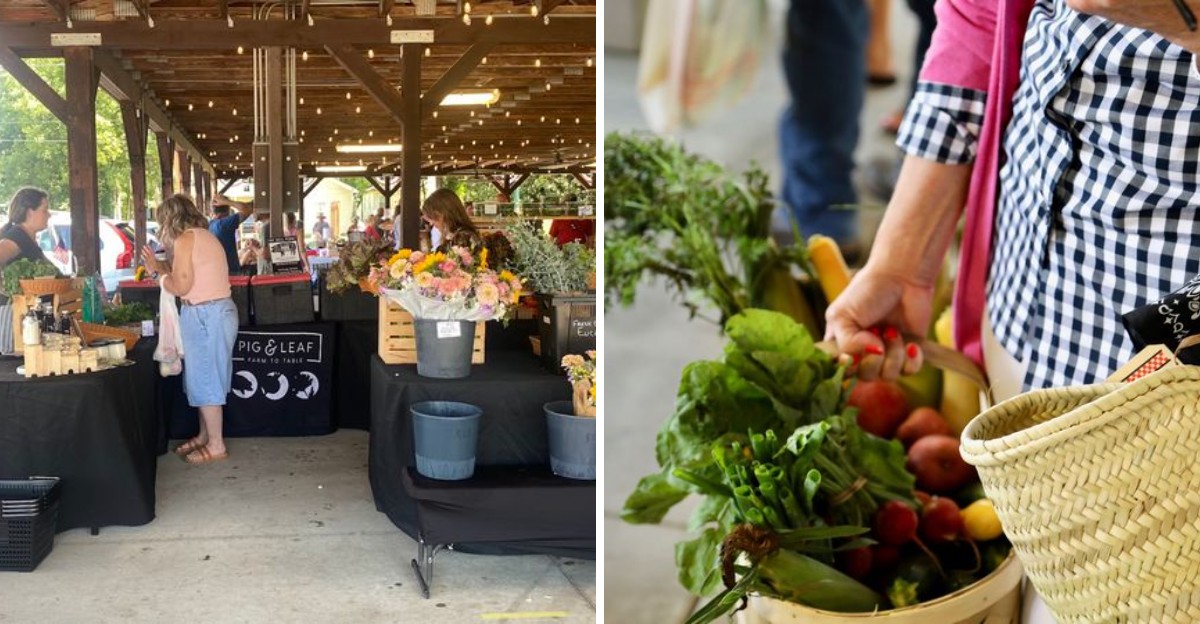
Most farmers markets start winding down once summer slips away. This Tennessee market keeps the tables full long after the hottest days are gone.
That means fall does not have to end your habit of shopping for local produce, baked goods, eggs, meats, honey, flowers, and handmade items. The selection shifts with the season, which gives every visit a slightly different feel.
One week may be all about late tomatoes and peppers, while colder months bring hearty produce, pantry staples, and goods made for slower meals at home.
There is something satisfying about knowing the market does not disappear with summer. You can keep supporting local growers and makers while picking up food that feels tied to the season.
If your weekend routine usually includes a farmers market stop, this year round Tennessee option gives you a reason to keep going well past September.
Saturdays That Never Take A Season Off
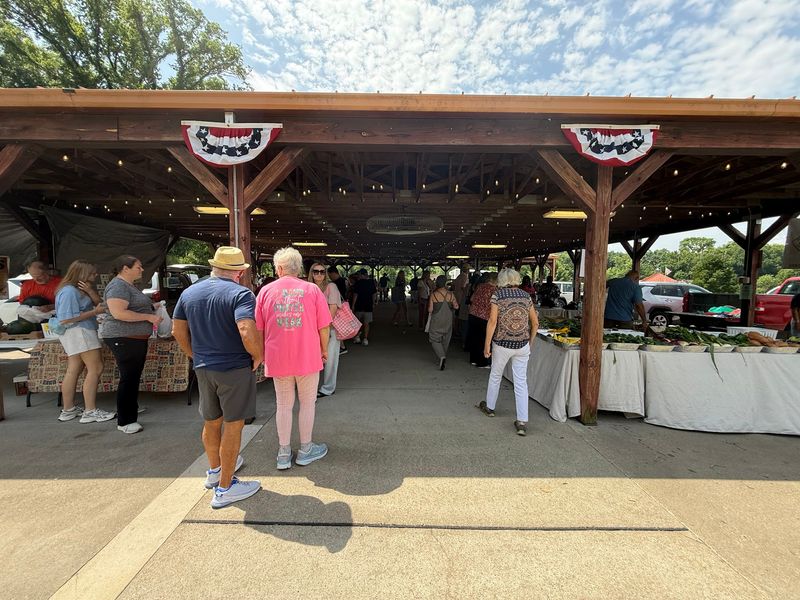
Some traditions survive because nobody gives them permission to stop. Every single Saturday, vendors roll into Riverwalk Park and set up shop.
Weather rarely changes the plan.
From May through October, the Columbia Farmers Market runs from 8:00 AM to noon. That early start matters more than you might think.
Shoppers who arrive first get the best pick of tomatoes, peaches, and fresh bread.
Once November arrives, the schedule shifts to a gentler 10:00 AM to noon. Those two hours move quickly.
Sleeping in is fine, but dawdling over coffee could cost you the last loaf.
The winter version feels different in a good way. Fewer crowds mean longer conversations with the people who actually grew your food.
You can ask how the greens were harvested and get a real answer.
Rain does not cancel anything. The pavilion covers the vendor rows, so drizzle becomes background noise rather than a dealbreaker.
A handful of sellers also appear on Tuesdays and Thursdays from 8:00 AM to noon during the growing season. Availability varies, so treat those days as a bonus rather than a guarantee.
Consistency is the quiet magic here. Same place, same morning, fifty-two weeks a year.
That kind of reliability turns a shopping trip into a Tennessee weekend ritual.
Riverwalk Park Sets The Scene
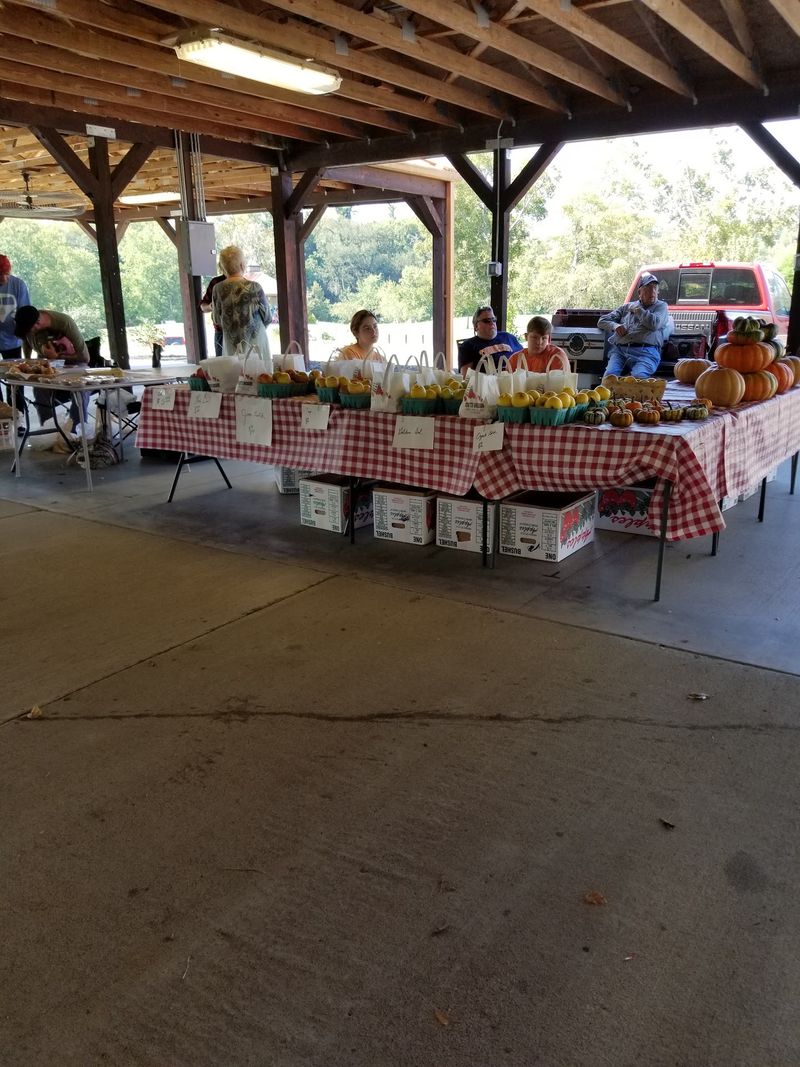
Location does a lot of heavy lifting at this market. The address is 102 Riverside Drive, Columbia, TN 38401, right inside Riverwalk Park.
Green space wraps around the whole operation.
Rather than a parking lot squeezed between buildings, shoppers get trees, walking paths, and river air. Families often turn the morning into a two-part outing.
Buy the vegetables first, then stretch your legs on the trail.
The covered pavilion is the heart of it all. Large fans keep the space comfortable when Tennessee humidity gets ambitious in July.
In colder months, the roof blocks wind and rain while leaving the air fresh.
Parking can fill up on busy peak-season mornings. Extra spots exist within the park, and the short walk over is pleasant rather than punishing.
Bring a wagon if you plan to stock up seriously.
Strollers roll easily across the paved areas. Kids tend to love the open layout because there is room to move without bumping into every table.
The setting also explains the relaxed pace. Nobody seems rushed, and vendors have space to spread out their crates properly.
Fun detail worth knowing: the market has been honored with Main Street Maury Awards. That recognition reflects how much the park location strengthens downtown Columbia life.
Cold-Weather Produce Worth The Trip
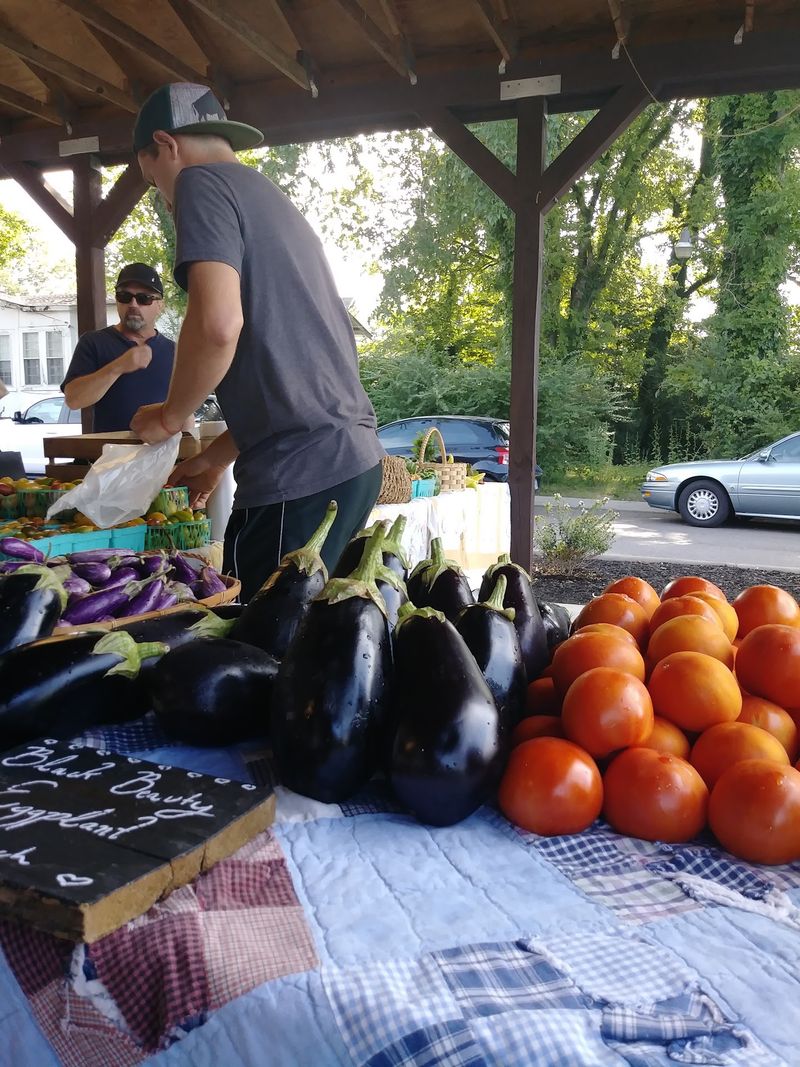
Winter produce gets unfairly overlooked. Tennessee soil keeps producing long after the tomato vines call it quits.
Hardy greens actually taste sweeter once cold weather sets in.
Expect to find seasonal vegetables that thrive in cooler months. Sturdy greens, root crops, and storage vegetables fill the tables when summer color fades.
Some growers offer organic options, so ask about their practices.
Cooking shifts along with the calendar. Roasting pans and soup pots replace the salad bowl.
A bag of mixed roots plus a good stock makes dinner almost by itself.
Peak season brings the famous stuff. Ripe tomatoes, bright peppers, squash, green onions, potatoes, and fruit stack up under the pavilion from May through October.
Both seasons have their fans. Summer dazzles with variety, while winter rewards cooks who appreciate depth of flavor over sheer volume.
Practical tip: bring your own bags and a cooler for longer drives home. Fresh produce picked that morning keeps better when it stays cool.
Talking to growers pays off too. They will tell you what is peaking that week and what is about to arrive.
That inside knowledge beats guessing in a grocery aisle every time.
Shopping here also keeps money circulating through Maury County farms.
Pasture-Raised Meats And Farm Eggs
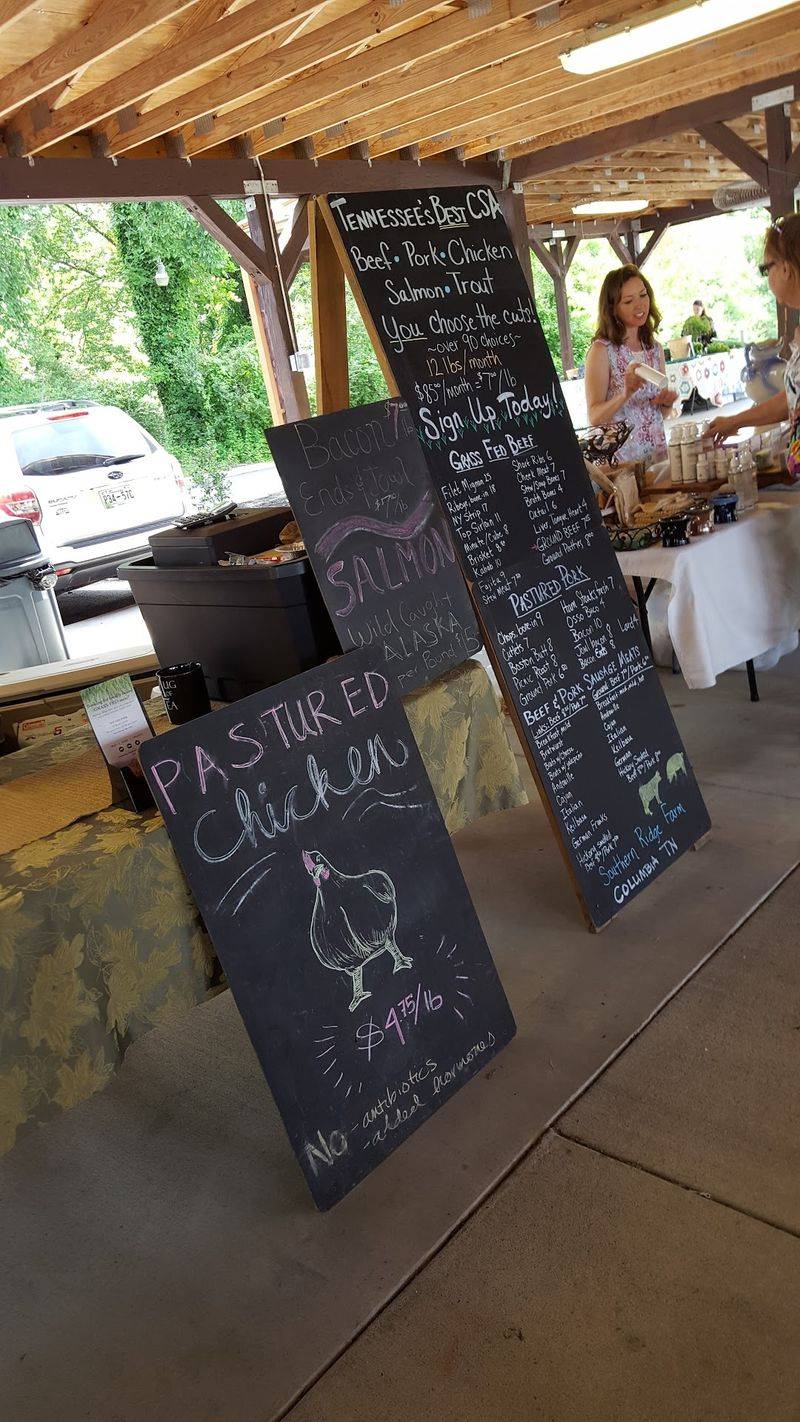
Protein shoppers have a real reason to show up early. Vendors at the Columbia Farmers Market offer locally raised meats, including beef and poultry, with selections varying by farm and season.
Supplies are limited, and popular cuts move fast.
Buying meat directly from the person who raised it changes the whole experience. You can ask about feed, pasture, and processing.
Answers come straight from the source, with no marketing fog in between.
Fresh eggs are another steady draw. Yolks from pasture-raised hens tend to be deep orange and rich.
Bakers notice the difference immediately in custards and cakes.
Goat cheese also turns up among the dairy offerings. Spread it on a slice of market bread with honey and you have a snack worth bragging about.
Cold months are honestly a great time for these purchases. Cooler temperatures make transport easier, and hearty meals call for good cuts.
One useful heads-up: many sellers prefer cash. Carrying bills saves time and avoids awkward moments at the table.
Freezer planning helps too. Buying a larger cut and portioning it at home stretches your budget across several weeks.
Relationships build naturally here. After a few Saturdays, farmers start setting aside your usual order before you even ask.
Bakers, Jams, And Honey Finds
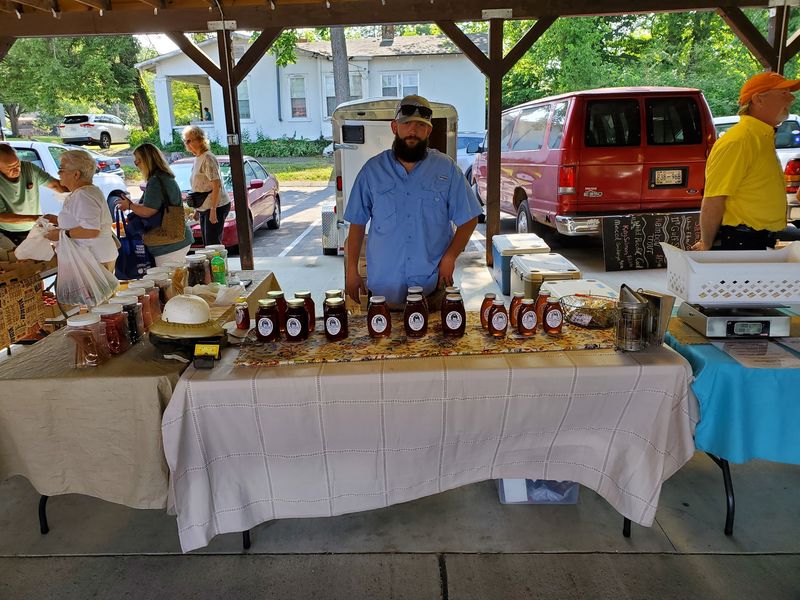
The smell hits you before the sign does. Baked goods hold a serious following at this market, and the bread tables rarely stay full past mid-morning.
Cookies and pies disappear just as quickly.
Loaves, sweets, and pastries come from small local bakers rather than distant factories.
Jams and canned goods line up in rows of glass jars. Preserves capture summer fruit and carry it straight through February.
Salsas add heat to winter cooking when fresh peppers are scarce.
Honey deserves its own mention. Local honey shows up regularly, and people stock up like it might vanish.
Elderberry syrup also finds a place on the tables during cooler months.
Pairing is half the fun. Grab a loaf, a jar of jam, and a wedge of goat cheese, and breakfast for the week is handled.
Arriving early makes the biggest difference for baked items. By eleven, the best-loved products are often just a memory.
Prices stay reasonable for handmade food. You are paying for real ingredients and small batches rather than shelf life.
Bring a sturdy basket so nothing gets squashed on the way home.
Flowers, Herbs, And Handmade Goods
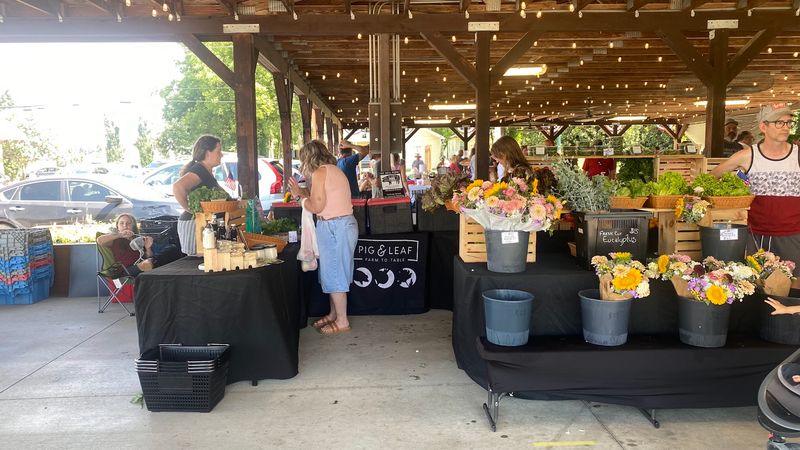
Bouquets change the mood of an entire aisle. Fresh flowers are a regular feature, and they brighten the pavilion even on gray mornings.
A few stems on the kitchen table can carry you through a dull week.
Herbs are sold alongside them, ready for cooking or planting. Fresh rosemary and thyme make a roasted chicken taste like something special.
Hand-crafted items round out the selection. Soaps, small crafts, and other handmade goods share space with the food vendors.
Gift shopping gets easy in December.
Buying a craft here means meeting the maker. Ask how something was made and you usually get an enthusiastic explanation, plus tips on caring for it.
Flowers also hold up surprisingly well when cut that morning. Trim the stems at home and change the water, and they last far longer than store bouquets.
Seasonal shifts keep the display interesting. Spring brings different blooms than late summer, so the color palette never repeats exactly.
Musicians occasionally play near the vendor rows, and bluegrass has been part of the soundtrack. A little live music turns errands into an outing.
Shoppers looking for something thoughtful and local rarely leave empty-handed. The variety rewards anyone willing to wander the full loop twice.
Muletown Community In Full Swing
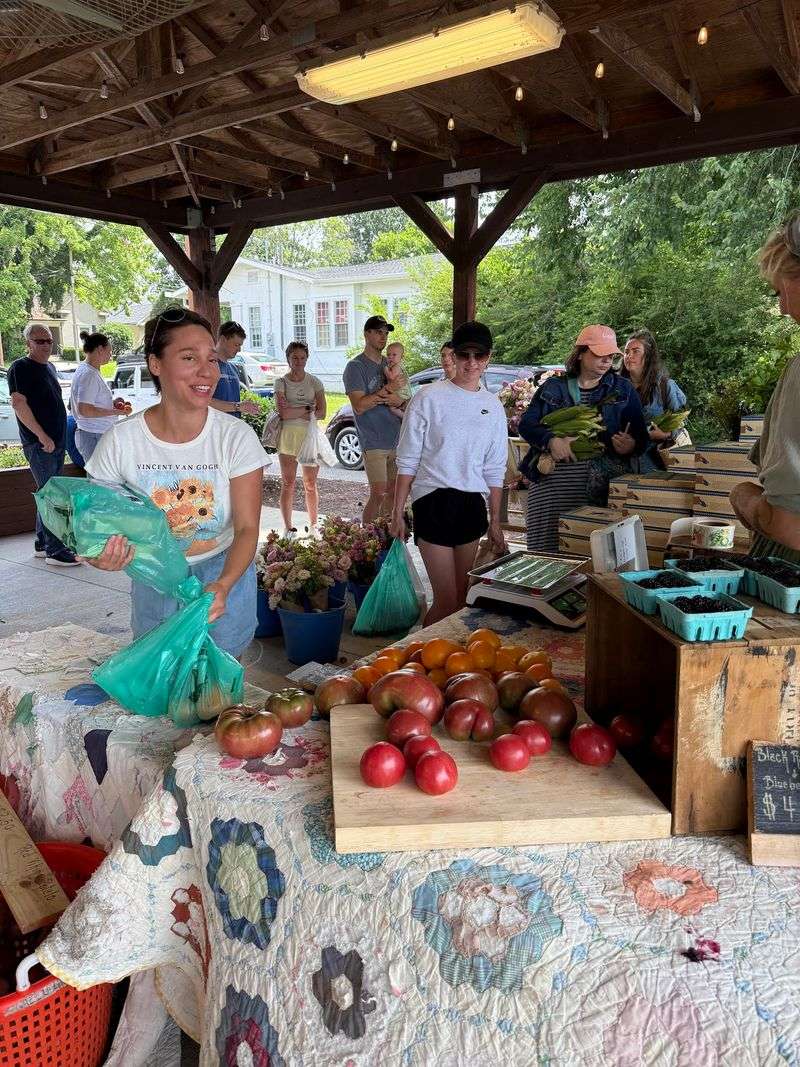
Columbia goes by the nickname Muletown, and the market fits that character perfectly. Neighbors greet each other across produce crates.
Conversations run long because nobody is in a hurry.
The market describes itself as rooted in community, and that shows in how it operates. Growers and shoppers know each other by name after a few months.
Children get an education without realizing it. Seeing carrots with dirt still clinging to them teaches more about food than any diagram.
Vendors are known for being approachable and helpful. Ask for a recipe suggestion and you will likely get two, along with a story about the farm.
Recognition has followed that spirit. Main Street Maury Awards have honored the market for its contribution to the local scene.
The atmosphere shifts a bit in winter. Smaller crowds create a cozier feel, and regulars linger over their coffee longer than usual.
Dollars spent here stay close to home. Supporting nearby farms strengthens the rural economy across Maury County and keeps farmland working.
For newcomers to Tennessee, a Saturday morning here is a fast way to feel connected. Two or three trips and you will start recognizing faces.
That sense of belonging is the real product on offer.
Helpful Tips Before You Visit The Market
A little planning turns a good market trip into a great one. Cash remains the safest bet, since many sellers at the Columbia Farmers Market prefer it and there is no ATM on site.
Small bills speed up every transaction.
Timing matters more than people expect. Peak-season hours run 8:00 AM to noon from May through October, and 10:00 AM to noon from November through April.
Arriving in the first thirty minutes gives you the widest selection. Showing up near closing sometimes means fewer choices, though vendors are still glad to see you.
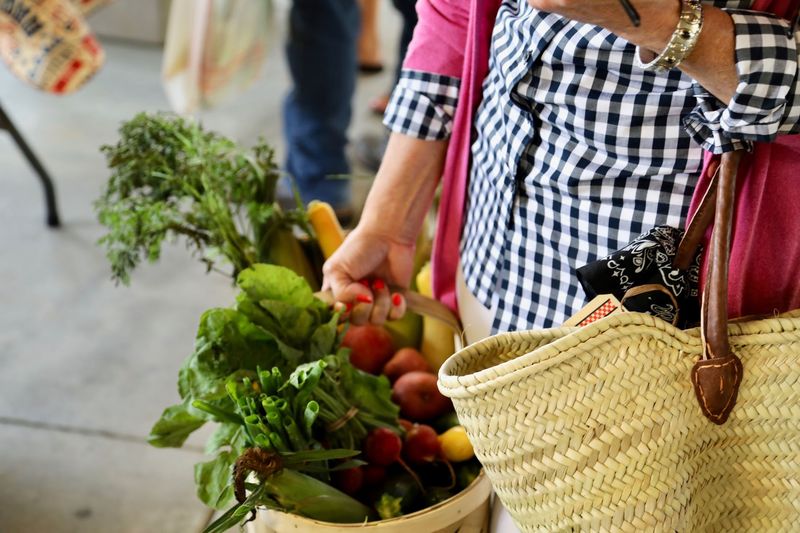
Bring reusable bags, a cooler, and maybe a wagon. Loading up on meat, eggs, and produce adds weight quickly.
Dress for the actual weather. The pavilion blocks rain and offers fans in summer, but open air means winter mornings feel genuinely cold.
Questions are welcome. Asking about growing methods, storage tips, or cooking ideas is normal and appreciated.
Directions are simple enough: head to 102 Riverside Drive in Columbia and follow the park signs. Make it a routine rather than a one-time stop.
The best finds tend to reward people who keep coming back.