
Take A Trip To This Ancient Tennessee Town This Summer For A History Lesson You’ll Never Forget
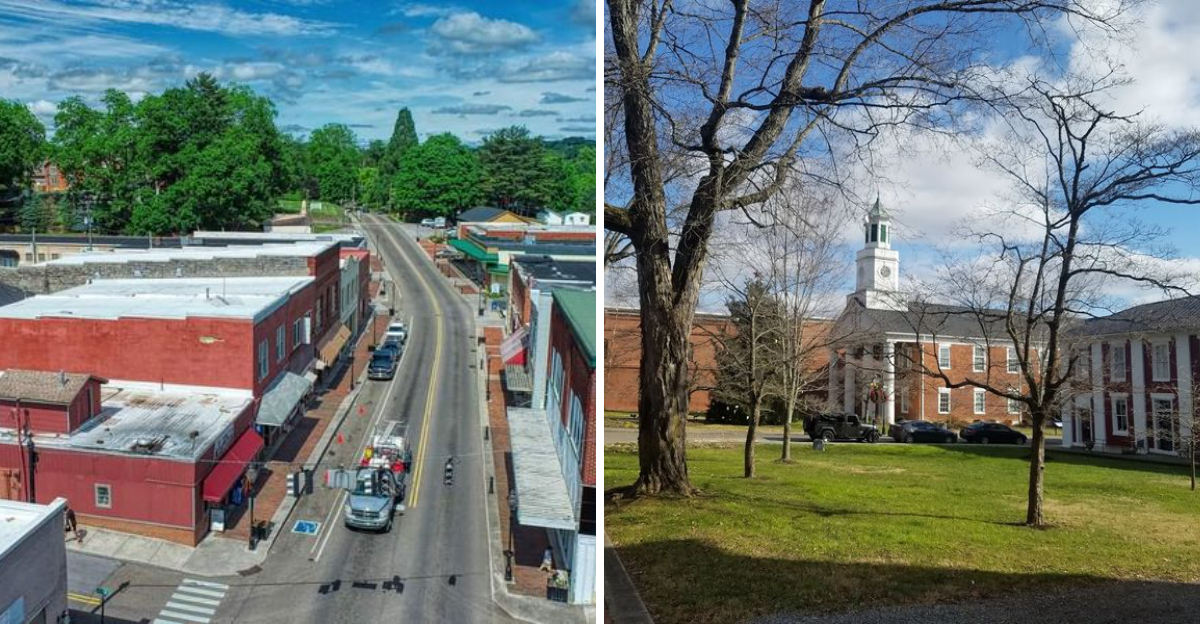
Tennessee has towns that are old. And then it has this one.
Founded over 240 years ago, it is one of the earliest settlements in the entire state.
Walking its streets in summer feels less like sightseeing and more like stepping directly into American history. The courthouse square has stories.
The inn on the main street has hosted presidents. The buildings lining the road have stood through wars, political upheaval, and everything in between.
Yet somehow the whole place remains remarkably intact, remarkably proud, and remarkably easy to spend a full day exploring. Tennessee is full of history, but most people drive right past this particular chapter without ever knowing what they missed.
This summer, do not be that person. Come with curiosity, come with comfortable shoes, and come ready to leave knowing considerably more about this state than you did when you arrived.
The Historic Downtown District And Federal-Style Architecture
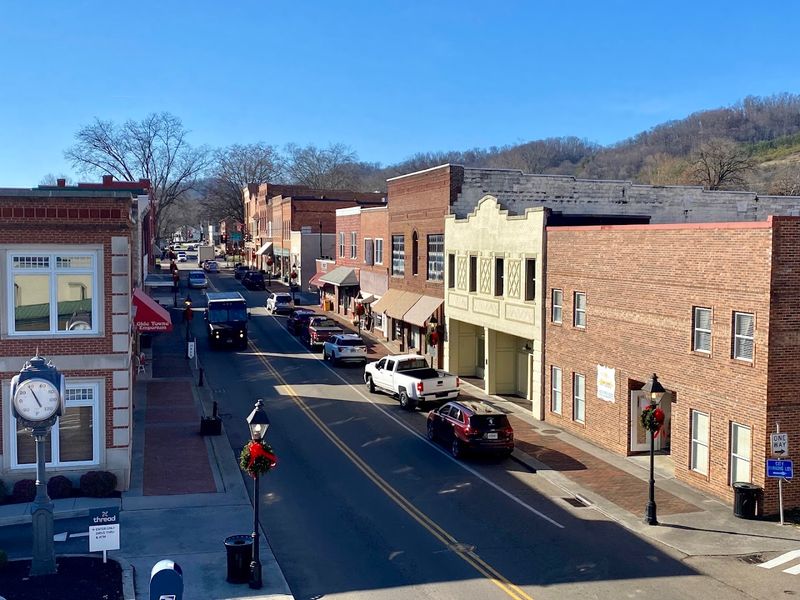
Few American downtowns can claim what this place quietly holds within its city limits.
The downtown district sits on the National Register of Historic Places and contains the largest collection of authentic Federal-style architecture in all of Tennessee.
That is not a small achievement for a town of this size.
Federal-style buildings are known for their symmetrical facades, flat rooflines, and restrained ornamentation. Walking through downtown feels like flipping through a well-preserved architecture textbook, except the buildings are real and still in use.
Many of them date back to the early 1800s.
The best way to appreciate it all is simply to walk slowly. Start at the central square and work outward.
Notice the brickwork, the window proportions, and the way each structure relates to its neighbors. Local preservation efforts have kept these buildings in remarkable condition.
This place takes its architectural identity seriously.
Visitors who appreciate history through built form will find this downtown genuinely rewarding, offering a visual record of American civic life that stretches back more than two centuries.
Hale Springs Inn And Its Presidential Connections
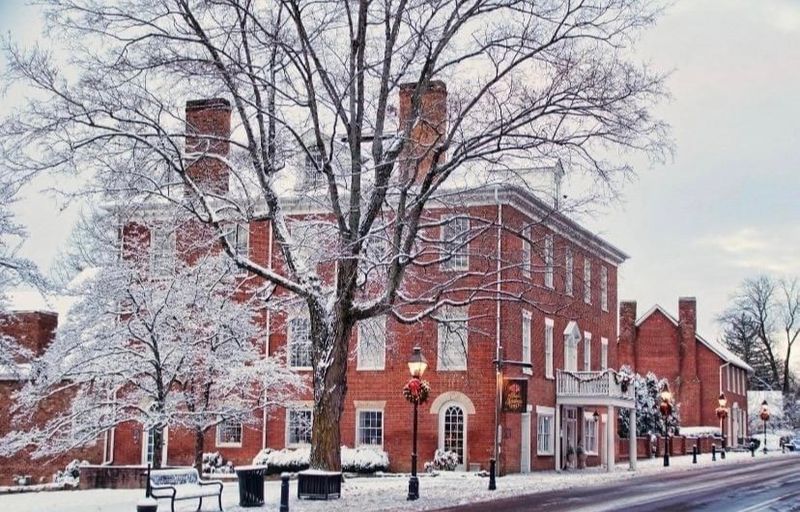
Three sitting presidents walked through the doors of Hale Springs Inn, which is not something most small-town lodgings can claim. Andrew Jackson, James K.
Polk, and Andrew Johnson all stayed here during their respective travels, making this 1824 structure one of the most historically significant inns in the entire Southeast.
The inn operated as a major rest stop along the stage road that connected Atlanta to Washington, D.C. During the Civil War, its role shifted considerably, and Union forces used it as their headquarters in the region.
The building has witnessed more American history than most textbooks bother to mention.
Today, Hale Springs Inn continues to operate and welcomes visitors who want to experience something genuinely old. Staying overnight here is optional, but even a brief visit gives you a strong sense of the inn’s layered past.
The rooms retain period character, and the staff can share plenty of background about each presidential guest.
For anyone interested in early American political history, this inn at 110 W Main St, Rogersville is one of the most tangible and accessible connections to that era available anywhere in the state.
Tennessee’s First Post Office And Newspaper Origins
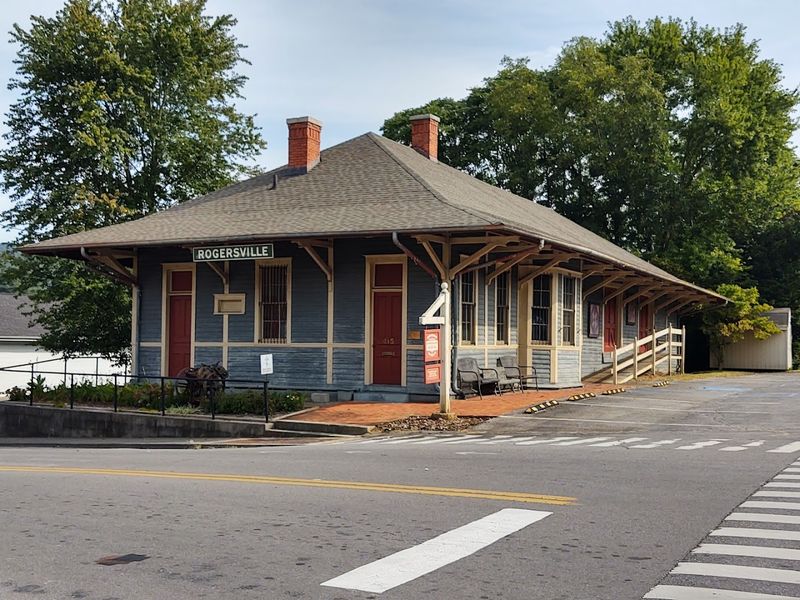
Rogersville has a habit of being first. It was home to Tennessee’s first post office, a distinction that speaks to how central this town was in the early communications network of the region.
Mail delivery in the late 1700s was not just convenient; it was the primary way that distant communities stayed connected to the wider world.
The town also holds the honor of being the birthplace of Tennessee’s first newspaper. The Knoxville Gazette was first published here in 1791, before eventually relocating to Knoxville.
That single fact repositions how you think about Rogersville. This was not a quiet backwater settlement.
It was an active, literate, and politically engaged community from its earliest years.
These firsts reflect the town’s early importance as a crossroads of commerce and communication. Travelers moving along the Wilderness Road passed through regularly, and information traveled with them.
The printing press that produced those first newspapers helped shape public opinion across the entire territory. Visiting Rogersville today, you can still feel the residue of that civic energy in the buildings and institutions that remain.
History here is not decorative. It is structural, built into the very purpose of the place.
Hawkins County Courthouse And Two Centuries Of Justice
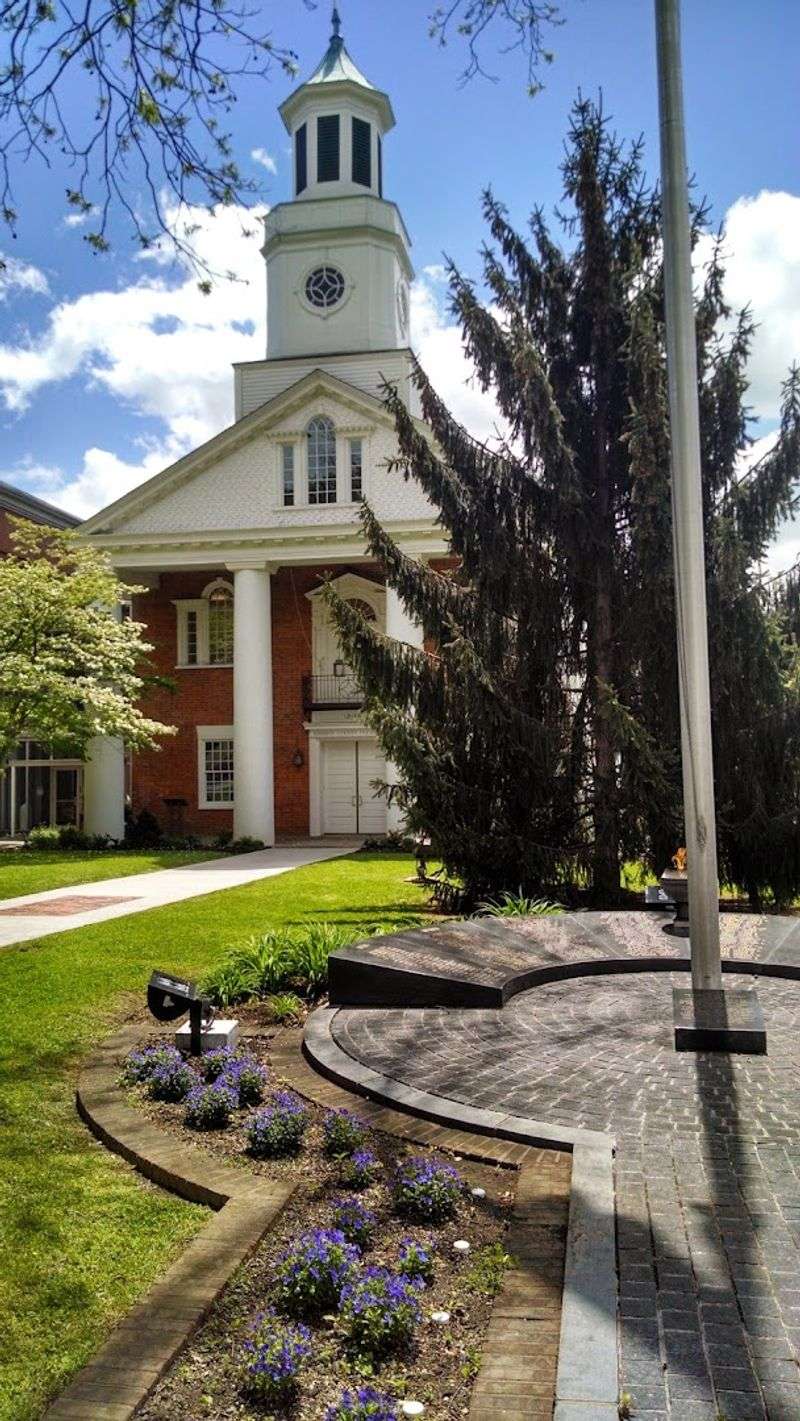
Built in 1836, the Hawkins County Courthouse holds the distinction of being the second oldest continuously used courthouse in Tennessee. That word continuously matters.
This building has not been preserved as a museum piece.
It has remained an active seat of local government for nearly two centuries, hearing cases and conducting public business without interruption.
The courthouse anchors the central square of Rogersville and sets the architectural tone for everything around it.
Its solid brick construction and classical proportions reflect the civic ambitions of a young American community determined to establish permanence and order on the frontier.
Courts, in that era, were symbols of civilized settlement as much as they were practical institutions.
Visitors can walk around the exterior freely and appreciate the building’s scale and craftsmanship. Occasionally, public access to interior spaces is available during events or courthouse hours.
The surrounding square has been a gathering place for locals since the town’s earliest days, and it still functions that way today. Rogersville residents hold a quiet pride in this structure, and rightly so.
Few American towns still conduct daily legal proceedings inside a building that predates the Civil War by nearly three decades.
Crockett Spring Park And The Davy Crockett Family Legacy
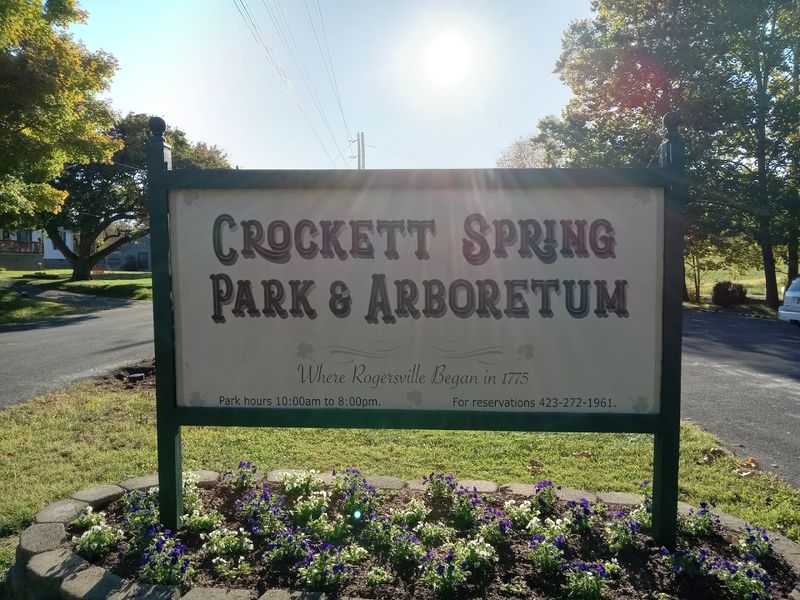
Long before Davy Crockett became a legend of the American frontier, his grandparents were already building a life in East Tennessee.
They settled near what is now known as Crockett Spring in 1775, making Rogersville one of the earliest points of connection to the Crockett family story.
The park that now marks this site is a calm, tree-lined space that rewards a slow visit.
Crockett Spring Park includes an arboretum and a series of historical markers that help visitors understand the significance of the location.
The Rogers Cemetery is nearby, serving as the burial site for both Joseph Rogers, the town’s founder, and Davy Crockett’s grandparents.
That combination of founding family and frontier legend in one compact area gives the park an unusual historical density.
Children who know Crockett from stories or school lessons will find it genuinely engaging to stand on the actual land where his family’s American story began. Adults tend to appreciate the arboretum’s quiet atmosphere and the careful preservation of the cemetery grounds.
The park is a low-key stop that does not demand much time but delivers a surprisingly strong sense of place. It is the kind of site that stays with you after you leave.
Thomas Amis Historic Site And Tennessee’s Oldest Stone Home
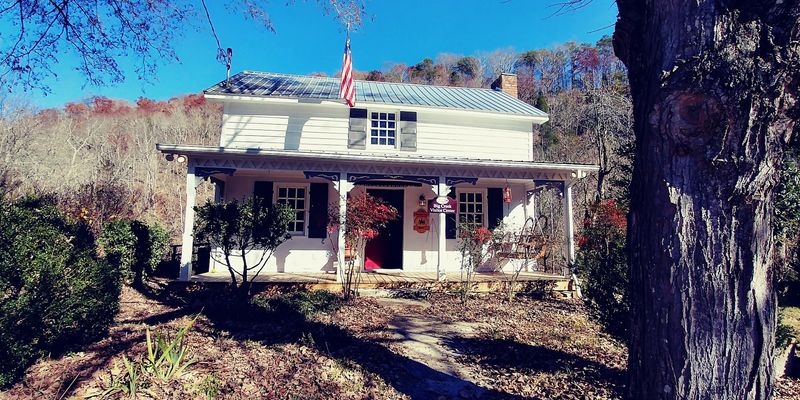
Established around 1780, the Thomas Amis Historic Site contains what is widely recognized as Tennessee’s oldest stone home.
The structure has survived more than two hundred and forty years, which is a remarkable feat given the region’s turbulent early history and the general fragility of frontier construction.
Stone building in that era required both resources and serious ambition.
The site also features the oldest stone dam in Tennessee, adding another layer of historical significance to a property that already carries considerable weight.
Thomas Amis was a prominent early settler and civic figure in the region, and his home reflects the aspirations of a man who intended to stay and build something lasting.
The craftsmanship visible in the stonework is genuine and impressive up close.
Today, the Amis Mill Eatery operates on the property, offering visitors a chance to combine a historical visit with a meal in a setting that feels genuinely connected to the past.
The combination of architecture, landscape, and food makes this one of the more complete experiences available in the Rogersville area.
It suits visitors who want history without the clinical atmosphere of a traditional museum. The site sits just outside town and is well worth the short drive to reach it.
The Swift Museum And Rogersville’s African-American Educational History
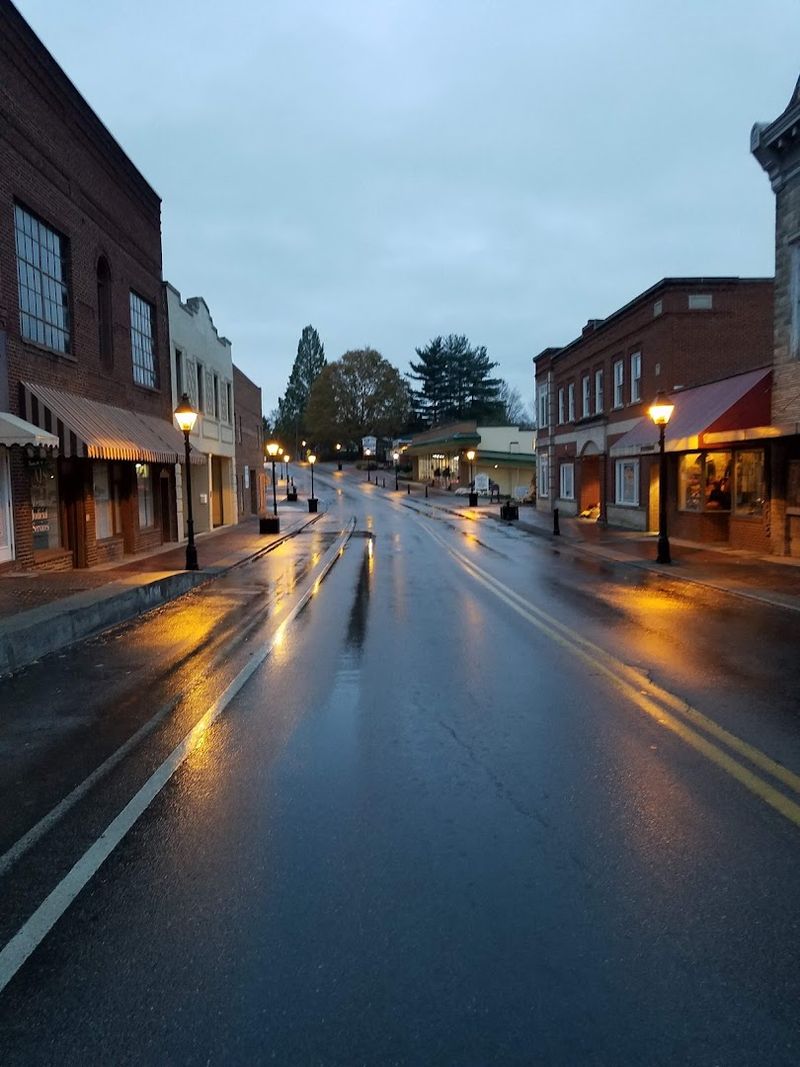
Among the lesser-known chapters of Rogersville’s history is the story of Swift College, an early institution of higher education established for African Americans in the years following the Civil War.
The Swift Museum preserves and presents that history with care, offering visitors a perspective on the town that extends well beyond its Federal-style facades and presidential connections.
Swift College represented genuine opportunity at a time when access to education for Black Americans was severely restricted across the South. The institution trained teachers, ministers, and community leaders who went on to shape life in East Tennessee and beyond.
That kind of impact does not disappear when a building closes. It continues through the people and institutions it produced.
The museum itself is modest in scale but meaningful in content. Exhibits draw on photographs, documents, and personal accounts to reconstruct the college’s history and honor its graduates.
For visitors who want a fuller picture of Rogersville’s past, this stop is essential. History that accounts only for its most prominent figures and buildings is incomplete history.
The Swift Museum fills in a significant portion of what the broader narrative sometimes leaves out, and it does so with evident respect for the community whose story it tells.
Kyle House And The Civil War’s Presence In Town
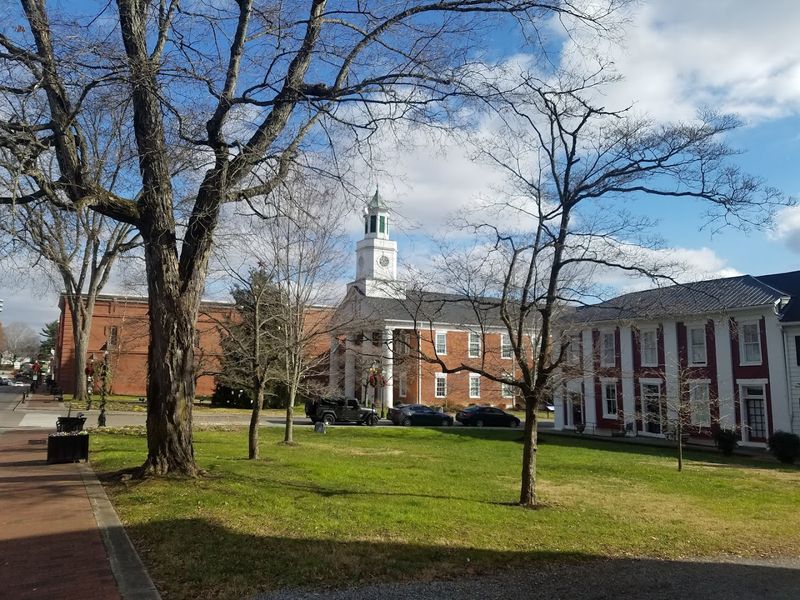
The Civil War left marks on Rogersville that are still visible if you know where to look.
The Kyle House, built in the mid-1800s, served as Confederate headquarters during the conflict, while Hale Springs Inn across town functioned as Union headquarters.
Having both command centers within walking distance of each other gives Rogersville a unique dual-perspective on that era of American history.
Today, the Kyle House operates as a local coffee shop, which makes it one of the more unusual places in Tennessee to order a morning drink.
Sitting inside a building that once housed Confederate military operations lends the experience a certain historical weight that no amount of interior decoration could replicate.
The bones of the building carry the story whether or not there are plaques on the walls.
For history-minded visitors, pairing a stop at Kyle House with a visit to Hale Springs Inn creates a natural Civil War walking tour through the heart of downtown Rogersville.
The contrast between the two sites, Union and Confederate, reflects how deeply divided communities were during the war and how ordinary civic spaces became instruments of military occupation.
Few towns preserve that duality so clearly within such a compact geographic area.
Hawkins County Marble And Its Mark On National Monuments
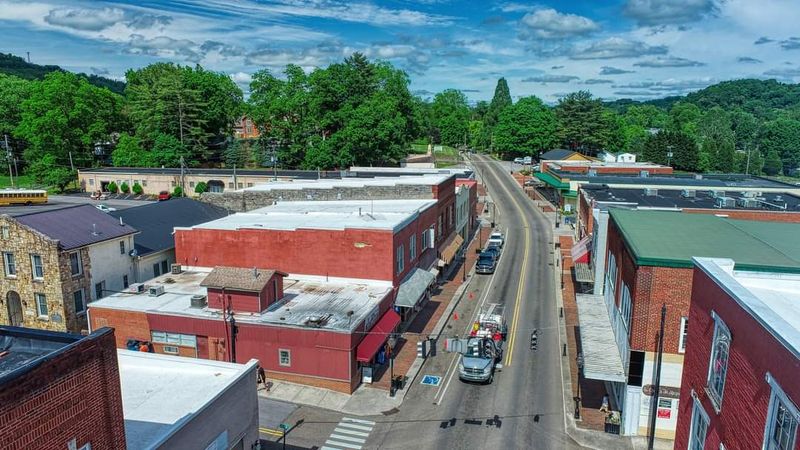
Not every small county can claim a direct material contribution to America’s most iconic monuments, but Hawkins County can.
The region was historically famous for its distinctive pink and red variegated marble, a geological product of the Appalachian landscape that turned out to be both beautiful and structurally sound.
Quarry operations here supplied stone that ended up in the Washington Monument and in the balustrades and stairways of the United States Capitol.
That connection between a quiet East Tennessee county and the physical fabric of the nation’s capital is the kind of detail that tends to stop people mid-sentence. The marble does not just represent local industry.
It represents a tangible, lasting presence in buildings that define American civic identity. Every visitor who climbs those Capitol steps is, in a small way, touching Hawkins County.
While active marble quarrying in the region has largely faded, the legacy of that industry remains part of Rogersville’s broader historical identity. Local museums and historical sites reference the marble trade as part of the county’s economic story.
For summer visitors curious about how this small town connected to the larger national narrative, the marble history offers one of the most concrete answers available anywhere in Rogersville.