
8 Tennessee Areas Where Fall Hikers Should Still Watch Out For Ticks
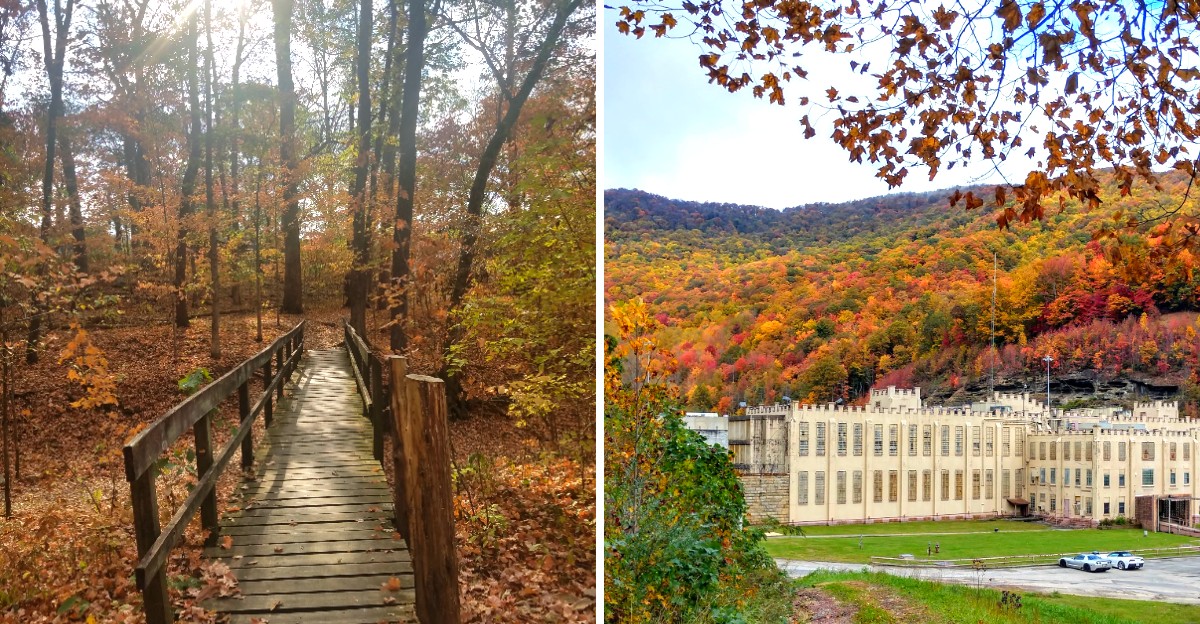
Cooler temperatures, colorful leaves, and peaceful trails make fall one of the best times to go hiking. But there is one tiny problem that does not disappear just because summer is over. Ticks.
Many hikers assume these little pests are gone once the weather cools down, but Tennessee’s fall temperatures can keep certain tick species active well into the season.
That means a beautiful afternoon on a wooded trail could come with an unwanted passenger.
Tall grass, fallen leaves, and brushy areas can provide perfect hiding spots, especially during those surprisingly warm October and November days.
And you do not have to venture deep into the wilderness to encounter them.
Certain hiking areas deserve extra attention, particularly where wildlife is common and trails pass through thick vegetation.
Before you lace up your boots for another Tennessee fall adventure, it helps to know which areas call for a little extra caution.
1. Big South Fork National River And Recreation Area
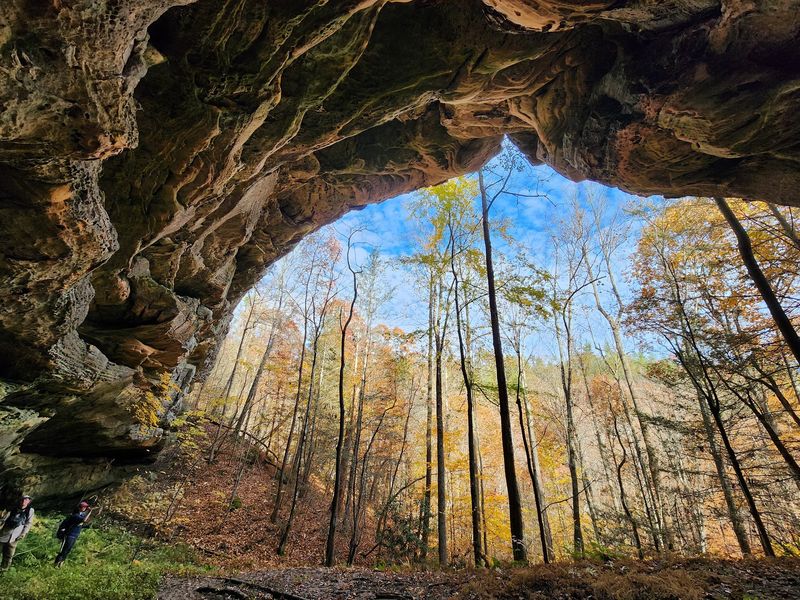
Picture a place so quiet you can hear a leaf land. Big South Fork stretches across more than 125,000 acres on the Tennessee and Kentucky border.
It feels peaceful and wild in the best way.
The scenery here is a big deal. Rugged gorges, tall sandstone bluffs, and sparkling rivers fill the land. More than a dozen natural stone arches sit on the western side.
For a jaw-dropping view, head to the East Rim Overlook. From there, you can see where the river carved a deep gorge into the Cumberland Plateau. Fall colors make it look like a painting.
Now for the tiny catch. Ticks in Tennessee stay active well into fall, and early fall carries a high risk.
Black-legged ticks, also called deer ticks, actually like cool days between 35 and 45 degrees.
Hunters and hikers share these woods during deer and turkey seasons. Late summer also brings seed ticks, which are baby ticks found in big clusters.
Stay in the middle of the trail and avoid brushing against tall grass.
After your hike, the nearby town of Oneida has plenty of hearty food. The Grizzly serves hand-crafted burgers and hand-cut steaks.
Flonnie’s Drive-In in Helenwood is loved for burgers and hand-spun shakes.
Before you grab that shake, though, do a quick tick check. Look behind your knees, around your waist, and along your hairline.
Your post-hike treat will taste even better without a tagalong.
2. Great Smoky Mountains National Park
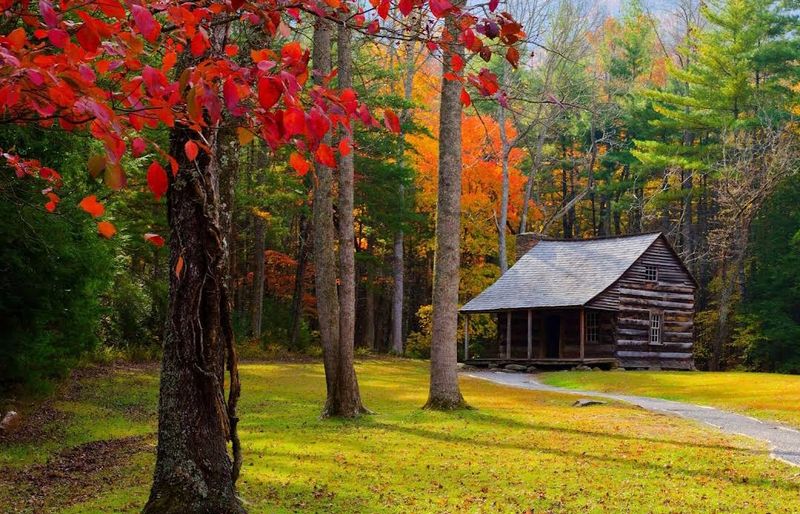
Millions of people visit every year, making this the most visited national park in the country. Ticks seem to enjoy the crowd too. The Smokies offer big beauty, so a little planning goes a long way.
That famous blue haze comes from the plants themselves. Dense forests release natural compounds that create the smoky look. The park gets so much rain it counts as a temperate rainforest.
Fall brings warm days, cool nights, and leaves in bright red, orange, and yellow. Historic cabins and old farm landscapes add charm. Few places feel this alive in autumn.
All that moisture is great for trees and, sadly, for ticks. Lone star ticks, American dog ticks, and black-legged ticks all live here. Adult tick activity peaks from August through October.
Some ticks can spread illnesses like Rocky Mountain Spotted Fever. Lone star ticks are also linked to Alpha-Gal Syndrome, a red-meat allergy. The park suggests checking yourself at least every 24 hours in the backcountry.
Wear light-colored clothes so ticks are easier to spot. Tuck your pants into your socks. It is not a fashion win, but it works.
Gatlinburg sits right outside the park with tasty options. Calhoun’s is famous for slow-smoked ribs and pulled pork. The Park Grill offers a rustic lodge feel and a big salad bar, right near the entrance.
3. Fall Creek Falls State Park
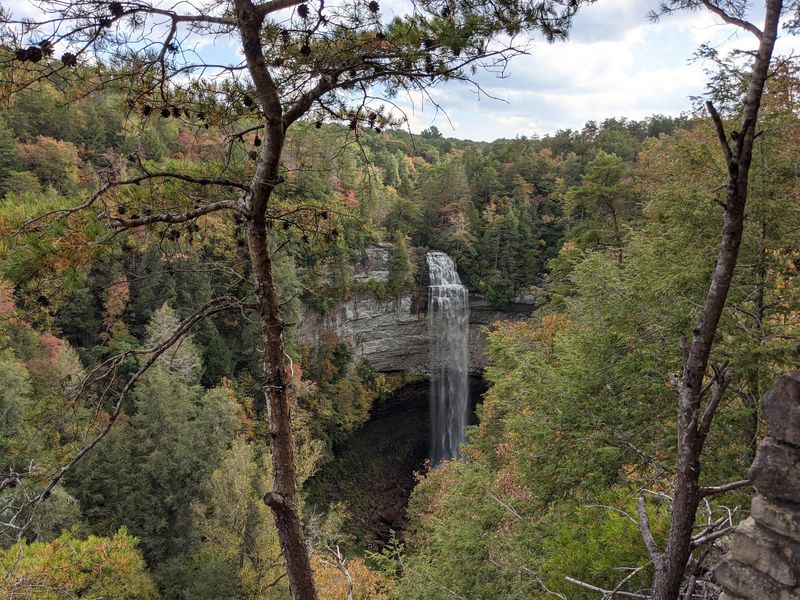
Here is a fun fact to share on the drive. Fall Creek Falls drops 256 feet, making it the tallest waterfall in Tennessee. The name even fits the season perfectly.
The park covers 16,181 acres near Spencer. It holds waterfalls, cascades, deep gorges, and even cave features.
Piney Falls, Cane Creek Falls, and Cane Creek Cascades add to the show.
Above the falls, pine and hardwood forests cover the land. Down in the gorges, you will find rich forests, some of them old-growth. More than 30 miles of trails wind through it all.
A tornado in August 2023 closed some trails, including parts of Piney Falls Trail and Millikan’s Overlook Trail. Check trail updates before you go. It saves you from a surprise detour.
Ticks are common here, and some hikers find them even after using protection. Black-legged ticks love damp spots like leaf litter, shrubs, and tall grass. Mild fall weather keeps them busy.
Use a good repellent on skin and clothing. Shower soon after your hike. A warm shower helps wash off ticks that have not attached yet.
Hungry? The Restaurant at Fall Creek Falls, at the Lodge, serves Southern-inspired dishes with lake views.
The Snack Bar Grill offers burgers, pizza, and the popular Piney Dog. In Spencer, Robinson’s and Son Grocery is known for its tenderloin biscuit.
4. Fiery Gizzard State Park
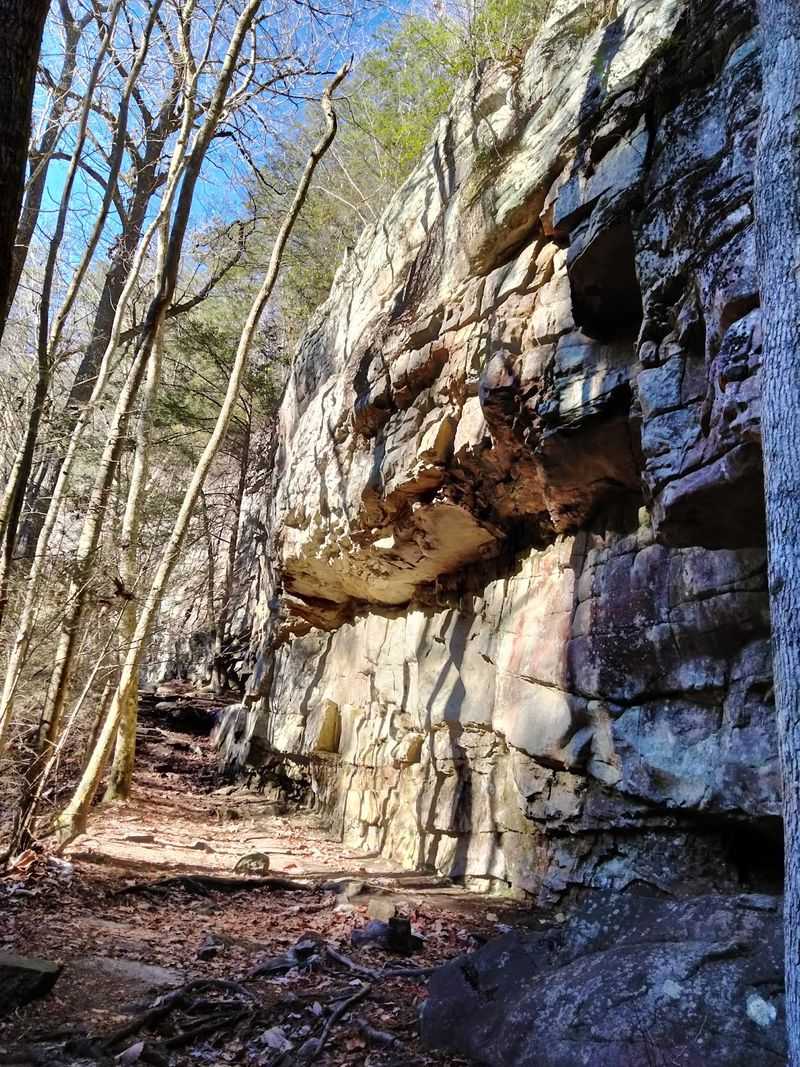
With a name like Fiery Gizzard, you know this park has personality. The land was once shaped by logging and mining. Today it is a protected place full of trails, waterfalls, and history.
Plant lovers, get ready. The area holds over 600 kinds of plants and ranks among the most biodiverse places around. Every bend seems to show something new.
History hides along the paths too. You can spot Civilian Conservation Corps work, old coke ovens, and ancient Native American rock house sites. It is like a outdoor museum with better air.
The famous Fiery Gizzard Trail is known for stunning views and tough climbs. Waterfalls and swimming holes sit among the rocks. Peak leaf color usually arrives from mid-October to early November.
Fall means fewer bugs overall, which makes hiking more pleasant. Ticks, however, are the exception.
Black-legged ticks stay active in cooler months, hunting for a meal before winter.
They hang out in brush, high grass, and leaf piles. Try not to sit directly on leaves during snack breaks. A small pad or a big rock makes a smarter seat.
Also, some primitive campgrounds may lack water, so bring plenty. After the trail, the small town of Monteagle offers local spots with American and Southern-style food. It is a cozy way to end a big hiking day.
5. Frozen Head State Park
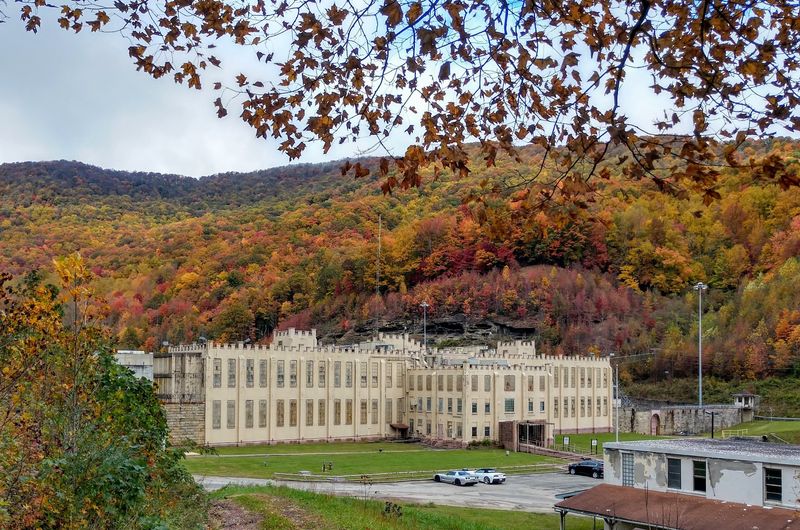
Despite the chilly name, ticks have no trouble feeling at home here. Frozen Head gets its name from peaks often capped with ice or snow in winter.
In fall, though, the woods are colorful and busy.
The park sits in the Cumberland Mountains near Wartburg. It includes some of the highest land in Tennessee outside the Smokies. Steep ridges, deep valleys, and clear streams shape the landscape.
Trails range from easy to very challenging. Some lead to overlooks with wide views of mountain ranges. In autumn, those views burst with bright leaves.
So why worry about ticks when it gets cold? Adult deer ticks are most active when temperatures sit between 35 and 45 degrees. They are searching for hosts before deep winter.
The thick forests and leaf litter here make perfect tick hideouts. Long pants and insect repellent are your best friends. Think of them as your trail armor.
Bring a lint roller in your pack. It is a handy trick for grabbing crawling ticks off clothes. Cheap, light, and surprisingly useful.
Once you are done, nearby Wartburg has local diners and family-style spots. Many serve classic Southern comfort food and hearty meals. A warm plate after a steep climb feels like a reward you truly earned.
6. Montgomery Bell State Park
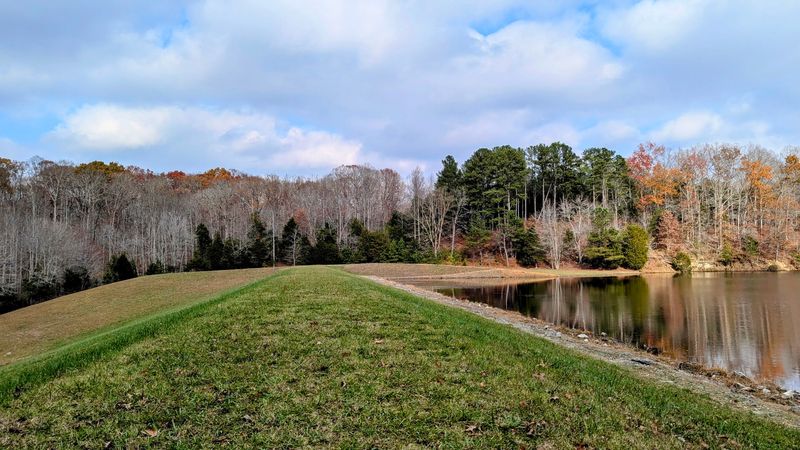
Only about 40 minutes from Nashville, this park feels a world away from city traffic. Montgomery Bell covers 3,850 acres of rolling hardwood forests. It sits near Burns in Middle Tennessee.
Three calm lakes make it special. Lake Acorn, Lake Woodhaven, and Creech Hollow Lake are great for fishing and boating. The water reflects fall colors like a mirror.
There is history here too. The park is named for Montgomery Bell, who built one of the state’s largest iron industries in this area. A replica log house and a sandstone chapel from the 1800s add old-time charm.
Hikers get about 19 miles of trails, and bikers get over 23 miles. A golf course rounds out the fun.
It is a great spot for families.
Ticks, though, love the wooded and lakeside areas. Lone star ticks and American dog ticks stay active in fall.
Their peak runs from August through October.
Bring your dog? Check them too. Pets can carry ticks right into your car and home.
When hunger hits, The Restaurant at Montgomery Bell serves Southern-inspired homestyle dishes. Nearby Dickson has a charming downtown with more local choices.
Just do your tick check before you sit down to eat.
7. Cedars Of Lebanon State Park
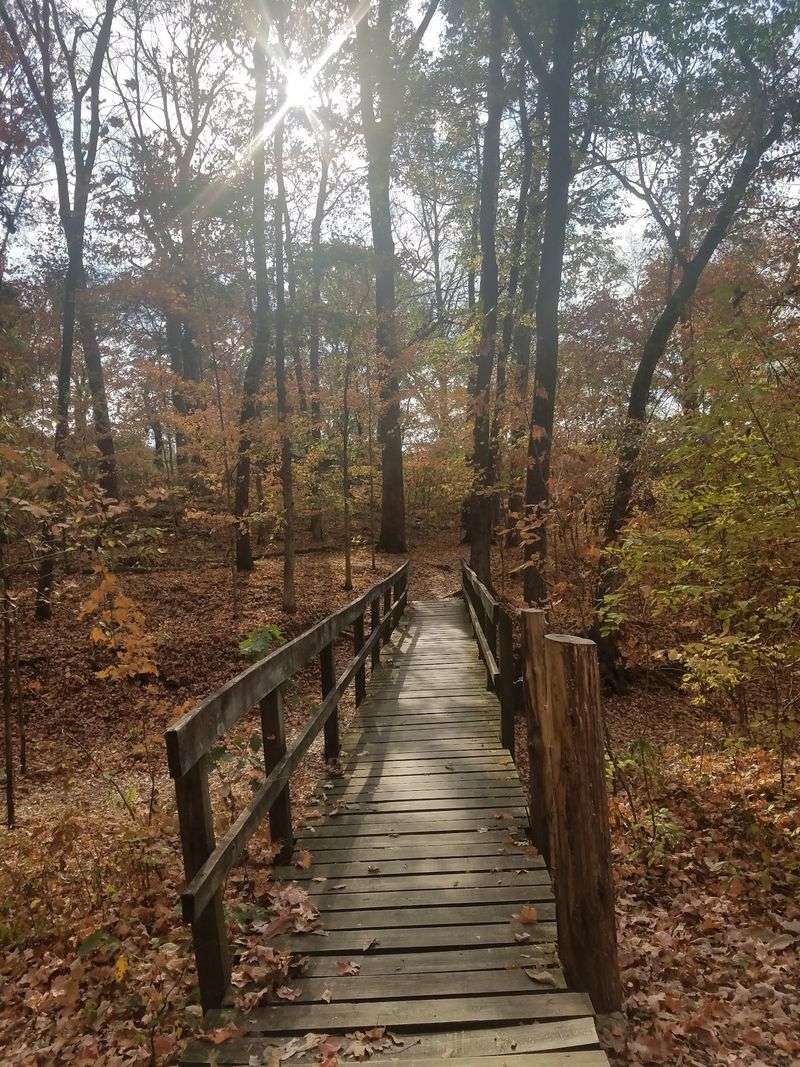
Not every forest looks like a forest, and this park proves it. Cedars of Lebanon is famous for cedar glades. These rare areas have thin soil over rock, creating an open, savanna-like look.
Eastern Red Cedar trees grow in scattered patches. Thick forest pops up in between. The mix feels different from almost anywhere else in the state.
Special plants and wildflowers grow in these glades and few other places. Trails let you explore this unusual habitat up close. It is a fun lesson in nature without a test at the end.
Here is the serious part. The cedar glades of Middle Tennessee are known hotspots for ticks. Lone star ticks and black-legged ticks stay active from August through October.
Ticks hide in tall grass, leaf litter, and wooded edges. They do not jump or fly. Instead, they wait on plants and grab on as you pass by.
Treat your clothes and shoes with a tick repellent made for gear. Wear closed shoes, not sandals. Your ankles will thank you.
Afterward, the city of Lebanon offers plenty of food choices. You can find Southern eateries, casual cafes, and barbecue spots.
Comfort food tastes extra good after exploring such a unique place.
8. Meeman-Shelby Forest State Park
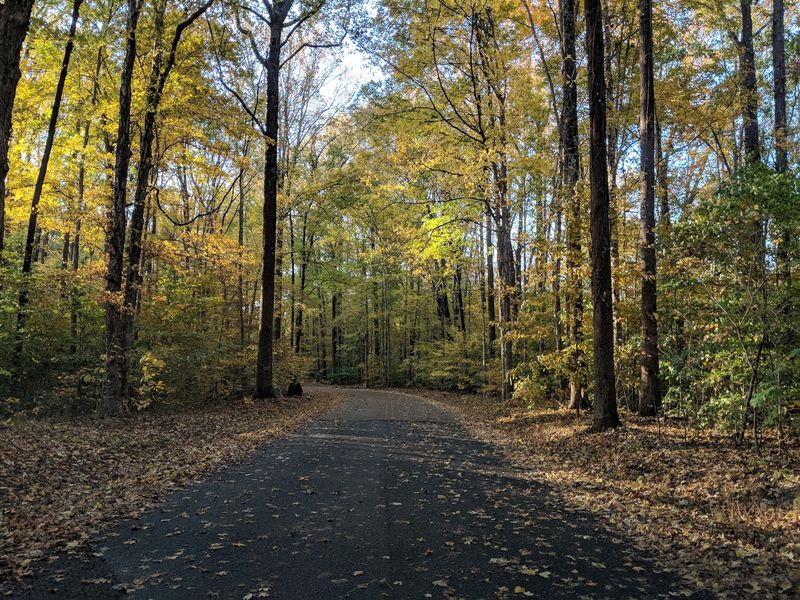
Think of this park as the big green backyard of Memphis. Meeman-Shelby Forest sits near Millington along the Mississippi River. Huge bottomland trees shade the trails.
The park mixes wetlands, cypress swamps, and different forest types. Birdwatchers love it. Fishing and boating on the lakes are popular too.
Large mature trees and thick undergrowth give it a wild feel. Fall paints the forest in soft gold and rusty orange. The quiet makes it easy to forget the city is close.
That damp river land, however, supports large tick populations in West Tennessee. Lone star ticks and American dog ticks stay active through fall. Their peak lasts from August through October.
Wear long sleeves and long pants, even on mild days. Use an EPA-registered insect repellent. Stick to the center of trails and avoid pushing through brush.
If you find an attached tick, use fine tweezers. Grab it close to the skin and pull straight up. Then clean the spot with soap and water.
After exploring, Millington has casual American eateries and local diners. Many serve Southern comfort food and quick bites.