
Tennessee Attractions That Offer Hidden Beauty Away From The Crowds In 2026
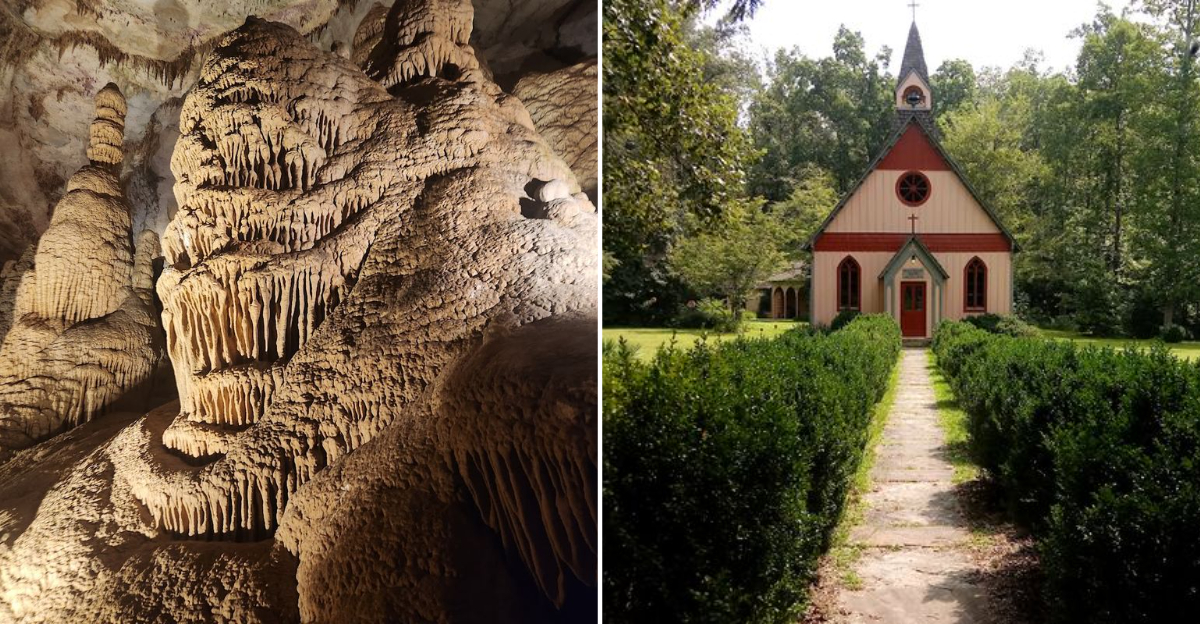
Mossy limestone bluffs shelter peaceful valley trails where wild orchids bloom without any fanfare. Curious travelers pull into gravel turnoffs to discover pristine overlooks missed by the massive tour buses.
This selection of quiet destinations offers a serene alternative to the packed theme parks and neon strips. Strict city slickers often claim that true comfort requires a five-star luxury hotel lobby.
Those same luxury seekers will happily sit on a dirt log once they feel the cool mountain breeze. Tennessee protects these low-key spots so nature lovers can still find authentic solace under the trees.
Keep a pair of binoculars in your glovebox for spotting rare migratory birds along the ridges. You should visit during the mid-week morning hours to have the entire landscape to yourself.
1. The Lost Sea
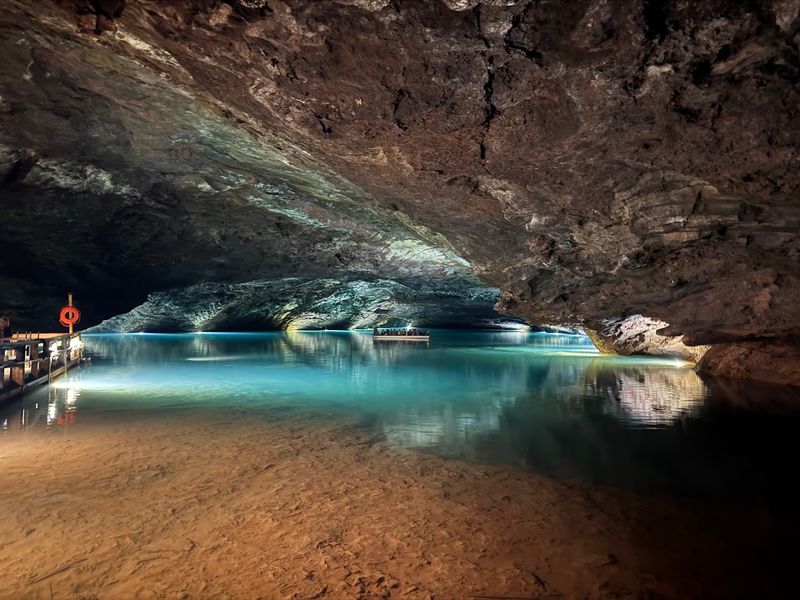
America’s largest underground lake is sitting beneath a Tennessee mountain, and most people have absolutely no idea it exists. Craighead Caverns holds this wonder, and it stays a cool 58 degrees year-round.
That alone makes it the best summer plan you never knew you needed.
The tour starts with a walk through massive cavernous rooms. You will spot rare cave flowers, which are delicate aragonite crystals found in very few caves on Earth.
They look like something out of a fantasy movie.
Then comes the moment that will genuinely make your jaw drop. A glass-bottomed boat glides you across the glowing underground lake.
The water is impossibly clear and eerily beautiful.
History here runs surprisingly deep. Cherokee people once gathered in these caverns for ceremonies and shelter.
Confederate soldiers later mined saltpeter from the cave walls to produce gunpowder during the Civil War.
Geologists have sent trained rainbow trout into the lake to map it. The fish just keep swimming and never return, which means nobody actually knows how far it goes.
That mystery alone is worth the trip.
Families love it because the walk is gentle and manageable for all ages. The boat ride is calm and genuinely magical.
Kids tend to go completely silent the moment the boat hits the water, which is honestly a miracle.
Photographers will want to bring a camera that handles low light well. The reflections on the water create images that look almost impossible.
Plan at least two hours for the full experience. You will find The Lost Sea at 140 Lost Sea Rd, Sweetwater, TN 37874.
2. Tuckaleechee Caverns
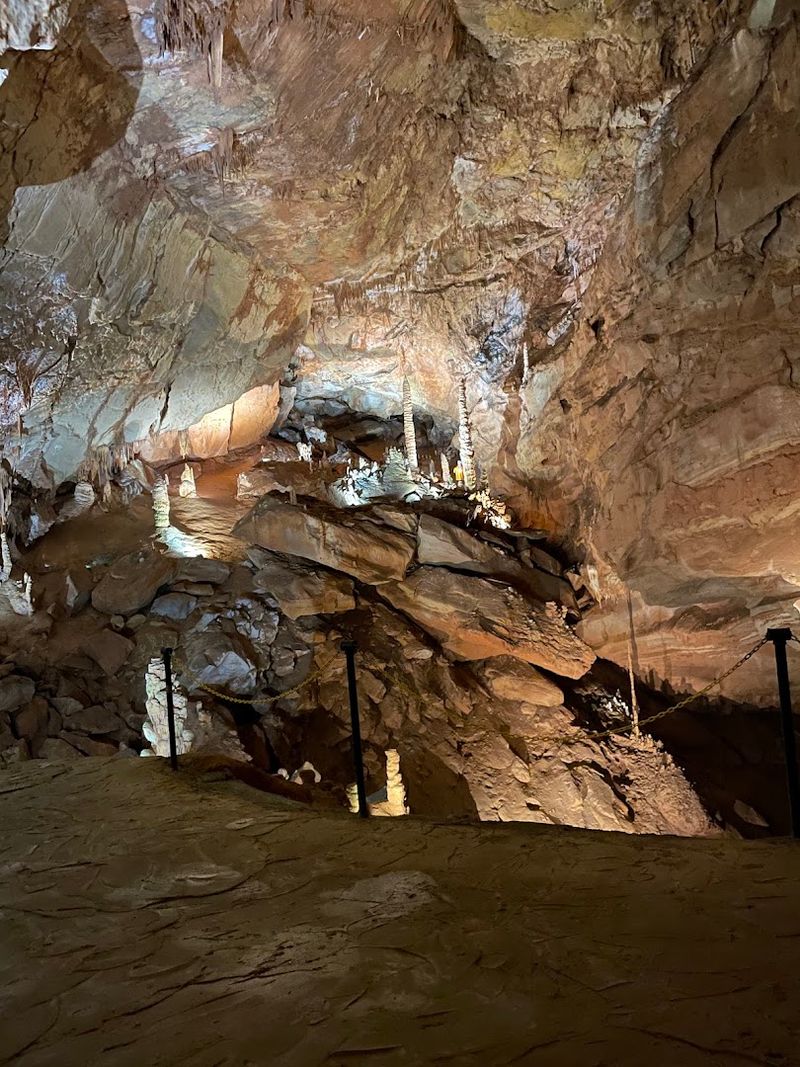
Thirty million years of geological drama are packed inside a single mountain near Townsend, Tennessee. Tuckaleechee Caverns sit on the quiet side of the Smokies, far from the bumper-to-bumper traffic that clogs Gatlinburg every weekend.
That alone should have you grabbing your car keys right now.
The guided tour runs about one mile through formations that will make you feel genuinely small. The Big Room is larger than a football field, with ceilings that soar overhead in ways that feel almost unreal.
You keep expecting someone to yell cut and reveal a movie set.
One of the most unexpected highlights is the underground waterfall. It drops 210 feet straight down, making it the tallest underground waterfall in the entire United States.
The sound it makes echoes through the cavern in the most satisfying way.
Local legend says two boys rediscovered the entrance around 1850 while exploring the woods. Before that, Native American communities knew these passages well and used them for shelter.
The cave kept its secrets for a very long time.
The formations here are genuinely world-class. Stalactites and stalagmites crowd every chamber in shapes that look sculpted rather than naturally grown.
Some formations took hundreds of thousands of years to reach their current size.
The temperature inside stays consistently cool, so bring a light jacket even in July. The lighting is set up to highlight the most dramatic formations without feeling over-produced.
It strikes a perfect balance between dramatic and natural.
Townsend itself is charming and worth a wander after your cave adventure. The whole area feels refreshingly calm compared to the busier Smokies towns nearby.
Head to 825 Tuckaleechee Caverns Rd, Townsend, TN 37882.
3. Historic Rugby
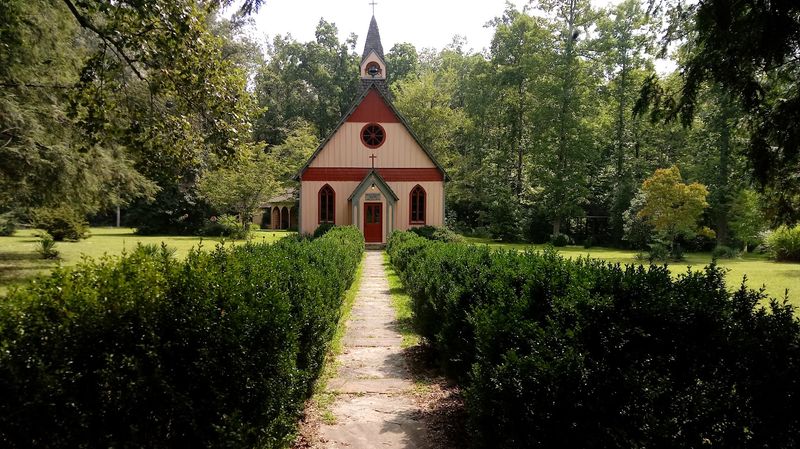
Back in 1880, a British author named Thomas Hughes had a wild idea. He wanted to build a utopian village in the Tennessee wilderness where English gentlemen could farm, cooperate, and live without class divisions.
The result was Historic Rugby, and it is one of the strangest and most charming places in the entire state.
The village never quite became the utopia Hughes imagined, but what survived is remarkable. Original Victorian buildings still stand along shaded lanes, looking like they belong in the English countryside rather than the Cumberland Plateau.
Walking through here feels like someone hit a pause button on 1880.
The Thomas Hughes Free Public Library is an absolute highlight. It is considered the South’s first free public library and still holds over 7,000 original volumes from the 1880s.
The books have never been replaced or updated, which makes the collection historically priceless.
Guided tours take you through several original structures, including the Christ Church Episcopal building, which still holds regular services. The interiors are remarkably preserved.
You can almost hear the Victorian conversations that once filled these rooms.
Hiking trails wind through the surrounding forest and follow two nearby streams. The landscape is gorgeous in every season, but fall turns the whole area into something that looks like a painted postcard.
Spring wildflowers are equally worth the trip.
Rugby hosts storytelling events and historic festivals throughout the year that draw visitors who truly appreciate authenticity. This is not a reconstructed tourist village.
Everything here is genuinely original, which makes it rare and deeply satisfying to explore.
Pack a picnic and give yourself a full afternoon here. Find Historic Rugby at 1331 Rugby Hwy, Rugby, TN 37733.
4. Historic Jonesborough Visitors Center
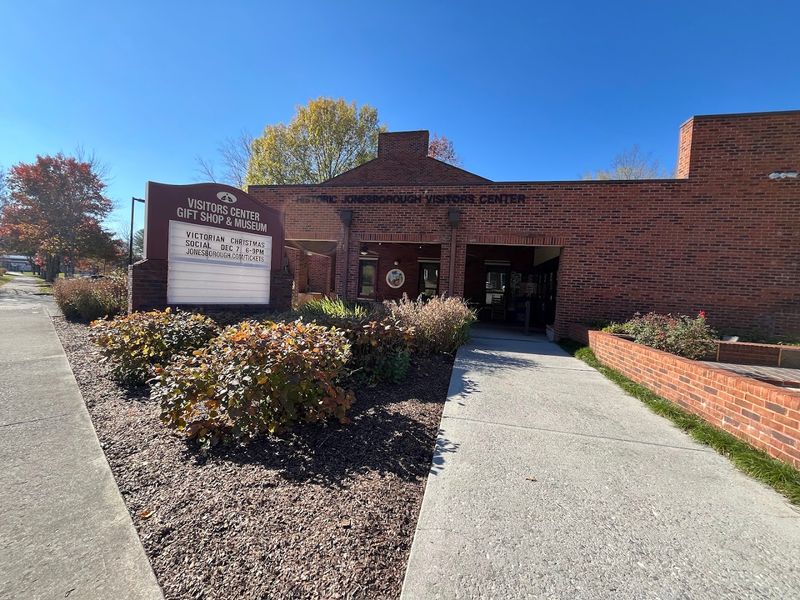
Tennessee’s oldest town has been standing since 1779, and it has absolutely no intention of slowing down. Jonesborough carries its history with the kind of quiet confidence that only comes from surviving nearly 250 years of American life.
Starting at the Visitors Center on Boone Street is the smartest move you can make.
The Jonesborough-Washington County History Museum inside the center is genuinely fascinating. It displays early East Tennessee furniture, photographs, and artifacts that bring the region’s story to life in a very tangible way.
You get real context before you start wandering the streets.
Jonesborough holds the title of Storytelling Capital of the World, and that is not just a catchy slogan.
The National Storytelling Festival draws thousands of visitors every October to hear professional storytellers perform under large tents throughout the historic district. The energy during that weekend is electric.
The main street is lined with original buildings dating back to the 18th and 19th centuries. Independent shops, local restaurants, and art galleries fill these spaces with modern life while respecting the architecture.
It is a rare combination that works beautifully here.
Andrew Jackson practiced law here before becoming president, which gives the town a certain historical bragging right. Daniel Boone passed through repeatedly.
The streets have seen more American history than most textbooks bother to mention.
Walking tours are available and cover the major landmarks with guides who clearly love this town. The pace here is unhurried and genuinely welcoming.
You will not feel rushed or sold to at every corner.
Give yourself at least half a day to explore properly. The Visitors Center is located at 117 Boone St, Jonesborough, TN 37659.
5. Pogue Creek Canyon State Natural Area
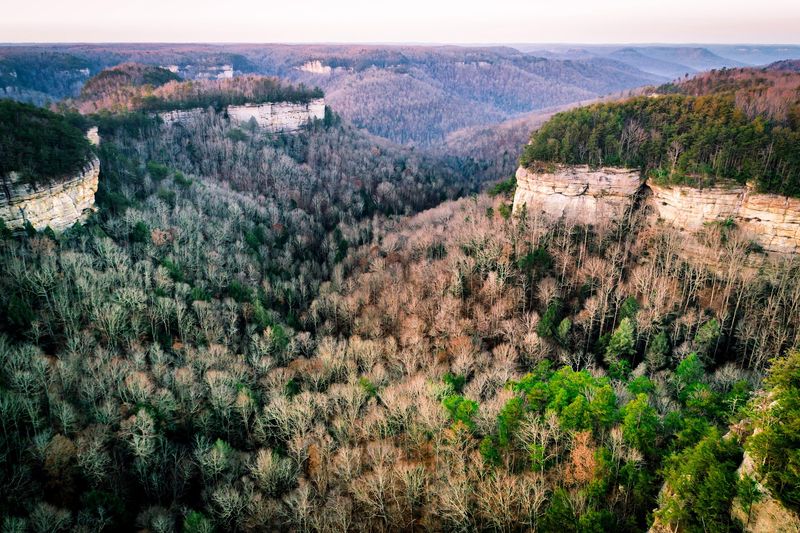
Three thousand acres of pure Tennessee wilderness, and most people in the state have never even heard of it.
Pogue Creek Canyon in Fentress County hides sandstone bluffs, natural arches, and waterfalls near Jamestown. It genuinely earns every mile.
The canyon itself is dramatic in a way that feels almost out of place in Tennessee. Massive rock formations rise above the forest floor, and the creek cuts through the landscape with real force.
Every overlook reveals something worth photographing.
The Overlook Trail is the star attraction here. It delivers panoramic views of the canyon that are legitimately breathtaking on clear days.
Experienced hikers will find the terrain challenging enough to feel rewarding without being reckless.
Rare plant species grow in the sheltered coves along the canyon walls. Green salamanders cling to the rock faces in areas most visitors never reach.
Bald eagles have been spotted riding thermals above the bluffs, which makes every upward glance feel like a potential reward.
One feature that sets this natural area apart from similar spots is the Dark Sky Astronomy Field. On clear nights, the lack of light pollution transforms the sky into something extraordinary.
Stargazers who make the trip after dark are rarely disappointed.
The area sees far fewer visitors than the more famous Tennessee parks, which means the trails feel genuinely wild and peaceful. Solitude is practically guaranteed on weekdays.
Bring plenty of water and wear solid footwear because the terrain is rugged and unforgiving.
This place rewards curious explorers who do not need a gift shop at the end. Find it at TN-154, Jamestown, TN 38556.
6. Cumberland Caverns
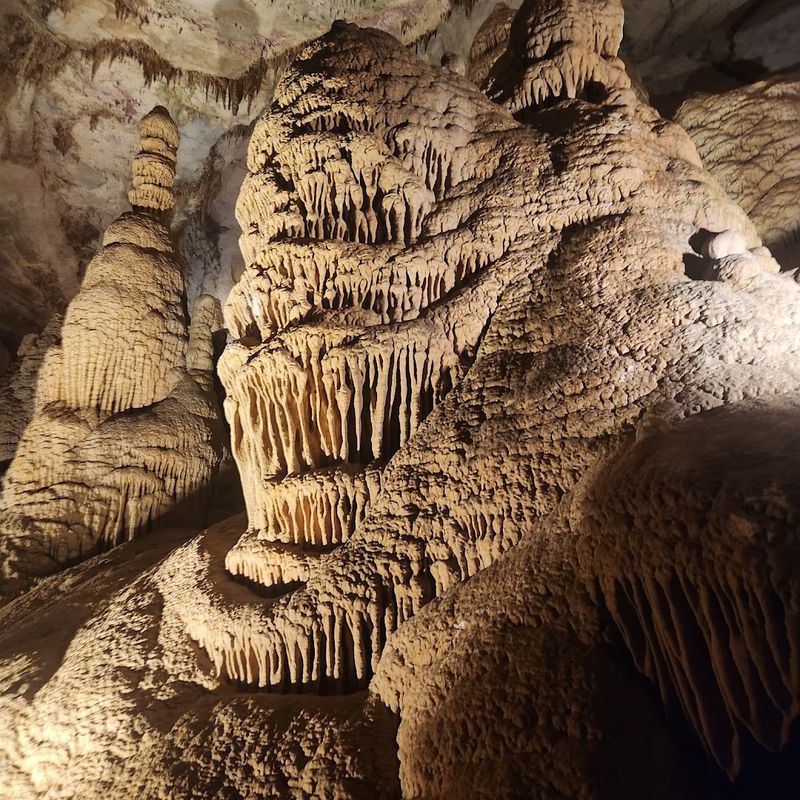
Going 333 feet underground in McMinnville is one of the best decisions a Tennessee traveler can make in 2026. Cumberland Caverns is Tennessee’s largest show cave and a designated National Natural Landmark.
The cave earns both distinctions without any argument.
Thirty-two miles of mapped passages run beneath the surface here. The tours take you through enormous rooms filled with formations that took millions of years to build.
The scale of the underground spaces is genuinely difficult to process until you are standing inside one.
The history layered into these walls is remarkable. Saltpeter was mined here during the Civil War to produce gunpowder.
The cave held secrets that shaped battles fought far above ground, which adds weight to every step you take inside.
One of the more unexpected chapters in Cumberland Caverns’ history involves social gatherings. Early Tennessee residents actually held dances and community events underground in the large cavern rooms.
The acoustics apparently made for a memorable experience.
Today, the cave hosts underground concerts in a room called the Hall of the Mountain King. Imagine live music echoing through a cavern with a chandelier made of cave formations overhead.
It is as wild as it sounds and completely unforgettable.
The constant 56-degree temperature means a jacket is non-negotiable regardless of the season. The humidity inside gives everything a slightly otherworldly shimmer.
First-time visitors almost always emerge looking slightly stunned.
Multiple tour options are available, ranging from family-friendly walking tours to more adventurous wild cave experiences. There is genuinely something here for every comfort level.
Cumberland Caverns is located at 1437 Cumberland Caverns Rd, McMinnville, TN 37110.
7. Leiper’s Fork
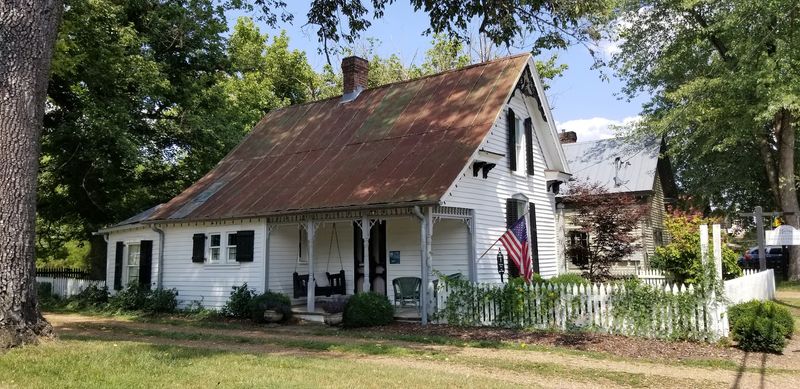
Not long ago, Leiper’s Fork was fading quietly into obscurity along the Natchez Trace Parkway. Then artists, musicians, and creative types discovered it, and the whole village came roaring back to life in the most charming way imaginable.
Today it sits on the National Register of Historic Places and feels like the kind of place you want to move to immediately.
The village is technically unincorporated, which means it has no mayor, no city council, and no pretension. It features a charming collection of independent galleries, antique shops, and boutiques along a short walkable stretch.
Those ten minutes are genuinely wonderful.
Music runs through Leiper’s Fork like a current. Legendary local venues have hosted surprise performances from some of Nashville’s biggest names over the years.
The connection between this little village and the music industry is deep and completely organic.
The surrounding countryside is postcard-perfect Tennessee. Rolling hills, old wooden fences, and horse farms line the roads leading into town.
Driving the Natchez Trace Parkway to get here is an experience worth taking slowly and savoring.
Local art here tends toward the authentic rather than the commercial. The work hanging in these galleries reflects actual Tennessee life rather than generic tourist imagery.
Collecting something from Leiper’s Fork feels meaningful rather than transactional.
Weekend mornings bring a relaxed energy that is hard to replicate in busier towns nearby. People sit on porches, dogs wander calmly, and nobody seems to be in a hurry.
That pace is increasingly rare and surprisingly refreshing.
Plan a slow Saturday morning here and let the village work its magic.
8. Reelfoot Lake State Park
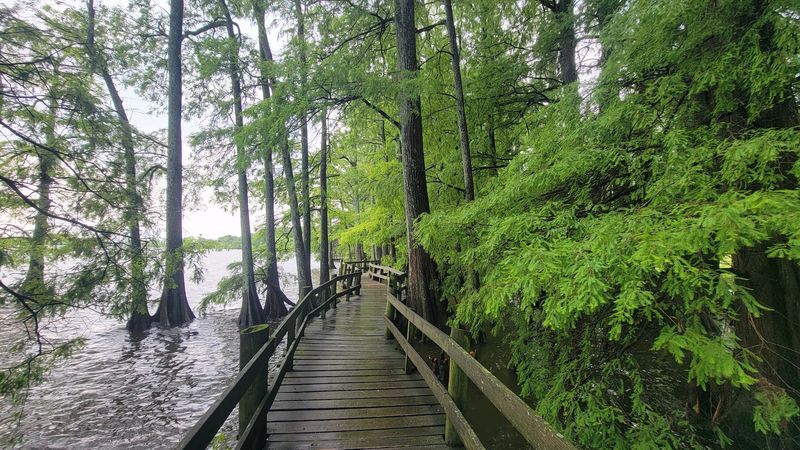
In the winter of 1811 and 1812, a series of earthquakes so powerful that they rang church bells in Boston literally sank a section of Tennessee into the earth. The land filled with water from the Mississippi River, and Reelfoot Lake was born.
It is the only large natural lake in Tennessee, and its origin story is one of the most dramatic in American geography.
Bald cypress trees grow directly out of the water across the lake’s surface. Their knobby roots and draped Spanish moss create a landscape that looks prehistoric and completely unlike anything else in the state.
Photographers have been coming here for decades, trying to capture it properly.
The wildlife here is exceptional by any standard. Bald eagles gather at Reelfoot in large numbers during winter, making it one of the best eagle-viewing destinations in the entire Southeast.
Guided eagle tours run during peak season and fill up fast, so booking early is genuinely important.
Pontoon boat cruises take visitors through the cypress forests in a way that no trail possibly could. Gliding through those trees on calm water with birds calling overhead is the kind of experience that stays with you for years.
It is peaceful in a way that feels almost medicinal.
Fishing has been a tradition at Reelfoot for generations. The shallow, nutrient-rich water produces remarkable populations of crappie, bass, and catfish.
Local fishing culture here is as much a part of the park’s identity as the eagles and cypress trees.
Wetland hiking trails offer a different perspective on the ecosystem for those who prefer dry land. The boardwalk sections are especially good for spotting herons and egrets up close.
Reelfoot Lake State Park is located at 2595 TN-21, Tiptonville, TN 38079.