
Tennessee Campgrounds Hidden So Well Even Locals Do Not Know About Them
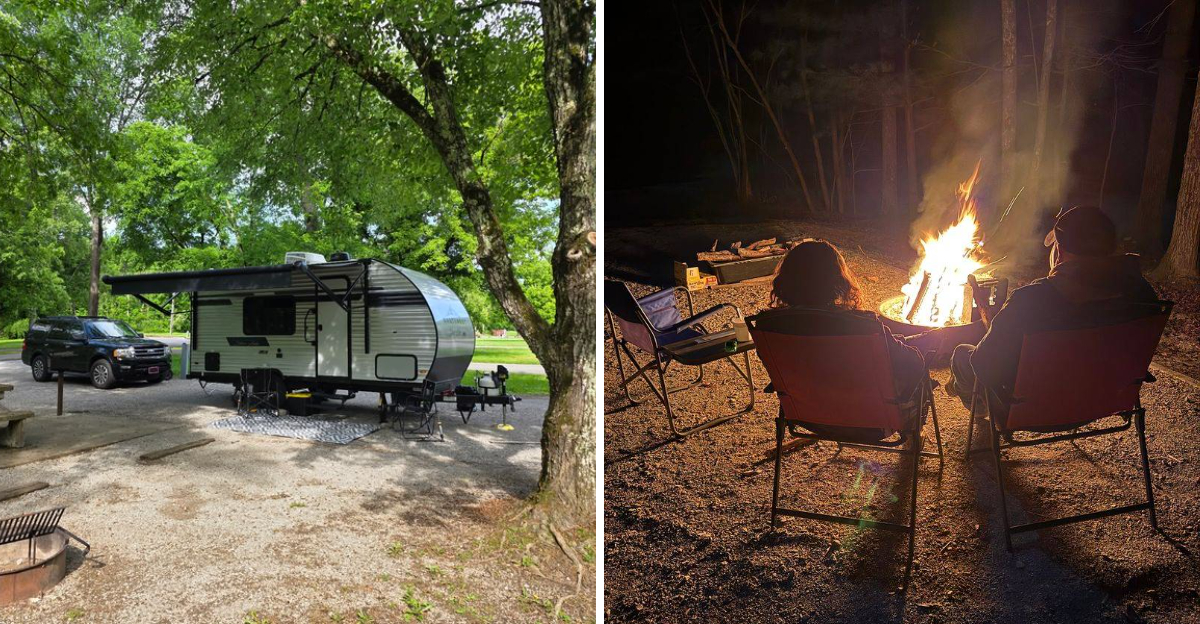
Some campgrounds show up on every list, every map, every recommendation you can find online. These are not those campgrounds.
Across Tennessee, a handful of spots exist that even lifelong residents have never stumbled across.
No lines at check in. No crowded fire pits packed shoulder to shoulder. Just quiet stretches of land that somehow slipped past the algorithm and the influencers both.
Maybe it is the lack of cell signal. Maybe it is the dirt roads that scare off casual travelers.
Whatever the reason, these campgrounds stayed off the radar while everyone else fought for a spot at the popular parks. Curious campers willing to look past the usual suggestions might find something better waiting for them.
Ahead are the spots that never made it into the guidebooks, the ones locals themselves rarely mention. Load up the car and get ready to explore somewhere new.
1. Spring Creek Primitive Campground, Mousetail Landing State Park, Linden
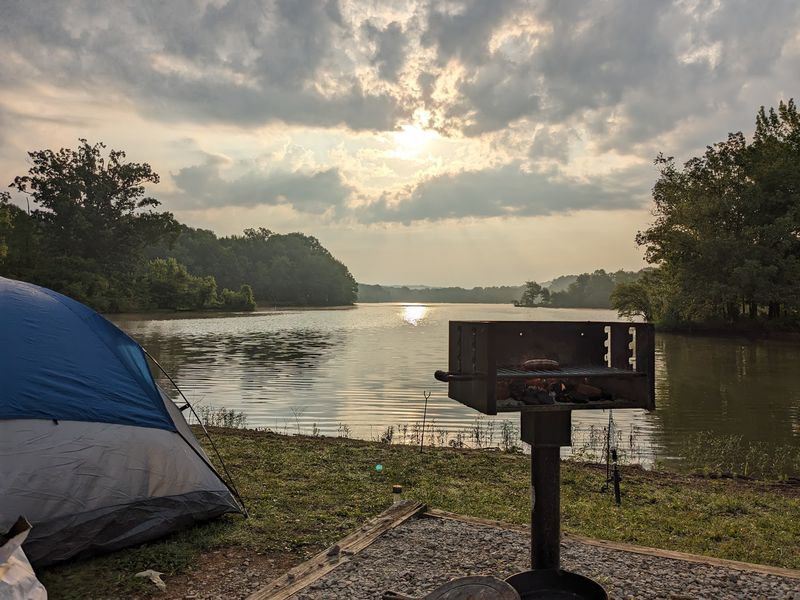
Right on the edge of the Tennessee River, Spring Creek Primitive Campground inside Mousetail Landing State Park offers one of West Tennessee’s most underrated waterfront experiences.
The campground sits completely separate from the park’s main developed loop, which means the crowd noise stays far away.
Twenty-one designated sites line the riverbank, each outfitted with a fire ring, BBQ grill, picnic table, and lantern holder. No bathhouses here, but portable restrooms are available, and rangers can deliver firewood bundles to your site for a small fee.
Paddlers will find easy access to the Spring Creek and Lick Creek Water Trails, and a boat ramp nearby opens up the full Tennessee River for exploration.
Cell service can be unpredictable, and warmer months bring insects along with the humidity, so come prepared.
The real draw is the simplicity of it all. Waking up to a wide river view with no resort amenities in sight has a way of resetting your perspective fast.
Linden is a small town with a big river, and this campground captures exactly that combination without asking much in return.
2. Fort Pillow State Historic Park Campground, Henning
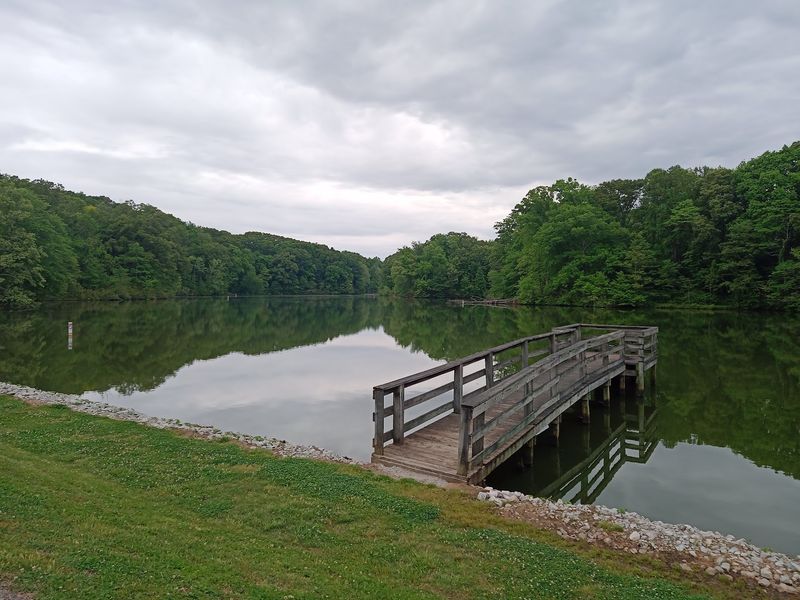
History and wilderness make an unusual but compelling pair at Fort Pillow State Historic Park Campground in Henning, Lauderdale County.
Perched high on the Chickasaw Bluffs, the park overlooks the Mississippi River in a way that stops you mid-step.
The campground offers primitive, RV, and backcountry sites, giving campers plenty of flexibility depending on how rugged they want to go.
Far from Tennessee’s usual camping circuit, this spot rewards those willing to make the drive west.
The park preserves earthworks from 1861 and a reconstructed inner fort, and a small museum houses Civil War artifacts alongside a 12-minute video covering the Battle of Fort Pillow in striking detail.
Over 20 miles of hiking trails wind through the forested terrain, and a 25-acre lake provides solid fishing opportunities.
Wildlife observation areas attract serious bird watchers, especially during migration seasons when the Mississippi flyway channels an impressive variety of species overhead.
For a campground that doubles as a genuine history lesson with bluff views thrown in, Fort Pillow punches well above its weight.
Most Tennessee campers have never even heard the name, and that makes finding it feel even better.
3. Meriwether Lewis Campground, Hohenwald
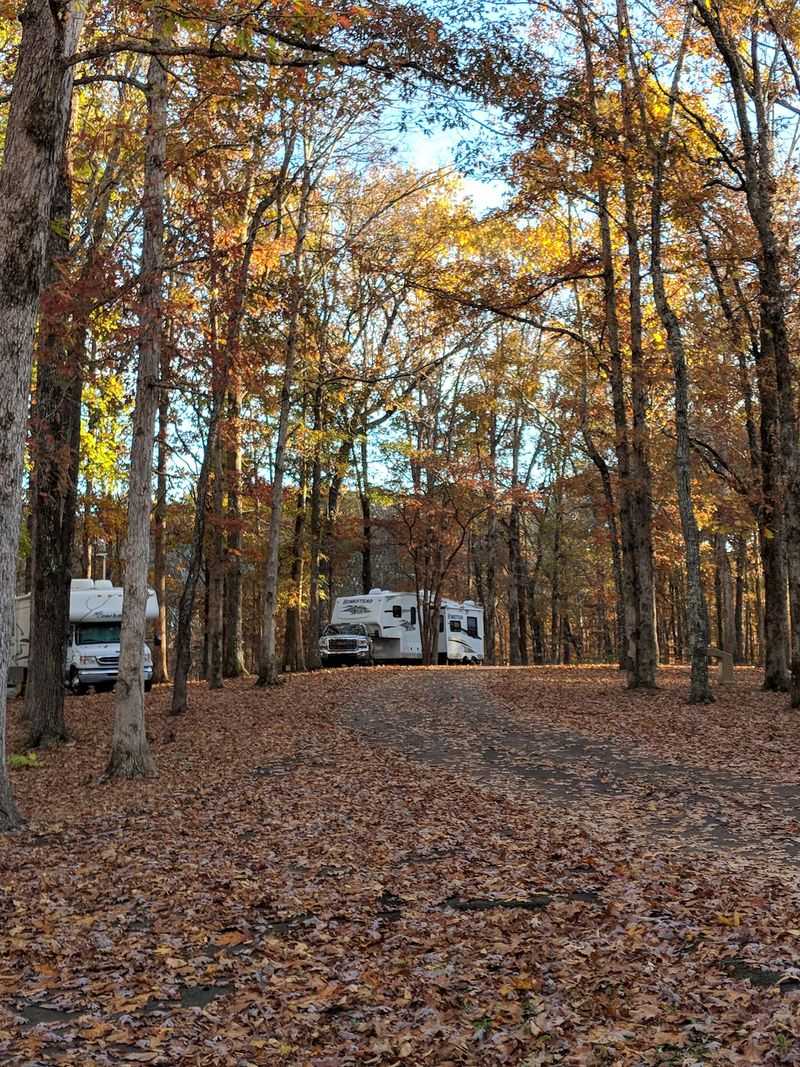
Free camping with 31 sites and no reservation required sounds almost too good to be true, but Meriwether Lewis Campground along the Natchez Trace Parkway near Hohenwald delivers exactly that.
The campground sits beneath a tall canopy of oaks that feels more like a cathedral than a parking lot.
There are no hookups, no showers, and no dump station. Phone reception is unreliable at best. Those are not complaints here, they are the whole point.
Potable water and flush toilets are available, keeping things functional without tipping into glamping territory.
A pioneer cemetery, historical exhibits, and a preserved section of the Old Natchez Trace add unexpected depth to what could otherwise be a simple overnight stop.
Spring and fall bring out the campground’s best colors, when the surrounding deciduous trees shift through gold and amber with theatrical flair.
Holiday weekends can draw a few more tents, but the overall atmosphere stays calm and unhurried.
Named for the famous explorer who spent his final days near this very stretch of road, the campground carries a quiet, reflective energy that feels entirely appropriate for the setting.
4. Harpeth River Bridge Campground, Ashland City
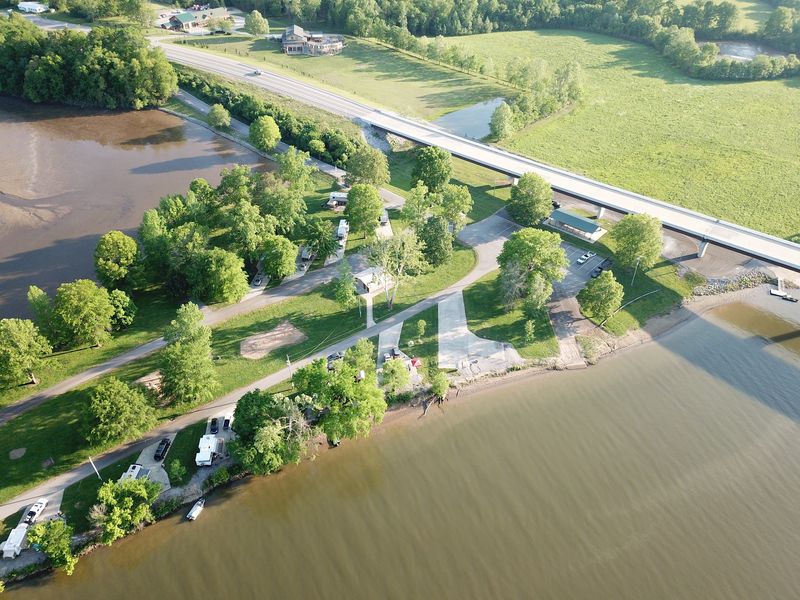
Thirty minutes outside Nashville and somehow still flying completely under the radar, Harpeth River Bridge Campground in Ashland City occupies a narrow strip of land that the Harpeth River wraps around on nearly every side.
With only 14 campsites total, the place feels more like a private retreat than a public campground.
Run by the Army Corps of Engineers, each site comes with concrete pads, water, and 50-amp electric hookups, making it a comfortable fit for both tents and RVs.
Hot showers, a new boat ramp, a large picnic shelter, a playground, and horseshoe pits round out the amenities in a way that surprises most first-timers.
Tall, shading trees keep temperatures manageable through a long recreational season, and the river itself invites boating, canoeing, and fishing from practically every campsite.
The location is almost absurdly convenient for a Nashville weekend escape, yet somehow it remains one of those spots that locals drive past without ever pulling in.
If you want river camping that feels genuinely surrounded by water without the long drive to a reservoir, this little bend in the Harpeth is worth circling on your map right now.
5. Pickett CCC Memorial State Park Campground, Jamestown
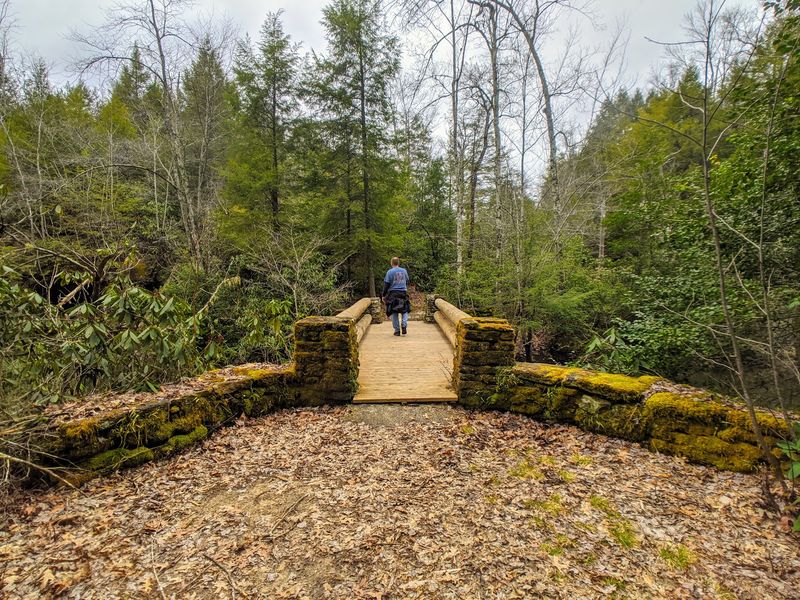
Up on the Cumberland Plateau outside Jamestown, Pickett CCC Memorial State Park Campground earns its reputation quietly and without much fanfare.
The park holds certified Dark Sky Park status, which means on a clear night the Milky Way looks close enough to reach up and touch.
Thirty-one campsites sit inside the vast Pickett State Forest, right next to the Big South Fork National River and Recreation Area.
Sandstone formations, natural bridges, caves, and forested ridges surround the campground on all sides, making the landscape feel more like the American Southwest than Middle Tennessee.
More than 58 miles of hiking trails branch out from the area, leading to scenic overlooks and geological features that stop hikers mid-trail. Arch Lake offers swimming, paddling, and trout fishing in summer, with rentals available for those who travel light.
A small museum inside the park covers both Native American history and the Civilian Conservation Corps workers who shaped much of the park during the 1930s, adding a layer of human story to all that raw geology.
Pickett does not advertise itself aggressively, and that restraint has kept it wonderfully uncrowded for those willing to seek it out.
6. Dale Hollow Lake Primitive Camping, Celina And Byrdstown Area
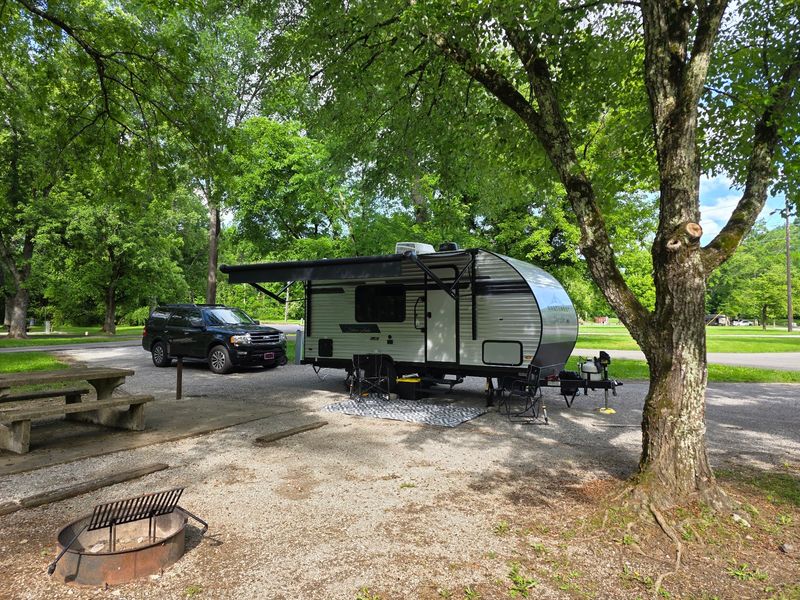
Getting to most of the campsites at Dale Hollow Lake requires a boat, not a car.
That one fact alone filters out the majority of the camping crowd and leaves behind 70-plus primitive sites scattered across 32 locations along 620 miles of shoreline in the Celina and Byrdstown area.
Facilities are genuinely minimal. Expect vault or pit toilets, a ground grill, and a fire circle.
Campers must bring their own water and pack out everything they carry in, no exceptions and no shortcuts.
The lake itself is famous for its crystal-clear water, a rarity in Tennessee reservoirs. It holds a world-record reputation for smallmouth bass fishing, and boating, water skiing, and paddleboarding fill the summer calendar for those who make the trip.
Winter brings a different kind of reward. Bald eagles move through the area during their cold-season migration, and the lake’s quiet coves become surprisingly peaceful places to sit and watch the sky.
Dale Hollow is the kind of place that demands a little effort to reach and pays back every bit of it once you arrive, which is exactly why most people never bother to look it up.
7. Station Camp Campground, Oneida
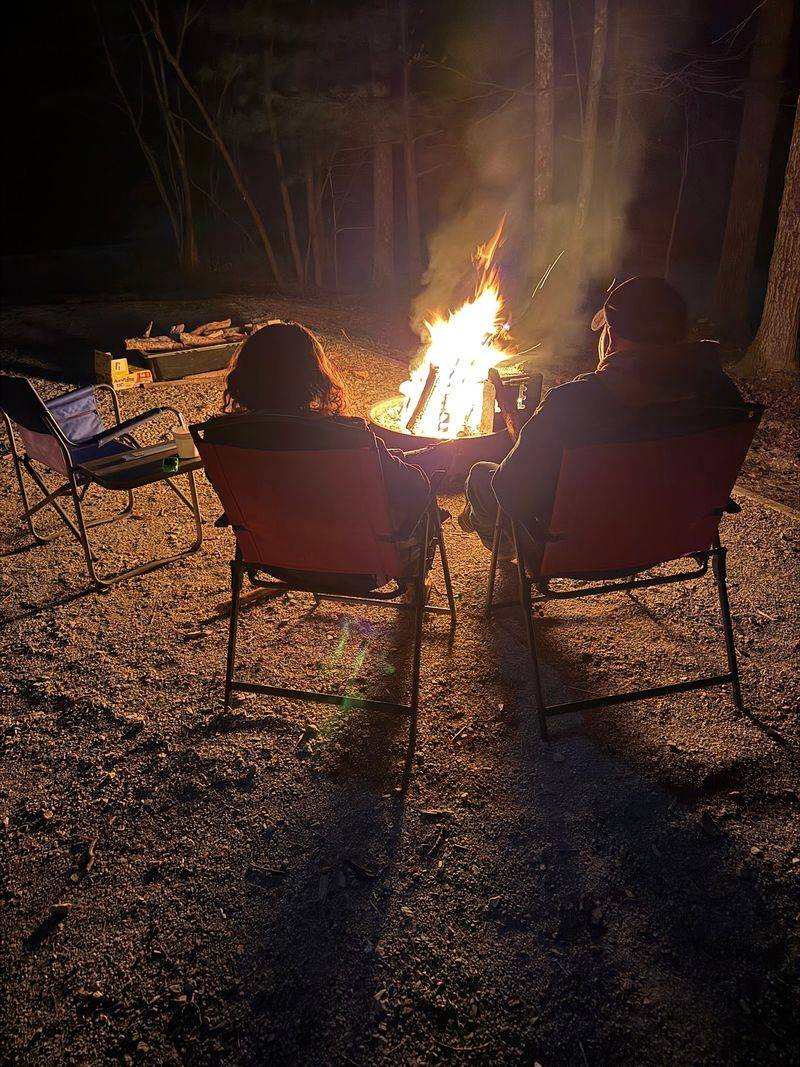
The name Station Camp conjures images of horses and riders, and while the campground in Oneida does cater to equestrians, it is absolutely not off-limits to everyone else.
All 24 sites are open to campers with or without horses, and the campground stays open year-round, which already puts it ahead of many Tennessee options.
Electric and water hookups, hot showers, and flush toilets make for a comfortable base inside the Big South Fork National River and Recreation Area.
Horse owners get tie-outs for up to four animals per site, along with direct trail access across the Cumberland Plateau’s striking terrain.
For those on foot, the hiking and mountain biking trails here wind through gorge landscapes, towering sandstone bluffs, and dense hardwood forest in a way that makes every outing feel like a proper adventure.
The Big South Fork River adds whitewater and flatwater options depending on the season.
Station Camp tends to stay under the radar because most people assume it requires a horse to even enter.
Correcting that assumption opens up one of the most well-rounded and scenically dramatic campgrounds in the entire state, sitting quietly in a corner of Tennessee that most road maps do not bother to highlight.
8. Dennis Cove Campground, Hampton
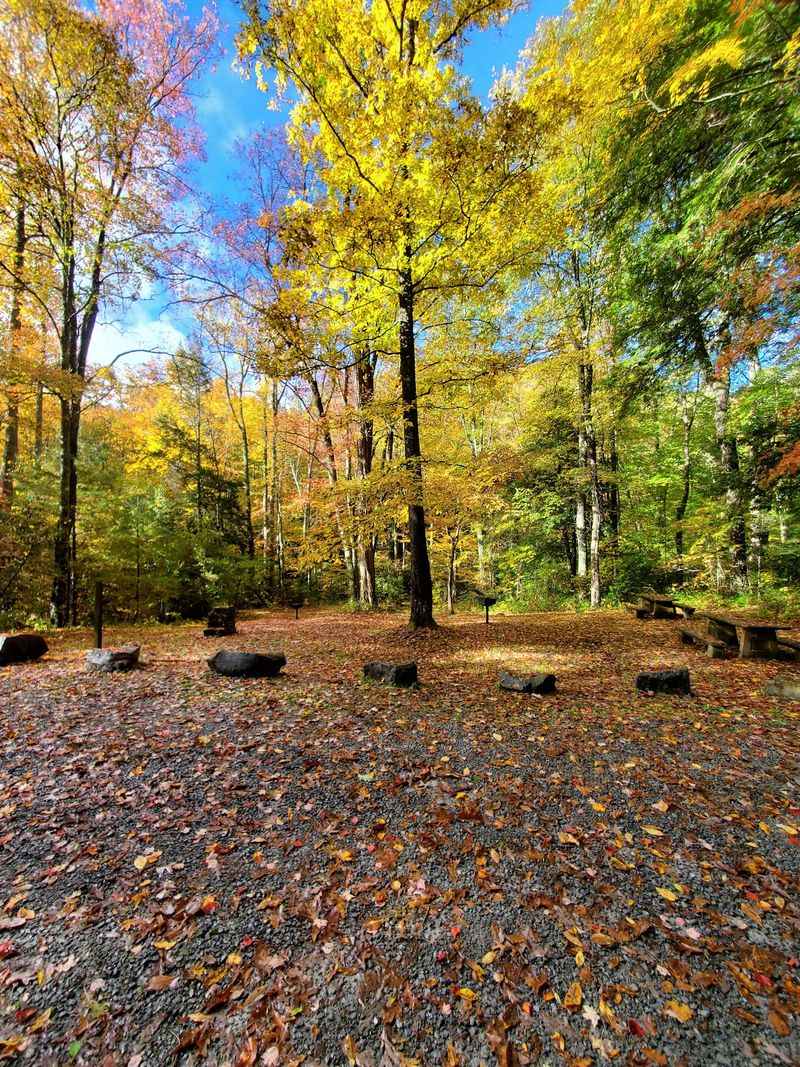
A steep road with hairpin turns is the price of admission to Dennis Cove Campground in Hampton and most drivers turn around before they get there.
That self-selecting quality keeps this 15-site campground beside Laurel Fork Creek blissfully quiet through most of the season.
Sitting at an elevation of 2,650 feet inside the Cherokee National Forest, the campground delivers a mountain atmosphere that feels genuinely remote even by Tennessee standards.
Each site has a picnic table, fire ring, and lantern holder, with flush toilets and potable water available on-site.
No hookups, no showers, and no cell signal to speak of.
The creek running alongside the campground is stocked with rainbow trout downstream and holds wild brown, rainbow, and brook trout further up, making it a serious destination for fly fishing enthusiasts.
The Laurel Fork Trail starts directly from the campground and covers eight miles with 26 stream crossings, which sounds either thrilling or exhausting depending on your perspective.
The Appalachian Trail is also accessible nearby for those looking to extend their adventure further into the hills.
Dennis Cove reopened for the 2026 season on April 27, so the timing is right to plan a trip before the word gets out any further.
9. Abrams Creek Campground, Tallassee
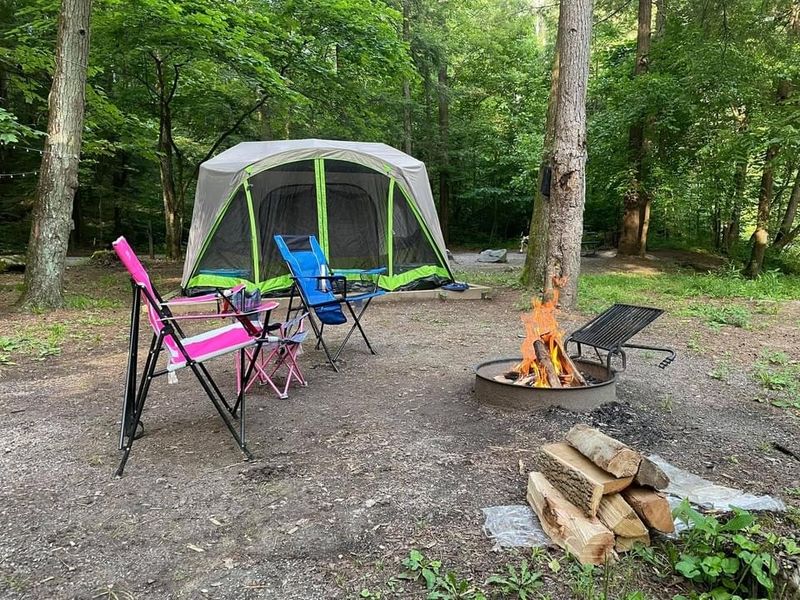
Most people enter Great Smoky Mountains National Park from the east and never make it to the western corner where Abrams Creek Campground sits in Tallassee, quietly doing its thing with 16 sites and very little fanfare.
Getting there involves a gravel road that discourages casual drop-ins, which suits the campground’s atmosphere perfectly.
Creek access is immediate and unhurried. Abrams Creek runs clear and cold, and the trout fishing here, particularly fly fishing during spring insect hatches, draws anglers who take their sport seriously and their crowds small.
Flush toilets and drinking water are available, keeping the experience functional without crossing into modern convenience territory. No hookups, no showers, and no shortcuts to the kind of quiet this place offers.
Trails from the campground lead to waterfalls, panoramic overlooks, and historic homestead sites that tell the story of the families who once lived in these mountains before the park was established.
Fall is spectacular here, with cooler air and foliage that turns the hillsides into something worth photographing from every angle.
For anyone who thought they had seen everything the Smokies had to offer, Abrams Creek makes a convincing case that the best corner of the park was the one they skipped.