
10 Tennessee Campgrounds That Feel Like Private Escapes
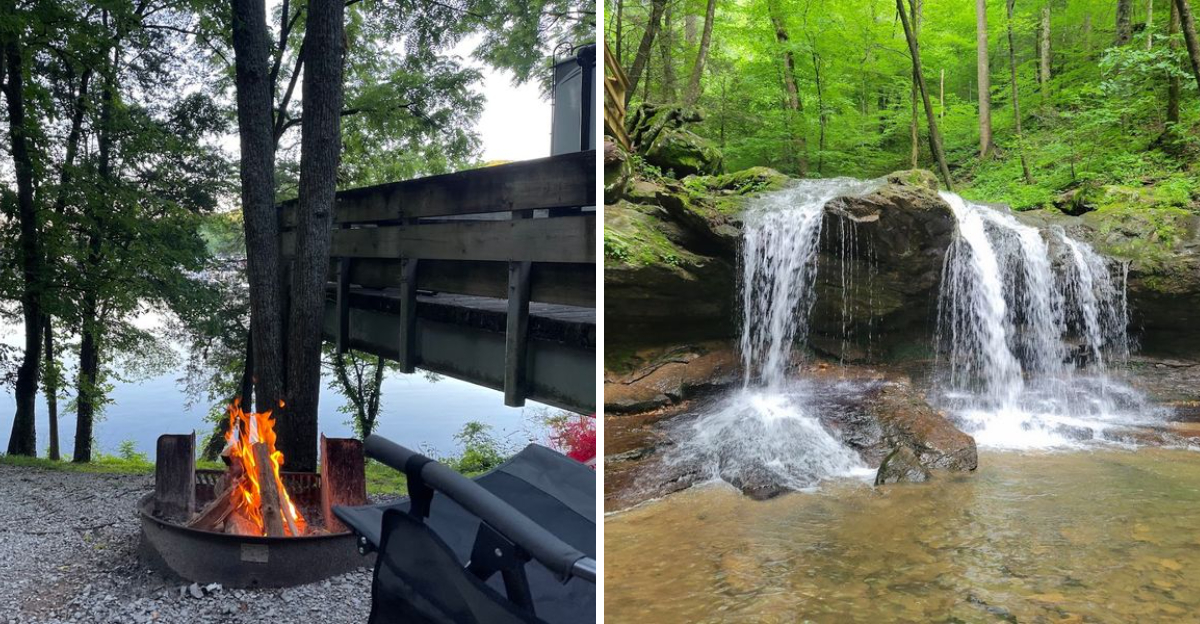
The sound of birds at sunrise. Cool morning air drifting through tall trees.
A quiet campsite where the loudest thing you hear is a crackling fire. Tennessee has a way of turning an ordinary camping trip into something memorable.
Across the state, peaceful campgrounds sit beside clear lakes, deep forests, and winding mountain roads that lead far away from busy highways. Some feel surprisingly remote, others sit near dramatic scenery that makes every evening walk unforgettable.
Pack the tent, bring the marshmallows, and clear a little space in your schedule. These Tennessee campgrounds offer the kind of calm and scenery that make a simple weekend outdoors feel wonderfully refreshing.
1. Cades Cove Campground, Townsend
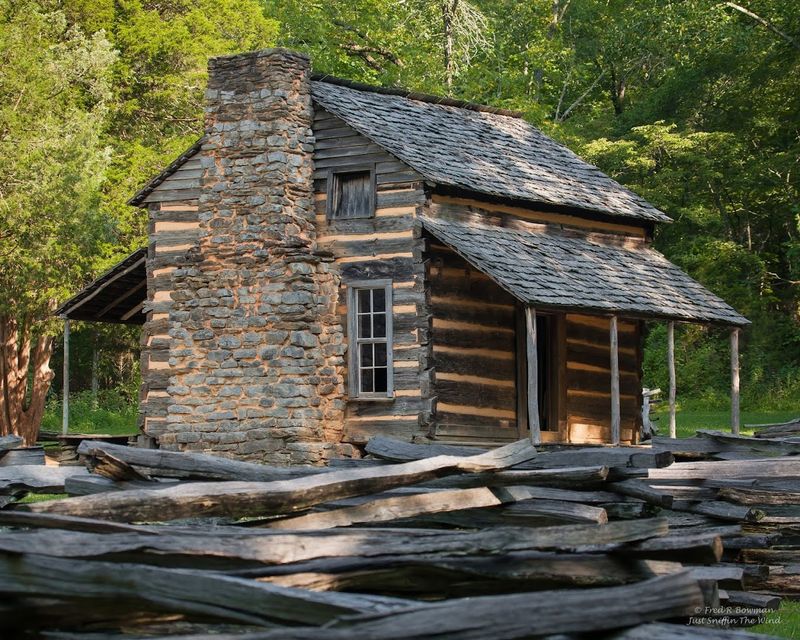
Few places in Tennessee set the scene quite like Cades Cove, where white-tailed deer graze across open meadows while fog rolls slowly off the surrounding mountain ridges at first light.
Situated inside Great Smoky Mountains National Park near Townsend, this campground puts you right in the heart of one of the most visited national parks in the country, yet somehow still manages to feel removed from the chaos.
The campground offers over 150 sites with access to flush toilets and a camp store, making it comfortable without feeling like a resort.
History lovers will appreciate the preserved 19th-century homesteads, grist mills, and churches scattered across the cove’s 11-mile loop road.
Wildlife sightings here are practically guaranteed, with black bears, wild turkeys, and foxes making regular appearances near the treeline.
Book your site well in advance because reservations fill up fast, especially during fall foliage season when the surrounding ridges turn shades of amber and rust. Cades Cove is the rare campground that rewards both the early riser and the slow morning coffee drinker equally.
2. Elkmont Campground, Gatlinburg
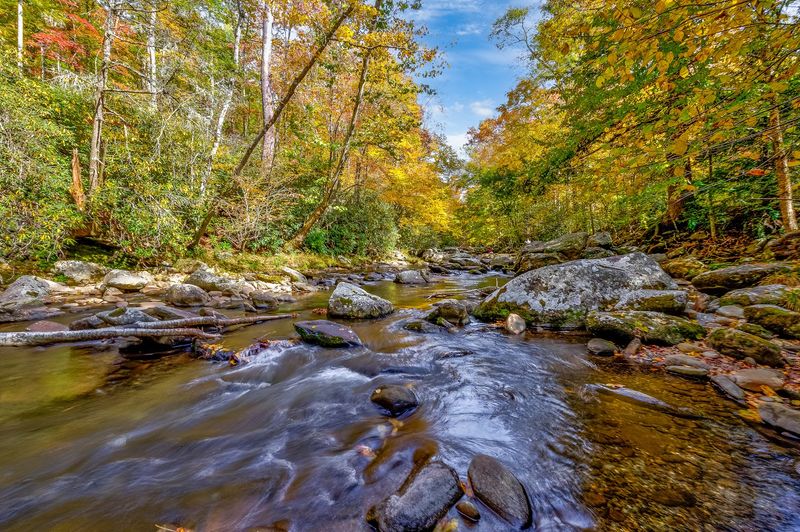
The sound of the Little River rushing past your campsite is the best alarm clock Elkmont Campground has to offer, and it never hits snooze.
Located inside Great Smoky Mountains National Park near Gatlinburg, Elkmont is one of the largest and most popular campgrounds in the park, yet its riverside setting and dense tree cover give each site a surprisingly private feel.
With over 200 campsites spread across several loops, there is room to spread out, and the tall hardwoods create natural walls between neighbors.
One of the most remarkable annual events here happens every June when synchronous fireflies light up the forest in perfectly timed flashes, a phenomenon that draws visitors from across the country.
Permits are required to witness the firefly display, so plan accordingly if that is on your bucket list.
Hiking trails lead directly from camp to destinations like Laurel Falls and the Appalachian Trail junction, so your adventure starts the moment you lace up your boots.
Elkmont proves that a campground can be both well-known and genuinely magical at the same time.
3. Cosby Campground, Cosby
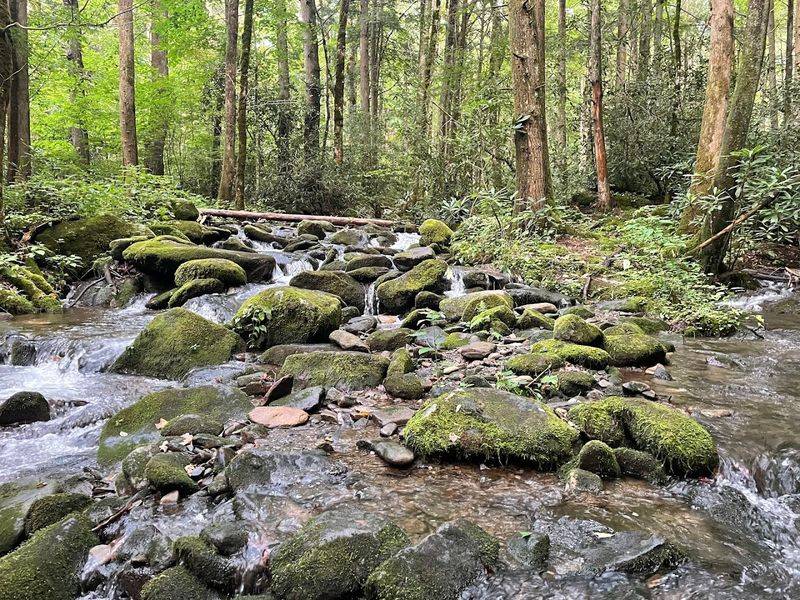
Tucked into the quieter northeastern corner of Great Smoky Mountains National Park, Cosby Campground earns its reputation as the park’s best-kept low-key retreat.
Near the small community of Cosby, this campground sits at roughly 2,500 feet in elevation, which means cooler temperatures in summer and a canopy of rhododendron that blooms in spectacular pink and purple waves each June.
With around 157 sites, it is significantly smaller than Elkmont, and that smaller scale translates directly into a calmer, more relaxed atmosphere where you can actually hear yourself think.
Cosby Creek winds through the property, giving tent campers a soothing soundtrack that no playlist can replicate.
The trailhead for Hen Wallow Falls is just minutes from camp, and the 4.4-mile round trip rewards hikers with a gorgeous 90-foot cascade surrounded by old-growth forest.
Bear activity in this area is common, so proper food storage is not optional, it is essential.
Cosby is the kind of place where serious hikers and casual campers both leave feeling like they found something the crowds somehow missed.
4. Fall Creek Falls State Park Campground, Spencer
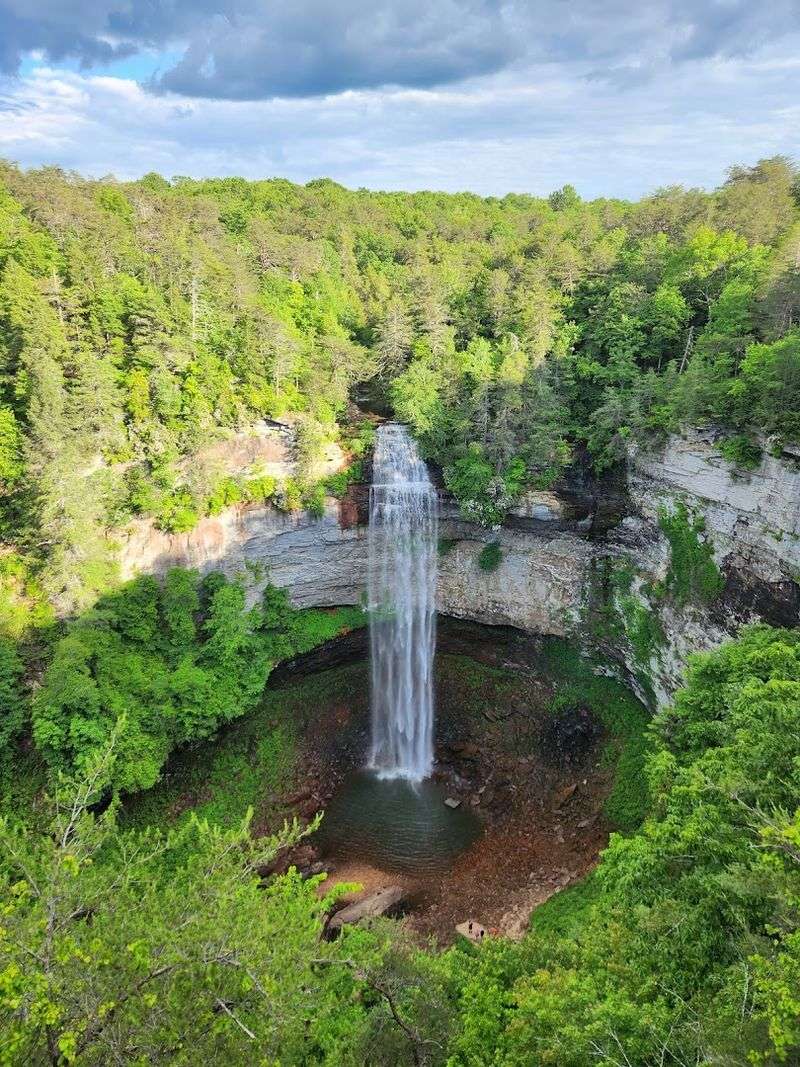
Home to one of the tallest waterfalls in the eastern United States, Fall Creek Falls State Park delivers a camping experience that starts with a jaw-dropping introduction and never really lets up.
Situated near Spencer in Van Buren County, the park’s campground offers both electrical hookup sites and primitive options, giving campers the flexibility to rough it or ease in with a few modern comforts.
The namesake waterfall plunges 256 feet into a pool below, and the hike down to the base is an adventure in itself, weaving through hemlock groves and past mossy boulders.
Beyond the falls, the park features over 34 miles of trails that explore canyons, cascades, and forest ridges across more than 26,000 acres.
A swimming lake, bike rentals, and a golf course make this park surprisingly full-featured for families who want variety in their outdoor experience.
Fall and spring are the most rewarding seasons here, when the canyon light hits the mist at just the right angle and the forest feels electric with color or fresh growth.
Fall Creek Falls is proof that Tennessee does not do anything halfway when it comes to natural scenery.
5. Pickett CCC Memorial State Park Campground, Jamestown
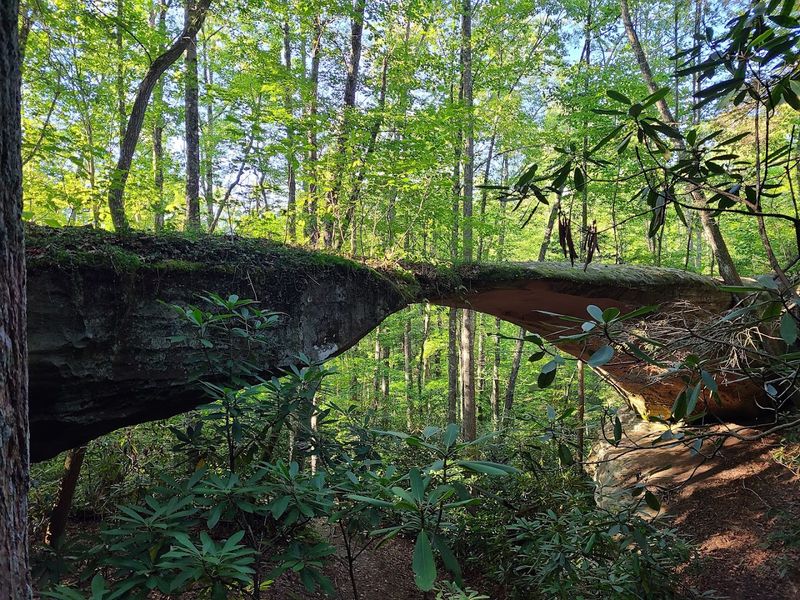
If you have ever wanted to camp inside a landscape that looks like it belongs on another planet, Pickett CCC Memorial State Park in Jamestown is the place to make that happen.
This compact but extraordinary park is known for its unusual geology, featuring natural arches, rock shelters, and sandstone formations that took millions of years to carve into their current shapes.
The campground itself is small and intentionally low-key, which keeps the overall visitor numbers manageable and the atmosphere refreshingly peaceful.
Over 58 miles of trails wind through the park and connect to the neighboring Big South Fork National River and Recreation Area, effectively expanding your hiking options into an enormous backcountry network.
The park’s roots trace back to the Civilian Conservation Corps of the 1930s, and several original CCC-built structures still stand throughout the property, adding a layer of American history to the natural scenery.
Wildflowers here are exceptional in spring, with rare species blooming in the rocky crevices that larger parks simply cannot replicate.
Pickett rewards the curious camper who takes the time to look closely at what the forest has quietly been building for centuries.
6. Frozen Head State Park Campground, Wartburg
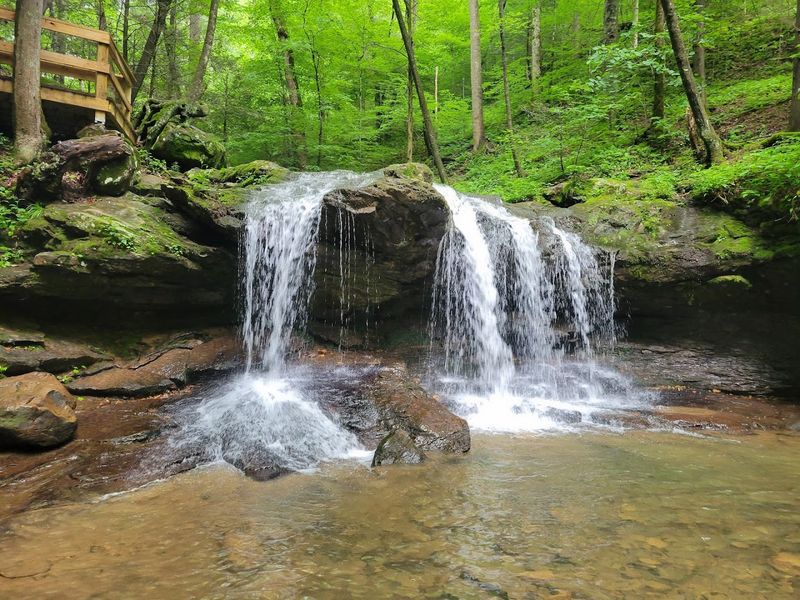
There is something wonderfully dramatic about a park named Frozen Head, and the campground inside this Morgan County, Tennessee treasure lives up to every expectation that name sets.
Located near Wartburg, Frozen Head State Park covers over 24,000 acres of rugged, largely undeveloped forest in the Cumberland Mountains, making it a genuine wilderness experience without requiring a backcountry permit.
The campground is small, with around 20 sites, which means you are far more likely to fall asleep to owls than to your neighbor’s generator.
Trails here are honest about their difficulty, climbing steeply through hardwood forest to ridgeline views that stretch across the Cumberland Plateau in every direction.
Frozen Head Mountain itself tops out at 3,324 feet, and the summit view on a clear day is the kind of payoff that makes every steep switchback feel worthwhile.
Wildflower season in late April and early May transforms the forest floor into a carpet of color, with trillium, bloodroot, and wild geranium competing for your attention.
Frozen Head is the park that outdoor regulars mention in hushed tones, the kind of place they quietly hope stays just under the radar.
7. Bandy Creek Campground, Oneida
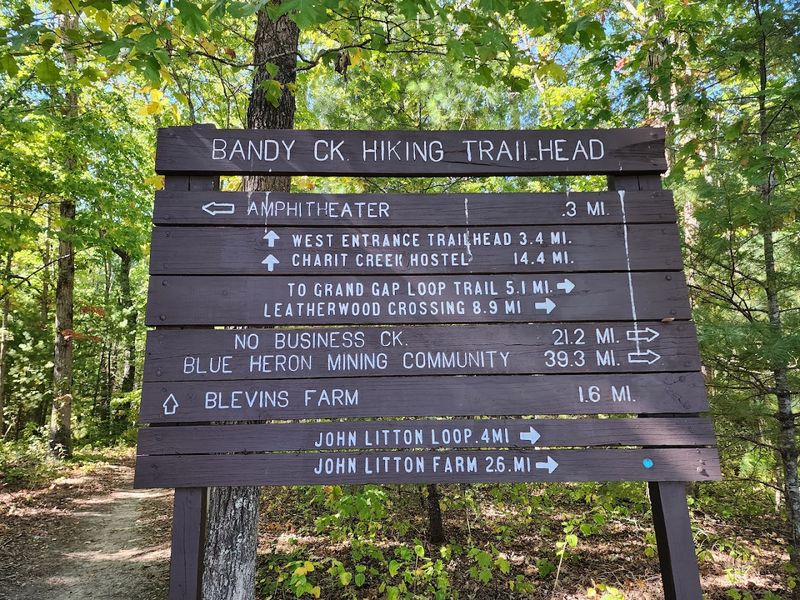
Bandy Creek Campground sits at the heart of Big South Fork National River and Recreation Area, a place where the river has carved some of the most dramatic sandstone gorges in the entire mid-South.
Located near Oneida in Scott County, this campground is managed by the National Park Service and offers a well-rounded base camp for an area that practically overflows with outdoor activity options.
Horseback riding, mountain biking, kayaking, and hiking all operate out of the same central hub, making Bandy Creek an unusually versatile launching point for adventurous families or groups with mixed interests.
The campground itself features over 100 sites with electrical hookups available, plus a swimming pool, which is a genuinely welcome surprise in the middle of a national recreation area.
Whitewater enthusiasts will want to target the river sections rated Class III and above, while casual paddlers can enjoy calmer stretches further downstream.
The overlooks above the gorge, particularly at Twin Arches and Charit Creek, rank among the most visually stunning spots in Tennessee that most people have never seen.
Big South Fork rewards the adventurous spirit with scenery that feels genuinely wild and completely earned.
8. Rock Island State Park Campground, Rock Island
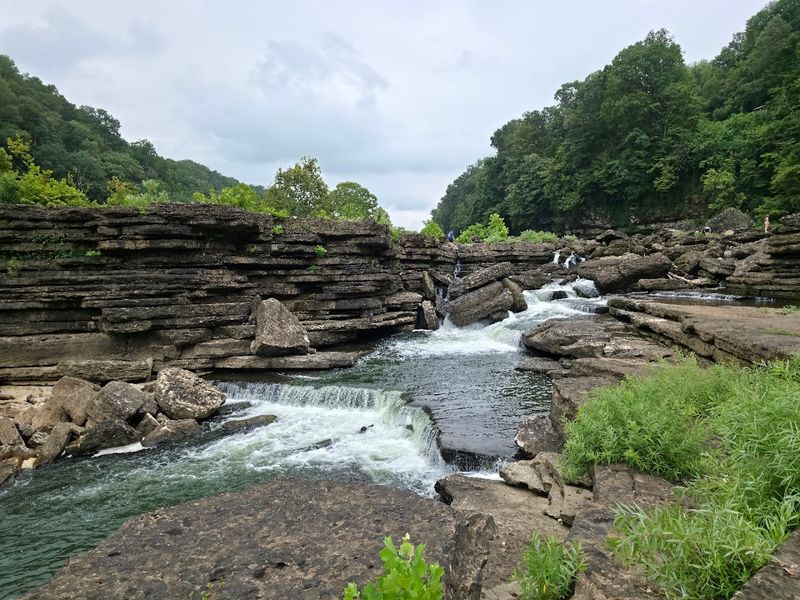
Rock Island State Park sits at the confluence of three rivers, and the campground here puts you close enough to the water that the sound of rushing current becomes the background score for your entire stay.
Located near the small town of Rock Island in White County, this park is anchored by the spectacular Great Falls of the Caney Fork River, a powerful cascade that has been drawing visitors since long before the park was officially established.
The campground offers both primitive and developed sites on a bluff above the river, and the views from certain spots are genuinely hard to believe for a Tennessee state park.
A sandy beach at the base of the falls creates one of the most photogenic swimming holes in the state, and on a warm summer afternoon it feels like a reward for simply showing up.
Kayakers and canoeists use the park as a put-in point for river runs through the gorge below, where the water carves through dramatic rock formations at every bend.
History adds another layer here, as the ruins of an old textile mill sit near the falls, quietly reminding visitors that this river once powered an entire community.
Rock Island is where geology, history, and outdoor adventure decide to share the same spectacular address.
9. Edgar Evins State Park Campground, Silver Point
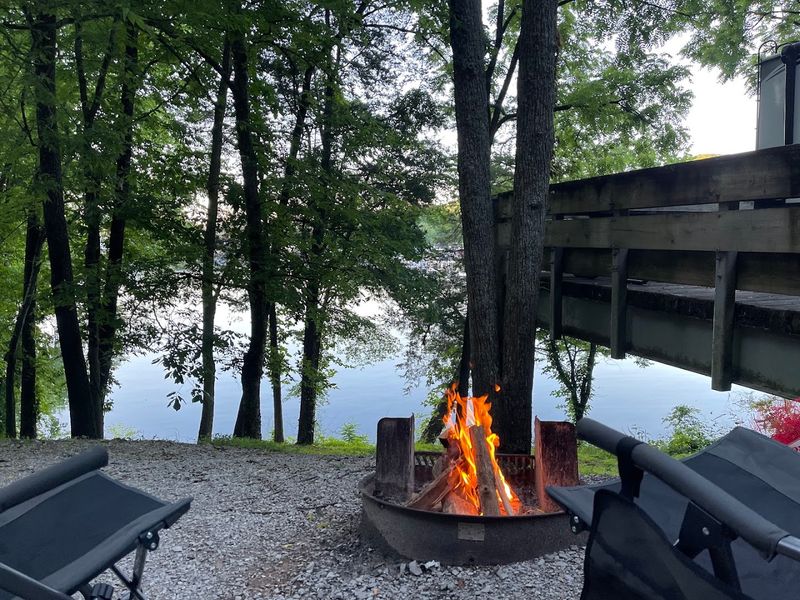
Center Hill Lake is the kind of body of water that makes you want to cancel your return trip, and Edgar Evins State Park gives you the perfect base camp for that extended stay.
Situated in DeKalb County near the town of Silver Point, this lakeside park offers a campground perched above the clear blue waters of the reservoir, where fishing, boating, and swimming are the unofficial daily schedule.
The campsites here range from basic tent sites to full-hookup RV pads, with many positioned to offer direct views of the lake through the trees.
Bass fishing on Center Hill Lake is particularly well regarded, and the park’s marina gives anglers easy access to some of the most productive water in Middle Tennessee.
Hiking trails wind through the surrounding forest, including the Marina Trail and the Cove Hollow Trail, which offer quiet walks with occasional lake views tucked between the ridgelines.
The park is less crowded than many of Tennessee’s coastal or mountain alternatives, which makes it a fantastic mid-state escape for anyone who wants water access without a three-hour drive.
Edgar Evins is the kind of lakeside retreat that sneaks up on you and refuses to let go until checkout day arrives.
10. Roan Mountain State Park Campground, Roan Mountain
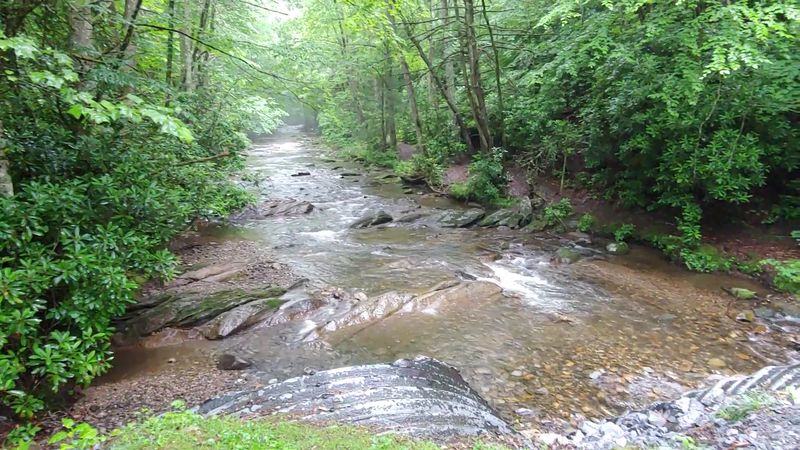
At over 6,000 feet in elevation, the Roan Mountain area hosts the largest natural rhododendron garden in the world, and the campground at Roan Mountain State Park puts you right at the doorstep of that extraordinary display.
Located in Carter County near the town of Roan Mountain, this park sits along the Tennessee-North Carolina border in the Blue Ridge Mountains, giving it a high-country atmosphere that feels completely different from the rest of the state.
The campground offers well-maintained sites along the Doe River, where the sound of cold mountain water over smooth stones creates a genuinely restorative atmosphere.
Peak bloom for the rhododendrons typically falls in mid-June, and the annual Rhododendron Festival draws hikers from across the region who come to walk the balds and soak in the views.
The Appalachian Trail passes through the Roan Highlands just above the park, making this one of the most accessible entry points for day hikes along one of America’s most iconic long-distance trails.
Temperatures here run noticeably cooler than the valleys below, making summer camping genuinely comfortable even during Tennessee’s most intense heat waves.
Roan Mountain is the kind of place where you arrive for the flowers and stay because the mountains simply will not let you leave quietly.