
11 Tennessee Getaways You Can Do In A Day Without The Stress In 2026
The best trips don’t always need a suitcase or a long drive. Sometimes, all it takes is a free day, a bit of curiosity, and the right place to point your car.
Tennessee makes that part easy. Scenic overlooks, small-town streets, waterfalls, quirky museums, and relaxed waterfront spots are all closer than you think, and they don’t come with complicated plans or packed itineraries.
You can leave in the morning, explore at your own pace, and still be home by evening. These easy day getaways keep things simple while giving you plenty to see, do, and remember in 2026.
1. Rugby
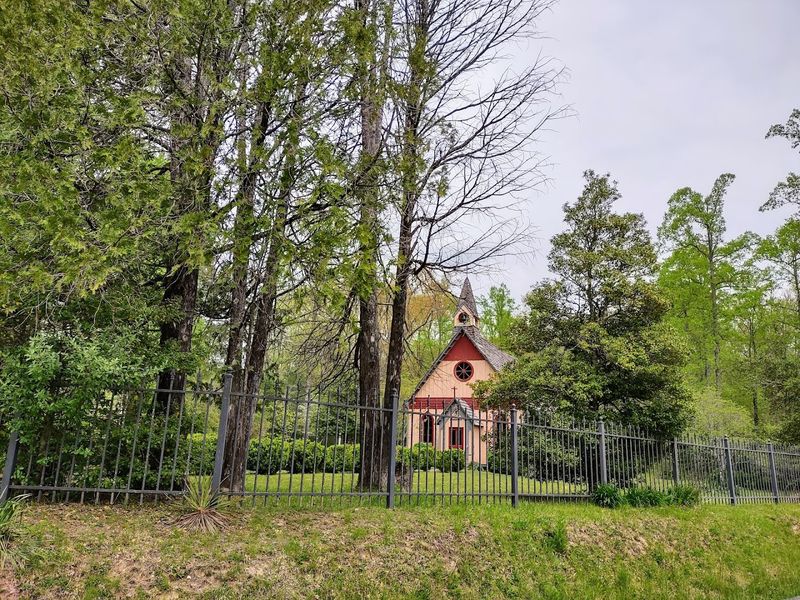
Rugby, Tennessee feels like someone pressed pause on 1880 and never came back to press play again, and that is exactly what makes it worth the drive.
Founded as an idealistic British colony in 1880 by social reformer Thomas Hughes, this small community in Morgan County still has over 20 original Victorian buildings standing and open for exploration.
The streets are genuinely quiet. There are no chain restaurants, no loud crowds, and no gift shops selling things that have nothing to do with the place.
What you get instead is a rare kind of stillness that feels almost cinematic.
Guided tours of the historic buildings are available and run regularly throughout the day. The Christ Church Episcopal, built in 1887, still has its original furnishings and is one of the most photographed spots in the area.
Rugby sits within the Big South Fork National River and Recreation Area, so you can pair your Victorian village walk with a short nature trail if you want to stretch the trip a little further. It is a genuinely offbeat day trip that rewards the curious traveler.
2. Loretta Lynn Ranch, Hurricane Mills
Few names carry as much Tennessee weight as Loretta Lynn, and her ranch in Hurricane Mills is a tribute to a life that reads more like a legend than a biography.
Located about an hour west of Nashville in Humphreys County, the Loretta Lynn Ranch spans hundreds of acres and includes the historic antebellum plantation home where Loretta actually lived, a museum packed with personal memorabilia, and open grounds that invite casual wandering.
The museum does not hold back. You will find costumes, awards, handwritten notes, and artifacts that trace her journey from a coal miner’s daughter in Kentucky to one of the most celebrated voices in country music history.
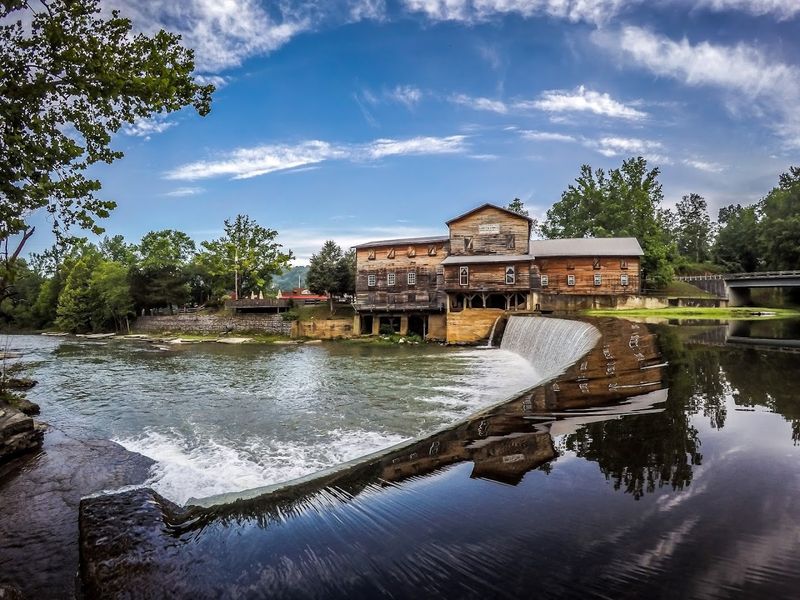
Beyond the museum, the property has a campground, a grist mill, and trails that let you take in the scenery at your own pace. It is a surprisingly layered experience that works equally well for die-hard fans and casual visitors who simply appreciate a good story told through a well-curated space.
Plan to spend at least three to four hours here. The combination of music history and peaceful outdoor scenery makes it one of the most complete day trips in middle Tennessee.
3. Twin Falls, Rock Island State Park
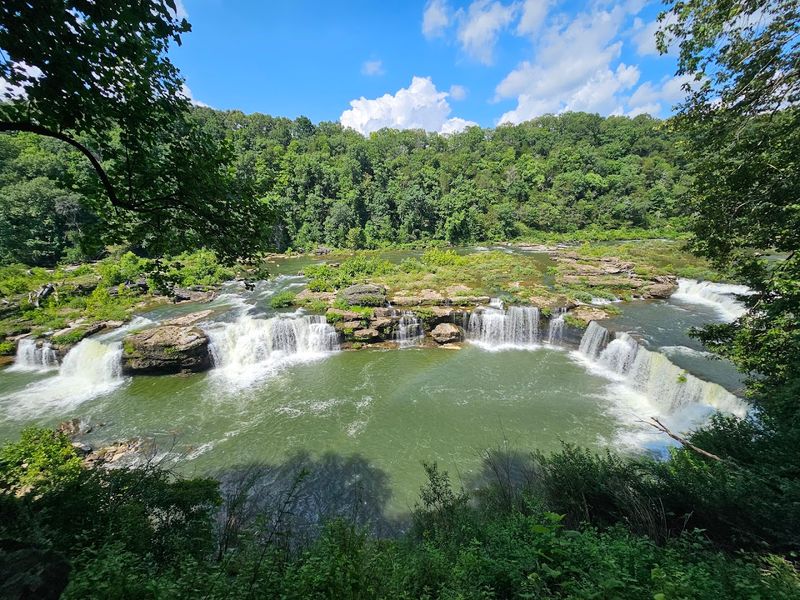
Most waterfalls fall in a single dramatic line, but Twin Falls in Rock Island State Park spreads itself across a wide rock ledge like a living curtain, and the effect is genuinely unlike anything else in Tennessee.
Located near the town of Rock Island in White County, this waterfall sits within Rock Island State Park, which is already one of the more scenic parks in the state. The falls are accessible via a relatively short and manageable trail, making them a good option for visitors of most fitness levels.
The wide, sheet-like flow of the water creates a soft roaring sound that you start hearing well before you actually see the falls. Standing close to the base gives you a full appreciation of just how broad the curtain of water actually is.
The park around Twin Falls also offers swimming access in designated areas, picnic spots, and additional trails if you want to extend your visit. Early morning visits tend to offer the best light for photography and fewer crowds.
Autumn is a particularly rewarding time to visit, when the surrounding trees shift into warm reds and oranges that frame the falls in a way that feels almost too good to be real.
4. Tellico Plains, Monroe County
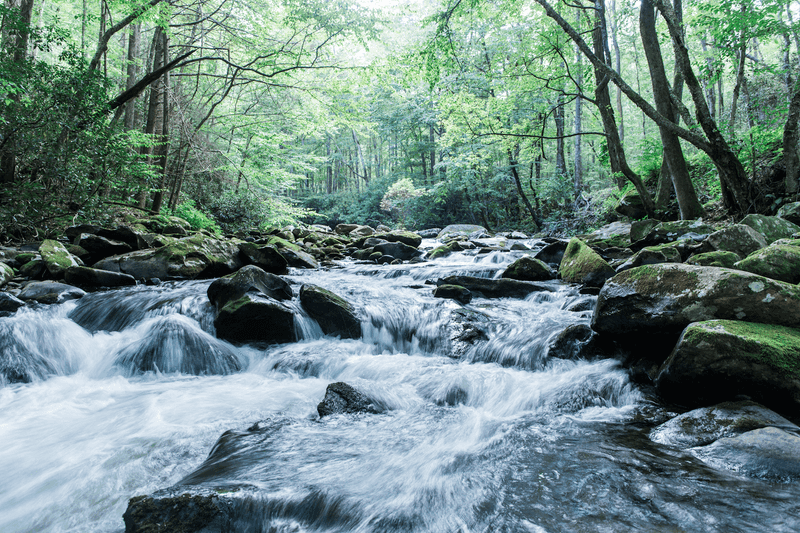
There is a certain kind of quiet that you only find in small mountain towns, and Tellico Plains in Monroe County has it in abundance.
Sitting at the edge of the Cherokee National Forest in southeastern Tennessee, Tellico Plains serves as the gateway to the Cherohala Skyway, a National Scenic Byway that stretches 43 miles through the mountains into North Carolina. Even driving just a portion of the skyway is worth the trip on its own.
The Tellico River runs through the area and offers opportunities for fishing, wading, and just sitting on the bank with nowhere specific to be. The pace here is noticeably slower than anywhere near a major city, and that slowness is the whole point.
The town itself has a few local shops and a small but genuine community feel. The Charles Hall Museum on the edge of town covers local history and is worth a quick stop if you are curious about the area’s Cherokee heritage and early settler stories.
Fall is the standout season here, when the mountain views along the skyway turn into rolling waves of color. Spring brings wildflowers and rushing water, making almost any visit feel like the right one.
5. The Elephant Sanctuary, Hohenwald
Not many day trips come with the kind of quiet awe that settles over you when you learn that somewhere in middle Tennessee, retired circus and zoo elephants are living out their days in a 2,700-acre natural habitat.
The Elephant Sanctuary in Hohenwald, Lewis County, is the largest natural habitat refuge for elephants in the United States. It is not a zoo, and it is not a performance space.
The elephants are not on display in the traditional sense, which is actually part of what makes a visit here feel so different.
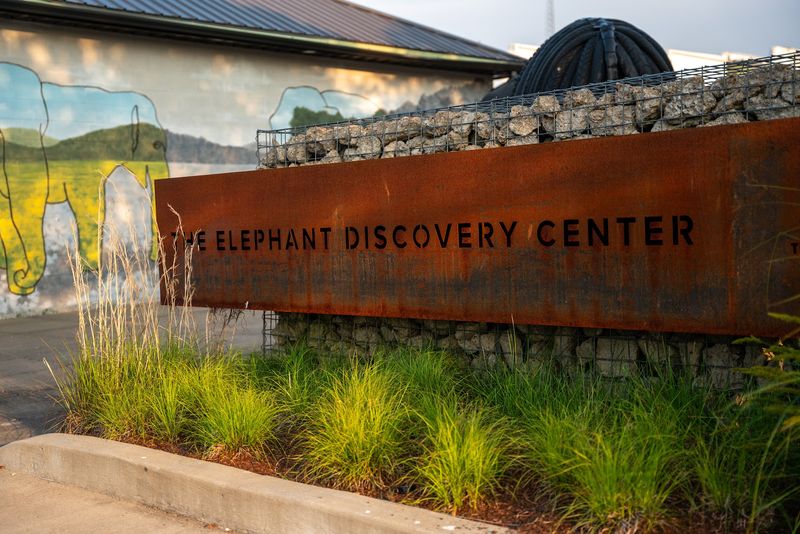
The sanctuary offers educational experiences through its Elephant Discovery Center in downtown Hohenwald, where visitors can learn about each resident elephant’s background, personality, and journey to the sanctuary. Live camera feeds sometimes allow you to catch glimpses of the elephants in their habitat.
The center itself is thoughtfully designed and genuinely informative, making it a strong stop for families, students, and anyone who finds the intersection of conservation and compassion worth a few hours of their time.
Hohenwald is about 80 miles southwest of Nashville, making it an easy and meaningful day trip that offers something most Tennessee destinations simply cannot: a completely different kind of connection to the natural world.
6. Coon Creek Science Center, McNairy County
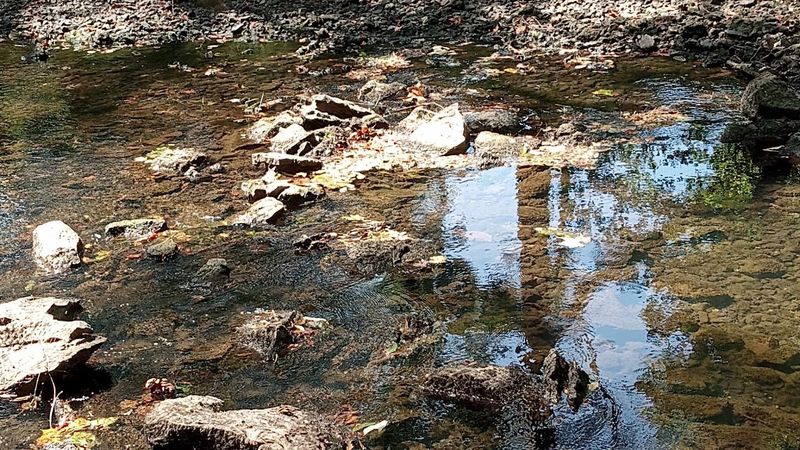
Somewhere in McNairy County, there is a creek bed where you can reach into the sediment and pull out a fossil that has been sitting there for roughly 70 million years, and that is not an exaggeration.
Coon Creek Science Center, operated by the University of Memphis, sits on one of the most significant marine fossil sites in the eastern United States. The Coon Creek Formation is famous among paleontologists for its exceptionally well-preserved Late Cretaceous fossils, including shells, mollusks, and other ancient marine life.
Visitors can participate in guided fossil hunts in the creek beds, where trained staff help you identify what you are finding and explain the geological history behind the site. It is hands-on in the most literal sense, and the experience tends to stick with people long after they leave.
The center also has interpretive exhibits that put the fossil finds into context, making it educational without feeling like a classroom. Kids tend to go absolutely wide-eyed here, though adults find it just as absorbing once they start digging.
Check the center’s schedule before visiting, as guided programs run on specific days and advance reservations are recommended to secure your spot at this one-of-a-kind Tennessee destination.
7. Dandridge
Dandridge has a quiet confidence about it. As the second-oldest chartered town in Tennessee and the county seat of Jefferson County, it has been sitting on the shores of Douglas Lake long enough to know it does not need to advertise itself loudly.
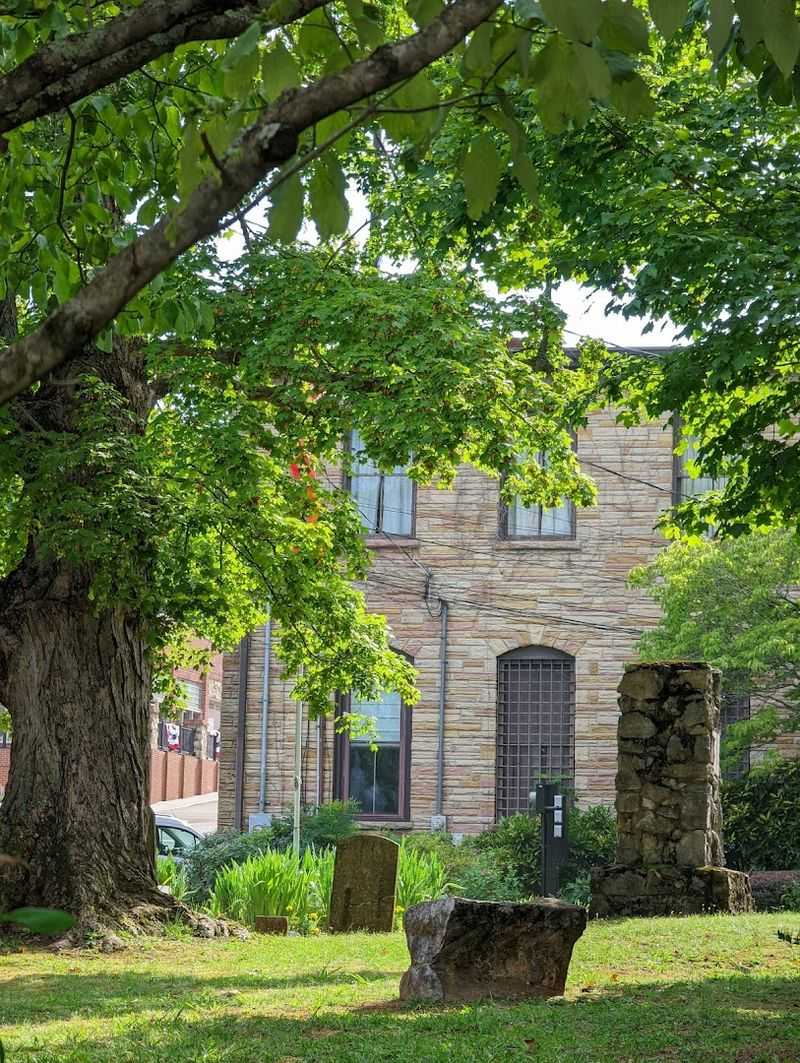
The town’s historic district is genuinely walkable, with buildings dating back to the late 1700s lining the main streets. The Jefferson County Courthouse, built in 1845, is one of the most photographed structures in the area and still functions as an active courthouse today.
What makes Dandridge stand apart from other historic Tennessee towns is the water. Douglas Lake wraps around the edge of town, giving it a scenic backdrop that most inland historic districts simply do not have.
On a calm day, the reflections on the lake are picture-perfect.
Local shops, a few good restaurants, and the Dandridge Historic District provide plenty to explore without feeling rushed. The town also has a small but well-maintained cemetery with graves dating to the Revolutionary War era, which adds a layer of history that history enthusiasts will appreciate.
Timing your visit for a weekday means you will likely have the streets largely to yourself, which is exactly the kind of low-key experience Dandridge was made for.
8. Greeter Falls, Savage Gulf State Natural Area
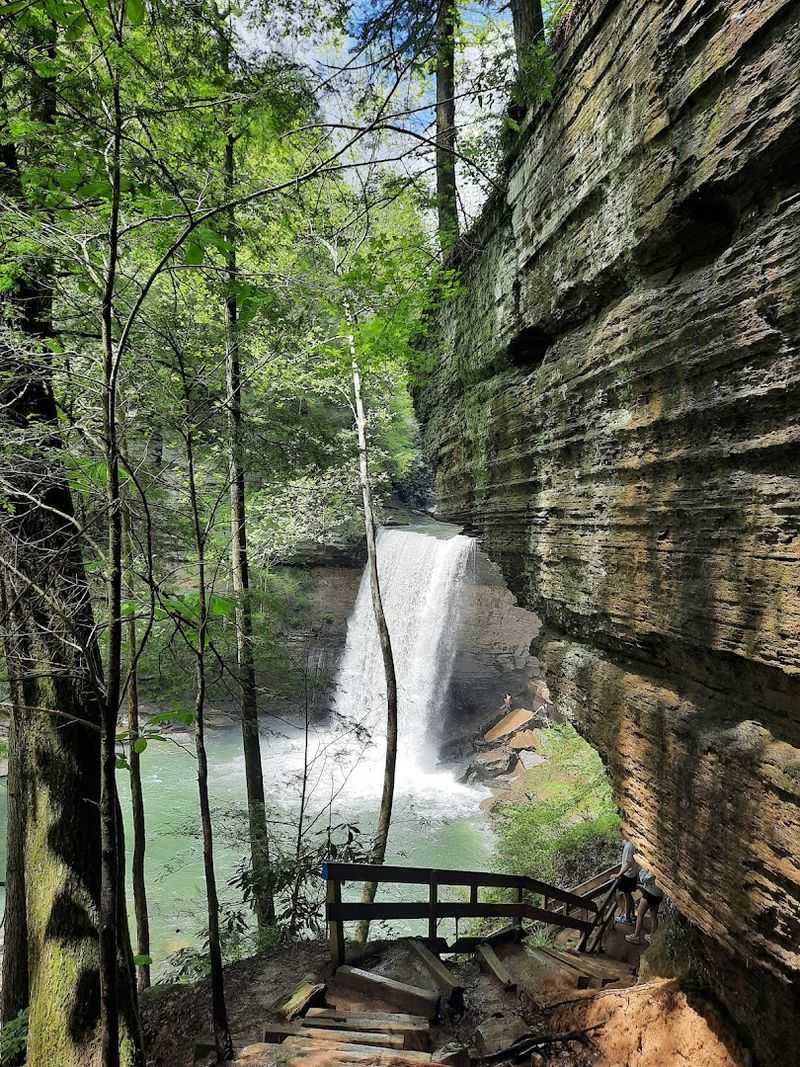
Greeter Falls is the kind of reward that makes a short hike feel like the best decision you made all week.
Located in the Savage Gulf State Natural Area in Grundy County, Greeter Falls is actually a two-part experience: an upper falls and a lower falls, each with its own personality. The upper falls is a wide, tiered drop that spreads across layered rock, while the lower falls plunges into a gorgeous natural pool that is genuinely swimmable during warmer months.
The trail to reach the falls is only about two miles round trip, making it accessible for most visitors without requiring any serious hiking preparation. The path winds through a shaded forest that keeps things cool even in summer, with the sound of running water guiding you most of the way.
Swimming in the natural pool at the base of the lower falls is one of those simple experiences that feels almost impossibly refreshing on a warm day. Bring water shoes if you plan to wade in, as the rocks can be slippery.
Grundy County is about 90 miles southeast of Nashville, making Greeter Falls a very doable day trip. Arrive early on summer weekends to beat the crowds and claim a good spot near the water.
9. Discovery Park Of America, Union City
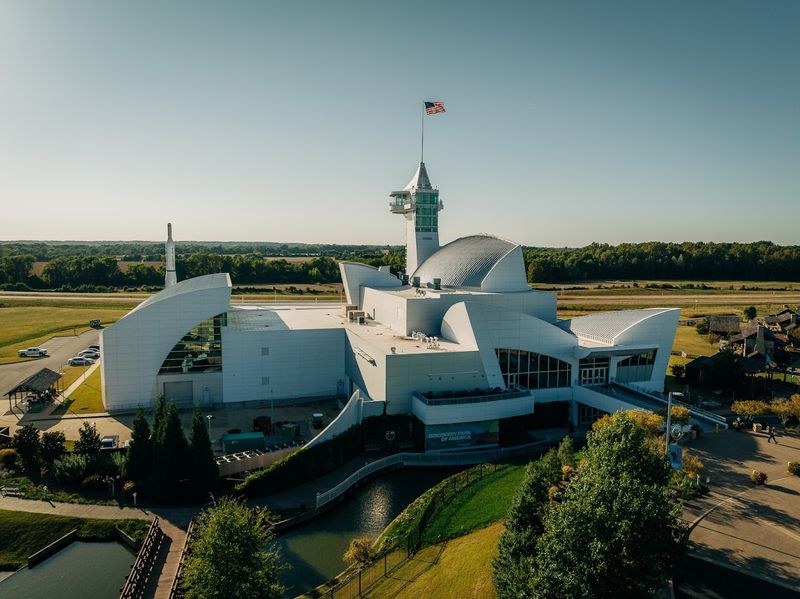
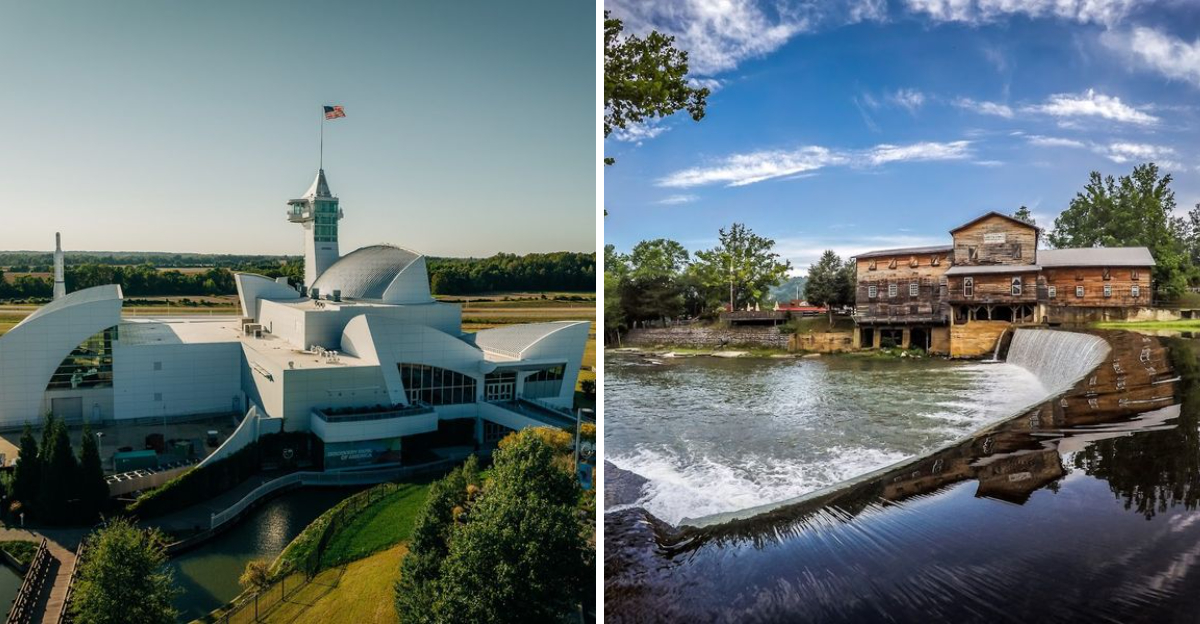
Union City is not the first place most people think of when planning a museum day, but Discovery Park of America has been quietly making the case that it absolutely should be.
Opened in 2013 and spanning over 100,000 square feet of indoor exhibit space plus 50 acres of outdoor grounds, Discovery Park of America in Obion County is one of the most ambitious cultural institutions in the entire state. The scale of it genuinely catches first-time visitors off guard.
The museum covers an extraordinary range of subjects, from natural history and science to art, technology, and regional heritage. Interactive displays are woven throughout, making it just as engaging for curious adults as it is for school-age kids who want to touch everything.
The outdoor heritage village is a highlight that many visitors overlook in favor of the indoor galleries. It features historic structures, a working farm area, and beautifully landscaped gardens that shift with the seasons.
Admission is reasonably priced given the sheer amount of ground you can cover, and most visitors find that a full day barely scratches the surface. If you are driving through western Tennessee and looking for a single stop that delivers genuine value, Discovery Park of America is that stop.
10. Sewanee
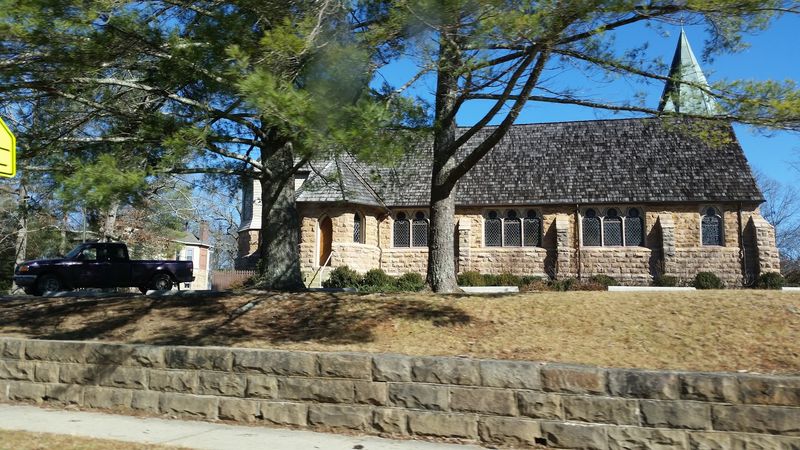
Perched on the Cumberland Plateau in Franklin County, Sewanee carries the kind of atmosphere that makes you want to slow down and read something thoughtful on a stone bench.
Home to the University of the South, Sewanee is a small community where Gothic sandstone architecture meets dense forest trails and dramatic cliff-edge overlooks. The campus itself is one of the most visually striking in the American South, and it is open to visitors who want to walk through and take it all in.
Sewanee Natural Bridge, a natural stone arch formation accessible via a short trail, is one of the most rewarding quick hikes in the area and offers a view that feels far more dramatic than the modest effort required to reach it.
Morgan’s Steep and Proctor’s Hall overlooks both offer sweeping views across the plateau that stretch for miles on a clear day. These spots are popular with locals but rarely feel overcrowded, especially on weekday visits.
The small town center has a few local shops and a coffee spot or two that fit the academic, unhurried mood of the place. Sewanee is about 90 miles southeast of Nashville, and arriving in the golden light of late afternoon gives the stone buildings a warm glow that is genuinely hard to forget.
11. Fall Hollow Falls, Natchez Trace Parkway
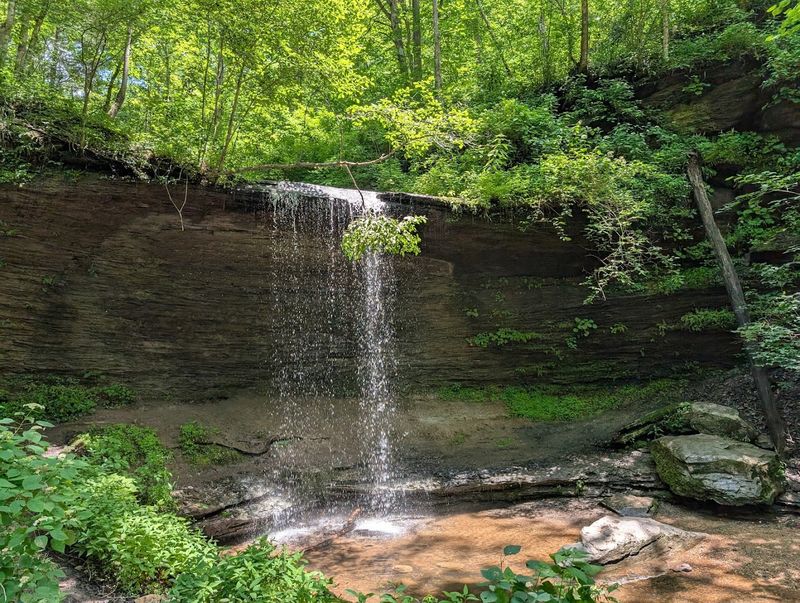
Sometimes the best waterfall is not the tallest or the loudest. Fall Hollow Falls, located along the Natchez Trace Parkway in Hickman County is compact, quietly beautiful, and takes almost no effort to reach.
The trail from the parking area is barely a quarter mile long, making this one of the most accessible waterfall stops in the state. The path is shaded and easy underfoot, winding through a green corridor of trees before opening up to the falls.
The waterfall itself drops about 20 feet into a small, mossy pool surrounded by fern-covered rock walls. It is not dramatic in the way that larger falls are, but there is a soft, enclosed quality to the space that feels genuinely peaceful rather than underwhelming.
Because it sits directly off the Natchez Trace Parkway, Fall Hollow works beautifully as a spontaneous stop during a longer scenic drive. The parkway itself is one of America’s most celebrated scenic roads, running 444 miles from Natchez, Mississippi, to Nashville.
Visiting in spring brings wildflowers along the trail and a fuller flow of water over the falls. Pack a simple lunch, find a mossy rock near the base, and let the sound of the water do the rest of the work for you.