
Tennessee Has A Freshwater Aquarium Wing Where Kids Pet Sturgeon And Meet River Giants
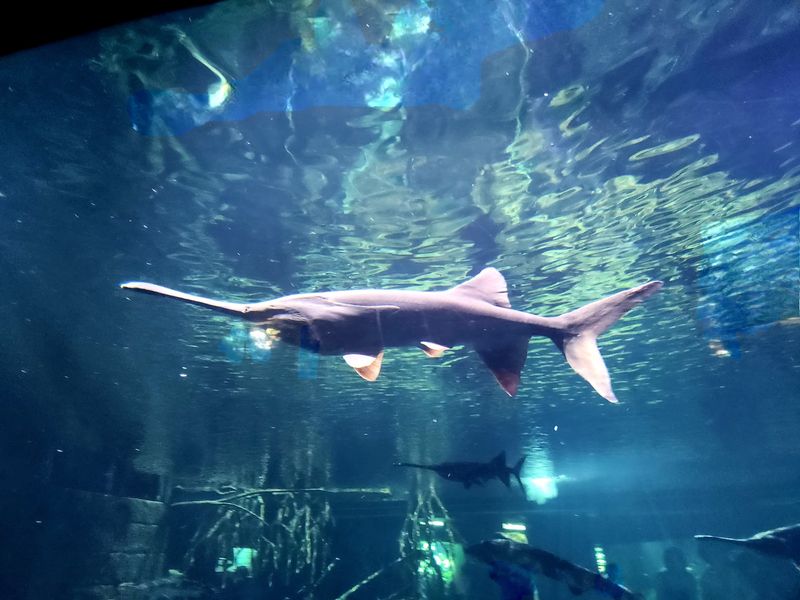
Most kids in Tennessee grow up thinking the coolest fish live in the ocean. Then they stand in front of a tank holding a catfish longer than their dad is tall, and the whole idea flips.
There is a building in Tennessee dedicated entirely to freshwater, where the water cycle unfolds floor by floor and a child can lower a hand into a shallow pool and feel the armored back of a sturgeon slide past. It turns out rivers hold monsters too, and this place lets you meet them up close.
Downtown Chattanooga’s Glass Peaks On Broad Street

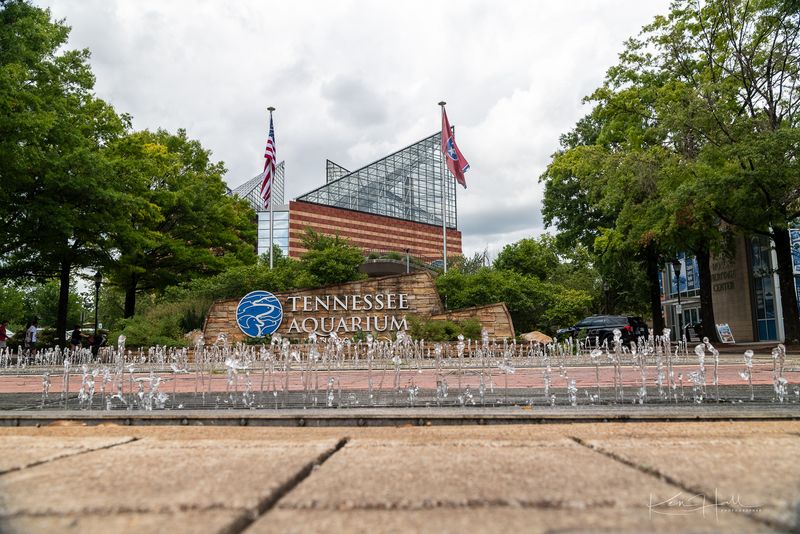
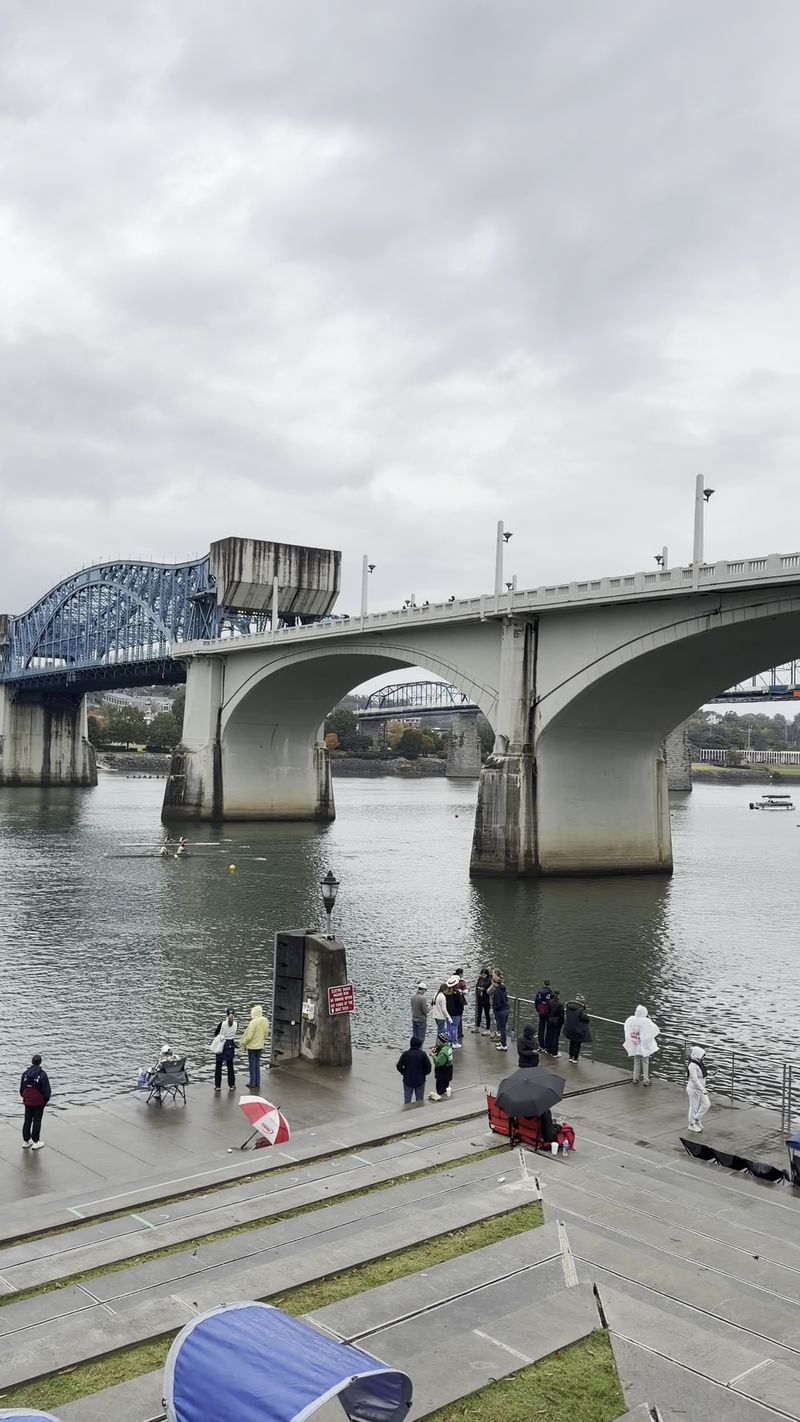
Sitting at 1 Broad Street, right where downtown Chattanooga meets the Tennessee River, the Tennessee Aquarium is impossible to miss. Two buildings with angled glass roofs rise above the riverfront plaza, and the freshwater one, called River Journey, is the taller of the pair.
What sets the place apart from most aquariums is that split. One building handles saltwater.
The other is devoted almost entirely to rivers, lakes, streams and the creatures that live in them, which is unusual enough that visitors often say the freshwater side ends up being their favorite half.
Outside, the plaza has water features that children run through in warm weather, and guests mention splashing around before they ever buy a ticket. A farmers market sometimes sets up out front, adding food stalls and browsing to the morning.
Chattanooga runs on Eastern Time, which matters if you are driving in from Nashville and gaining an hour. The aquarium carries a 4.8-star rating across 184 Google reviews, and the freshwater exhibits come up in praise repeatedly, alongside the friendly staff and spotless facilities.
Following Water From Mountain To Sea
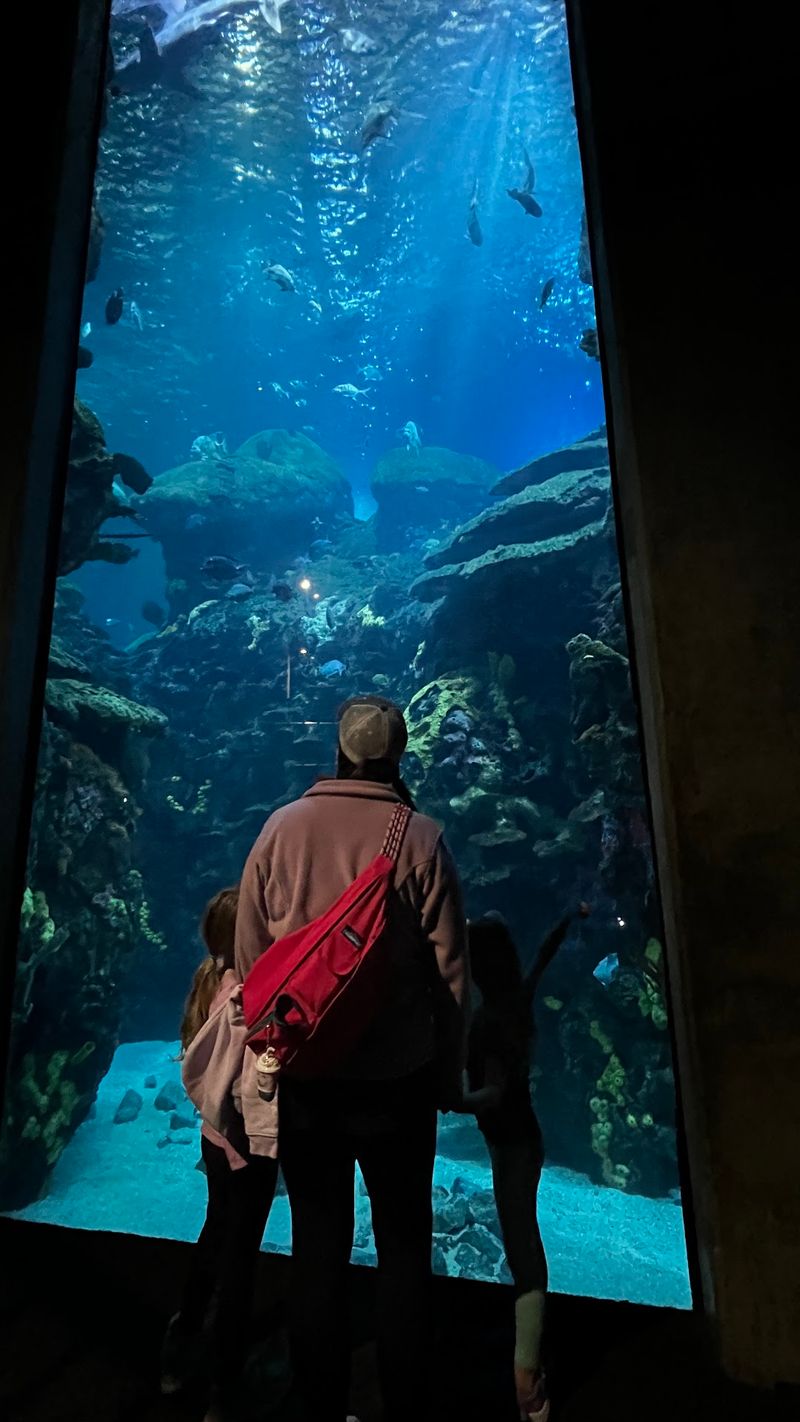
The layout has a logic to it that sneaks up on you. Guests ride an escalator (or elevator) to the top floor of River Journey, then walk slowly downward, and as they descend they are literally following water from its mountain headwaters all the way toward the sea.
Start high in the Appalachians. Cold, clear streams with trout.
Then the water gathers, widens, warms, and the fish in the tanks change with it until you are standing in front of enormous river species from other continents.
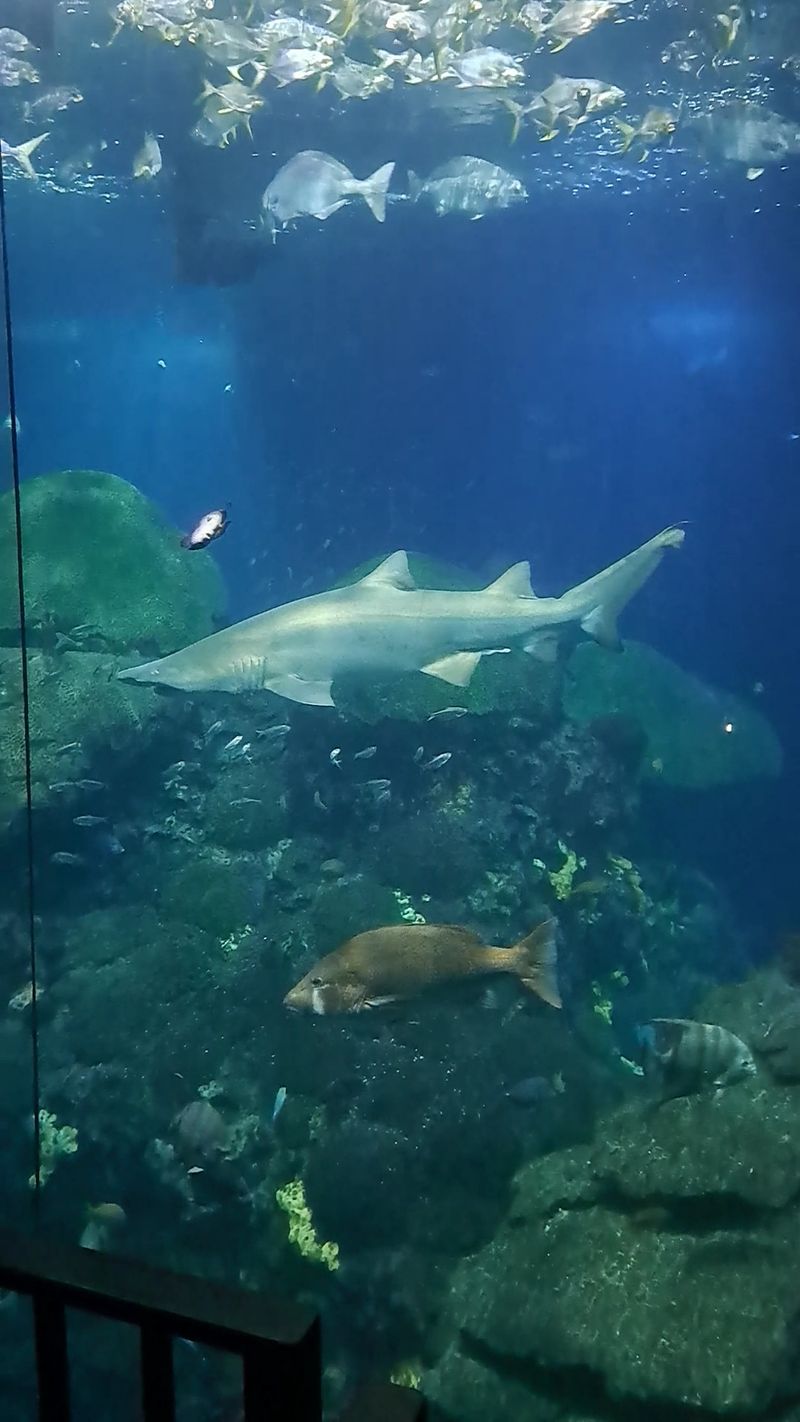
One tank stretches nearly the full height of the building, and part of the fun is meeting the same water column again on each level, seeing what swims at different depths. Visitors describe the route as methodical and well marked, which helps when you are herding a group.
Displays beside each tank spell out what lives inside, so a curious seven-year-old can read the answer instead of tugging on your sleeve. Several guests noted they had no idea rivers held this many species, and that realization tends to land hardest with Tennessee families who fish local waters.
Hands In The Water With Lake Sturgeon
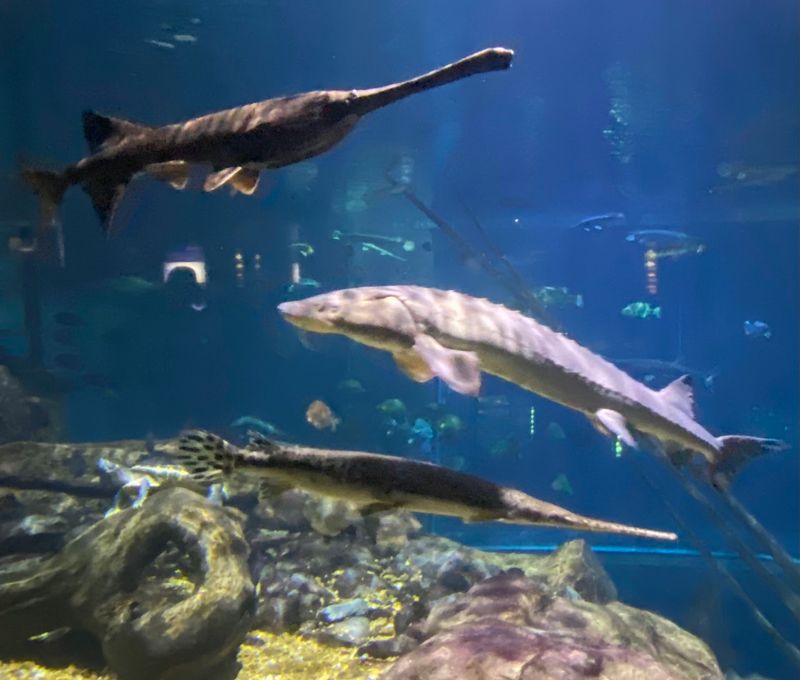
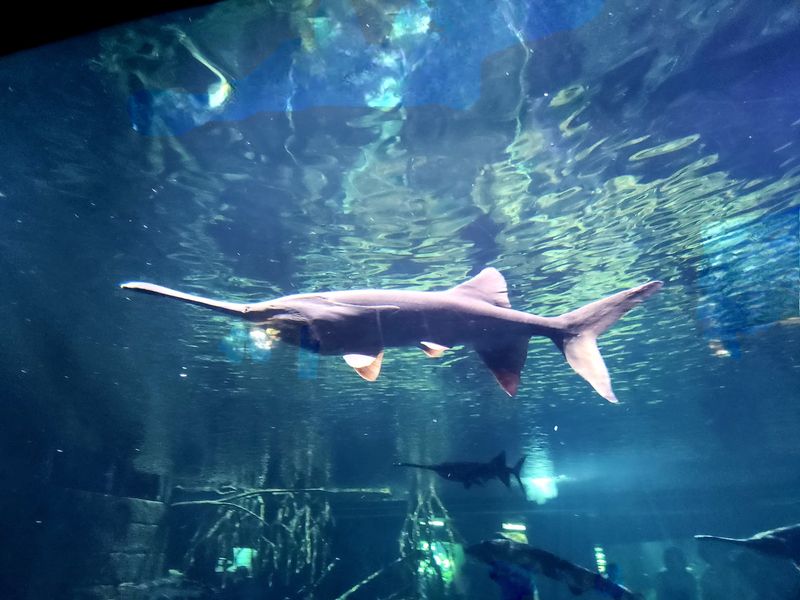
Ask a kid what they remember afterward and there is a strong chance it is the sturgeon. The Lake Sturgeon Touch Experience puts a shallow pool at arm’s reach, and children lean over the edge waiting for a fish with bony plates down its back to glide underneath their fingers.
Sturgeon get called living fossils for good reason. Their body plan has barely budged across an enormous stretch of geologic time, and touching one feels closer to petting a piece of armor than a fish.
The exhibit connects to real conservation work. Lake sturgeon vanished from the Tennessee and Cumberland River watersheds, and the aquarium has been part of a long effort to reintroduce them, raising young fish and releasing them back into Tennessee waters.
Petting sturgeon shows up again and again in visitor comments as a highlight, usually mentioned in the same breath as the stingray touch pool over in the saltwater building. Staff stand by to coach little hands on two-finger touching, and there are stations to wash up afterward.
River Giants And The Fish That Outgrow Belief
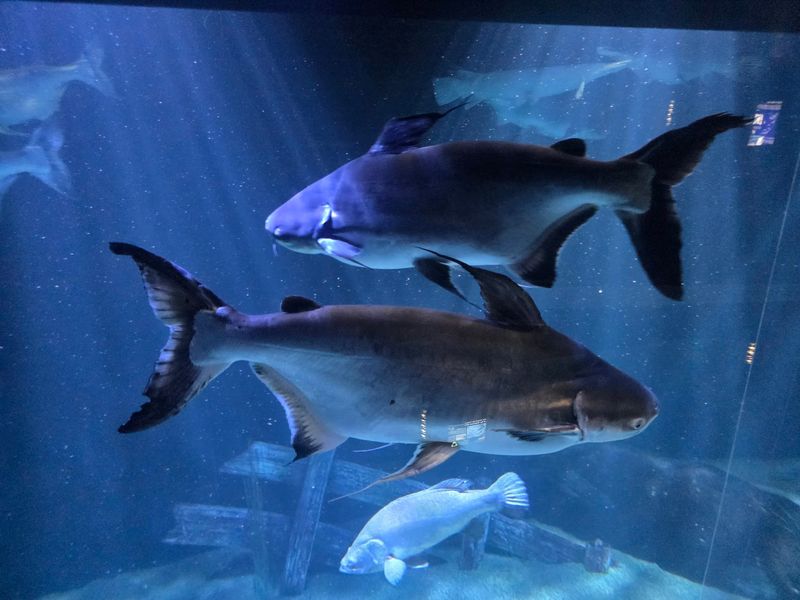
Nothing quiets a loud group of kids faster than an arapaima turning sideways. The River Giants exhibit gathers some of the largest freshwater fish on the planet into one gallery, and the scale genuinely startles people who expected river fish to be pan-sized.
Arapaima cruise through with armored scales and slow, unbothered power. Wallago catfish look like something sketched by an artist who had only heard a catfish described secondhand.
Giant freshwater stingrays settle onto the bottom like buried dinner plates the size of a card table.
Signage does not shy away from the harder part of the story. These species face shrinking habitat, overfishing and polluted water, and the exhibit uses their sheer size to make the point that big fish need big, healthy rivers.
For Tennessee families, the takeaway lands close to home. The Tennessee River outside the window is part of the same global freshwater system, and children walk out of this gallery understanding that rivers everywhere are connected.
Adults tend to linger here longer than they planned.
Otters, Trout And The Appalachian Cove Forest
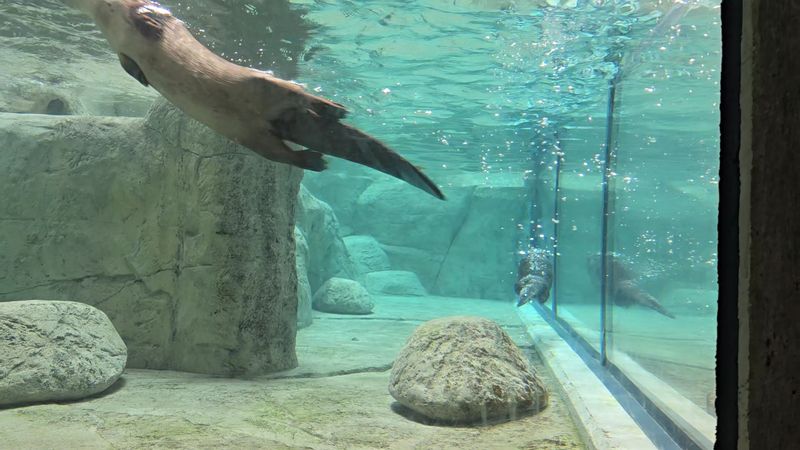
River otters have one job, apparently, and that job is to never hold still. The Appalachian Cove Forest recreates a mountain hollow complete with hardwood trees, mossy rock and running water, and the otters treat the whole set like a playground built for them.
Below the surface, trout hold in the current the way they do in real East Tennessee streams. Kids who have been dragged along on family fishing trips suddenly recognize what they have been trying to catch, which is a small thrill in itself.
One visitor mentioned the pleasure of spotting fish they remembered catching as a child, and that reaction is common in the freshwater building. The exhibits mirror waters people actually know.
Timing helps. Several guests suggest coming in the morning, since animals fed earlier in the day often settle down for a nap by afternoon.
Arrive near opening and the otters are usually at full tilt.
The cove sets the mood for everything downstream, cool and green and distinctly Southern Appalachian before the journey heads toward warmer, wilder water.
Nurseries, Turtles And The Small Stuff Kids Notice
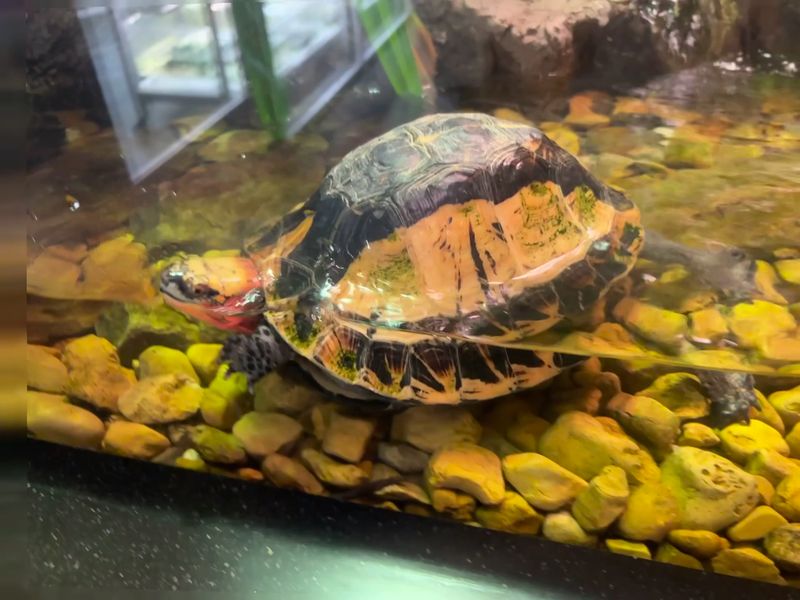
Behind the headline exhibits sit the quieter displays that somehow generate the loudest reactions from small visitors. River Journey includes a turtle nursery and a fish nursery, where babies barely bigger than a fingernail swim in tanks at kid-eye height.
Guests who have visited plenty of aquariums point to these nurseries as something a little different, a peek at the work that normally stays behind the scenes. You are watching the next generation of animals grow up.
Scattered through the building are small interactive games and activity spots designed to keep restless children moving between the big tanks. Parents have noted these as useful pressure valves on a long walk.
Photo opportunities pop up constantly, and families report filling their phones without trying. The lighting around the tanks does a lot of the work.
There is also a butterfly room stocked with plants and free-flying butterflies, mentioned more often in visitor comments than almost any other single feature. It sits in the freshwater building and makes a warm, slow stop before the final stretch of the walk down.
One Ticket, Two Buildings, Full Day
Pricing is the question every Tennessee family asks first, so here it is plainly. General admission runs $39.95 for adults and $29.95 for youth aged 4 through 17, while toddlers 0 to 3 get in free.
That single ticket covers both buildings, River Journey and Ocean Journey, which is the detail that changes the math. Guests consistently describe the two-building access as what makes the price make sense, though some do note the cost sits in amusement-park territory.
A family of two adults and two school-age children lands right around $140 before parking. Not a cheap Saturday, but it is a full one.
The Museums for All program offers admission at $5 for a cardholder plus up to three guests, which is a significant difference for qualifying Tennessee families. A military discount has also been available at the door.
Prices and programs can shift seasonally, so confirming before you drive is smart. Buying ahead of time is generally the safer play on Saturdays and school breaks, when the plaza fills up early.
Hours Worth Double-Checking Before You Load The Car
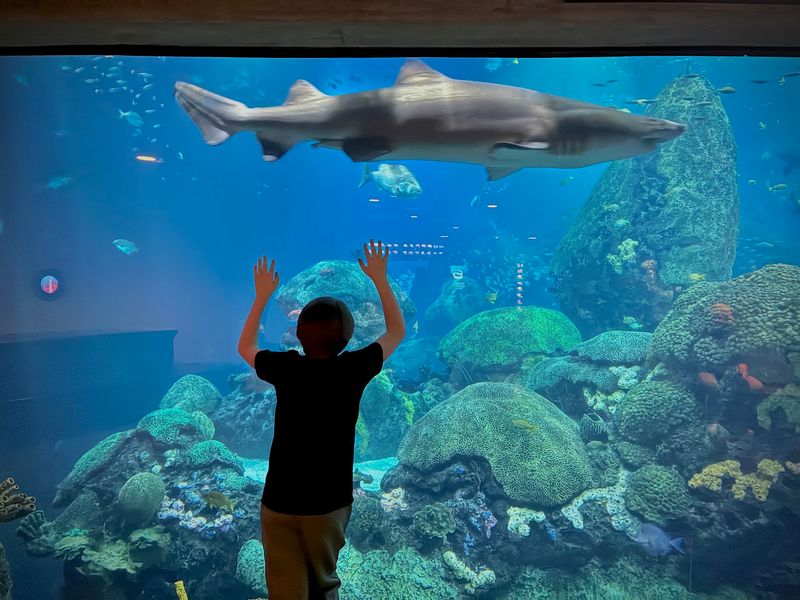
Opening times shift depending on the day, which trips up more than a few road-trippers. Google currently lists 10 AM to 7 PM Sunday through Friday, with Saturday running 9 AM to 8:30 PM.
The aquarium’s own published schedule has shown earlier 9 AM openings on Saturday, Sunday and Monday in some seasons, along with a last-entry cutoff, typically around 5 PM on standard days and later on Saturdays.
Because those details move with the calendar, checking the current hours the morning you leave is genuinely worth the thirty seconds. Nothing sours a two-hour drive faster than arriving after last entry.
Extended Saturday hours open up an evening option that not many people use. Rolling in during the late afternoon means thinner crowds and a different feel inside the darkened galleries.
One frequently repeated tip from visitors runs the other direction: come in the morning, because many animals grow sleepy after their feedings. A Thursday midday visit was described as pleasantly uncrowded, which suggests weekdays remain the calmer bet outside of school holidays.
Driving In From Nashville, Knoxville Or Memphis
Chattanooga sits in a sweet spot for most of the state. From Nashville, the drive down I-24 takes roughly two hours, and you gain an hour crossing into Eastern Time, so plan your return accordingly.
Knoxville families are looking at about two to three hours southwest. Atlanta-bound travelers pass nearby, and folks headed to the Smokies often fold this stop in on the way through.
West Tennessee has a longer haul. Memphis to Chattanooga covers roughly 315 miles and close to six hours behind the wheel, which realistically makes it an overnight rather than a day trip.
Parking sits in lots near the aquarium with posted rates around $9 for up to three hours, $12 for three to five hours, and $14 for all day. Given that most families spend three or four hours inside, budgeting for the all-day rate is the sane choice.
A free shuttle circulates through downtown Chattanooga if you end up parked farther out or want to reach lunch without moving the car again.
Strollers, Canes, Elevators And Clean Restrooms
Accessibility gets mentioned by visitors more than you might expect, and mostly in positive terms. Elevators serve anyone who cannot use the escalators, including wheelchair users, stroller-pushing parents and older guests.
The building is large, and one guest whose husband walks with a cane noted the need for breaks. Benches and rest spots are placed along the route, which makes the descent manageable at a slow pace.
Restrooms come up repeatedly too, described as plentiful and clean. For anyone traveling with a newly potty-trained child, that is not a small thing.
A nursing room sits on the first floor of the River Journey building for families with infants. Strollers are accommodated throughout, though weekend crowds can make navigating tighter.
Staff receive steady praise for being welcoming and knowledgeable, with nine separate mentions of friendly employees in visitor feedback. They answer questions willingly, which turns a walk past a tank into an actual lesson.
The route itself is well marked, so groups rarely get separated, and large family gatherings seem to move through comfortably.
How Long It Actually Takes
Three to four hours is the number most guests land on for seeing both buildings properly. Some manage it in two if the kids are moving fast, and others admit they left without seeing everything.
Roughly ninety minutes per building is a reasonable planning figure. River Journey tends to hold people longer because of the touch pools, the butterfly room and the sheer number of side exhibits.
A strategy several visitors recommend: do one building, break for lunch downtown, then return for the second. Splitting the day keeps young legs fresh and prevents the walkways from blurring together.
One honest observation from the feedback is that circling the same tall tanks on successive levels can start to feel repetitive, though the supplemental displays along the walls do a good job breaking that up.
Adults visiting without children report a different rhythm entirely, calling it a peaceful way to spend a few hours. Couples wander at whatever speed suits them, and the freshwater side in particular rewards standing still.
Who Gets The Most Out Of It
Grandparents bringing grandkids during spring break show up in the visitor feedback, and that combination seems to work particularly well here. The pace is self-directed, nobody rushes you past an exhibit, and there is seating when someone needs it.
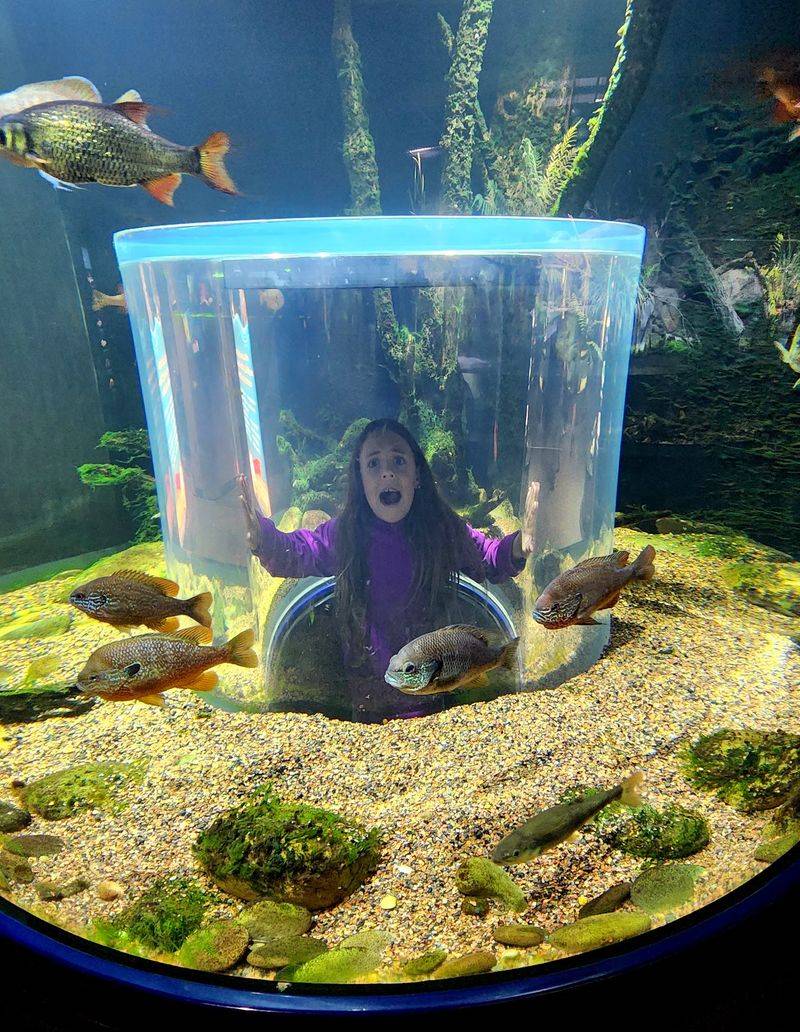
Elementary-age children are the obvious sweet spot. Touch pools, nursery tanks, interactive games and fish larger than they are keep attention locked in without anyone having to work at it.
Teenagers and adults get more than they expect from the conservation storytelling, especially the parts about restoring sturgeon to Tennessee and Cumberland River waters. It reframes local rivers as something living rather than scenery.
Couples looking for a quiet weekday outing have described it as calming, which is not a word usually attached to a family attraction. Off-peak hours make that possible.
Out-of-state travelers heading toward Gatlinburg or Nashville often use Chattanooga as a break in the drive, and this fills an afternoon far better than another highway stop. Large groups navigate the space without much friction, thanks to wide walkways and clear signage.
Snacks, Souvenirs And The Riverfront Outside
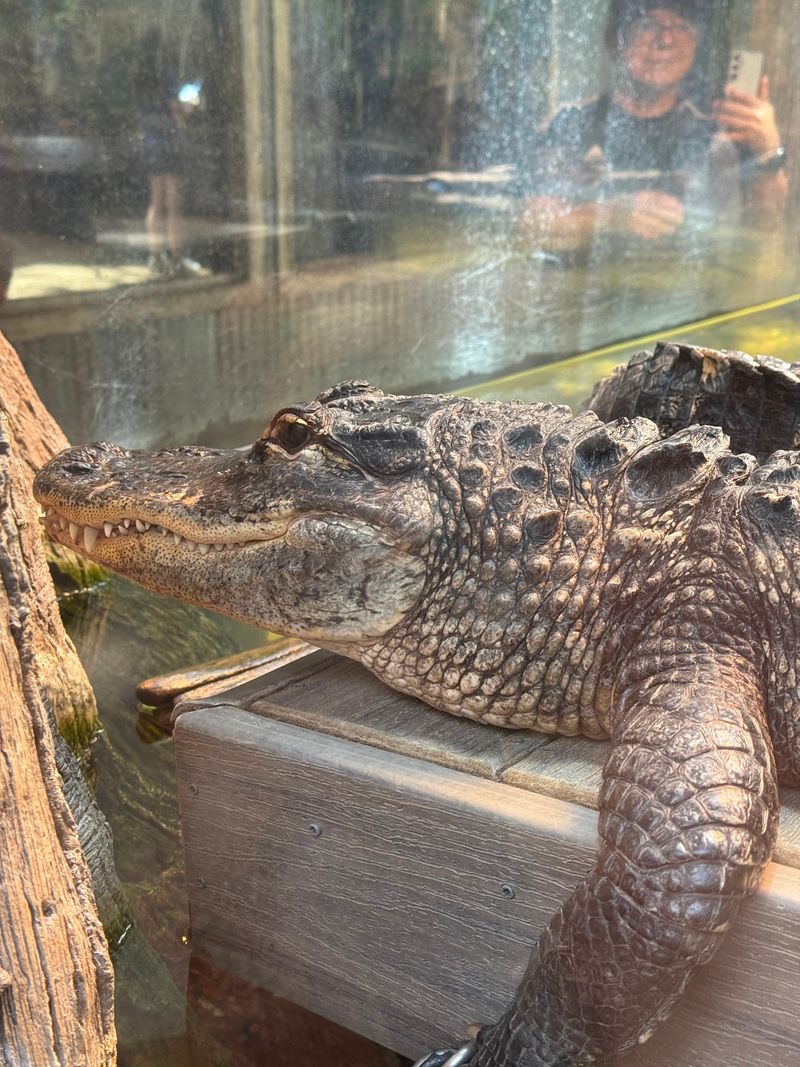
The gift shop inside River Journey is the larger of the two and reasonably well stocked, according to guests who compared both. Plush river creatures, books and keepsakes cluster near the exit, right where tired children have their best negotiating leverage.
Snacks are available on site, and visitors mention grabbing something on the way out. Downtown Chattanooga puts plenty of lunch options within a short walk, which supports the split-the-day approach.
Outside, the plaza fountains give kids somewhere to burn off leftover energy at no cost. Bring a spare shirt in summer, because children who spot moving water rarely resist it.
A farmers market has set up in front of the aquarium on some days, adding food vendors and local goods to the visit. Whether it is running depends on the season and the weekend.
The riverfront itself stretches out from here with walking paths along the Tennessee River. Stacking a free hour outdoors onto a paid morning inside stretches the value of the drive considerably.
The Verdict On A Tennessee River Day
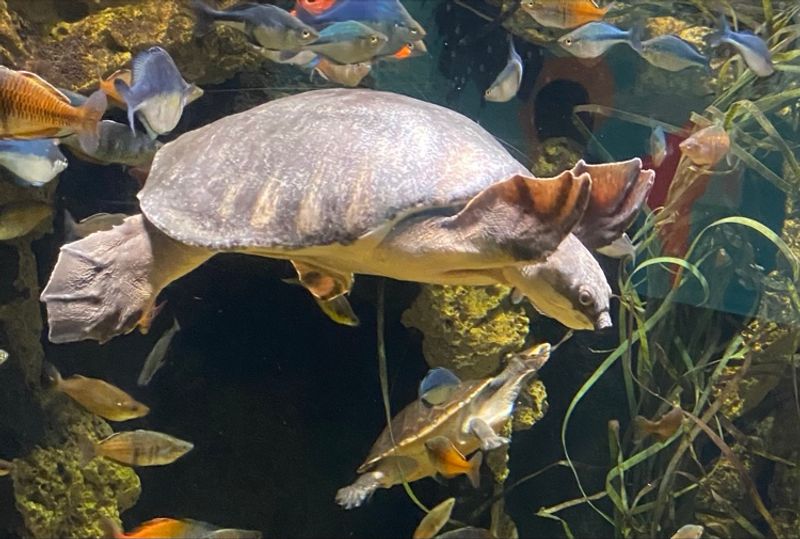
Weigh it honestly and the ticket is not cheap. Forty dollars a head for adults puts this above most Tennessee day trips, and a few visitors have said so plainly.
What you get in return is two full buildings, three or four hours of genuine engagement, and a freshwater collection that rivals anything in the region. The 4.8-star average across 184 reviews reflects a place that consistently delivers on that promise.
For families whose children remember experiences rather than admission prices, the sturgeon touch pool alone tends to justify the trip. Kids talk about it for weeks.
Practical advice worth repeating: arrive in the morning while animals are active, budget for all-day parking, confirm hours before leaving home, and check whether Museums for All applies to your household.
Rivers run through nearly every corner of Tennessee, and most of us drive over them without a second thought. Spending a day learning what actually lives down there changes how the next bridge crossing feels, which is a decent return on a Saturday.