
Tennessee Lakes So Clear Locals Are Protective Of Them
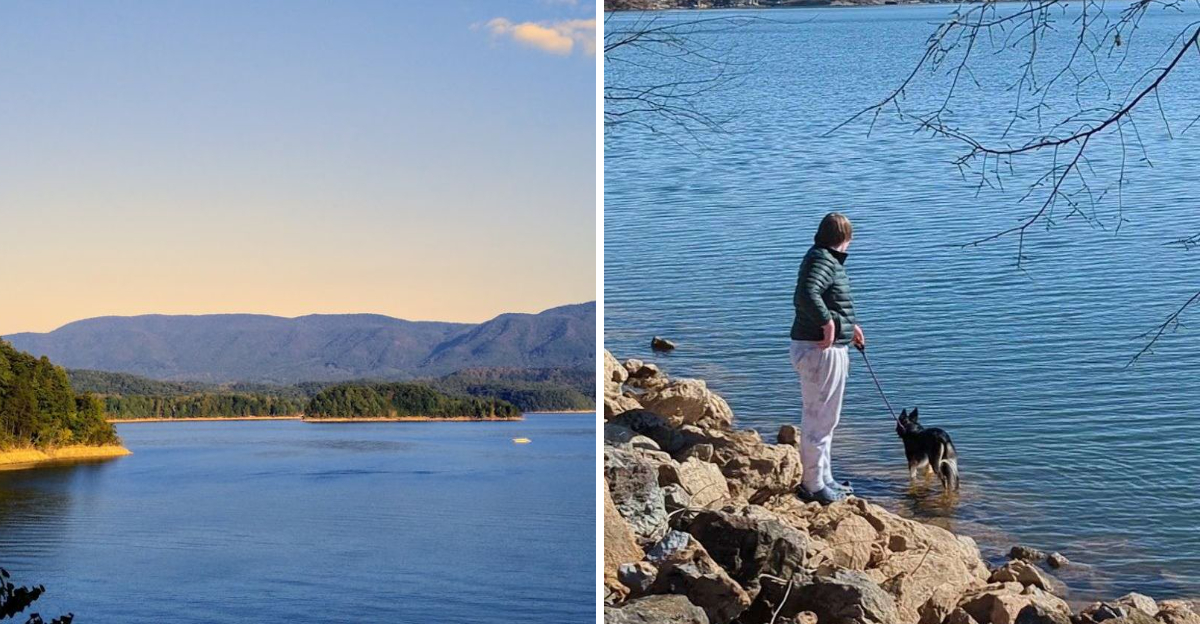
Ever seen water so clear you could count the pebbles at the bottom? Tennessee has lakes like that, and locals guard them like family secrets.
Some spots stay quiet on purpose. Ask around and you might get vague directions or a polite change of subject.
That’s how much these waters mean to the people who grew up swimming in them. Visitors who do find their way in often stop mid step, surprised by how blue and glassy everything looks.
No murky edges, no cloudy shallows, just pure visibility that makes you want to jump straight in.
Some lakes sit near quiet trails. Others open up into wide swimming coves perfect for a lazy afternoon. Locals protect these places because they remember what overcrowding did to other spots across the country.
Once word spreads too far, the peace disappears. So maybe keep your voice down when you visit? Some things are worth protecting quietly.
1. Norris Lake
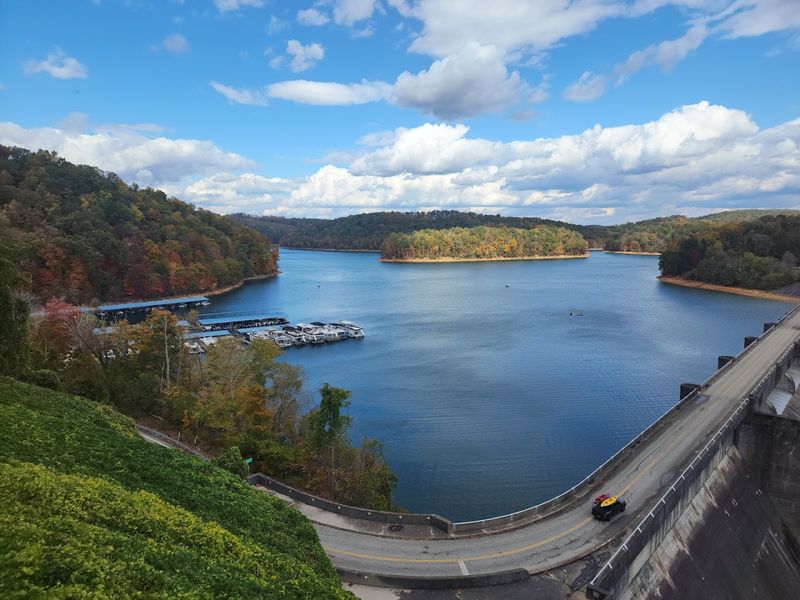
Water clarity of up to 25 feet is not something most lakes can brag about, but Norris Lake near Rocky Top in East Tennessee earns that distinction without any argument.
Created by the Tennessee Valley Authority in 1936, Norris Lake was the first reservoir built by the TVA, and it remains one of the cleanest in the entire system.
The surrounding watershed is largely undeveloped, and the natural limestone geology acts as a built-in filtration system that keeps the water looking almost unnaturally clear.
With over 800 miles of shoreline, there is no shortage of space for boating, wakeboarding, tubing, and kayaking. Anglers show up year-round targeting striped bass, walleye, and crappie in water so clear you can almost see the fish before they bite.
Norris Dam State Park sits right along the lake and offers boat launches, picnic shelters, and cozy overnight cabins for those who want to extend their stay.
Summer draws the biggest crowds for swimming and water sports, but fall is arguably the most beautiful season here, when the surrounding hills turn gold and the lake reflects every last color like a mirror.
2. Dale Hollow Lake
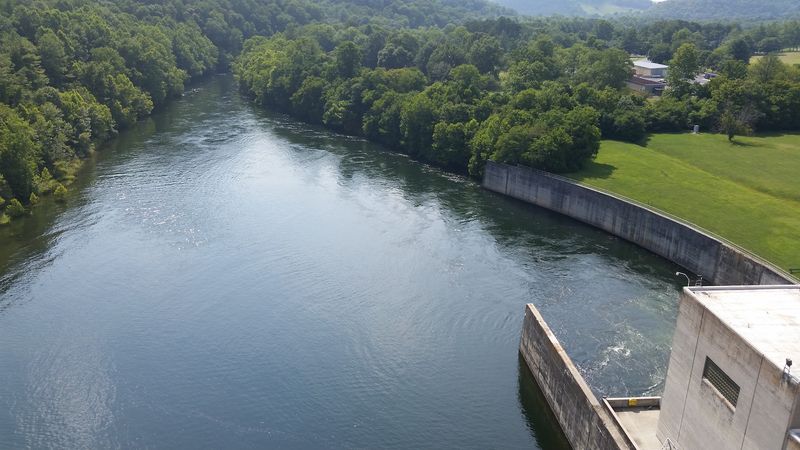
Somewhere between Tennessee and Kentucky, straddling the state line near Byrdstown, sits a lake so clear that scuba divers regularly explore its depths just to see what is down there, including the submerged ruins of the old town of Willow Grove.
Dale Hollow Lake consistently ranks among the clearest bodies of water in the entire southeastern United States, with visibility reaching 30 to 40 feet in many spots. The U.S.
Army Corps of Engineers made a deliberate choice to keep most of the shoreline undeveloped, meaning no private docks or houses crowd the banks, and the water stays cleaner because of it.
Smallmouth bass fishing here is world-class in the most literal sense. The lake holds multiple world records for the species, drawing serious anglers from across the country who appreciate both the challenge and the scenery.
Families love the designated sandy swimming areas at spots like Lillydale Campground and Obey River, where shallow, calm water makes for easy afternoons.
Houseboating is hugely popular here too, offering a slow, relaxing way to explore the lake’s many quiet coves.
The small-town charm of nearby Byrdstown and Celina adds a warm, welcoming feel to the whole experience that keeps visitors coming back.
3. Watauga Lake
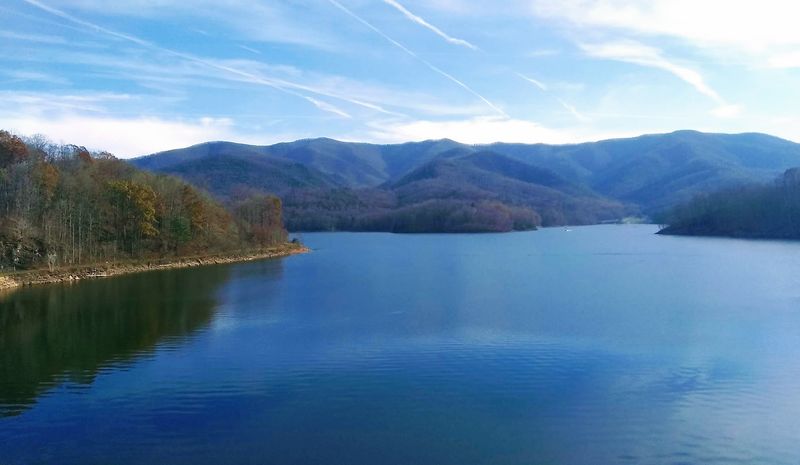
Sitting high in the Appalachian Mountains near Elizabethton, Watauga Lake feels like a secret that the surrounding Cherokee National Forest has been quietly keeping for decades.
The lake is encircled by dense, protected forest on nearly every side, which plays a major role in keeping its water remarkably clear and the shoreline wonderfully free from heavy commercial development.
With 105 miles of shoreline weaving through mountain terrain, the scenery here is the kind that makes you stop paddling just to stare.
Swimmers can enjoy designated areas like Shook Branch and Watauga Point, where the clear water and mountain backdrop create an almost surreal setting.
Boaters, kayakers, and sailors all share the lake comfortably, and the diverse fish population, including brown trout, lake trout, rainbow trout, and black crappie, keeps anglers happy across multiple seasons.
One underrated highlight is the Watauga Dam Visitors Center, which offers an overlook trail with sweeping views of both the dam and the forest beyond.
Driving the scenic roads connecting Elizabethton and Hampton is a pleasure in itself, especially in spring when wildflowers line the route.
Watauga Lake rewards anyone willing to make the mountain drive to reach it, offering a peaceful, stunning retreat that feels genuinely untouched.
4. Center Hill Lake
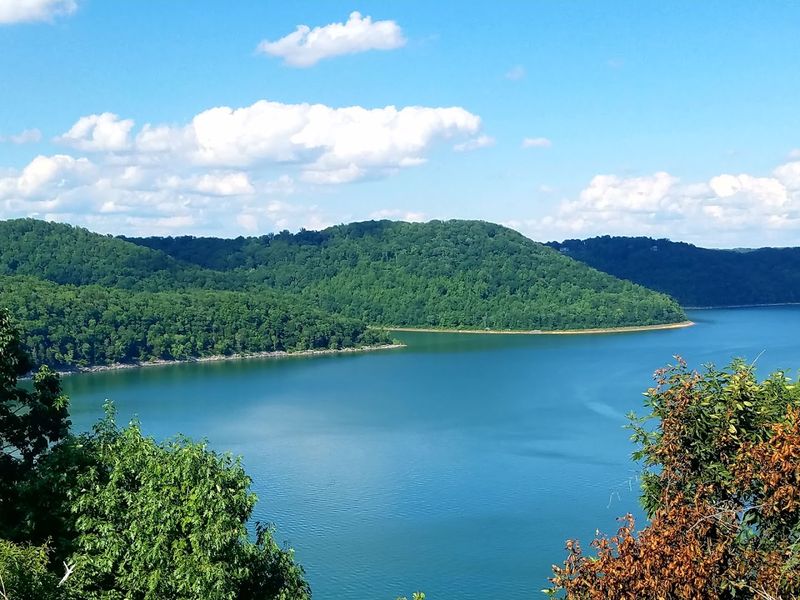
Dramatic limestone cliffs dropping straight into clear water are not what most people picture when they think of Middle Tennessee, but Center Hill Lake near Cookeville delivers exactly that kind of jaw-dropping scenery.
This 18,200-acre reservoir is known for maintaining impressively high water quality, and on a calm summer day the visibility in certain areas can reach up to six feet, which is exceptional for a lake of its size and activity level.
The rugged geology surrounding the lake creates a landscape that feels more like a national park than a typical Tennessee reservoir.
Boating, paddleboarding, and swimming draw big crowds during the warmer months, and the fishing is genuinely excellent, with largemouth, smallmouth, and Kentucky bass all well represented alongside catfish, crappie, and walleye.
One of the more unique experiences available here is a guided kayaking tour to Fancher Falls, an 80-foot waterfall accessible only by water.
Several marinas around the lake offer lakeside cabins and restaurants with waterfront views, making it easy to turn a day trip into a full weekend.
The surrounding parks also feature hiking trails that wind through forest and open up to scenic overlooks above the lake.
Center Hill manages to feel adventurous and relaxing at the same time, which is a balance not many lakes pull off.
5. Tims Ford Lake
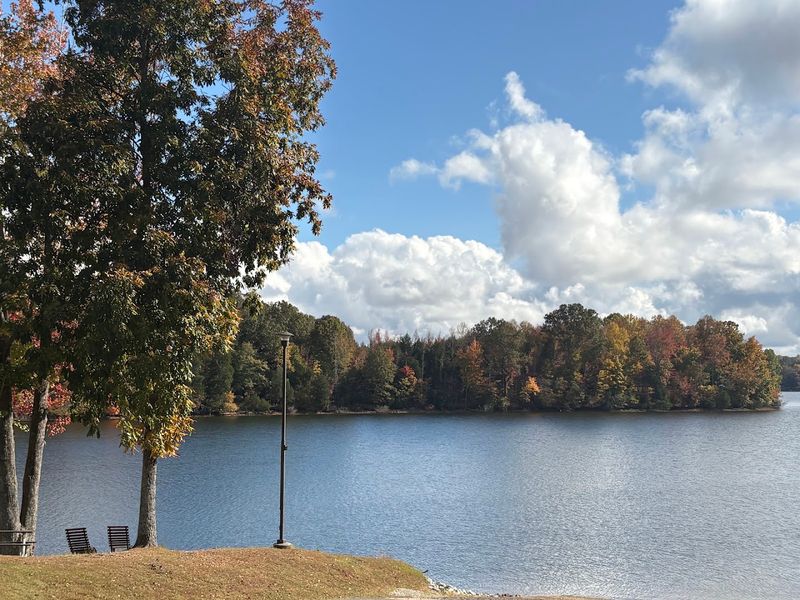
Not every great Tennessee lake sits in the mountains, and Tims Ford Lake near Winchester and Tullahoma in south central Tennessee makes a compelling case for the rolling lowland version of lake perfection.
Fed by the Elk River and a network of creeks, this 10,500-acre reservoir is consistently praised as one of the top recreation and bass fishing lakes in the entire Southeast.
Its clear, deep water creates ideal habitat for smallmouth bass and crappie, and the lake hosts several fishing tournaments each year that draw serious competitors from across the region.
For those who prefer their water adventures a little less competitive, the lake offers plenty of quiet inlets and coves perfect for kayaking and canoeing at a relaxed pace.
Full-service marinas make it easy to rent a boat or launch your own, and the surrounding Tims Ford State Park adds lakeside cabins, campgrounds, and over five miles of paved trails ideal for biking and hiking.
Late winter and early spring are surprisingly excellent times to visit for smallmouth fishing, with cooler temperatures keeping the crowds thin and the bass active. Summer brings swimmers and watersport lovers out in full force.
The combination of clear water, solid infrastructure, and genuine natural beauty makes Tims Ford a lake that rewards repeat visits across all four seasons.
6. Cherokee Lake
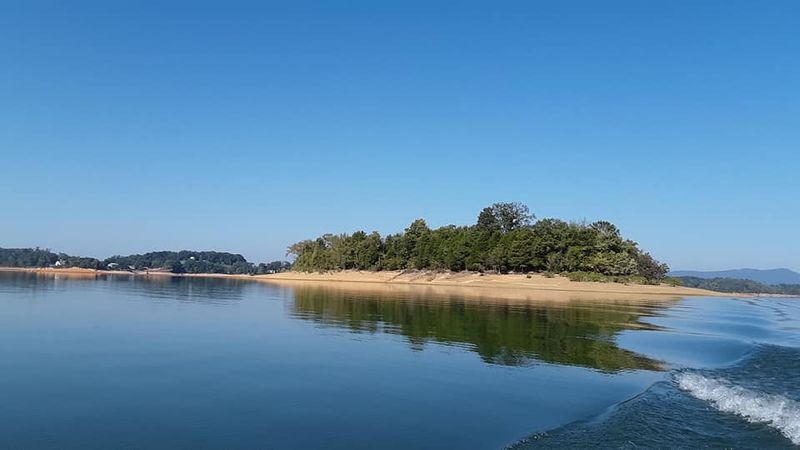
Built by the Tennessee Valley Authority back in 1941 to generate hydroelectric power, Cherokee Lake near Jefferson City and Morristown has long since outgrown its industrial origins and become one of East Tennessee’s most beloved outdoor destinations.
The lake stretches across 28,000 to 30,000 acres with over 400 miles of shoreline, giving it a sense of scale that feels almost oceanic on a clear summer day.
Its blue water and peaceful setting attract boaters, kayakers, and casual swimmers who appreciate having enough room to spread out without feeling crowded.
Fishing is arguably Cherokee Lake’s biggest claim to fame, with healthy populations of largemouth bass, striped bass, walleye, crappie, and catfish pulling in anglers from all over the country.
Multiple public access points and commercial boat docks make it easy for first-timers and regulars alike to get on the water without a complicated plan.
Panther Creek State Park sits on the lake’s south side and offers hiking and biking trails that climb to elevated viewpoints overlooking the reservoir, giving visitors a bird’s-eye appreciation of just how beautiful this lake really is.
From up on those trails, the water takes on a deep blue-green color that genuinely surprises people who expected something more ordinary.
Cherokee Lake has a way of exceeding expectations quietly and consistently.
7. Douglas Lake
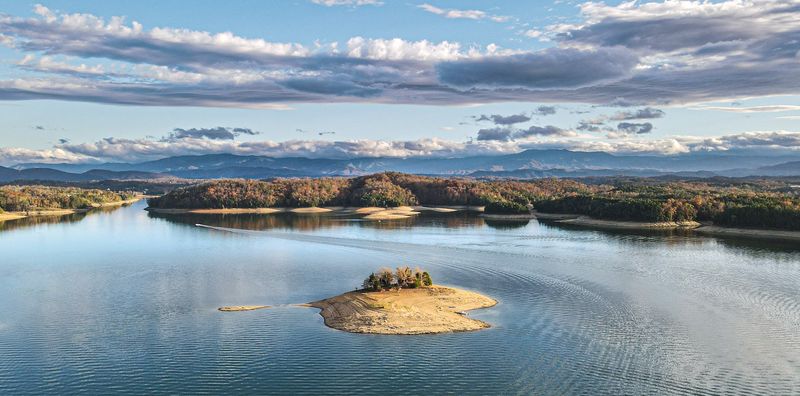
Imagine spending the morning waterskiing on a clear East Tennessee lake and the afternoon exploring the foothills of the Great Smoky Mountains, all without moving your base camp.
That is the effortless double feature that Douglas Lake near Dandridge makes possible.
Located close to Sevierville and Gatlinburg, this large reservoir offers over 500 miles of shoreline and serves as a natural gateway between lake life and mountain adventure.
The water is clear enough to make swimming and snorkeling genuinely enjoyable, and the mountain backdrop adds a layer of scenery that most lakes simply cannot offer.
Jet skiing, wakeboarding, kayaking, and stand-up paddleboarding all find comfortable homes here, and the designated Douglas Dam Headwater Swim Beach gives families a safe, sandy spot to splash around.
Fishing is a national draw as well, with crappie, largemouth bass, and catfish all showing up in solid numbers for anglers willing to put in the time.
The real magic of Douglas Lake is its location. After a full day on the water, Pigeon Forge, Dollywood, and the restaurants of Gatlinburg are all within easy reach, turning a simple lake trip into a multi-layered Tennessee vacation.
Few places in the state offer that kind of variety packed into one convenient stretch of road, and locals know it well.
8. South Holston Lake
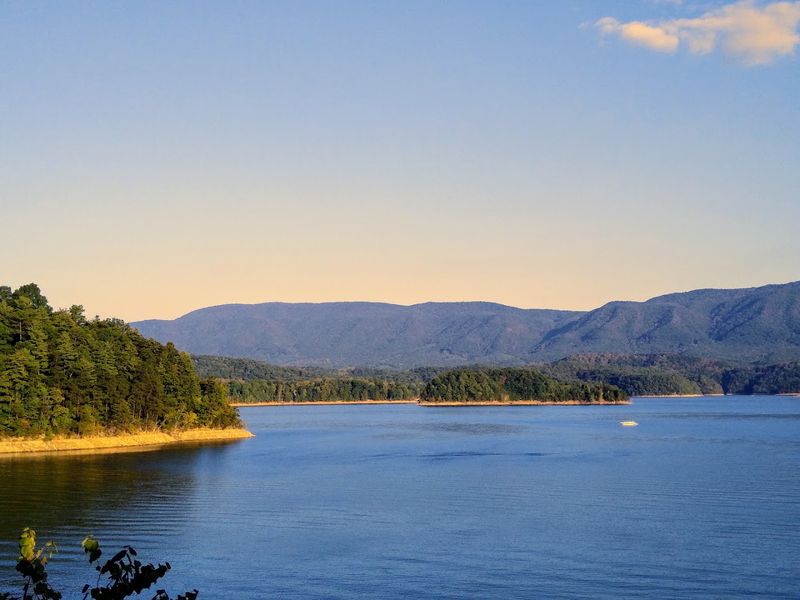
Stretching across the Tennessee and Virginia state line near Bristol, South Holston Lake has a reputation for clarity that locals defend with genuine enthusiasm, and the numbers back them up.
Roughly two-thirds of its 168-mile shoreline is bordered by the Cherokee National Forest, which acts as a natural green shield against the kind of development that clouds water and crowds shores.
That level of forest protection is rare, and it is the main reason the lake stays so visibly pristine year after year.
The Blue Ridge Mountains rise dramatically behind the water, creating a backdrop that makes every photo look professionally staged.
Long open stretches of the lake are ideal for tubing, skiing, and wakeboarding, while the forested coves invite quieter exploration by kayak or canoe without the noise of bigger powerboats.
Anglers appreciate South Holston for its mix of smallmouth bass, largemouth bass, walleye, crappie, and trout, and a special license allows fishing across both the Tennessee and Virginia sections of the lake.
Camping options range from organized sites at Woodland Cove to more remote spots where the only sounds are wind and water.
Visiting in early fall means you get the lake largely to yourself, with the forest turning color around you and the water still warm enough to swim.
9. Tellico Lake
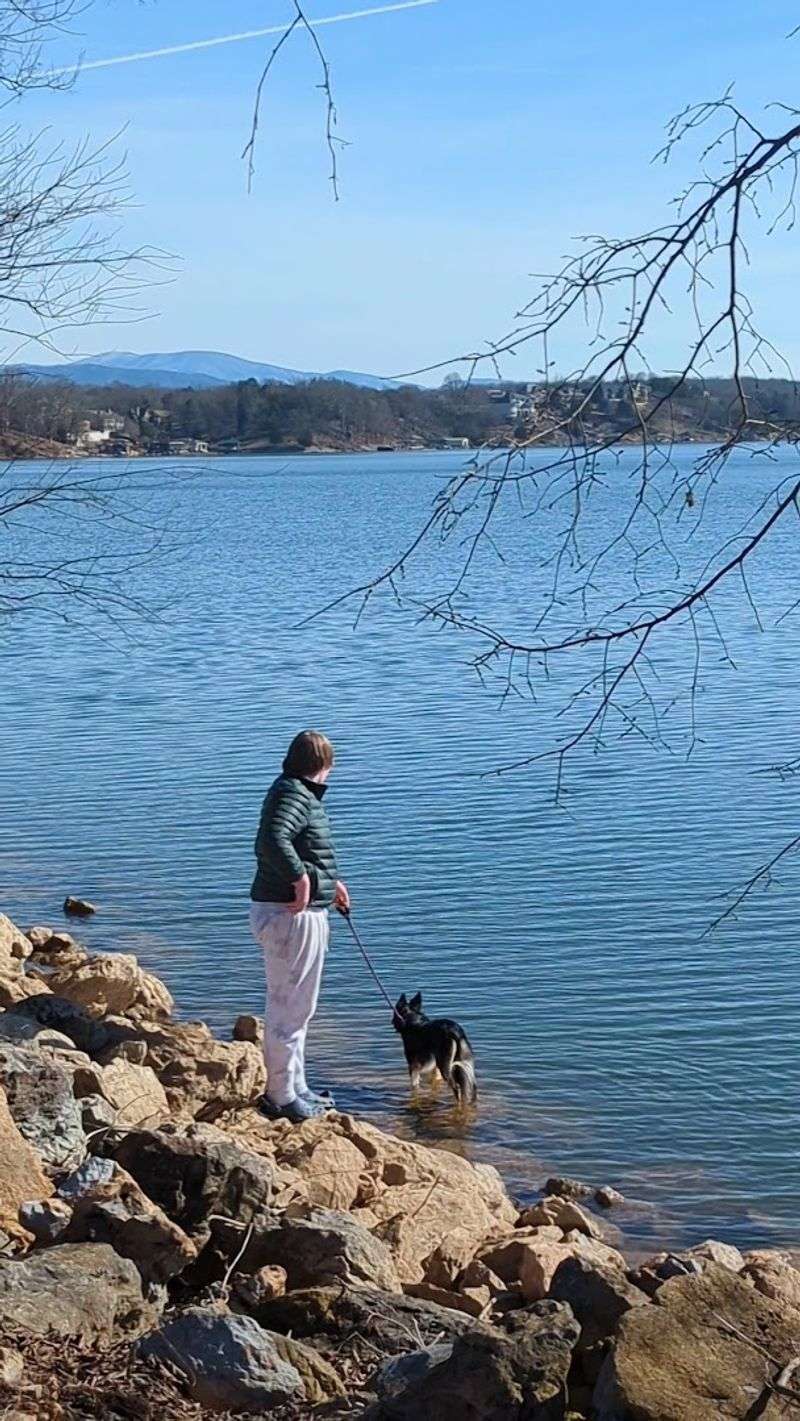
Created by the Tennessee Valley Authority and reaching full capacity in 1982, Tellico Lake near Loudon carries a subtle distinction that sets it apart from most man-made reservoirs.
It has a natural current running through it, a direct inheritance from the Little Tennessee River that feeds it.
That gentle current, combined with careful water management, contributes to the lake’s reputation as one of the cleanest in all of East Tennessee.
The Great Smoky Mountains serve as a stunning backdrop, and on clear days the reflections on the water make the whole scene look like a painting rather than a real place.
All water sports find a welcome home here, from wakeboarding and waterskiing across its open stretches to leisurely kayaking along its 357 miles of shoreline.
Swimming is available at spots like Tugaloo Beach Pavilion, and many residents enjoy cooling off from private docks during the summer months.
Fishing at Tellico Lake is a year-round pursuit, with smallmouth bass, largemouth bass, crappie, walleye, and sauger all present in healthy numbers, and the lake even hosts national bass fishing tournaments that bring serious competitors to its shores.
The East Lakeshore Trail, a 30-mile National Recreation Trail, follows part of the eastern shoreline and offers hikers elevated views of the water that remind you why locals guard this lake so fiercely.