
Tennessee Mountain Towns Where Locals Say The Crowds Have Gotten Out Of Hand
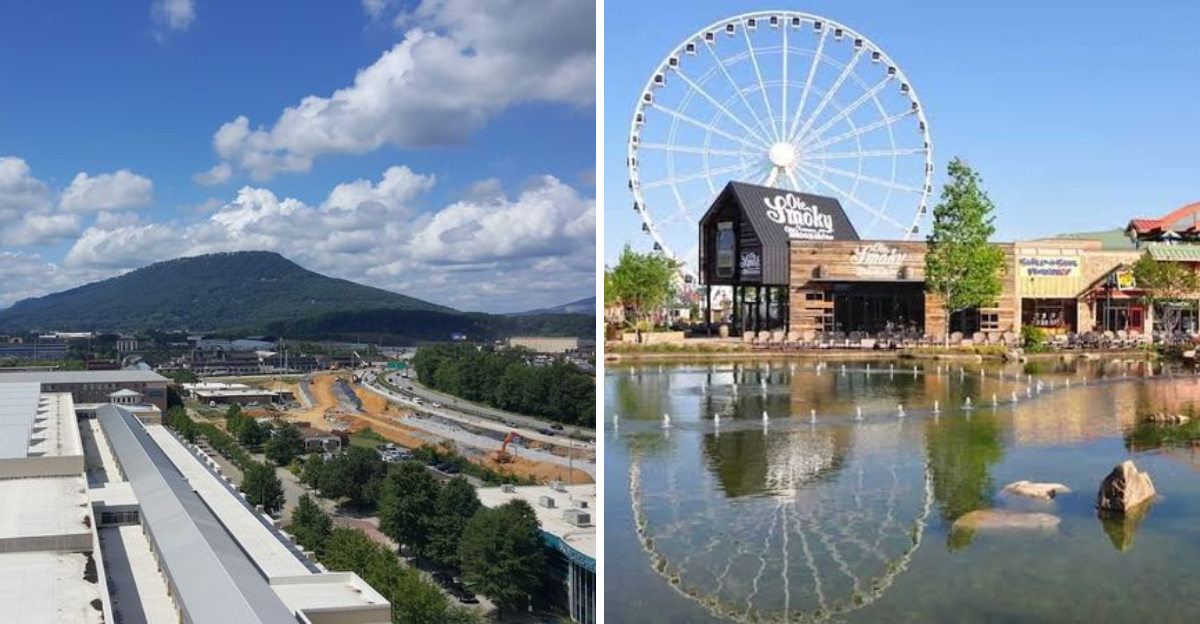
The mountain views are still gorgeous. The drive into town? That is where the mood can change fast.
Several Tennessee mountain towns now face traffic jams, crowded sidewalks, packed parking lots, and long lines that locals never expected to see this often.
A quick weekend escape can feel more like a major event, especially during fall color season, holiday weekends, and summer vacations.
How busy is too busy? Residents have watched familiar roads slow to a crawl as visitor numbers keep climbing.
Restaurants fill early, trailheads reach capacity, and peaceful overlooks become harder to enjoy without a crowd nearby.
Tourism keeps local businesses running, but nonstop growth brings real pressure. These towns still have charm, character, and scenery worth seeing.
Yet many residents say the balance has shifted, and the crowds are changing daily life in ways visitors may never notice.
1. Gatlinburg
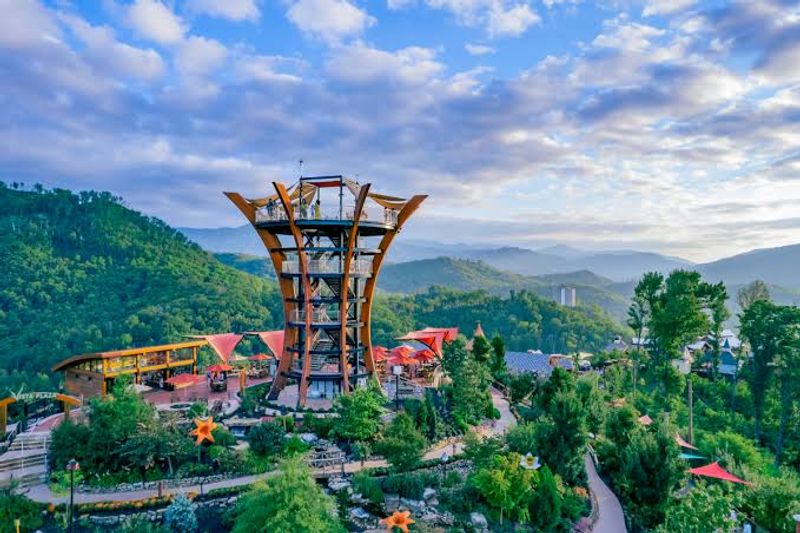
Few places in America pull off the trick of being both irresistibly charming and absolutely overwhelming quite like Gatlinburg.
Sitting at the edge of Great Smoky Mountains National Park in Sevier County, this town is the kind of place where the scenery is stunning and the foot traffic is, well, equally stunning.
During summer, the ratio of tourists to residents is estimated at around 1,510 to 1. That number alone tells you something serious is going on with the sidewalks.
The main artery, US-441, earns its reputation for bumper-to-bumper gridlock from mid-morning through late evening, especially on fall weekends when the leaf color peaks in mid-October.
Parking lots fill before most people have finished their morning coffee, and the downtown core becomes a slow shuffle of shoulder-to-shoulder crowds.
The trail access points near town are no calmer, with popular spots like Alum Cave reaching capacity before noon on busy weekends. Gatlinburg is genuinely beautiful, and that beauty is no secret to anyone within a five-state radius.
If you are planning a trip here, arriving early on a weekday and booking accommodations well in advance is the smartest move you can make before the mountain magic turns into a traffic jam.
2. Sevierville

Sevierville often gets overlooked in favor of its flashier neighbors, but this Sevier County town is quietly absorbing a serious amount of traffic all on its own.
As the first major stop off Interstate 40 heading into the Smoky Mountains corridor, Sevierville acts like a funnel for everyone heading toward Pigeon Forge and Gatlinburg, and that funnel gets very tight on weekends and holidays.
The Tanger Outlets alone pull in over seven million visits a year, creating a parking and traffic situation that can rival the mountain towns further down the road.
Add to that the cabin guests, local commuters, and through-traffic all competing for the same intersections near the I-40 ramps, and you have a recipe for genuine gridlock.
Sevier County as a whole sees an estimated 21 million annual visits, and a good portion of that energy passes directly through Sevierville’s streets.
The town has a lot going for it, including its own historic downtown, the famous Dolly Parton statue, and easy access to the broader region.
But the combination of outlet shopping, mountain-bound travelers, and limited road infrastructure makes this a town where the traffic reality hits you before you even realize you have entered the tourist zone. Plan your timing carefully here.
3. Townsend
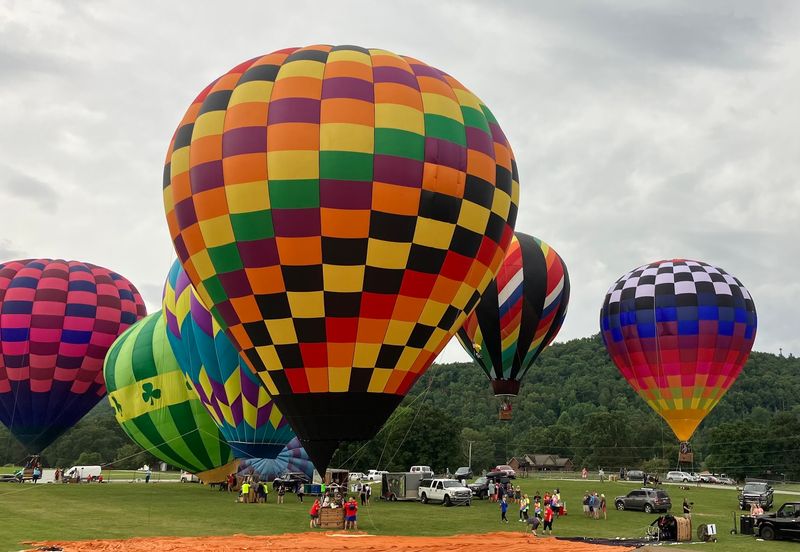
Townsend built its brand on being the quiet alternative, the place you go when the noise of Gatlinburg and Pigeon Forge gets to be too much. It has long called itself “The Peaceful Side of the Smokies,” and for a while, that tagline held up pretty well.
These days, the Little River running through town carries a steady line of tubing enthusiasts during warmer months, and the road to Cades Cove runs right through town.
That means a significant flow of vehicles passes through on scenic weekends, turning the once-sleepy main road into a slow procession of SUVs and rental cars.
Festival weekends have increased in frequency, lodging development has accelerated with new cabin resorts popping up in the surrounding hills, and the Townsend Balloon Festival draws thousands of attendees in a single stretch.
The town’s infrastructure was designed for a gentler pace, and peak periods are testing those limits more each year.
Townsend is still genuinely calmer than its neighbors on a Tuesday in February. But if you show up on a warm Saturday in October expecting solitude, the Smokies will politely remind you that the secret got out a while ago.
4. Pittman Center
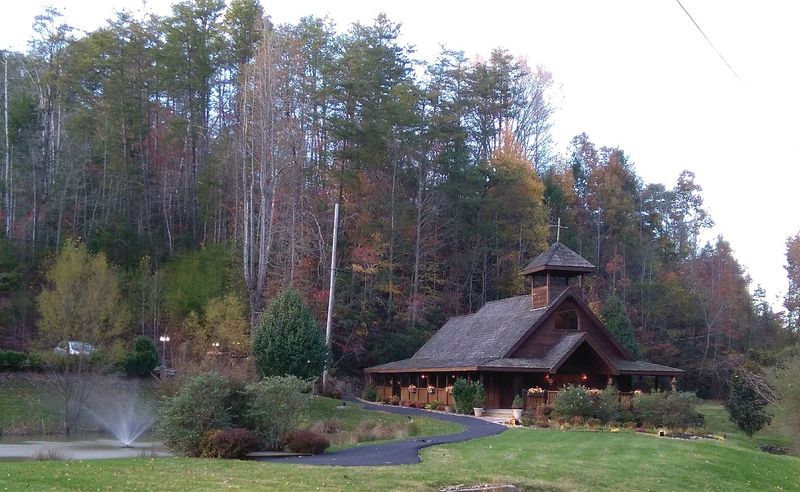
Pittman Center is the kind of place that does not make most tourist brochures, which is exactly why it became a refuge for people fleeing the congestion of nearby Gatlinburg.
This small community sits close enough to the main Smokies action that its roads have become a popular detour for drivers trying to avoid the Parkway gridlock.
That detour habit has consequences. Roads built for a tight-knit rural community are now handling a noticeably higher volume of through-traffic, and the pressure is showing.
Cabin development has accelerated significantly in and around Pittman Center, bringing a steady stream of short-term occupants who need groceries, gas, and road access just like everyone else.
The Little Pigeon River, which runs through the area, draws people looking for a quieter stretch of water away from the more commercialized spots.
That appeal is real, but it adds another layer of foot traffic to a community that was not designed with large-scale tourism in mind.
Pittman Center does not have the name recognition of its neighbors, but the squeeze it is feeling is no less real. Sometimes the overflow from a famous destination lands hardest on the quiet places next door, and that is exactly the story playing out here.
5. Pigeon Forge
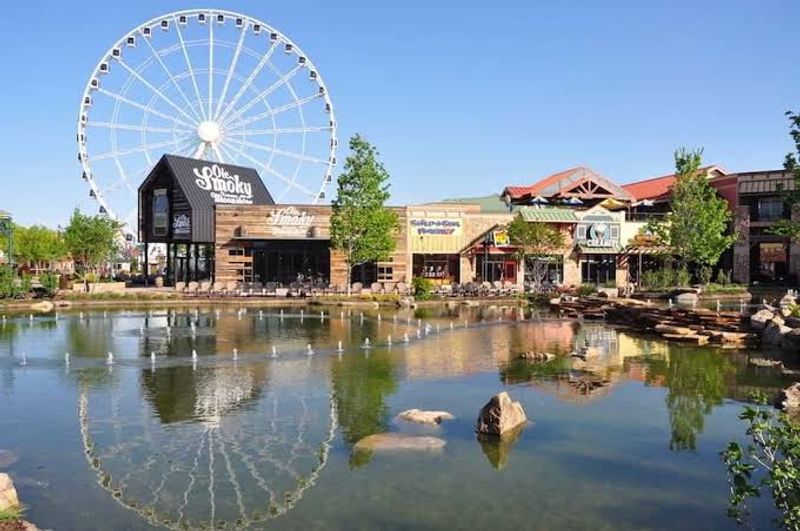
There is a stretch of road in Pigeon Forge known simply as the Parkway, and on a busy weekend it can feel less like a scenic byway and more like a very slow parade with nowhere to turn off.
Located in Sevier County just a few miles from Gatlinburg, Pigeon Forge has built an identity around big attractions, and the crowds have followed faithfully.
The Parkway sees its worst congestion between 10 AM and 10 PM, a window that covers most of the day and leaves little room for a quick drive-through.
Car show weekends, including events like the Shades of the Past Car Show and various Rod Run weekends, push the traffic from bad to genuinely gridlocked.
Hotel lots overflow, the Parkway becomes a parade of classic vehicles, and anyone hoping to pop into a restaurant quickly learns that patience is the most essential item to pack.
Lines for the major attractions stretch long, and the sheer density of activity along this corridor means that even small delays compound quickly.
Pigeon Forge is entertaining, high-energy, and packed with things to do. Just know that “quick stop” is not really a phrase that applies here during peak season, no matter how optimistic you feel when you pull off the interstate.
6. Roan Mountain
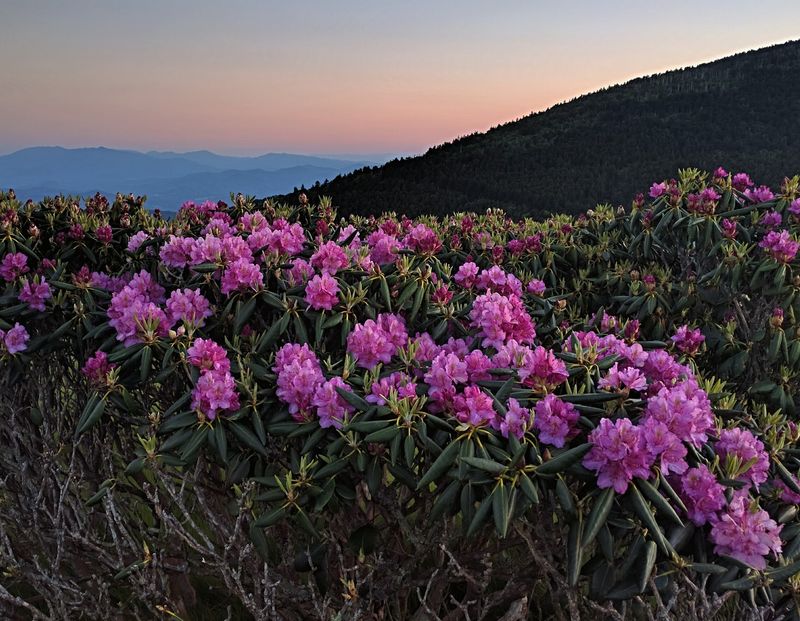
Every June, something remarkable happens on Roan Mountain. The high-elevation balds along the Tennessee-North Carolina border explode into a sea of pink and purple rhododendron blooms, and word of that spectacle has spread far and wide.
The result is a surge of visitors that the narrow mountain roads and limited parking areas at Carvers Gap were simply not built to handle.
Roan Mountain, part of the Unicoi Mountains, is genuinely one of the most ecologically special places in the entire Appalachian chain.
It hosts rare plant communities, federally protected species, and a stretch of the Appalachian Trail that draws hikers year-round.
Fall foliage adds another wave of traffic when the season shifts, with scenic drivers filling every available pullout along the winding route.
When parking fills up, vehicles line the roadside in ways that create real safety concerns on roads with no shoulder to spare.
Off-trail exploration, which increases with crowd size, puts pressure on the very ecosystems that make Roan Mountain worth visiting in the first place.
The mountain has not lost any of its magic, but timing your trip outside of rhododendron peak and fall color weekends is now less of a preference and more of a practical necessity if you want any breathing room at Carvers Gap.
7. Tellico Plains
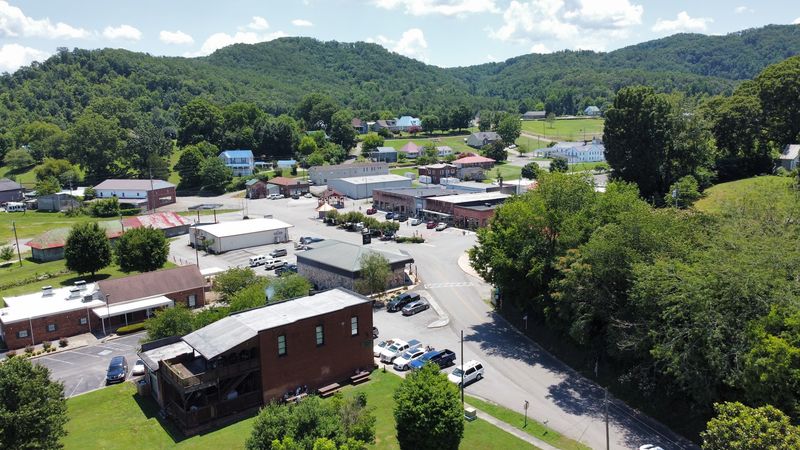
Standing at the western end of the Cherohala Skyway in Monroe County, Tellico Plains has a front-row seat to one of the most scenic drives in the entire southeastern United States.
That 43-mile National Scenic Byway connecting Tennessee to Robbinsville, North Carolina, has made this small town a throughput point for motorcycles, scenic drivers, hikers, and river enthusiasts.
The problem is that Tellico Plains is a modest-sized town with parking infrastructure that reflects its pre-Skyway identity as an industrial community.
There simply are not enough spaces downtown to absorb the weekend surge, and the local services, from gas stations to restaurants, are calibrated for a smaller daily demand.
The Cherokee National Forest and the Tellico River bring in fishing crowds and kayakers, while Bald River Falls pulls in hikers who want a waterfall without a two-hour drive into a national park.
Each of those draws is legitimate, but together they create a volume of traffic that the town’s compact layout struggles to organize neatly.
Tellico Plains rewards those who arrive on a slow weekday morning, when the Skyway stretches out nearly empty ahead of you and the town feels exactly like the kind of place you hoped it would be.
8. Lookout Mountain
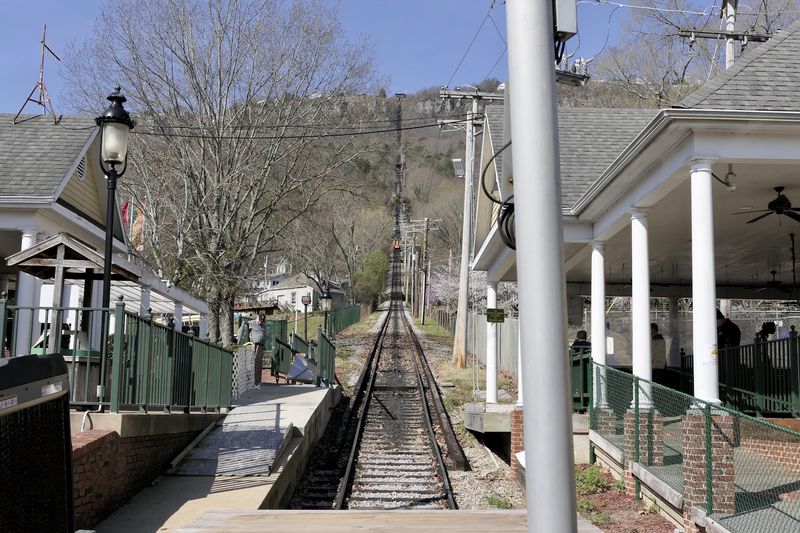
Lookout Mountain does not mess around when it comes to attractions. Rock City Gardens, Ruby Falls, and the historic Incline Railway are stacked on a single geological feature above Chattanooga.
That concentration of world-class destinations creates a traffic situation that the mountain’s narrow, winding roads were not designed to support.
The mountain extends into Georgia, and its roads pass directly through residential neighborhoods, which means the congestion is not just an inconvenience for tourists.
It is a daily reality for the people who actually live there, especially during peak seasons, holiday events, and busy weekends when the flow of vehicles becomes genuinely relentless.
Rock City alone draws visitors from across the country with its dramatic rock formations and panoramic views stretching across multiple states on a clear day. Ruby Falls, the underground waterfall deep inside the mountain, adds another layer of allure.
Then the Incline Railway, one of the steepest passenger railways in the world, brings its own steady queue of eager riders.
Each attraction is worth experiencing on its own terms, but their proximity to each other means the roads connecting them function at or beyond capacity for much of the year.
Lookout Mountain is spectacular, and the traffic is equally spectacular, just in a far less relaxing way.
9. Signal Mountain
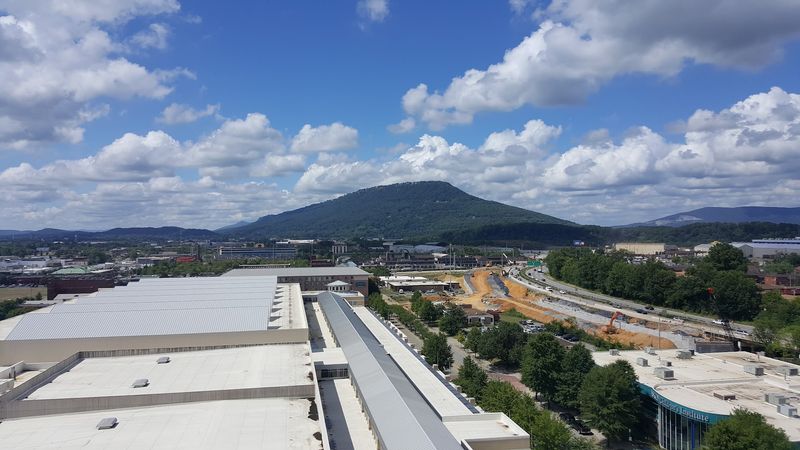
Signal Mountain sits just above Chattanooga and on paper it sounds like the perfect weekend escape: sweeping views of the Tennessee River Gorge, well-maintained trails, and a quiet mountain community with a genuine neighborhood feel.
The reality on a sunny Saturday is a bit more complicated than that.
Popular spots like Signal Point and Edwards Point draw outdoor enthusiasts in numbers that quickly outpace the available parking.
When the trailhead lots fill, vehicles spread into the surrounding residential streets, turning a peaceful neighborhood into an improvised overflow lot that residents did not exactly sign up for.
Signal Mountain is also part of the Chickamauga and Chattanooga National Military Park, which adds a layer of historical significance to its natural appeal.
That combination of scenic beauty and Civil War history gives the mountain a dual identity that attracts two different crowds, sometimes at the same time, on the same narrow roads.
The trails here are genuinely rewarding, and the views across the gorge are the kind that make you stop mid-step and just stare for a moment.
But if you want that moment to feel quiet rather than crowded, a midweek morning visit in early spring or late fall is your best bet for finding Signal Mountain closer to the peaceful experience it promises.
10. Cumberland Gap
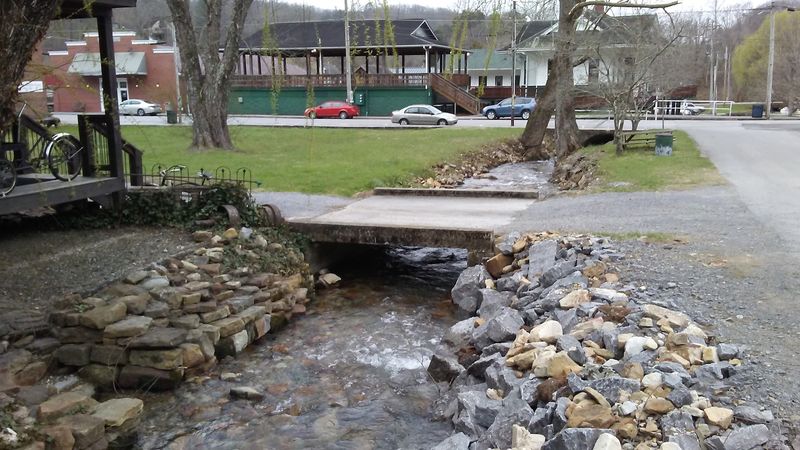
There is something genuinely moving about standing in Cumberland Gap, the narrow mountain pass where Tennessee, Kentucky, and Virginia meet at a single point.
This was once called the First Gateway to the West, the passage that Daniel Boone helped blaze and that thousands of pioneers walked through on their way to a new life.
That history has not faded, and neither has the draw it creates.
Cumberland Gap National Historical Park welcomed over 700,000 people in 2024, with the heaviest concentration arriving during fall, when the surrounding Appalachian forest puts on a color display that is hard to match anywhere in the region.
The town of Cumberland Gap itself is compact and historically rich, but its parking facilities and trail access points were not built with that kind of volume in mind.
Fall weekends and special events push the infrastructure to its limits, with parking filling quickly and trail corridors becoming congested during peak hours.
The town’s downtown area, lined with historic buildings and a genuine small-town character, absorbs the overflow in ways that are beginning to feel strained.
Cumberland Gap is the kind of place where history feels close enough to touch, but arriving during a peak fall weekend means sharing that feeling with a very large crowd.
Coming mid-week or in early spring changes the experience entirely.