
9 Tennessee Outdoor Areas Where Visitors Should Watch For Ticks This Summer
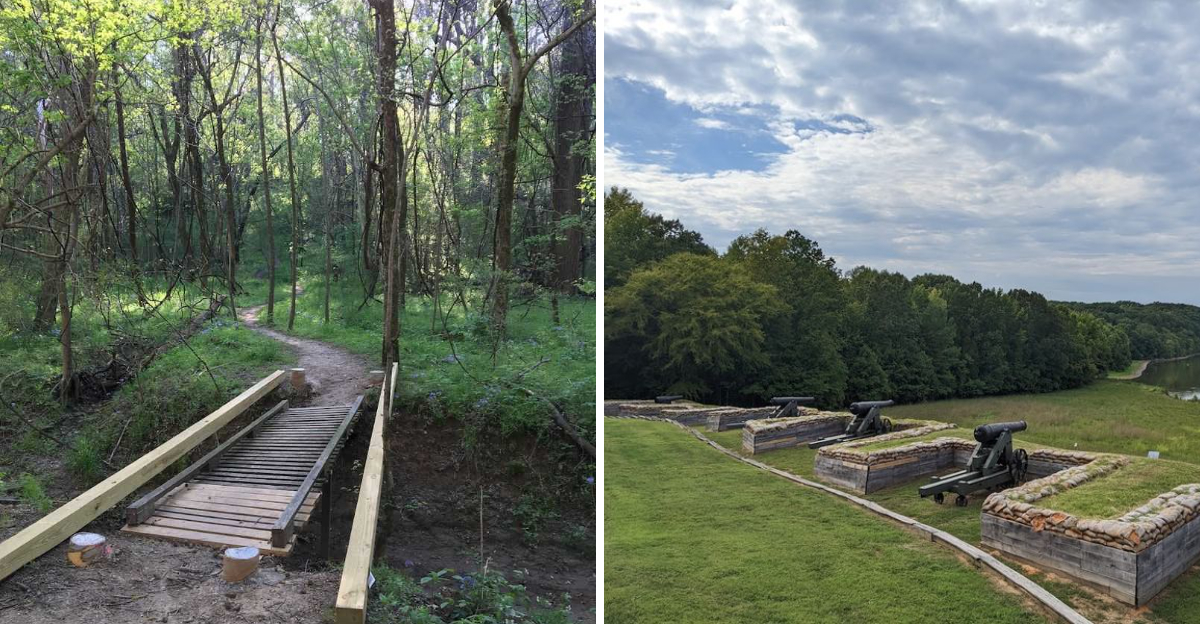
A tiny hitchhiker can turn a relaxing summer outing into an itchy surprise. Tennessee trails, forests, grassy fields, and lakeside paths give visitors countless reasons to spend the day outside, but ticks are part of the warm weather picture too.
Should that stop you from hiking, camping, or exploring? Not at all.
A little preparation can make a big difference. Wear long pants when walking through tall grass, use repellent, and check your clothes and skin after returning home.
Pets deserve a careful inspection as well, especially after roaming near brush or wooded areas.
Ticks can appear in many outdoor settings, yet certain public areas have issued direct warnings or safety guidance for visitors. These nine locations are worth knowing before planning your next adventure.
Stay alert, take simple precautions, and enjoy Tennessee’s summer scenery without letting an unwanted passenger follow you home.
1. Big South Fork National River And Recreation Area, Oneida
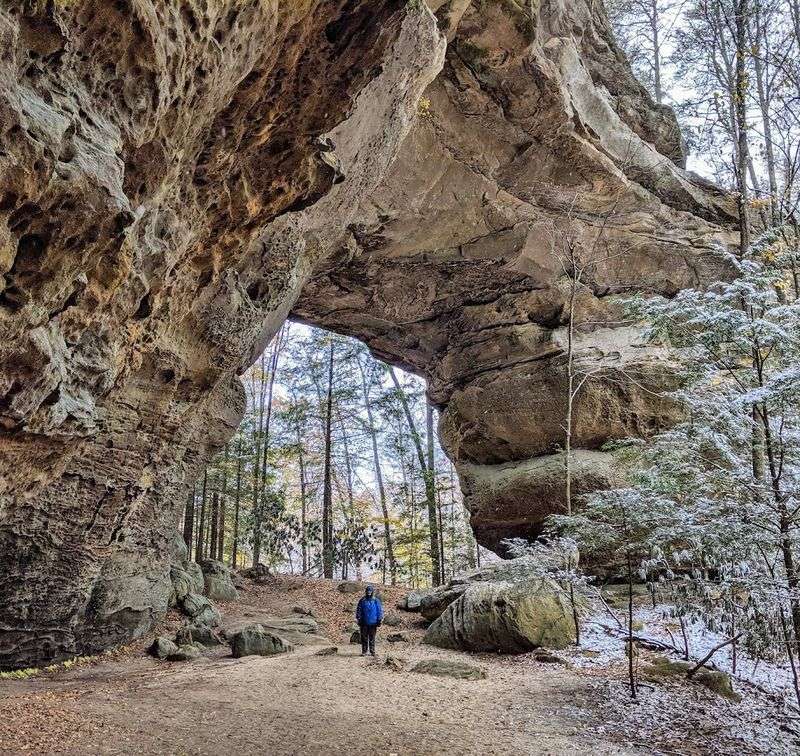
Carved over millions of years by the relentless force of the Cumberland River, Big South Fork National River and Recreation Area spreads across a jaw-dropping 125,000 acres along the border of northeastern Tennessee and southeastern Kentucky, near Oneida.
The landscape here is nothing short of theatrical, with towering sandstone bluffs, dramatic natural arches, and gorges so deep they seem to swallow the sky.
Hikers, mountain bikers, and equestrians share over 300 miles of trails, while paddlers tackle whitewater ranging from playful floats to serious rapids.
History lovers can explore the ghost of the Blue Heron mining community on the Kentucky side, or search for traces of the vanished Tennessee settlement known as No Business.
Five campgrounds offer everything from full hookups to primitive backcountry spots, so you can stay as long as the trails demand.
Fishing is another major draw, with 138 miles of streams holding 79 species of fish.
The National Park Service is clear that ticks are common throughout this recreation area, so build a habit of doing a full body check every time you return from the trail to keep your adventure rolling smoothly.
2. Great Smoky Mountains National Park, Gatlinburg
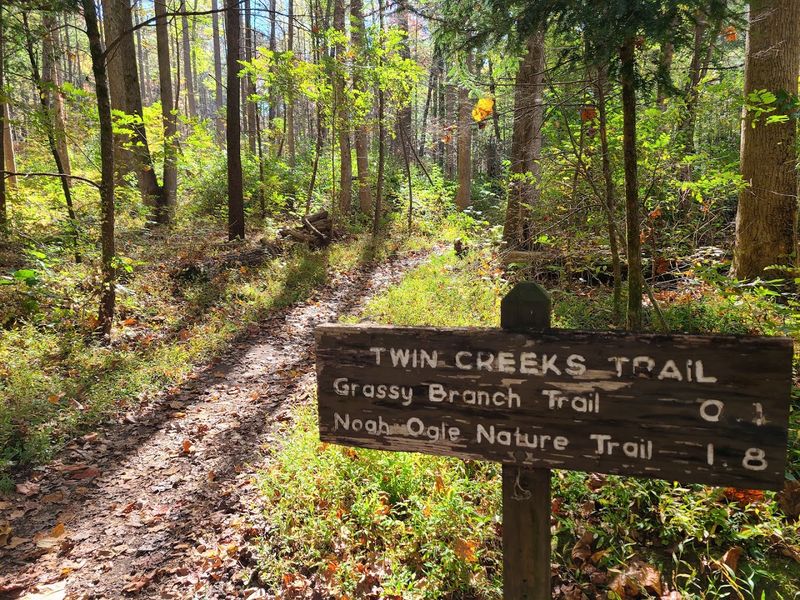
No list of Tennessee outdoor destinations is complete without the crown jewel of the Appalachians.
Great Smoky Mountains National Park, straddling the border of eastern Tennessee and western North Carolina near Gatlinburg, draws more visitors than any other national park in the country.
Once you set foot on its trails, the reason becomes immediately obvious.
Ancient forests blanket ridge after ridge, punctuated by cascading waterfalls, wildflower meadows, and high-elevation balds with views that stretch for miles.
The Cades Cove Loop Road is a favorite for spotting white-tailed deer and black bears in open meadows, while Newfound Gap Road climbs through the clouds to the Tennessee-North Carolina state line.
Hikers can choose from over 800 miles of trails, including stretches of the Appalachian Trail that pass directly through the park’s backcountry. Historic grist mills and preserved homesteads add a human story to the wild landscape.
With all that lush vegetation and wildlife habitat, it is no surprise that ticks thrive here too.
The National Park Service specifically advises visitors to perform thorough tick checks after any time spent in the backcountry, making a post-hike inspection as routine as tying your boots before you head out.
3. Obed Wild And Scenic River, Wartburg
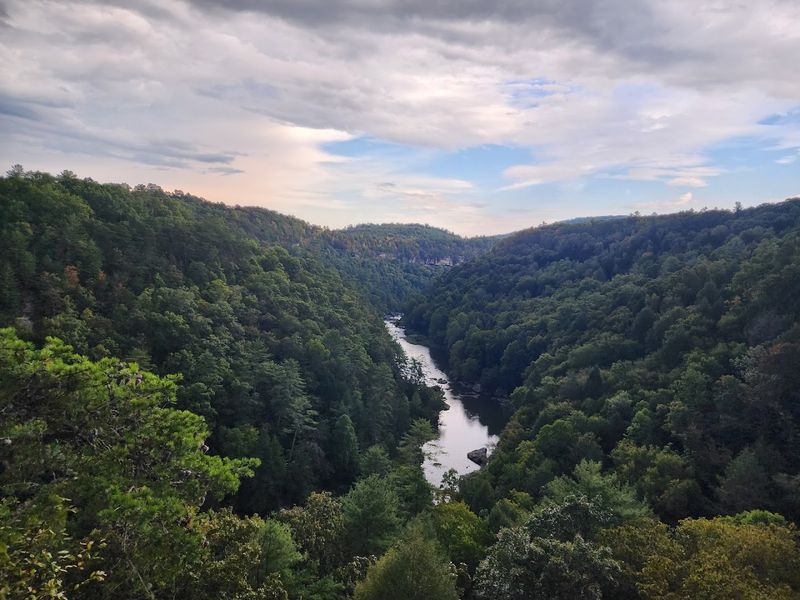
A 400-foot drop into the earth greets you at the Obed Wild and Scenic River, a national park unit perched on the Cumberland Plateau near Wartburg that quietly ranks among the most dramatic landscapes in the eastern United States.
The Obed River and its tributaries, Clear Creek and Daddys Creek, have sliced through sandstone over centuries to create sheer cliff walls that now attract rock climbers from across the country.
More than 400 permanently bolted routes span a wide range of difficulty levels, and bouldering areas add even more options for those who prefer staying close to the ground.
Paddlers flock here between December and April when rainfall pushes the river to Class II through Class IV levels, while anglers work 45 miles of streams year-round in pursuit of bass, bluegill, catfish, and the elusive muskellunge.
The 23 miles of hiking trails include the rewarding trek to Lilly Bluff Overlook, where the gorge opens up beneath your feet in a truly memorable way.
Tall grasses and dense trailside vegetation make this prime tick habitat throughout the warmer months.
The park’s official hiking guidance states plainly that ticks are common throughout the recreation area, so tuck your pants into your socks and stay alert on every outing.
4. Chickamauga And Chattanooga National Military Park, Lookout Mountain
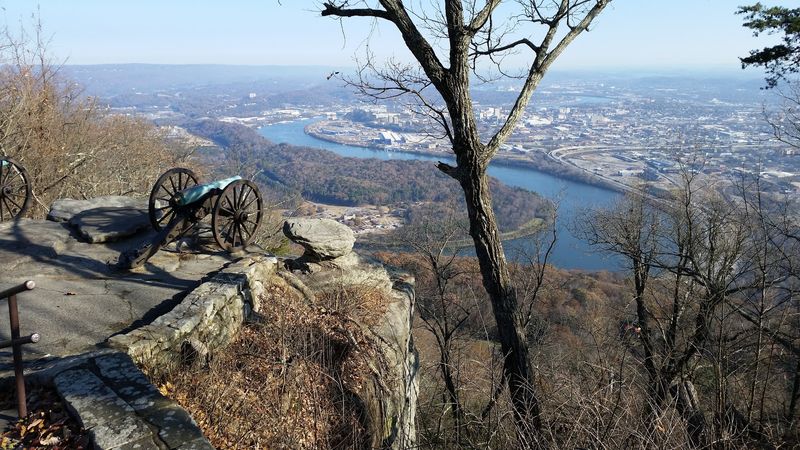
Walking the grounds of Chickamauga and Chattanooga National Military Park feels like stepping into a chapter of American history that the land itself refuses to forget.
As the nation’s oldest and largest military park, it preserves the Civil War battlefields of Chickamauga near Fort Oglethorpe, Georgia, and the heights of Lookout Mountain in Tennessee, where the famous Battle Above the Clouds was fought.
A 7-mile self-guided auto tour winds through the Chickamauga Battlefield, pausing at monuments and markers that bring the three-day conflict to life with remarkable clarity.
Ranger-guided programs add depth to the stories behind the strategy and sacrifice that unfolded here.
At Point Park on Lookout Mountain, the view of the Tennessee River’s Moccasin Bend is genuinely breathtaking, and the New York Peace Monument and Ochs Museum offer additional layers of meaning to the visit.
Miles of flat, paved, and gravel trails accommodate hikers and cyclists, with the General Bragg Trail serving those who want a longer outing.
The mix of open fields and wooded areas creates ideal conditions for ticks throughout the warmer months.
The National Park Service notes that ticks are prevalent in the park’s woods and fields, so staying on marked paths and doing a careful check afterward keeps the history-hunting experience entirely enjoyable.
5. Cherokee National Forest, Cleveland
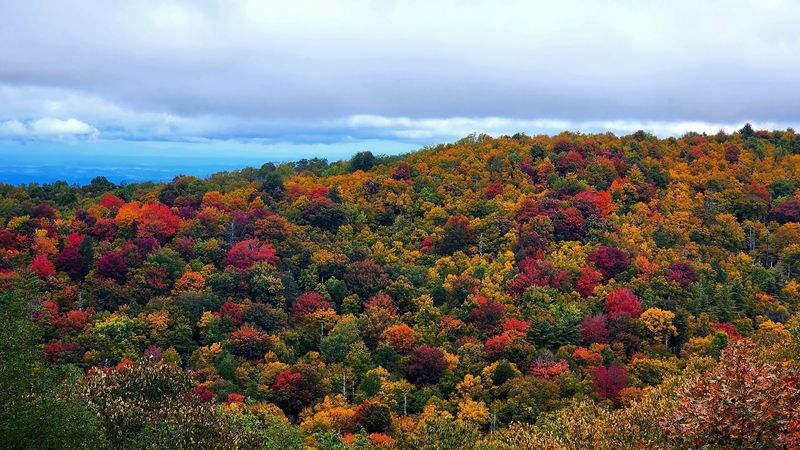
Covering more than 660,000 acres across the Southern Appalachians, Cherokee National Forest is the largest expanse of public land in Tennessee. It earns that title with an almost overwhelming variety of things to do and see.
Split into northern and southern sections on either side of Great Smoky Mountains National Park, the forest stretches near Cleveland and touches communities across the eastern edge of the state.
More than 700 miles of trails thread through the terrain, including stretches of the Appalachian National Scenic Trail, catering to everyone from casual day hikers to serious multi-day backpackers.
Seven whitewater rivers, including the legendary Ocoee, provide thrilling runs for rafters and kayakers, while spectacular waterfalls like Bald River Falls and Benton Falls reward those who prefer a more leisurely walk.
Scenic drives along the Cherohala Skyway and the Ocoee Scenic Byway deliver mountain vistas without a single switchback hike required.
Fifteen recreational zones spread across the forest mean there is always a new corner to explore, whether your interest is fishing, horseback riding, mountain biking, or simply watching birds at a quiet picnic table.
The U.S. Forest Service notes that ticks are common throughout Cherokee National Forest and are considerably more active between April and October, so packing repellent and doing regular checks is simply part of the plan here.
6. Long Hunter State Park, Hermitage
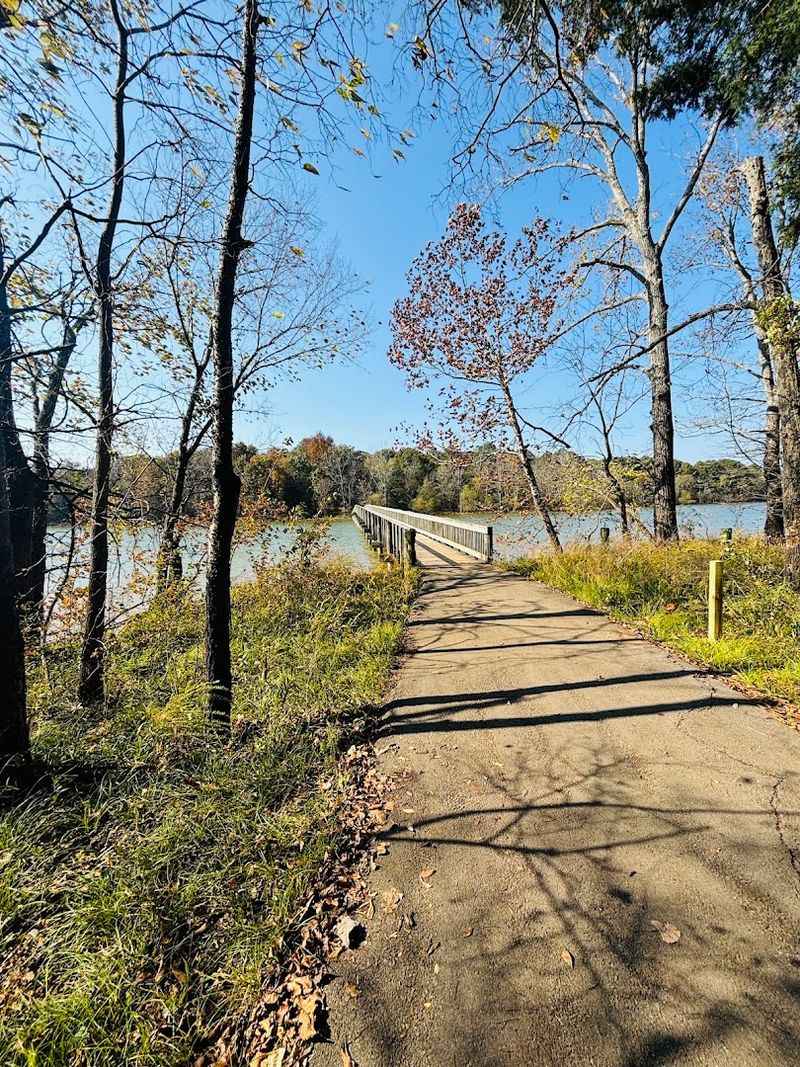
Just 30 minutes east of downtown Nashville, Long Hunter State Park sits along the shores of Percy Priest Lake in Hermitage, offering city residents a surprisingly wild escape without a long drive.
The park covers 2,600 acres and wraps around a lake that stretches to 14,000 acres, giving water lovers plenty of room to spread out.
Two boat ramps provide easy access for motorboats and watercraft, while the quieter 110-acre Couchville Lake inside the park is reserved for non-motorized vessels, making it ideal for paddleboarders and canoeists who want a more peaceful experience.
Bryant Grove beach opens for swimming during the summer months, and picnic shelters and playgrounds make this a reliable family destination.
On land, more than 20 miles of hiking trails wind through woods, open limestone glades, and along the lakeshore, passing rare wildflower habitats and bird-watching spots that surprise first-time visitors.
The paved Couchville Lake Arboretum Trail is a gentle favorite, while the Reading Ranger Story Trail makes the walk engaging for younger explorers.
Tennessee State Parks warns that significant numbers of ticks are present on certain trails here during warm-weather months.
Wearing light-colored clothing, staying on the center of the trail, and checking carefully after each outing are simple habits that go a long way toward a tick-free visit.
7. Head Of The Crow State Park, Sewanee
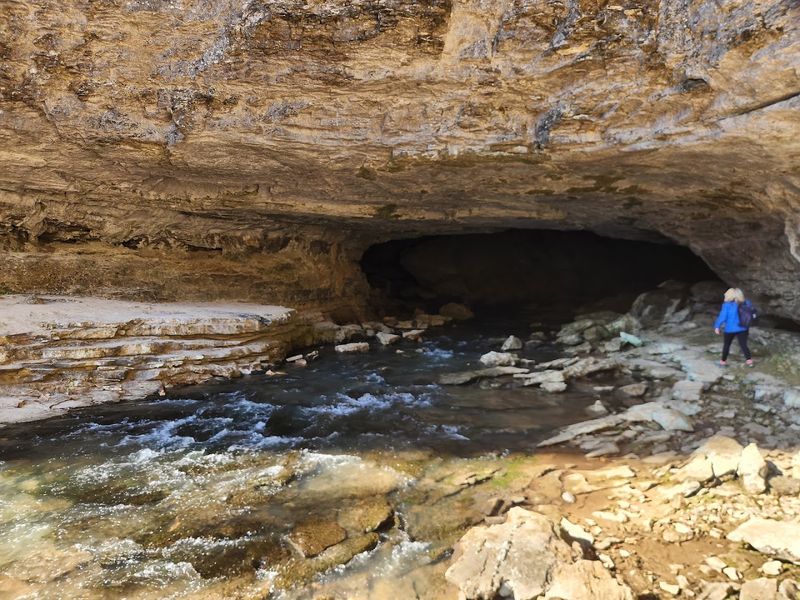
Tennessee officially added a brand-new entry to its state park system in October 2025, and Head of the Crow State Park near Sewanee in Franklin County wasted no time making an impression.
Carved out of the larger South Cumberland State Park, this 4,258-acre property protects the headwaters of Crow Creek and preserves a stunning karst landscape of caves, sinkholes, and hardwood forest that feels genuinely otherworldly.
The Sewanee Natural Bridge is the park’s most photographed feature, a graceful 50-foot sandstone arch that frames the Lost Cove below in a way that stops hikers mid-stride.
Buggytop Cave draws adventurous visitors with one of Tennessee’s largest cave openings and an underground river that disappears into the mountain’s interior.
Rare wildlife calls this place home, including the Painted Tigersnail, a species found within only a 10-mile radius of the area and virtually nowhere else on Earth.
Hiking trails range from gentle walks to rugged routes leading to bluff overlooks and cave entrances, and the rocky terrain means sturdy footwear is not optional.
The park’s official page is direct about tick presence, stating they are common throughout the property and recommending long pants and insect repellent for all visitors.
Given the dense vegetation along the trails, that advice is well worth following before you set out to explore this remarkable new park.
8. Fort Donelson National Battlefield, Dover
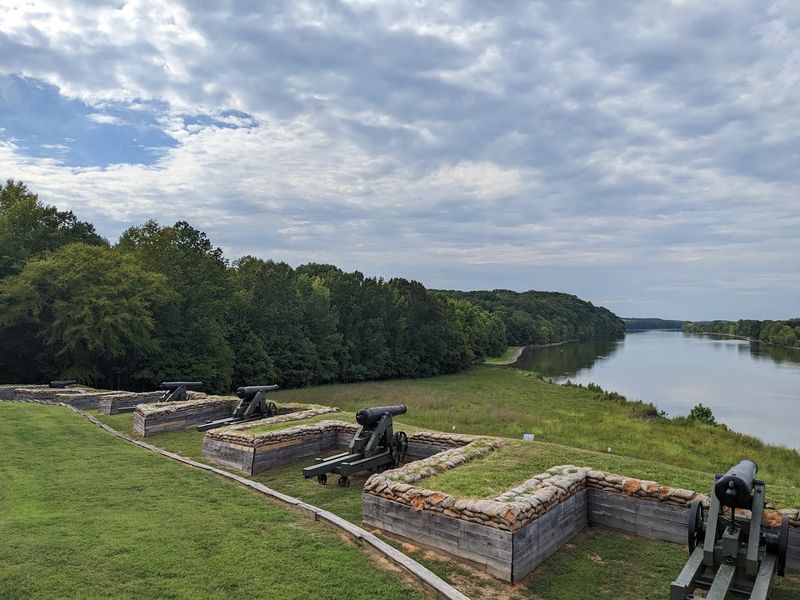
February 1862 changed everything at Fort Donelson. The Union victory here, led by Brigadier General Ulysses S.
Grant along the banks of the Cumberland River in Dover cracked open the Confederate line in the west and set Grant on the path toward his famous nickname, Unconditional Surrender.
Today, the 1,319-acre national battlefield preserves the earthworks, river batteries, and outer trenches where that pivotal three-day battle unfolded.
A self-guided 6-mile driving tour with 11 stops guides visitors through the terrain, while historical markers and monuments fill in the human details behind the military movements.
The historic Dover Hotel, where Confederate commanders signed the terms of surrender, still stands as a tangible connection to the moment that made Grant a national figure.
The Fort Donelson National Cemetery provides a quieter, more reflective corner of the park, honoring Union soldiers and veterans from conflicts that followed.
Summer visits mean walking through open fields and wooded areas that are lush with vegetation, which also makes this excellent habitat for ticks.
National Park Service safety guidance specifically advises visitors to prepare for ticks and other seasonal insects while exploring and hiking here, so long sleeves, repellent, and a careful post-visit check are your best tools for a comfortable day on the battlefield.
9. T.O. Fuller State Park, Memphis
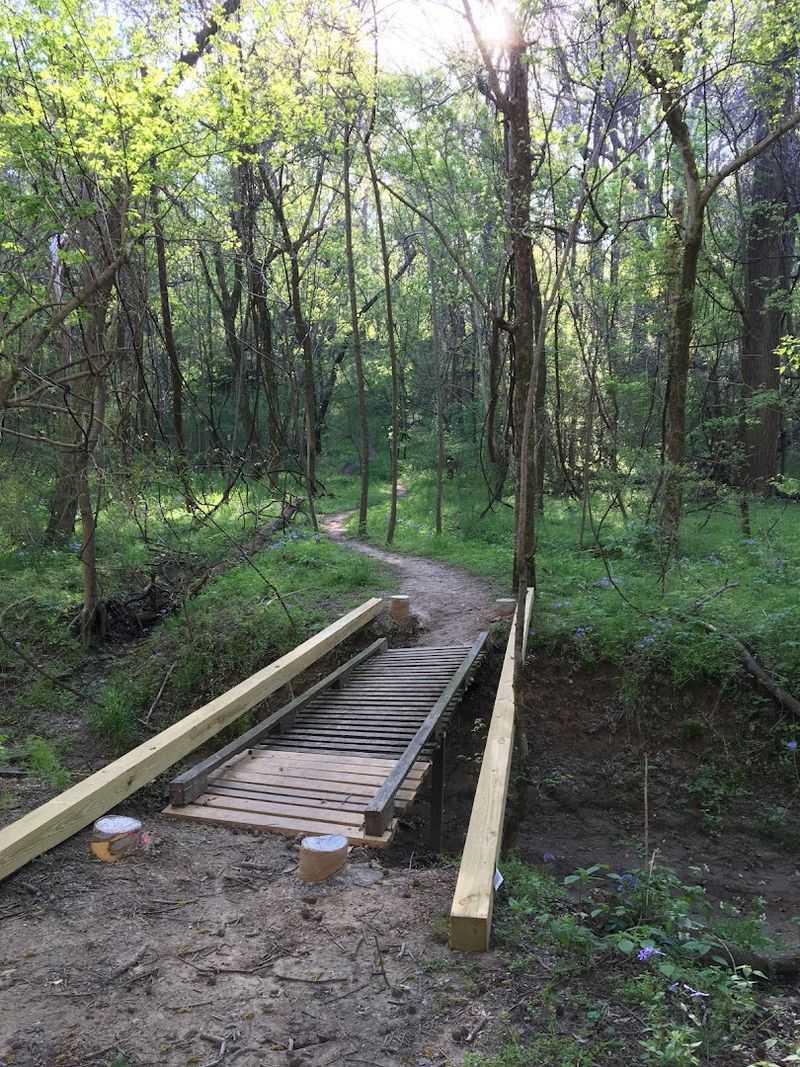
Most people do not expect to find 1,138 acres of forest, wetland, and rolling hills sitting inside a major American city, but T.O. Fuller State Park pulls it off with ease right within the limits of Memphis.
The park carries a significant place in civil rights history as the first state park east of the Mississippi River to open its facilities to African Americans, a milestone that dates back to its establishment in 1938.
The Civilian Conservation Corps built the original facilities, and the park was later renamed in honor of Dr. Thomas O. Fuller, a trailblazing African-American educator and community leader from Memphis.
An Olympic-sized swimming pool, basketball and tennis courts, and multiple picnic shelters make this a full-service destination for families and groups of all sizes.
Six miles of easy to moderate hiking trails wind through the woods, with the Honeysuckle Trail offering a particularly fragrant experience during the blooming season.
Right next door, the Chucalissa Archaeological Site preserves a prehistoric Mississippian village and hosts the C.H.
Nash Museum, adding a rich layer of ancient history to the visit.
An official park program cautions participants that ticks are present in the grassy fields used for outdoor activities.
A quick and thorough check before heading back to your car is a small price to pay for a day spent in one of Memphis’s most underrated outdoor spaces.