
12 Tennessee Overnight Getaways Ideal For A Quick Spring Reset
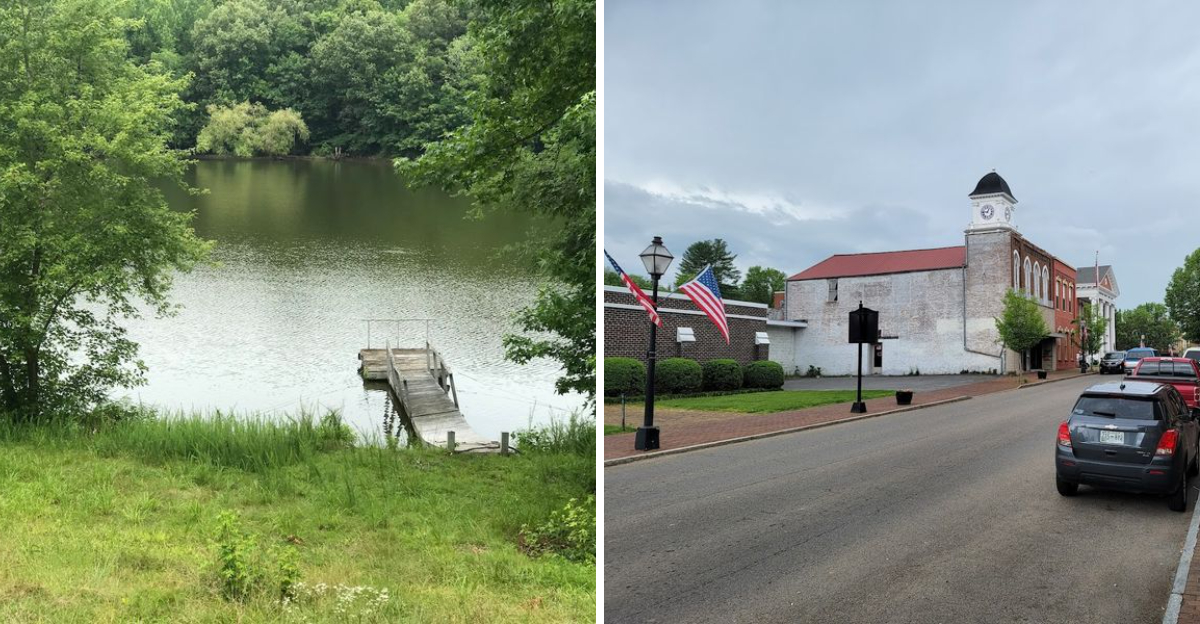
Spring in Tennessee hits different. The dogwoods are blooming, the waterfalls are running hard, the air finally has that sweet spring warmth, and somehow the crowds have not arrived yet.
It is the perfect window to disappear for a night or two and come back feeling like yourself again. Tennessee makes that easy.
This state has mountain cabins, river towns, state parks, city escapes, and tiny villages that feel a world away from real life. Here are amazing chances to reset, recharge, and remember why getting away even for just one night changes absolutely everything.
1. Fall Creek Falls State Park, Spencer
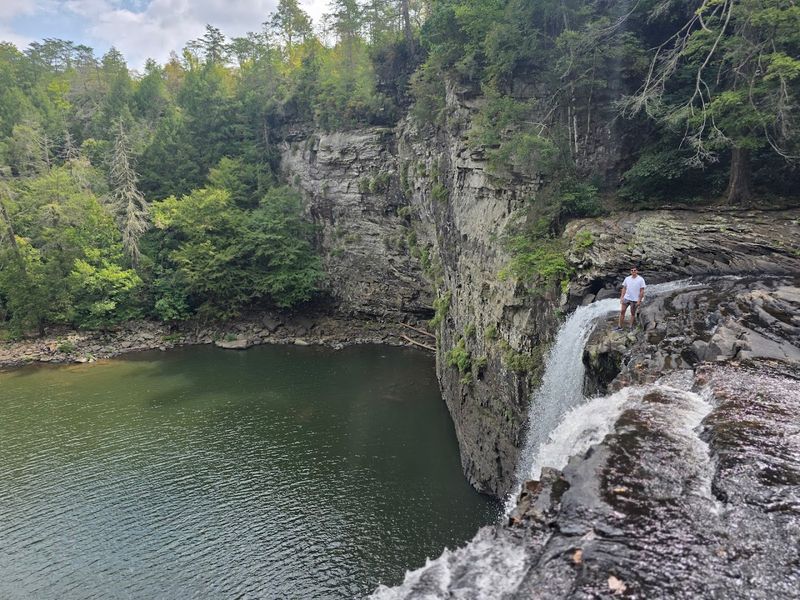
Standing at the edge of Fall Creek Falls, watching 256 feet of water crash into the gorge below, is the kind of moment that makes you wonder why you ever waited so long to come here.
Located near Spencer in the Cumberland Plateau, Fall Creek Falls State Park is one of the most stunning natural destinations in the eastern United States.
Spring is particularly magical time to visit, as the surrounding forest bursts into fresh green life and wildflowers dot the trails that wind through the gorge.
With over 35 miles of hiking trails, including overnight backpacking loops, there is no shortage of ways to spend your time outdoors.
The park also offers paddling, fishing, and even a golf course if you prefer your nature with a side of fairways.
Stay in the modern lodge overlooking Fall Creek Lake, where rooms with king beds and private balconies make it easy to watch the sunset without leaving your pajamas.
Few places in Tennessee pack this much natural drama into a single overnight trip.
2. Bell Buckle
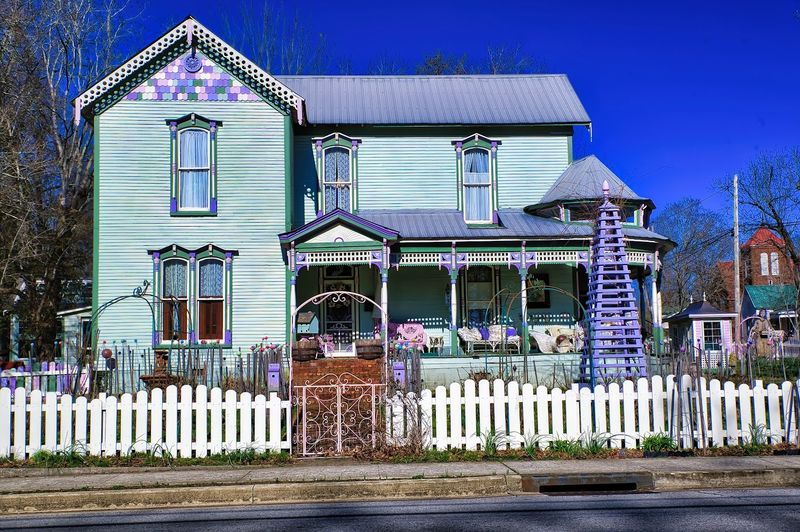
Not every reset requires a mountain or a waterfall. Sometimes all you need is a tiny Tennessee town that moves at the speed of a porch swing on a breezy afternoon.
Bell Buckle is exactly that kind of place.
This tiny community of just a few hundred residents has built a surprisingly vibrant identity around antique shops, local artisans, and the beloved RC Cola and Moon Pie Festival held each June.
In spring, the pace slows even further, making it ideal for wandering the historic downtown district, popping into galleries, and discovering locally made goods you will not find anywhere else.
The town is also home to Webb School, one of the oldest preparatory schools in the South, lending Bell Buckle a quiet sense of academic dignity that feels refreshingly different from typical tourist stops.
Bed and breakfast accommodations in the area offer cozy, personal stays that feel nothing like a chain hotel.
Bell Buckle is proof that the best getaways do not always make the loudest noise.
3. Memphis

Memphis does not ease you in gently. From the moment you hit Beale Street, the city grabs you by the collar with its music, its food, and its unmistakable cultural energy.
Located in the far southwest corner of Tennessee along the Mississippi River, Memphis is a city built on rhythm, resilience, and really good barbecue.
April is one of the best months to visit, with mild temperatures and the city coming alive after winter.
Sun Studio, the birthplace of rock and roll, is a must-visit for music lovers, while the National Civil Rights Museum at the Lorraine Motel offers one of the most moving and important museum experiences in the country.
The Memphis Zoo and Shelby Farms Park provide great outdoor options for those wanting fresh air alongside the urban adventure.
Spend the night at one of the boutique hotels in the South Main Arts District, where converted historic buildings sit alongside galleries and farm-to-table restaurants.
Memphis is the kind of city that gets under your skin in the best possible way, and one night rarely feels like enough.
4. Savage Gulf State Park, Gruetli-Laager
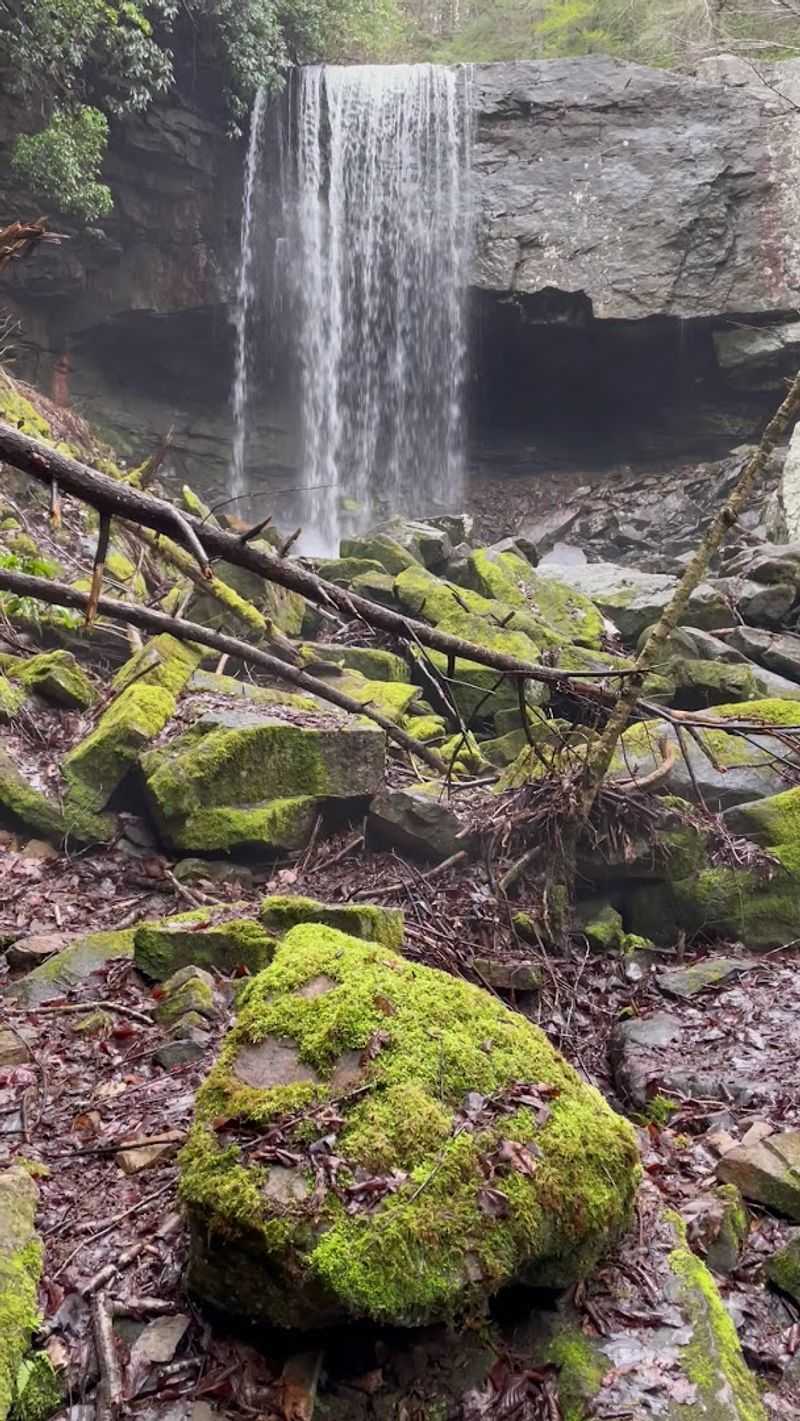
Savage Gulf is the kind of place that makes experienced hikers go quiet. The sheer scale of the sandstone gorges, carved over millions of years into the Cumberland Plateau, commands a certain respectful silence.
Located near the small community of Gruetli-Laager in Grundy County, Savage Gulf State Natural Area is part of the larger South Cumberland State Park system and offers some of the most rugged and rewarding trails in all of Tennessee.
Spring transforms the landscape here, with spring wildflowers blooming along the canyon rims and waterfalls running at full strength after winter rains.
The park features over 55 miles of backcountry trails, including routes that drop dramatically into the gorges and follow streams through cathedral-like forest corridors.
Primitive backcountry camping is available for those who want a full immersion experience, while nearby lodging options in the Monteagle area provide a comfortable base for day hikes.
There are no crowds, no gift shops, and no cell service to speak of in much of the park.
That is, without question, entirely the point.
5. Rugby
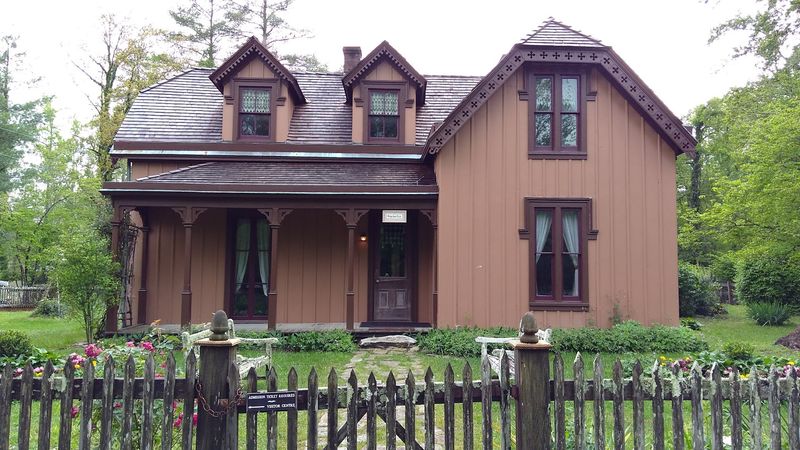
Imagine a Victorian English village transplanted into the forested hills of the Cumberland Plateau, and you are starting to get a picture of Rugby, Tennessee.
Founded in 1880 by British social reformer Thomas Hughes as an idealistic colony for younger sons of the English gentry, Rugby never quite became what its founders envisioned, but what it left behind is extraordinary.
Today, over a dozen original Victorian-era buildings still stand, preserved by the nonprofit Historic Rugby organization, including the Thomas Hughes Free Public Library, which still holds its original collection of 7,000 volumes from the 1880s.
Located in Morgan County near the Big South Fork National River and Recreation Area, Rugby sits at the edge of some of Tennessee’s most spectacular backcountry.
Guests can stay in restored Victorian cottages right on the historic site, making this one of the most atmospheric overnight experiences in the entire state.
History has rarely felt this alive or this comfortable.
6. Natchez Trace, Hohenwald
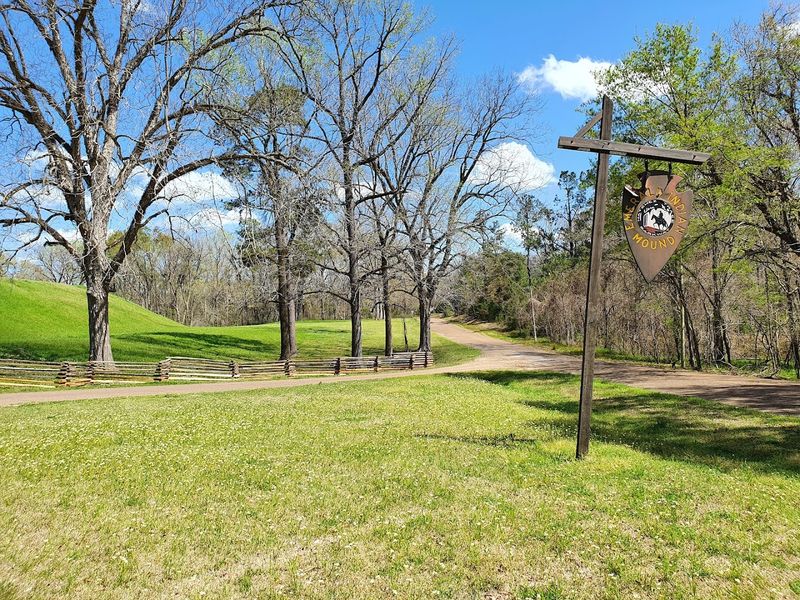
Few drives in America carry as much history per mile as the Natchez Trace Parkway, the 444-mile national parkway that follows an ancient path used by Native Americans, frontiersmen, and travelers for centuries.
The Tennessee section runs through some of the parkway’s most beautiful countryside, and Hohenwald serves as a convenient base for exploring this stretch of the Trace.
Spring is arguably the best time of year to drive it, when redbuds and dogwoods line the corridor in pink and white and the light filters through newly leafed trees in a way that makes every curve feel like a painting.
Hohenwald itself is a quiet Lawrence County town with an unexpected claim to fame: it is home to the Elephant Sanctuary, a 2,700-acre refuge for retired elephants, though public visits are not available.
The surrounding area offers access to Meriwether Lewis’s gravesite, a moving stop along the Trace that marks where the famous explorer passed away in 1809.
Small inns and cabins in the area provide a peaceful night’s rest after a day of scenic driving and roadside history.
Some roads are worth taking slowly.
7. Jonesborough
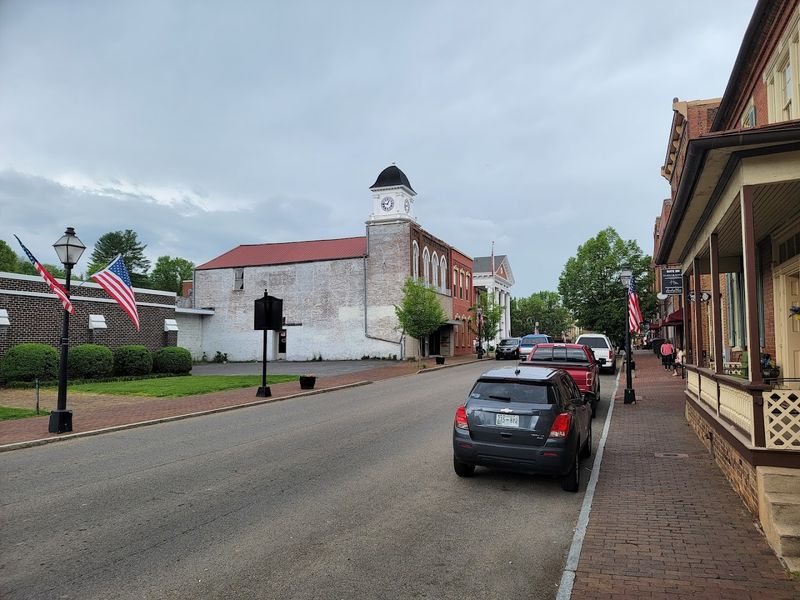
Tennessee’s oldest town does not need to shout about its history. Jonesborough simply walks you down its immaculate main street and lets the 18th-century architecture do all the talking.
Chartered in 1779, before Tennessee was even a state, Jonesborough in Washington County carries a sense of living history that feels genuinely earned rather than manufactured for tourists.
The downtown district is remarkably well preserved, with Federal-style buildings housing local restaurants, bookshops, and craft galleries that give the town a vibrant, contemporary energy layered over its historic bones.
Jonesborough is best known nationally as the home of the International Storytelling Center, which hosts the world-renowned National Storytelling Festival each October, but the town is worth visiting in any season.
Several charming bed and breakfast options are available within walking distance of the historic district.
Come for the history, stay for the stories, and leave with a deeper appreciation for what Tennessee was before it became what it is today.
8. Frozen Head State Park, Wartburg
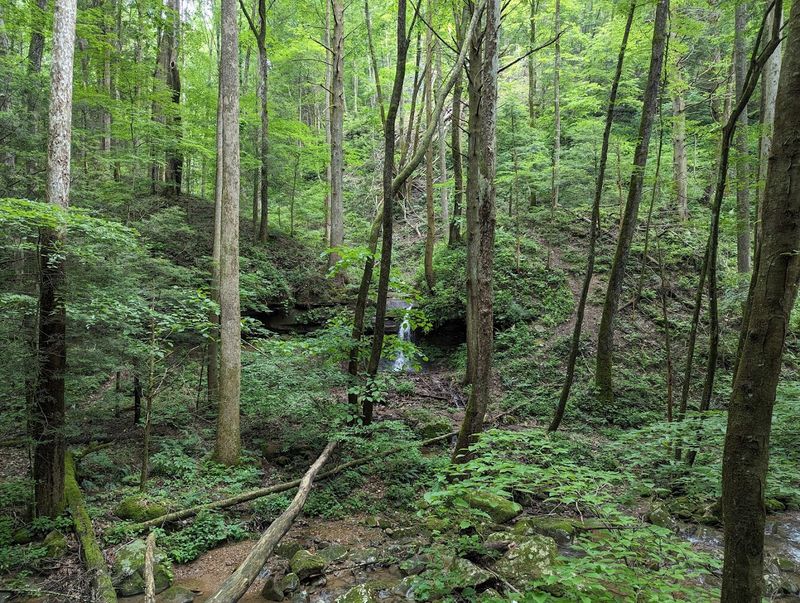
Every April, Frozen Head State Park becomes a wildflower destination of almost legendary status among Tennessee hikers, and once you see the forest floor carpeted in trillium, bloodroot, and wild geranium, you will completely understand why.
Located near Wartburg in Morgan County, Frozen Head sits within the rugged terrain of the northern Cumberland Mountains and offers over 50 miles of trails ranging from easy creekside walks to the challenging summit hike up Frozen Head Mountain itself.
The park’s remote character is part of its appeal. There are no resort amenities or crowded visitor centers here, just quiet forests, rushing streams, and the kind of stillness that city life makes you forget exists.
Frozen Head also carries a quirky footnote in endurance running history: it is the inspiration for the notoriously brutal Barkley Marathons, a near-impossible ultramarathon that finishes nearby.
Camping within the park puts you right in the heart of the wildflower show, and primitive backcountry sites are available for those seeking total immersion.
Wartburg offers basic lodging options for those who prefer a bed after a long day on the trails.
Bring your camera, your patience, and your best hiking boots.
9. Chattanooga
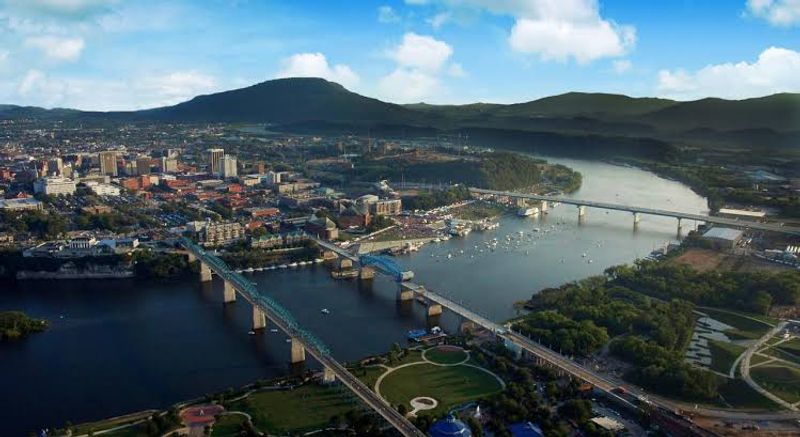
Chattanooga has quietly become one of the most interesting mid-size cities in the American South, and n spring overnight here feels less like a quick trip and more like a full-scale adventure compressed into 24 hours.
Perched at the foot of Lookout Mountain in southeastern Tennessee, Chattanooga blends urban culture with serious outdoor access in a way that few cities manage quite so effortlessly.
The Tennessee Aquarium, one of the largest freshwater aquariums in the world, is a genuine highlight, while Rock City Gardens and Ruby Falls on Lookout Mountain offer experiences that are equal parts natural wonder and classic American roadside charm.
The Lookout Mountain Incline Railway, one of the steepest passenger railways in the world, provides a thrilling ride up the mountain with views that stretch across five states on a clear day.
For accommodations, glamping options at the base of Lookout Mountain include luxury domes and treehouses with panoramic views and outdoor showers with heated floors.
The revitalized downtown riverfront area adds great dining and walkability to the mix.
Chattanooga earns its reputation every single time.
10. Big South Fork National River And Recreation Area, Oneida
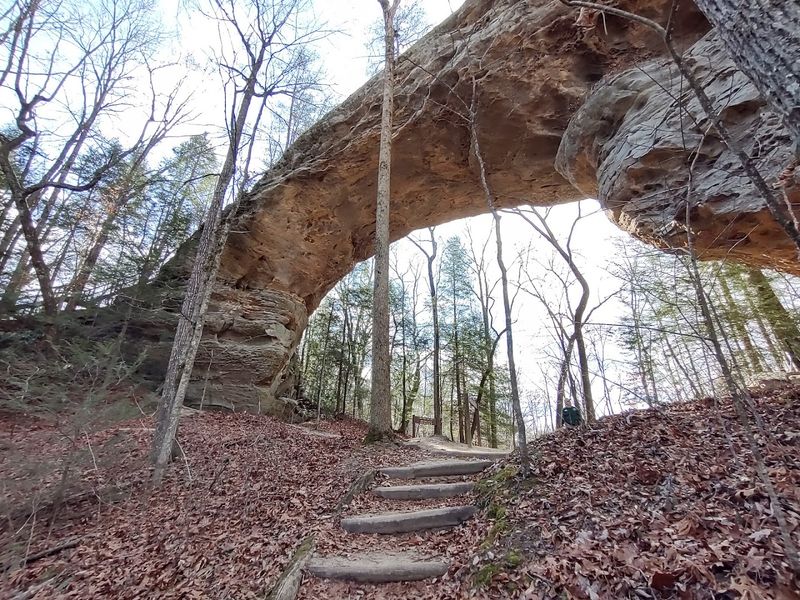
Big South Fork is one of those places that feels almost too good to be real. Towering sandstone bluffs, natural arches, and a wild, free-flowing river cutting through deep gorges make it one of the most visually dramatic landscapes in the entire southeastern United States.
Managed by the National Park Service and centered near Oneida in Scott County, the Big South Fork National River and Recreation Area covers over 125,000 acres of protected land straddling the Tennessee-Kentucky border.
The river runs strong from spring rains, making it ideal for whitewater paddling and kayaking, while the surrounding forests light up with spring ephemerals that hikers travel hours to see.
The park offers over 180 miles of trails for hiking and horseback riding, and the Bandy Creek Campground provides a comfortable base camp with easy access to the best trailheads.
The nearby historic coal mining community of Blue Heron, accessible by scenic railroad, adds a fascinating cultural layer to the natural experience.
Oneida has basic lodging and dining options for those preferring a roof overhead.
Big South Fork rewards every extra mile you give it.
11. Land Between The Lakes, Dover
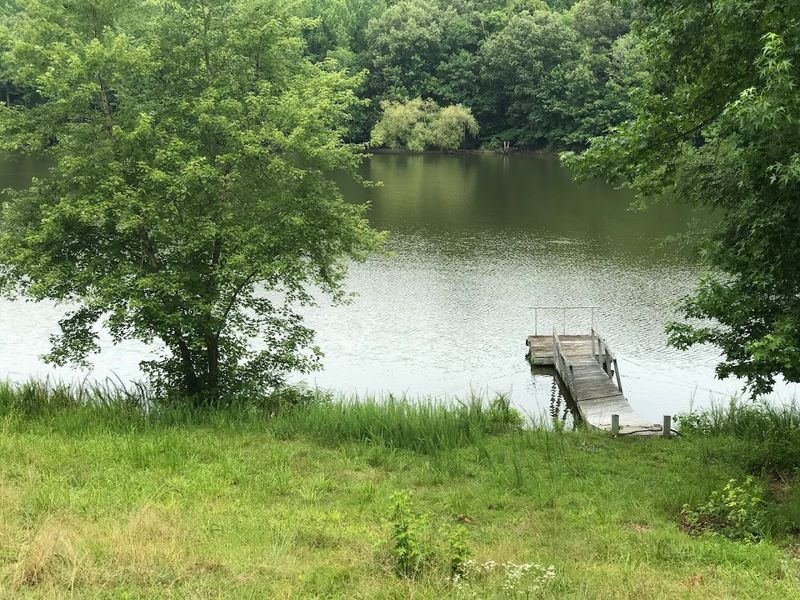
Sandwiched between two massive reservoirs in western Tennessee and Kentucky, Land Between the Lakes National Recreation Area offers a brand of peace and quiet that feels genuinely hard to find in the modern world.
The Tennessee entrance to the recreation area is anchored near Dover in Stewart County, a small town with deep Civil War history of its own as the site of Fort Donelson National Battlefield.
The 170,000-acre protected area features over 300 miles of undeveloped shoreline, making it one of the largest blocks of public land in the eastern United States.
April brings mild temperatures and excellent conditions for camping, hiking, mountain biking, and wildlife watching. The Elk and Bison Prairie, a restored native grassland within the recreation area, offers reliable sightings of both species during morning and evening hours.
The Homeplace 1850s Working Farm gives visitors a living history experience that is especially engaging for families.
Lakeside camping with direct water access is available throughout the recreation area, and several cabin options exist near the shoreline.
Land Between the Lakes is the kind of place that earns a second visit before you have even left the first one.
12. Lynchburg
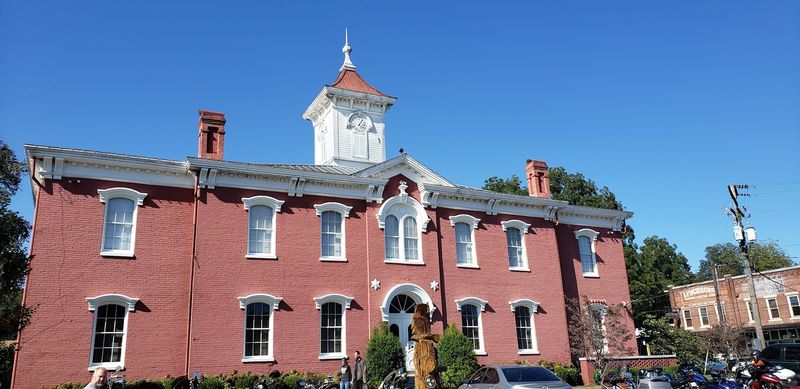
Lynchburg is a town that has mastered the art of being exactly what it is, a small, proud, deeply rooted Tennessee community that happens to sit at the center of one of the most recognized names in American food culture.
Located in Moore County, the smallest county in Tennessee, Lynchburg is home to the Jack Daniel Distillery, the oldest registered distillery in the United States, established in 1866.
Tours of the distillery grounds and rickyard are available and offer a genuinely fascinating look at the craftsmanship and tradition behind one of the country’s most iconic products, even as Moore County itself remains a dry county.
Beyond the distillery, Lynchburg’s town square is a pleasure to wander, with locally owned shops, a historic courthouse, and the kind of relaxed small-town energy.
Miss Mary Bobo’s Boarding House, a legendary family-style restaurant operating since 1908, offers a midday meal experience that feels like being invited into someone’s grandmother’s home.
Bed and breakfast accommodations in the area keep the experience intimate and personal.
Lynchburg may be small, but it leaves a lasting impression that far outweighs its size.