
10 Tennessee Parks That Feel Like Hidden Natural Wonderlands
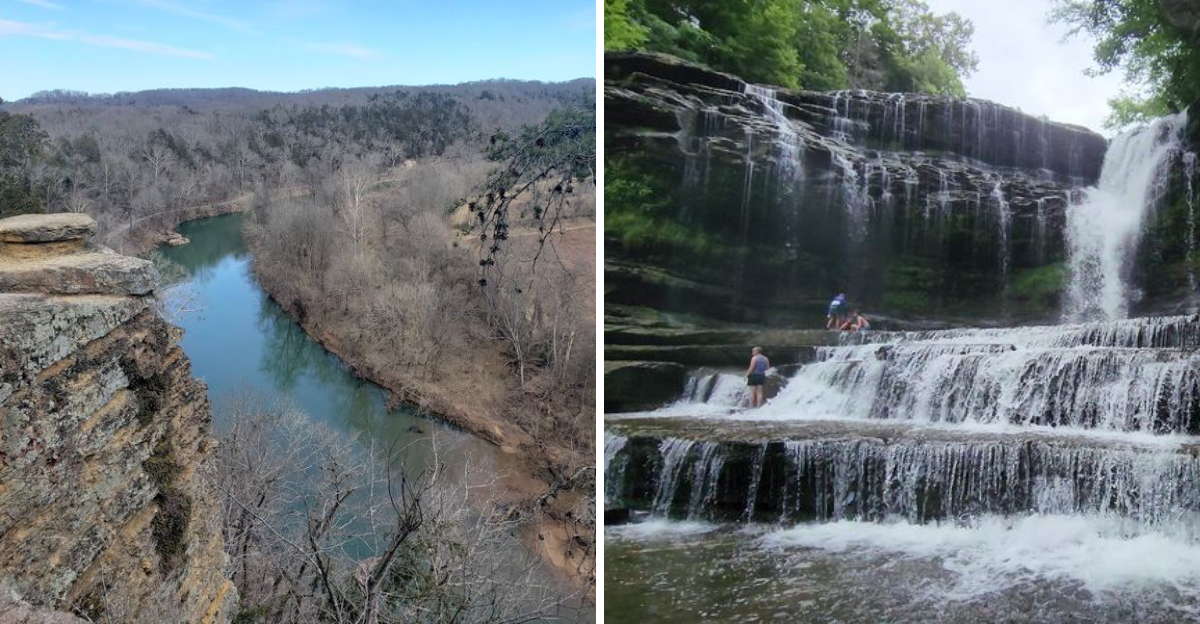
Big adventures do not always come with crowds, ticket lines, or famous landmarks.
Tennessee offers parks where waterfalls roar beside rocky trails, clear rivers curl through forests, and mountain views appear around unexpected bends.
Each place has its own personality. One may lead you beside a deep gorge, while another feels calm enough to make the rest of the world disappear for a while.
These parks are made for slow mornings, spontaneous road trips, and afternoons spent following paths just to see where they go. Wildlife sightings, unusual rock formations, quiet lakes, and shaded picnic areas add even more reasons to linger.
Many travelers pass these places without realizing how much beauty waits beyond the entrance sign. That is part of their charm.
The following Tennessee parks turn an ordinary day outside into something memorable, peaceful, and surprisingly magical.
1. Savage Gulf State Park, Palmer
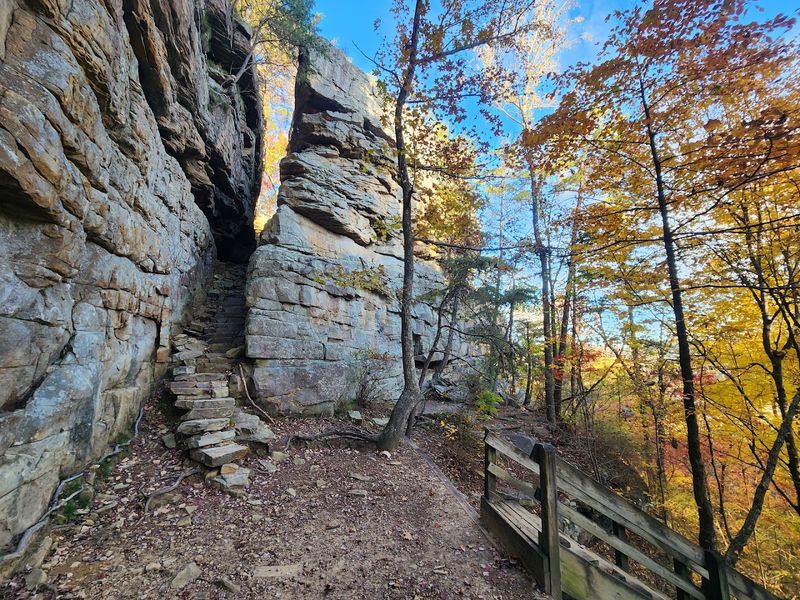
Standing at the edge of the Great Stone Door, a crack in the cliffside so dramatic it looks like nature’s own secret entrance, you start to understand why Savage Gulf earns its name.
This sprawling wilderness covers roughly 19,000 acres across Grundy and Sequatchie counties in Tennessee, and it does not hold back on scenery.
Deep gorges slice through the western edge of the Cumberland Plateau, revealing sheer sandstone walls, crashing waterfalls, and dense old-growth forest below.
About 60 miles of hiking trails connect it all, ranging from casual ridge walks to multi-day backcountry routes that pass through some of the most remote terrain in the state.
History lovers will appreciate the old Stagecoach Road, a trail segment that follows a route used by early settlers moving through the region. Nine backcountry campgrounds allow overnight visitors to sleep under a canopy of stars far from any city glow.
New infrastructure improvements are underway, but the park’s raw, rugged spirit remains fully intact. Savage Gulf is the kind of place that makes you feel genuinely small in the best possible way.
2. Frozen Head State Park, Wartburg
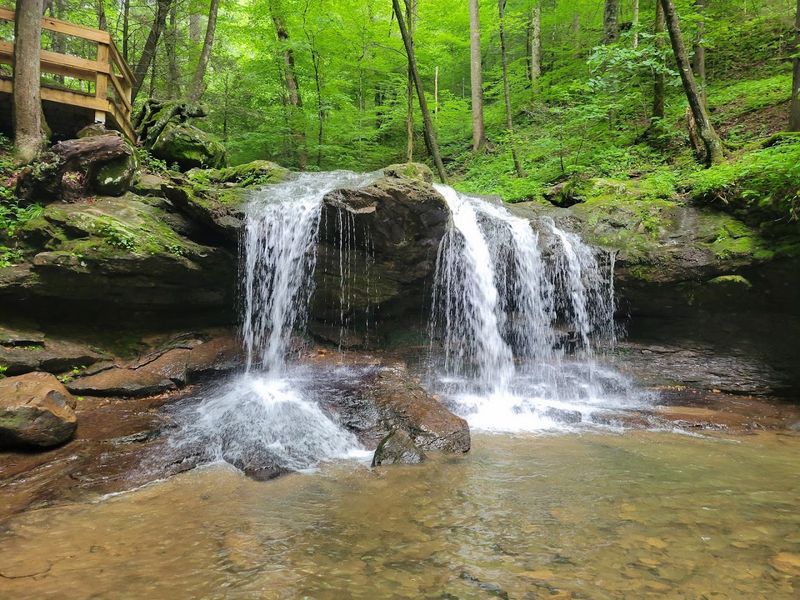
A park named after a frozen mountain head sounds like the setup for a campfire story, but Frozen Head State Park near Wartburg is really about jaw-dropping mountain scenery and trails that reward every ounce of effort.
Covering more than 24,000 acres in the Crab Orchard Mountains, it packs in 14 peaks that top 3,000 feet, giving the landscape a dramatic, almost theatrical presence.
The Lookout Tower Trail climbs to an observation deck at the summit of Frozen Head Mountain, where clear days reveal the Tennessee Valley, the Cumberland Plateau, and a distant blue smudge that is actually the Great Smoky Mountains.
Over 50 miles of trails weave through the park, passing cascading waterfalls, rocky shelters, and mossy cap rocks that look straight out of a fantasy novel.
Mountain bikers, equestrians, and birdwatchers all find reasons to return here throughout the year. The park also runs a well-equipped campground for those who want to extend their stay.
In winter, the mountain’s namesake cap of snow and ice adds a quiet, almost otherworldly atmosphere that feels nothing like the busy tourist trails found elsewhere in Tennessee.
3. Pickett CCC Memorial State Park, Jamestown
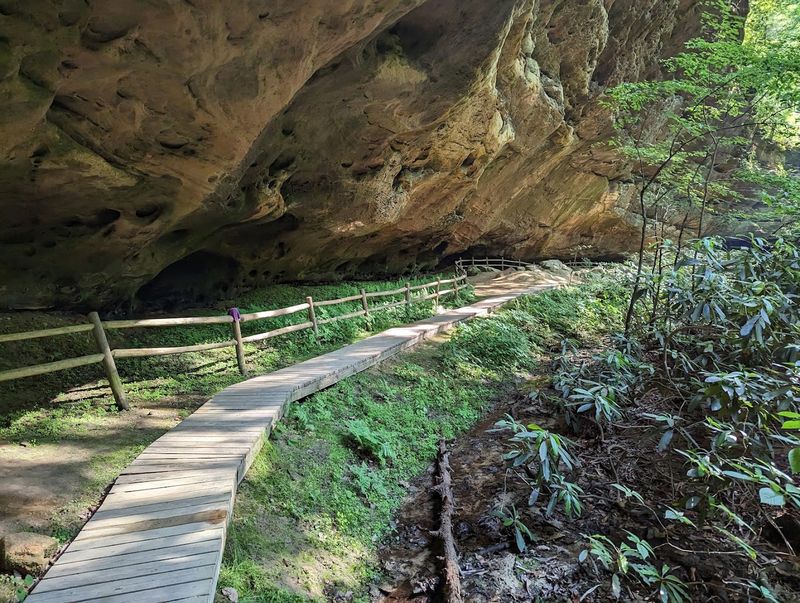
Long before the internet made stargazing cool, Pickett CCC Memorial State Park near Jamestown was already offering some of the darkest, most star-filled skies in the entire southeastern United States.
It earned the title of the region’s first International Dark Sky Park, and on a clear night, the Milky Way stretches overhead like a glowing river you almost want to reach up and touch.
The park spans roughly 19,200 acres of upper Cumberland Mountain wilderness and is packed with geological surprises.
Sandstone formations rise from the forest floor in wild shapes, including natural bridges, rock shelters, and dramatic bluffs that feel more like sculpture than geology.
The Civilian Conservation Corps shaped much of the park’s infrastructure between 1934 and 1942, leaving behind rustic trails, facilities, and the scenic 12-acre Arch Lake, still popular for paddling and trout fishing today.
Trails vary in difficulty, with some leading directly to the park’s famous rock arches, while others wind through quieter hollows perfect for birdwatching.
The blend of New Deal history, geological wonder, and celestial spectacle makes Pickett CCC Memorial unlike any other park in the state.
Come for the arches, stay for the stars.
4. Big Hill Pond State Park, Pocahontas
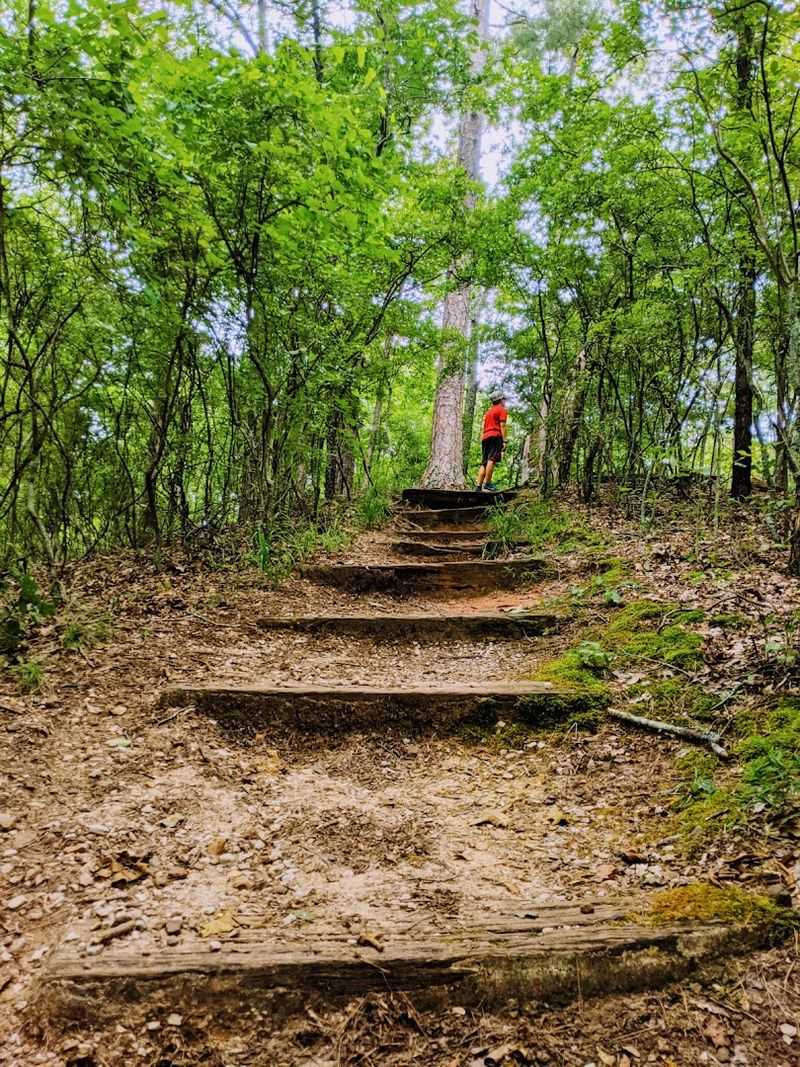
Somewhere between a tranquil cypress swamp and a Civil War battlefield, Big Hill Pond State Park in McNairy County quietly delivers one of the most layered outdoor experiences in the state.
The park covers more than 4,000 acres, and its terrain shifts dramatically from hardwood bottomlands to rolling timberland, keeping every hike feeling fresh.
Travis McNatt Lake sits at the center of it all, a 165-acre spring-fed lake where bass, catfish, bream, and crappie are caught year-round.
During summer, the park rents kayaks, canoes, paddleboards, and jon boats, and since gas motors are not allowed on the lake, the water stays wonderfully peaceful.
A half-mile boardwalk winds through the Dismal Swamp, putting visitors face to face with ancient cypress trees and the kind of wildlife that thrives in quiet, undisturbed places.
A 70-foot observation tower rewards hikers with sweeping views across the surrounding landscape, and 30 miles of trails offer plenty of ways to fill a full day outdoors.
The park also carries real historical weight as the site of the 1862 Battle of Davis Bridge, a portion of which is listed on the National Register of Historic Places.
Big Hill Pond packs a surprising amount of world into one compact corner of Tennessee.
5. Burgess Falls State Park, Sparta
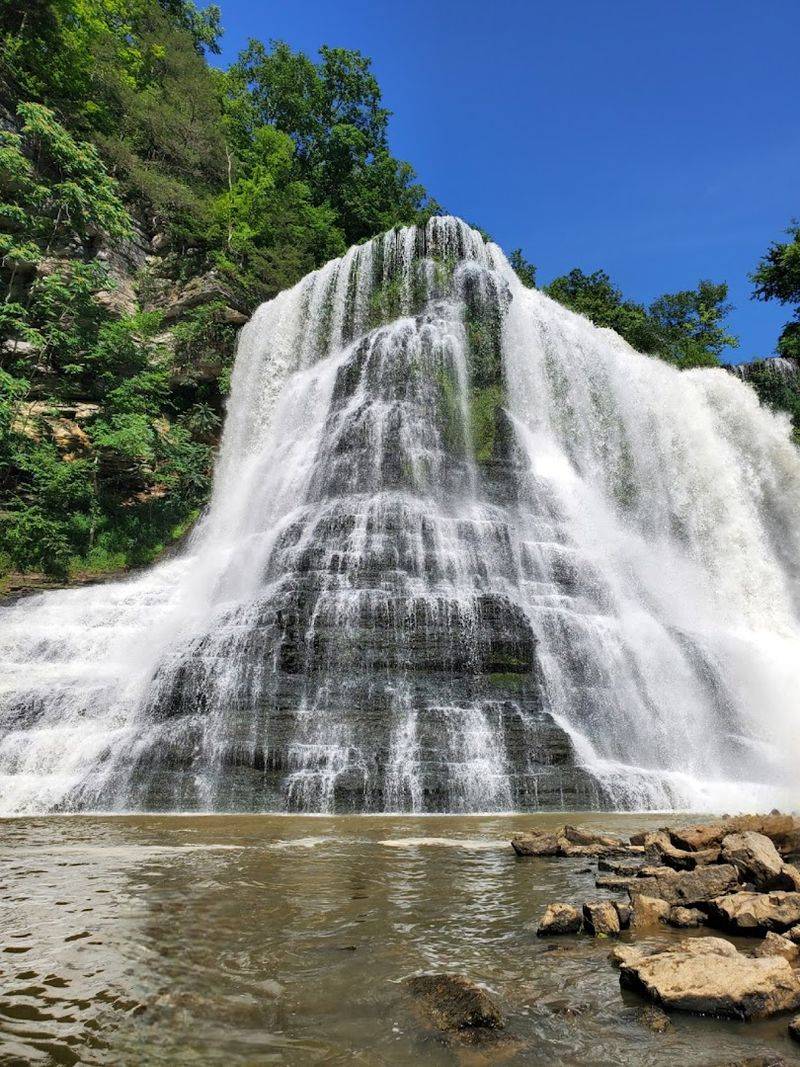
Water has been carving its path through the limestone of the Falling Water River for thousands of years, and at Burgess Falls State Park near Sparta the results are absolutely worth the drive.
This 304-acre day-use park is built around a series of four waterfalls that drop a combined 250 feet in elevation, culminating in the grand Burgess Falls plunge of over 130 feet into a deep limestone gorge.
The River Trail covers 1.75 miles and connects all four falls, offering multiple viewing platforms along the way.
The final stretch down to the base of the main falls is steep and rocky, but the reward is an up-close look at a curtain of water powerful enough to feel on your skin from a safe distance.
Paddlers who launch from the Cane Hollow Boat Ramp can actually approach the base of the falls from the water, which offers a perspective that hikers simply cannot match.
Picnic tables, shaded rest areas, and good birding spots round out the experience for those who prefer a slower pace. Burgess Falls is technically a day-use-only park, so arriving early on weekends is a smart move.
The falls are stunning in every season, but spring runoff turns the whole cascade into something truly spectacular.
6. Rock Island State Park, Rock Island
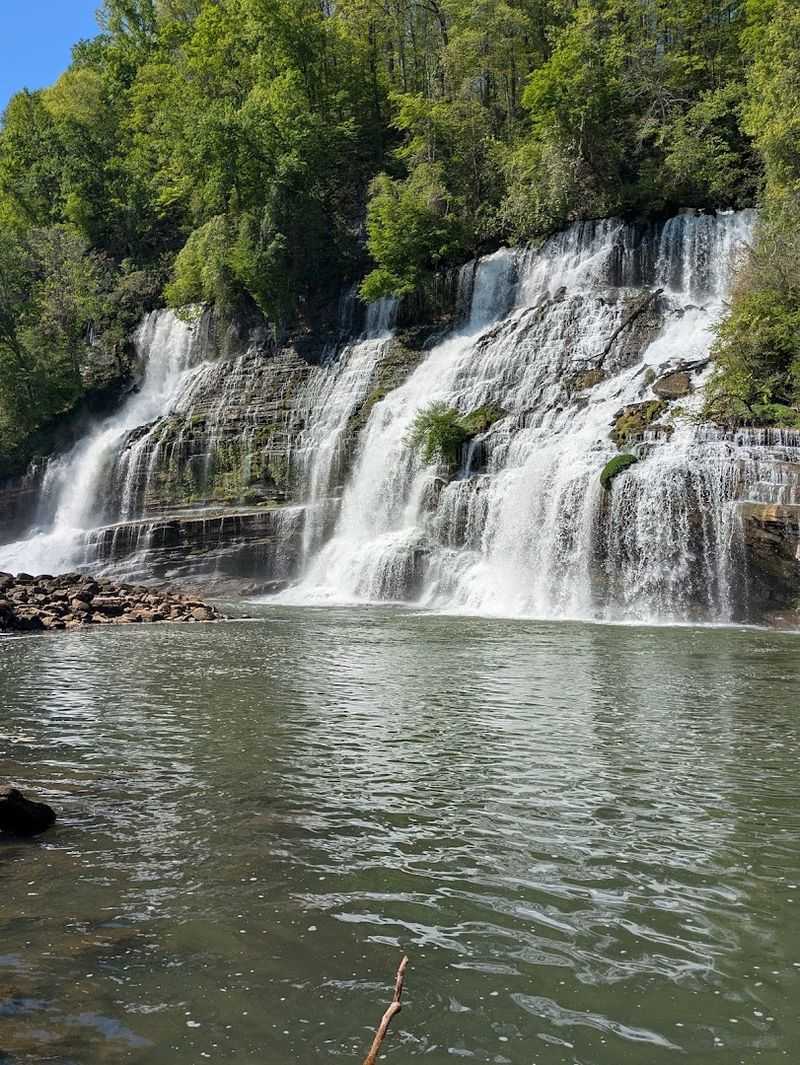
Three rivers meet at Rock Island State Park in Warren and White counties, and the result is one of the most dynamic and visually striking landscapes in the entire state.
The Caney Fork, Collins, and Rocky Rivers converge here, carving deep gorges and powering the park’s most celebrated attractions: the thundering Great Falls and the elegant Twin Falls, both of which are practically made for photography.
Kayakers flock to the rapids below Great Falls Dam, where whitewater conditions draw skilled paddlers looking for a challenge.
The Blue Hole, located along the Center Hill Lake shoreline adjacent to the park, is a well-known fishing destination, especially for walleye.
Hikers can follow the Caney Fork River gorge trail for views that rival anything in the state, and a natural sand beach offers a rare chance to relax lakeside without heading to a resort.
History threads through the park as well, with remnants of a historic cotton mill still visible near the water’s edge.
Year-round camping and cabin rentals make Rock Island accessible in every season, and the fall foliage reflected in the blue-green water creates a color show that feels almost surreal.
Rock Island is proof that Tennessee’s geology is as dramatic as anything you’d find out west.
7. Harpeth River State Park, Kingston Springs
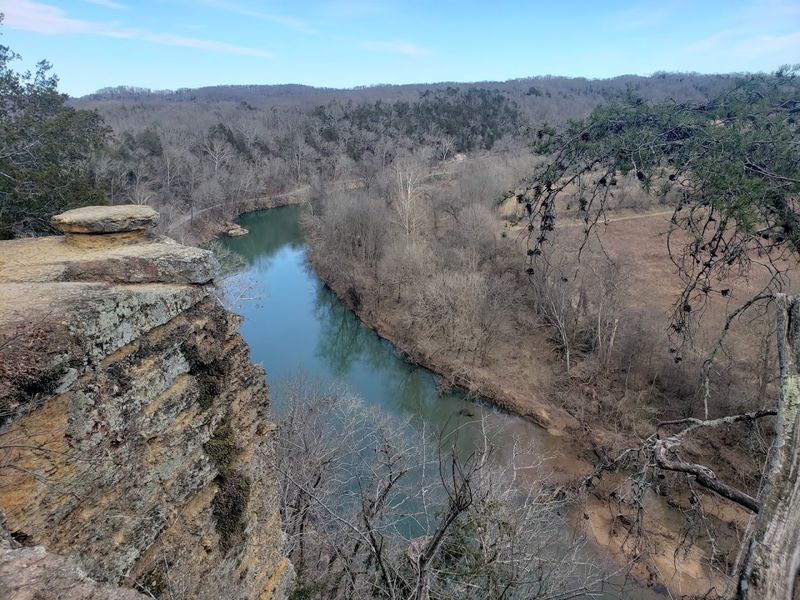
Most state parks occupy a single plot of land, but Harpeth River State Park stretches for 40 miles along one of Tennessee’s most storied waterways, threading through Cheatham and Davidson counties in a format more like a long, beautiful story than a single chapter.
The Harpeth River is the park’s spine, offering calm, beginner-friendly paddling routes that wind past limestone bluffs and shaded riverbanks.
The Narrows of the Harpeth is the park’s most talked-about feature, a dramatic horseshoe bend where the river loops seven miles only to come within a few hundred feet of itself.
At this bend stands the Montgomery Bell Tunnel, a 290-foot passage carved through solid limestone in 1818 to power an iron forge.
The tunnel was built by enslaved people, and its presence gives the site a historical gravity that makes the visit feel deeply meaningful alongside its natural beauty.
Nearby, the Mound Bottom archaeological site preserves a Mississippian Period Native American mound complex, adding another layer of ancient history to the landscape.
Scenic overlooks on the bluffs provide wide views across the river valley, perfect for a quiet moment or a good photograph.
Harpeth River State Park rewards curious visitors who enjoy their outdoor experiences with a side of genuine human history.
8. Panther Creek State Park, Morristown
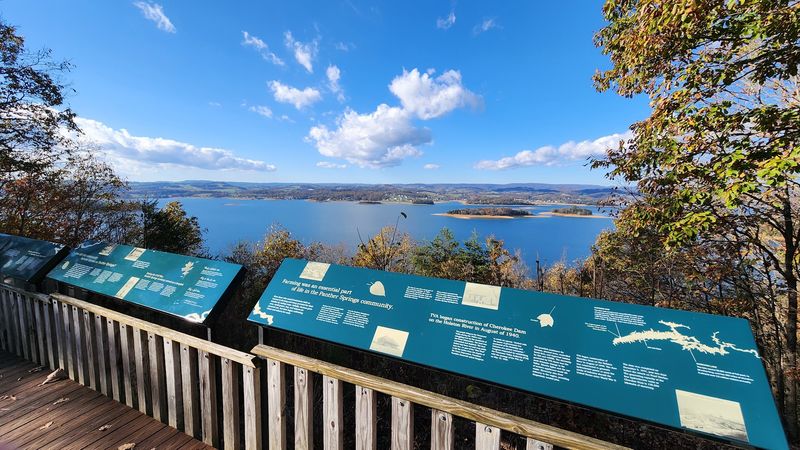
Sitting on the shores of Cherokee Lake in the Ridge and Valley Region of the Appalachian Mountains, Panther Creek State Park near Morristown, offers the kind of all-in-one outdoor experience that makes it genuinely hard to pick just one activity.
The park covers 1,444 acres, and its blend of ridge trails, lakeside paths, and open meadows means no two visits ever feel quite the same.
More than 30 miles of natural trails accommodate hikers of every skill level, mountain bikers looking for a solid workout, and equestrians who want to explore the landscape on horseback.
Cherokee Lake is open year-round for fishing, with bass, crappie, bluegill, and catfish all common catches.
Paddlers can launch from the park’s boat ramp and spend a morning exploring the lake’s coves and small islands, which make ideal stops for a packed lunch with a view.
Families will appreciate the playgrounds, picnic shelters, and a professional 18-hole disc golf course that draws players from across the region.
Wildlife sightings along the lake’s edge are common, especially at dawn and dusk when deer and herons move freely through the park.
Panther Creek is the kind of place that earns a permanent spot on the annual calendar, no matter the season.
9. Roan Mountain State Park, Roan Mountain
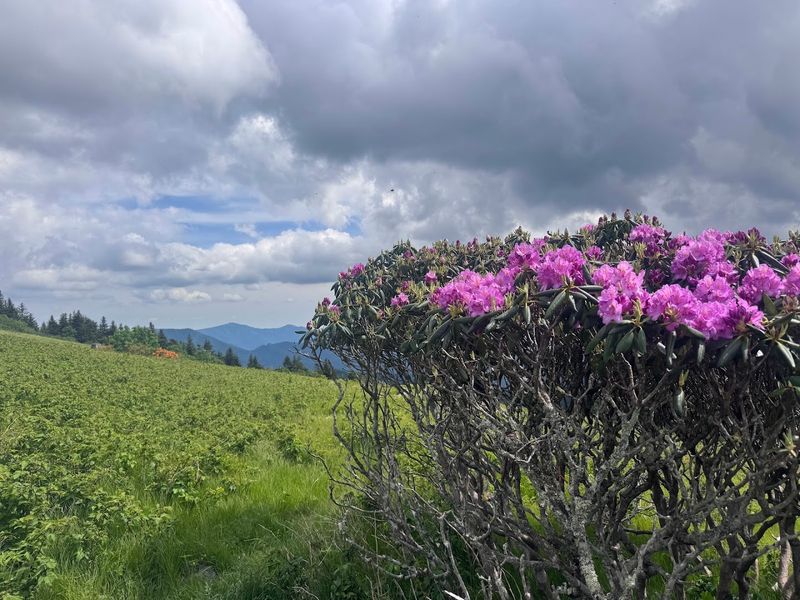
Every June, the slopes around Roan Mountain in northeastern Tennessee transform into one of the most breathtaking natural spectacles in the eastern United States, as thousands of Catawba rhododendrons burst into vivid pink and purple blooms across the highland balds.
Roan Mountain State Park sits at the base of the 6,285-foot peak, serving as the gateway to this extraordinary show and to the broader Roan Highlands massif that stretches about 20 miles through the Unaka Mountain Range.
The park’s roughly 12 miles of trails wind through old-growth hardwood forests, along cold mountain streams, and up toward open balds where the views stretch across state lines into North Carolina.
A short drive from the park leads to Carver’s Gap, the trailhead for a famous section of the Appalachian Trail that follows the ridge in both directions through some of the most scenic terrain on the entire trail system.
History adds another dimension here, with the restored Miller Farmstead offering a window into 19th-century mountain farming life. Winter visitors can explore the park on cross-country skis when snow blankets the upper elevations.
With over 800 plant species and nearly 200 bird species recorded in the area, Roan Mountain is essentially a living field guide brought to glorious, high-altitude life.
10. Cummins Falls State Park, Cookeville
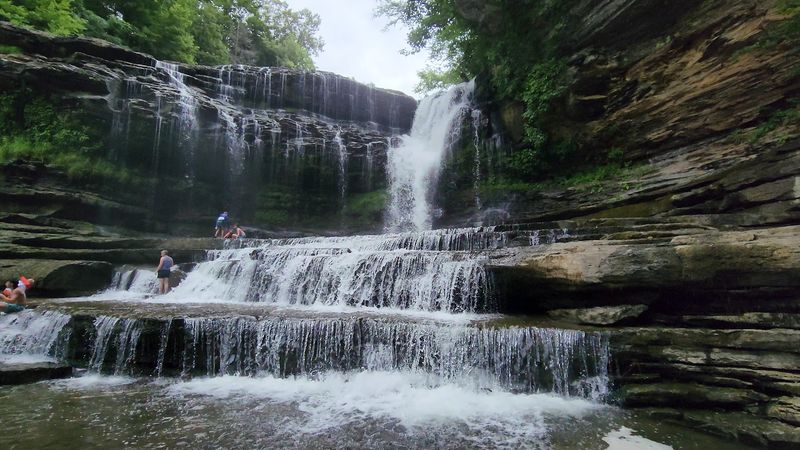
Getting to the base of Cummins Falls is not exactly a Sunday stroll, and that is precisely part of the appeal.
This rugged 457-acre day-use park centers on a 75-foot waterfall that drops into one of the most celebrated natural swimming holes in the entire country.
The gorge trail to reach it requires a permit, solid footwear, boulder scrambling, and some wading through the creek itself.
The payoff is a swimming hole surrounded by towering rock walls and a waterfall so powerful that the mist reaches you well before you arrive at the water’s edge.
For visitors who prefer to keep their boots dry, an accessible overlook above the gorge delivers a spectacular bird’s-eye view of the falls without any of the scrambling.
The Blackburn Fork State Scenic River runs through the park, offering fishing opportunities and quieter trail sections for those who want a gentler experience alongside the wilder gorge.
Rock climbers, birdwatchers, and picnickers also find plenty to enjoy within the park’s compact but action-packed acreage.
The combination of swimming, hiking, fishing, and climbing in one small park is genuinely rare, and Cummins Falls delivers on every front.
Permits sell out fast on summer weekends, so booking ahead is not optional, it is essential.