
10 Tennessee Rivers So Beautiful You’ll Want To Rent A Kayak Right Away
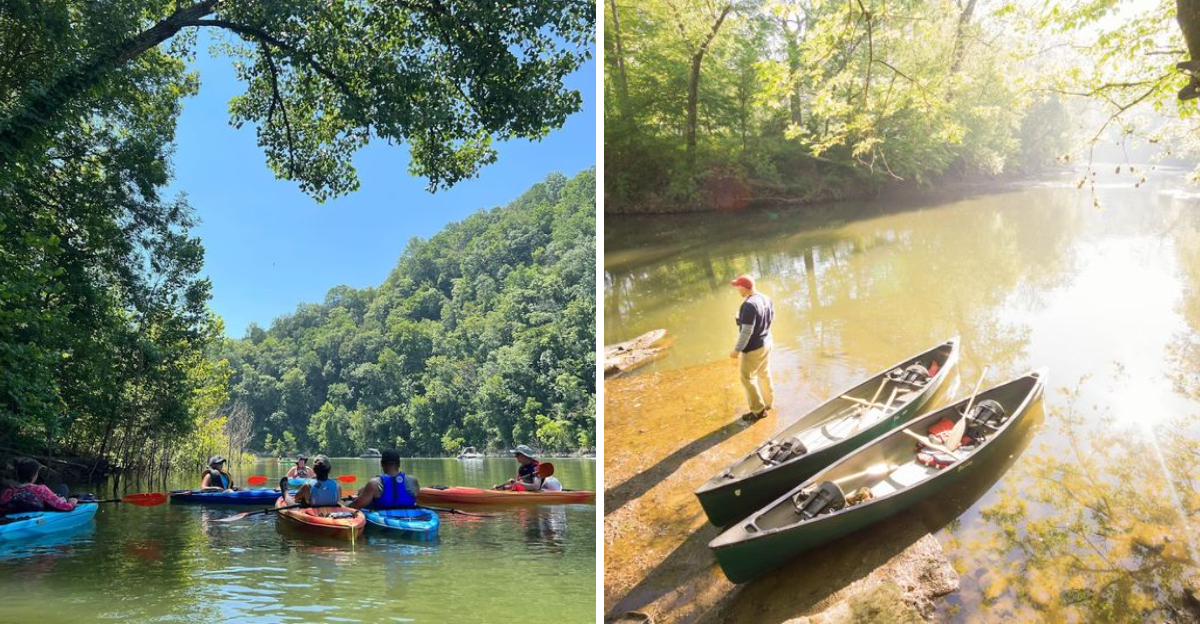
The water looks different when you’re right on top of it. It moves slower, sounds softer, and suddenly every bend feels like something worth chasing.
Tennessee is packed with rivers that do more than just flow through the landscape, they invite you in. Some wind past quiet forests, others open up to wide, sunlit views that seem to stretch forever.
A kayak changes everything, turning a simple outing into something you’ll keep thinking about long after. Grab a paddle, because these rivers make it very hard to stay on shore.
1. Little River, Great Smoky Mountains National Park
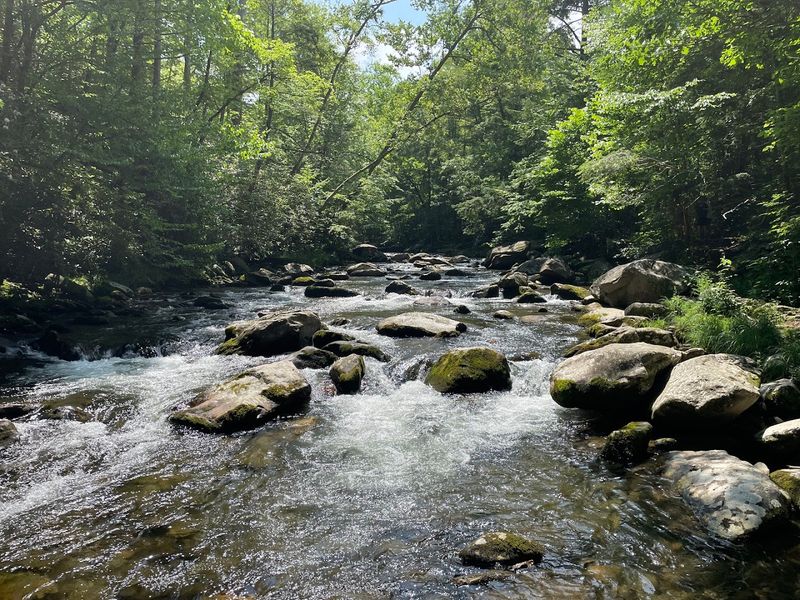
Clear enough to see every pebble on the riverbed, the Little River flows right through the heart of Great Smoky Mountains National Park, making it one of the most scenic paddles in the entire Southeast.
The water here stays refreshingly cool even in the heat of summer, which makes it a popular spot for kayakers, tubers, and swimmers alike.
For first-time paddlers, this river is a dream starting point. The rapids are gentle enough to be manageable without being boring, and the surrounding mountain scenery keeps you smiling from put-in to take-out.
Keep your eyes open along the banks, because the park is home to black bears, white-tailed deer, and over 200 species of birds. Spotting wildlife while paddling is one of those experiences that stays with you long after you’ve dried off.
Several outfitters near Townsend and Gatlinburg offer kayak rentals and guided tours, making it easy to plan a trip even if you’ve never paddled before. Spring and early summer bring the best water levels.
The Little River is proof that some of the best adventures don’t require a lot of experience, just a willingness to show up and paddle.
2. Buffalo River, Middle Tennessee
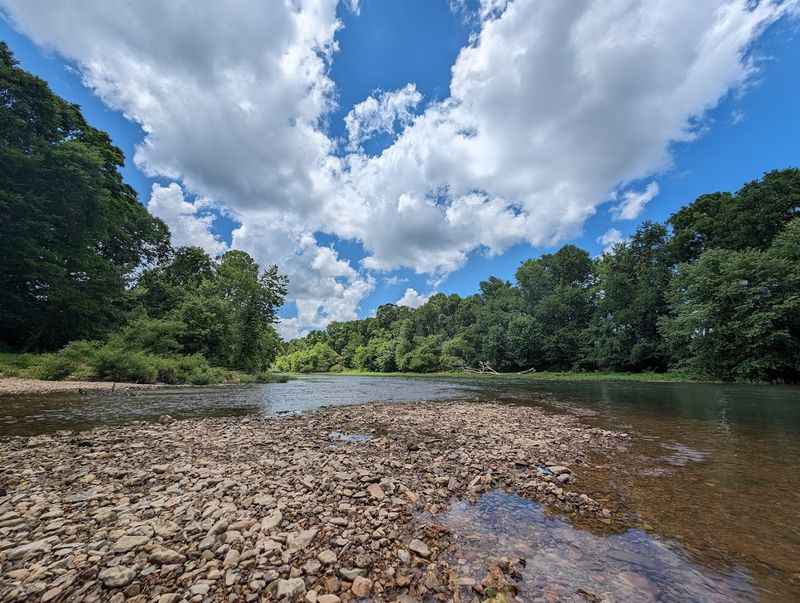
Widely considered Tennessee’s most scenic float, the Buffalo River winds through Middle Tennessee with a quiet grace that feels almost cinematic.
It holds the title of the longest undammed river in the state, which means the water flows freely and naturally through forests and past dramatic limestone bluffs that rise straight up from the riverbanks.
Wildlife sightings are practically guaranteed here. Bald eagles, great blue herons, white-tailed deer, and turtles are all regular visitors along this stretch of river, so a pair of binoculars in your dry bag is always a good call.
The current is generally calm and forgiving, making it a fantastic choice for families with older kids or anyone looking for a relaxed, full-day float. Multi-day camping trips along the river are also popular, with several primitive campsites accessible only by water.
Access points are available near Flat Woods and Lobelville, and a handful of local outfitters offer canoe and kayak rentals with shuttle services. The best paddling seasons are spring and fall when water levels are ideal and temperatures are comfortable.
Floating the Buffalo River feels less like a sport and more like pressing pause on the rest of the world.
3. Hiwassee River, Cherokee National Forest
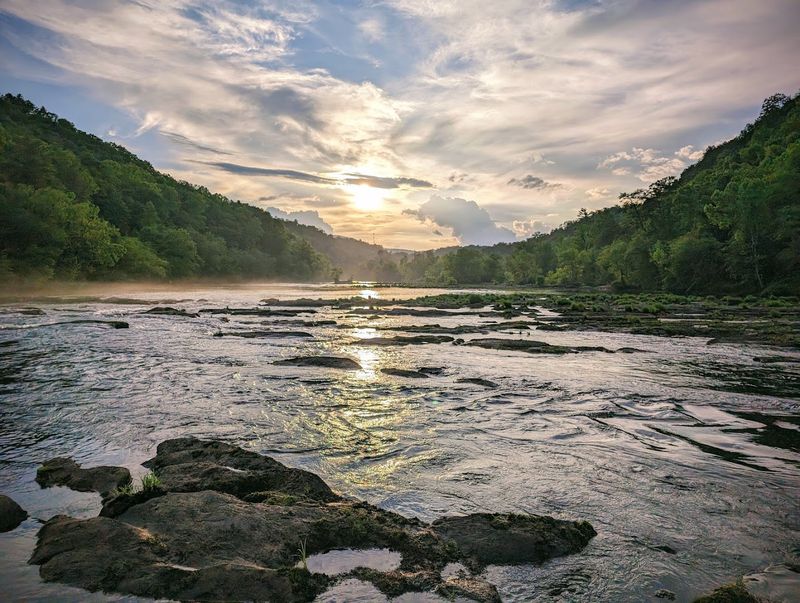
The Hiwassee River is the kind of place that makes you want to call in sick on a Monday and spend the whole day on the water instead.
The river delivers a satisfying mix of calm, glassy stretches and lively Class I and II rapids, which makes it a great fit for paddlers who want a little excitement without going full whitewater warrior.
The water is remarkably clear, and on sunny days the river takes on a brilliant blue-green color that looks almost too good to be real. The surrounding mountains and forest add to the atmosphere, making every bend feel like a new postcard.
Delano is one of the most popular access points, and several outfitters in the area offer kayak and raft rentals along with guided trips. The river is also a well-known spot for trout fishing, so you may share the water with a few anglers casting from the banks.
Spring is the peak paddling season when snowmelt keeps water levels high, but summer floats are equally enjoyable. The Hiwassee is one of those rivers where the journey genuinely matters just as much as the destination.
4. Harpeth River, Nashville
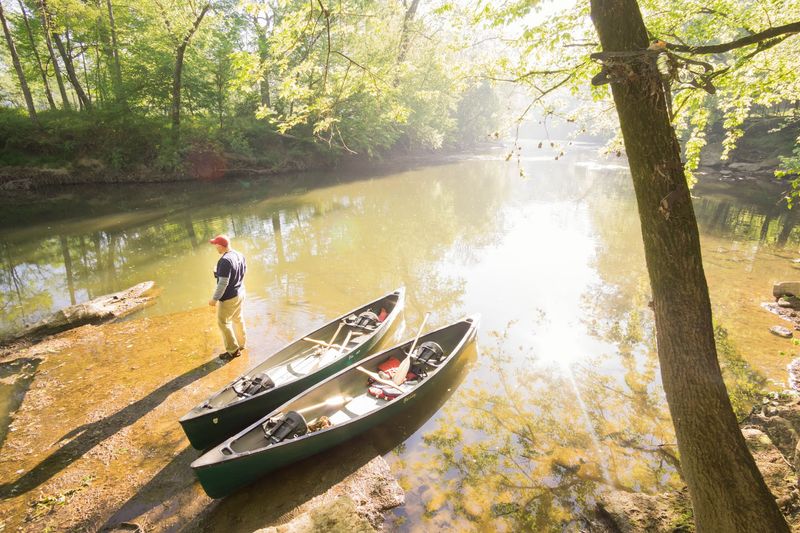
Just a short drive west of Nashville, the Harpeth River offers a paddling experience unlike anything else in the state, and the star attraction is the Narrows of the Harpeth.
At this unique geological feature, the river loops around a narrow ridge of land, and early settlers actually hand-carved a tunnel through the rock to power a mill. Today, kayakers can paddle right through that tunnel, which is one of the coolest things you can do on any river in Tennessee.
Beyond the tunnel, the Harpeth flows past towering limestone cliffs, wooded floodplains, and quiet farmland, giving paddlers a variety of scenery throughout the trip. The current is generally mild, making it accessible for beginners and a pleasant cruise for experienced paddlers looking for a mellow day out.
The Harpeth River State Park manages several access points along the river, and the park’s staff can help you plan a route that fits your skill level and schedule. Rentals are available through local outfitters near Kingston Springs.
History fans will also appreciate that this corridor is rich with Native American archaeological sites dating back thousands of years. Paddling the Harpeth means floating through layers of Tennessee history, one quiet stroke at a time.
5. Caney Fork River, Near Burgess Falls State Park
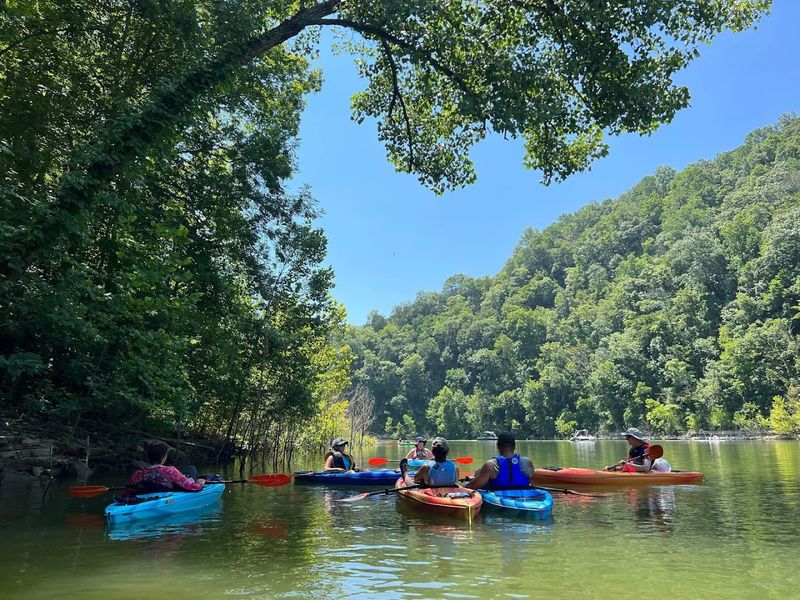
Cool water, dramatic rock formations, and the bonus of waterfall views make the Caney Fork River one of the most visually rewarding paddles in central Tennessee.
The river runs near Burgess Falls State Park, where a series of stunning cascades drop into the canyon below. While the falls themselves are upstream of the main paddling sections, the same rugged geology that creates those waterfalls shapes the canyon walls and rocky outcroppings you’ll float past on the water.
The Caney Fork is fed by the cold, clear releases from Center Hill Lake, which keeps the water temperature refreshingly low even during the hottest summer months. That makes it a popular destination for both kayakers and trout anglers who appreciate the consistent flows.
The river winds through a mix of farmland, forested ridges, and open valleys, offering a changing landscape that keeps the paddle interesting from start to finish. Rock Creek access point and Sligo Bridge are two commonly used put-in locations for day trips.
Local outfitters can arrange rentals and shuttles, and guided fishing and paddling tours are available for those who want a more structured experience. The Caney Fork has a quiet, almost meditative quality to it that makes you want to slow down and simply soak it all in.
6. Clinch River, Near Norris Dam
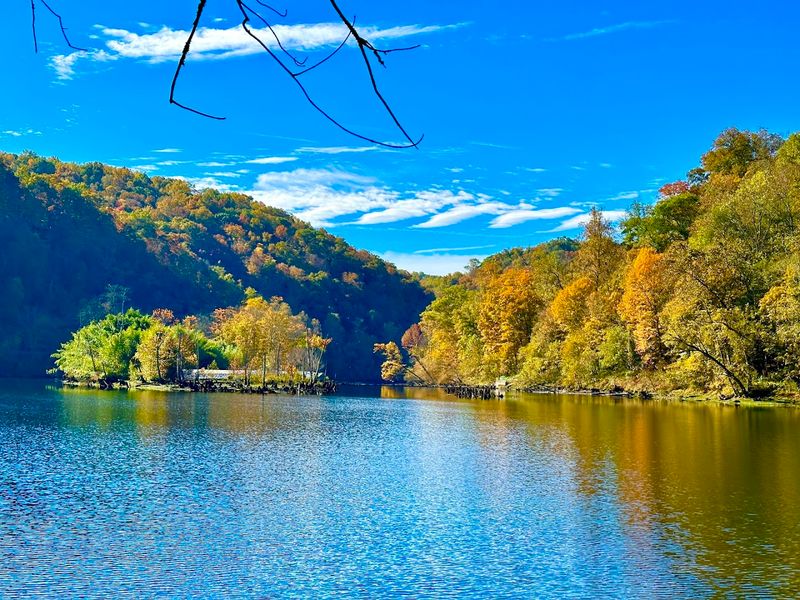
Clarity is the first thing people notice about the Clinch River below Norris Dam in northeastern Tennessee, and it is genuinely striking.
The water here runs so clean and clear that you can watch fish darting around beneath your kayak, which gives the whole experience a slightly surreal, aquarium-like quality. Norris Dam regulates the flow, so the river tends to be calm and consistent, making it an excellent choice for flatwater paddling and wildlife observation.
The Clinch is also one of the most biologically rich rivers in North America, supporting an extraordinary number of freshwater mussel and fish species, many of which are found nowhere else on Earth. Paddling here means floating over one of the continent’s most important freshwater ecosystems, which adds a layer of meaning to what might otherwise just be a pleasant day out.
Access points like Miller’s Island and Peach Orchard are well-maintained and easy to use, and the river is close enough to Knoxville to make a convenient day trip. Rentals and guided tours are available through outfitters in the area.
The Clinch River rewards those who slow down and pay attention, because the beauty here is less about dramatic scenery and more about the quiet, living world just beneath the surface.
7. Elk River, Southern Tennessee
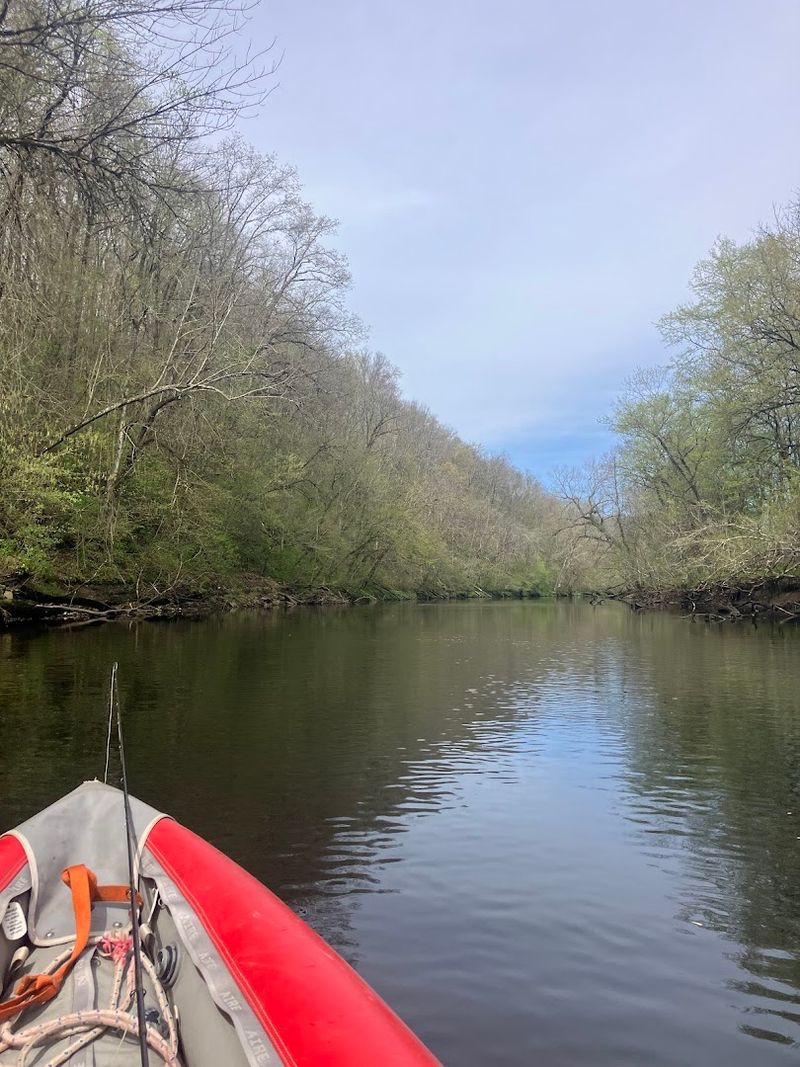
Summer on the Elk River in southern Tennessee has a reputation, and that reputation is well-earned thanks to one very famous feature known as the Blue Hole.
At this beloved swimming and paddling spot, the water turns a shade of blue so vivid and clear that first-timers often stop paddling just to stare at it. The color comes from the river’s natural spring-fed clarity combined with the light filtering through the surrounding trees, and it is genuinely one of the most photogenic spots in the entire state.
Beyond the Blue Hole, the Elk River flows through quiet stretches of farmland and forest with a gentle current that makes it easy to paddle at a relaxed pace. It’s the kind of river where you can drift along without much effort and still feel like you’re getting the full outdoor experience.
The river runs through Lincoln and Giles counties, with several public access points available for paddlers. Local outfitters near Fayetteville offer kayak rentals and can point you toward the best launch spots for reaching the Blue Hole by water.
Weekday visits are highly recommended during peak summer season since weekends can get crowded. The Elk River on a quiet Tuesday morning is the kind of experience that makes you seriously reconsider your commute.
8. Duck River, Central Tennessee
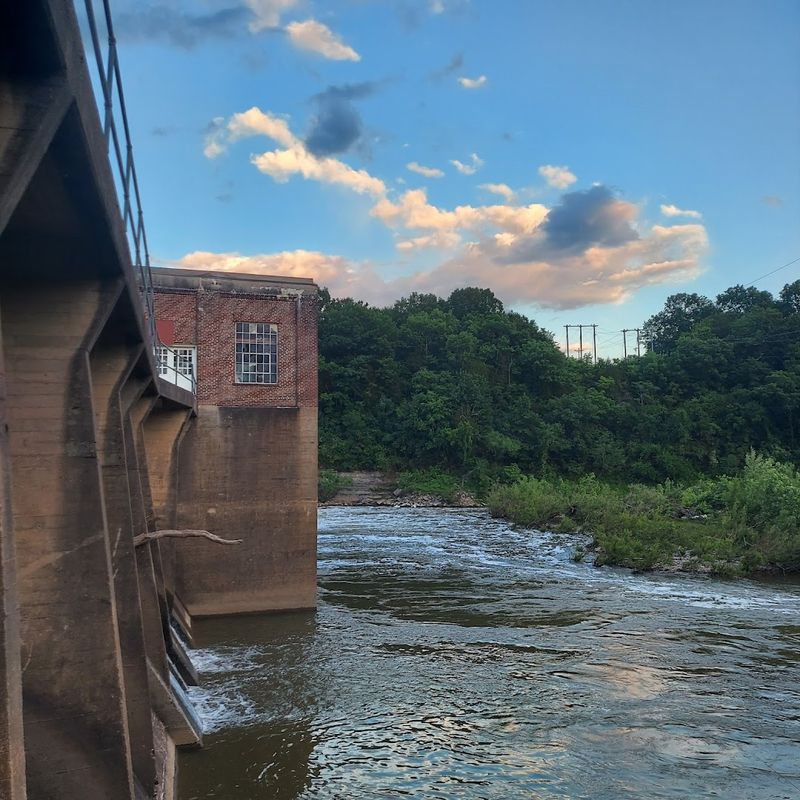
Biologists have called the Duck River one of the most biologically diverse rivers in all of North America, and once you’re floating on it, it’s easy to understand why that distinction feels like such a big deal.
Stretching 284 miles across central Tennessee, the Duck River supports over 150 species of fish and more than 60 types of freshwater mussels, many of which are found only in this single waterway. Paddling here feels less like a recreational outing and more like a slow float through a living natural museum.
The current is gentle and the water tends to run clear, making it a low-stress paddle that’s suitable for all skill levels. Families, solo adventurers, and groups of friends all find something to love along this river’s long and winding course.
There are numerous public access points along its length, so you can plan a short half-day trip or a longer multi-day expedition depending on how much time you have. The stretch near Columbia is particularly popular for day paddles.
Spring and fall are the most comfortable seasons for a Duck River float, when the temperatures are mild and the foliage adds extra color to the already scenic banks. Few rivers in the South offer this combination of natural richness and paddling ease.
9. Obed River, Cumberland Plateau
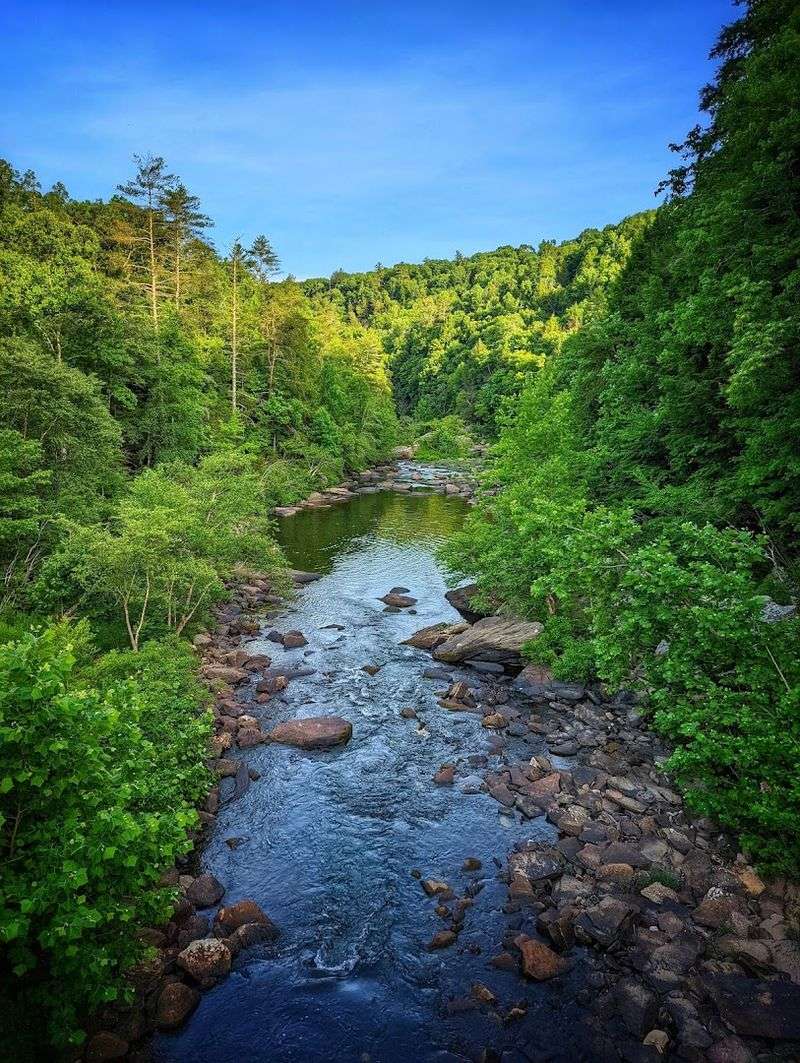
Not every river on this list is designed for leisurely drifting, and the Obed River on the Cumberland Plateau makes absolutely no apologies for that.
Designated as part of the Obed Wild and Scenic River system and managed by the National Park Service, this river runs through some of the most rugged and dramatic gorge country in the entire eastern United States. The sandstone canyon walls rise sharply above the water, and the scenery has a raw, almost untamed quality that you simply won’t find on a calm flatwater river.
The currents here can be strong and unpredictable, particularly after heavy rainfall, so this stretch is best suited for paddlers who already have experience reading water and handling technical conditions. Beginners should sit this one out or go with an experienced guide.
The Obed also draws rock climbers and hikers who come for the dramatic cliffs and canyon overlooks, so the surrounding area has a genuinely adventurous atmosphere. The town of Wartburg serves as a useful base for trips into the area.
Water levels on the Obed can change quickly, so always check current conditions before launching. For those with the skills to handle it, paddling the Obed is the kind of challenge that earns serious bragging rights at every campfire afterward.
10. Pigeon River, Great Smoky Mountains Region
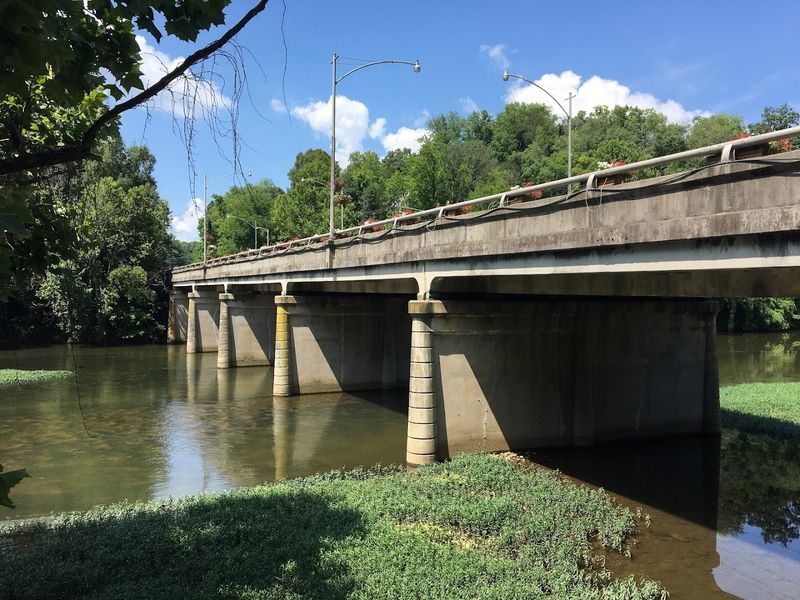
If the Buffalo River is a gentle waltz, the Pigeon River is a full-on rock concert, and it attracts thousands of thrill-seekers every single year for exactly that reason.
Located in the Great Smoky Mountains region near Hartford, Tennessee, the Pigeon River is one of the most popular whitewater destinations in the entire Southeast. The upper section of the river features Class III and IV rapids with names like Lost Guide and Double Suck, which should give you a pretty good idea of what you’re signing up for.
Commercial rafting and kayaking outfitters line the banks near Hartford, making it easy to show up without your own gear and still have an unforgettable day on the water. Guided whitewater trips are available for a wide range of skill levels, and instructors can help first-timers work up to the bigger rapids safely.
The lower section of the river offers milder Class I and II water, which is a great option for families or anyone who wants the mountain scenery without the stomach-dropping drops. Both sections are visually stunning, with forested ridges rising on either side of the canyon.
Spring snowmelt brings the highest and most exciting water levels, but summer trips are equally popular. The Pigeon River is one of those places where the anticipation of the next rapid keeps the adrenaline pumping long after you’ve left the water.