
9 Tennessee Rockhounding Spots Filled With Fascinating Rocks, Fossils, And Natural Treasures
A dusty creek bank or rocky shoreline can hold more surprises than any souvenir shop. One careful look might reveal sparkling crystals, ancient fossils, colorful stones, or traces of Tennessee’s remarkable geological past.
Rockhounding turns an ordinary day outdoors into a real treasure hunt. Every stone has a story, and the best finds often appear where most people would never think to look.
Some locations are perfect for beginners who simply want to sift through gravel. Others offer a closer look at prehistoric seas, old mining regions, and unusual formations shaped over millions of years.
You do not need expensive equipment to enjoy the search. A sturdy pair of shoes, a small bag, and plenty of curiosity will get you started.
These Tennessee rockhounding spots offer fascinating places to search, learn, and admire the natural treasures beneath your feet. Just remember to check local collecting rules before taking anything home.
1. Coon Creek Science Center, Adamsville
Millions of years before Tennessee had fiddle music or country cooking, it had an ocean.
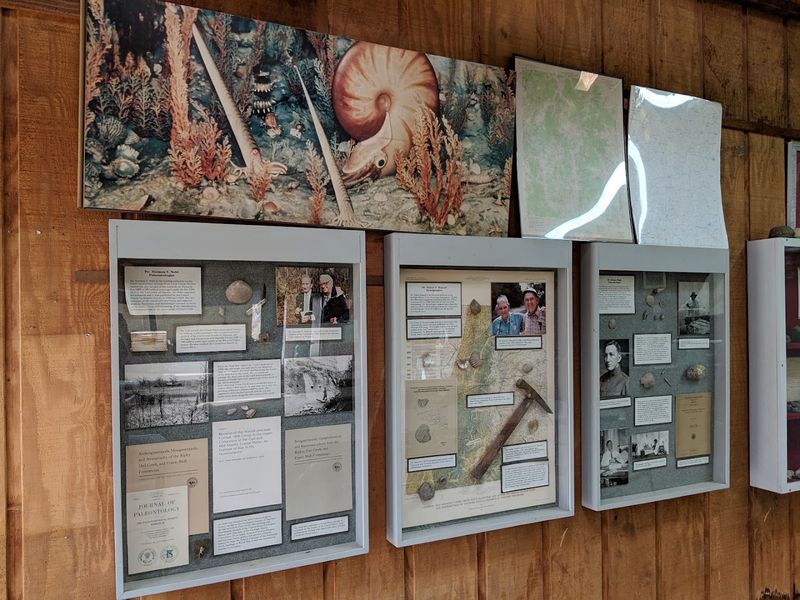
The Coon Creek Science Center in Adamsville preserves one of North America’s most remarkable deposits of Late Cretaceous marine fossils, sitting right in the rolling landscape of McNairy County.
Ancient shells, shark material, and fragments linked to marine reptiles are locked into the sediment here, waiting for someone to find them during a scheduled dig program. This is not a walk-up site where you show up and start digging freely.
Participation requires reservations or attendance on designated Community Days, which keeps the site protected and the experience organized.
What makes Coon Creek genuinely special is the density of what the ground holds. Researchers have pulled thousands of specimens from this formation, and the site has contributed meaningfully to scientific understanding of Cretaceous sea life.
For families or geology enthusiasts looking for a structured but genuinely thrilling fossil experience, few places in Tennessee come close to matching what Coon Creek offers.
Plan ahead, book your spot, and prepare to reach your hand into sediment that last saw sunlight when dinosaurs still roamed the earth.
2. Douglas Lake, Dandridge
Some lakes give you fish. Douglas Lake gives you diamonds.
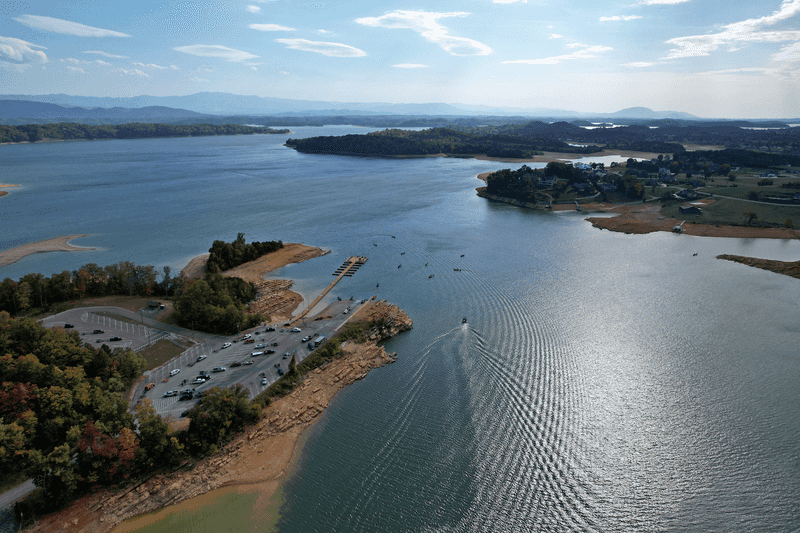
Not the jewelry-store kind, but something arguably more satisfying: clear, double-terminated quartz crystals that collectors have nicknamed “Douglas Diamonds” for their remarkable clarity and form.
When TVA reservoir levels drop and more of the shoreline becomes exposed, the hunting gets noticeably better.
Quartz is the star, but calcite, chert, and occasional fossil material also show up for those willing to walk the banks carefully and look closely at what the receding water leaves behind.
A few practical points matter here. Always use established public access points rather than cutting across private land to reach the water.
The Tennessee Valley Authority manages the reservoir, and their rules about what can be collected and removed change periodically, so checking current TVA guidelines before your trip keeps everything legal and straightforward.
Dandridge itself is one of the oldest towns in Tennessee and worth a slow walk before or after your crystal hunt.
Combine the history of the town with the geology of the lake and you have a genuinely full day in one compact corner of East Tennessee.
3. Coker Creek, Tellico Plains
Gold panning sounds like something from an old Western movie, but at Coker Creek near Tellico Plains, it is a real and accessible Saturday afternoon activity.
This community sits on creek sediments that carry fine placer gold, tiny flecks of the real thing washed down from the surrounding mountains over thousands of years.
The Cherokee National Forest officially recognizes Coker Creek as a gold panning destination, which gives the spot a legitimacy that casual rockhounding guides sometimes lack.
You will not walk away with a fortune, but the meditative rhythm of swirling a pan in cold mountain water and spotting a glint of yellow at the bottom is its own reward.
Keep your methods simple. Recreational panning with basic hand tools is permitted, but anything more intensive requires additional authorization that most casual prospectors will not have.
The surrounding forest is stunning in every season, particularly in autumn when the hardwoods turn and the creek runs clear.
Coker Creek is the kind of place that pulls you back year after year, not just for the gold, but for the whole unhurried experience of being deep in the mountains with nothing more pressing than the next pan of gravel.
4. Cooper’s Gem Mine, Blountville
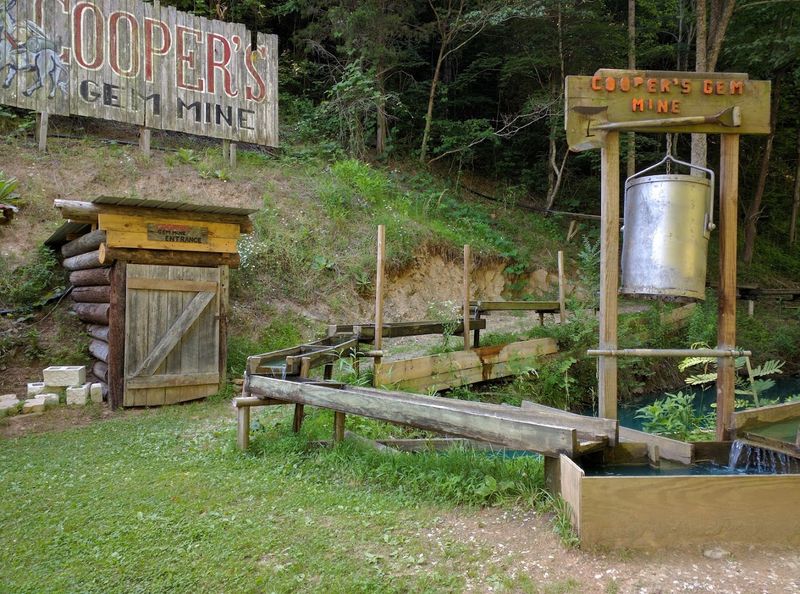
Not every rockhounding experience needs to involve muddy creek banks and uncertain results. Cooper’s Gem Mine in Blountville takes a different and frankly refreshing approach to the whole thing.
Here, you purchase a bucket of mine ore and work it through a long wooden flume, watching water carry away the debris while heavier minerals stay behind in your screen.
Quartz, garnet, amethyst, fossils, and other semiprecious specimens regularly turn up in those buckets, making the experience feel genuinely rewarding rather than frustrating.
The controlled setting is exactly what makes Cooper’s stand out from wilder sites. There are no permission issues, no uncertain land access, and no chance of going home empty-handed after driving two hours.
For parents introducing kids to geology, or for anyone who wants a fun afternoon without the logistics of a full rockhounding expedition, this is a smart and enjoyable choice.
The wooden flume setup has a nostalgic, old-fashioned charm that adds to the atmosphere.
By the end of your session, you will have a small collection of real specimens to take home, label, and display with the quiet pride of someone who found them with their own two hands.
5. Horse Mountain, Bedford County
Bedford County has a geological claim to fame that not enough people know about. Horse Mountain is closely associated with iris agate and dendritic agate, two of the most visually striking stone varieties found anywhere in the state.
These agates are not just pretty rocks. They are significant enough that agate was officially designated Tennessee’s state mineral, a distinction that speaks to how abundantly and beautifully the stone appears across the region.
Iris agate, when held up to light, produces a rainbow-like iridescence that feels almost too good to be natural. Dendritic agate features branching, tree-like inclusions that look like tiny forests frozen in stone.
The catch, and it is a real one, is that the most productive collecting ground around the historic Silvertooth Agate Fields is privately owned. That means doing homework before heading out.
Identify the landowner, reach out respectfully, and get clear permission in writing if possible before setting foot on the property. Skipping this step is not worth the trouble it can cause.
For those who do the legwork correctly, Horse Mountain rewards patience with some of the most beautiful specimens a Tennessee rockhound can add to a collection.
6. Roaring River, Livingston
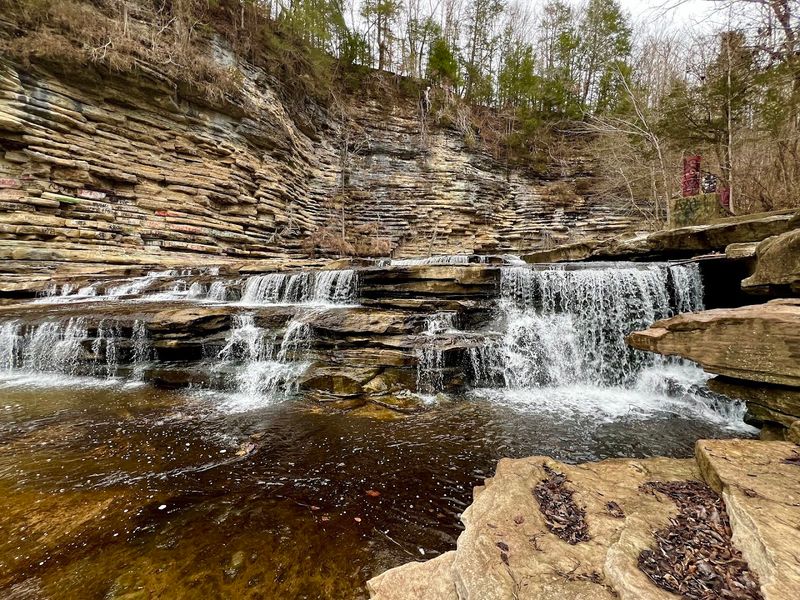
There is something deeply satisfying about picking up an ordinary-looking round rock, cracking it open, and finding a sparkling crystal cave inside. That is exactly the kind of moment the Roaring River drainage near Livingston in Overton County makes possible.
The creek gravels in this area are known for producing rounded geodes, smooth on the outside and potentially brilliant on the inside.
Quartz and calcite are the most common interior finds, and the only way to know what you have got is to open one up.
Some geodes disappoint. Others genuinely dazzle. That unpredictability is a large part of the appeal.
Access logistics deserve careful thought before any trip here. Public water access exists, but it does not automatically extend to crossing private banks, fields, or driveways that may border the river.
Confirming the exact ownership of your chosen entry point before you arrive saves a lot of awkward conversations in the field. Livingston itself is a pleasant small city with enough amenities to make a full day trip comfortable.
Pack a rock hammer, some newspaper for wrapping your finds, and a willingness to be surprised by what the river has quietly been carrying for thousands of years.
7. Gray Fossil Site, Gray
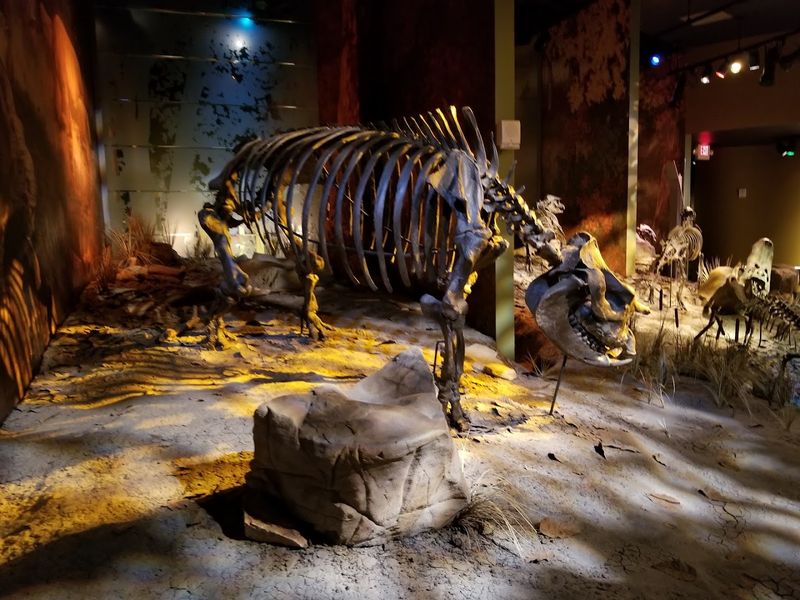
About five million years ago, a sinkhole in what is now Washington County, Tennessee, became a natural trap for an extraordinary variety of animals.
Today, that sinkhole is the Gray Fossil Site, one of the most scientifically significant paleontological discoveries in the eastern United States.
The fossil record here reads like a roll call from a very strange zoo. Tapirs, mastodons, rhinoceroses, alligators, red pandas, and dozens of smaller species have all been identified from specimens pulled out of this site.
The red panda find alone was remarkable, representing a genus previously unknown from North America and reshaping scientific understanding of where these animals once lived.
Independent fossil collecting is not permitted here, and for good reason. This is an active research excavation, and every specimen removed without documentation would represent a permanent loss to science.
What the site does offer instead is genuinely compelling: observation of live excavation work, a look inside the preparation laboratory where fossils are cleaned and stabilized, and guided paleontology tours.
The Gray Fossil Site and Museum in Gray, Tennessee, turns the experience of watching science happen in real time into something any curious person can appreciate and remember.
8. Burra Burra Mine Site, Ducktown
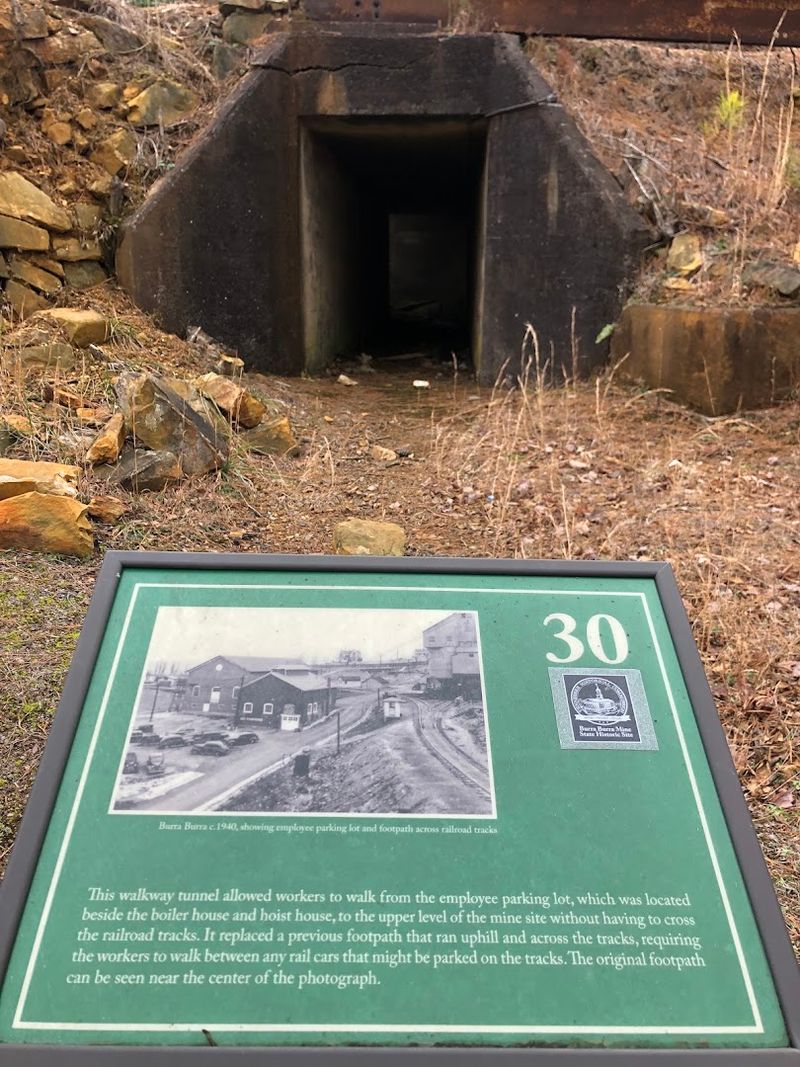
The landscape around Ducktown in Polk County tells a story that no museum exhibit could fully capture on its own.
For decades, copper smelting here stripped the surrounding hills of vegetation and turned the soil a vivid, otherworldly red that astronauts reportedly could see from orbit.
That landscape is part of what makes this place unforgettable.
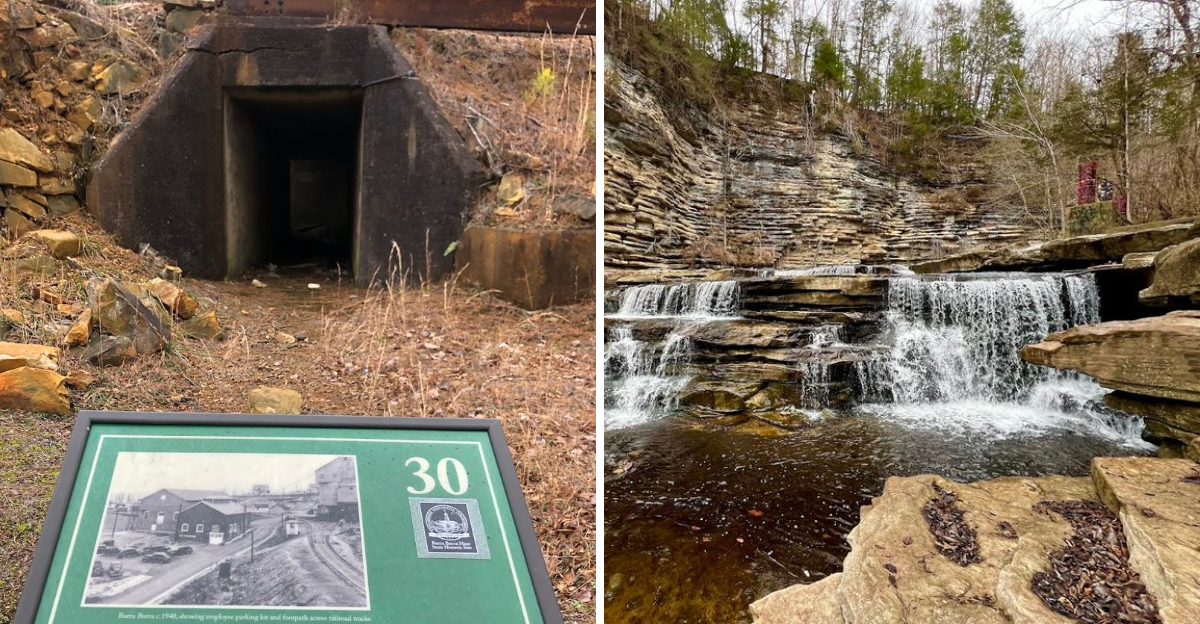
The Burra Burra Mine Site, now home to the Ducktown Basin Museum, preserves the physical remains of a copper mining operation once run by the Tennessee Copper Company.
Original mining structures, heavy equipment, and carefully assembled exhibits document how this remote corner of the Appalachians became one of the most industrially intense copper-producing regions in American history.
A collapsed and flooded section of the former mine works is visible on the property, offering a dramatic and sobering reminder of the sheer scale of what was built and eventually abandoned underground.
This is not a site where you chip specimens off the walls or fill a bag with ore samples.
It is a geological and industrial history stop, one that connects the chemistry of copper deposits to the human communities that formed around extracting them.
For anyone interested in the intersection of geology, labor history, and environmental change, Ducktown delivers that story with striking honesty.
9. Tennessee River Freshwater Pearl Farm, Camden
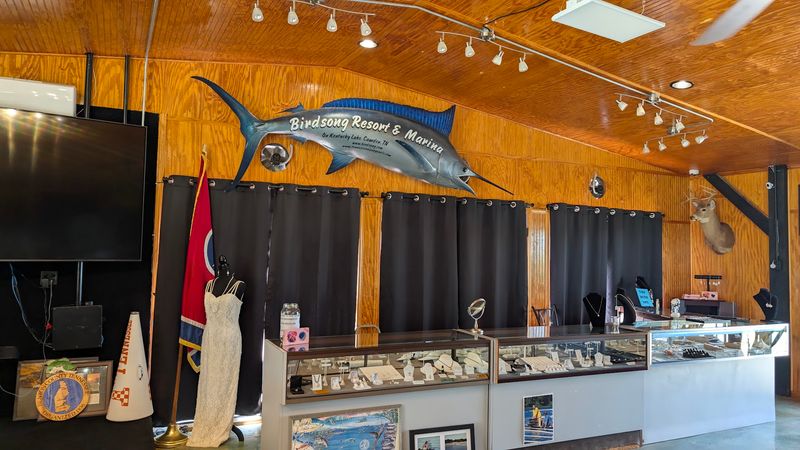
Pearls from a river in Tennessee might sound unlikely, but Camden in Benton County is home to something genuinely rare.
The Tennessee River Freshwater Pearl Farm is the only freshwater pearl culturing operation in North America, and it produces Tennessee’s official state gem from native river mussels pulled from the Tennessee River.
The process of culturing a pearl is slower and more intricate than most people imagine.
A technician implants a nucleus into a live mussel, which then coats it in nacre over months or years, building up the lustrous layers that give freshwater pearls their distinctive glow.
The farm’s tour walks through each step of that process with enough detail to make it genuinely fascinating rather than just a quick sales pitch.
Beyond the live operation, the experience includes a museum dedicated to Tennessee’s pearling history, which stretches back much further than the culturing era.
The Tennessee River was once one of the most productive natural pearl fisheries in the world, and that heritage is woven throughout the exhibits.
No one wades into the river independently searching for wild mussels here.
Instead, the farm offers something more valuable: the full story of how Tennessee became synonymous with one of nature’s most quietly elegant natural treasures.