
Tennessee Sculpture Parks With Remarkable Outdoor Art Worth Seeing This Season
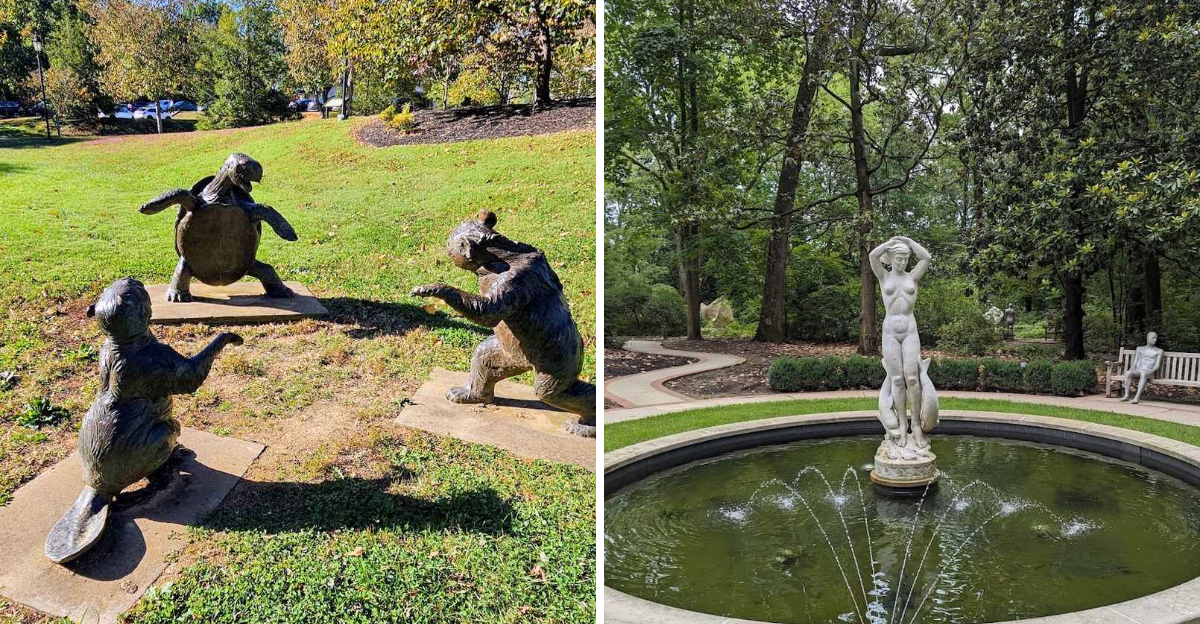
Who says art belongs inside a quiet museum? Sometimes it looks much better beside a trail, under a tree, or standing ten feet tall in the middle of a field.
Tennessee is home to outdoor art spaces that make an ordinary walk feel much more fun. You might spot giant metal shapes, colorful figures, strange creatures, or sculptures that seem to change as you move around them.
Some will make you stop and stare. A few may leave you wondering what exactly you are looking at. That is part of the fun.
These parks and gardens are easy to enjoy, even if you know nothing about art. Bring your camera.
Take your time. Pick a favorite and argue about it later.
With fresh air, open space, and something surprising around nearly every corner, these Tennessee sculpture parks offer a creative day out that never feels too serious.
1. Sculpture Fields At Montague Park, Chattanooga
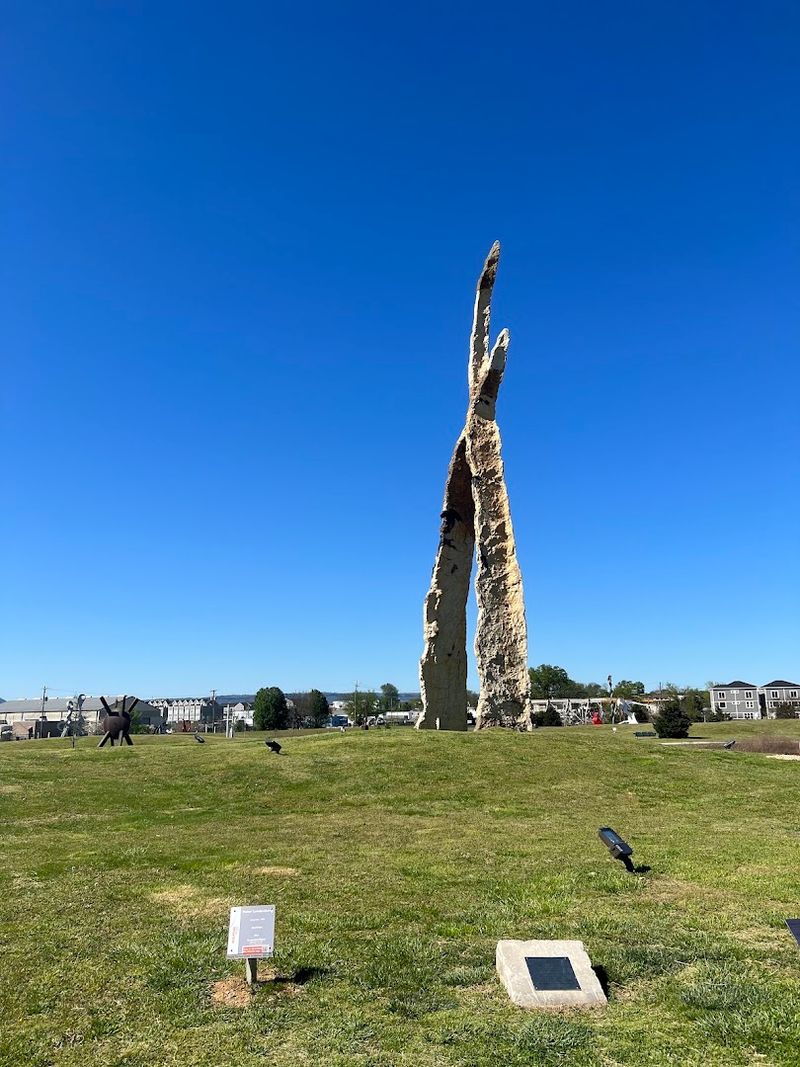
Thirty-three acres of open sky, green earth, and monumental steel art greet you at Sculpture Fields at Montague Park, at 1800 Polk St in Chattanooga.
Often cited as the largest sculpture park in the Southeast, this sprawling space transformed what was once an environmental brownfield into one of the region’s most ambitious cultural landmarks.
Conceived in 2016 by sculptor John Henry and his wife Pamela, the park now holds more than 50 large-scale works from artists around the world. Some pieces carry a bold, almost punk-rock energy, while others invite quiet reflection.
Local artist Verina Baxter’s permanent installation “Captain Merkel’s Ramming Dragon” is a crowd favorite, combining local identity with fearless creativity. Rotating temporary works keep each season feeling fresh and full of discovery.
A free downloadable app enhances the experience by offering audio commentary, often in the artists’ own voices, which adds a deeply personal layer to each encounter. The park is open from dawn until dusk every day and welcomes dogs on leashes.
Every two years, the John Henry Invitational brings new sculptural talent into the spotlight, turning the park into a competitive stage for emerging and established artists alike. This is outdoor art at its most unapologetically grand.
2. Ann And Monroe Carell Jr. Family Sculpture Trail At Cheekwood Estate And Gardens, Nashville
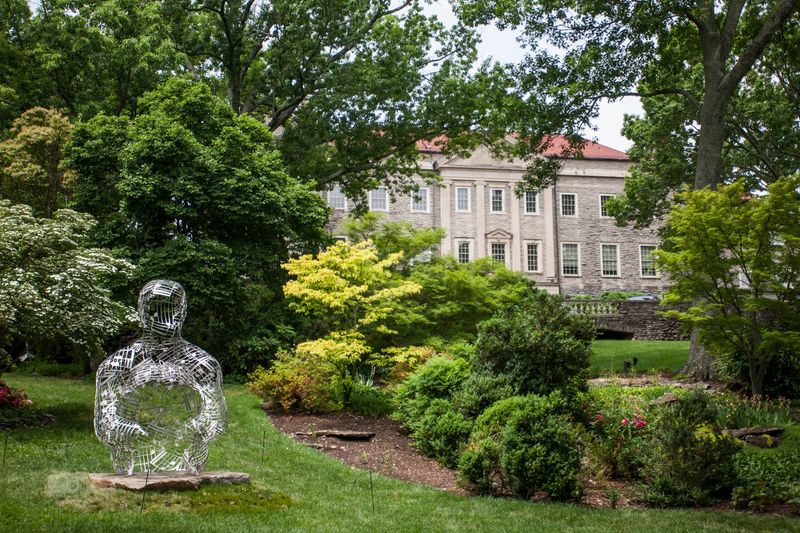
A 1.5-mile woodland path winds through one of Nashville’s most beloved green spaces, offering a setting that feels more like a stroll through an enchanted forest than a traditional art experience.
The Ann and Monroe Carell Jr. Family Sculpture Trail at Cheekwood Estate and Gardens has been drawing art lovers since its establishment in 1999.
Ten carefully chosen sculptures from regionally, nationally, and internationally recognized artists line the route, each one placed with intention to create a conversation between human creativity and the surrounding natural world.
The trail was inspired by celebrated English sculpture gardens but shaped entirely around Cheekwood’s own terrain and woodland character.
In 2019, a major improvement project added lighting and paved sections to the Hickory Loop, making the trail more accessible for a wider range of people.
Wayfinding was updated throughout, and several sculptures received significant restoration work.
The improvements also introduced a new promenade leading to James Turrell’s Skyspace, a meditative chamber that frames the sky itself as the artwork.
Cheekwood’s gardens surround the trail with seasonal blooms, so the backdrop shifts beautifully depending on when you go.
Spring color and autumn foliage both make the sculptures look entirely different, almost like seeing a new exhibition each time.
3. River Gallery, Chattanooga
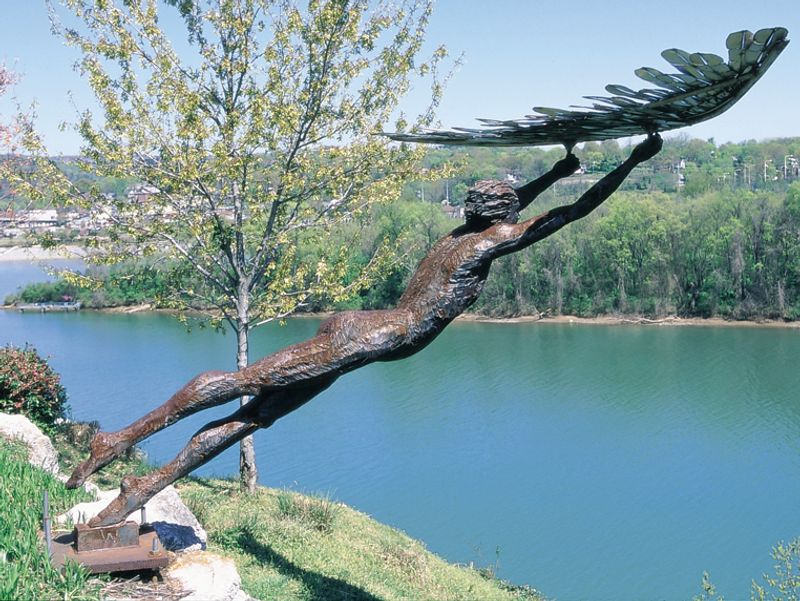
Perched in the heart of Chattanooga’s historic Bluff View Art District at 400 E 2nd St, the River Gallery is one of the city’s most celebrated artistic addresses.
While the indoor gallery itself represents over a hundred fine art and craft artists, it is the adjacent two-acre sculpture garden that earns a special kind of admiration.
Designed by landscape architect Joe Baasch, the garden made its outdoor debut in May 1993 and has been a point of pride for the district ever since.
The layout offers three distinct garden zones: a formal garden for structured appreciation, a meditation area for quiet contemplation, and an informal garden complete with a recycling mountain stream.
Overlooking the Tennessee River, the setting provides a naturally dramatic backdrop that no indoor gallery can replicate.
Each June, a new sculpture exhibit opens, and many of the featured pieces are available for purchase, giving collectors and casual admirers alike a reason to return season after season.
The garden holds recognition from both the Sculpture Parks and Gardens Directory and the Smithsonian Institution’s Archives of American Gardens.
4. Charles Krutch Park, Knoxville
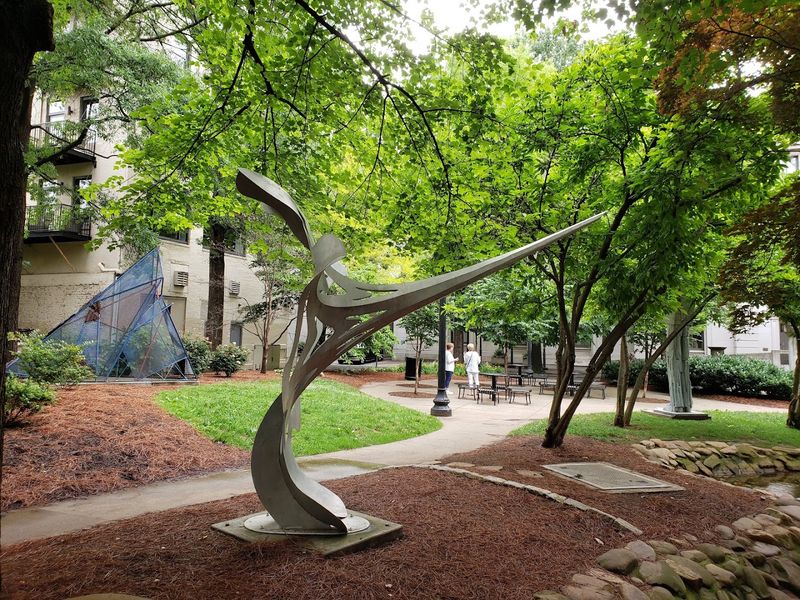
Right in the middle of downtown Knoxville at 504 Market St, Charles Krutch Park punches well above its size when it comes to artistic impact.
This compact green space serves as a cornerstone of Dogwood Arts’ Art in Public Spaces program, which brings a rotating collection of large-scale sculptures to the park every year.
The selection process is led by a rotating juror who evaluates works from artists across the country, ensuring that no two years feel the same.
In July 2024, seventeen new sculptures by 24 artists from 14 different states were installed, filling the park with a wide range of styles, materials, and creative perspectives. That kind of geographic and artistic diversity in one small urban park is genuinely rare.
Beyond the annual rotating exhibits, the park also maintains eight permanent sculptures that anchor its identity year-round. These permanent pieces give the space a sense of continuity while the temporary works keep things lively and unpredictable.
The park sits within easy walking distance of Knoxville’s Market Square and downtown dining scene, making it an effortless stop on a broader day out in the city.
Whether you are passing through on a lunch break or spending an afternoon exploring the area, Krutch Park rewards a slow, attentive walk more than almost any other spot in Knoxville.
5. Phil Pindzola Biennial Sculpture Exhibition At Founders Park, Johnson City
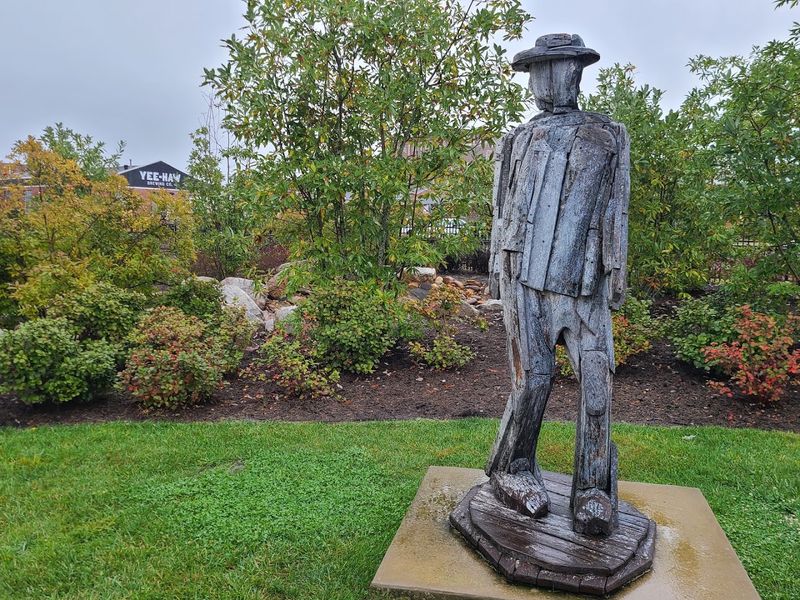
Johnson City has found a clever way to keep its public spaces feeling alive and artistically ambitious.
The Phil Pindzola Biennial Sculpture Exhibition, centered at Founders Park at 225 S Commerce St, extends into key intersections throughout the downtown corridor.
The exhibition honors Phil Pindzola’s three decades of dedicated service to Johnson City and his foundational role in creating the Johnson City Public Art Committee.
Operating on a two-year rotational schedule means that a completely fresh collection of leased sculptures arrives with each new cycle, giving the city a visual reset that residents and curious travelers both appreciate.
Works are crafted from a wide range of materials and selected through a juried process overseen by the Public Art Committee’s dedicated volunteers.
Many of the sculptures are available for purchase, and a portion of every sale is reinvested into future public art initiatives, creating a self-sustaining creative economy that benefits the whole community.
The upcoming 2025-2027 round will introduce 15 new sculptures in May, continuing a tradition that has become one of the city’s most anticipated cultural events.
For a mid-sized Tennessee city, this kind of consistent, community-driven commitment to public sculpture is genuinely impressive and well worth a dedicated trip.
6. Bluff View Sculpture Garden, Chattanooga
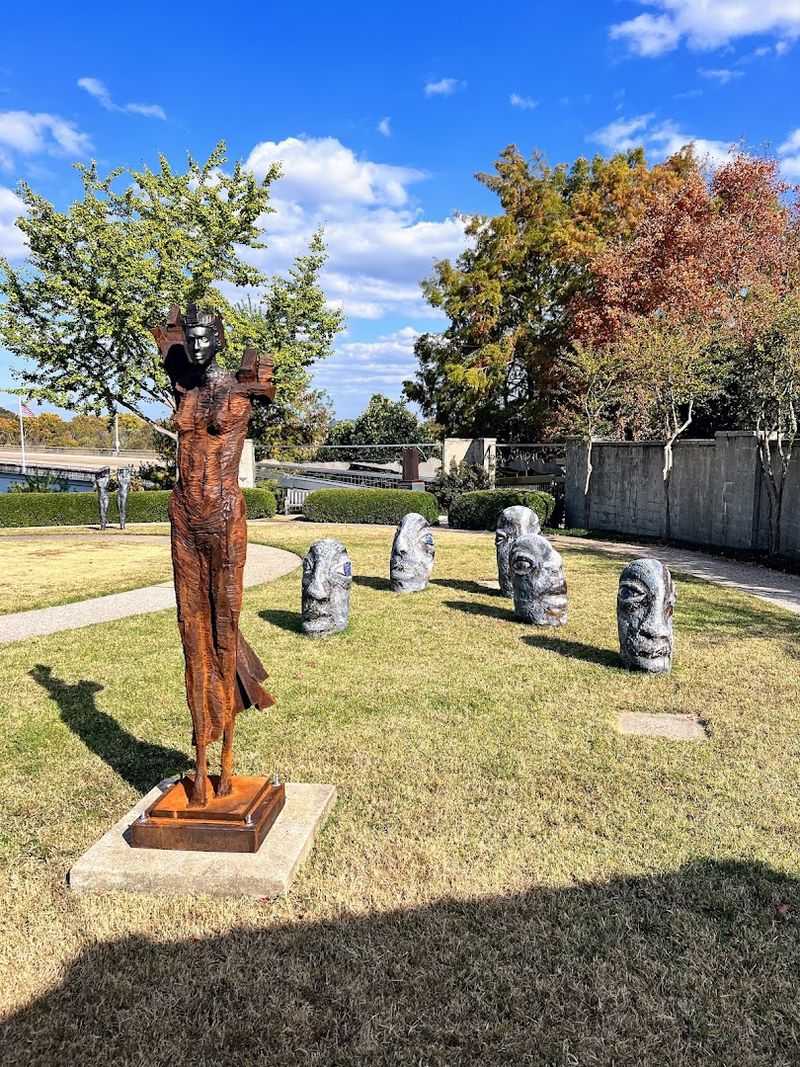
The Bluff View Sculpture Garden at 200-298 E 2nd St in Chattanooga delivers a combination of art and landscape that is hard to match anywhere in the state.
The garden is a central feature of the Bluff View Art District, a neighborhood devoted to visual art, horticulture, and culinary culture in equal measure.
The rotating collection of contemporary sculptures is arranged along carefully landscaped paths, where flowering trees and manicured plantings frame each piece with seasonal color.
What makes this garden feel different from a typical outdoor exhibit is the constant presence of the river. Panoramic views of the Tennessee River, its bridges, and the islands below accompany every step, turning the walk itself into part of the artistic experience.
The garden connects directly to the Tennessee Riverwalk, one of Chattanooga’s most beloved pedestrian routes, which means an afternoon here can easily expand into a longer riverside adventure.
The transition from curated garden to open riverwalk feels completely natural.
Morning light catches the sculptures at particularly striking angles, making an early arrival well worth the effort.
The combination of dramatic topography, thoughtfully chosen art, and a thriving arts district surrounding it on all sides gives this garden a character that is entirely its own.
7. Dixon Gallery & Gardens, Memphis
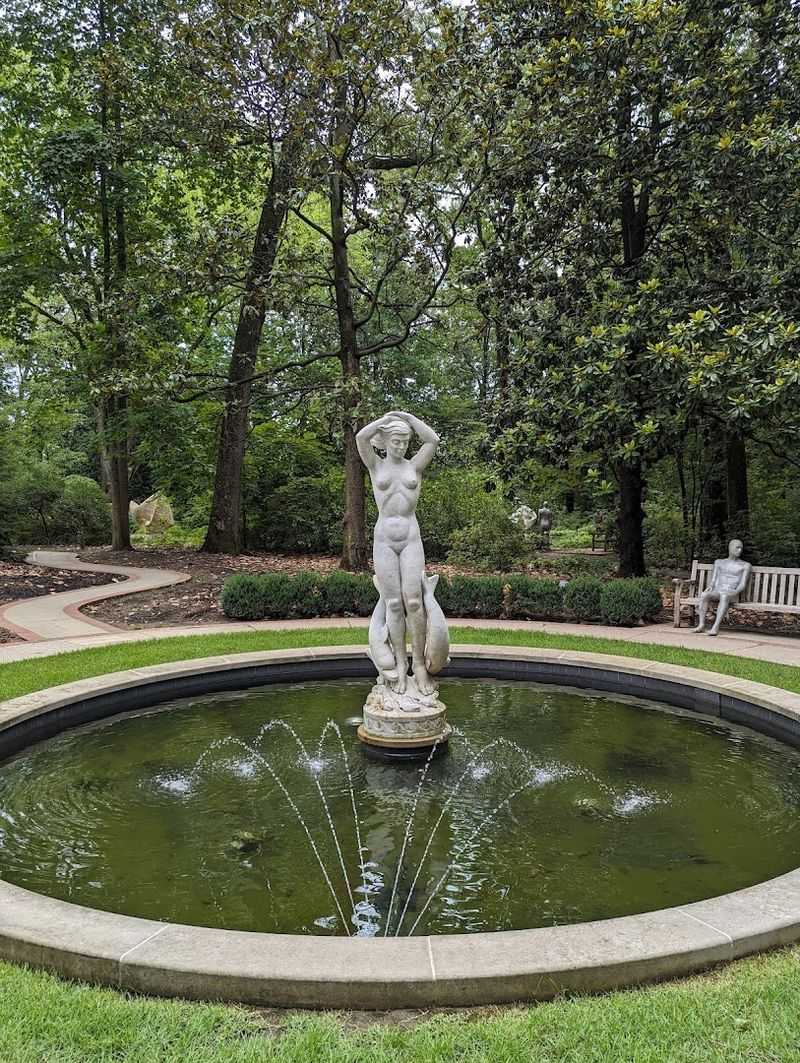
Seventeen acres of cultivated beauty unfold at the Dixon Gallery and Gardens at 4339 Park Ave in Memphis.
Established in 1976, this destination has spent nearly five decades perfecting the balance between fine art and horticulture, and the results speak for themselves across every season.
The outdoor spaces draw clear inspiration from classic English park design, blending sweeping open lawns with a series of smaller, more intimate formal garden rooms that reward slower exploration.
Four principal outdoor sculpture gardens form the backbone of the outdoor art experience, featuring elegant Greco-Roman works alongside more contemporary additions.
Earl Dismuke’s “Garden Shadow” is one recent highlight, a piece created specifically to complement the Brenda and Lester Crain Sculpture Circle and demonstrate the Dixon’s ongoing commitment to commissioning site-specific works.
The Cutting Garden, Formal Garden, South Lawn, and Woodland Gardens each offer distinct atmospheres and plant palettes, so the experience shifts noticeably as you move from one zone to the next.
A charming fountain by Alabama sculptor Frank Fleming adds a whimsical touch to the woodland area.
Memphis is not always the first city that comes to mind for garden art, but the Dixon makes a compelling case for its place on any Tennessee outdoor art itinerary.
The combination of world-class horticulture and thoughtfully placed sculpture is genuinely special.
8. Founders Park At Campbell Station, Farragut
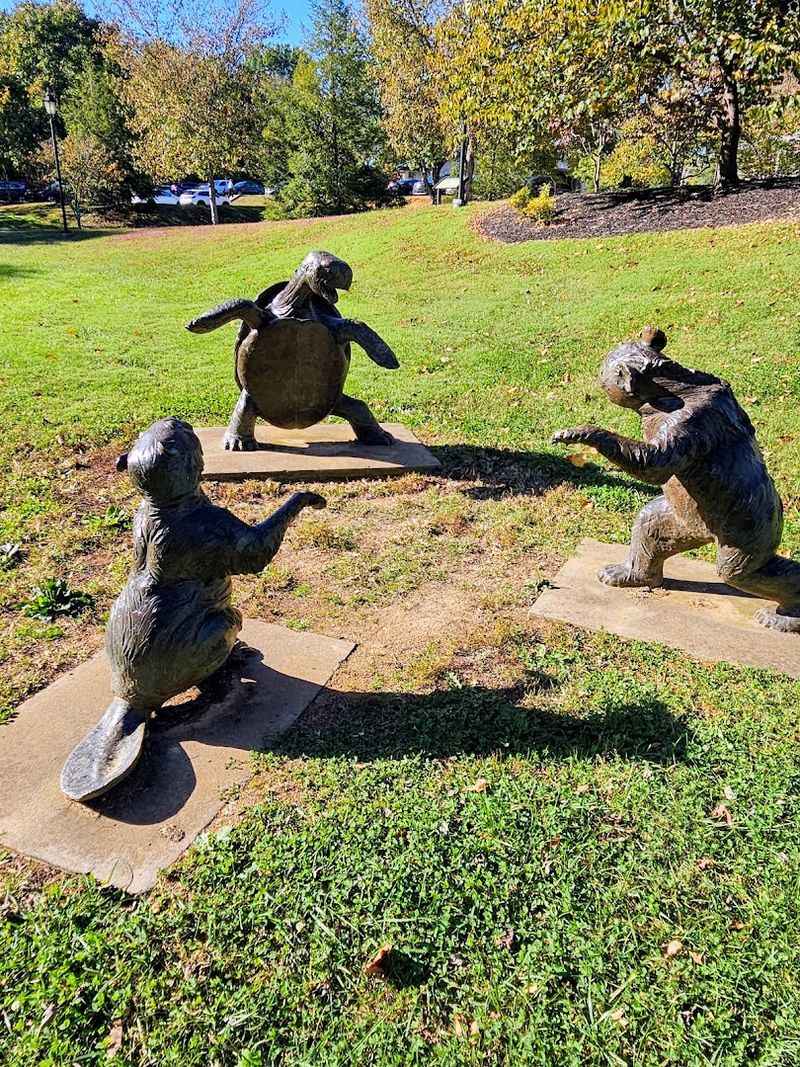
Not every great sculpture park announces itself with fanfare. Founders Park at Campbell Station at 405 N Campbell Station Rd in Farragut takes a quieter approach.
It lets its 17 acres of thoughtfully designed green space and carefully placed bronze sculptures do the talking.
Situated right next to the Farragut Branch of the Knox County Library, the park occupies a central role in the daily life of this close-knit community.
The name was chosen deliberately to honor the town’s heritage, and that sense of historical rootedness runs through the entire park experience.
The “Community Heritage Trail” is one of the most engaging features, a walking path lined with eleven interpretive signs that tell the story of Farragut’s past in accessible, human-scale detail.
Bronze sculptures are placed throughout the landscape, adding artistic punctuation to what might otherwise be a conventional community green space.
Both a lighted paved walking trail and an unlighted trail along Turkey Creek offer options for different times of day and different energy levels.
Every November, the park hosts the Farragut Founders Day Arts and Crafts Festival, bringing local makers and artists together in a celebration that feels rooted in genuine community pride rather than commercial spectacle.
For a park of its size, Founders Park carries a remarkable amount of heart and creative intention.
9. Cane Creek Park, Cookeville
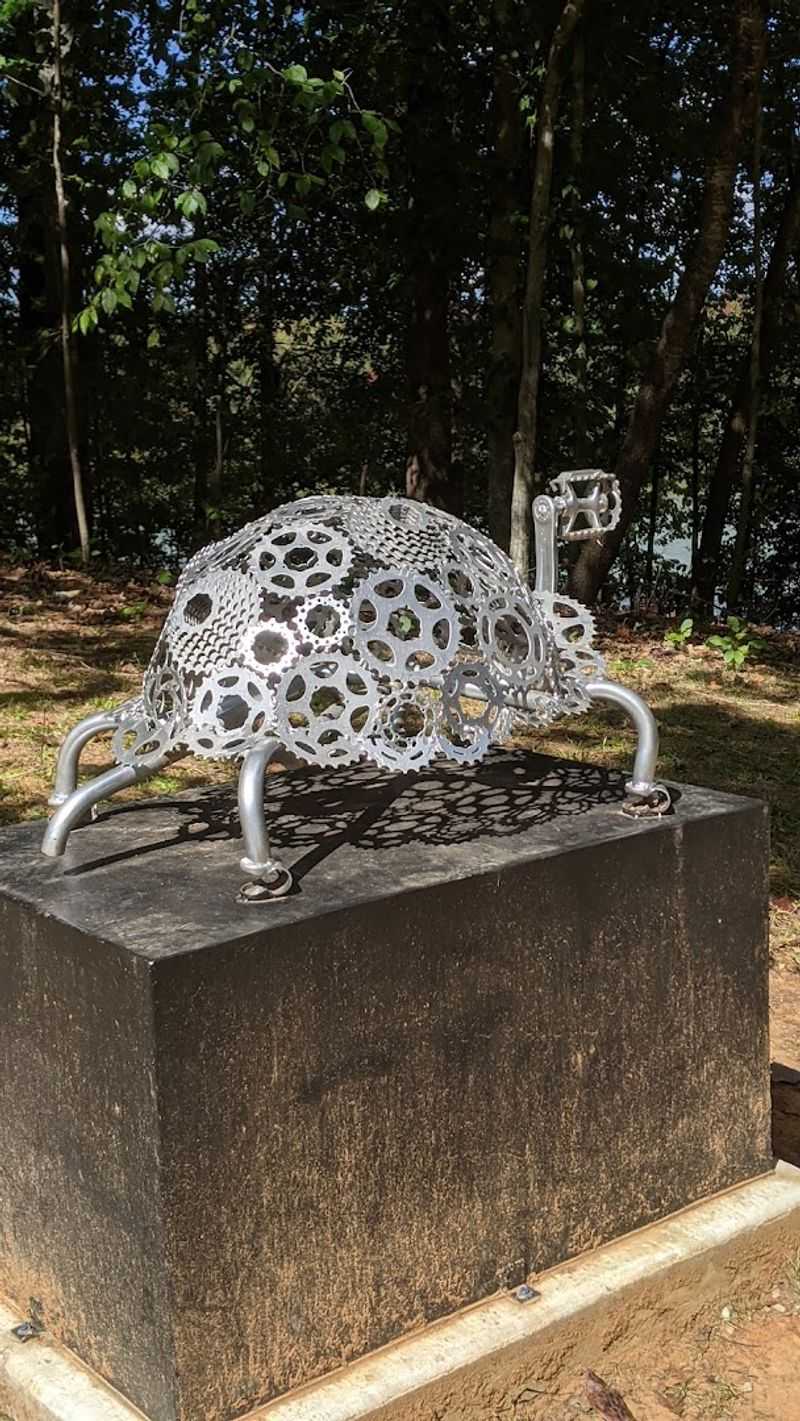
Some sculptures stop you in your tracks, and “Spokes” at Cane Creek Park in Cookeville is exactly that kind of piece.
A 36-foot-wide, 14-foot-tall arch assembled entirely from donated bicycles, it spans the bike path entrance to the Tennessee Central Heritage Rail Trail with an energy that is equal parts playful and genuinely awe-inspiring.
Installed in 2018, the piece captures the spirit of community collaboration better than almost any public artwork in the state.
Cane Creek Park, at 201 C C Camp Rd in Cookeville, anchors itself around a scenic 56-acre lake that gives the whole space a calm, open-water atmosphere.
Paved walking trails, fishing spots, and wide green lawns make it one of the most versatile recreational parks in the Upper Cumberland region.
Beyond “Spokes,” local artists have contributed additional sculptural works, including a “Turtle Sculpture” and a “Praying Mantis,” both of which bring a sense of wonder to the park’s natural surroundings.
Paddleboats, kayaks, and canoes are available to rent on the lake, and five playgrounds, three picnic shelters, and an 18-hole disc golf course round out the offerings for families and groups.
Cookeville does not always make the short list of Tennessee art destinations, but Cane Creek Park makes a strong argument for reconsideration.