
11 Tennessee Swimming Spots Made For Cooling Off This June
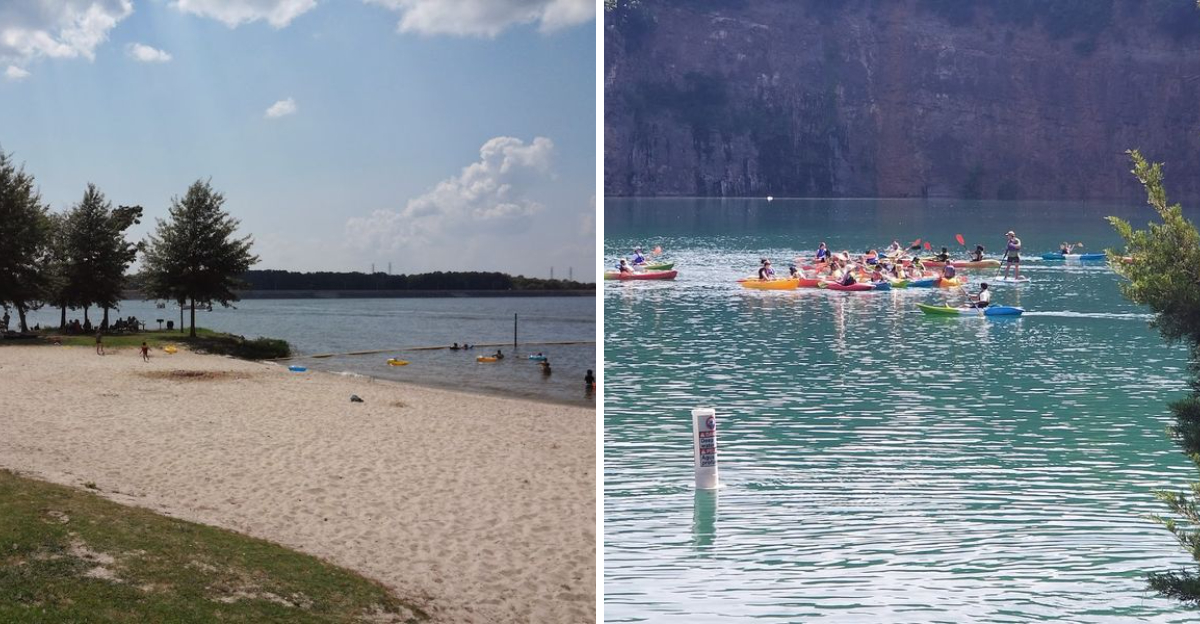
June heat has a way of making every cool splash sound like the best idea of the day.
Tennessee gives summer travelers plenty of places to trade hot pavement for lake water, river bends, swimming holes, and shady shorelines that feel made for slow afternoons.
Some spots are easy family outings with room for towels and snacks. Others feel more like a little adventure, where the water is the reward after a scenic drive or short walk.
That mix is what makes summer here so fun. You do not need a fancy resort or a full vacation plan to cool off.
A swimsuit, sunscreen, and a free afternoon can be enough. When the temperatures climb and the air starts feeling heavy, these Tennessee swimming spots make June feel a whole lot better.
1. Cummins Falls State Park, Cookeville, Putnam County
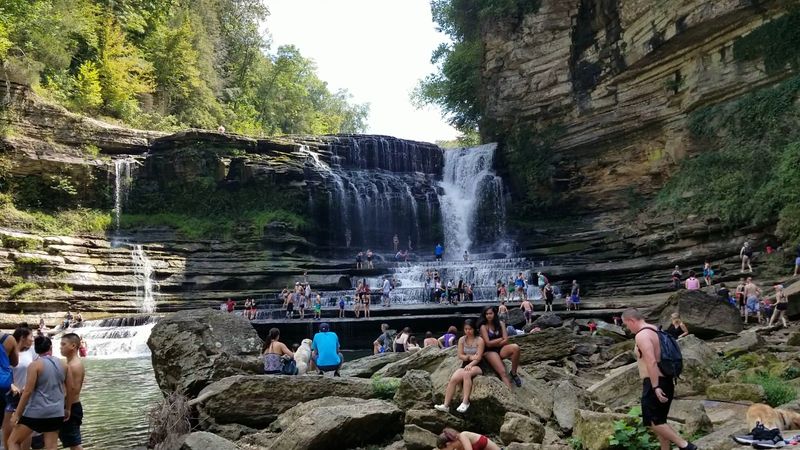
Travel + Leisure once called this one of the top swimming holes in the entire country, and after one visit, it is easy to understand why.
Cummins Falls State Park in Cookeville sits in the heart of Middle Tennessee and delivers a jaw-dropping 75-foot waterfall that thunders into a wide, deep natural pool below.
The gorge access requires a permit, and those permits sell out fast, especially in June when summer crowds hit their peak.
Booking ahead is not just recommended here, it is absolutely essential if you want to guarantee your spot.
The hike down into the gorge is moderately strenuous and involves some rock scrambling, so wear sturdy shoes and bring water.
Once you are standing at the base of those falls with cold mist hitting your face, every bit of effort feels completely worth it.
The pool is large enough that the crowd never feels suffocating, and the rocky ledges around the water make great spots to rest and soak up the Tennessee sun.
Families with younger children should be aware that the terrain can be slippery and uneven, making this spot better suited for older kids and adults.
Few places in Tennessee match the raw natural drama of this gorge, and the waterfall itself is a sight that tends to stop people mid-sentence.
2. Townsend Wye, Townsend, Blount County
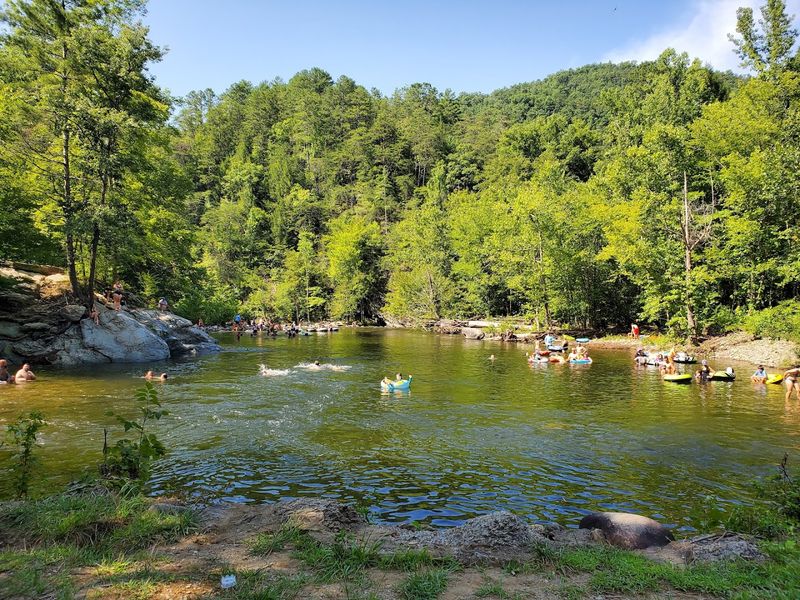
Right at the peaceful entrance to Great Smoky Mountains National Park, two rivers come together at a spot locals and visitors have loved for generations.
The Townsend Wye is one of those rare places that manages to be both relaxed and genuinely fun at the same time.
Wide, shallow pools make it perfect for wading with little ones, while small natural rapids downstream offer a breezy tubing run for older kids and adults.
There is also a jump rock that has probably launched thousands of happy screams into the mountain air over the years.
The river spreads out generously, so even on busy summer days there is usually enough room for everyone to find a comfortable patch of water.
That said, arrive early because the parking situation gets competitive fast, with lots filling up well before midday on hot June weekends.
The setting itself is hard to beat, framed by the rolling ridgelines of the Smokies with clear mountain water running over smooth river rocks.
Bring a tube, some sunscreen, and a cooler of cold drinks, and plan to stay longer than you originally intended.
Townsend is also a quieter base than Gatlinburg if you are planning a longer trip into the Smokies region.
3. Blue Hole Falls, Elizabethton, Carter County
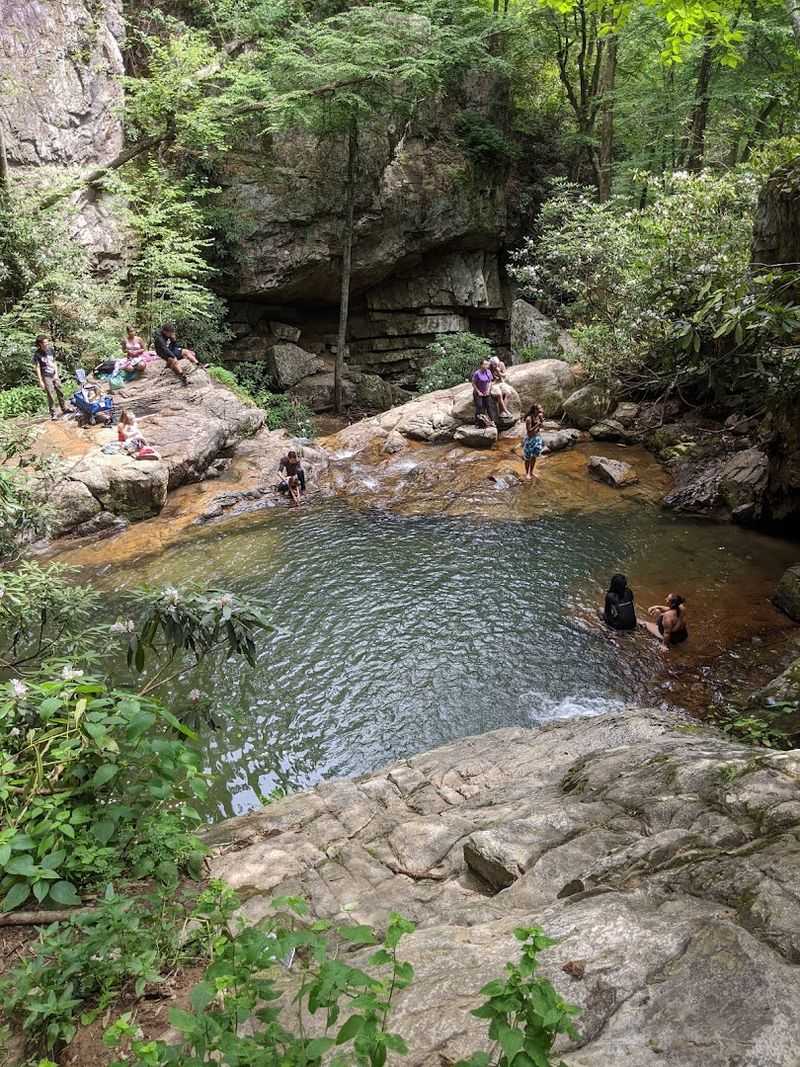
Some swimming spots earn their reputation through sheer beauty, and Blue Hole Falls in Elizabethton, Carter County, is exactly that kind of place.
This series of four separate waterfalls pours down into a single striking blue pool that runs deep enough for a proper swim.
The color of the water is the first thing that grabs you, a rich, cool blue that photographers and Instagram users have been chasing for years.
Blue Hole Falls remains far less crowded than many of the better-known Smoky Mountain swimming spots, which gives it a refreshingly calm atmosphere even on summer weekends.
The hike to reach the falls is moderate and manageable for most fitness levels, winding through shaded forest that keeps things cool even before you hit the water.
Water temperatures stay on the cold side, which is exactly what you want on a sweltering June afternoon in East Tennessee.
Bring water shoes because the rocks around the pool can be slippery, and always check water conditions before heading out since rainfall upstream can change the flow significantly.
Photographers especially love the early morning light here, when soft golden rays filter through the tree canopy and the mist from the falls catches the glow.
If you want beauty without the big crowds, this spot rewards the effort every single time.
4. Greeter Falls, Altamont, Grundy County
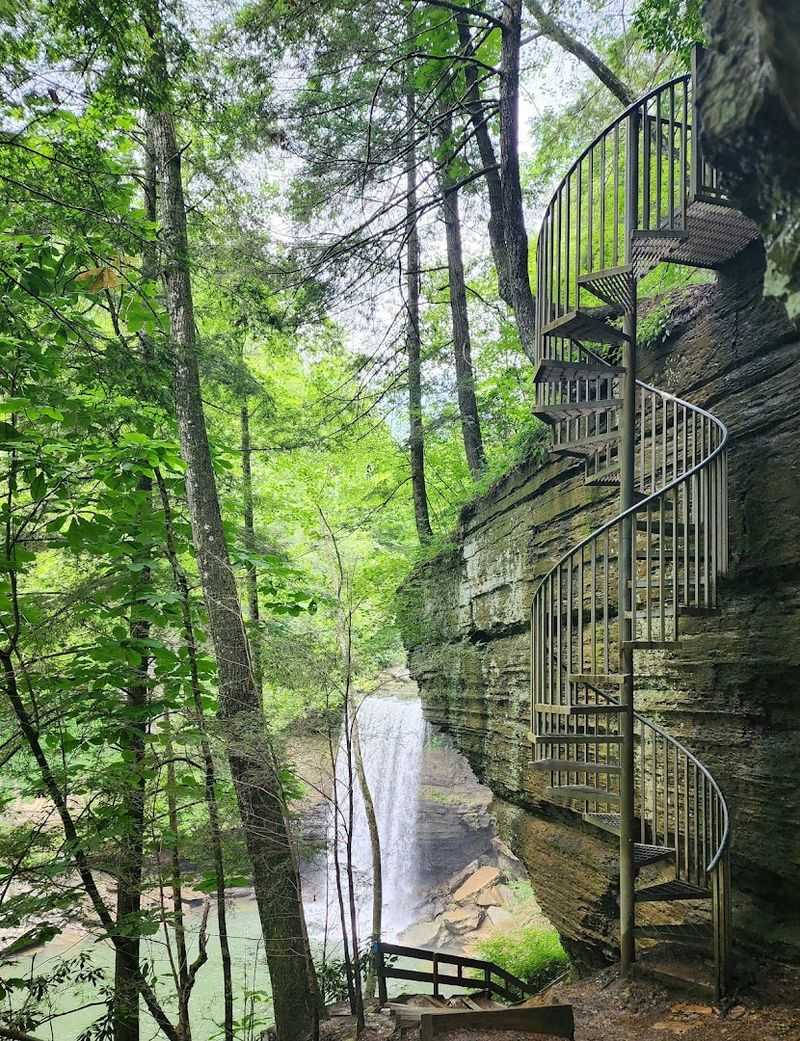
South Cumberland State Park holds a lot of natural treasures, but Greeter Falls near Altamont might be its most satisfying reward for visitors willing to lace up their hiking shoes.
The falls themselves are a tiered double waterfall that drops into a cool, clear natural pool at the base of a gorgeous gorge.
What sets this spot apart from many Tennessee swimming holes is the thoughtful infrastructure that makes it accessible to a wider range of visitors.
A spiral staircase leads directly down to the base of the falls, which means you do not need to scramble over loose rocks to reach the water.
The 0.8-mile loop trail that brings you here also passes two additional waterfalls along the way, turning the journey into a genuine scenic experience rather than just a means to an end.
The pool at the bottom is cool and inviting, with enough depth for swimming and enough surrounding rock to set up a comfortable base camp for the afternoon.
Grundy County is part of the Cumberland Plateau, a region famous for its dramatic geology, and Greeter Falls shows off that landscape beautifully.
Weekday visits in June tend to offer a more peaceful experience, though the trail is well-maintained enough to handle a crowd without feeling chaotic.
Pack a picnic, bring your camera, and plan for a full morning of exploring this underrated corner of Tennessee.
5. Fort Dickerson Quarry, Knoxville
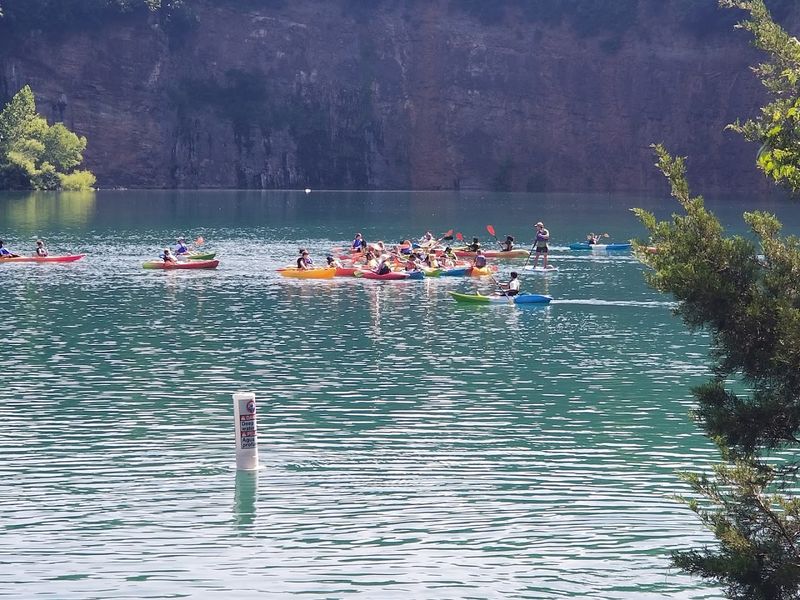
Knoxville has a lot going for it, but few things stop out-of-towners cold quite like their first look at Fort Dickerson Quarry.
This former marble quarry sits just five minutes from downtown Knoxville and rewards visitors with water so intensely turquoise it looks almost unreal against the surrounding orange and red marble cliffs.
Kayak and paddleboard rentals are available on-site, making it easy to get out on the water even if you did not bring your own gear.
Swimming is allowed, though there is no lifeguard on duty, so confident swimmers are best suited for this spot.
Cliff jumping is officially prohibited, and the park takes that rule seriously, so save your aerial ambitions for somewhere else.
What makes Fort Dickerson so special is the visual contrast between the vivid water and the ancient quarried rock walls rising around it. This creates a landscape that feels more like something out of a European travel magazine than a city park in Tennessee.
The surrounding park also has trails and picnic areas if you want to extend your visit beyond the water.
Weekday mornings tend to be quieter, which gives you more space to paddle around and take in the scenery without the weekend crowd.
It is one of those spots that earns a second and third visit without ever feeling old.
6. Rutledge Falls, Tullahoma, Coffee County
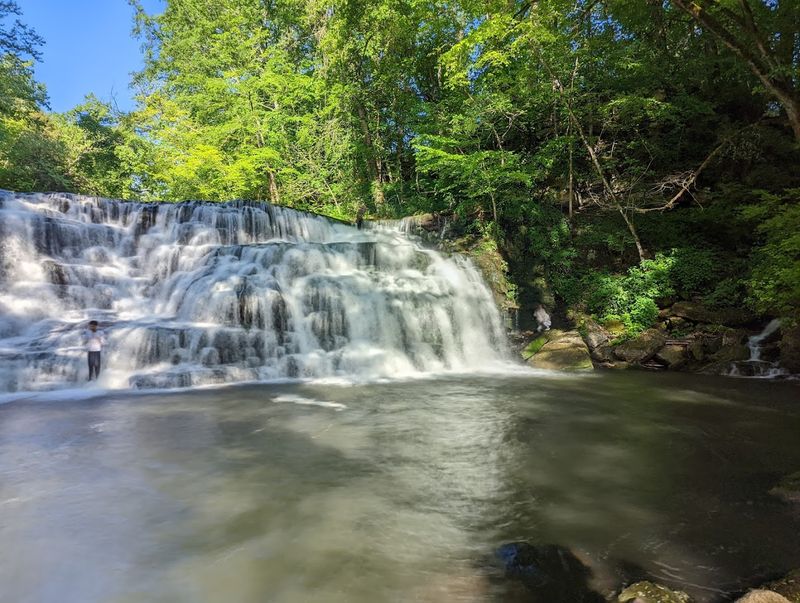
Not every great Tennessee swimming spot comes with a state park sign and a parking lot, and Rutledge Falls near Tullahoma is proof of that.
This 40-foot waterfall sits on private land that the owners have generously opened to the public, free of charge, from dawn to dusk every day.
The water here is notoriously cold, fed by underground springs that keep the temperature bracingly low even during the hottest weeks of summer.
A rope swing hangs near the pool, and it has been launching brave swimmers into the air for as long as most locals can remember.
The surroundings are pure Middle Tennessee countryside, lush and green with the kind of leafy canopy that makes everything feel cooler the moment you step under it.
To get there, park behind the church on Rutledge Falls Road and walk through the gate, which is exactly the kind of low-key, trust-based access that gives this place its local legend status.
Because it is privately owned land, visitors are expected to respect the property, pack out their trash, and treat the space with care so that future visitors can enjoy the same access.
The falls are not widely advertised, which keeps the crowds manageable and preserves the feeling that you have found something genuinely special.
This is the sort of swimming hole that people from Coffee County grow up knowing about and return to every summer without fail.
7. Rock Island State Park Beach, Rock Island, White County
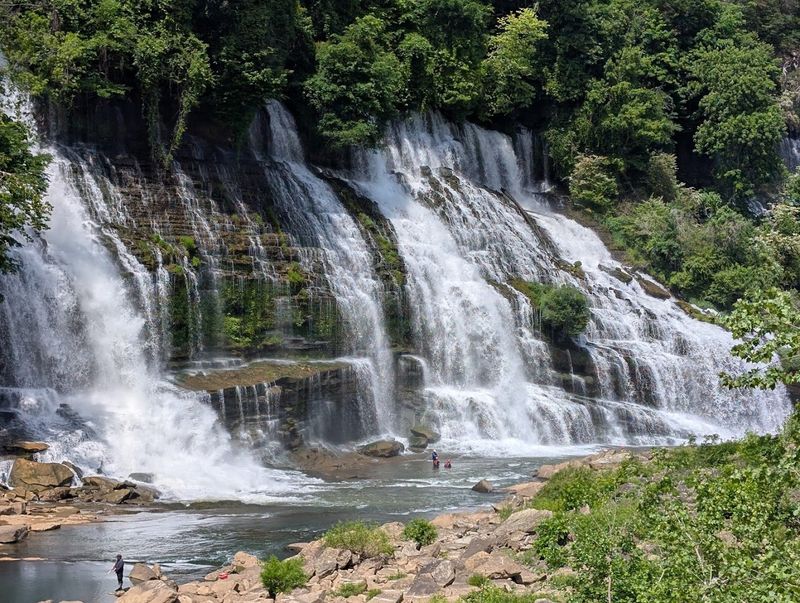
Rock Island State Park in White County is one of those places that packs a surprising amount into a relatively small footprint.
The natural sand beach along Center Hill Lake is the centerpiece, complete with a bathhouse and easy water access that makes it popular with families and day-trippers from nearby cities.
Beyond the main beach, upstream swim spots include the famous ice hole, a natural pool fed by cold spring water that earns its name with a temperature that can feel shocking on a hot afternoon.
The dramatic Twin Falls nearby add an extra layer of visual interest to the park and are worth the short hike even if you spend most of your time at the beach.
Water levels at Rock Island can fluctuate significantly due to dam releases upstream, which means conditions can change quickly and without much warning.
Because of this, the park is best suited for strong, confident swimmers who know how to read moving water and make smart decisions about when to stay out.
The park sits at the confluence of the Caney Fork and Collins rivers, which gives the whole area a scenic complexity that flat-water beaches simply cannot match.
Arriving early on June weekends is a smart move, both for parking and for staking out a good spot on the sand before the crowds arrive.
Rock Island earns its loyal following by offering far more than just a beach.
8. Pickwick Landing State Park Beaches, Pickwick Dam, Hardin County
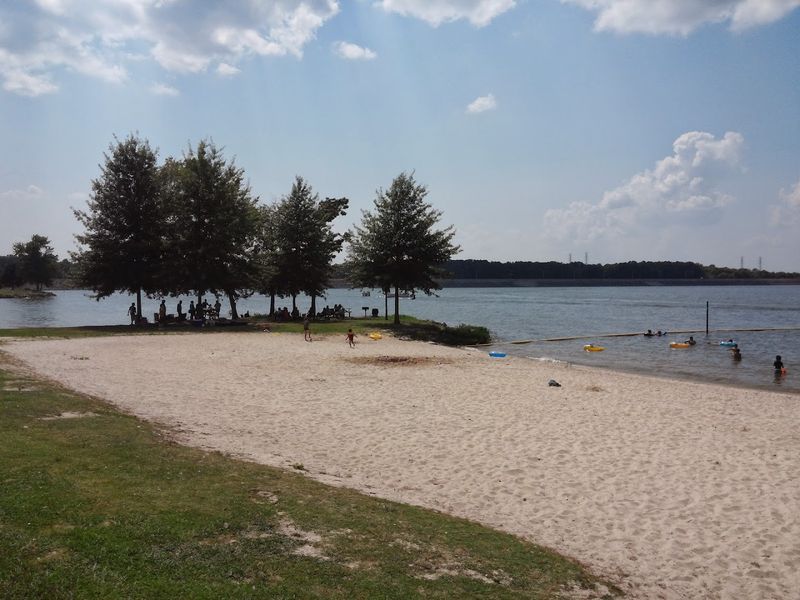
If you have ever wished Tennessee had a Gulf Coast beach, Pickwick Landing State Park in Hardin County is the closest thing the state has to offer.
Stretching along two miles of sandy shoreline on Pickwick Lake, this park gives swimmers and sun-seekers a genuinely impressive beach experience without the long drive south.
Circle Beach and Sandy Beach are both located in the day-use area and offer clean, well-maintained access with amenities nearby.
A third beach sits across the lake in the primitive area for those who want a quieter, more secluded experience away from the main crowds.
Pickwick Lake itself is part of the Tennessee River system and is known for warm, calm water that is ideal for swimming, paddling, and just floating around on a hot afternoon.
The park also has a lodge, marina, and campground, making it easy to turn a day trip into a full weekend getaway without much extra planning.
West Tennessee tends to run hotter than the mountain regions of the state, which makes the lake water feel especially refreshing when temperatures climb through June.
Hardin County is also home to the Shiloh National Military Park nearby, so history buffs can pair a beach day with a meaningful cultural stop.
Few spots in the state deliver this level of sandy, lakeside satisfaction in a single package.
9. Obed Wild And Scenic River, Nemo Bridge, Wartburg, Morgan County
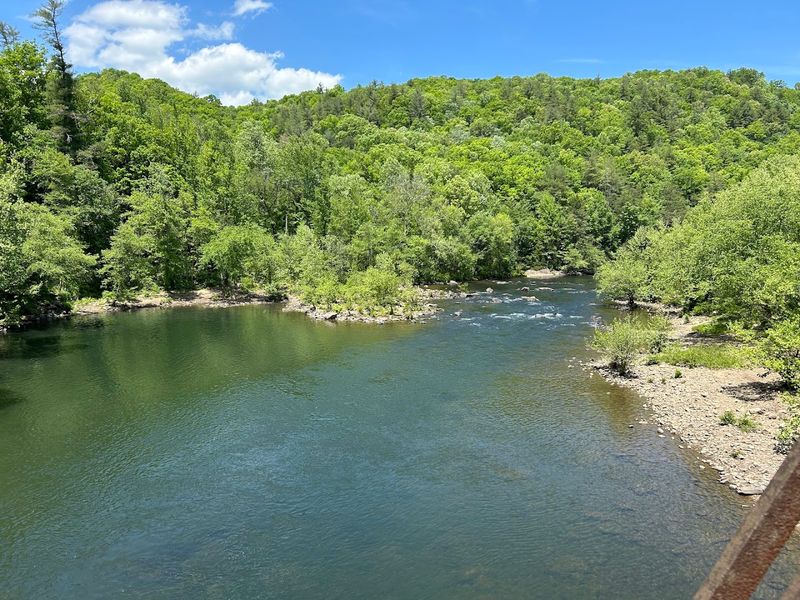
The Obed Wild and Scenic River is one of those East Tennessee destinations that has a devoted following among locals who have been coming here for years and prefer to keep it that way.
The Nemo Bridge access point is the most popular entry, offering picnic tables, grills, and a stretch of clear river water that flows through some of the most dramatic gorge terrain in the entire state.
People do not just pop in for a quick dip here; they bring camp chairs, coolers, and enough supplies for a full lazy day on the riverbank.
The water runs clear over smooth bedrock, and the surrounding gorge walls create a shaded, canyon-like atmosphere that keeps temperatures manageable even in the thick of summer.
Lily Bridge, located a short distance away, is another access point worth knowing about.
After significant rainfall, Lily Bridge offers deeper water and better conditions for rock jumping, making it a strong alternative depending on the season’s weather patterns.
The Obed was designated a Wild and Scenic River in 1976, which means it has federal protection that preserves its natural character and keeps development away from its banks.
That protected status is part of what makes it feel so untouched compared to more heavily visited Tennessee swimming spots.
Pack your patience for the drive, because the roads into the gorge area are narrow, but the payoff is a swimming experience that feels genuinely wild.
10. Paint Creek, Near Greeneville, Greene County
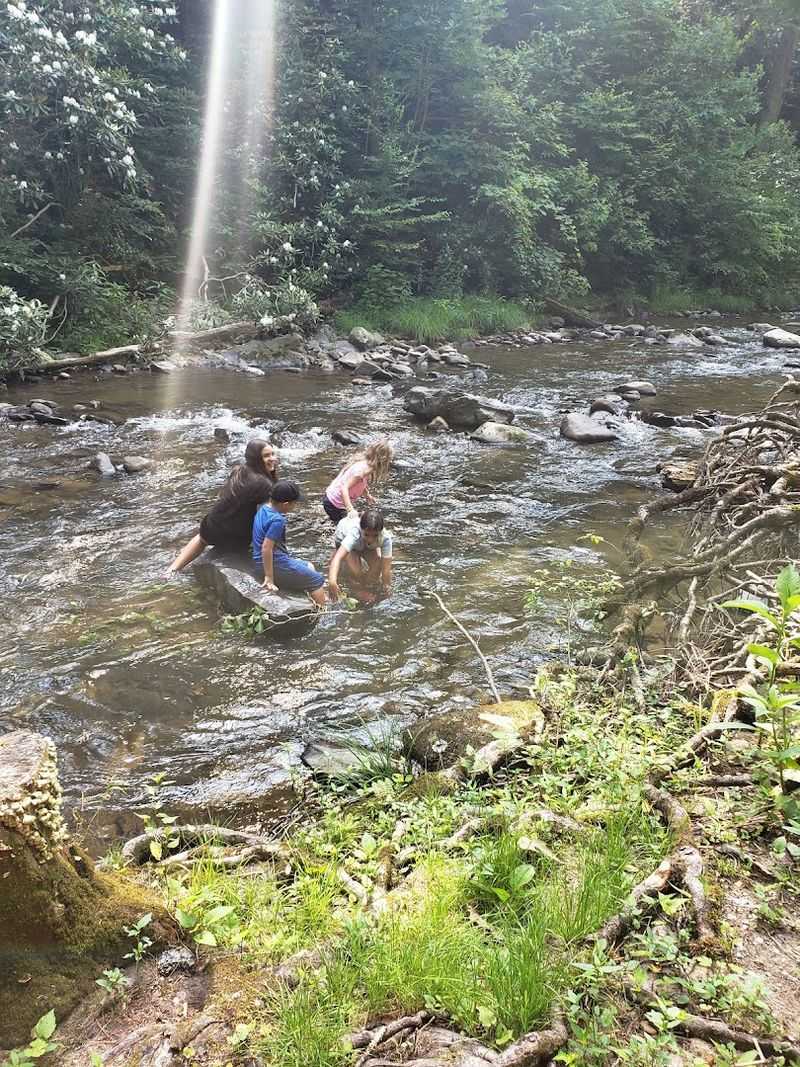
Ask the right locals in Northeast Tennessee where they go to swim in summer, and Paint Creek near Greeneville is the name that comes up in a quiet, almost protective tone.
This mountain creek runs through Cherokee National Forest and offers the kind of swimming experience that feels genuinely removed from the noise of everyday life.
Cold, crystal-clear water moves through a series of deep natural pools carved into the forested gorge, with the tree canopy above keeping things shaded even on the hottest June afternoons.
The atmosphere is unhurried and wild, with the sound of moving water and birdsong replacing the usual background hum of crowds and traffic.
Paint Creek does not have the infrastructure of a state park, which is exactly what makes it appealing to the people who seek it out.
There are no lifeguards, no concession stands, and no rental equipment, just clean water, smooth rocks, and the kind of quiet that recharges you.
Water shoes are a smart choice here since the creek bottom can be rocky and uneven in places.
The forested gorge setting also means the light filters beautifully through the trees in the morning hours, making early visits especially rewarding for those who appreciate the scenery.
Once Paint Creek gets into your summer rotation, it tends to stay there year after year without losing any of its appeal.
11. Montgomery Bell State Park Lake Acorn, Burns, Dickson County
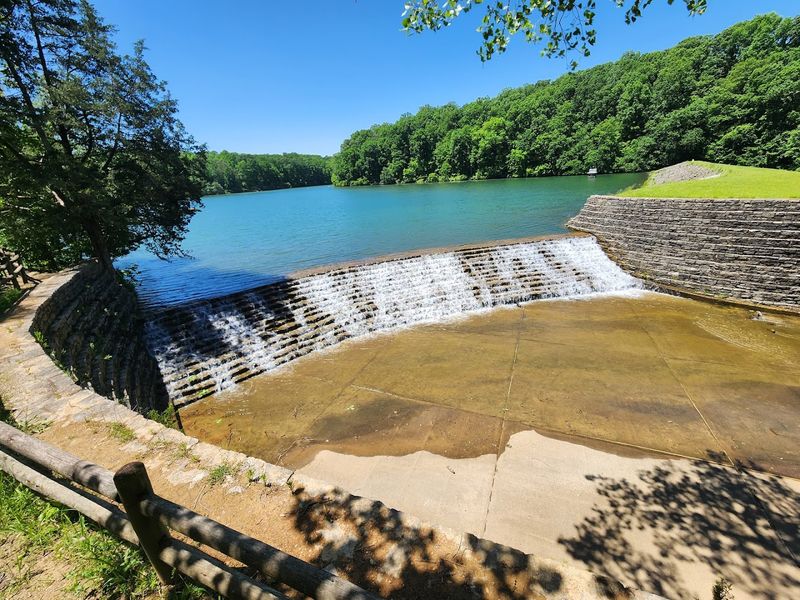
For Nashville-area families looking for a low-effort, high-reward summer outing, Montgomery Bell State Park delivers in a way that is hard to beat on a Tuesday morning or a busy Saturday alike.
Lake Acorn sits practically steps from the park lodge, which means the transition from parking lot to swimming beach is refreshingly short compared to spots that require long hikes.
The beach entry is gentle and family-friendly, making it a comfortable choice for younger swimmers who are still building confidence in the water.
Paddling equipment is available for rental, so you can extend your time on the water with a kayak or canoe if the mood strikes.
The surrounding woodland setting gives Lake Acorn a pleasantly shaded atmosphere, with mature trees lining the shore and providing relief from the direct afternoon sun.
Montgomery Bell State Park has a rich history rooted in the early Tennessee iron industry, and interpretive signs around the park tell the story of the furnaces and forges that once operated on this land.
That historical layer adds a bit of depth to what might otherwise be a straightforward beach day.
The park is roughly 40 minutes west of Nashville, making it an ideal half-day escape when the city heat becomes too much to bear.