
Tennessee’s Most Charming Walkable Town Deserves A Spot On Your 2026 Calendar
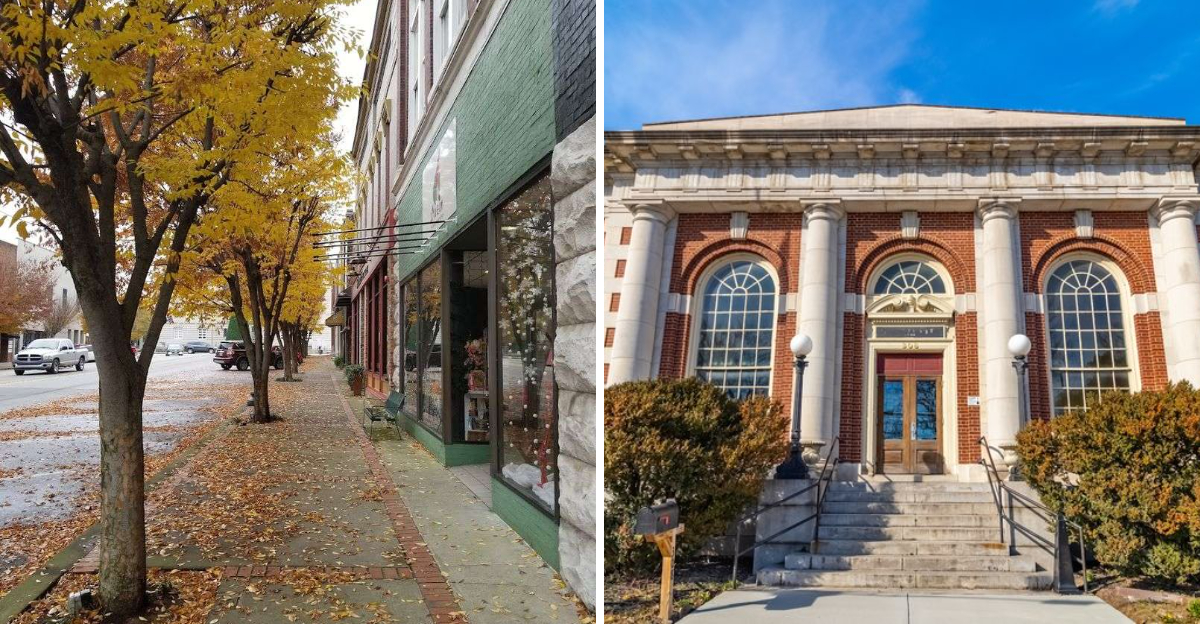
Sidewalks lined with historic storefronts, friendly shopkeepers greeting regulars, and the easy rhythm of a town best explored on foot – that’s the kind of place many travelers hope to stumble upon. In Tennessee, one small town delivers exactly that feeling.
The streets invite slow wandering. Antique stores, cafés, and local boutiques sit just steps apart, while beautifully preserved buildings tell stories of another era.
Spend an afternoon browsing, pause for a relaxed meal, then continue strolling past lively squares and welcoming storefronts. Add it to your plans for 2026.
Some towns simply feel better when you experience them one step at a time.
The Historic Downtown Square That Rewards Every Step
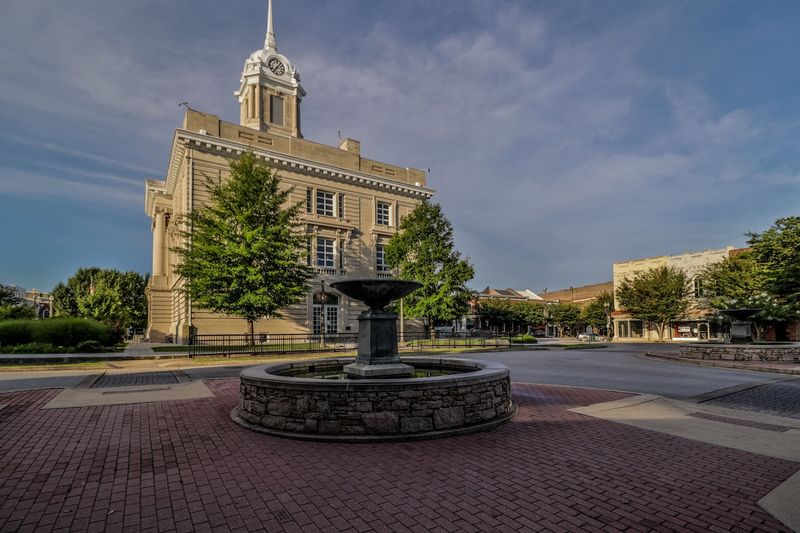
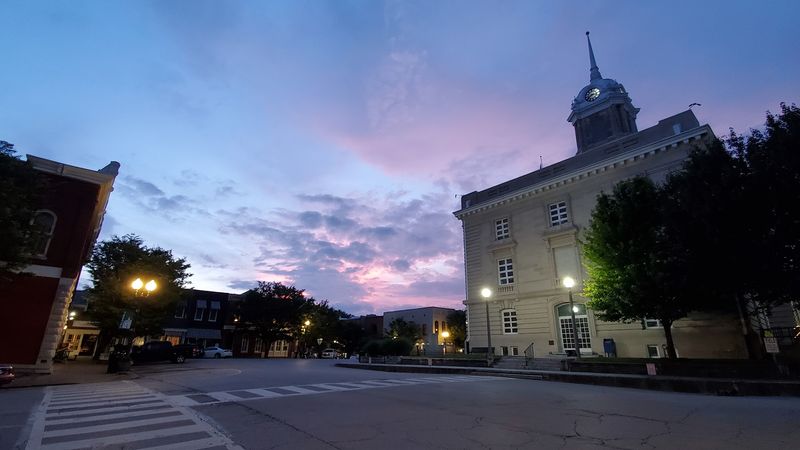
Few town centers in Middle Tennessee carry the kind of visual weight that this downtown square does on an ordinary Tuesday afternoon. The architecture along the square dates back to the 19th century, and the brick facades have been preserved with genuine care rather than cosmetic renovation.
Walking the perimeter gives you a strong sense of how commercial life once operated in a mid-sized Southern city.
The square anchors the entire walkable experience that this place offers. Shops, restaurants, and local businesses line the streets in a way that feels organic rather than curated for tourism.
There are no chain restaurants crowding the corners, and that absence alone says something meaningful about the community’s priorities.
This city sits at Tennessee 38401, and its downtown district is officially part of the Nashville metropolitan area, which adds accessibility without sacrificing character. Visitors arriving from Nashville can reach the square in under an hour.
The walkability here is genuine, not aspirational, and that distinction matters enormously when planning a day trip or a longer stay in 2026.
Maury County’s Deep Roots In American History
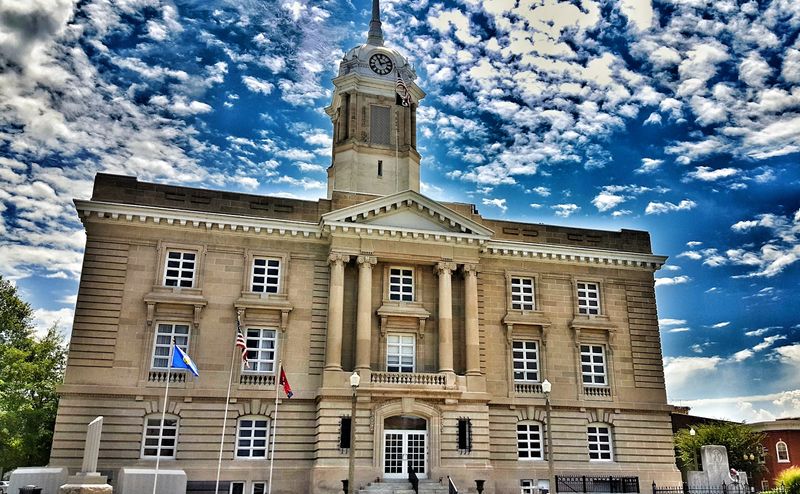
Columbia is the county seat of Maury County, and that role has shaped its identity for well over two centuries. The county was established in 1807, and Columbia itself was incorporated in 1817, making it one of the more historically layered cities in Middle Tennessee.
That layering shows up in the architecture, the street names, and the quiet pride locals carry when they talk about where they live.
James K. Polk, the 11th President of the United States, spent his formative years in Columbia.
The James K. Polk Home and Museum, located at 301 West 7th Street, preserves his early life with remarkable detail.
The site is a National Historic Landmark, and it draws history enthusiasts from across the country who want a more personal connection to presidential history beyond the typical textbook narrative.
Beyond Polk, Maury County played a significant role in the agricultural economy of the antebellum South, and that complicated history is addressed honestly in local museums and interpretive sites. Understanding Columbia means engaging with all of it, the triumphs and the tensions, and the city does not shy away from that responsibility in 2026.
A Food Scene Built On Local Loyalty And Genuine Flavor
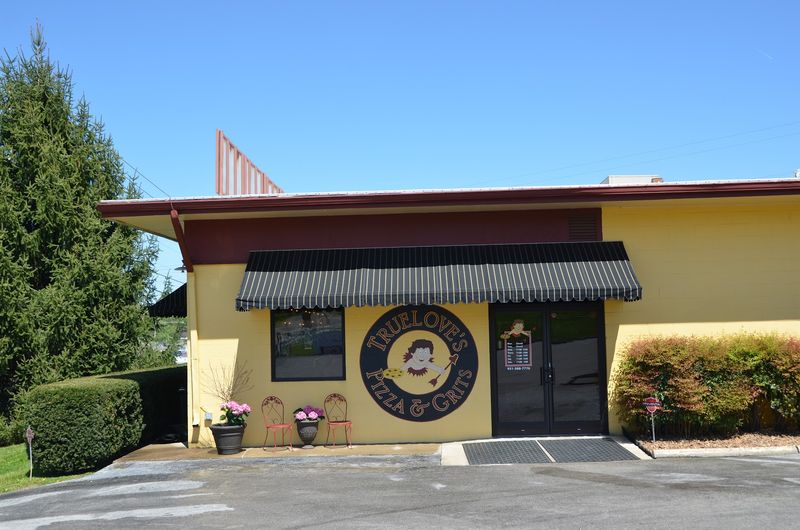
Columbia’s restaurant scene has grown steadily over the past decade, and the growth feels earned rather than engineered. The city’s dining options lean heavily on Southern cooking traditions while making room for newer influences that reflect a changing and increasingly diverse population.
The result is a food landscape that satisfies regulars and surprises first-time visitors in equal measure.
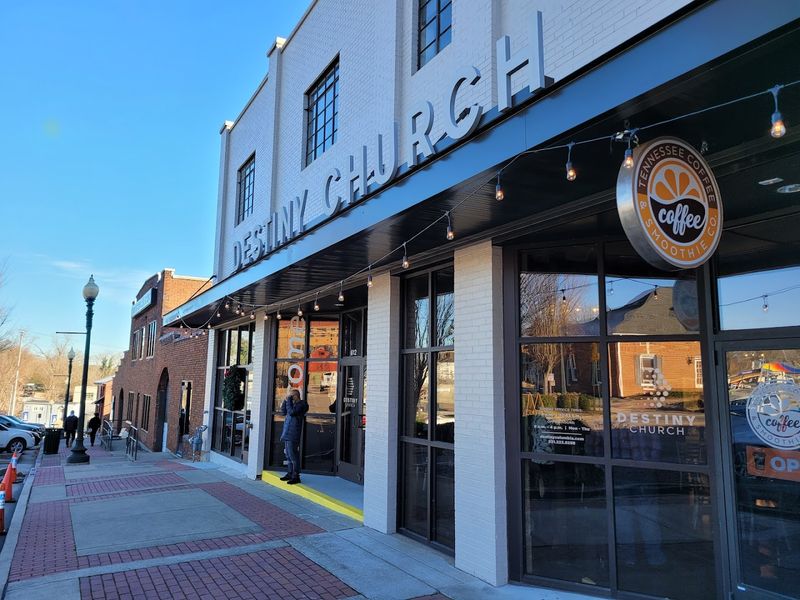
Local spots around the downtown square serve everything from slow-cooked barbecue to farm-fresh lunch menus that rotate with the seasons. Coffee shops have carved out loyal followings with interiors that double as community gathering spaces.
On weekend mornings, the sidewalk tables fill up early, and conversations spill from one table to the next with the ease of people who actually know their neighbors.
The food culture here reflects something larger about Columbia’s civic character. Residents support their local businesses with visible enthusiasm, and that support keeps quality high and keeps owners motivated to keep improving.
For a visitor planning a 2026 trip, the dining experience alone justifies the drive. Arrive hungry, plan to stay longer than you intended, and leave with at least one restaurant you will talk about for weeks afterward.
Spring In Columbia Brings The Mule Day Celebration
Columbia has been celebrating Mule Day every spring for well over a century, and the event has grown into one of the most distinctive festivals in the entire state of Tennessee. What began as a practical trading fair for farmers buying and selling mules has evolved into a full-scale cultural celebration that draws tens of thousands of visitors each April.
The mule, once essential to Southern agriculture, is honored here with a sincerity that borders on reverence.
The festival features a parade, a flea market, live music, clogging competitions, and plenty of food vendors lining the streets near Maury County Park. It is the kind of event that feels genuinely rooted in place rather than manufactured for an audience.
Children who attend for the first time often become the adults who return every year without fail.
For 2026, Mule Day is expected to continue its tradition of combining agricultural heritage with community festivity in a way that few American towns can replicate. If you have never watched a mule parade move through a small Southern city on a warm April morning, Columbia offers you that specific and irreplaceable experience.
Put it on the calendar before the hotel rooms fill up.
Duck River Trails And Outdoor Spaces Worth Exploring
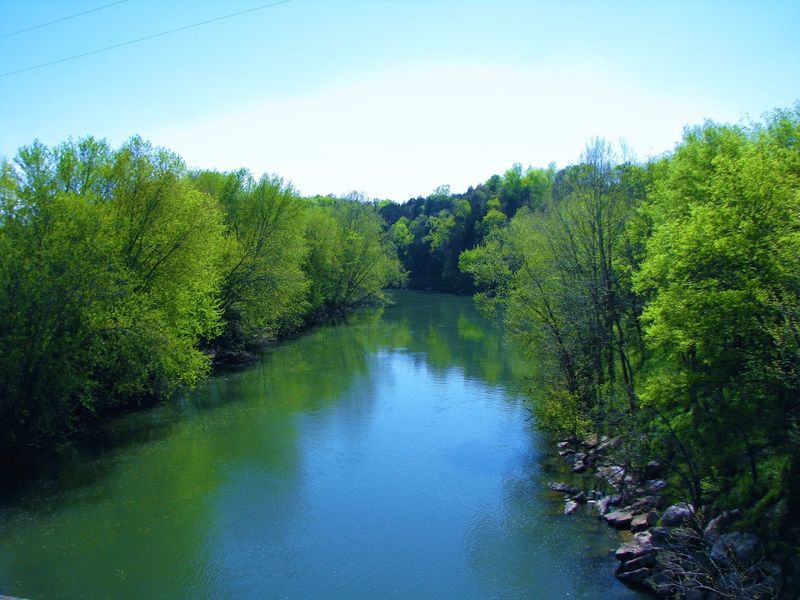
The Duck River runs through Maury County with a quiet authority that outdoor enthusiasts have been appreciating for generations. Recognized as one of the most biologically diverse rivers in North America, the Duck River supports an extraordinary range of aquatic life and serves as a focal point for recreational activity in and around Columbia.
Kayaking, fishing, and nature walking along its banks are all accessible without requiring specialized equipment or advance planning.
Columbia has invested in trail infrastructure that connects the river corridor to the broader urban landscape. These trails allow visitors and residents alike to move between green spaces and the downtown core on foot, reinforcing the city’s walkable identity in a way that goes beyond the commercial square.
The combination of urban and natural accessibility is genuinely uncommon in a city of Columbia’s size.
Maury County Park, located near the festival grounds, offers additional green space for families, picnickers, and anyone who simply wants to sit outside without driving to a state park. The outdoor experience in Columbia is low-key and unpretentious, which suits the city’s overall character perfectly.
Plan a morning on the river and an afternoon on the square, and you will leave feeling like you used the day well.
The Arts Community That Operates Year-Round
Columbia’s arts scene operates with a consistency that distinguishes it from towns where culture only surfaces during festival season. The Maury County area supports working artists across multiple disciplines, and their presence is visible in the galleries, studios, and public installations scattered through the downtown corridor.
Art here feels like a living part of the city rather than a seasonal decoration.
The Tennessee Antebellum Trail passes through Columbia, and several historic properties along the route have been repurposed as cultural venues that host exhibitions, performances, and educational programming throughout the year. These spaces bring history and contemporary creativity into conversation with each other in ways that feel productive and interesting rather than forced.
Local theater groups, musical ensembles, and visual artists all contribute to a cultural calendar that gives residents and visitors consistent reasons to engage with Columbia beyond its commercial offerings. For travelers planning a 2026 visit, checking the local arts calendar before arriving is a smart move.
You may find a gallery opening, a live performance, or a studio tour that adds an entirely unexpected dimension to your trip. The arts community here does not wait to be discovered; it simply keeps working and showing up.
Antique Shops And Independent Retail Worth Your Afternoon
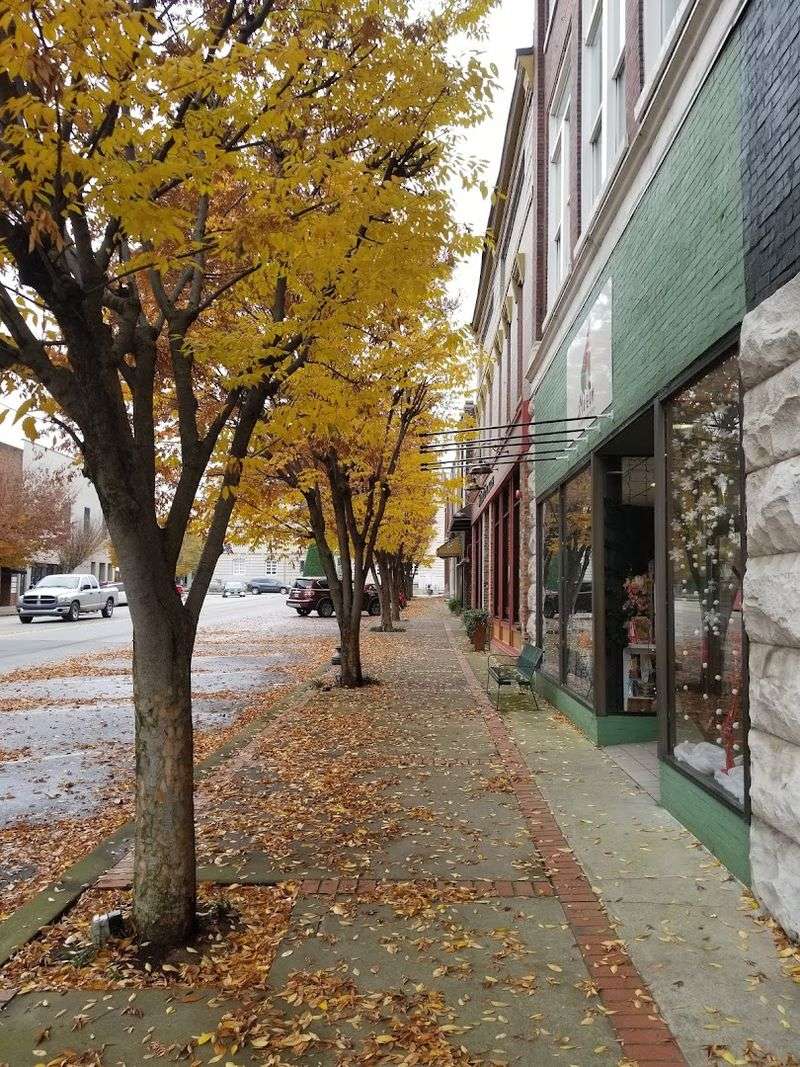
Columbia has developed a reputation among antique hunters that extends well beyond Maury County. The concentration of antique dealers and vintage shops in and around the downtown square makes it a legitimate destination for collectors, decorators, and anyone who enjoys spending an afternoon sorting through objects with a past.
The inventory turns over regularly, which gives repeat visitors a reason to come back every few months.
Beyond antiques, the independent retail landscape in Columbia includes boutique clothing stores, specialty food shops, and bookstores that carry local titles alongside broader selections. Shopping here feels like a discovery process rather than a transaction, and that distinction is exactly what makes the downtown square worth a dedicated afternoon rather than a quick stop.
The density of interesting shops within walking distance of each other is one of Columbia’s most practical charms. You can park once and spend three hours moving from store to store without backtracking or navigating a parking lot.
For 2026 visitors who have grown tired of strip malls and identical retail corridors, Columbia’s independent shopping district offers a refreshingly different experience. Bring a tote bag, leave room in the car, and budget more time than you think you will need.
Columbia’s Position In The Nashville Metro Area
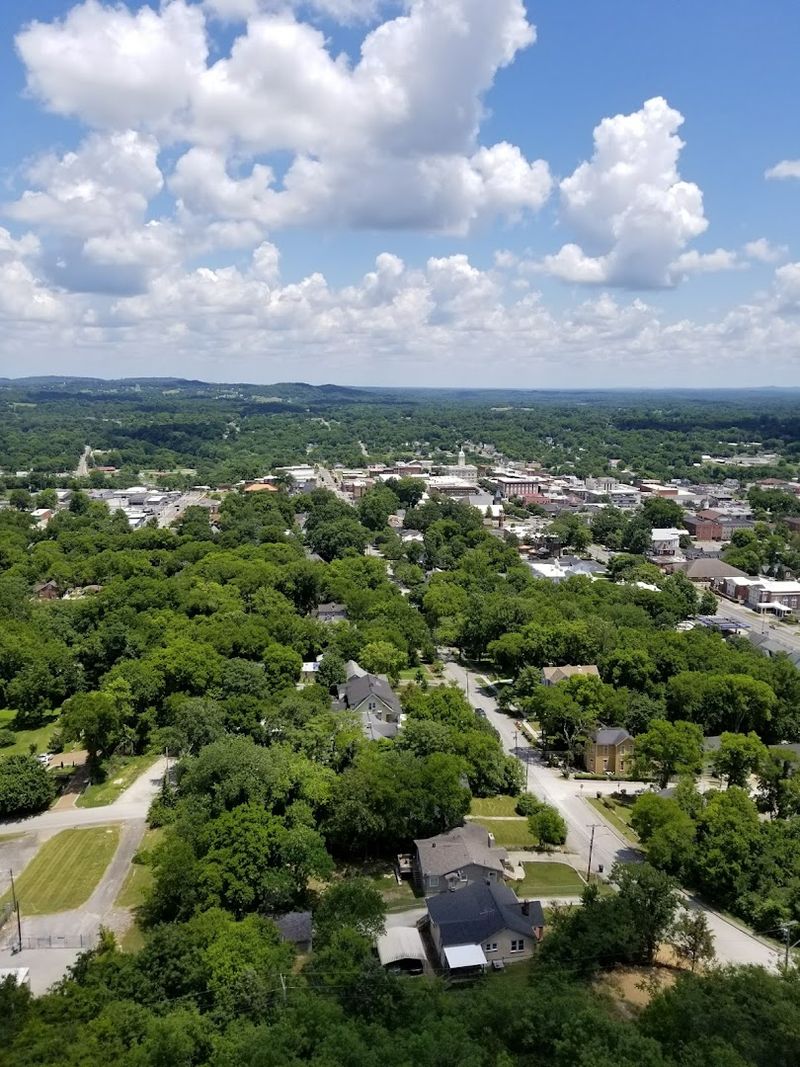
Columbia’s inclusion in the Nashville metropolitan area is one of its most practical assets for 2026 travelers. The city sits roughly 45 miles south of Nashville along US-31, making it an easy day trip from one of the most visited cities in the American South.
For Nashville visitors who want a break from the honky-tonks and rooftop bars, Columbia offers a genuinely different pace without requiring a long drive or an overnight commitment.
The proximity to Nashville has also brought a measured wave of new residents and businesses to Columbia over the past decade. Population growth has introduced new restaurants, coffee shops, and services while the city has managed, so far, to retain the scale and character that make it worth visiting in the first place.
That balance is fragile in fast-growing metro areas, and Columbia’s community has shown awareness of it.
For travelers building a Tennessee itinerary in 2026, pairing Nashville with a day in Columbia makes geographic and cultural sense. The contrast between the two cities is instructive and enjoyable.
Nashville shows you what Tennessee aspires to become; Columbia shows you what it has always been. Both perspectives are valuable, and the drive between them takes less than an hour on a clear afternoon.
Local Coffee Culture And The Morning Ritual On The Square
There is a particular kind of morning that Columbia does exceptionally well. The downtown square wakes up gradually, coffee shops open their doors before the retail stores, and the first hour of the day belongs to regulars who know exactly where they want to sit and what they plan to order.
Visitors who arrive early enough get to observe this ritual without disrupting it, which is its own quiet pleasure.
The coffee shops in Columbia tend to occupy historic storefronts with high ceilings, exposed brick, and the kind of ambient noise that makes it easy to read or have a conversation without raising your voice. Several of them roast their own beans or source from regional roasters, and the quality reflects a seriousness about the product that you do not always find in small-city coffee culture.
Starting a Columbia morning with a slow cup of coffee on the square sets the right tone for everything that follows. The pace of the city encourages a certain unhurriedness that most visitors find either completely unfamiliar or deeply welcome depending on where they are coming from.
Either way, the adjustment happens quickly. By the second cup, you will understand exactly why people choose to live here.
Why Columbia, Tennessee Belongs On Your 2026 Travel List
Columbia carries a combination of qualities that are increasingly rare in American cities of its size. The downtown is genuinely walkable, the history is substantive and honestly presented, the food is good, the arts community is active, and the natural surroundings offer real outdoor engagement rather than just scenic backdrop.
These qualities do not always arrive together, and when they do, the result is a city worth making a deliberate effort to visit.
The city’s population reached 48,885 as of the 2024 Special Census, reflecting steady growth that has not yet overwhelmed the character that makes Columbia worth visiting. That window of balance between vitality and manageability is exactly where Columbia sits right now, and 2026 may be the ideal moment to experience it before further growth reshapes the equation.
Planning a visit is straightforward. Columbia, Tennessee 38401 is well-connected by major roads and sits within comfortable driving distance of several major Southern cities.
Whether you come for a weekend or build a longer itinerary around the region, the city rewards genuine attention. It does not perform for visitors.
It simply exists with confidence, and that quiet self-assurance is the most compelling invitation it can offer.