
The 45-Mile Upstate New York Drive That Twists Past Waterfalls, Rock Walls, And Tiny River Towns
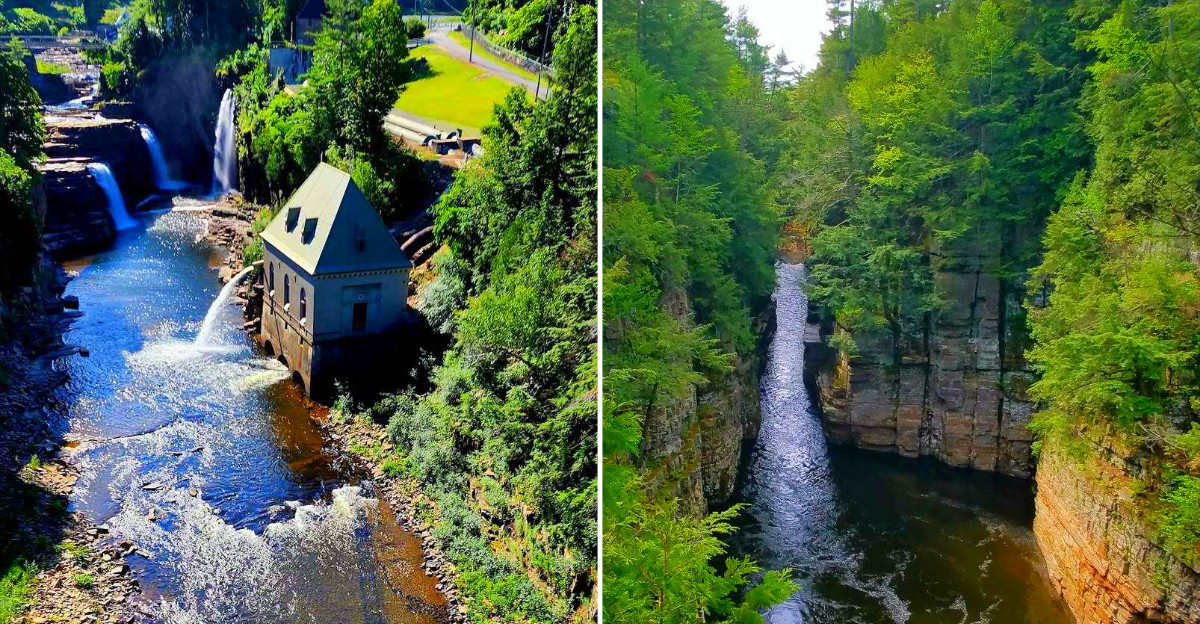
Forty-five miles of road in New York curve past sandstone cliffs, small bridges, and hamlets where the water does most of the talking.
It looks less like something an engineer laid out than something a river decided on first, with pavement following along afterward.
A two-mile gorge sits roughly in the middle of the route. People have been coming to look at it since 1870, which makes it one of the oldest natural attractions in the country and means this road was serving curiosity long before it served commuters.
Pack decent shoes and leave the schedule loose. A drive like this one does not reward anyone trying to make good time, and the point is arriving later than you planned with a better reason than traffic.
A Sandstone Corridor Carved By Patient Water
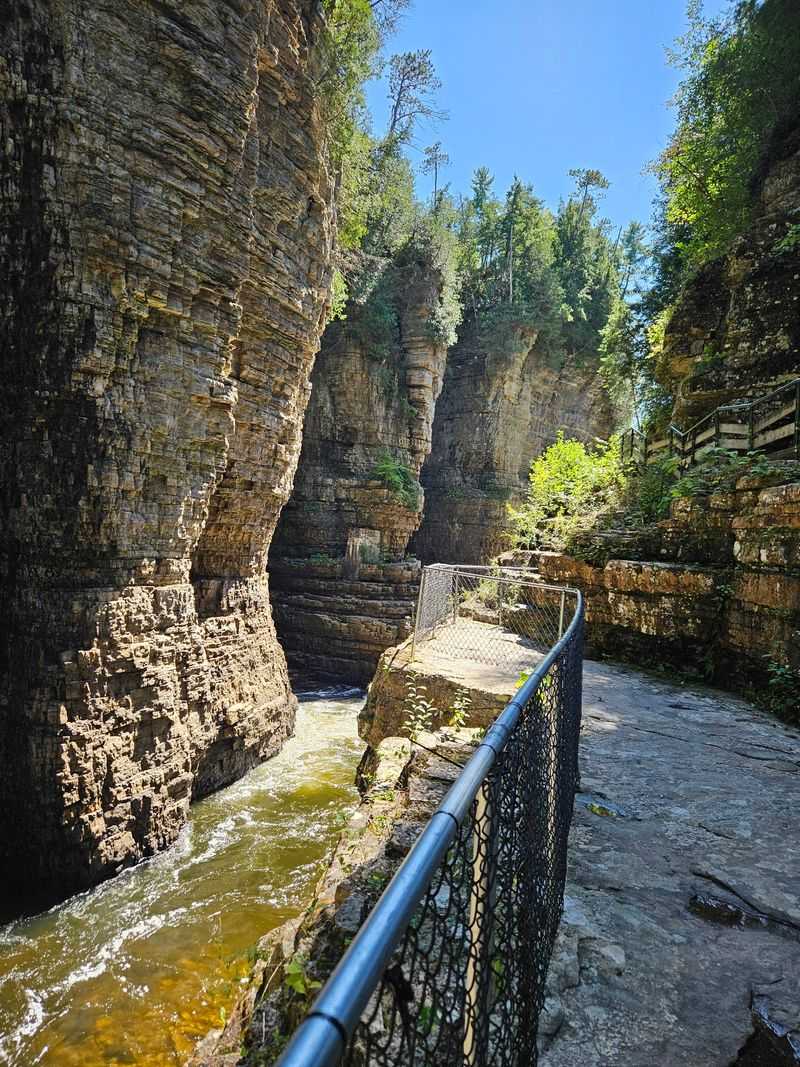
Water wins every argument it has with stone, given enough centuries. That is the short version of how a 150 foot deep gorge came to sit beside a quiet highway in northern New York, its walls stacked in ribbons of Potsdam sandstone laid down roughly 500 million years ago.
Roughly two miles long, the gorge runs like a hidden hallway through solid rock. The river below churns through narrow bends, drops over ledges, and pools into stretches calm enough to float.
What surprises most first timers is the sound. Cliffs bounce the noise of moving water back and forth until the whole corridor hums.
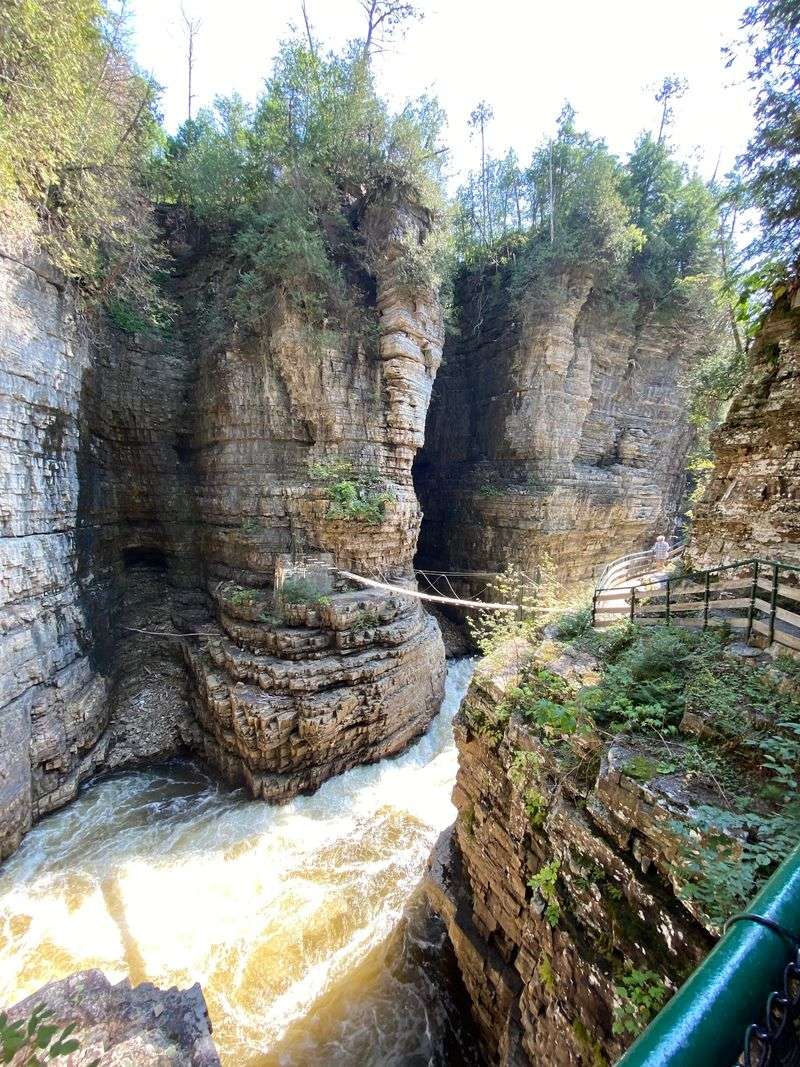
Named formations line the route, including Elephant’s Head, Column Rock, Hyde’s Cave, Mystic Gorge, and a shadowy hollow known as the Devil’s Oven. Each one earned its title from travelers who arrived generations ago with far less comfortable footwear.
Over five miles of self guided walking trails wrap the rim and drop into the gorge itself. Rainbow Falls, a 91 foot curtain of water, anchors the upper end, though access there closed for construction work running through July 2026.
The rest remains wide open and thoroughly worth the detour.
Ausable Chasm And The Address Worth Writing Down
Set your navigation for 2144 US-9, Ausable Chasm, NY 12911, and the drive practically plans itself. The property sits near the hamlet of Keeseville, just west of Port Kent, where Lake Champlain glitters a few minutes east.
Ausable Chasm opened to the public in 1870, and formal tourism took shape in 1873 when the Ausable Company was established. The Ausable Chasm Company has owned and managed both sides of the gorge since that decade, which makes it a rare case of continuity in the attraction world.
Long before ticket booths, the land was granted to Matthew Adgate in 1792 and became the site of an industrial town powered by the river. Sawmills and ironworks came first. Sightseers came later, after the Civil War.
Flooding in 1996 and again in 2011 tested the place hard. Bridges and walkways were rebuilt both times, and operations resumed without the property ever going dark.
Today the entrance area includes a visitor center with a gift shop, a cafe, and a compact museum tracing that long history. Buy tickets on site or online, then follow the color coded signs downhill.
Rainbow Falls Puts On The Loudest Welcome
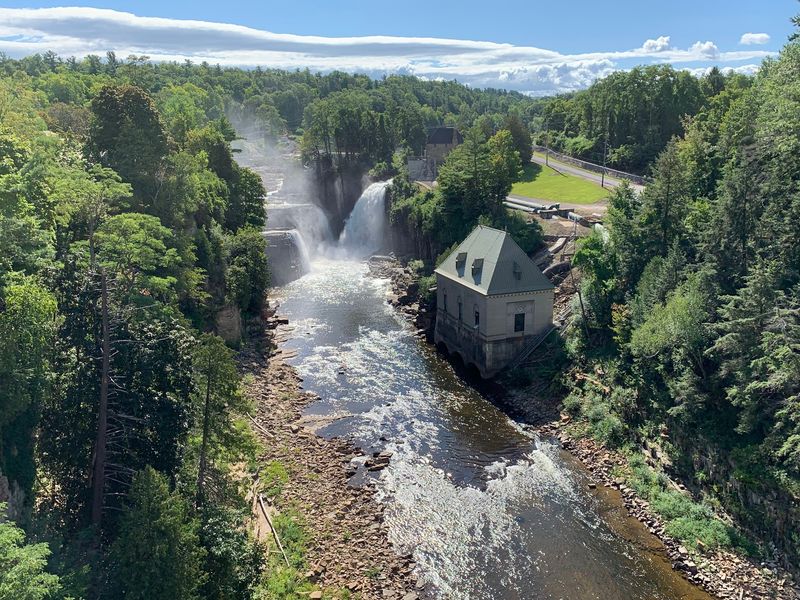
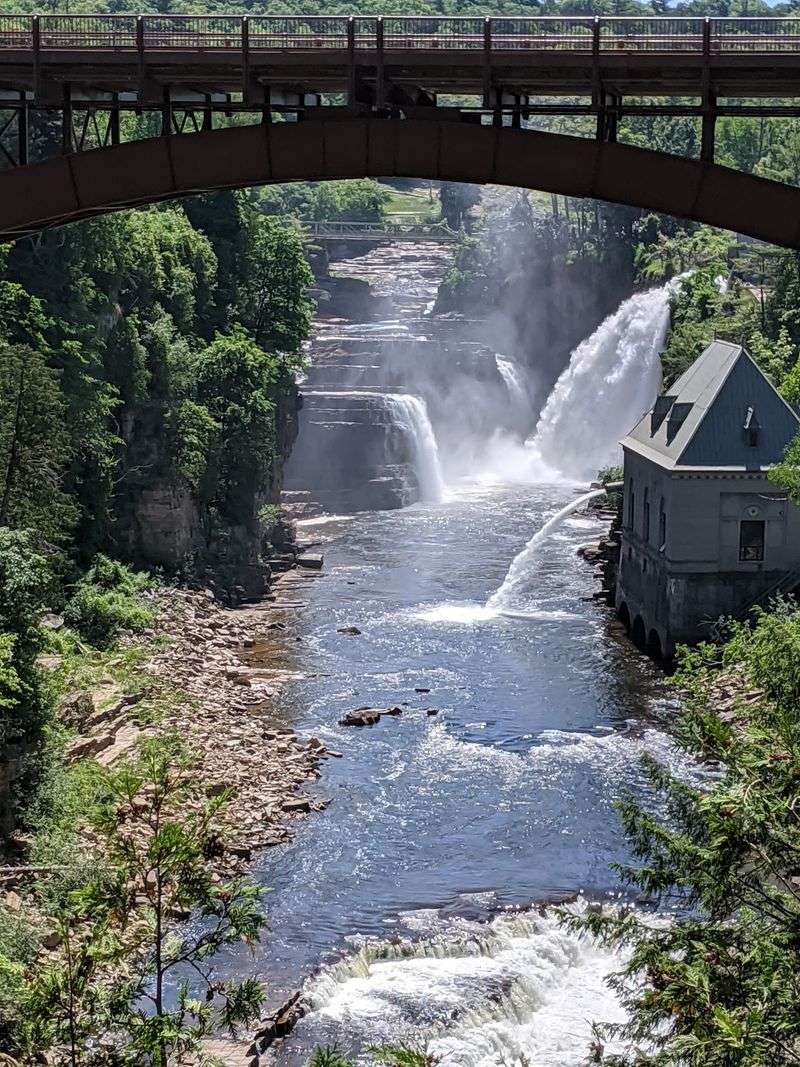
Ninety one feet of falling water makes an impression before you ever see it. Rainbow Falls announces itself with a low rumble that carries up through the trees near the highway bridge, and the mist drifting off the plunge pool cools the air noticeably on hot afternoons.
The falls mark the top of the gorge, where the Ausable River makes its dramatic entrance and begins the long grind through sandstone. Sunlight hitting the spray is how the name came about, and mid morning tends to be the best window for catching that effect.
Worth knowing before you go: direct access to the falls area has been closed for construction work scheduled through July 2026. Views from the bridge above remain a favorite among visitors, and plenty of people rank that first glimpse as the highlight of the whole stop.
Bring a lens cloth if you carry a camera, because spray finds everything.
Spring runoff turns the falls into a genuine spectacle, thick and thundering. By late summer the flow slims down, revealing more of the rock face underneath. Both versions have their own quiet appeal.
Trails That Hug The Rim And Drop To The River
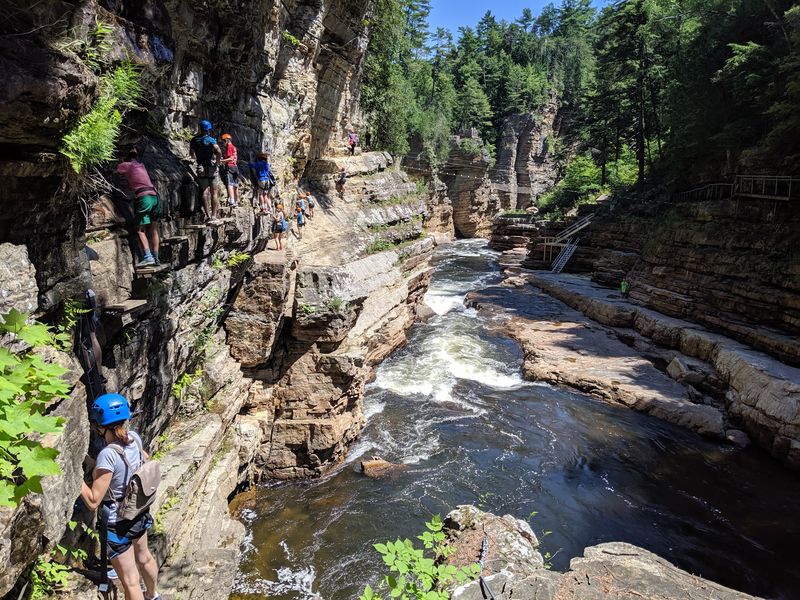
Five miles of walking trails give you more options than most day trips allow. The Rim Walk covers about two miles along the top edge, handing over wide views into the gorge without asking much of your legs.
Down inside, the Inner Sanctum Trail runs one to two miles through the narrowest, most theatrical section of rock. Metal stairways, wooden platforms, and railings bolted straight into sandstone carry you along ledges where the walls close in overhead.
The Dry Chasm Trail adds another mile and a half through a former river channel the water abandoned long ago. Quieter, shadier, and often nearly empty.
Footwear matters here more than anywhere else on the drive. Surfaces shift between mulch, bare rock, wooden steps, and metal grating, so closed toe shoes with real tread are the move. Sandals and slick soles will make you regret your choices.
A shuttle runs from the lower end back toward the main gate, which spares you the uphill return if your knees have opinions.
Plan two to three hours for the trails alone. Most people underestimate how much they will stop to stare.
Floating Through The Gorge On A Guided Raft
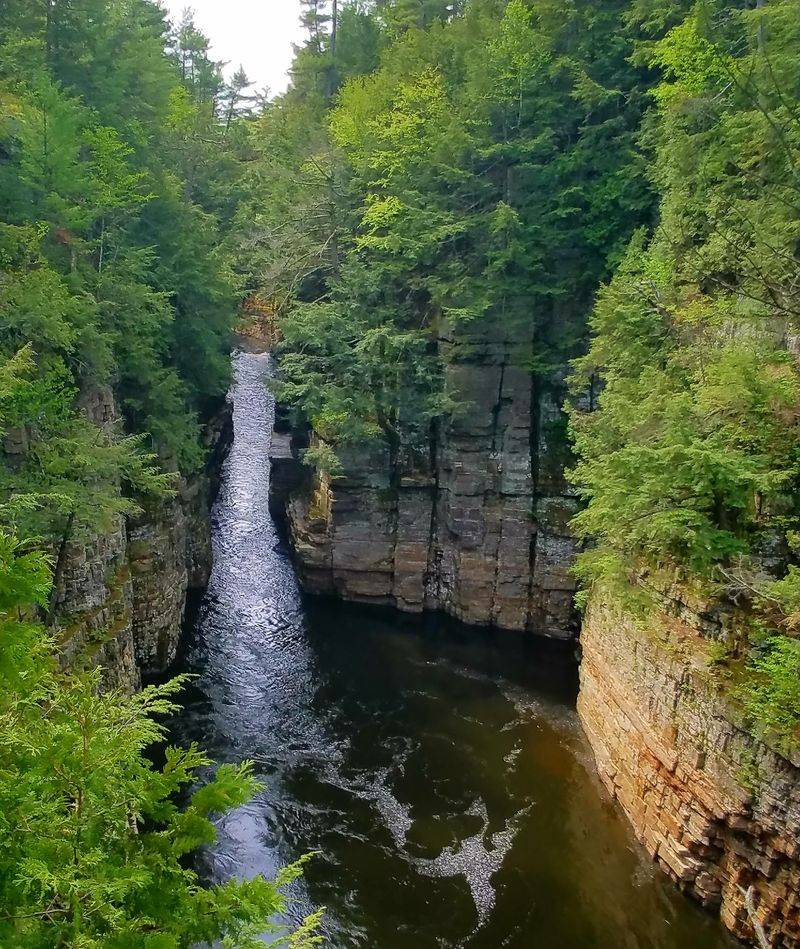
Rafting here is less about adrenaline and more about perspective. Guided float tours drop you onto the calmer lower stretch of the Ausable River, where the cliffs rise straight up on both sides and suddenly feel twice as tall.
The ride runs about twenty minutes and covers gentle rapids that keep younger passengers grinning without alarming anyone. Guides steer, narrate, and share bits of gorge history along the way, which turns the float into a rolling geology lesson.
Water levels dictate everything. Spring and early summer bring livelier current, while late season floats can be slower and shallower depending on rainfall.
Rafting season generally begins in mid May and runs through fall. Float tours typically operate Thursday through Monday during summer and autumn, staying closed Tuesdays and Wednesdays, so check before building your day around it.
Helmets and life jackets come standard. Expect to get damp rather than drenched, though sitting near the front raises those odds considerably.
Package tickets bundle the float with trail access and a guided river walk, which usually works out better than buying pieces separately. Ask at the booth about current combinations.
Driving Route 9 Through Keeseville
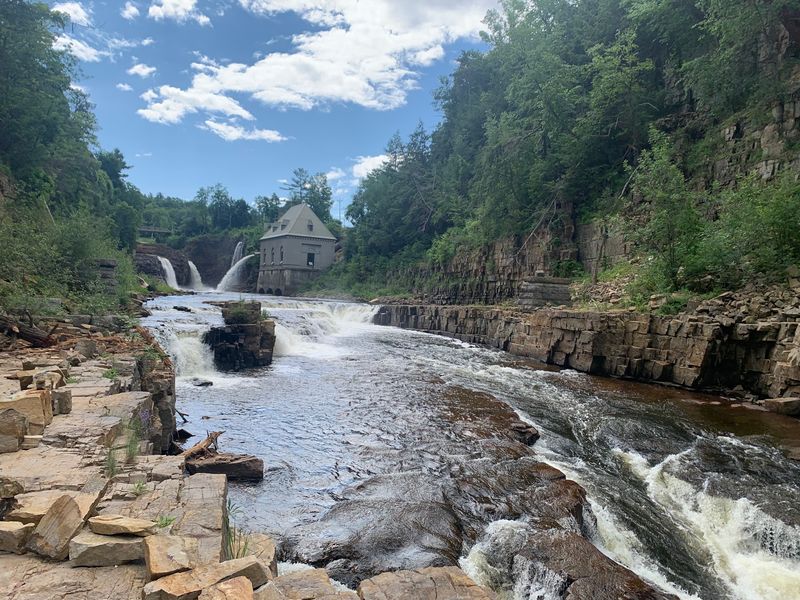
Forty five miles of Route 9 through this corner of the state deliver exactly what the map promises. The road threads between Lake Champlain to the east and Adirondack foothills to the west, passing stone bridges, old mill buildings, and villages that still run at a walking pace.
Keeseville sits closest to the gorge, a river town built on nineteenth century ironworking with architecture that reflects it. Port Kent, a few minutes east, connects to the Lake Champlain ferry and offers water views worth pulling over for.
Drive the route slowly. Speed limits drop sharply through hamlets, and half the appeal lives in details you miss at highway pace.
Autumn transforms the whole corridor. Maples along the roadside turn amber and rust, and mid October traffic thickens accordingly.
Gas stations are spaced out, so top off before heading into longer stretches. Cell service comes and goes among the hills.
Small diners and farm stands appear without warning along the way. Stopping at one is rarely a mistake, especially early in the day before crowds arrive at the gorge itself.
Timing Your Visit Like Somebody Who Knows
Nine in the morning is the smartest hour to arrive. Gates open then, lines stay short, and the light angling into the gorge is at its most flattering.
Hours shift with the calendar. The attraction generally runs daily from 9:00 AM to 4:00 PM, with summer hours often stretching to 5:00 PM.
Walking trails stay open seven days a week, but the water and adventure activities keep a narrower schedule. Raft floats, the adventure trail, and the guided river walk typically operate Thursday through Monday in summer and fall.
Winter visits are possible and genuinely striking, with ice formations coating the cliffs. Reservations are advised for any trip between November and April.
Late spring brings the strongest water flow and the fewest people. Mid May sometimes catches the cafe and shop still preparing for the season, which trades convenience for solitude.
Allow two to three hours minimum. Add another two if you book any guided activity.
Check the official website the morning of your visit. Water levels and construction updates change what is running, and a two minute look saves rearranging your whole afternoon.
Camping, Biking, And Staying Past Sunset
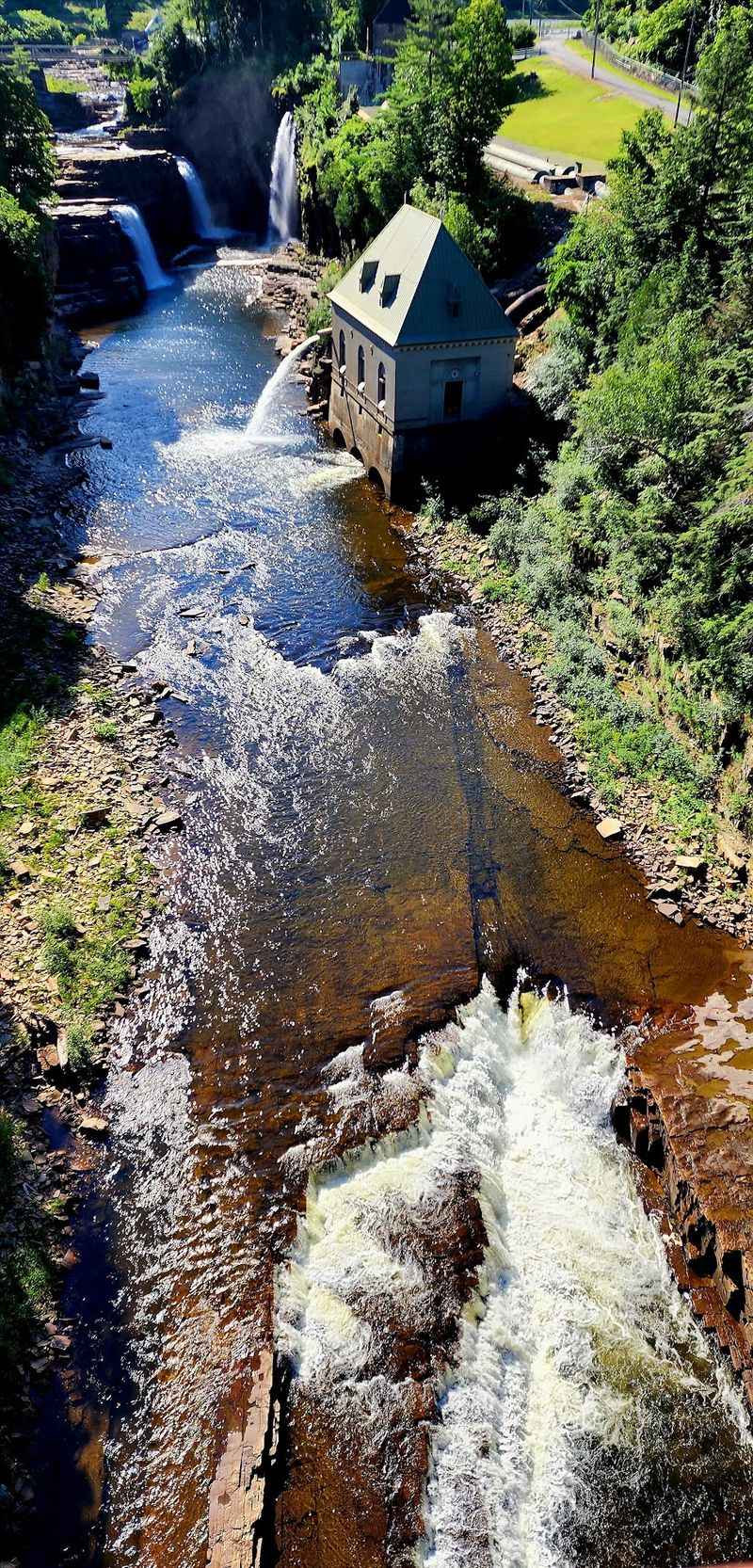
Turning a day trip into a weekend takes almost no effort here. An on site campground provides tent and RV sites within walking distance of the gorge entrance, which means you can be on the trails before the parking lot fills.
Mountain bikers get the real bonus. Over 25 miles of trails spread out from the campground, ranging from mellow forest roads to sections that will test your handling.
Evenings settle down quickly once the day visitors clear out. The river keeps murmuring, the sky over the Adirondacks goes properly dark, and stars show up in numbers city dwellers rarely see.
Reserve sites early for July, August, and the October foliage weeks. Those dates go fast.
Keeseville and Plattsburgh offer hotels and motels for anyone who prefers a mattress and a shower with a door. Plattsburgh sits about twenty minutes north with the widest selection.
Pack layers regardless of season. Nights near the water run cooler than the daytime forecast suggests, and a fleece you did not need beats shivering through a campfire.
Firewood is available locally rather than carried in.
Snacks, Souvenirs, And A Museum Of Its Own Story
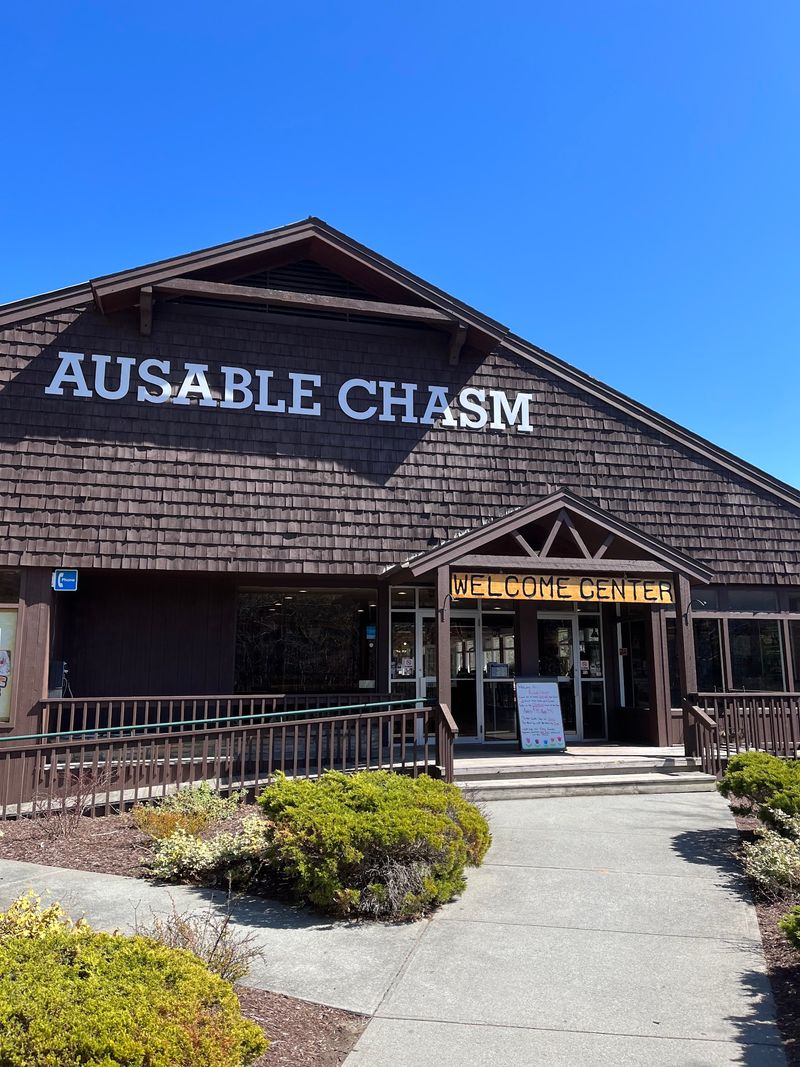
Every good outing needs a base camp, and the visitor center handles that role well. A gift shop, a cafe, and a small museum share the building near the entrance, giving you somewhere to regroup before or after the trails.
The museum section covers the gorge’s long history, including the industrial era that came before tourism and the flood recoveries that followed. It takes maybe fifteen minutes and adds real context to what you just walked through.
The cafe keeps things simple with snacks and quick meals. Hours track the season, and early spring visits may find it still closed for the year, so packing a lunch is reasonable insurance.
Restrooms are available at the visitor center and at points along the trails.
Souvenir shopping runs toward the practical, with shirts, hats, and sandstone themed keepsakes. A cheap poncho from the shelf has rescued more than a few unprepared visitors during afternoon rain.
Water bottles deserve a mention. Fill up before descending, because the trails offer scenery in abundance and drinking fountains in short supply.