
The Abandoned West Virginia Hospital That’s Too Creepy To Visit Alone
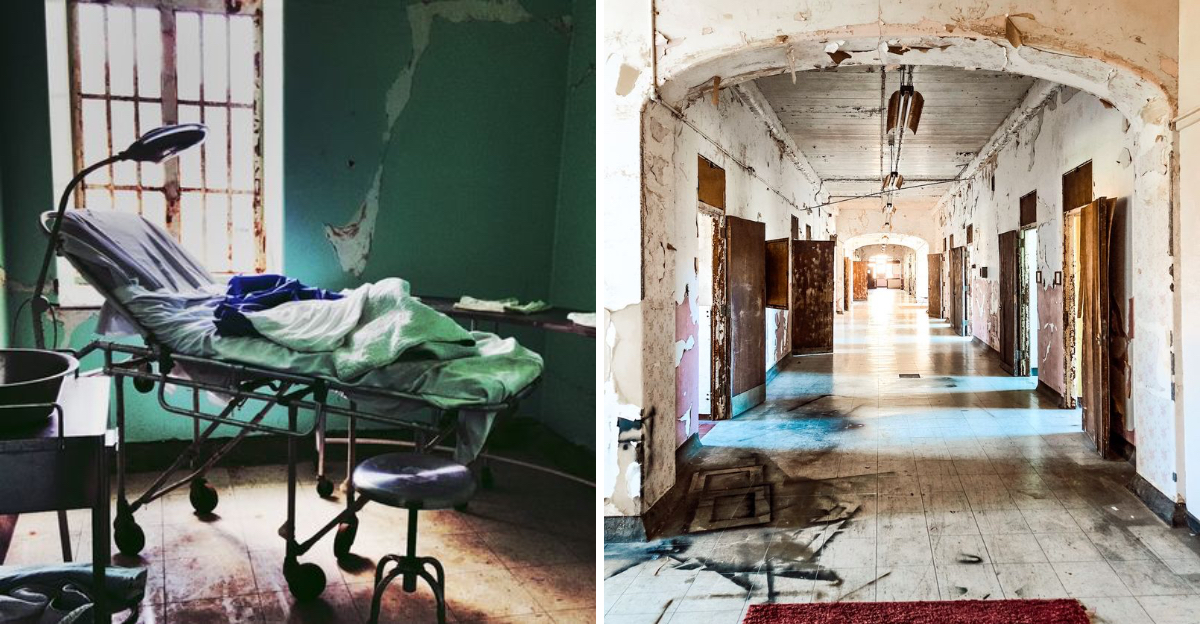
Could you make it through every hallway without looking over your shoulder? This West Virginia hospital dares you to try, and that challenge is half the reason people show up.
Four stories of hand-cut sandstone loom overhead, stretching nearly a quarter mile end to end. Doors swing shut on their own.
Silence stretches until it feels heavier than sound.
Guides lead you through wards built for hundreds that once crammed in thousands. Every room seems to hold a dare of its own.
Bring a friend, or don’t, if you’re brave enough.
West Virginia has stranger corners than most people realize, but few test your nerve quite like this one. See how far your curiosity carries you before the flashlight starts to feel too dim.
Stone That Stretches Almost A Quarter Mile
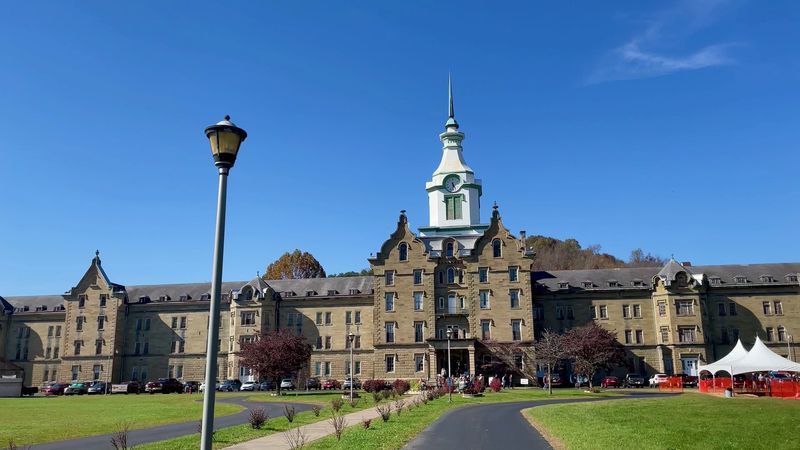
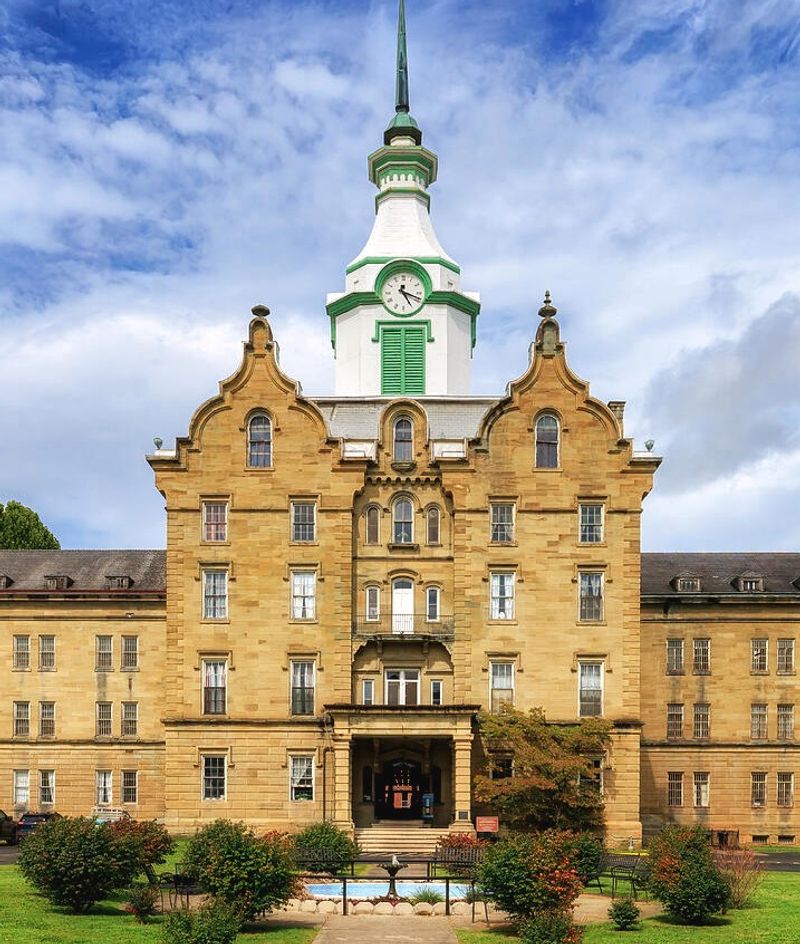
Big does not begin to cover it. The main building at the Trans-Allegheny Lunatic Asylum runs nearly a quarter-mile from end to end.
Stonemasons from Germany and Ireland cut the sandstone by hand. That kind of craftsmanship shows up in every window ledge and archway.
The design came from a Baltimore architect who leaned into Gothic Revival and Tudor Revival details. Pointed arches, a central clock tower, and staggered wings all pull the eye upward.
Reports often call it one of the largest hand-cut stone masonry buildings in North America. Some accounts claim it ranks second worldwide, though that comparison is more legend than confirmed fact.
Standing in front of the facade, most visitors reach for a camera before they reach for a ticket. The scale simply does not fit in one frame.
Inside, long wooden hallways run so far that the far end blurs. Sunlight pours through tall windows, which was exactly the point.
Restoration continues slowly, room by room. Anyone curious can find the landmark at 50 S River Ave, Weston, WV 26452, right off Interstate 79.
A Construction Story Interrupted By War
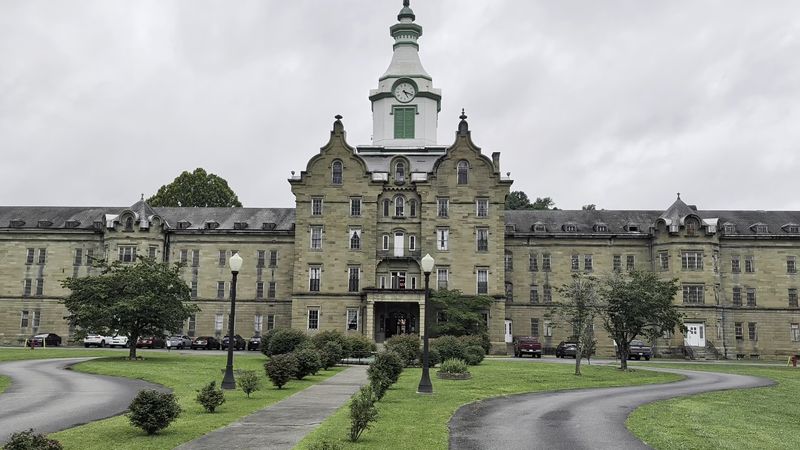
Bad timing shaped this place from day one. Work began in 1858, with prison laborers handling early stages of the build.
Then the Civil War arrived and everything stalled. The unfinished grounds became a military camp for Union troops.
Control of the property shifted more than once during the conflict. Accounts describe raids that carried off supplies meant for the very first patients.
Despite the chaos, doors opened to patients in 1864. West Virginia had become a state just one year earlier, and the hospital turned into a major civic project for the young state.
Construction crawled onward for years afterward. The final pieces were not finished until 1881, more than two decades after the first stone was set.
Guides at the Trans-Allegheny Lunatic Asylum weave this timeline into nearly every tour. Knowing it changes how the walls look.
What seems like a single grand building is really decades of stops, starts, and shifting budgets. Each wing carries the fingerprints of a different era.
History buffs tend to linger longest right here.
The Kirkbride Blueprint Explained
Could a building help people heal? A nineteenth-century physician named Kirkbride thought so, and his ideas shaped this floor plan completely.
His approach called for spacious rooms, wide common areas, and wings that stepped back from one another. Every section got its own share of sunlight.
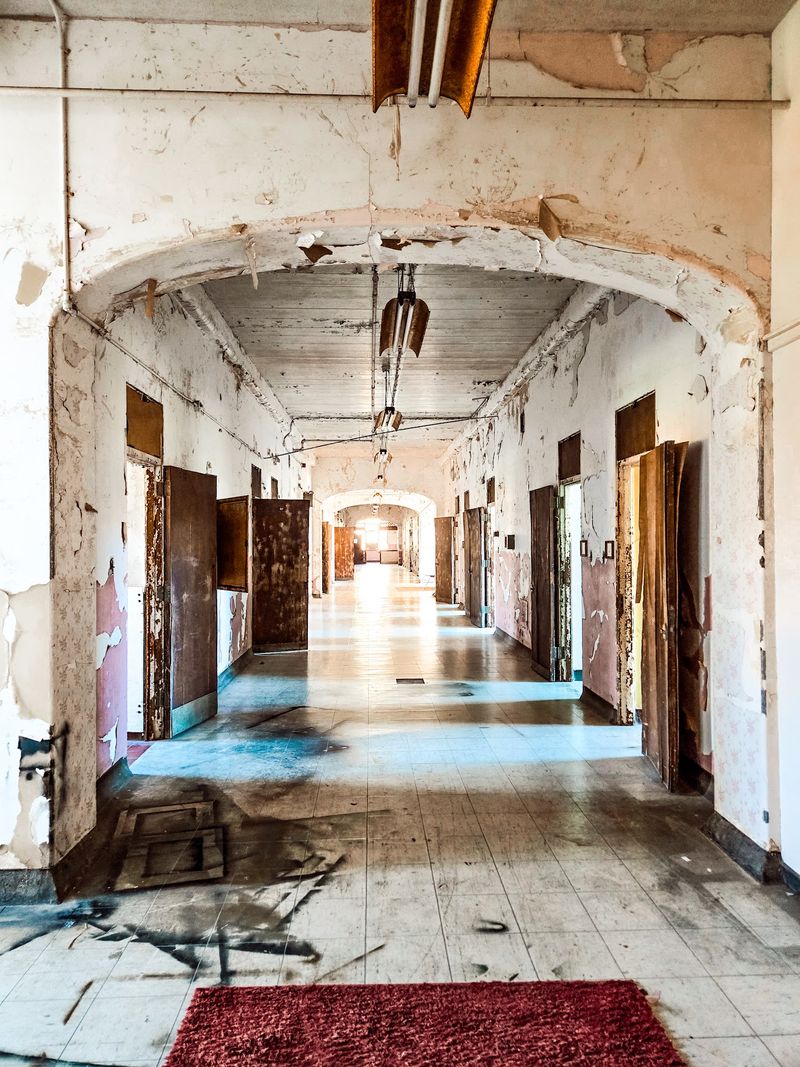
Fresh air mattered just as much. Long corridors and tall windows kept air moving through the wards.
A rural setting was part of the plan too. Weston offered quiet fields and river views instead of city noise.
The Trans-Allegheny Lunatic Asylum survives as one of the better-preserved examples of that philosophy. Tours point out how the staggered wings catch light at different hours.
Standing in a fourth-floor hallway, the difference is easy to feel. Warm light, high ceilings, and long sightlines were all deliberate choices.
Whether the plan actually worked is a fair question, and guides tend to present both sides.
Still, the architecture reveals genuine optimism. Someone once believed stone and sunlight could do real good.
Built For Hundreds, Filled With Thousands
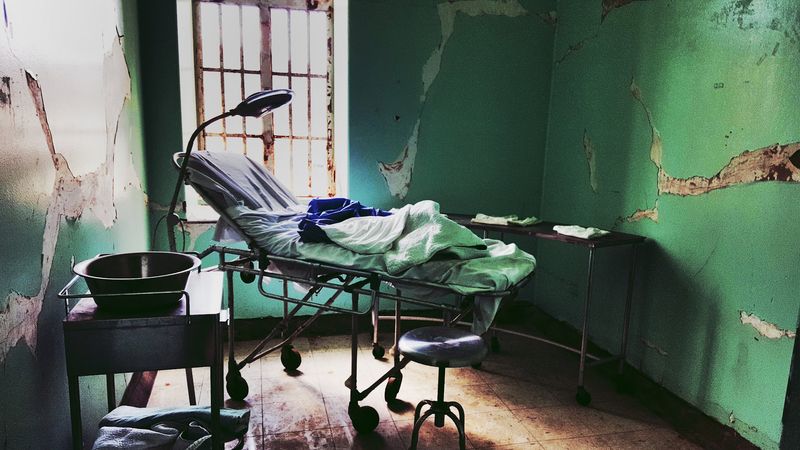
Original plans called for roughly 250 patients. By the 1950s, the population had climbed past 2,400.
Math like that changes a building. Rooms designed for one person held several, and hallways doubled as living space.
Records from earlier decades list admission reasons that sound startling now. Terms like laziness, egotism, and domestic troubles appear in old ledgers.
Overcrowding wore down plumbing, heating, and staffing alike. Reports described poor sanitation and thin resources in certain wards.
Tour guides at the Trans-Allegheny Lunatic Asylum handle this chapter carefully. They present it as documented history, not spectacle.
The contrast lands hard. A structure built around light and air ended up straining under sheer numbers.
Visitors often say this section of the tour sticks with them longest. It is less about scares and more about understanding.
Wards on the upper floors still show the layers, with room dividers and added fixtures from busier years.
West Virginia visitors with an interest in medical history find plenty to think about on these floors.
Why Nobody Wants To Wander Off Alone
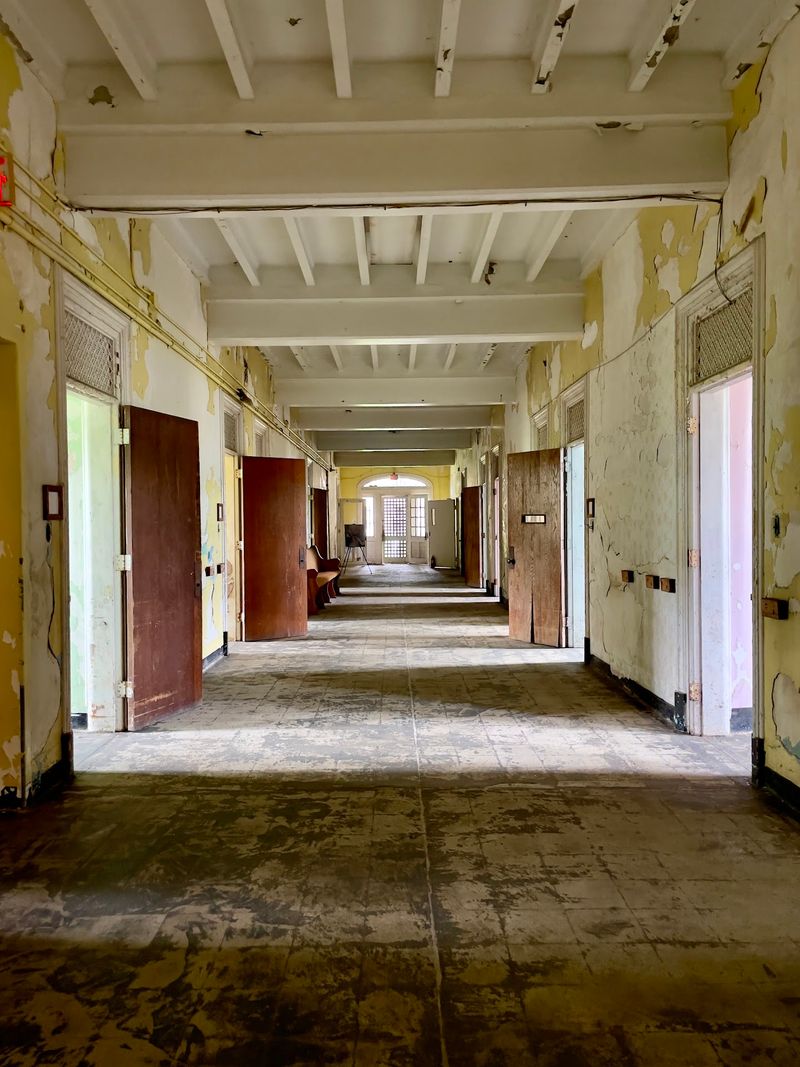
Footsteps with nobody attached. Doors that swing shut in still air.
Stories like these fuel the building’s reputation.
Visitors and staff have reported disembodied voices echoing down empty wings. Shadowy shapes get glimpsed at the edge of vision.
Paranormal groups have investigated the Trans-Allegheny Lunatic Asylum for years. Television crews have filmed here as well.
Guides share collected recordings and photos, then let each guest decide what to make of them. Skeptics and believers both get a fair shake.
Not everyone leaves with goosebumps. Some visitors report a completely quiet night and a great history lesson instead.
The atmosphere does most of the heavy lifting. Sound carries strangely through quarter-mile hallways, and empty rooms amplify every creak.
Video and audio recording rules apply on certain tours, so asking staff first saves confusion.
Bringing a friend is smart regardless of belief. Four floors of dim corridors feel a lot friendlier with company nearby.
Nervous first-timers usually pick a daytime tour, and that works perfectly well.
Museum Rooms On The Ground Floor
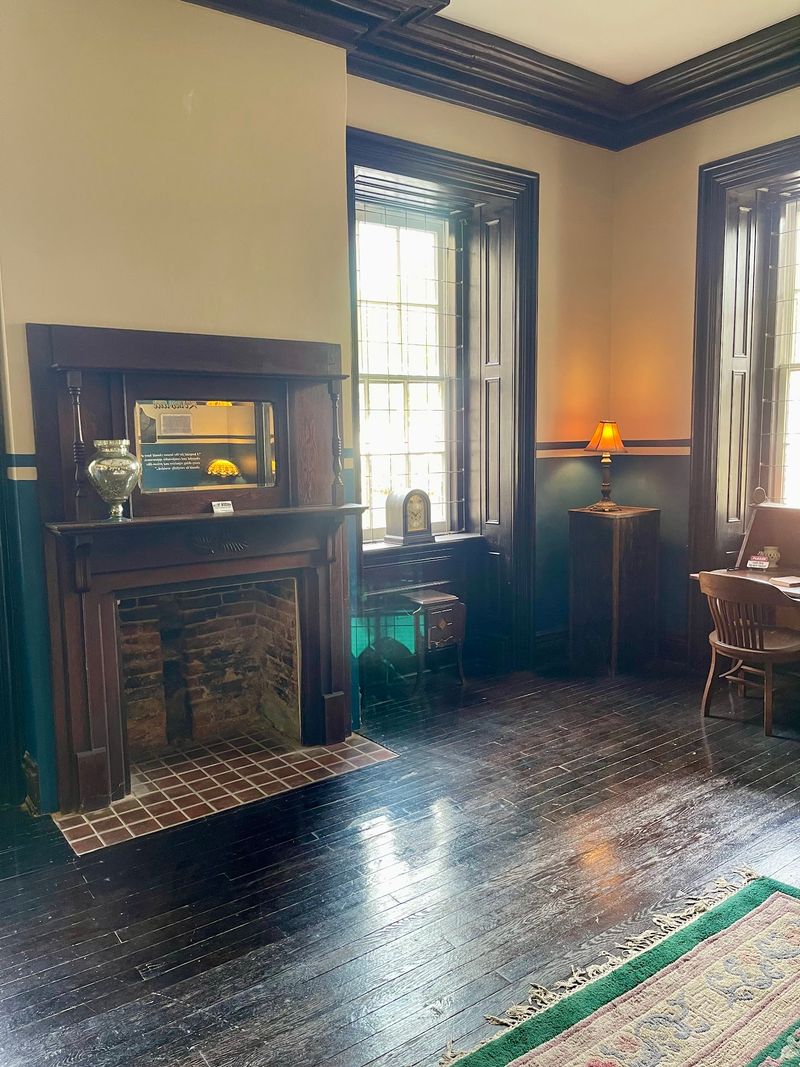
Short on time? The ground-floor museum delivers a lot without a long walk.
Glass cases hold medical instruments, documents, and everyday objects from the hospital’s working years. Labels explain what each item did.
Artwork made by former patients during therapy programs hangs on several walls. Those pieces often draw the longest pauses.
Photographs line the rooms, showing staff, wards, and the grounds across different decades. Faces from old group portraits stare right back.
Access to the museum works well for families with younger kids. It offers history without the darker corners of a full tour.
Guides sometimes appear in period-style uniforms, which adds a nice touch to the ground floor. Several visitors mention the nurses’ outfits fondly.
A gift shop sits nearby for postcards, shirts, and cold drinks.
The museum also works as a warm-up. Reading about treatments first makes the upper wards of the Trans-Allegheny Lunatic Asylum click into focus.
Plan on a slow stroll rather than a quick pass through.
Guided Tours Across Four Floors
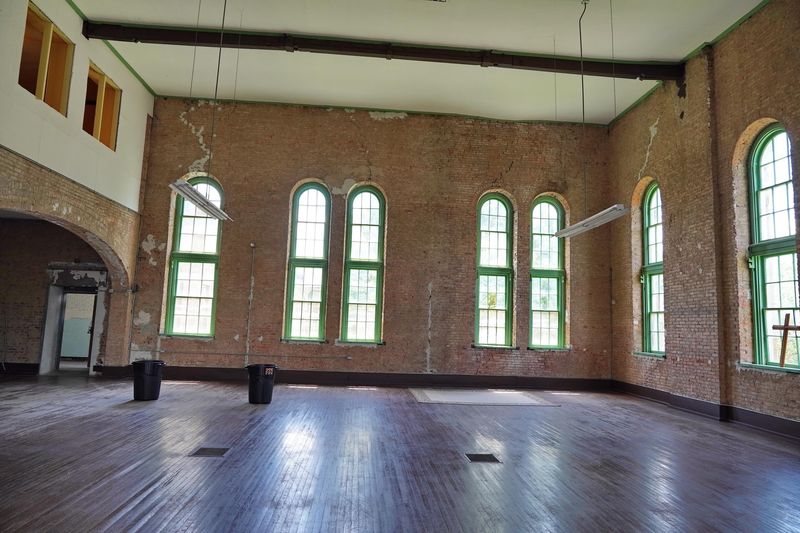
Ninety minutes goes fast in a building this size. The four-floor historical tour covers the main structure plus outdoor space behind it.
Guides explain what each ward handled and how routines worked. Architecture, medicine, and local history all get airtime.
Shorter first-floor options exist for anyone with limited time or mobility concerns. Longer specialty tours dig into specific wings.
Groups tend to stay small enough for real conversation. Questions get answered, sometimes long after the tour officially ends.
Comfortable shoes matter more than most visitors expect. Floors are uneven, stairs are old, and distances add up quickly.
Summer heat inside the Trans-Allegheny Lunatic Asylum can be significant, since the building has no full air conditioning. Water and light clothing help a lot.
Filling out any required waiver online ahead of time saves standing in line.
Guides here clearly enjoy the material, and that enthusiasm carries the whole experience. Repeat visitors often return for a tour they missed.
Checking the current schedule before driving out is always wise.
Outer Buildings Hiding More Stories
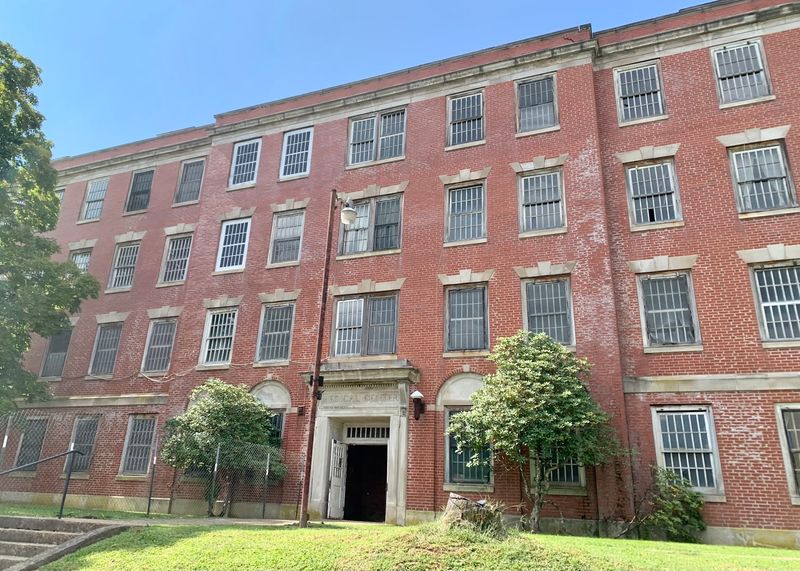
The main Kirkbride building steals attention, but the grounds hold plenty more. Several auxiliary structures once kept the whole operation running.
A medical center, a geriatrics building, and a forensics building all stand on the property. Each served a different group of patients.
The forensics building, once used for the criminally insane, feels closer to a prison than a hospital. Heavy doors and barred openings tell that story instantly.
Separate tours cover this building, and many visitors rank it among their favorites. Its layout is tight, plain, and unsettling.
A dilapidated tuberculosis hospital sits nearby as well, visible from the lawn. It shows what happens when stonework goes unrestored.
The institution once ran its own farm and dairy operations. Self-sufficiency was part of the original plan.
Walking the grounds reveals just how large this West Virginia campus really was. It functioned almost like a small town.
Anyone planning a return trip to the Trans-Allegheny Lunatic Asylum should aim for these outer buildings.
After Dark The Rules Change
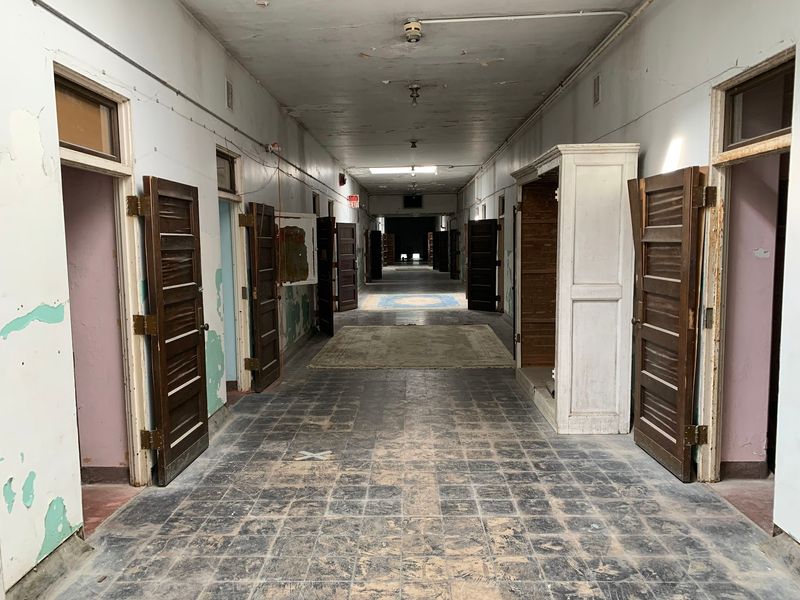
Darkness does something to a quarter-mile hallway. Nighttime tours at the Trans-Allegheny Lunatic Asylum lean into that fully.
Flashlight tours and longer ghost hunts run after regular hours. Participants often carry EMF meters, digital recorders, or phone apps.
Guides lead small groups through unlit wings, sharing accounts collected over the years. Time gets allotted for quiet exploration in certain areas.
Overnight investigations extend the experience considerably. Those events suit dedicated enthusiasts more than casual sightseers.
Expectations deserve a reality check. Some nights deliver goosebumps, others deliver a fascinating history lesson and nothing more.
The building itself does most of the atmospheric work. Beams of light bounce off peeling paint while sound travels farther than it should.
Layers are recommended, since old stone holds cold in cooler months and traps heat in summer.
Sturdy footwear is essential in low light. Uneven floors do not care how brave anyone feels.
Booking early makes sense, because night events fill up fast around October in West Virginia.
Making A Day Of It In Weston
Weston does not just tolerate its famous landmark, it embraces it. The town sits in north-central West Virginia, easy to reach from Interstate 79.
A historic downtown district waits a short drive away. Brick storefronts and small shops make a pleasant contrast to the asylum’s scale.
Combining a morning tour with an afternoon downtown stroll fills a day nicely. Nearby state parks and lakes round out longer trips.
Weather matters when planning. Spring and fall bring milder temperatures inside the unconditioned building.
Arriving fifteen or twenty minutes before a scheduled tour helps with check-in. Staff at the ticket counter are known for being welcoming and patient.
Different tours cover different sections, so choosing based on interest works better than choosing by length. History fans and paranormal fans both find their fit.
Camera lovers should account for dim interiors and bright windows. The stonework outside photographs beautifully in late afternoon light.
Few places pack this much architecture, medical history, and local lore into one address. The Trans-Allegheny Lunatic Asylum rewards curiosity, and it rewards company even more.