
The Alabama Beach That Reveals A Mysterious Side Once The Sun Goes Down
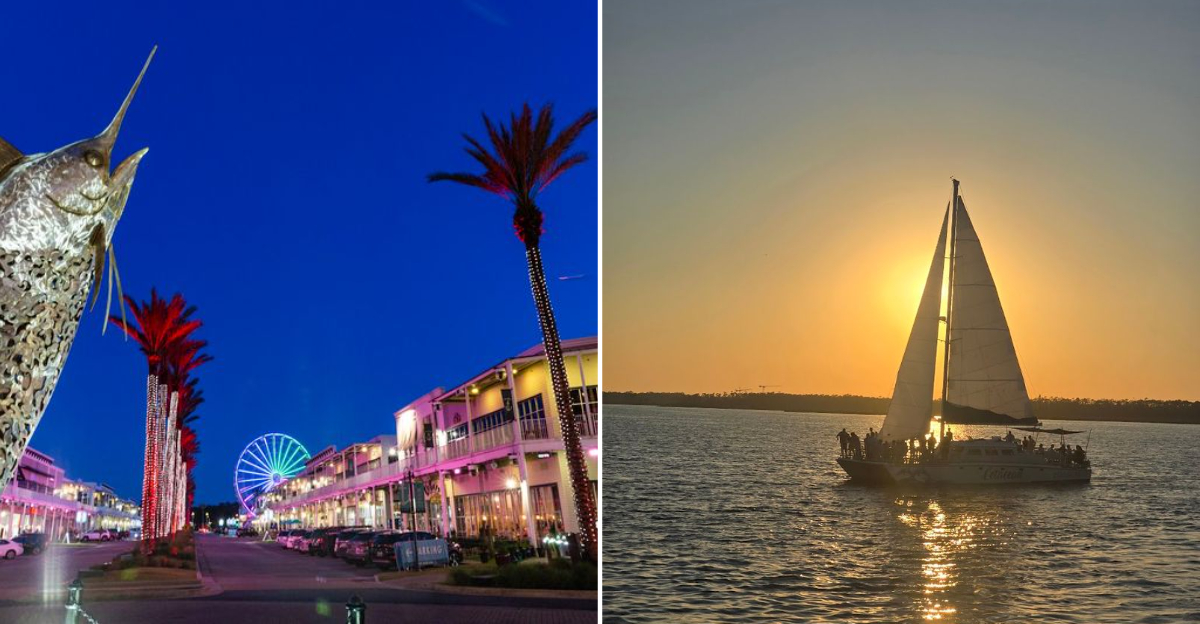
Daytime here runs exactly as expected. White sand, warm water, the familiar rhythm of a Gulf Coast afternoon that delivers everything it promises.
Then the light changes, and the beach becomes something else. Alabama’s coastline has a way of shifting register after dark, but this particular stretch does it more completely than anywhere else along the shore.
What emerges depends on the season and the tide. Bioluminescence on the right night turns the water into something that stops people mid-sentence.
Nesting activity that transforms the upper beach into a landscape operating on its own set of rules. The mysterious side of this beach isn’t a rumor or an exaggeration.
It simply requires staying past the hour when most visitors have already packed up and left.
Unique Wildlife Sightings At Night
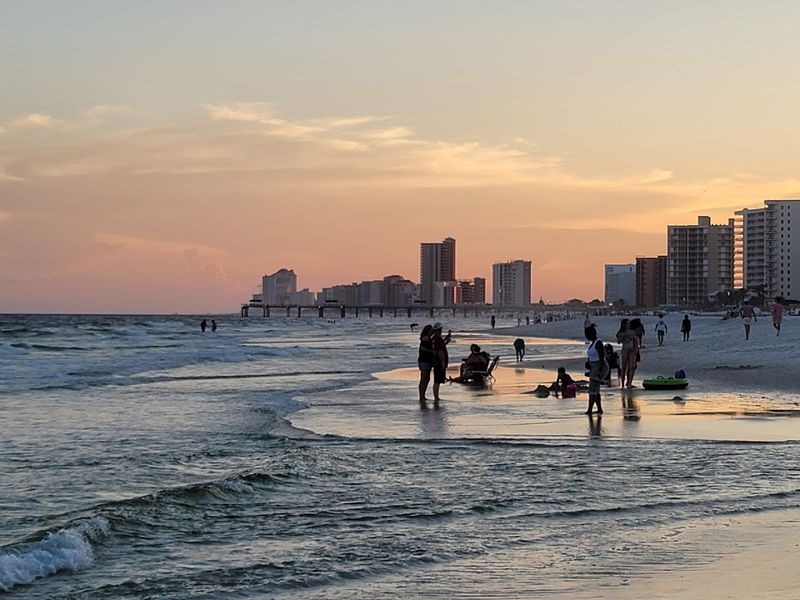
Ghost crabs run the show after sunset at Orange Beach. These small, pale creatures are nearly invisible during the day.
At night, they come out fast and fearless, scurrying across the sand like tiny sprinters.
Atlantic ghost crabs can move up to 10 mph. That is honestly impressive for something the size of your fist.
They blend into the sand so well that spotting one feels like winning a little game.
Ghost crabbing is a popular family activity here. All you need is a flashlight and a bucket.
Kids go absolutely wild trying to catch them, and adults do too, not that anyone admits it.
Here is something important, though. Sea turtles nest on these same beaches.
Bright white flashlights can disorient hatchlings heading toward the ocean. Use a red-filtered flashlight instead.
The Orange Beach Welcome Center often gives them out for free.
Beyond ghost crabs, nighttime also brings out shorebirds hunting along the tide line. Herons and night herons stalk the shallows with impressive patience.
You might also spot dolphins just offshore, their fins catching whatever light remains.
The beach feels like a completely different ecosystem after dark. It is quieter, stranger, and more alive than you might expect.
Orange Beach, Alabama, rewards those willing to stay past sunset with wildlife moments that daytime visitors simply never see.
Unusual Nighttime Beach Activities
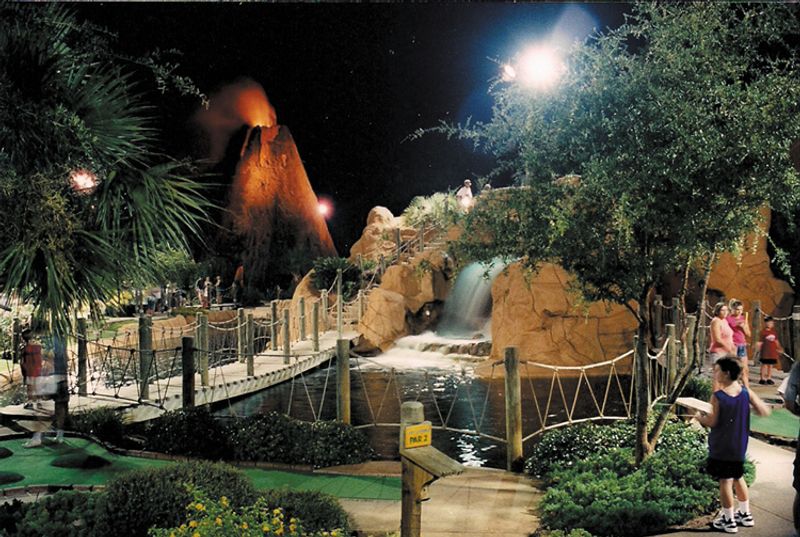
Nighttime at Orange Beach is not just about sitting around. There is actually a lot happening once the crowds thin out.
The beach takes on a whole new energy after dark.
Ghost crabbing is the most popular after-hours activity here. Families grab flashlights and buckets and head to the shoreline.
The goal is simple: spot the crab, catch it if you can, then release it. It sounds easy.
It is not.
Bioluminescence kayaking is another unforgettable option during the summer months. Paddling through glowing water at night is the kind of experience people talk about for years.
The water lights up blue-green with every stroke of the paddle.
Night fishing from the shore or piers is a serious tradition here. Anglers set up their gear after sunset and stay for hours.
The Gulf State Park Pier is a favorite spot for this, offering a peaceful and productive fishing experience.
Beach yoga under the stars has also gained popularity. A few local instructors offer guided sessions on the sand at night.
The sound of the waves makes it feel meditative in a way that indoor studios never quite match.
Sandcastle building by flashlight is a thing here, too. It sounds chaotic, and it is, but that is the fun.
Orange Beach at night offers activities that mix the playful with the peaceful in ways that surprise nearly every first-time visitor.
Coastal Lights And Natural Phenomena
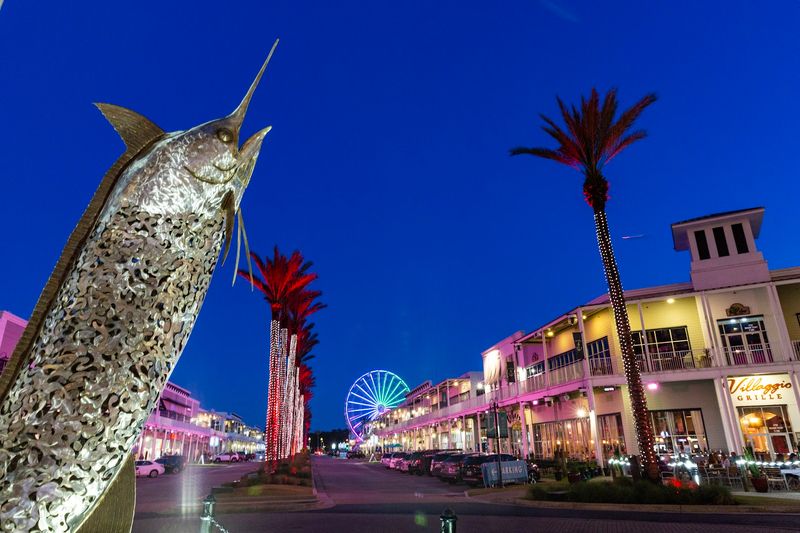
Bioluminescence is one of the most jaw-dropping things the Gulf Coast can produce. Under the right conditions, the water around Orange Beach glows blue-green in the dark.
It looks like something from a science fiction movie.
Tiny organisms called dinoflagellates cause this glow. When disturbed by movement, they emit light.
A wave crashing, a paddle cutting through water, or even a fish swimming by can trigger the effect.
The best time to witness this is from July through September. Warm water temperatures encourage higher concentrations of these organisms.
A new moon night with calm seas gives you the clearest view of the glow.
Interestingly, a daytime red tide can actually signal a bioluminescent night ahead. The same organisms that cause red tides are often responsible for the nighttime glow.
Nature is weird and wonderful like that.
Meteor smoke trails have also been spotted over Orange Beach on rare occasions. These thin streaks of particulate matter linger in the upper atmosphere after a meteor passes through.
They can shift color as the sky brightens toward dawn.
Atmospheric light refraction near the water sometimes creates unusual visual effects, too. Distant lights appear to shimmer or multiply over the Gulf on humid nights.
These small optical tricks add to the overall sense that Orange Beach after dark plays by slightly different rules than anywhere else.
Seaside History Behind The Dark Hours

Orange Beach has layers of history that feel most vivid at night. The darkness strips away the modern resort atmosphere.
What remains has roots that go back centuries along this stretch of the Gulf Coast.
Native American tribes once fished and lived along these shores long before tourists arrived. The Orange Beach Indian and Sea Museum preserves that history.
Walking the beach at night, it is easy to imagine how different and quieter this coastline once was.
Commercial fishing shaped this community deeply. Generations of families built their lives on the Gulf here.
The boats still go out, and some of the oldest fishing families in Alabama trace their origins directly to this area.
Shipwrecks rest on the seafloor just offshore. Some date back to Civil War-era vessels that met their end in these waters.
Divers explore them by day, but at night, locals share stories about lights flickering above those same underwater graves.
Mobile Bay, just across the water from Orange Beach, carries its own haunted reputation. Unexplained lights have been reported flickering over its dark surface for generations.
Theories range from atmospheric phenomena to the spirits of shipwrecked sailors. Nobody has settled the debate.
History here is not dusty or distant. It lives in the water, the names on the boats, and the stories shared by longtime residents.
Night makes those stories feel closer and more real than any museum exhibit ever could.
Night Sky Observation Opportunities
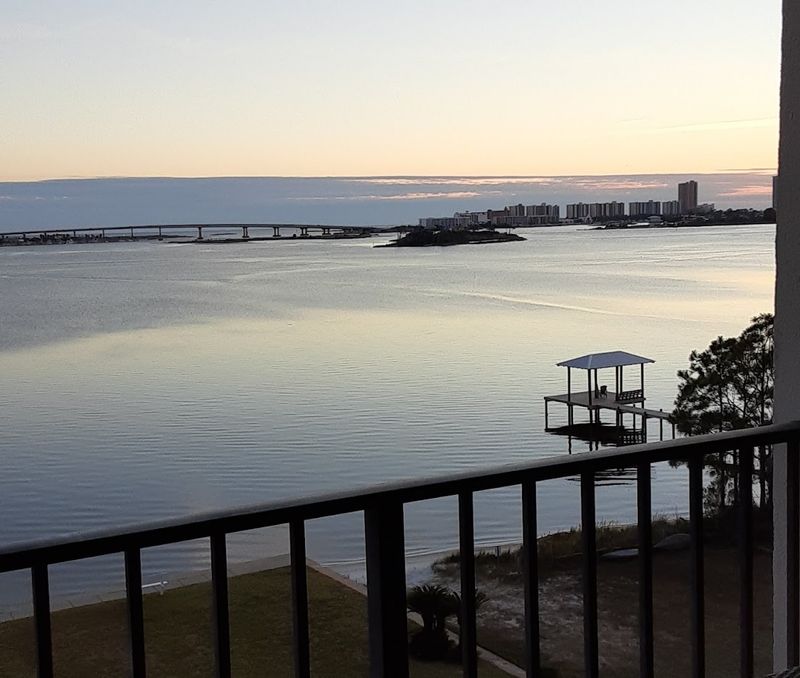
The sky over Orange Beach gets seriously impressive after dark. On clear nights, stars appear in numbers that surprise people used to city skies.
The Gulf stretches out flat in front of you, and the horizon feels enormous.
Gulf State Park Pier hosts guided stargazing programs. Rangers and volunteers help visitors identify stars, planets, and constellations.
It is a relaxed and genuinely educational experience, even for adults who think they already know the Big Dipper.
For darker skies with less light pollution, Big Lagoon State Park sits right on the Alabama-Florida state line. It is recognized for having some of the darkest skies along the entire Gulf Coast.
Serious stargazers make special trips there just for the view.
Summer nights bring meteor showers that are worth staying up for. The Perseid meteor shower in August is especially reliable.
You can watch from the beach without any equipment at all, which is pretty hard to beat.
Planets are often visible to the naked eye from Orange Beach. Venus, Jupiter, and Mars make regular appearances depending on the season.
A basic star map app on your phone turns any beach night into an impromptu astronomy lesson.
The combination of flat terrain, Gulf air, and minimal inland light pollution creates conditions that astronomy enthusiasts genuinely appreciate.
Orange Beach is not an official dark sky preserve, but the viewing quality on a clear, moonless night speaks for itself.
Transient Marine Life Behavior
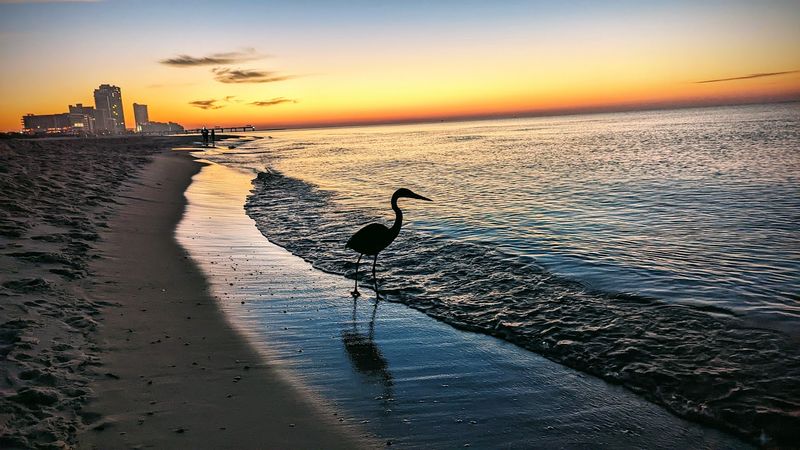
Marine life around Orange Beach does not clock out at sunset. The Gulf stays active all night long.
What changes is which creatures are running the show.
Dolphins are frequently spotted just offshore in the evening hours. They tend to feed actively near the surface during this time.
Watching their fins cut through the dark water from the beach is genuinely thrilling.
Sea turtles come ashore to nest primarily at night. Loggerhead turtles are the most common nesters along this stretch of the Alabama coast.
Nesting season runs from May through October, and nest markers appear regularly along the beach during this period.
Stingrays move into the shallower water near shore after dark. They feed along the sandy bottom and can be easily stepped on accidentally.
The stingray shuffle, dragging your feet as you walk in the water, is a real and recommended technique here.
Bioluminescent plankton disturbed by fish movement create small flashes of light just beneath the surface. It looks like the fish are trailing tiny sparks.
Watching this from shore on a calm night is one of those free and unforgettable experiences.
Horseshoe crabs occasionally come ashore during warmer months. They are ancient animals that have barely changed in millions of years.
Seeing one on the beach at night feels like bumping into a living fossil, which is essentially what it is.
Sounds And Sensations After Sunset
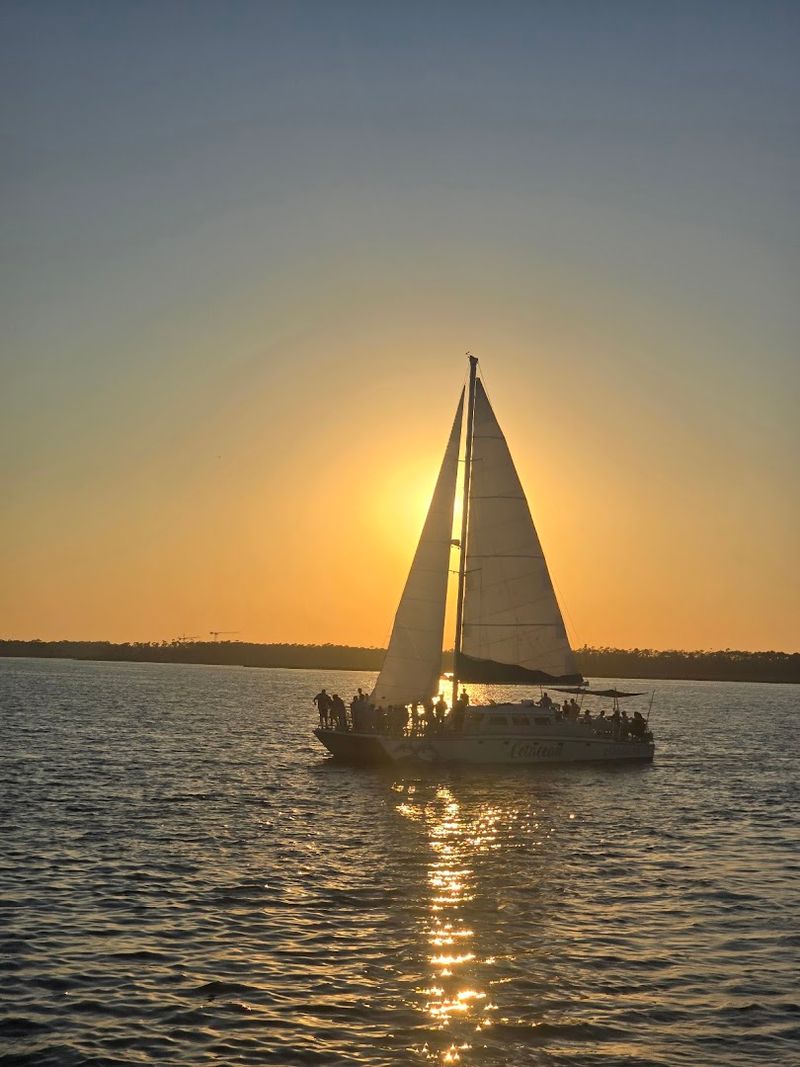
The soundscape at Orange Beach changes completely after dark. The jet skis and boat engines quiet down.
What fills the space instead is something much older and harder to describe.
Waves hit the shore with a steady rhythm that feels almost hypnotic at night. The sound carries further when the daytime noise fades.
You notice layers in it, the crash, the pull, the hiss of foam on sand.
Ghost crabs make a surprisingly audible rustling sound as they move across dry sand. Once you know what to listen for, you start hearing them everywhere.
It adds a subtle, slightly eerie texture to a quiet beach walk.
The wind off the Gulf picks up after sunset most evenings. It carries salt and a faint coolness even in summer.
That combination of warm air and cool breeze is one of the most physically pleasant parts of being on this beach at night.
Shorebirds call out in the dark, especially near the water’s edge. Their sounds are sharp and unexpected against the low rumble of the surf.
Nighttime herons and plovers are the most frequent contributors to this after-hours chorus.
Sand underfoot feels different in the dark, too. Without visual distraction, the texture becomes more noticeable.
Warm on top from the day’s sun, cooler just below the surface, each step at night on Orange Beach is a small, sensory reminder of where you are.
Safety Tips For Exploring After Dark
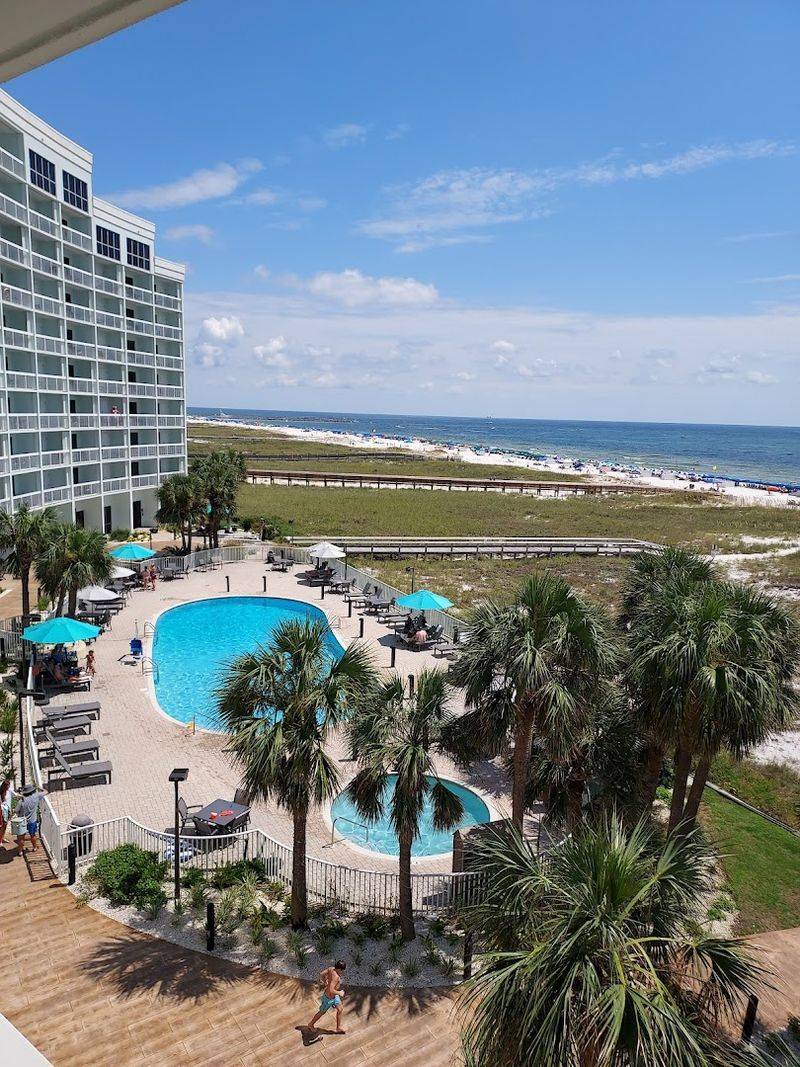
Exploring Orange Beach after dark is rewarding, but a little preparation goes a long way. The beach is beautiful at night and also genuinely dark in spots.
Knowing a few basics keeps the experience fun and safe.
Bring a flashlight, but make it a red-filtered one near the water. White light disorients nesting sea turtles and their hatchlings.
Red light lets you see without disrupting one of the coast’s most important natural events.
Wear shoes or sandals when walking near the water at night. Stingrays rest in the shallows after dark, and stepping on one is painful.
The stingray shuffle, sliding your feet along the bottom rather than stepping, is the move here.
Tell someone where you are going and when you plan to return. Beach access points look similar in the dark.
Knowing a landmark or two near your entry point helps you find your way back without confusion.
Check tide charts before heading out. Low tide exposes more beach and makes walking easier.
High tide can push water up against dunes unexpectedly, cutting off sections of beach that felt passable an hour earlier.
Stay aware of rip current warnings, which apply at night just as much as during the day. The Orange Beach surf zone can shift quickly.
When in doubt, stay out of the water and enjoy the beach from the sand. Safety does not have to be boring.