
The 10 Areas In Rhode Island Reporting The Highest Tick Populations This Summer
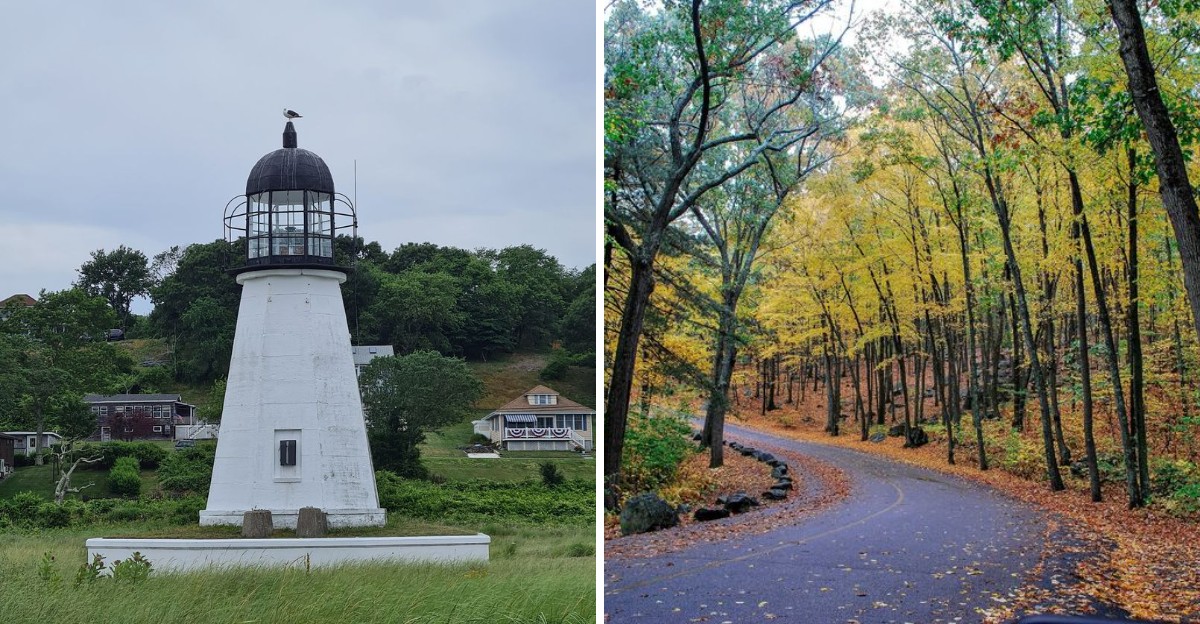
Ticks are having a big year in Rhode Island. State health data shows one corner of the coast driving cases far above the rest.
Deer ticks thrive in oak woods and thick brush, exactly the scenery that draws summer visitors here.
Lyme disease is not the only worry either. Newer species have moved in, spreading faster than most people realize.
Curious which spots rank worst this year? Ten areas made the list, from quiet islands reached only by ferry to busy trailheads packed with hikers.
Rhode Island keeps drawing crowds despite the risk, and the beaches still explain why.
Pack repellent, check skin after hikes, and treat clothing before heading out. Knowing where the risk runs highest changes how you plan the trip.
1. Washington County
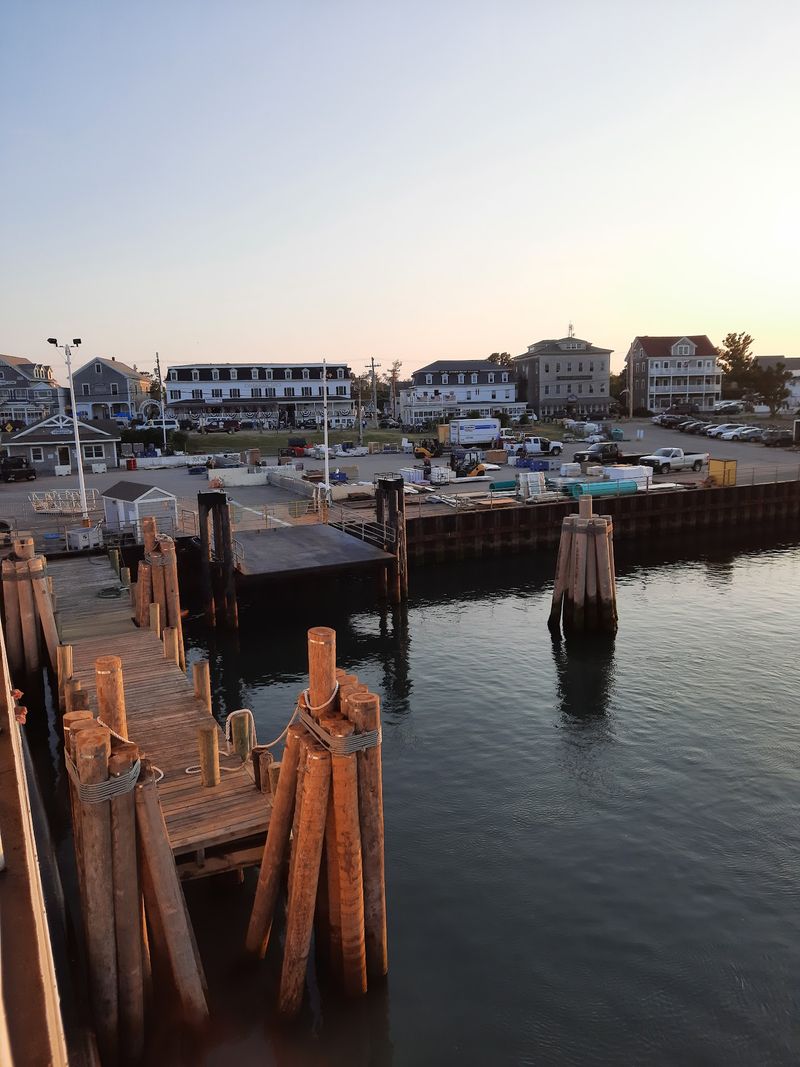
Numbers do not lie, and Washington County has the highest Lyme disease rate in Rhode Island. State health data reported roughly 723 cases per 100,000 people in 2024.
That is far above the statewide rate. Blacklegged ticks, often called deer ticks, are the main reason.
The county also leads Rhode Island in babesiosis, anaplasmosis, and ehrlichiosis reports. Federal surveillance shows established American dog tick populations here too.
Why so many? The landscape helps.
Oak woods, brushy field edges, and thick leaf litter give ticks shade, moisture, and hosts.
I still hike here every summer. The trails are quiet, the stone walls are beautiful, and the coastline sits minutes away.
My routine is simple. Light colored clothing, pants tucked into socks, and permethrin treated shoes before I leave the car.
Stay on the middle of the path. Ticks cling to grass and brush along the edges, not open gravel.
Do a full body check within a couple of hours of finishing. Showering helps you spot the tiny nymphs.
Ask your vet about tick prevention for the dog too. Pets carry ticks straight into the living room.
Washington County covers the southern stretch of Rhode Island, in New England, United States.
2. South Kingstown
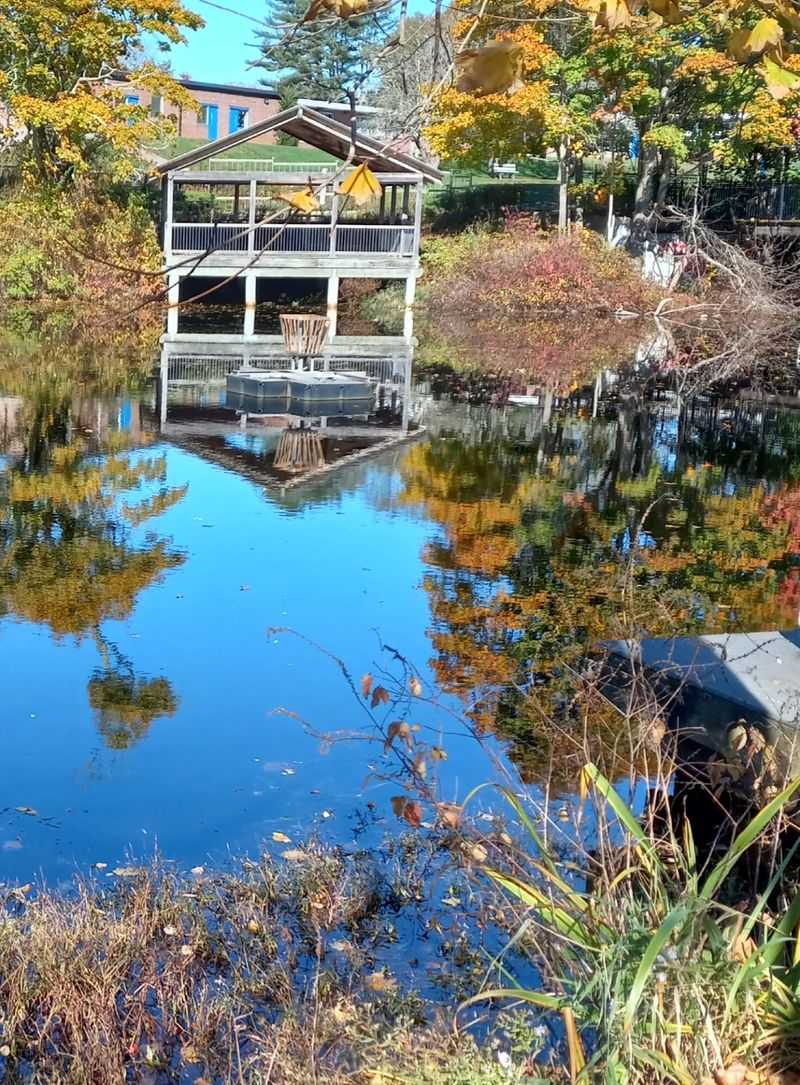
College town energy, farm fields, and one of the most studied tick landscapes in the region. South Kingstown sits inside Washington County, so it inherits that high risk profile.
Researchers pay close attention here. The URI TickEncounter Resource Center is based at the university and tracks town level tick risk across the state.
Their TickSpotters program lets anyone submit a photo of a tick. Experts identify the species and explain the risk that comes with it.
I have used it after pulling a speck off my calf. The reply told me what I was dealing with, which beat guessing at midnight.
Local habitat does the rest. Coastal ponds, hayfields, and mixed woods all sit close together around town.
Nymphal blacklegged ticks are the sneaky ones in summer. They are roughly poppy seed sized and easy to miss.
My advice for visitors is practical. Walk the beaten path, skip the shortcut through tall grass, and change clothes before you sit on the couch.
Tossing clothes in a hot dryer for a spin knocks ticks off fabric. It works better than washing alone.
South Kingstown lies in Washington County, southern Rhode Island, United States, with campus, coast, and countryside within a short drive.
3. Charlestown
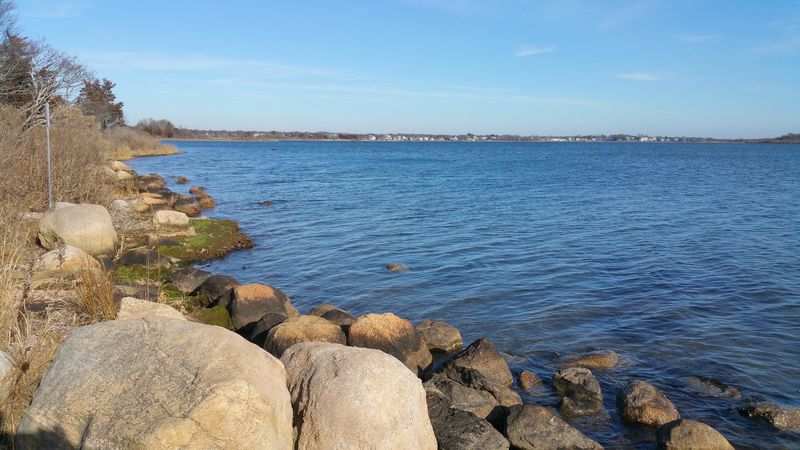
Ever wonder what lives just beyond a marsh boardwalk? In Charlestown, plenty of it has eight legs.
Citizen submissions to URI TickSpotters have climbed here over recent years. The town borders the Great Swamp Management Area, a large block of wetland and woodland habitat.
That kind of terrain supports deer, small mammals, and birds. Ticks follow the hosts.
Lone star ticks have turned up in the area as well. They carry organisms linked to ehrlichiosis and Southern Tick-Associated Rash Illness.
Their bites are also connected to alpha-gal syndrome, an allergy to red meat that can develop afterward. That detail alone changed how carefully I check.
Lone star ticks behave differently from deer ticks. They actively move toward people rather than waiting quietly.
Charlestown rewards the effort though. Salt ponds, birding spots, and quiet beaches make it a summer favorite of mine.
Wear repellent on exposed skin and treat clothing before longer walks. Reapply if you are out for hours in heat.
Check behind knees, along the waistband, and in the hairline. Those are the spots people skip.
Charlestown sits along the southern coast of Washington County, Rhode Island, United States, between the ocean and the swamp.
4. Westerly
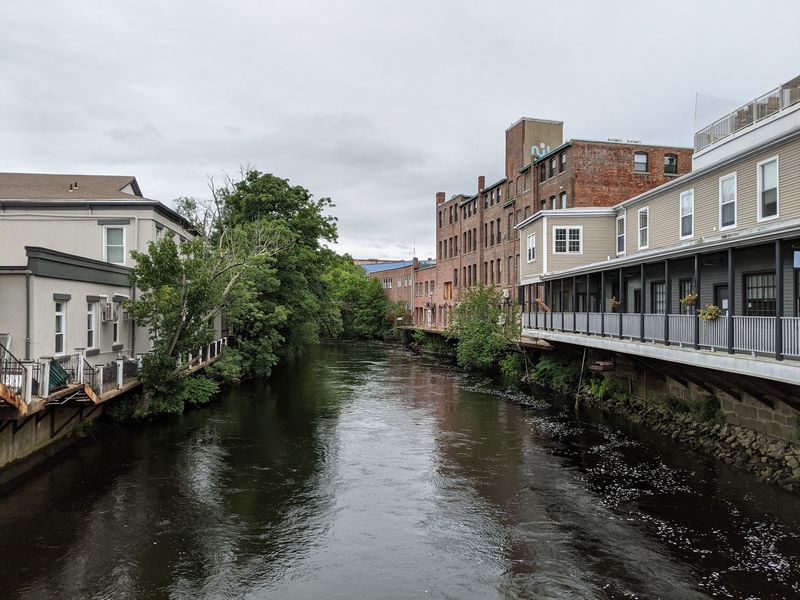
Beach town charm comes with a small catch. Tick reports from Westerly have been rising for several years in URI TickSpotters data.
Anyone can photograph a tick and send it in for identification. That crowd sourced information helps researchers watch trends town by town.
URI scientists have noted a real jump in lone star tick encounters statewide. Once mostly a southern species, it has spread across many Rhode Island zip codes.
Westerly gives that species what it likes. Scrubby coastal woods, brush lines, and a healthy deer population all sit near the shore.
I have hiked the wooded paths just inland from the beaches. Cool, shaded, and green, which is exactly the moisture ticks need.
Timing matters. Nymphs peak in late spring and early summer, and adults come back around in fall.
Repellent goes on shoes and socks first in my routine. Most ticks climb up from ground level.
If one attaches, remove it with fine tipped tweezers, pull straight up, and clean the skin. Note the date in case symptoms appear later.
Westerly anchors the southwestern corner of Rhode Island, in Washington County, United States, right on the Connecticut border.
5. Block Island (New Shoreham)
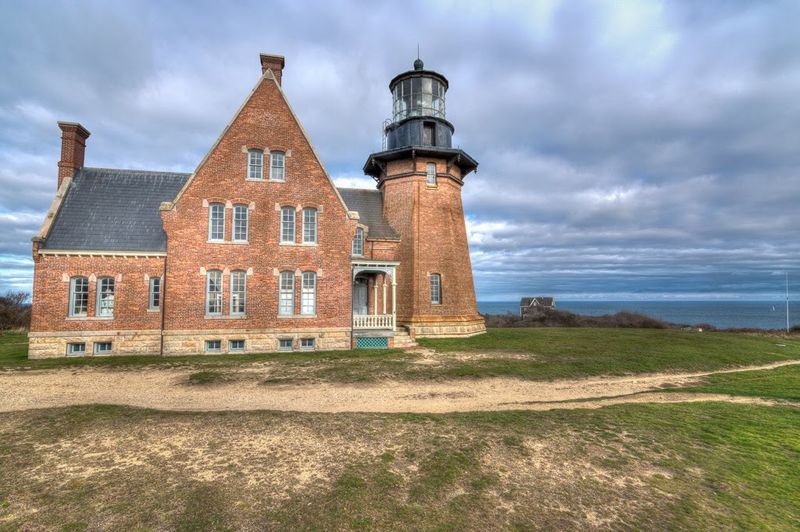
Ferry ride, bluffs, bike rentals, and a tick story worth knowing. Block Island, officially the town of New Shoreham, has documented lone star tick populations.
Researchers noticed a clear increase in 2018, followed by a bigger rise the next year. Numbers there have drawn steady scientific attention since.
The island also hosts Asian longhorned ticks, an invasive species first detected in 2018. It can build enormous infestations on livestock and cause serious blood loss in animals.
Habitat explains a lot. Shrubby moorland, stone walls, and thick brush cover much of the island interior.
The Greenway trail system runs through exactly that terrain. Gorgeous walking, and worth a careful check afterward.
I stick to wide paths and skip the brushy detours. Light colored pants make a wandering tick obvious.
Bring repellent with you on the ferry. Options on a small island can be limited on a busy weekend.
After a ride or a hike, change clothes and run a mirror check. Sand does not remove ticks, sadly.
Block Island sits about a dozen miles off the southern coast of Rhode Island, United States, reachable by ferry from Point Judith.
6. Prudence Island
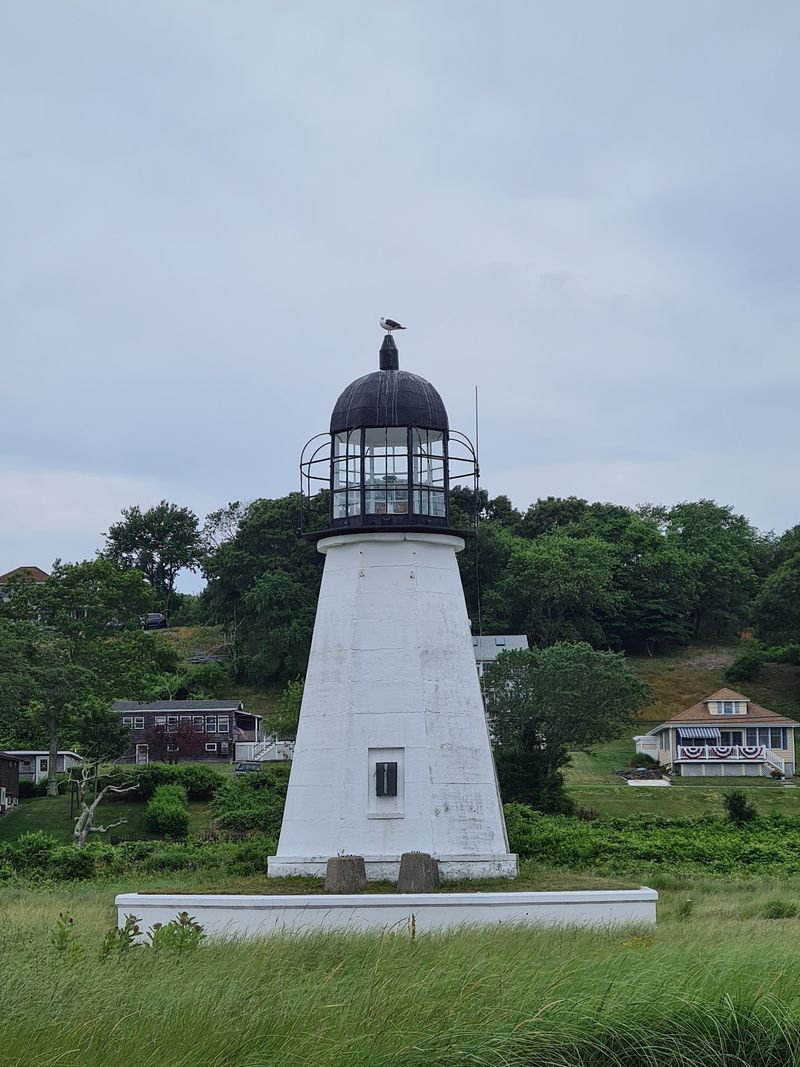
Here is a place with decades of tick history behind it. Prudence Island ranks among Rhode Island’s longest documented lone star tick hotspots.
Reports of that species go back to the 1980s. For years it was the main location for lone star ticks in the entire state.
From there the species spread outward, including to Jamestown. Researchers have tracked the movement for a long time.
The island itself feels wonderfully remote. Dirt roads, thick woods, and a large deer population define daily life.
Lone star ticks favor dense undergrowth and shaded resting areas used by animals. Prudence supplies all of it.
Reaching the island means a ferry from Bristol. Once there, walking and biking are the main ways to get around.
Long pants sound silly in August heat. They are still the smartest thing you can wear on those interior roads.
Keep to the road surface rather than the grassy shoulder. Ticks wait where vegetation touches your legs.
Do a check in the evening, including scalp and behind the ears. Islands are peaceful, but nymphs are tiny.
Prudence Island sits in Narragansett Bay within Portsmouth, Rhode Island, United States, a short crossing from the mainland.
7. Aquidneck Island And Middletown

Mansions, surf breaks, and nymphs the size of a poppy seed. Aquidneck Island carries a growing deer tick population, and Middletown sits at the center of it.
URI surveillance between 2007 and 2010 found sharp increases in nymphal blacklegged ticks. Those rises concentrated in Middletown specifically.
Nymphs matter more than adults for human illness. They cause most Lyme disease infections because people rarely notice them.
Late spring through midsummer is their busiest stretch. Blacklegged ticks need two full years to complete a life cycle.
Middletown’s trails run through meadows, shrubland, and woods near the coast. Birders love it, and so do ticks.
My rule on these paths is boring but effective. Stay centered, avoid brushing shrubs, and check gear when I return.
Kids need extra attention after playing in grass. Behind the knees and along the sock line are common spots.
Save the tick if one bites. Photographing it makes identification easier if you contact a health provider.
Middletown sits on Aquidneck Island in Newport County, Rhode Island, United States, wedged between Newport and Portsmouth with ocean views on both sides.
8. Jamestown

A URI tick researcher has described Jamestown as the epicenter of lone star tick activity in the state. He has also described the town as the state’s epicenter for that species.
Prudence Island once held that title. Jamestown took it over as populations expanded rapidly in recent years.
Scientists link the surge to host animals, especially deer. More hosts means more ticks completing their life cycles.
American dog ticks show up commonly here too. They are larger and easier to spot, which is a small comfort.
Lone star ticks are aggressive by nature. They will move toward a person standing still in the grass.
The island is beautiful, and I refuse to skip it. Windswept fields, a lighthouse at the southern tip, and easy bike routes.
Treat clothing with permethrin before you visit rather than after arriving. Skin repellents help, but treated fabric does the heavy lifting.
Avoid sitting directly in grass for picnics. A blanket on mowed lawn is far safer.
Rinse off and inspect thoroughly at the end of the day. Twenty seconds saves weeks of worry.
Jamestown occupies Conanicut Island in Narragansett Bay, Rhode Island, United States, linked by bridges to Newport and North Kingstown.
9. North Kingstown
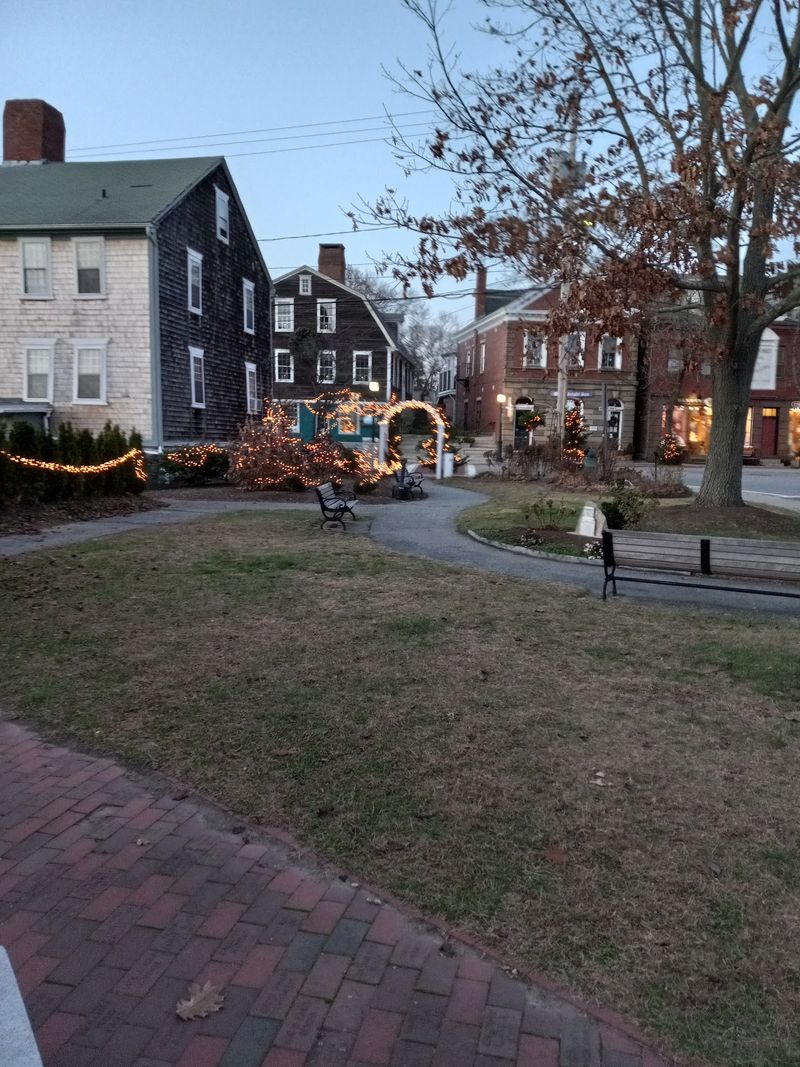
Steady is the word for North Kingstown. Multi year URI sampling has shown tick numbers rising here over time.
The URI Center for Vector-Borne Diseases collected samples in town during fall 2024. That work forms part of a New England wide monitoring collaboration.
Results vary property by property. One sampled site turned up no ticks that season, which shows how patchy the risk can be.
Yards matter as much as trails here. Ticks concentrate where lawn meets woods, in shade and leaf litter.
URI’s TickEncounter program offers practical yard guidance. Simple changes reduce risk without a landscaping overhaul.
Keep grass trimmed and rake leaves away from play areas. A dry wood chip border between lawn and forest helps.
Move swing sets and seating into sunny spots. Ticks dry out fast in open sun.
Wingate Wilderness, coastal paths, and Wickford village make this a lovely place to spend a day. I just do a check before heading home.
Kids, pets, and gardening gloves all deserve a quick inspection. Ticks hitchhike on anything.
North Kingstown sits in Washington County along Narragansett Bay, Rhode Island, United States, just north of the Jamestown bridge.
10. Lincoln Woods State Park
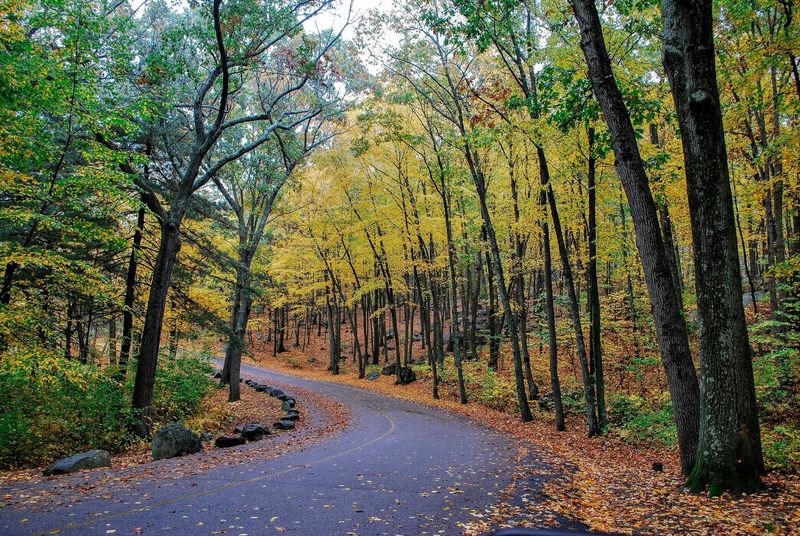
The park posts the warning itself. Lincoln Woods State Park flags blacklegged tick and Lyme disease risk for visitors.
That honesty is helpful. Deer ticks thrive in exactly the environment the park protects.
Boulders, oak forest, and deep leaf litter fill the trail network around Olney Pond. Mice and deer move through it constantly, and ticks depend on both.
Lincoln also appears among towns with rising citizen tick reports through URI TickSpotters. Local submissions help researchers watch activity in northern Rhode Island.
The park stays busy with swimmers, riders, and trail runners in summer. Most people never think about ticks until one is attached.
Stick to marked trails and wide fire roads. Bushwhacking through undergrowth invites trouble.
Runners should treat shoes and socks in advance. Speed does not protect ankles.
Horse riders and dog walkers need to check animals carefully afterward. Coats hide ticks well.
If you find one attached, remove it promptly with tweezers and watch for a rash or fever over the following weeks. Early attention makes a real difference.
Lincoln Woods State Park lies in Lincoln, Providence County, Rhode Island, United States, a short drive north of Providence.