
The Beautiful Hidden Wyoming Meadow That Rewards Hikers With Breathtaking Mountain Views
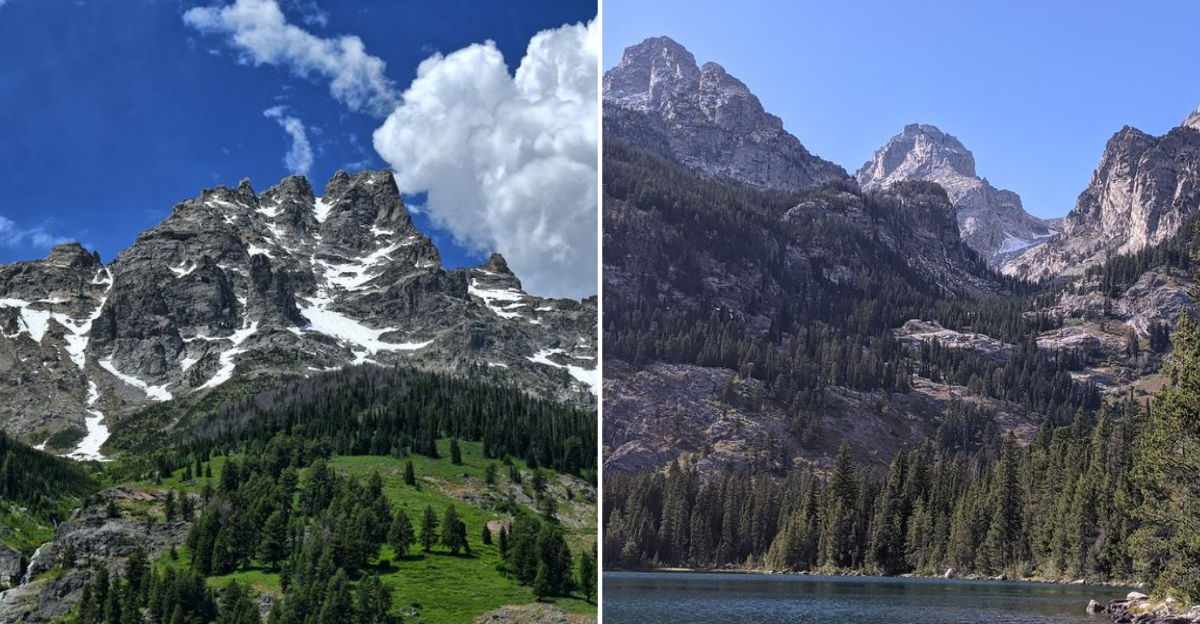
A walk can clear your head, pulling you away from work and the weight of a Monday morning. But Wyoming offers more than quiet.
It gives you a view that stays with you long after you leave. The meadow here is not something you stumble upon every season.
It offers a stillness that feels earned. Light falls differently across open fields, and you notice things you forgot you were capable of seeing.
Some moments follow you home. They become memories you return to years later when you need a reminder that beauty still exists in places that ask nothing of you.
Some experiences cannot be planned. They simply find you at the right time.
Flora And Fauna Unique To Mountain Meadows
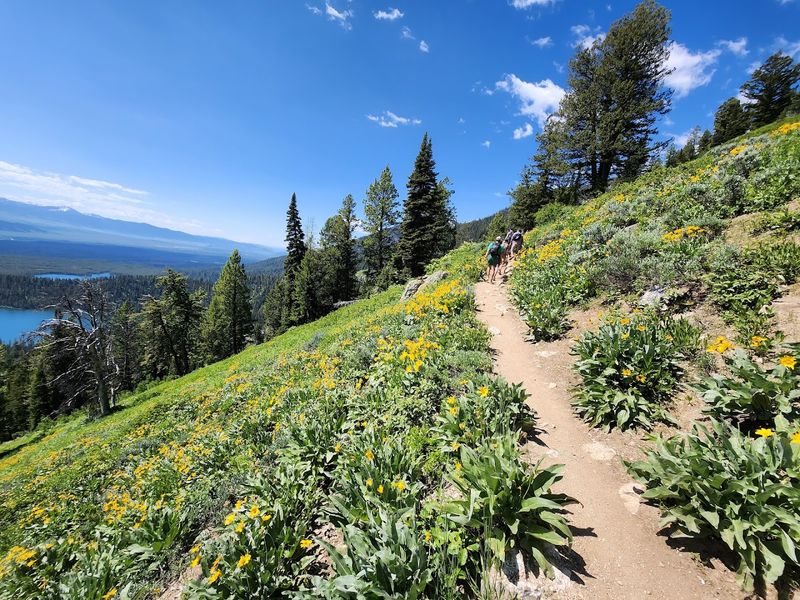
Purple silver lupine covers the meadow floor like a living painting. That is literally how this trail got its name.
The blooms peak in early summer, usually June through July, and the colors are hard to believe in person.
Beyond the lupine, you will spot Indian paintbrush, arrowleaf balsamroot, and sticky geranium scattered across the open fields. These wildflowers attract pollinators, so expect bees and butterflies working overtime out there.
The meadow ecosystem supports far more life than it first appears to hold.
The plant diversity here reflects the transition zone between the valley floor and alpine terrain. Willows line the creek edges, while conifers frame the meadow borders.
Moose love those willowy creek corridors, so keep your eyes open and your voice low.
Marmots pop up on rocky outcrops as you gain elevation. They whistle loudly when they spot you, which honestly feels like a trail greeting.
Pikas scurry between boulders near the higher sections, storing grass for winter like tiny, determined farmers.
The trailhead is located at Teton Park Rd, Moose, WY 83012. Arriving early means catching wildlife during their most active morning hours.
The meadow feels completely alive before 8 a.m.
Seasonal Hiking Tips For Optimal Meadow Exploration
Timing your visit to Lupine Meadows Trail makes a massive difference. Snow can linger on upper sections well past mid-July.
Planning around that fact saves you from a slippery, exhausting surprise halfway up the mountain.
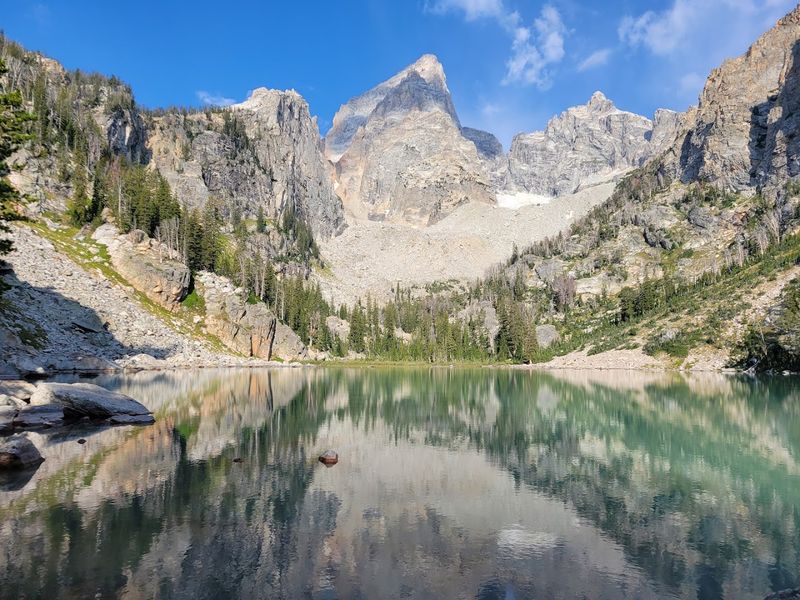
Early summer brings the wildflower show everyone talks about. Late July through August offers drier, more stable trail conditions for reaching destinations like Delta Lake or Amphitheater Lake.
Fall hiking delivers crisp air, golden aspen color, and noticeably thinner crowds.
The parking lot fills fast, especially during peak summer weekends. Arriving by 6:30 a.m. is not an exaggeration.
Rangers and experienced hikers consistently recommend early starts to secure parking and beat afternoon thunderstorms.
Speaking of storms, Wyoming mountain weather shifts quickly. A sunny morning can turn into hail by 2 p.m.
Checking the forecast the night before is a smart habit, not just a cautious suggestion.
Spring visits, like early May, offer a quieter and surprisingly beautiful experience. Snow patches add drama to the landscape.
Just pack waterproof boots and treat every step on wet ground with respect.
Winter hiking is possible for experienced adventurers with the right gear. The meadow under snow carries a silent, almost surreal quality.
Fewer than a handful of visitors share the trail with you on a cold December morning.
Wildlife Encounters Along Mountain Trails
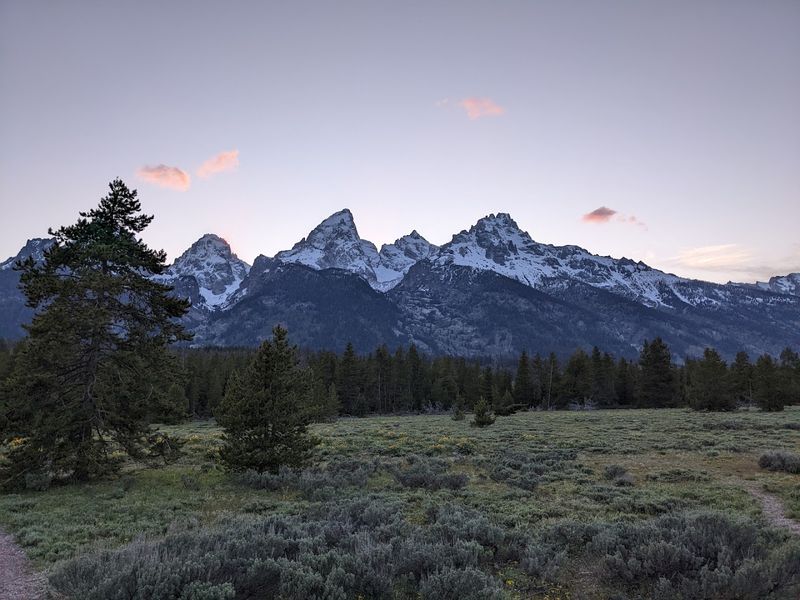
Bears are real here. Not storybook bears, but actual black bears and grizzlies that roam the Teton backcountry.
Carrying bear spray is required behavior on this trail, not optional weekend advice.
Moose sightings happen regularly near the creek corridors and willow thickets along the lower trail sections. A bull moose standing chest-deep in willows is one of the most striking things you will ever witness outdoors.
Keep a respectful distance and never approach, no matter how good the photo opportunity looks.
Mule deer graze calmly in the meadow during morning and evening hours. They tend to ignore hikers unless you move toward them directly.
Watching a doe with her fawn at dawn is worth setting that early alarm.
Marmots and pikas are crowd favorites at higher elevations. They add personality to the rocky boulder fields near Surprise and Amphitheater Lakes.
Kids especially love spotting them scrambling between rocks.
Raptors circle the thermals above the meadow regularly. Red-tailed hawks and occasional golden eagles use the open terrain for hunting.
Scanning the sky between tree lines often rewards patient observers with a spectacular aerial display.
The wildlife here moves on its own schedule. Your job is simply to show up quietly and pay attention.
The trail delivers encounters that feel genuinely unscripted and completely memorable.
Navigating Trail Terrain And Elevation Changes
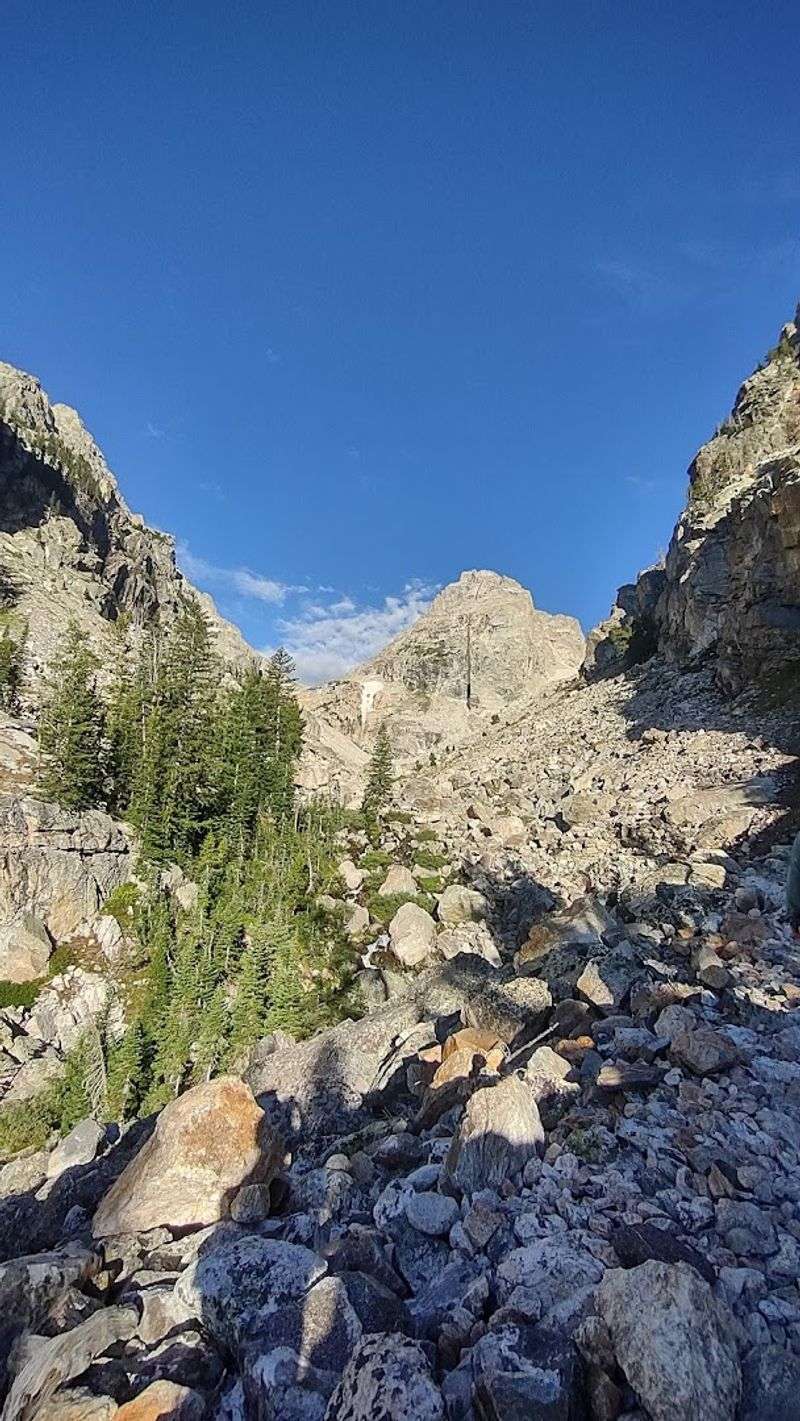
The Lupine Meadows Trail starts deceptively easy. The lower meadow section is flat, open, and pleasant.
Then the switchbacks begin, and the trail reminds you exactly where you are.
Routes branching from this trailhead range from moderate to seriously strenuous. Delta Lake involves over 2,000 feet of elevation gain across roughly five miles one way.
The final stretch requires scrambling over loose rock, which demands full attention and solid footwear.
Surprise and Amphitheater Lakes push the elevation gain closer to 3,000 feet over five miles. The switchbacks are relentless but well-constructed.
They keep the grade manageable while building elevation steadily through dense forest cover.
Garnet Canyon is another option for experienced hikers chasing dramatic scenery. The canyon cuts deep into the heart of the Teton Range.
Views of the Middle Teton from inside the canyon walls are genuinely jaw-dropping.
Trail markers are generally clear on the main routes. However, the path toward Delta Lake ends about half a mile short of the lake itself.
After that, navigation becomes more instinctive and requires careful rock scrambling on steep terrain.
Trekking poles are worth every ounce of their weight on descent. Knees take serious punishment on steep downhill sections.
Packing poles even for day hikes on this trail is a practical decision you will not regret once you start heading back down.
Photography Techniques For Capturing Vast Mountain Vistas
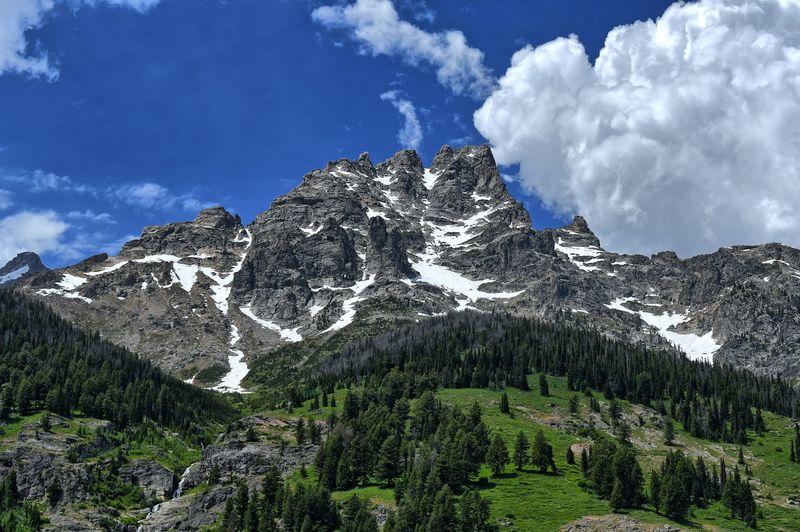
Golden hour at Lupine Meadows is genuinely unfair to photographers who sleep in. The Teton Range catches warm morning light in a way that turns every frame into something worth printing large.
Set your alarm accordingly.
Wide-angle lenses work beautifully in the open meadow sections. Using the lupine flowers as a foreground element while the peaks dominate the background creates natural depth and visual tension.
That layered composition is what separates a snapshot from a proper landscape photograph.
Higher on the trail, the views compress dramatically. A telephoto lens helps isolate specific peaks like the Grand Teton, Mount Owen, or Teewinot Mountain against the sky.
Shooting from boulder fields near Amphitheater Lake gives you clean sightlines with no tree interference.
Overcast days are underrated for mountain photography here. Clouds add drama and diffuse harsh midday light.
Moody skies above granite peaks create a completely different but equally compelling visual story.
Reflections at Delta Lake and Surprise Lake reward patience. Calm mornings before the wind picks up offer mirror-like water surfaces.
Getting low with your camera near the waterline pulls the reflected peaks into the frame dramatically.
Wildlife photography requires a long lens and serious patience. Marmots and pikas move fast.
Stationing yourself quietly near a boulder field for fifteen minutes often yields better results than chasing subjects across the slope.
Conservation Efforts Preserving Natural Beauty
Grand Teton National Park operates under strict Leave No Trace principles. Every hiker on the Lupine Meadows Trail is expected to follow them without exception.
Staying on designated trails protects the fragile meadow soil and root systems beneath your boots.
The wildflowers here are resilient but not indestructible. Cutting across switchbacks to save a few steps causes erosion that takes decades to recover.
That shortcut is genuinely not worth the damage it creates below the surface.
The National Park Service manages bear activity through food storage regulations. Bear canisters or approved hang systems are required for overnight trips.
Proper food storage protects both wildlife behavior and hiker safety simultaneously.
Volunteer trail maintenance crews work seasonally to clear debris and repair worn sections. The switchback infrastructure on routes toward Amphitheater Lake represents years of careful construction.
Treating those trails with care honors the labor invested in building them.
Water sources along the trail must remain uncontaminated. Filtering or treating all drinking water prevents the introduction of pathogens into the watershed.
What flows down from these mountains eventually reaches communities downstream.
Parking area improvements have helped manage the high visitor volume at the trailhead. Shuttle options from nearby areas reduce car congestion during peak summer weekends.
Supporting those systems directly contributes to keeping the meadow experience worth having for future visitors.
Essential Gear Recommendations For Meadow Hikers
Bear spray tops every gear list for this trail without debate. Grizzlies and black bears are active throughout the park.
Carrying bear spray within easy reach, not buried in your pack, is the standard expectation for every hiker here.
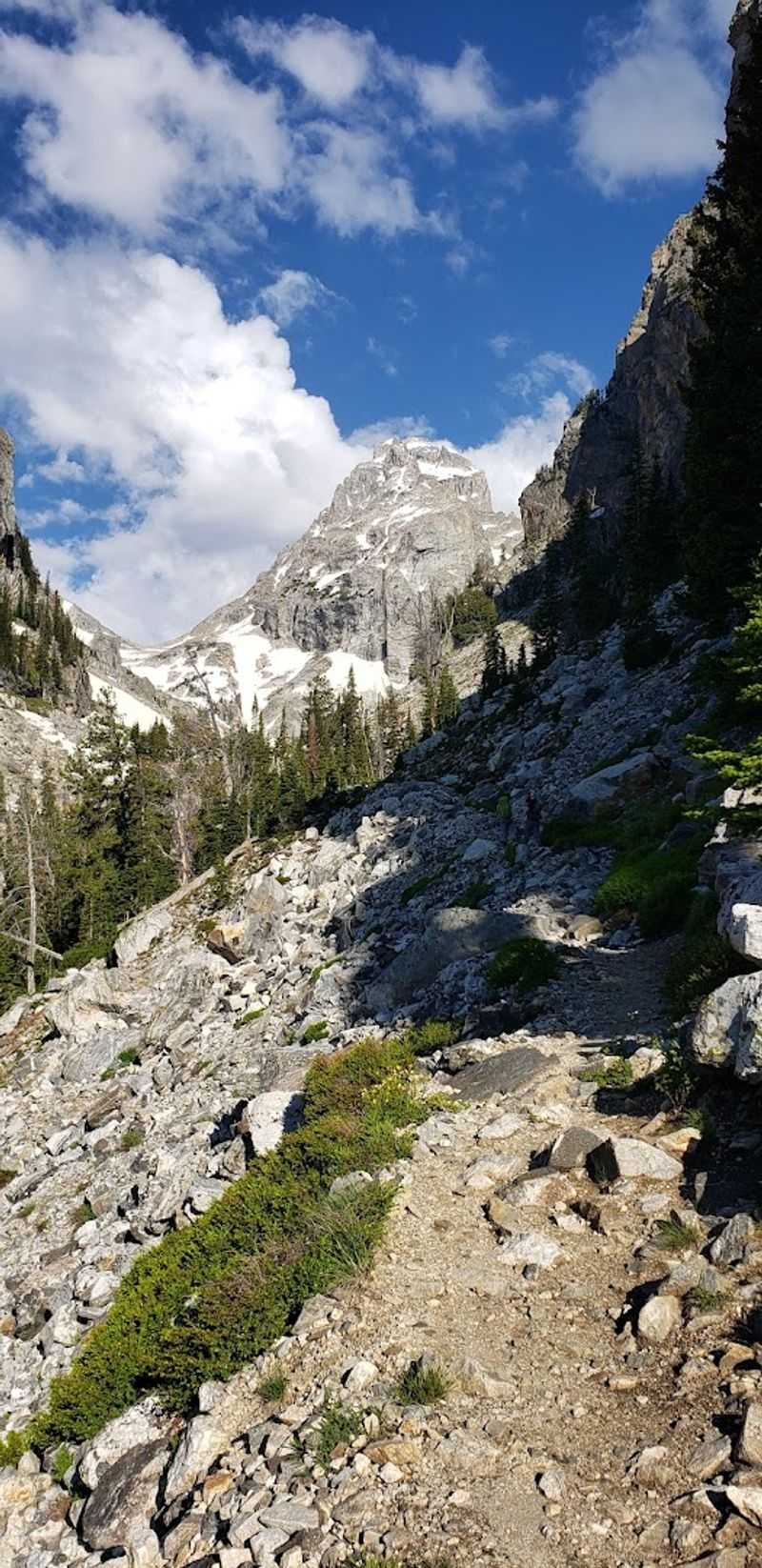
Waterproof hiking boots are non-negotiable for most of the season. Snow lingers on upper trail sections through mid-July.
Wet feet at elevation make an already demanding hike significantly more miserable and increase blister risk dramatically.
Trekking poles earn their place on steep descents from destinations like Delta Lake and Amphitheater Lake. The elevation loss on the way back down is steep and relentless.
Poles reduce knee strain considerably over a 10-mile round trip with a significant vertical drop.
Crampons or microspikes belong in your pack from late spring through early July. Snowfields crossing the upper trail sections can be dangerously slippery without traction devices.
Attempting those sections in regular boots is a gamble that frequently ends badly.
Hydration is more critical than most day hikers anticipate. Carrying at least two liters of water per person is a solid baseline.
For longer routes toward Garnet Canyon or Amphitheater Lake, bringing a water filter to refill from streams adds a meaningful safety margin.
Sun protection matters at elevation. UV intensity increases noticeably above 8,000 feet.
Sunscreen, sunglasses, and a hat are practical tools, not optional accessories, on a full day above the tree line.
Navigating Trail Terrain And Elevation Changes
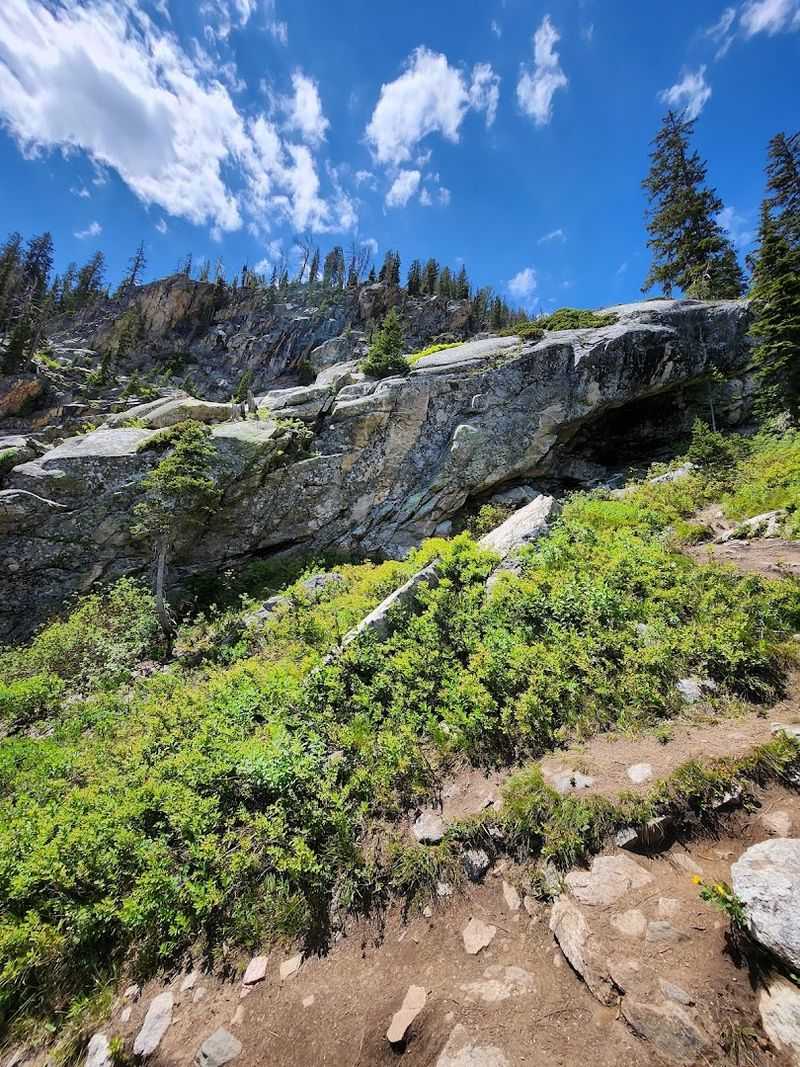
Standing above the tree line near Amphitheater Lake delivers a 360-degree view that reframes your entire understanding of the word “mountain.” The Teton peaks surround you on multiple sides. There is genuinely nowhere to look that is not spectacular.
Surprise Lake sits just below Amphitheater Lake and offers its own distinct perspective. The lake reflects Disappointment Peak and the surrounding granite walls in calm morning conditions.
Reaching it after the long switchback climb feels like an earned reward rather than just a destination.
Delta Lake presents a completely different visual character. The turquoise-tinted water sits against a backdrop of snow-streaked cliffs and dense forest below.
The color comes from glacial flour suspended in the water, which makes it look almost artificially vivid.
Garnet Canyon pulls you into the interior of the range rather than above it. The walls close in around you as the trail gains elevation through boulders and talus.
Views of the Middle Teton from deep inside the canyon feel intimate rather than panoramic.
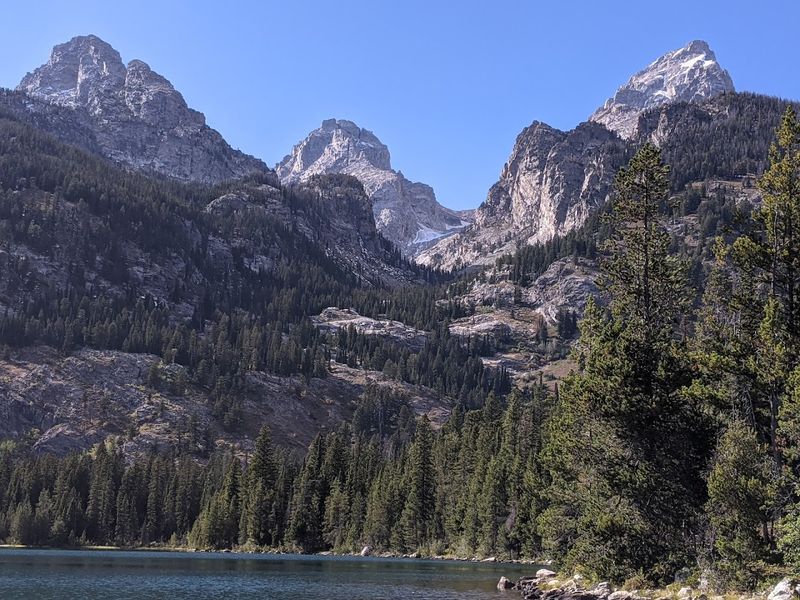
Bradley and Taggart Lakes offer a contrasting experience from the same trailhead area. These lower-elevation lakes sit framed by forest and reflect the distant Teton skyline.
They provide a gentler but genuinely beautiful alternative for hikers not seeking a strenuous climb.
Every route branching from Lupine Meadows delivers a unique visual payoff. No two destinations look or feel the same.
That variety is exactly why experienced hikers return to this trailhead year after year without hesitation.