
The Best Chicken Pot Pie In Connecticut Is Waiting At This Classic Diner

Chicken pot pie serious enough to settle an argument requires a crust that earns its place and a filling that justifies the reputation. This Connecticut diner solved both without making much noise about it.
The pastry shatters at exactly the right moment. What waits underneath has been refined through enough repetition to stop requiring adjustment.
Regulars who order it weekly describe the experience with the casual confidence of people who stopped being surprised by consistency. That dependability is the quietest achievement any diner can claim.
A classic dish done this well at a classic diner produces a combination that food lovers drive considerable distances to experience. The pot pie is the reason the trip gets made and the reason the return gets planned before the plate is finished.
Classic Recipes And Unique Ingredients

This place has been a Woodbury landmark since 1934, and the chicken pot pie recipe reflects that long history. Originally known as Phillips Diner, the spot built its reputation on honest, no-frills cooking.
The farmhouse chicken pie tradition runs deep here.
The classic version at Dottie’s keeps things straightforward and satisfying. Inside the savory crust, you get warm, moist chicken meat with a darker gravy that carries a subtle spicy zest.
Peas and carrots round out the filling with familiar, comforting flavor.
What makes this recipe stand out is how little it tries to impress you with tricks. No fancy sauces or trendy add-ins.
Just a well-made pie with ingredients that work together naturally.
Dorothy Sperry took over the diner in 2006 and renamed it Dottie’s. She kept the spirit of those original recipes alive.
The chicken pot pie remained a centerpiece of the menu.
You can visit the diner yourself at 787 Main St S, Woodbury, CT 06798. It opens at 7 AM daily and closes at 3 PM.
The 1950s-inspired atmosphere makes every bite feel like a trip back in time.
Flaky Crusts Versus Creamy Fillings

At Dottie’s, the crust is not an afterthought. It is part of the whole experience.
The pastry bakes up flaky and golden, with just enough structure to hold the filling without falling apart on your fork.
The chicken chunks inside are tender and full of flavor. The filling leans toward a gravy-based style rather than a heavy cream sauce.
That makes it feel hearty without being overly rich.
Getting this balance right at home takes a little patience. Cool your filling completely before putting it into the unbaked crust.
Warm filling creates steam too early and leads to a soggy bottom crust.
After baking, let the pie rest for at least 15 minutes. This helps the filling firm up and makes slicing much cleaner.
Skipping this step is one of the most common home-baking mistakes.
The debate between flaky crust and creamy filling does not have to end in a compromise. Done right, both can shine together.
Dottie’s proves that every single time a pie comes out of their kitchen.
Seasonal Vegetables And Meat Choices

Peas and carrots are the backbone of Dottie’s chicken pot pie filling. They show up in every serving and add sweetness and color to the dish.
Simple choices that work every time.
Traditional recipes across New England also call for celery, onions, and potatoes. Some versions add corn or mushrooms depending on the season.
Each vegetable brings its own texture to the mix.
Chicken breast and thigh meat are both solid options for pot pie. Thighs stay juicier during baking and add more depth of flavor.
Breast meat keeps things leaner if that matters to you.
Seasonal vegetables make a real difference in how the pie tastes. Fresh summer corn tastes nothing like the canned version.
Roasted root vegetables in fall add an earthy richness that is hard to beat.
Dottie’s sticks to its proven combination, and that consistency is part of the appeal. You know what you are getting every visit.
That kind of reliability is rare and worth appreciating when you find it.
Perfect Pairings With Side Dishes
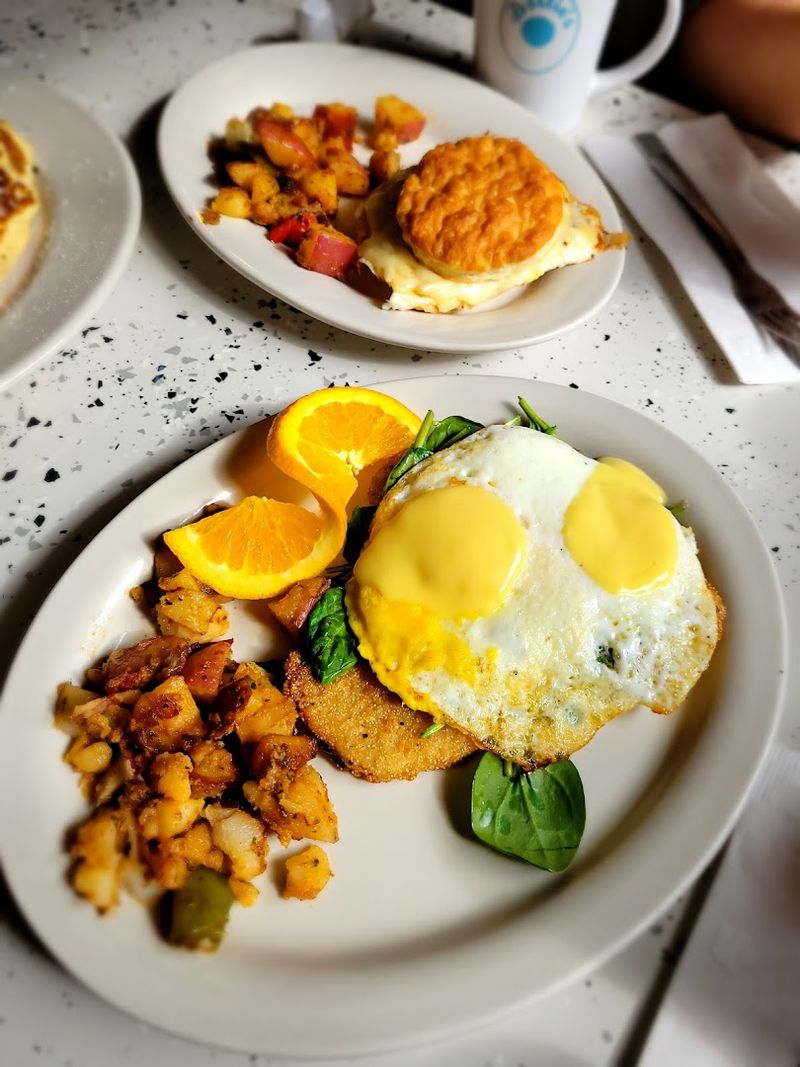
Mashed potatoes next to a chicken pot pie sound like a lot of carbs. It absolutely is.
Nobody is complaining about that at Dottie’s, where the combination is genuinely satisfying.
Steamed broccoli and cooked squash slices balance the richness of the pie. They add color to the plate and give you something lighter between bites.
Cranberry sauce also pairs well and adds a slight tartness.
Green salads work well if you want something fresh alongside the pie. A simple vinaigrette cuts through the savory gravy nicely.
Roasted root vegetables are another solid pairing for fall and winter meals.
The goal with side dishes is to complement without competing. Pot pie already has vegetables and protein built in.
So sides should add contrast rather than repeat what is already in the filling.
Dottie’s puts thought into what lands on the plate alongside the pie. The sides feel intentional rather than random.
That attention to the full meal is part of what makes a diner visit feel complete and worth the trip.
History Of Chicken Pot Pie In The Region

Chicken pot pie has a longer history than most people realize. The dish traces its roots back to medieval England.
Meat pies were common across Europe for centuries before they crossed the Atlantic.
By the 16th century, pot pies were a staple in English kitchens. The recipe eventually made its way to the American colonies.
It appeared in the 1796 cookbook American Cookery, one of the first American-written cookbooks ever published.
New England winters made pot pie especially popular in this region. Cold weather and hearty appetites go hand in hand.
A warm pie with thick gravy was the perfect answer to a freezing Connecticut evening.
Phillips Diner, the predecessor to Dottie’s, served chicken pies to Woodbury locals for decades before Dorothy Sperry took over in 2006. The dish carried through the name change.
Some recipes and traditions are simply too good to let go.
Dottie’s connects its customers to that long history every time a pot pie comes out of the kitchen. It is not just a menu item.
It is a piece of regional food culture that has survived for over two centuries.
Tips For Baking At Home Like A Pro

Baking a chicken pot pie at home is totally doable. The biggest mistake most beginners make is rushing the cooling step.
Always cool your filling for 20 to 30 minutes before adding it to the unbaked crust.
Warm filling releases steam inside the crust before it even gets into the oven. That steam turns your bottom crust into a soggy mess.
Patience at this stage saves the whole pie.
Brush the top crust with an egg wash before baking. One egg beaten with a tablespoon of water is all you need.
This creates that glossy, golden-brown finish you see at diners like Dottie’s.
Cut slits into the top crust before baking. These vents let steam escape during cooking.
Without them, the filling pressure can crack or burst the crust open unpredictably.
After pulling the pie from the oven, resist cutting into it right away. Let it rest for 15 to 20 minutes.
The filling needs that time to set properly; otherwise, it runs everywhere when you slice it. A little waiting makes a big difference in the final result.
Healthy Twists On Traditional Comfort Food

Comfort food does not have to mean giving up on nutrition entirely. A few smart swaps can make chicken pot pie a much lighter meal.
The flavor does not have to suffer in the process.
Swapping heavy cream for low-fat milk or unsweetened almond milk cuts calories without losing the creaminess. The filling still comes together well with either option.
Most people cannot even tell the difference once the pie is baked.
Lean chicken breast reduces fat content significantly compared to thigh meat. Adding extra vegetables like mushrooms, parsnips, or sweet potatoes boosts the nutritional value.
More vegetables also means more filling in each bite.
Phyllo dough is a popular lighter-crust alternative. It bakes up crispy and delicate with far less butter than traditional pastry.
Layering several sheets together gives you enough structure to hold the filling.
Bone broth in place of regular chicken stock adds depth of flavor and extra nutrients. It is a small change that makes a noticeable difference in the final taste.
Healthy eating and comfort food can absolutely share the same plate.
Where To Find Locally Sourced Ingredients
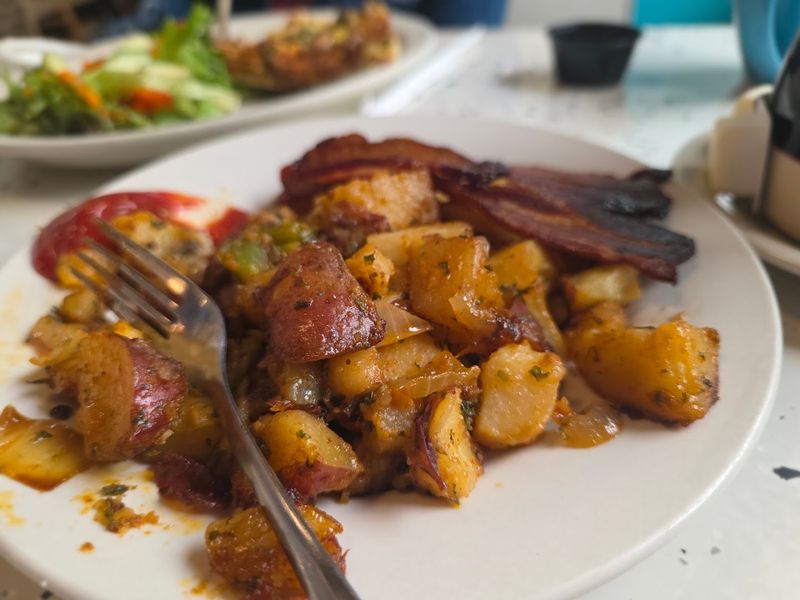
Connecticut has a strong local farming community. Finding fresh, locally sourced ingredients for a homemade chicken pot pie is very achievable in this state.
Farmers’ markets across the region are a great starting point.
Pasture-raised chicken from nearby farms shows up at several markets and specialty grocery stores in the area. The flavor difference compared to standard grocery store chicken is noticeable.
Local birds tend to have more depth and a firmer texture.
Garden vegetables grown close to home mean shorter travel time from the field to your kitchen. Shorter travel time means fresher produce and better flavor.
Carrots, peas, onions, and celery are all commonly available from Connecticut growers.
Some area pot pie makers, including those inspired by places like Dottie’s, specifically seek out nearby farms. That commitment supports local agriculture and keeps money circulating in the community.
It also gives the finished dish a connection to the land around it.
Shopping locally takes a little more planning than a quick grocery run. But the payoff in flavor and freshness makes it worthwhile.
A chicken pot pie made with ingredients sourced from nearby farms tastes as if it belongs to the place where it was made.