
The Best Day Trips From Boston To Take During World Cup 2026 In Massachusetts
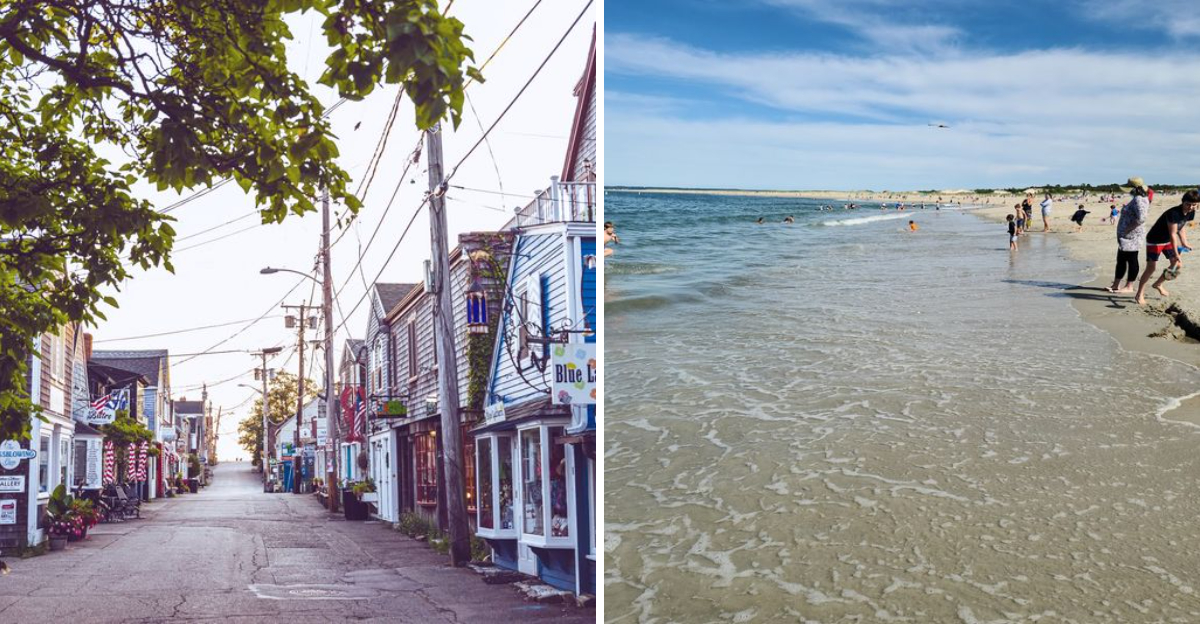
Match days bring energy, noise, and plenty of reasons to stay near the action. Rest days deserve a little adventure.
During World Cup 2026, Massachusetts gives visitors more than stadium buzz and city crowds. Boston makes a great starting point for quick escapes, with coastal towns, historic streets, museums, beaches, and food stops all close enough for an easy day out.
One morning can begin with coffee near the city and end with ocean air, old brick sidewalks, or a seafood lunch by the water. That is the fun of planning around the tournament.
You can cheer with the crowd one day, then slow things down the next. These day trips add breathing room, local flavour, and a better look at Massachusetts beyond the match schedule.
1. Salem Witch Museum, Salem
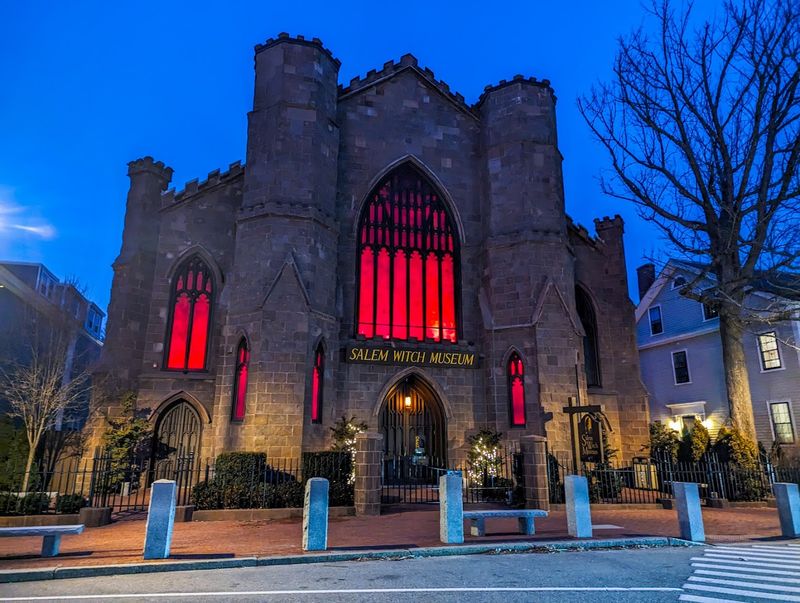
Few places in America carry as much dramatic history as Salem, a coastal city about 30 minutes north of Boston by commuter rail from North Station.
The Salem Witch Museum sits right on Washington Square North and tells the story of the 1692 witch trials through life-size stage sets and vivid narration that sends a chill down your spine.
The presentation walks visitors through the events that led to the accusations, the trials themselves, and the lasting cultural impact those months had on American society.
Beyond the museum, Salem offers plenty more to explore. The Salem Witch Trials Memorial on Charter Street is a quiet, powerful spot just steps from the old Burying Point cemetery.
The Peabody Essex Museum is one of the finest art and culture museums in New England, with global collections and rotating exhibits that could easily fill an afternoon.
Salem is also fully walkable, so you can stroll from one landmark to the next without needing a car. The MBTA commuter rail makes it one of the easiest car-free day trips from Boston during the World Cup, and the roughly 30-minute ride drops you right in the heart of the action.
2. Plimoth Patuxent Museums, Plymouth
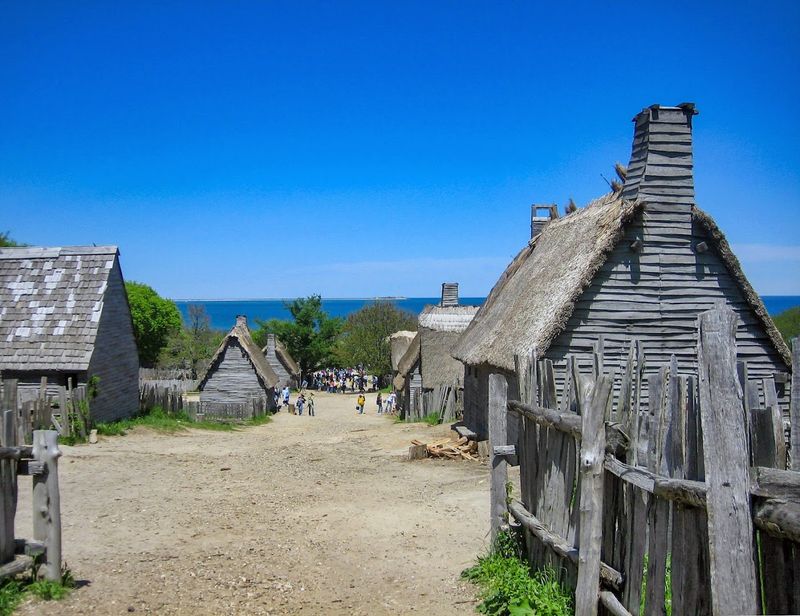
About an hour south of Boston along the coast sits Plymouth, the town where the Pilgrims first stepped ashore in 1620 and where American history arguably began for European settlers.
Plimoth Patuxent Museums at 137 Warren Ave is one of the most immersive living history experiences in the entire country.
The site includes a re-created 17th-century English village staffed by costumed interpreters who speak entirely in character, a Wampanoag homesite where Indigenous staff share their own cultural history, and access to the Mayflower II, a full-scale replica of the original ship.
Standing on the deck of the Mayflower II and imagining crossing the Atlantic in that cramped space is a humbling experience that no textbook can replicate.
Plymouth Rock, the legendary landing stone, is just a short walk away near the waterfront and is free to visit. The town itself is charming, with independent shops and waterfront restaurants serving fresh local seafood.
Getting here by car takes about an hour, and guided day tours from Boston that include transportation are also available. For World Cup visitors who want a break from the city energy, Plymouth offers a completely different pace that feels genuinely refreshing.
3. Minute Man National Historical Park, Lincoln
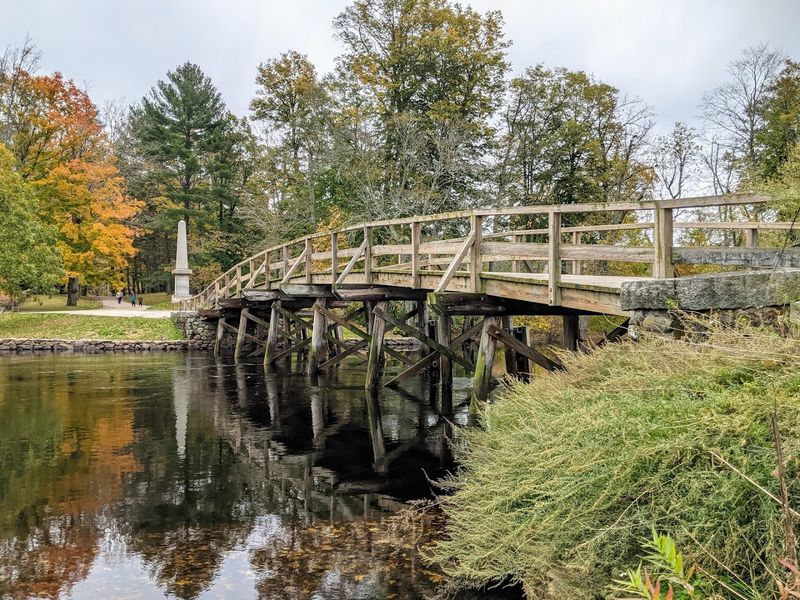
On April 19, 1775, a group of colonial militiamen stood their ground against British regulars along a narrow road in Concord and fired what became known as the shot heard round the world.
Minute Man National Historical Park in Lincoln preserves that road and the surrounding landscape in remarkable detail.
The park stretches across nearly 1,000 acres and includes the historic Battle Road Trail, a 5.5-mile path that winds past preserved farmhouses, stone walls, and interpretive markers.
The North Bridge, where the first organized colonial military resistance took place, is one of the most genuinely moving spots in all of New England.
A life-size bronze statue of a Minuteman stands nearby, and the surrounding meadow and river scenery make it a beautiful place to simply walk and reflect. The visitor center offers an excellent 22-minute film that provides helpful context before you explore.
For international World Cup fans who want to understand what shaped the United States, this park delivers a firsthand encounter with that story. Bring comfortable shoes, because the trail rewards those who take their time and absorb every detail.
4. Lexington Battle Green, Lexington
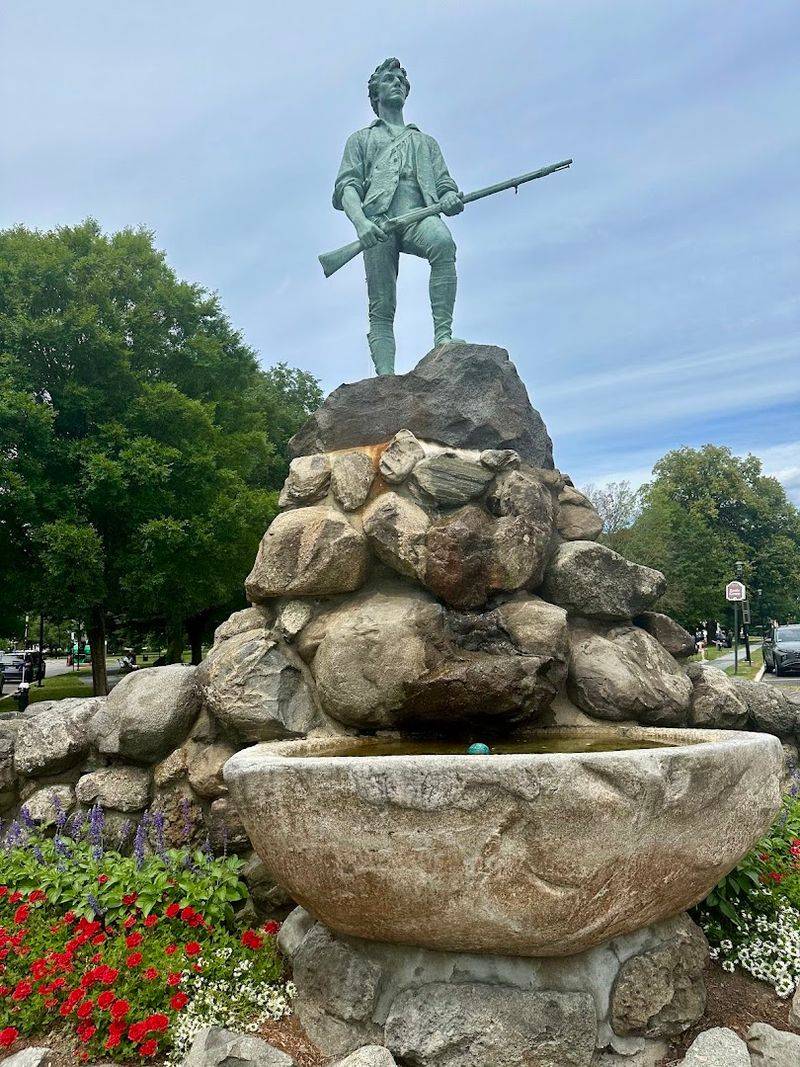
Lexington Battle Green at the intersection of Massachusetts Ave and Bedford St is where colonial Minutemen first confronted British troops in the early hours of April 19, 1775, marking the opening engagement of the American Revolutionary War.
The green itself is compact and easy to explore, anchored by the iconic Minuteman Statue that has become one of the most photographed landmarks in the state.
Buckman Tavern served as the staging point for the Lexington militia that morning and now operates as a museum with original furnishings and guided tours.
Lexington Centre, the surrounding commercial district, has a pleasant small-town feel with independent cafes and shops that make for a relaxed afternoon. The area pairs perfectly with a visit to nearby Concord, turning the two towns into a single full-day Revolutionary War road trip.
Both sites are also accessible by MBTA bus from Alewife station, making this a workable car-free option for visitors who want to keep things simple during a busy World Cup week.
5. Good Harbor Beach, Gloucester
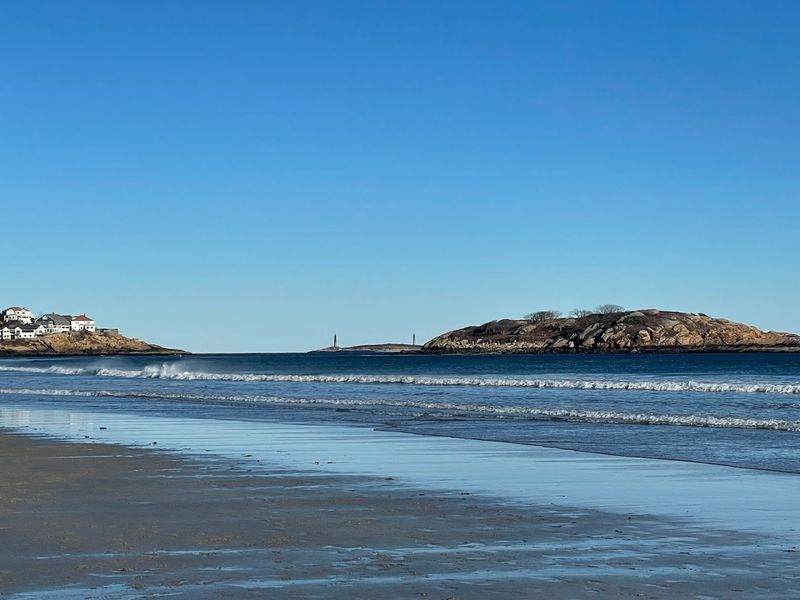
Sometimes the best thing you can do between World Cup matches is plant your feet in the sand and let the Atlantic Ocean do the rest.
Good Harbor Beach in Gloucester, about an hour north of Boston, is widely considered one of the finest ocean beaches in all of New England, and it earns that reputation every single summer.
The beach stretches across a wide, sandy crescent backed by dunes and salt marshes, with clear water that is genuinely inviting on a warm June or July day.
A small tidal island called Salt Island sits just offshore and becomes accessible at low tide, giving adventurous visitors a fun reason to time their arrival carefully. The views from the shore looking out toward the Atlantic are the kind that make you forget what day it is.
Gloucester itself is a working fishing city with a rich maritime heritage, and the famous Gloucester Fisherman’s Memorial statue near the harbor is worth a quick stop before or after the beach.
Parking fills up fast on summer weekends, so arriving early is strongly recommended.
The MBTA commuter rail from North Station also serves Gloucester, making this one of the more convenient coastal escapes for visitors without a rental car during the tournament.
6. Hammond Castle Museum, Gloucester
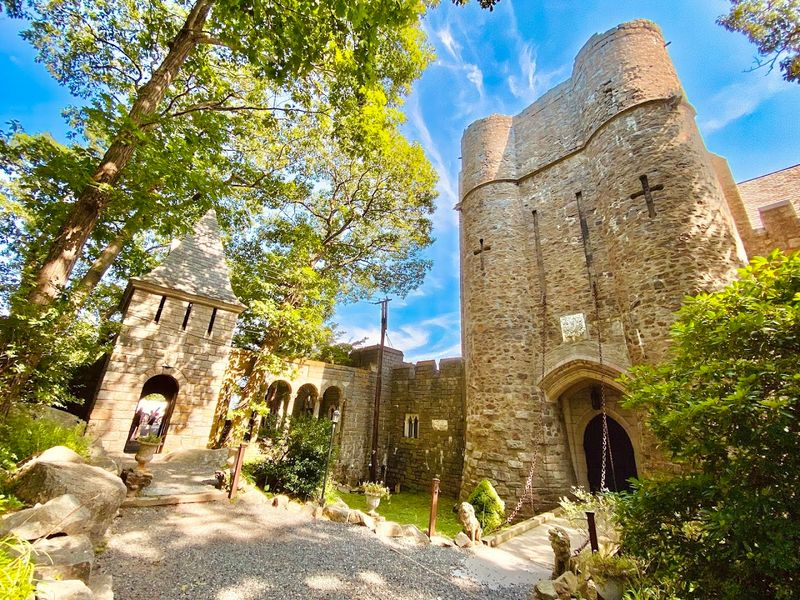
A medieval stone castle perched on rocky cliffs above the Atlantic Ocean in Massachusetts sounds like the setup for a fantasy novel.
However, Hammond Castle Museum is completely real and genuinely one of the strangest, most fascinating places in New England.
The castle was built between 1926 and 1929 by inventor John Hays Hammond Jr., a man who held more patents than almost any American inventor except Thomas Edison.
Hammond designed the castle as both his personal home and a showcase for his eclectic collection of Roman, medieval, and Renaissance artifacts.
The interior is a jaw-dropping maze of rooms built around a central courtyard that includes a working pipe organ with over 8,000 pipes, a drawbridge, and even a pool that Hammond reportedly filled with ocean water.
The exterior views from the rocky shoreline below the castle are equally dramatic, with the stone walls rising directly above the crashing surf. Tours run regularly and cover both the history of the building and the quirky details of Hammond’s remarkable life.
For World Cup visitors looking for something completely unexpected on a free afternoon, Hammond Castle delivers a one-of-a-kind experience.
7. Bearskin Neck, Rockport
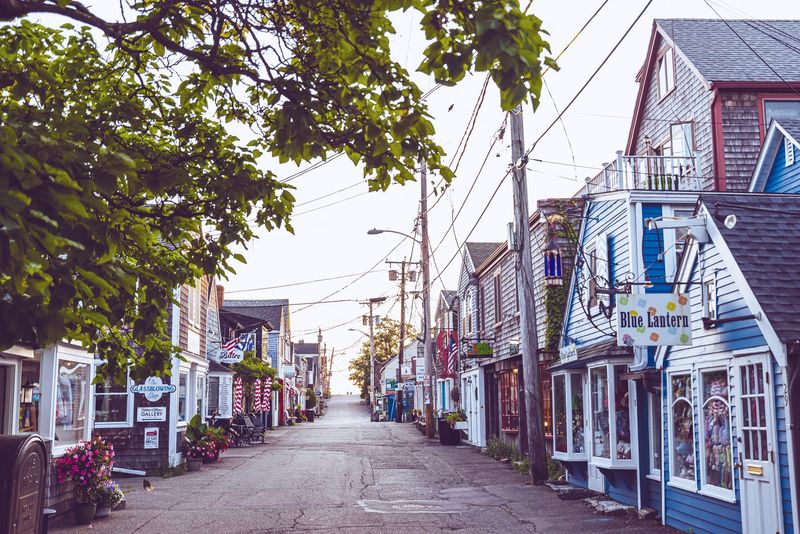
Rockport, Massachusetts has a way of making visitors feel like they accidentally wandered into a painting, and nowhere is that feeling stronger than along Bearskin Neck.
This narrow strip of land juts out into the harbor on the eastern edge of Rockport, about an hour north of Boston.
It is lined on both sides with colorful lobster shacks, independent art galleries, handmade jewelry stores, and small cafes that seem frozen at a pleasantly unhurried pace.
The iconic Motif No. 1, a red fishing shack on the water that has been reproduced by artists so many times it became the official symbol of American art, sits right at the end of the neck.
Rockport is a dry town, which keeps the atmosphere family-friendly and focused on the scenery, the food, and the art rather than anything else.
The rocky shoreline around the neck offers spectacular views of the open Atlantic and the surrounding Cape Ann coastline, especially in the late afternoon light.
Fresh lobster rolls and clam chowder are available at multiple spots along the neck, making a leisurely lunch here a genuine highlight.
The MBTA commuter rail connects Boston to Rockport directly, so getting here without a car is easy and actually part of the charm of the whole experience.
8. Crane Beach, Ipswich
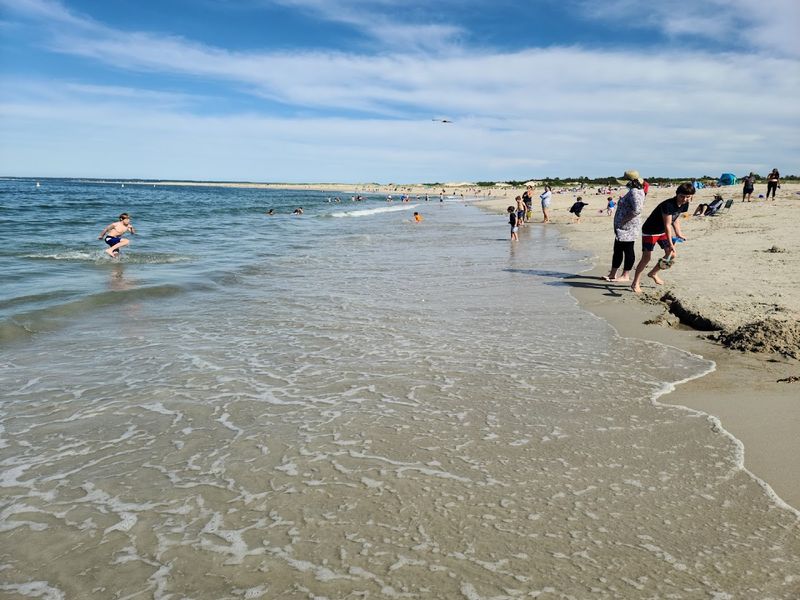
Four miles of white sand, rolling dunes, and some of the cleanest water on the North Shore make Crane Beach one of those places that World Cup visitors who stumble upon it tend to talk about for years afterward.
The beach is part of the larger Crane Estate, a Trustees of Reservations property that includes the Grand Allee, formal gardens, and the stunning Stuart-style mansion.
The combination of a world-class beach and a historic estate in one location is genuinely rare, and it makes Crane Beach more than just a place to swim.
The dune trail system behind the beach offers easy walking with sweeping views over the marsh and barrier islands, and birdwatchers will find the area particularly rewarding.
The water temperature in June and July is refreshing rather than freezing, which makes swimming very much worthwhile.
Parking fills quickly on hot summer days, so an early start is essential.
The Trustees also offer occasional guided tours of the estate grounds that provide fascinating context about the Crane family and the conservation history of the property.
For anyone craving a genuine escape from Boston’s urban energy, Crane Beach delivers the kind of wide-open natural beauty that resets the mind completely.
9. Plum Island Beach, Newburyport
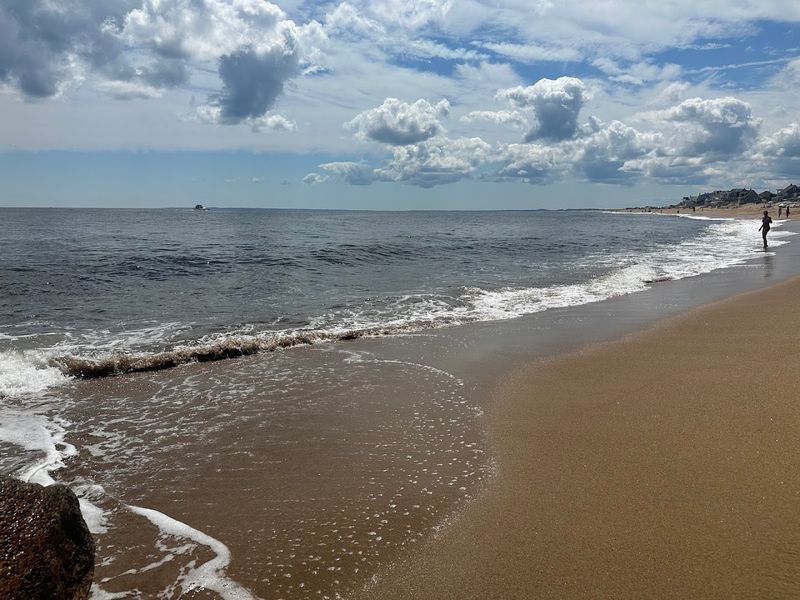
Stretching for nearly 11 miles along the Massachusetts coast, Plum Island is the kind of place where the beach feels genuinely wild rather than manicured.
The island is split between a residential area at the northern end and the Parker River National Wildlife Refuge, which protects the majority of the island as undeveloped barrier beach, dune, and salt marsh habitat.
The refuge beaches are some of the least crowded and most scenic on the entire North Shore, backed by high dunes and open to the full force of the Atlantic.
Newburyport itself is well worth exploring before or after the beach.
The historic downtown along Water Street features beautifully preserved Federal-style architecture, independent boutiques, and waterfront restaurants.
The town is also accessible by MBTA commuter rail from Boston’s North Station, making the whole day trip car-free if you are willing to grab a rideshare or taxi for the final leg out to the island.
Plum Island is also a serious destination for birdwatchers, with the refuge hosting hundreds of species throughout the summer migration season. When the matches are done and the crowds feel like too much, this stretch of coast offers exactly the kind of quiet that restores your energy.
10. Walden Pond State Reservation, Concord
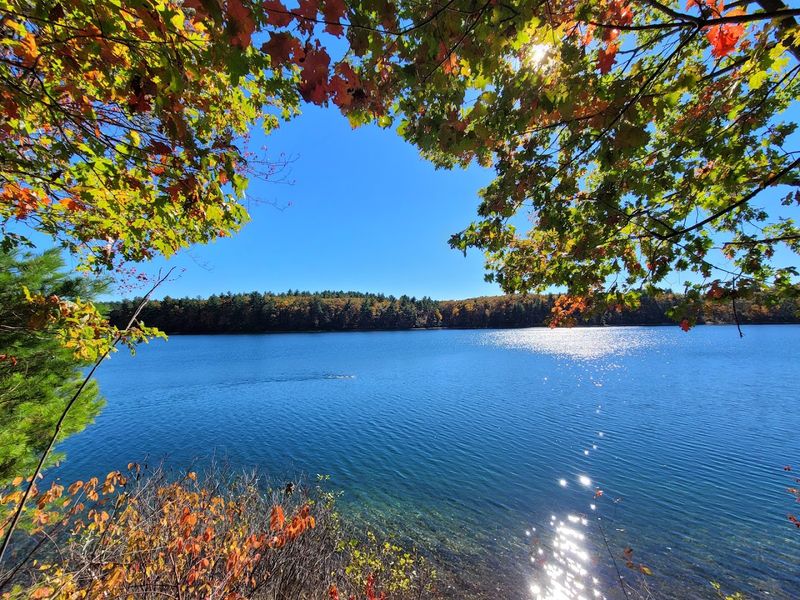
In 1845, Henry David Thoreau built a small cabin on the shore of a glacial pond in Concord and spent two years thinking carefully about what it means to live a deliberate life.
Walden Pond State Reservation at 915 Walden St preserves that same pond and the surrounding forest largely as Thoreau would have known them. The effect on visitors is often surprisingly moving.
The pond itself is a clean, spring-fed glacial kettle hole with remarkably clear water that invites swimming from a designated beach area during summer months.
A marked trail circles the entire pond, covering about 1.7 miles through shaded woods and offering several spots where you can sit at the water’s edge and experience true solitude.
A replica of Thoreau’s original cabin stands near the parking area and gives a striking sense of just how small and intentional his living space was.
The site is managed by the Massachusetts Department of Conservation and Recreation, and daily visitor numbers are capped to protect the environment.
For World Cup visitors who want to connect with American literary and philosophical history, Walden Pond offers a quiet afternoon that feels completely unlike anything else on this list.