
The Best Kept Secret Small Town In Washington State Locals Can’t Stop Praising
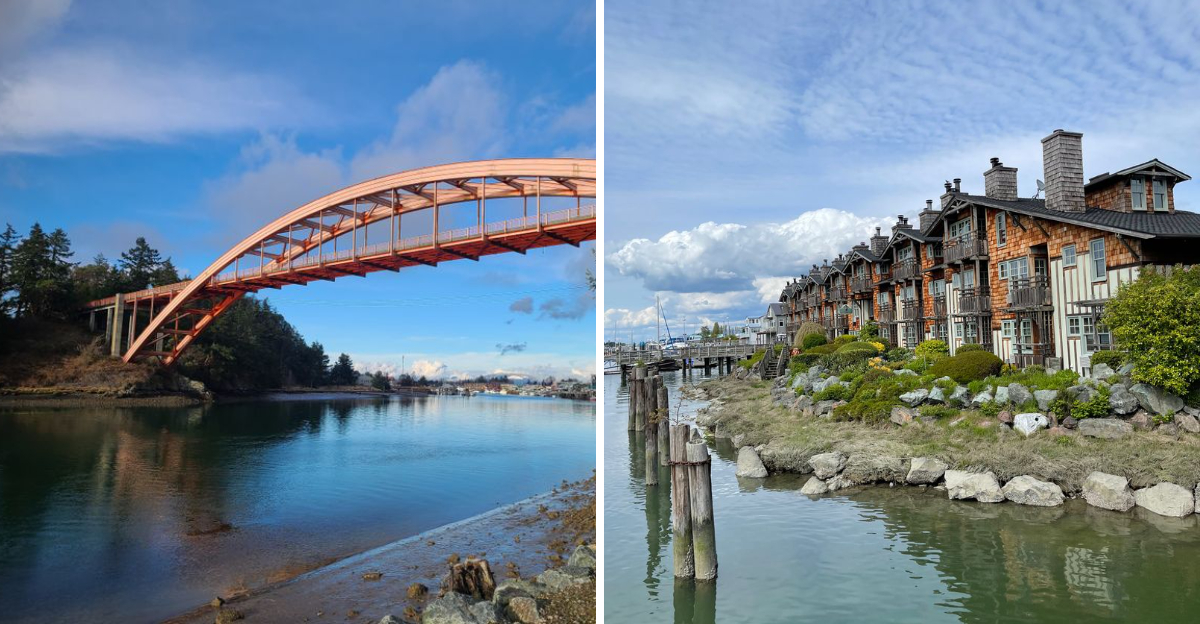
Tucked along the Swinomish Channel in Skagit County, La Conner is a waterfront town that most travelers speed past without a second glance.
Locals, however, have known for decades that this small community offers something rare: authentic charm without the tourist crowds.
With fewer than a thousand residents, historic buildings painted in cheerful colors, and art galleries lining every block, La Conner rewards those curious enough to slow down and explore.
A Charming Waterfront Town That’s Been Hiding In Plain Sight
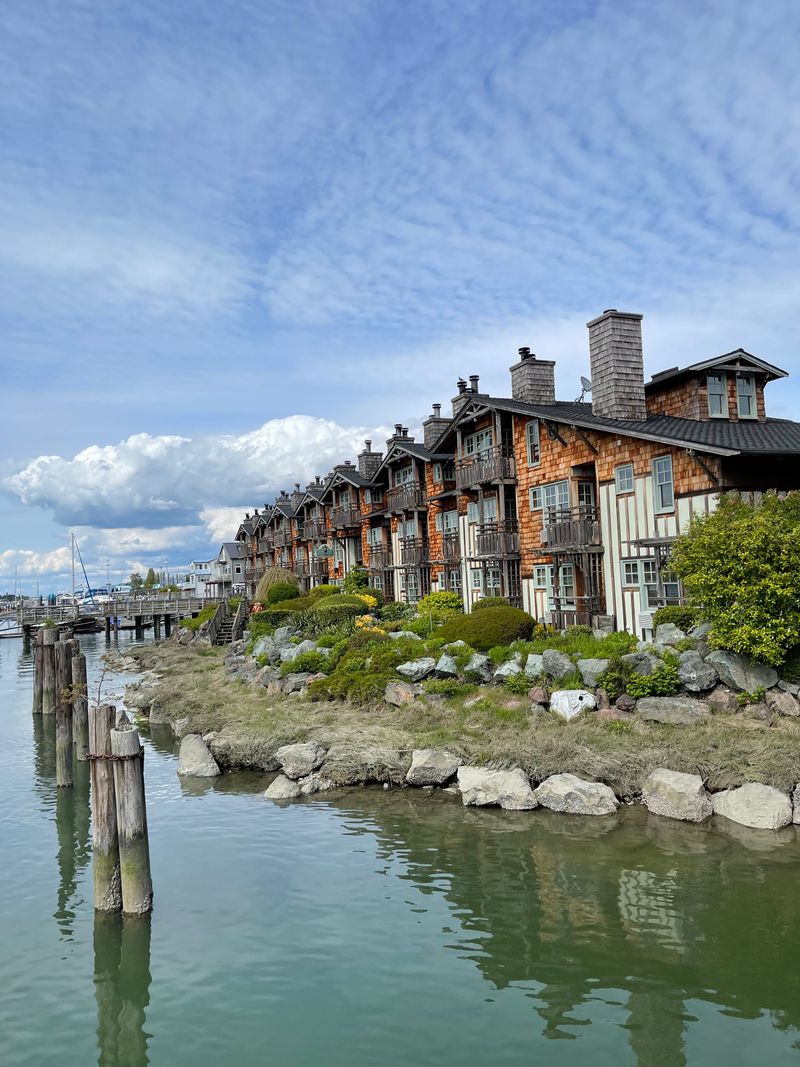
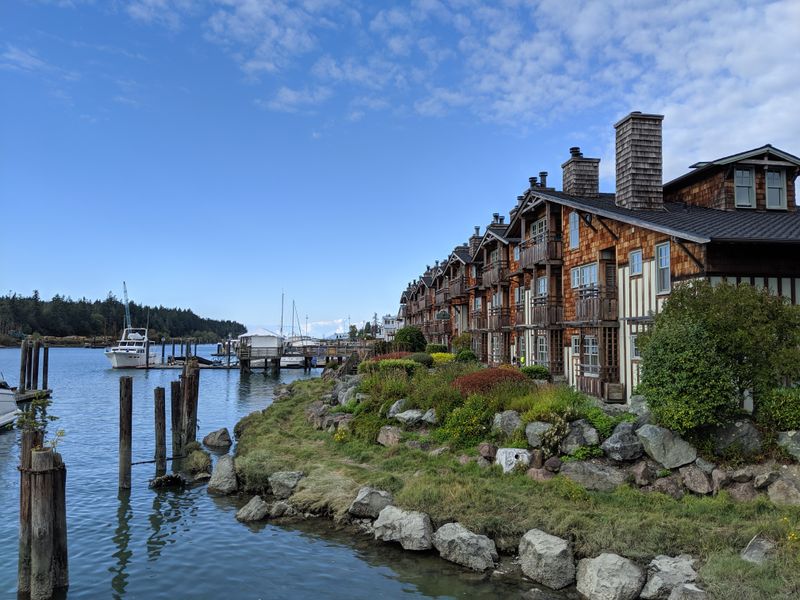
La Conner sits quietly on the edge of the Swinomish Channel, a slender ribbon of water that separates the mainland from Fidalgo Island.
Most visitors to the Skagit Valley rush toward Mount Vernon or Anacortes, leaving this compact town blissfully overlooked.
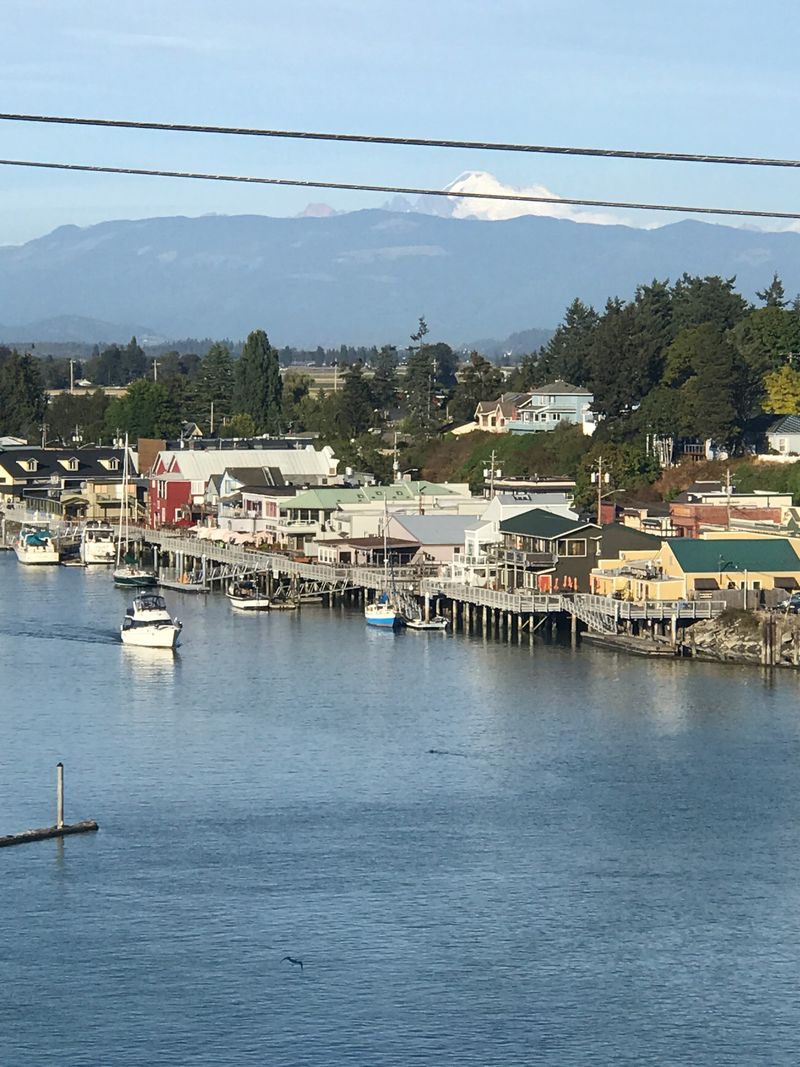
Buildings wear coats of mustard yellow, deep red, and seafoam green, their facades preserved with care rather than nostalgia.
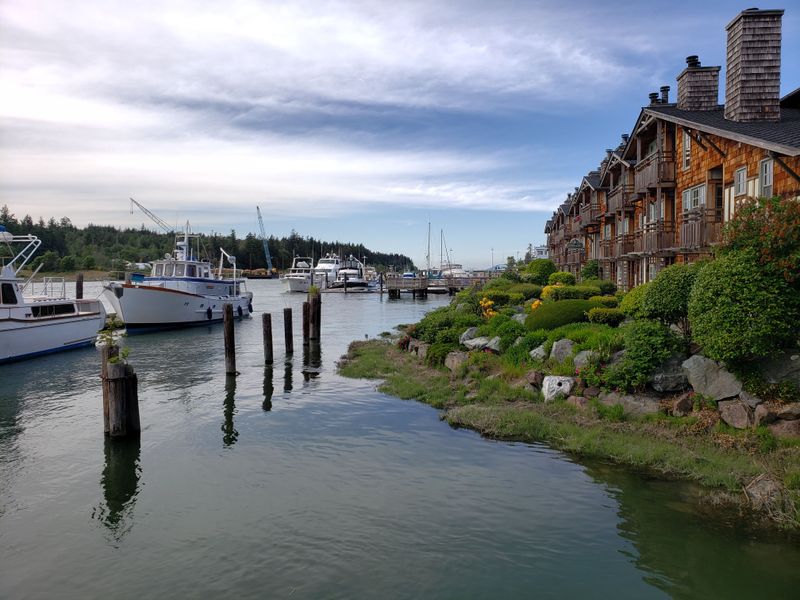
Small storefronts display handmade pottery, oil paintings, and vintage books, while wooden docks stretch into the channel where sailboats bob gently in the current.
Why La Conner Is Washington’s Best Kept Secret For River Views And Local Art
Art arrived in La Conner long before it became fashionable elsewhere.
The town has quietly supported working artists since the 1940s, when painters and writers began settling here, drawn by affordable rents and inspiring light.
Today, more than a dozen galleries operate within a few blocks of each other.
You’ll find oil landscapes of nearby farmland, abstract sculptures fashioned from driftwood, and watercolors capturing the moody skies that hang over the channel.
Local artists often staff their own spaces, ready to discuss technique or the story behind a particular piece without any pressure to buy.
Historic La Conner: A Hidden Gem On The Swinomish Channel
Founded in the 1860s as a trading post, La Conner grew into a bustling port serving the agricultural communities of the Skagit Valley.
Steamboats once crowded the docks, loading produce and lumber bound for Seattle and beyond.
Many of those original structures still stand, their bones intact beneath fresh paint and modern wiring.
The Gaches Mansion, built in 1891, now operates as a museum filled with period furniture and local history.
Walking these streets, you notice details: hand-carved corbels, transom windows, iron hitching posts embedded in the sidewalk—reminders of a time when this waterfront hummed with commerce and ambition.
Discover The Swinomish Channel: La Conner’s Scenic Heartbeat
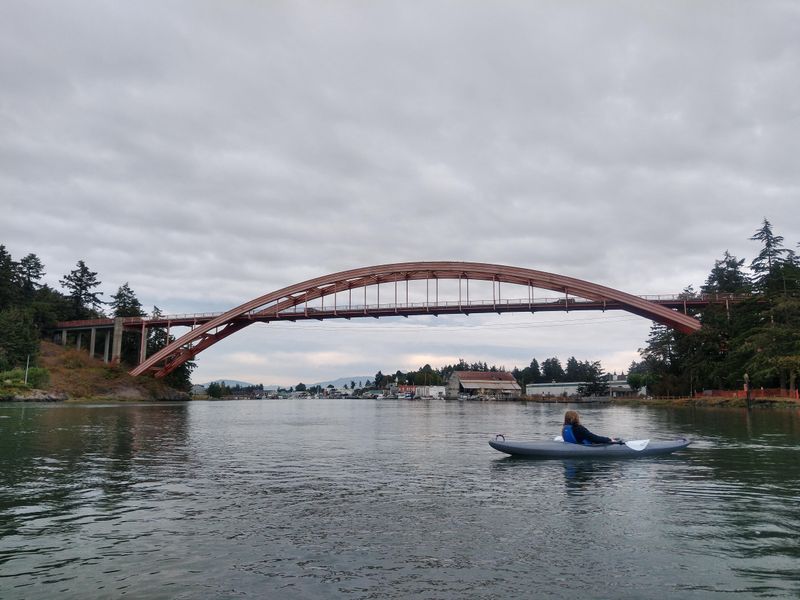
The Swinomish Channel runs for eleven miles, connecting Skagit Bay to Padilla Bay, and La Conner claims the most scenic stretch.
Kayakers paddle past weathered pilings and heron rookeries, while sailboats glide toward Deception Pass.
Standing on the public dock, you can watch the tide change the character of the water completely.
Morning brings glassy stillness, perfect for photographing reflections of the Rainbow Bridge.
By afternoon, a breeze ripples the surface, and fishing boats chug past, trailing the smell of diesel and salt.
The channel gives the town its rhythm, its moods, its sense of connection to something larger.
La Conner’s Colorful Past And Present: A Small Town You Won’t Want To Miss
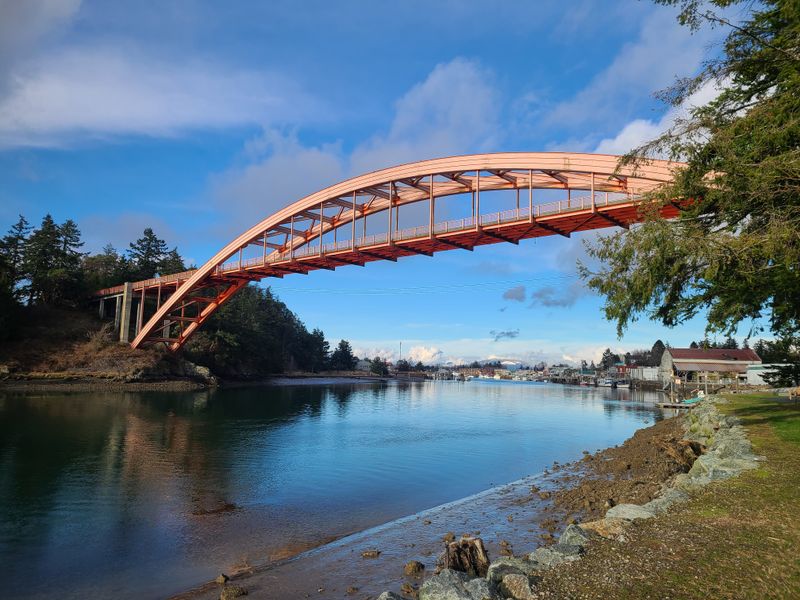
The painted storefronts catch your eye first—bright hues that refuse to fade into the gray Pacific Northwest stereotype.
But color also describes the town’s personality: artists mixing with farmers, fishermen sharing coffee with gallery owners, longtime residents welcoming newcomers without suspicion.
Located at 48.3887142, -122.4962753, this community of just under a thousand people has managed to preserve its character without becoming a museum.
Small festivals celebrate everything from smelt runs to poetry readings, each one organized by volunteers who genuinely care about keeping La Conner alive and interesting.
From Tulips To Tranquil Waters: Why Locals Can’t Get Enough Of La Conner
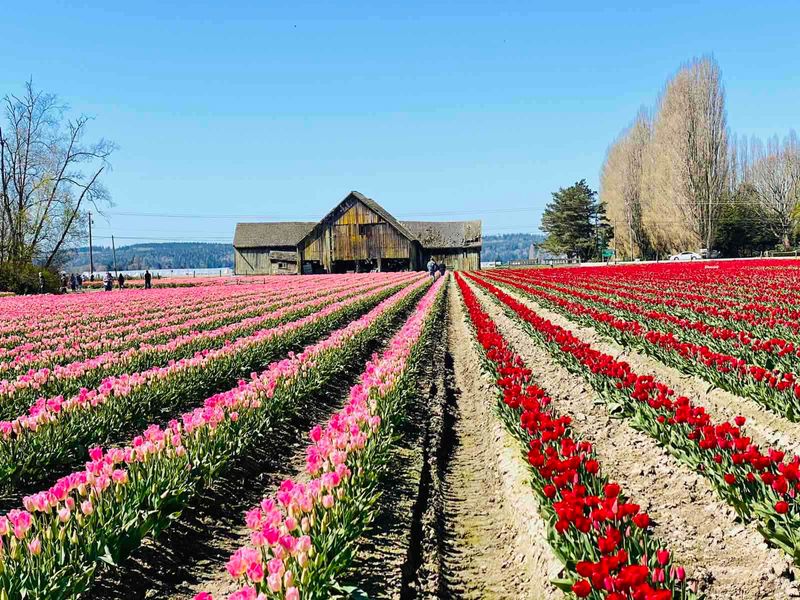
Every April, the Skagit Valley explodes into bloom, and La Conner becomes the unofficial headquarters for tulip pilgrims.
Fields surrounding the town transform into striped carpets of red, yellow, and purple, drawing photographers and families from across the region.
Locals appreciate the burst of energy and commerce, but they treasure the quieter months even more. Summer brings warm evenings perfect for waterfront walks.
Winter storms roll in from the strait, sending waves against the pilings while residents hunker down in cozy cafes. Each season offers something distinct, a rhythm that keeps people rooted here.
A Stroll Through La Conner’s Historic Streets
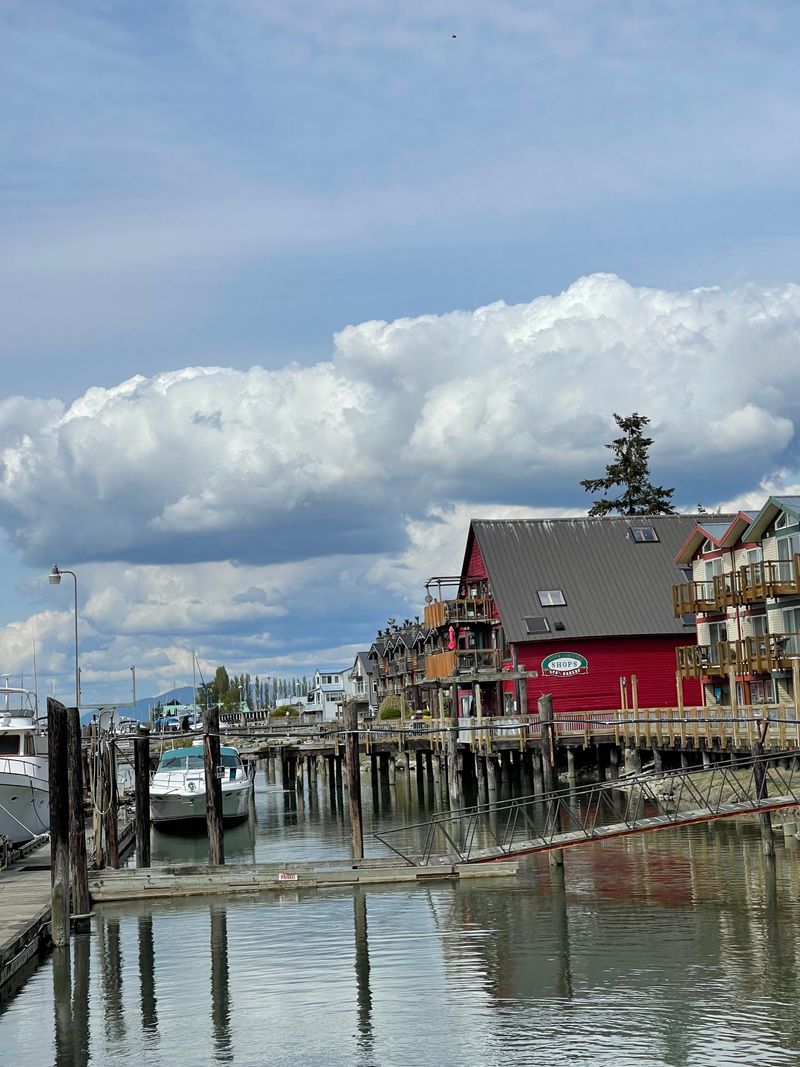
First Street runs parallel to the channel, a narrow corridor lined with buildings that lean slightly toward the water as if listening to the tide.
Walking its length takes maybe fifteen minutes if you don’t stop, but nobody manages that.
A bookstore draws you in with stacks of local histories and poetry collections.
An antique shop displays weathered nautical instruments and Depression-era glassware.
Each storefront offers a small discovery, a reason to linger. By the time you reach the Rainbow Bridge at the southern end, you’ve covered less than half a mile but gained a sense of place.
The Hidden Cultural Haven Of La Conner: Creative Spirit And Scenic Vibes
Writers gather for readings in cramped bookshops, musicians perform in converted warehouses, and painters work in studios above the storefronts, their easels visible through second-story windows.
The Museum of Northwest Art anchors the cultural scene, showcasing regional artists whose work reflects the landscape and light of the Pacific Northwest.
Nearby, the historic Tillinghast Seed Company building now hosts concerts and theater productions.
La Conner doesn’t advertise itself as an arts destination, but the evidence surrounds you: creativity woven into daily life rather than packaged for tourists.
It’s this authenticity that keeps locals proud and visitors returning.