
The Biblical Giant In This New York Village Museum Once Fooled Thousands Of People Who Paid To See It
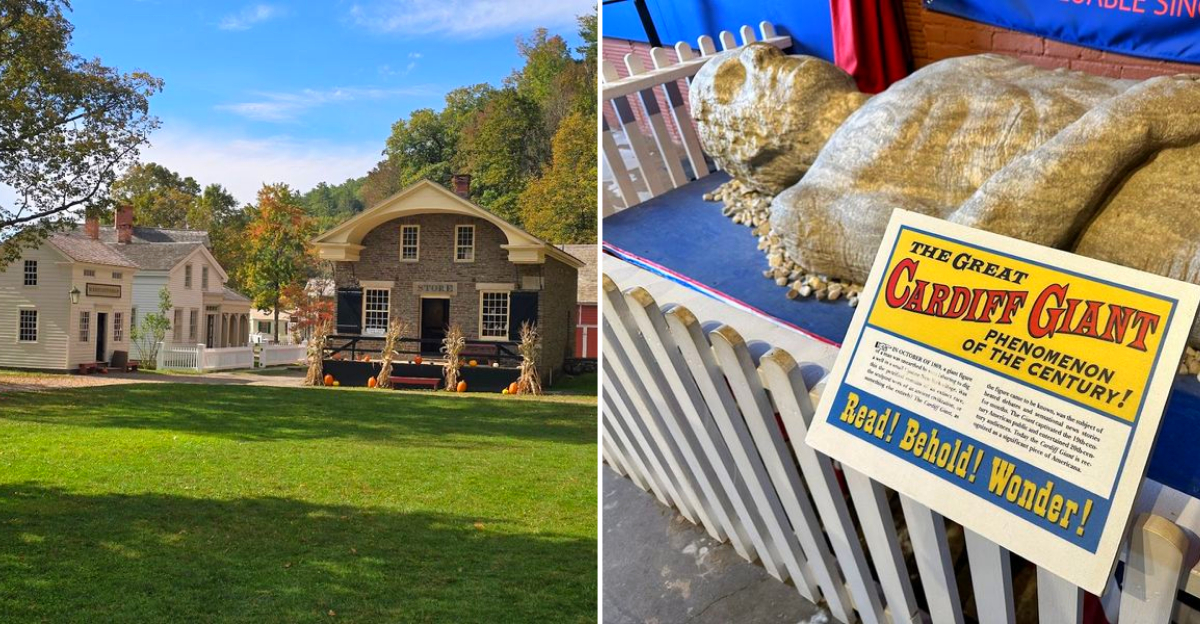
At first glance, it looks impossible to doubt. A massive figure, frozen in stone, laid out as if it had been waiting to be discovered all along.
People traveled across New York just to see it, convinced they were standing in front of something extraordinary.
The story only gets stranger the longer you stay with it. Crowds once lined up, money in hand, eager for a closer look, each person hoping to witness proof of something they couldn’t quite explain.
It sparked debates, drew headlines, and kept curiosity running high. The truth eventually came out, but by then, the spectacle had already done its job, leaving behind one of the most unusual chapters in the state’s history.
The Stone Giant That Started It All
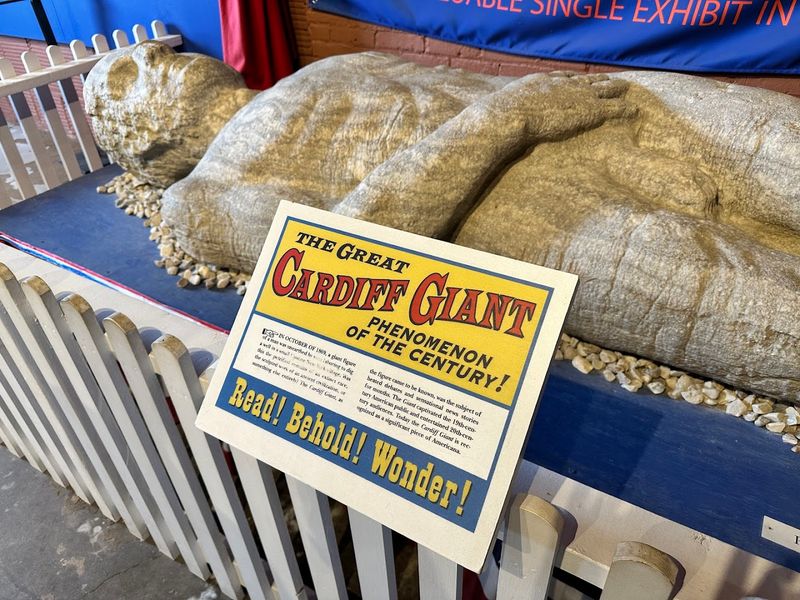
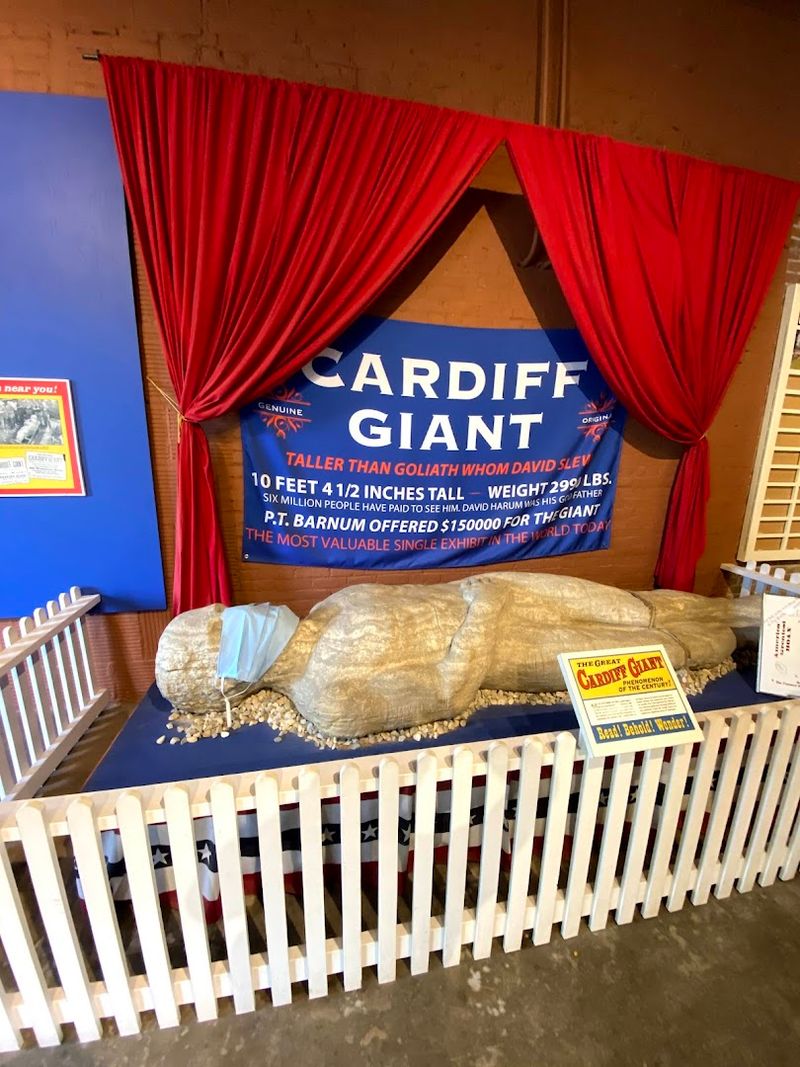
Few objects in American history have inspired as much wide-eyed disbelief as the Cardiff Giant, a 10-foot carved gypsum figure that convinced an entire nation it was staring at a petrified man from biblical times.
George Hull, a man from Binghamton, New York, hatched the plan after a heated argument with a Methodist minister about the biblical passage referencing giants.
Determined to embarrass the religious community and turn a profit, Hull commissioned a sculptor to carve the enormous figure from a block of gypsum mined in Iowa.
The statue was carefully aged using sulfuric acid and sand to simulate centuries of weathering. Hull then had it secretly buried on a farm in Cardiff, New York, owned by his cousin William Newell, in 1868.
Nearly a year later, workers digging a well struck the figure, and word spread with extraordinary speed.
Crowds descended on the small farming community almost immediately. Newell charged admission, and the money rolled in faster than anyone had anticipated.
Scientists debated its authenticity, ministers cited scripture, and newspapers ran breathless coverage. The hoax was eventually exposed, but the giant had already earned its place in the strange, colorful catalog of American folklore.
Fenimore Farm And Country Village: Where The Giant Lives Now
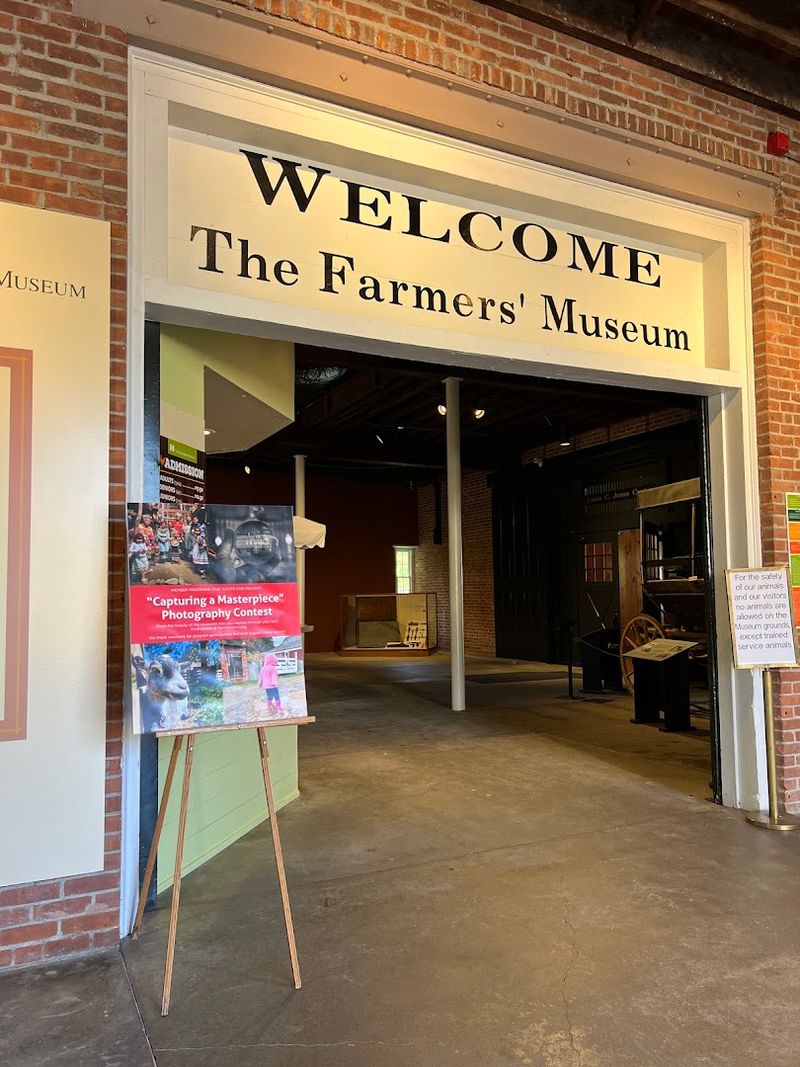
Located at 5775 NY-80 in Cooperstown, New York, Fenimore Farm and Country Village is the kind of place that rewards the traveler who slows down long enough to pay attention.
The museum holds the Cardiff Giant as one of its most talked-about exhibits, drawing visitors who arrive half-skeptical and leave genuinely impressed by the sheer audacity of the 19th-century con.
The giant rests on display with all the quiet confidence of something that has absolutely nothing left to prove.
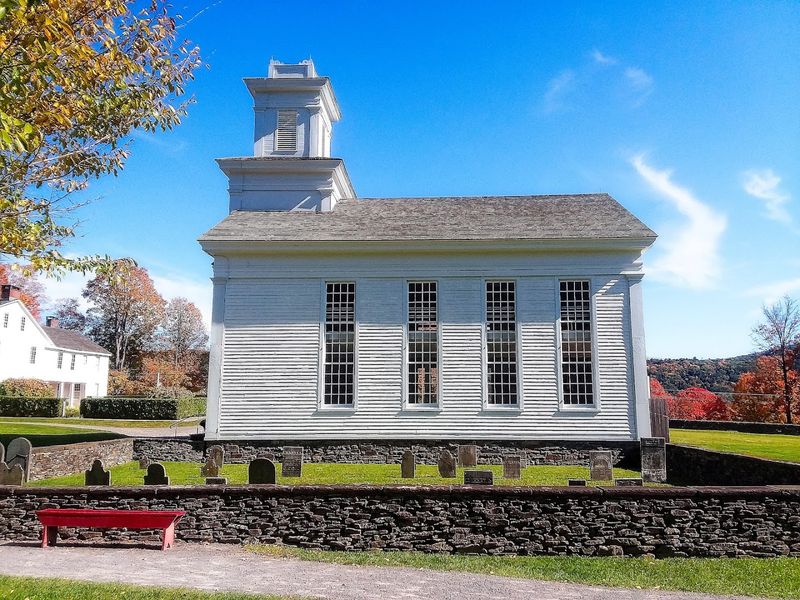
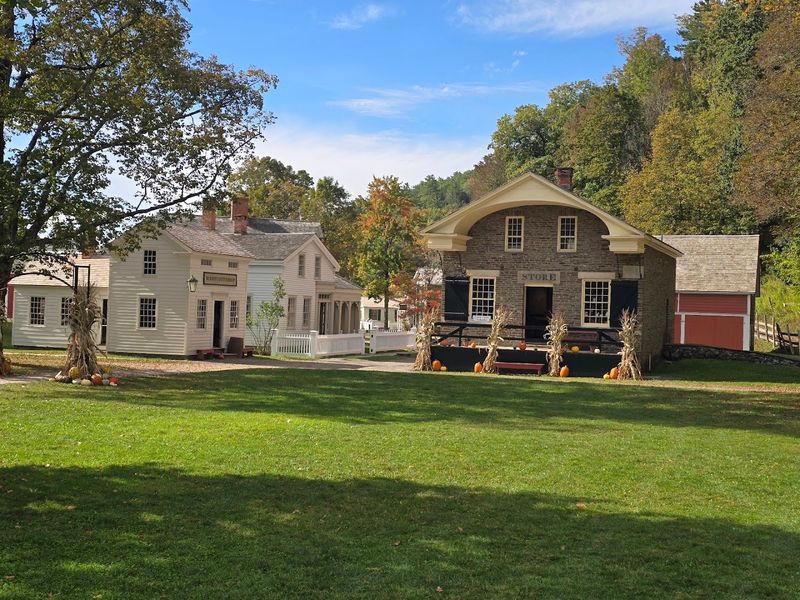
Beyond the famous stone figure, the museum is a carefully assembled collection of historic structures relocated from across New York State. Each building houses costumed interpreters who demonstrate the crafts and daily routines of 1840s rural life with real skill and enthusiasm.
The blacksmith forges actual hardware, the broom maker explains every step of the process, and the weavers work with period-accurate tools.
The farm is open Tuesday through Sunday from 10 AM to 4 PM, making it an accessible stop during a broader Cooperstown visit. The admission price is reasonable, and a combined ticket with the nearby Fenimore Art Museum offers excellent value.
For anyone with a taste for history served without pretense, this destination delivers consistently.
George Hull And The Genius Of A Well-Executed Lie
George Hull was not a man easily dismissed. His plan to carve and bury a fake prehistoric giant was not a spontaneous act of mischief but a carefully calculated operation that took months of planning and a significant financial investment.
Hull spent roughly $2,600 on the entire scheme, which covered the gypsum block, the sculptor’s fee, transportation, and burial costs. That figure translates to tens of thousands of dollars by modern standards.
What made Hull particularly clever was his understanding of human psychology. He knew that people wanted to believe in something extraordinary, especially something that seemed to confirm the stories they had grown up hearing.
The timing was ideal too, arriving during a period when scientific discovery and religious faith were in constant, very public tension across America.
When the giant was finally exposed as a fraud, Hull reportedly took some satisfaction in having proven his point about gullibility. The hoax had drawn paying crowds, generated national headlines, and embarrassed more than a few self-proclaimed experts.
Hull eventually sold his share in the giant for a tidy profit before the full truth emerged. His story remains a fascinating study in ambition, irreverence, and the remarkable ease with which a well-placed stone can capture an entire country’s imagination.
The Living Village That Brings The 1840s Back To Life
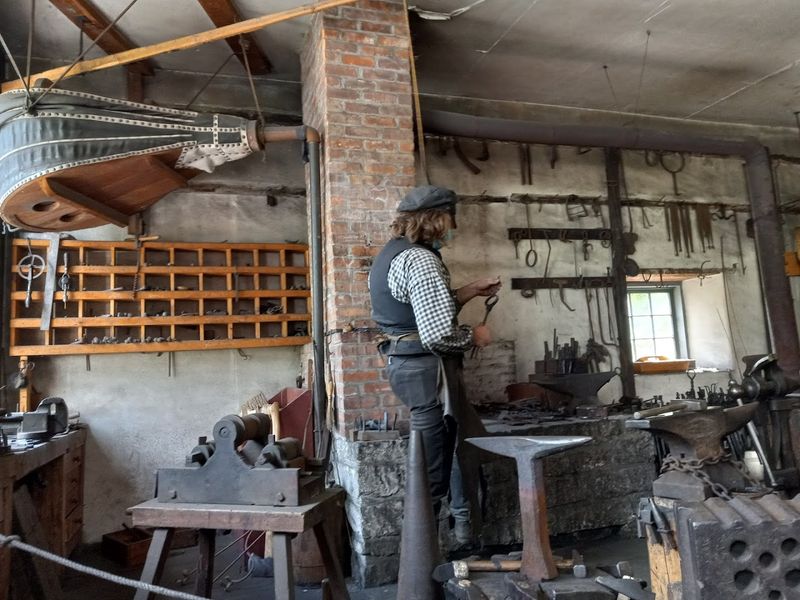
One of the most genuinely enjoyable aspects of Fenimore Farm and Country Village is the way its staff transforms history from something you read about into something you actually witness. The interpreters are not simply dressed in period costumes standing near velvet ropes.
They are actively working, whether hammering iron at the forge, spinning fiber into thread, or tending to the kitchen garden with tools that would have been completely familiar to a farmer in 1845.
The blacksmith shop alone is worth the trip. Watching a skilled smith produce functional hardware from raw iron is a reminder that the crafts we now treat as novelties were once essential to daily survival.
Children tend to be particularly captivated, and the staff handles curious questions with patience and genuine warmth.
The village layout encourages unhurried exploration. Buildings are spread across a scenic property, and each one offers a different glimpse into the trades and domestic rhythms of 19th-century New York.
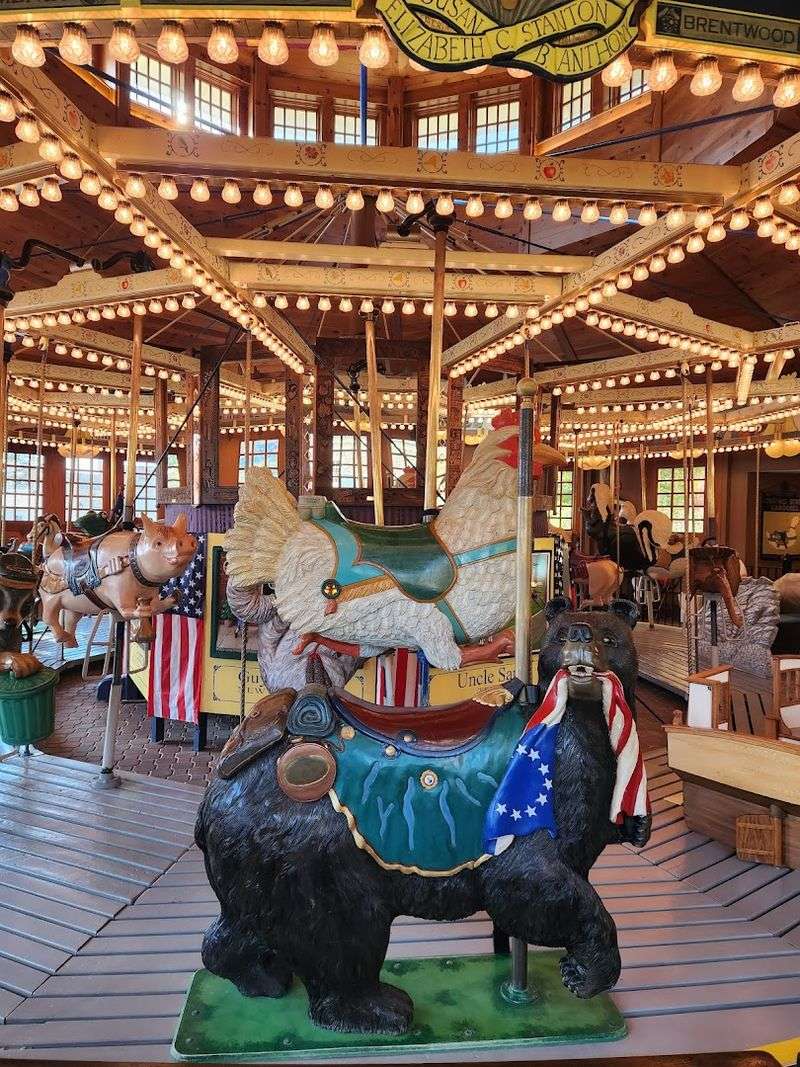
The hop barn exhibit, the broom-making demonstration, and the weaving room each carry their own distinct character. Fun fact: the property also features a beautifully carved wooden carousel that costs just one dollar per ride, making it one of the most charming bargains in the entire state.
P.T. Barnum And The Copy That Made Things Worse
The Cardiff Giant story took an even stranger turn when P.T. Barnum entered the picture.
After the giant became a national sensation, Barnum approached the owners and offered $60,000 to lease it for exhibition.
When they refused, Barnum did something that only Barnum would do: he commissioned his own copy of the giant and began displaying it in New York City, claiming that his version was the authentic one and the Cardiff original was the fake.
The audacity of that move is still remarkable to consider. Barnum essentially out-hoaxed the hoaxers, drawing enormous crowds to see a replica of a fraud while insisting on its legitimacy with complete theatrical confidence.
The public, apparently unbothered by the layers of deception, kept paying to see both versions.
This episode captures something enduring about the relationship between spectacle and belief. People are often less interested in the truth than in the experience of wondering about it.
Both giants continued to draw visitors even after the original was confirmed to be carved gypsum rather than petrified flesh.
The Cardiff Giant’s original version eventually found its permanent home at Fenimore Farm and Country Village, where it continues to attract visitors who appreciate a well-told story, even when that story is built entirely on a very large, very convincing lie.
Farm Animals, Carousels, And A Sense Of Genuine Wonder
Not every reason to visit Fenimore Farm and Country Village involves a famous hoax. The property operates as a working farm, and the animals are a genuine draw for families traveling with younger children.
Visitors have had the opportunity to watch horses being shod in the barn, observe seasonal agricultural work, and interact with the kind of livestock that most people only encounter in picture books.
The hand-carved wooden carousel deserves particular attention. Built with the craftsmanship of an earlier era, it features detailed figures and a backstory that the staff shares with evident pride.
At just one dollar per ride, it offers a rare moment of uncomplicated joy that fits naturally into an afternoon of historical exploration.
The farm also hosts seasonal events that transform the property throughout the year. Glimmer Nights, the winter light festival, has become a beloved tradition for many families in the region.
The Christmas lights installations are thoughtfully designed, and the warmth of the lit buildings against the cold evening air creates an atmosphere that is genuinely memorable.
The snack shop and gift shop round out the visit nicely, offering handmade goods produced on-site alongside locally sourced items that make for far more interesting souvenirs than the average tourist shop provides.
Why Cooperstown Is The Right Place For This Story
Cooperstown is a town that carries its history with a certain comfortable ease. Most visitors arrive because of the National Baseball Hall of Fame, which sits just around the corner from Fenimore Farm and Country Village, making it entirely practical to experience both in a single day.
The two institutions share a town that understands the value of a well-preserved story, whether that story involves a legendary sport or a legendary con.
The surrounding landscape adds considerably to the experience. Otsego Lake stretches out nearby, the hills roll in soft, unhurried waves, and the whole area carries the kind of quiet that makes reflection feel natural rather than forced.
Cooperstown is not a place that shouts for attention, which makes the Cardiff Giant’s history feel all the more surprising when you encounter it there.
Fenimore Farm and Country Village earns its reputation as a hidden gem through consistency and genuine care for its subject matter. The staff is knowledgeable, the setting is beautiful, and the exhibits are maintained with obvious respect for the stories they represent.
For a traveler who wants more than a standard museum visit, this destination offers history, humor, craft, and one very large stone man who fooled an entire nation and has been quietly smiling about it ever since.