
The Breathtaking Castle In Massachusetts That You’ve Probably Never Heard Of
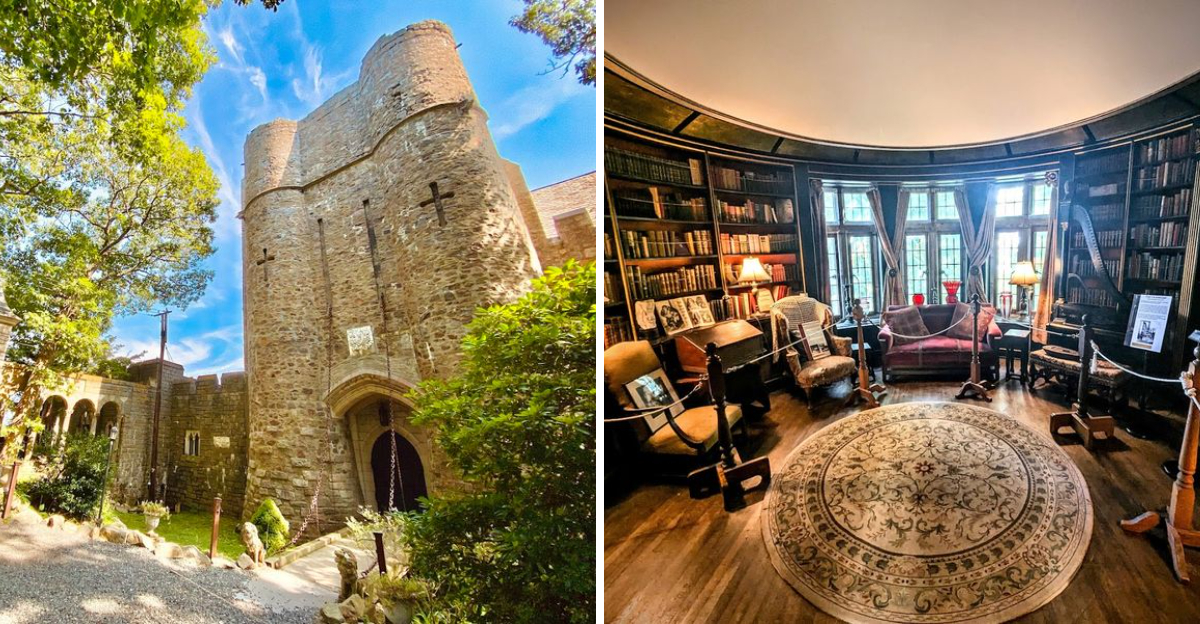
Stone walls rise above the Atlantic, waves crashing against the rocky shoreline below. It looks like something lifted straight out of medieval Europe.
Yet this dramatic castle stands right in Massachusetts, quietly watching the sea while most travelers drive past without realizing what sits on the bluff above the water. Built in the early 20th century by an eccentric inventor with a passion for history, the place blends real European artifacts, soaring arches, and an unforgettable courtyard that feels centuries old.
Go through the gates and the atmosphere changes instantly. The ocean breeze, the stone towers, the sense of mystery – it all feels wonderfully unexpected.
The Man Behind The Castle: John Hays Hammond Jr.
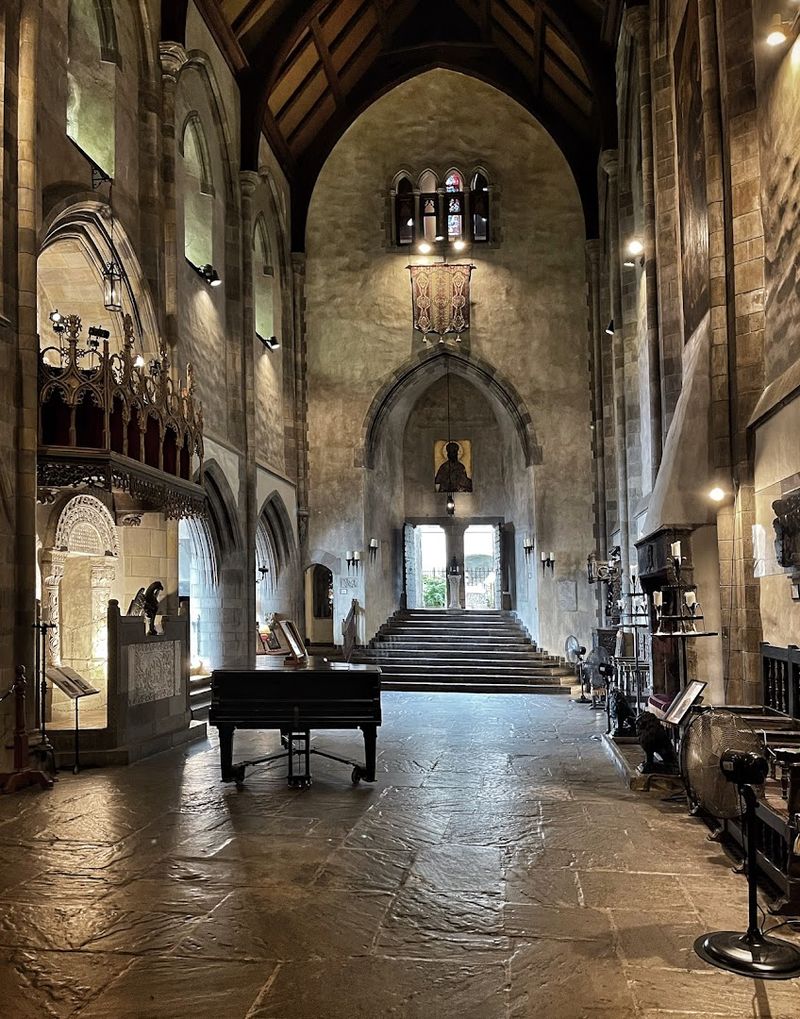
Before the stone walls and vaulted ceilings can be fully appreciated, knowing who built them changes everything. John Hays Hammond Jr. was not your average wealthy eccentric.
He held over 400 patents during his lifetime, earning him the title “Father of Radio Control” for his groundbreaking work in remote-guided technology. His inventions laid the foundation for modern radio-controlled devices used in everything from toys to military equipment.
Hammond was a scientist, a collector, and a showman all at once. He studied at Yale and later apprenticed under Thomas Edison and Alexander Graham Bell, two of the most celebrated inventors in American history.
That early exposure to brilliant minds clearly shaped his appetite for discovery and design.
When he decided to build a home, he did not settle for anything ordinary. He wanted a space that reflected both his love of history and his passion for experimentation.
The result was this castle, a structure that continues to astonish visitors nearly a century after its completion.
A Castle Built In The 1920s That Feels Like The 1420s
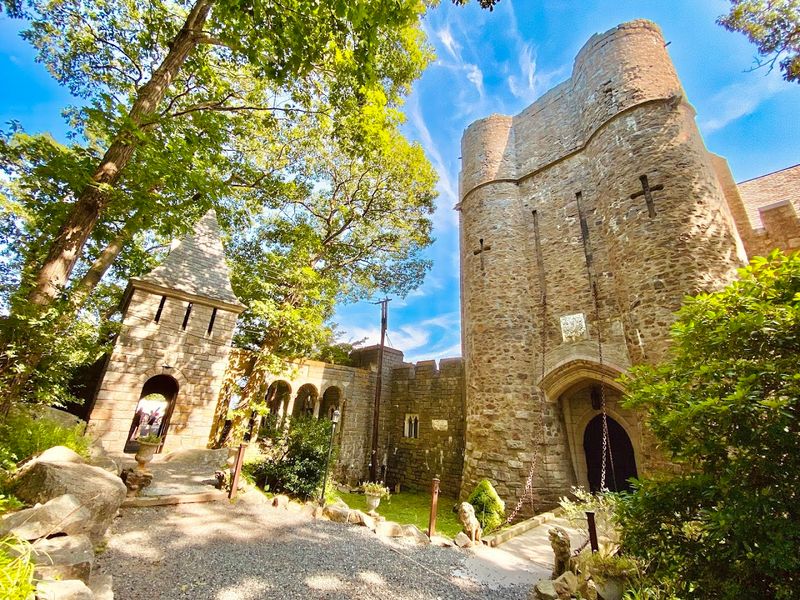
Construction on Hammond Castle began in 1926 and wrapped up in 1929, yet going through its entrance feels like crossing several centuries in a single stride. The exterior alone commands attention with its thick granite walls, crenellated towers, and arched stone gateway.
It was designed to mimic the architectural language of medieval Europe while quietly housing the very modern laboratory of a working inventor.
Hammond worked closely with architects to blend Gothic, Renaissance, and Romanesque influences into one cohesive structure. The result is a building that does not feel like a recreation or a theme park imitation.
The walls are genuinely thick, the stonework is aged and deliberate, and the proportions carry real weight.
Visitors often remark that photographs do not prepare them for the actual scale of the place. Seen from the road along Hesperus Avenue, the castle appears to grow out of the landscape naturally, as if it had always been there.
The Atlantic Ocean stretches behind it, adding a dramatic backdrop that no postcard fully captures. Arriving on a foggy morning makes the whole scene feel even more convincingly medieval, and that atmospheric quality is part of what keeps people coming back.
The Great Hall And Its Remarkable Pipe Organ
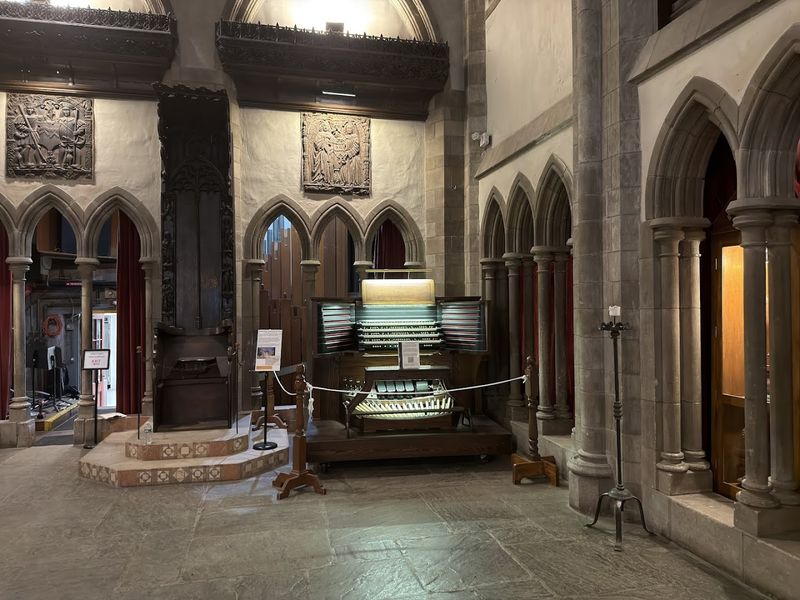
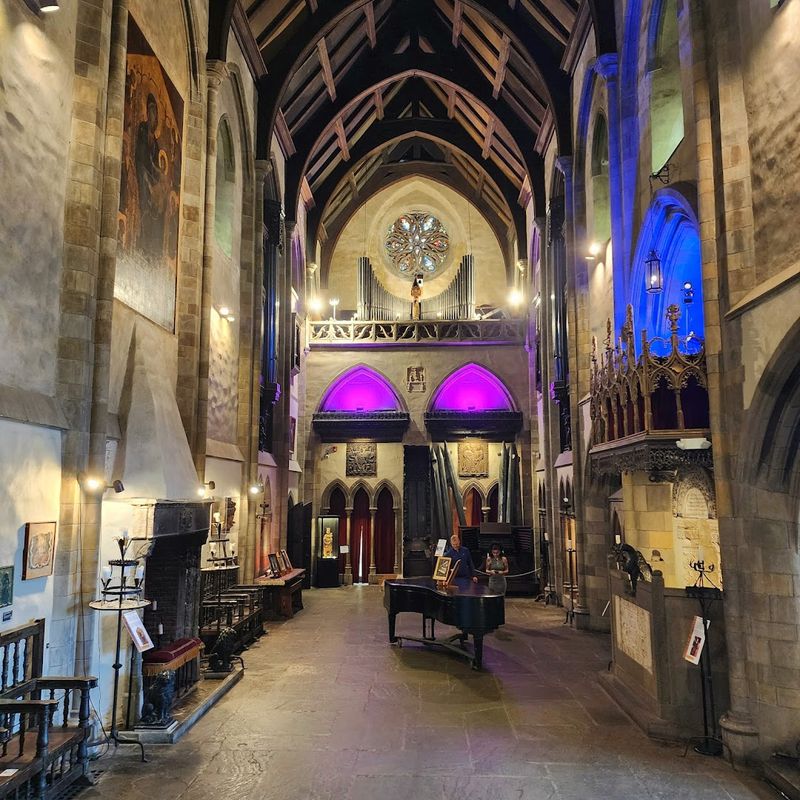
Few rooms in New England carry the kind of presence that the Great Hall at Hammond Castle does. The space rises dramatically, with stone walls, high ceilings, and an atmosphere that encourages silence out of sheer respect.
At the center of that experience stands the pipe organ, one of the most impressive privately built instruments in the country.
Hammond designed the organ himself, incorporating over 8,000 pipes of varying sizes and tonal qualities. The instrument was built to fill the entire hall with sound, and by all accounts it succeeds completely.
Concerts held in this room have drawn musicians and audiences from across the region, and the acoustics are frequently described as extraordinary by performers who have played there.
What makes the organ even more fascinating is the story behind its construction. Hammond was not a trained musician, yet his understanding of acoustics and mechanical systems was detailed enough to produce an instrument of genuine professional quality.
That combination of scientific precision and artistic ambition runs through the entire castle. The Great Hall is typically one of the first spaces visitors encounter on a guided tour at 80 Hesperus Ave in Gloucester and it sets a tone that the rest of the building lives up to remarkably well.
An Indoor Courtyard Modeled After A French Village
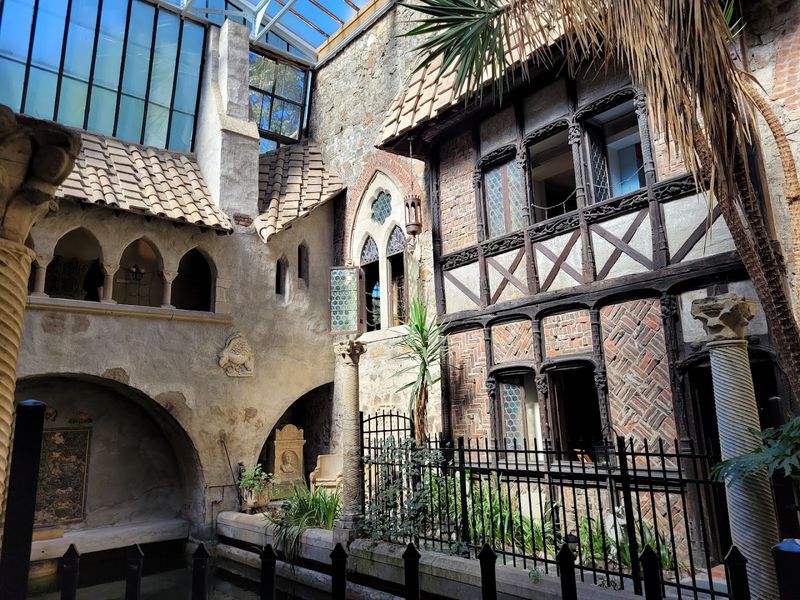
One of the most surprising features of the castle has nothing to do with towers or battlements. Walk through the right corridor and you find yourself standing inside an enclosed courtyard that Hammond designed to look like a 15th-century French village square.
The effect is genuinely disorienting in the best possible way.
Stone building facades line the interior walls, complete with shuttered windows, carved details, and archways that suggest a street scene frozen in time. Natural light filters in from above, casting the kind of soft, uneven glow that makes the space feel inhabited rather than staged.
At the center sits a heated swimming pool, which Hammond had built to an impressive depth of eight and a half feet.
The contrast between the outdoor medieval aesthetic and this warm, light-filled interior space is one of the castle’s most memorable qualities. Hammond clearly enjoyed the theatrical element of architecture, the idea that a building could surprise and delight its occupants at every turn.
Visitors who take their time in the courtyard tend to linger longer than expected, studying the details on the facades and trying to identify which elements are authentic medieval fragments and which were crafted specifically for this space.
A Collection Of Roman, Medieval, And Renaissance Artifacts
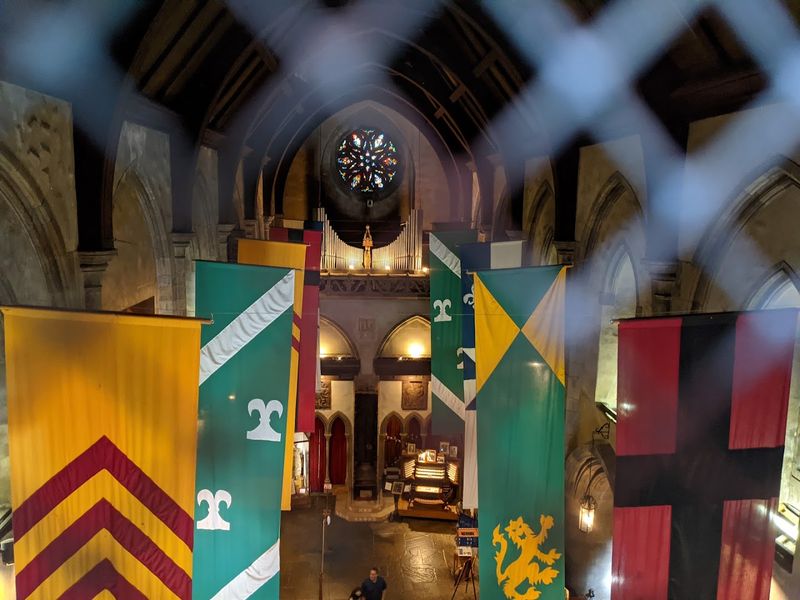
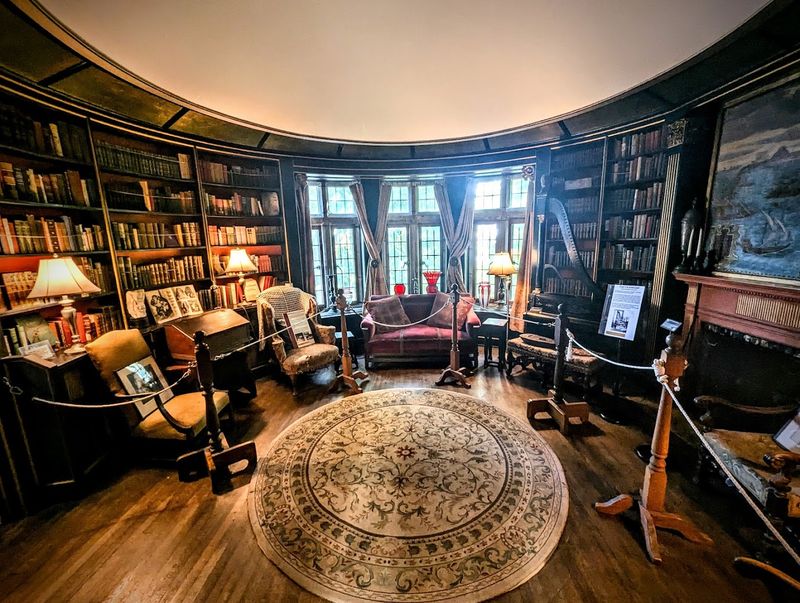
Hammond spent decades acquiring objects from across Europe and beyond, and the collection he assembled is genuinely broad in its historical range. Roman architectural fragments sit alongside medieval furniture and Renaissance decorative objects, creating a visual timeline that spans more than two thousand years of human craftsmanship.
The castle itself was partly conceived as a setting worthy of housing these pieces.
Some of the artifacts were purchased during Hammond’s extensive travels abroad, while others were acquired through estate sales and private dealers. He had a particular interest in objects that showed evidence of skilled handwork, things that revealed the technical intelligence of earlier civilizations.
That curatorial instinct gives the collection a coherence that goes beyond simple accumulation.
Visitors with even a passing interest in history tend to find the artifact rooms absorbing. The informational panels throughout the museum are clear and well-written, offering context without overwhelming the experience.
What stands out most is how naturally the collection fits within the castle’s architecture. The objects do not feel displayed so much as they feel at home, arranged in spaces that were designed with them in mind from the very beginning.
That integration between building and collection is what separates this museum from more conventional settings.
Ocean Views That Make The Whole Trip Worth It
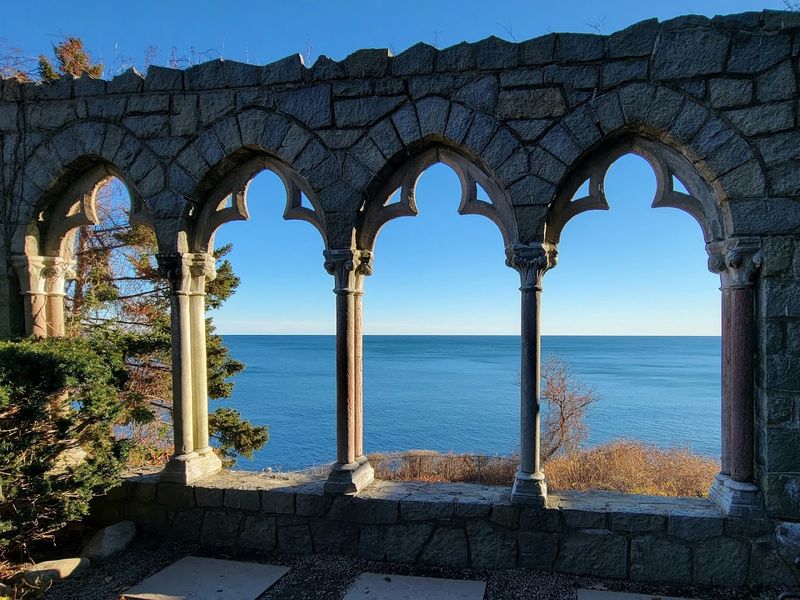
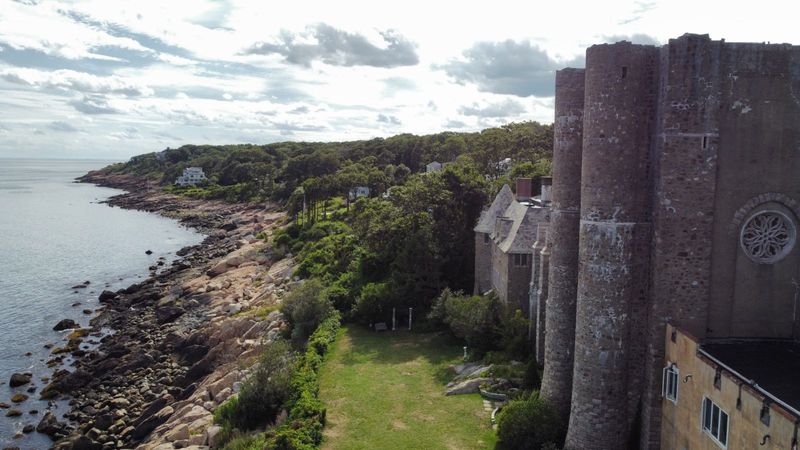
Location is one of those qualities that no renovation or restoration can manufacture after the fact. Hammond chose his site deliberately, and the position of the castle on Cape Ann gives it one of the more commanding coastal views in the state.
The Atlantic Ocean sits directly beyond the castle walls, and on clear days the horizon seems to stretch without limit.
Visitors often pause for longer than they planned, simply taking in the water. The rocky shoreline below adds texture to the view, and the sound of waves reaching the base of the bluff creates a sensory experience that photographs cannot replicate.
Early morning visits, before the weekend crowds arrive, offer a particular quality of light that photographers and casual visitors alike tend to appreciate deeply.
The combination of medieval architecture and open ocean is genuinely unusual. Most castle experiences in the United States involve landlocked settings or reconstructed facades.
Here, the building and the landscape feel like they were made for each other, which adds a layer of authenticity that visitors frequently mention in their accounts of the trip. Standing on the grounds of 80 Hesperus Ave on a clear afternoon, with the ocean spread out before you, is an experience that stays with you well after the drive home.
Guided Tours That Bring Hammond’s Story To Life
A self-guided walk through the castle is rewarding on its own terms, but the guided tour operates on a different level entirely. The guides at Hammond Castle are notably well-prepared, and several of them have developed a genuine expertise in both the history of the building and the personality of its creator.
That depth of knowledge transforms a room-by-room visit into something closer to a conversation.
Multiple visitor reviews highlight specific guides by name, praising their ability to balance factual detail with humor and storytelling. One tour in particular, conducted during the holiday season, generated enthusiastic responses for the guide’s encyclopedic knowledge and engaging delivery.
The tours cover Hammond’s inventions, his social life, his relationship with the artifacts, and the many quirky design choices built into the castle’s layout.
There are hidden details throughout the building that most visitors would walk past without a guide pointing them out. The pool room alone reportedly contains numerous surprises that only become visible when someone explains where to look.
For first-time visitors especially, booking the guided option adds considerable value to the admission price. Tours run regularly throughout the week, and the museum is open from 9 AM to 3:30 PM Monday through Sunday, making it accessible for most travel schedules.
Special Events That Transform The Castle After Hours
The regular visiting hours tell only part of the story at Hammond Castle. Throughout the year, the museum hosts a rotating calendar of special events that use the castle’s architecture and atmosphere in creative and memorable ways.
Renaissance fairs, candlelight tours, and seasonal celebrations have all taken place within these walls, and each format brings a different energy to the space.
The Christmas tour has earned particular praise from visitors, with several describing it as one of the most atmospheric holiday experiences they have had anywhere. The combination of stone interiors, low candlelight, and historically themed decor creates a setting that feels genuinely removed from the ordinary December routine.
Visitors consistently note that the event feels more immersive than comparable seasonal attractions in the region.
The castle has also hosted weddings, and the reviews from couples who married there are remarkably consistent in their enthusiasm. The combination of dramatic architecture, ocean views, and attentive staff has produced what several reviewers called a fairytale experience.
Event availability and schedules vary by season, so checking the museum’s official website at hammondcastle.org before planning a visit is strongly recommended. The events calendar fills up quickly, particularly during autumn and the holiday months when the castle’s atmosphere reaches its seasonal peak.
Why Hammond Castle Works As A Wedding Venue
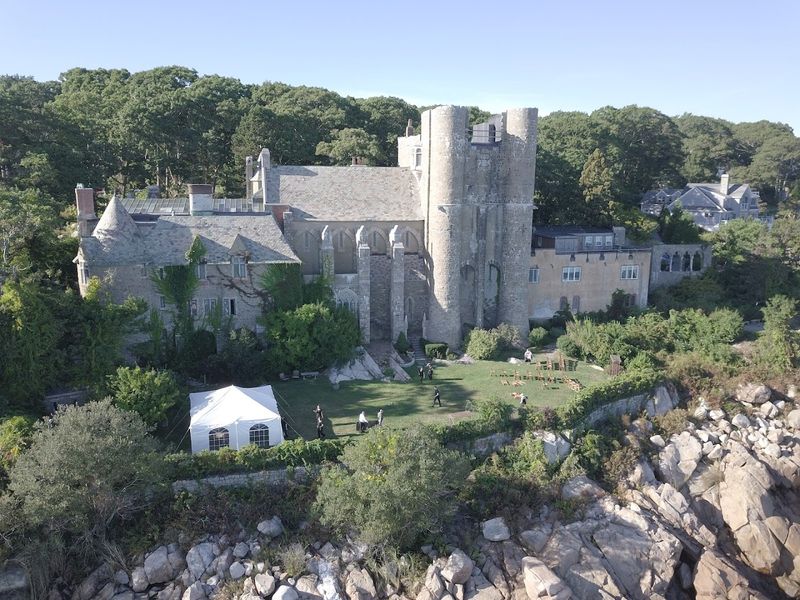
There are wedding venues that offer beautiful gardens, and others that provide waterfront settings, but very few deliver the combination of medieval architecture, ocean views, and genuine historical character that Hammond Castle brings to the occasion. Couples who have held their ceremonies here frequently describe the experience as exceeding every expectation they arrived with.
The venue works across multiple seasons. Spring ceremonies benefit from the surrounding landscape coming into bloom against the stone backdrop.
Autumn events draw on the dramatic coastal light and the warmth of the interior spaces. Winter weddings, held inside the Great Hall or the courtyard, carry a particularly intimate quality that guests tend to remember for years.
The staff at Hammond Castle has received consistent praise for their responsiveness and attention to detail during the planning process. One reviewer described working with the events coordinator as a genuinely reassuring experience, noting that even weather complications were handled with calm professionalism.
For couples searching for something beyond the standard banquet hall or vineyard setting, the castle offers a backdrop that photographs exceptionally well and creates memories that feel distinct from any other venue in the region. Booking inquiries can be directed through the museum’s official website or by calling the main number at the Gloucester location.
Planning Your Visit To Gloucester’s Most Surprising Attraction
Getting to Hammond Castle is straightforward, and the drive along the Cape Ann coastline is pleasant enough to count as part of the experience. The museum sits at 80 Hesperus Ave, Gloucester, MA 01930, roughly an hour from Boston by car.
Free parking is available on site, though weekend mornings fill up faster than many visitors expect, so arriving early pays off in more ways than one.
Admission is currently priced at around $25 on weekends, with slight variations depending on the tour format and any special programming scheduled for that day. Both guided and self-guided options are available.
First-time visitors with an interest in history or architecture tend to get more from the guided experience, while those who prefer to move at their own pace find the self-guided format equally satisfying.
A few practical notes worth keeping in mind: the castle contains numerous narrow hallways and uneven spiral staircases, which is consistent with its medieval design but can present challenges for visitors with limited mobility. The museum is open seven days a week from 9 AM to 3:30 PM, and the staff is consistently described as friendly and knowledgeable.
Tickets can be purchased online or at the door, and the museum can be reached by phone at +1 978-283-2080 for any advance questions.