
The Breathtaking River In Texas Known For Its Crystal Clear Depths
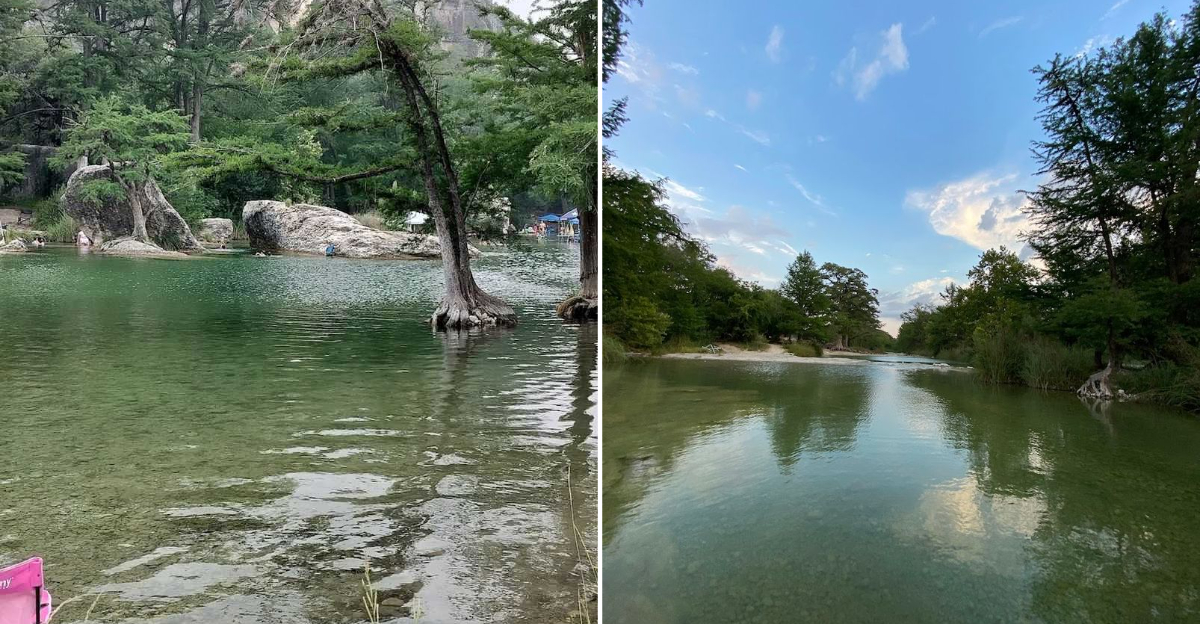
Texas is not a state most people associate with crystal clear water. It is a state people associate with size, heat, and flat horizons.
Then someone takes their family to this river, and the whole assumption gets revised in about thirty seconds. The Hill Country has a way of doing that.
Spring-fed and cold in a way that surprises everyone on the first visit, this river runs through a landscape that has nothing to do with the Texas most people picture. The water is clear enough to see the bottom from a tube drifting in the middle of the current.
Children stop talking when they look down. Adults stop talking for different reasons but with the same expression.
A family day on this river has a particular rhythm. The morning float, the cold shock of the first entry, the afternoon that stretches longer than anyone planned because nobody wants to be the one to suggest leaving.
The drive home is quiet in the way that good days make people quiet. This state keeps this river close to its chest.
The families who find it tend to come back every summer without needing a reason beyond the water itself. That is reason enough.
Crystal Depths And Water Clarity
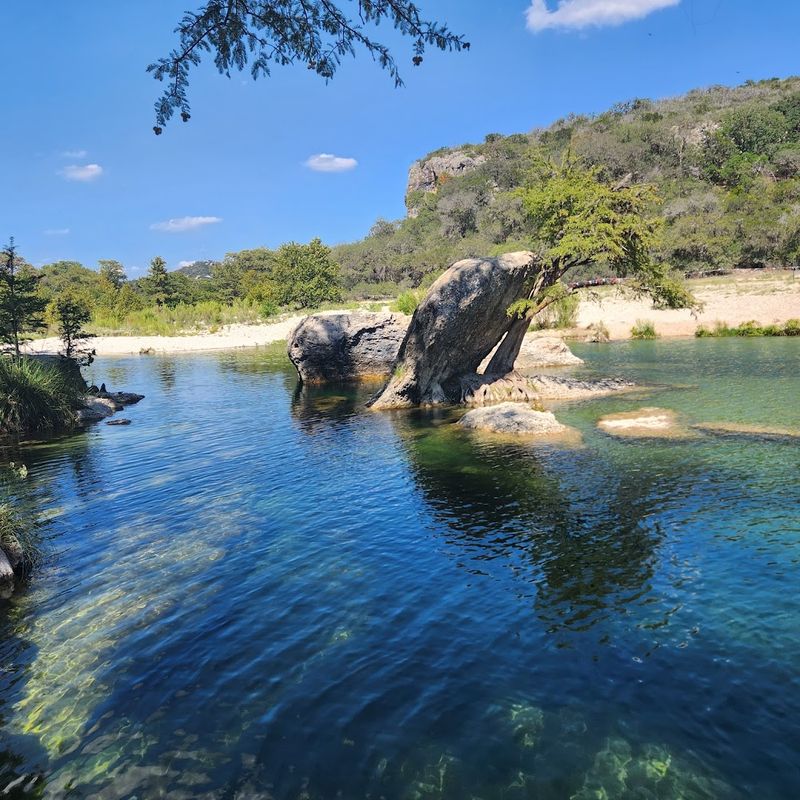
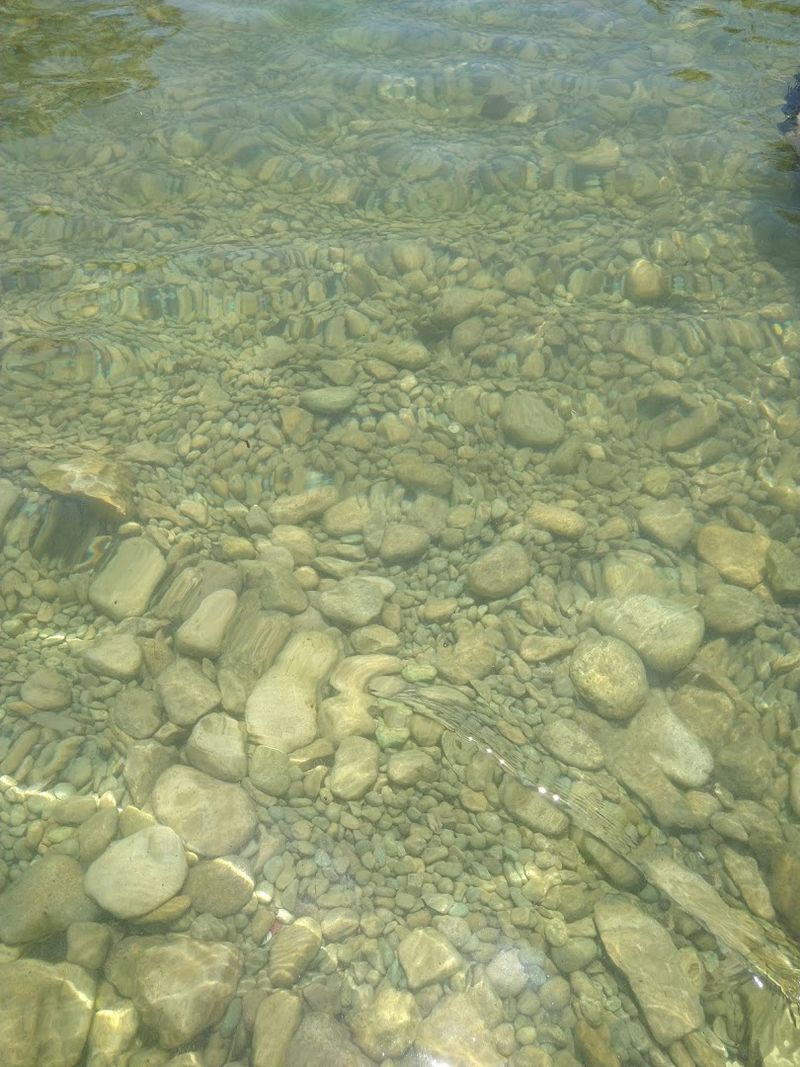
The water here is so clear it almost looks fake. The Frio River gets its name from the Spanish word for cold, and that tells you everything you need to know about what to expect.
Spring-fed water filters naturally through layers of limestone rock before reaching the surface.
That filtration process is what creates the river’s famous transparency. You can look straight down into deeper sections and still see the gravel and limestone riverbed below.
Some pools reach eight to ten feet deep, and a few pockets go as far as twelve feet.
Even at those depths, the water stays remarkably clear year-round. This is not a seasonal thing.
The spring sources maintain consistent flow regardless of the season, which keeps the clarity stable. Visitors often say the water looks almost like glass when the light hits it just right.
Mornings tend to offer the best visibility before crowds stir up sediment near the banks. Getting there early makes a real difference.
The combination of natural filtration, consistent water flow, and limestone geology creates conditions that most rivers simply cannot match. Find the Concan Swimming Hole at F7WQ+GM, 20718 TX-127, Concan, TX 78838, and see this clarity for yourself.
Native Flora And Fauna Habitats
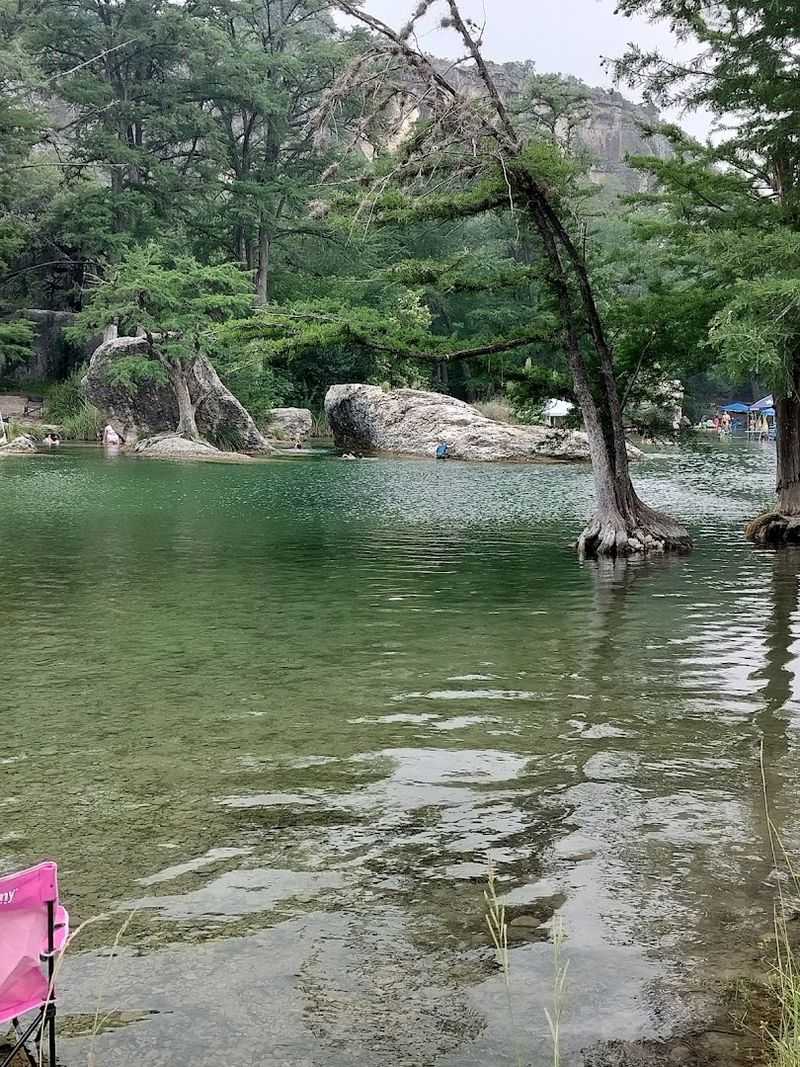
The banks of the Frio River are alive in ways that most people do not expect from a Texas summer destination. Bald cypress trees line the water’s edge, their massive roots gripping the limestone banks like anchors.
These trees create natural shade that keeps the riverbanks cool even on the hottest afternoons.
The Texas Hill Country surrounding Concan supports a surprisingly rich mix of plant life. Wild grasses, native shrubs, and flowering plants grow alongside the river corridor.
This vegetation provides critical habitat for dozens of bird and animal species throughout the year.
Underwater, the story gets even more interesting. Native fish species navigate the clear current between rocky outcroppings and submerged limestone ledges.
The water’s clarity actually makes it easier to spot aquatic life from the surface without disturbing anything below.
The riparian zone here acts as a natural buffer between the river and the surrounding land. It filters runoff, reduces erosion, and supports biodiversity in ways that benefit the entire ecosystem.
Visiting during spring or early fall gives you the best chance to see native plants in full bloom alongside the water. The habitat here feels genuinely wild, even though people have been swimming and wading in this spot for generations.
Nature has found a way to hold its ground beautifully.
Recreational Activities And Experiences
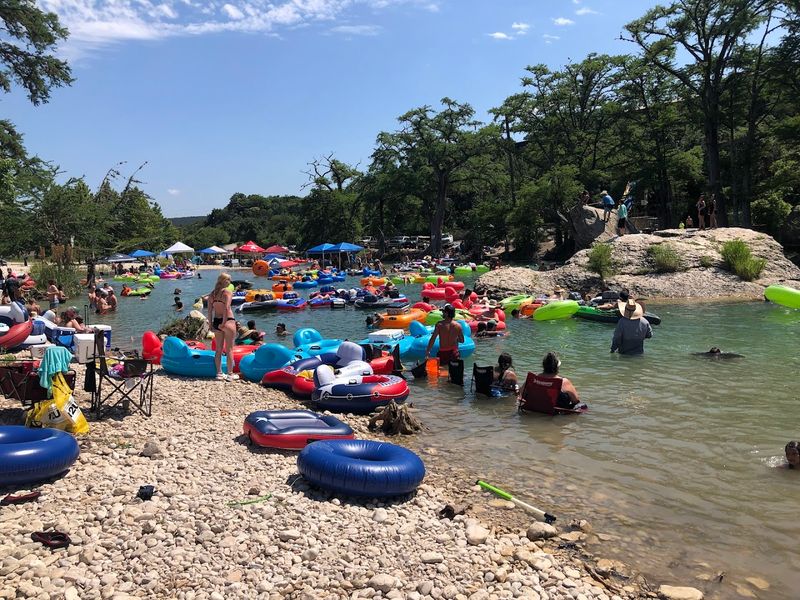
Swimming is the obvious draw here, but the Concan Swimming Hole offers more than just a place to get wet. Tubing is a favorite activity, and you can bring your own tube or rent one on site.
Floating down the Frio River while the cold water rushes around you is genuinely hard to beat on a hot Texas afternoon.
The deeper pools attract visitors who enjoy jumping from the large limestone rocks along the banks. It is one of those simple thrills that never gets old, no matter how many times you do it.
Just wear water shoes because those rocks are slippery, and your feet will thank you later.
Kayaking and paddle boating are also popular ways to explore the river. These options let you cover more ground and see parts of the river that swimmers might miss.
The calm stretches are perfect for beginners, while faster sections keep things exciting for more experienced paddlers.
The swimming hole opens at 10 AM daily and stays open until 7 PM, giving you a solid window to make a full day of it. Admission is charged per vehicle, so carpooling makes sense.
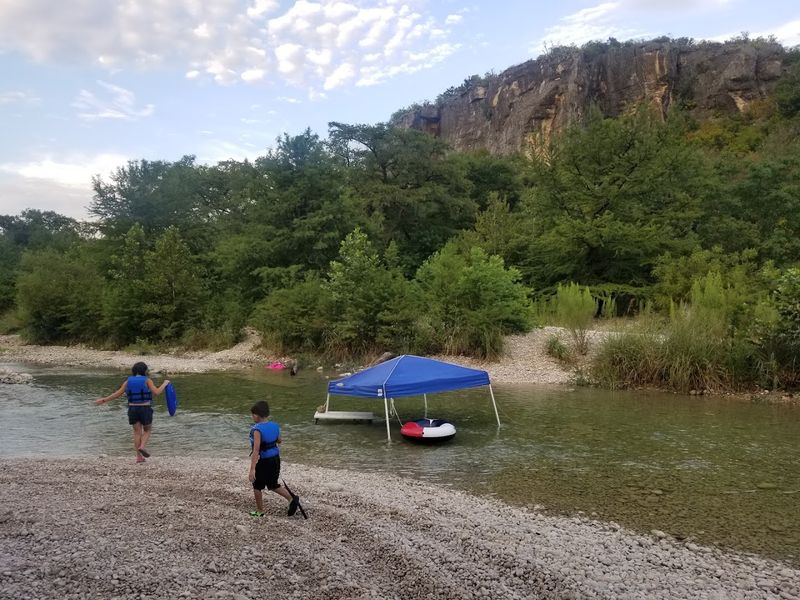
Bring chairs, canopies, snacks, and everything you need because facilities are minimal. The focus here is entirely on the river itself, and honestly, that is more than enough.
Conservation Efforts And Environmental Impact
Keeping a place like the Concan Swimming Hole clean takes genuine effort from everyone who visits. The owners of the swimming hole have made a clear choice to preserve the natural environment rather than overdevelop the site.
There are minimal facilities on purpose, and that decision reflects a commitment to leaving the landscape as undisturbed as possible.
The Frio River watershed depends on responsible visitor behavior to stay healthy. Trash left near the water, sunscreen chemicals, and physical disturbance of the riverbed all add up over time.
Each visitor carries some responsibility for the condition they leave behind.
Water usage upstream affects river levels and clarity downstream. Local conservation conversations often center on balancing agricultural needs, residential water use, and the preservation of spring-fed rivers like the Frio.
These are real tensions that communities in the Texas Hill Country navigate carefully.
The limestone aquifer system that feeds the Frio River is part of a broader geological network that supplies water across a wide region.
Protecting recharge zones and limiting pollution near aquifer-sensitive areas directly affects the river’s long-term clarity and flow.
Visitors who pack out their trash, avoid disturbing wildlife, and stay on designated access points make a measurable difference. Small choices add up.
The goal is simple: keep this river looking exactly the way it does right now, for everyone who comes after you.
Local Climate Effects On River Conditions
Texas summers are no joke, and the climate around Concan plays a direct role in what the Frio River looks like on any given day. Rainfall patterns in the Hill Country affect water levels significantly.
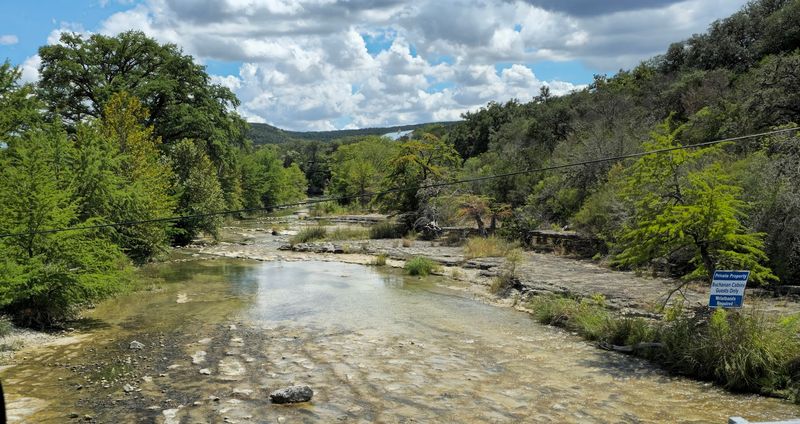
A dry stretch can drop the river low enough that some sections become shallow wading zones instead of proper swimming spots.
The spring-fed nature of the Frio provides a buffer against extreme fluctuations, but it is not immune to drought conditions. When rainfall is below average for an extended period, spring output decreases and river levels follow.
Optimal tubing conditions exist when the flow rate sits between 100 and 300 cubic feet per second.
Summer is the busiest season, which lines up with the hottest and sometimes driest months. This creates a bit of a paradox.
Peak visitor demand often coincides with lower water levels. Getting there early in summer helps you claim space before the crowd fills every accessible bank.
Fall and spring visits offer a different experience entirely. Water levels tend to be more reliable after seasonal rains, and temperatures are comfortable enough to enjoy the river without needing to escape the heat.
Winter visits are possible, but the water stays genuinely cold year-round at around 68 to 70 degrees Fahrenheit. That temperature feels refreshing in July and bracingly cold in December.
Plan your trip around recent rainfall data for the best experience.
Popular Wildlife Sightings And Behaviors
The Frio River corridor around Concan is a wildlife magnet, and the swimming hole sits right in the middle of active habitat. White-tailed deer are commonly seen near the water, especially during early morning visits before the crowds arrive.
They move confidently along the banks because the river is part of their daily routine.
Bird activity here is constant and varied. Herons stand motionless in the shallows, scanning for fish with impressive patience.
Kingfishers dart low over the water surface in flashes of blue and orange. Both species rely on the river’s clarity to hunt effectively, which makes the Frio an ideal habitat for them.
Turtles are easy to spot on warm days. They pile onto exposed limestone rocks along the banks to bask in the sun, often stacking two or three high before they slide back into the water.
Watching them is oddly entertaining, especially for kids who have never seen it before.
The clear water also reveals native fish moving through the current below the surface. Guadalupe bass and various sunfish species are common in this stretch of the Frio.
Snakes are present in the area, too, so staying aware of your surroundings near rocky banks is always a smart habit. Most wildlife here is completely harmless and more interested in avoiding you than anything else.
Respect their space, and they will go about their business without issue.
Safety Precautions For Visitors
The Concan Swimming Hole is a genuinely fun place, but a few safety basics go a long way toward making sure your visit ends well. The limestone rocks throughout the swimming area are slippery when wet, which is basically always.
Water shoes with a solid grip are not optional here. They are the single most important piece of gear you can bring.
The deeper pools in this section of the Frio can reach ten to twelve feet. Non-swimmers and young children should wear life jackets near these areas.
The water is clear enough that depth can be deceptive, and what looks shallow from the surface may not be.
Sun exposure is a real concern during summer visits. The open sections of the river offer little shade, and the reflective surface of the water intensifies UV exposure.
Repack reef-safe sunscreen throughout the day and consider wearing a rash guard for an extended time in the water.
Hydration matters more than most people realize when you are spending hours in cool water on a hot day. The cold temperature of the river can mask how much your body is working to stay warm.
Bring more water than you think you need. Check current river flow conditions before you go, especially after heavy rainfall, since the Frio can rise quickly.
Arrive informed, gear up properly, and the swimming hole will deliver a great day without any unwanted surprises.
Seasonal Events And Natural Phenomena
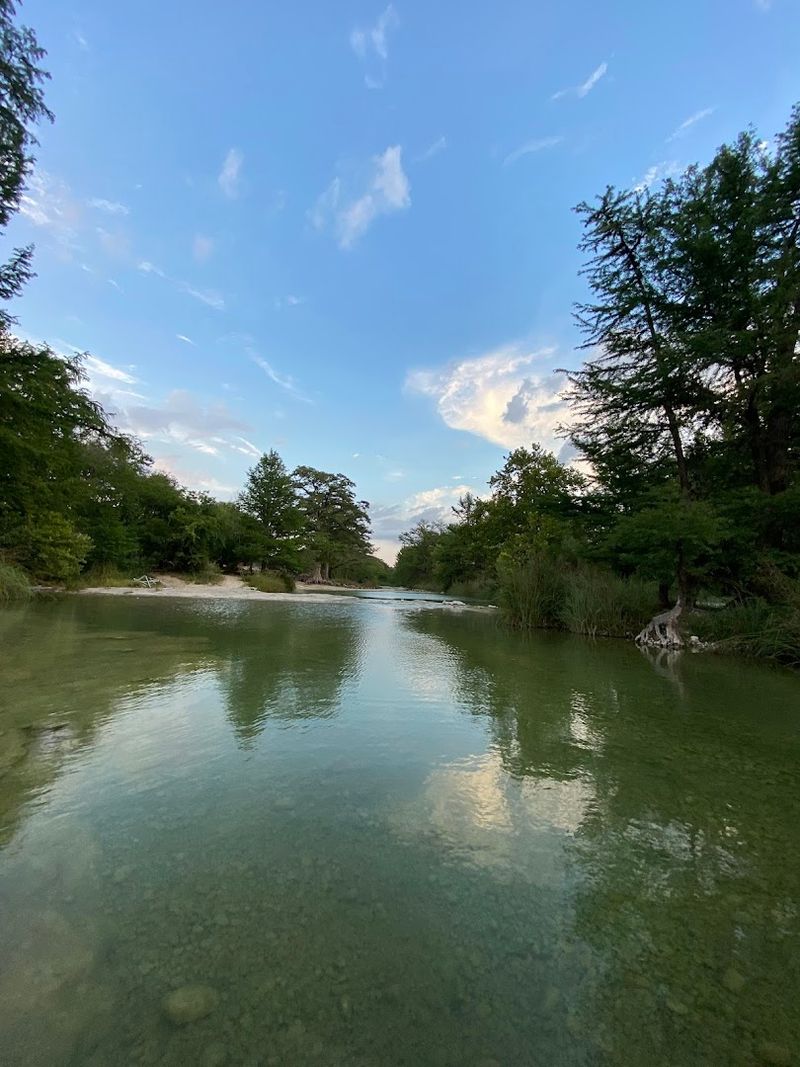
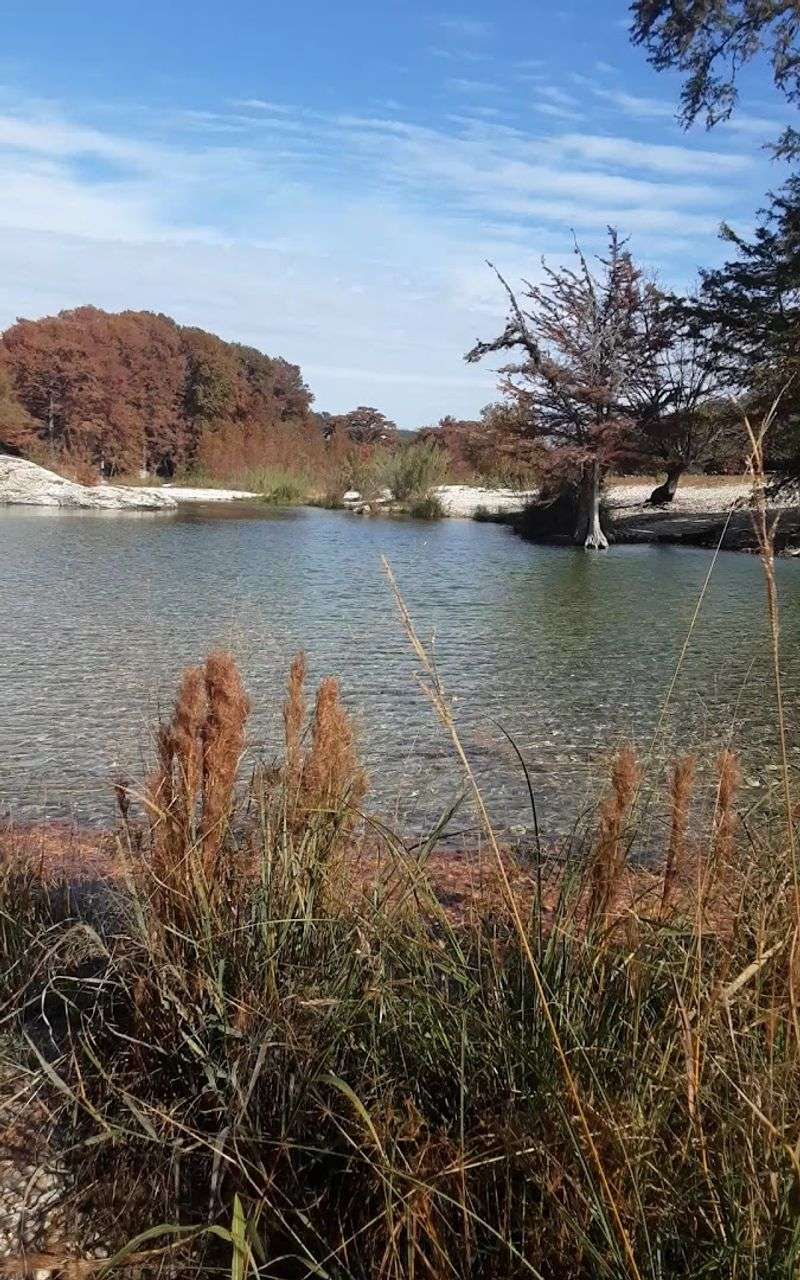
One of the most visually striking things that happens at the Frio River each year is the fall color change of the bald cypress trees.
These towering trees line the riverbanks and shift from deep green to brilliant orange and gold between October and November. It is one of the more underappreciated fall foliage displays in Texas.
Spring brings wildflower blooms to the surrounding Hill Country landscape. Bluebonnets and Indian paintbrush appear along roadsides and open fields near Concan, creating a colorful backdrop for river visits.
This season also tends to bring more reliable water levels after winter and spring rains refill the aquifer.
Summer is peak season for the swimming hole, and the river transforms into a lively social scene. Families, groups, and solo visitors fill the banks from opening to close.
The energy is high, the water is cold, and the experience has a festive atmosphere that is hard to replicate anywhere else.
Winter visits offer something completely different. The swimming hole may have reduced hours or limited access depending on the season, so checking ahead is essential.
The off-season version of the Frio is quieter, more peaceful, and unexpectedly beautiful. Fog sometimes settles over the water on cool mornings, creating an almost otherworldly scene along the cypress-lined banks.
Each season reveals a new side of this river, and returning visitors often say no two trips ever feel the same.