
The Charming Ohio Covered Bridge That Looks Like Something Straight Out Of A Storybook
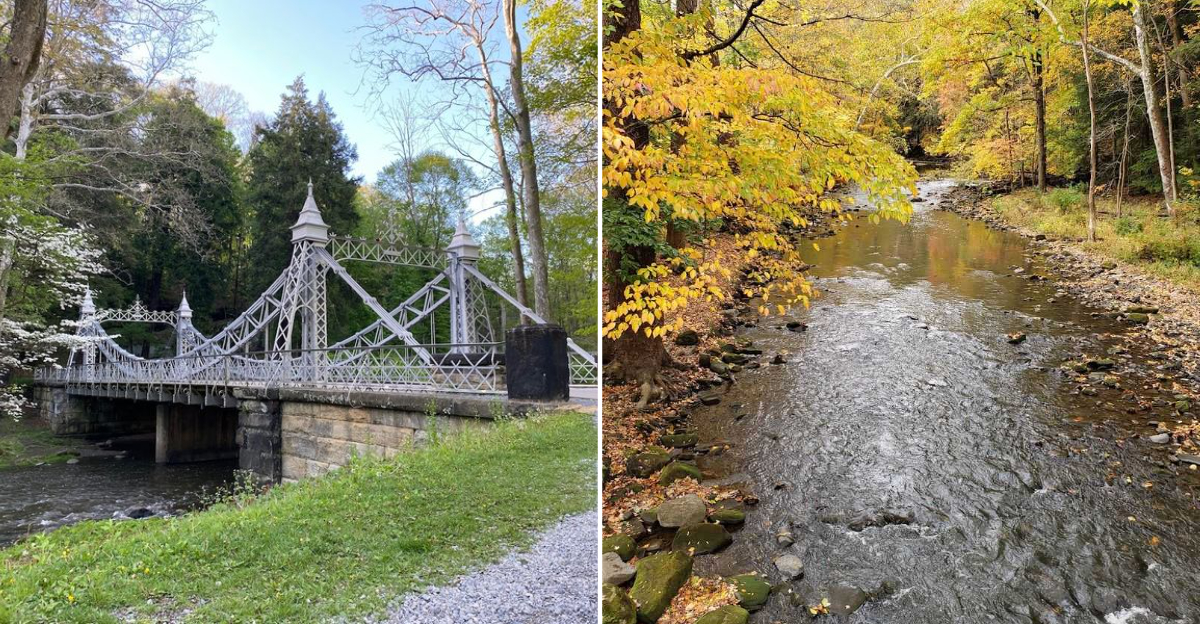
You come around a bend in the road, and there it is. The kind of stillness that makes you turn the car off and sit for a moment before you do anything else.
Ohio has a covered bridge that does exactly that to people. It has been doing it for a long time.
The creek kept moving underneath it through every decade it stood. The road leading to it stayed narrow and unhurried in a way that prepares you for what is waiting at the end of it.
There is something about a structure that has outlasted almost everything built in the same era. You stand on it, and the water moves below the way water moves when nobody is timing it.
The surrounding landscape holds the whole scene in a quiet that feels earned rather than accidental. Ohio keeps this one at a comfortable distance from the main roads.
That distance is part of what makes it worth finding.
Historical Significance And Construction Techniques
Built in 1895, this bridge carries more than 130 years of Youngstown history on its iron shoulders. Designed by Charles Fowler of the Youngstown Bridge Company, it is the oldest bridge standing inside Mill Creek Park.
That alone makes it worth a visit.
The original construction used an eye-bar chain suspension system. That design was common in the United Kingdom but extremely rare in the United States at the time.
Fowler brought something distinctly European to the American Midwest, and it stuck.
The bridge measures 86 feet long and 32 feet wide. It carries Valley Drive across Mill Creek, linking the east and west sides of the park.
In 2007, a major rehabilitation project was completed to restore and repair the structure. However, that project changed some of the historic details, with the suspension system now serving mostly a decorative purpose.
Still, the bones of the original 1895 design are very much present. On October 29, 1976, the bridge was officially listed on the National Register of Historic Places.
That recognition confirmed what locals already knew. You can find this landmark at E Cohasset Connector, Youngstown, OH 44511, right inside the beautiful Mill Creek Park.
Architectural Features That Define Timeless Charm
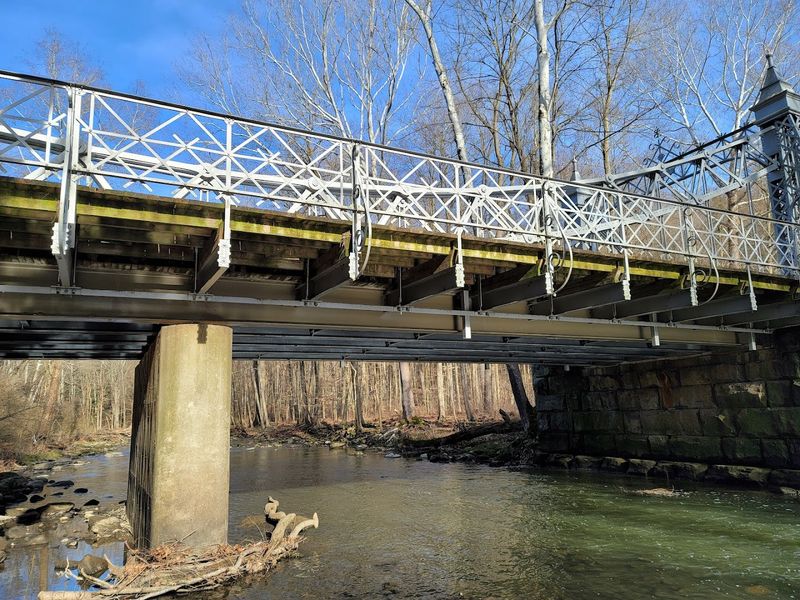
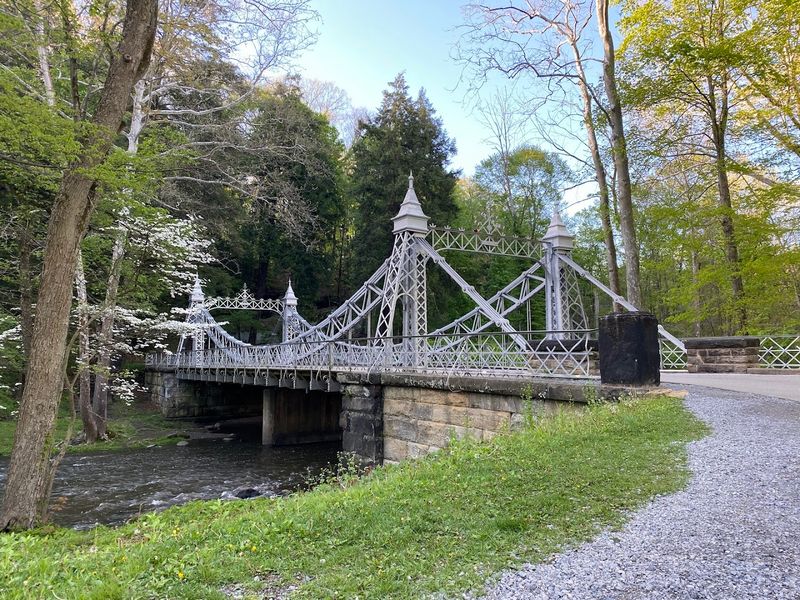
Nothing prepares you for the first look at this bridge up close. The ironwork is intricate, layered, and almost impossibly detailed for something built in the 19th century.
Lacy arches frame the crossing like something from a European castle.
The towers rise with soaring spires topped by decorative finials. Portal cresting lines the entry points, giving the whole structure a regal, ceremonial feel.
Ornate railings run the full length of the bridge, adding texture and elegance at every step.
Locals have called it the Silver Bridge, the Castle Bridge, and yes, the Walt Disney Bridge. Each nickname tells you something about how people feel standing next to it.
The aesthetic is somewhat European, which makes sense given the British-inspired engineering behind it.
Artists and photographers have been drawn to this bridge for decades. The combination of ironwork, spires, and a flowing creek below creates romantic, painterly imagery.
Whether you catch it in morning light or golden hour, the bridge holds its visual charm without trying. It is one of those rare structures where function and beauty landed in exactly the right balance, and the result has lasted well over a century.
Natural Surroundings And Scenic Beauty
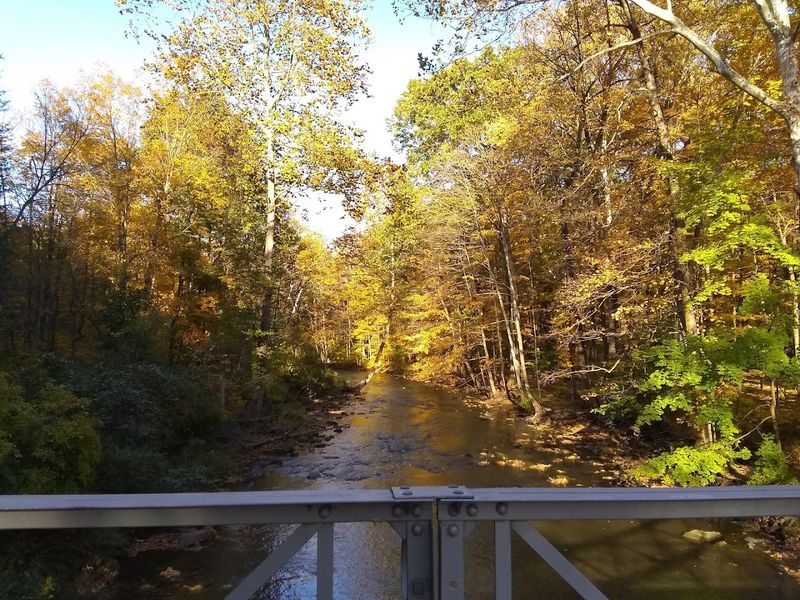
Mill Creek flows quietly beneath the bridge, and that alone sets a mood. The water catches light in a way that makes the whole scene feel alive.
Standing on the bridge and looking down at the creek is genuinely one of the better views in northeastern Ohio.
The park itself wraps around the bridge with dense tree cover, open grassy clearings, and winding trails. In every direction, nature is doing its thing.
The contrast between the delicate iron structure and the wild, green surroundings is part of what makes this place so photogenic.
There are boulders on one side of the bridge that you can actually climb. From up there, you get an elevated view of the whole area.
It is a small adventure within a bigger one, and it costs nothing extra.
Parking is available near the bridge, which makes access easy. From the lot, trails branch out into the larger park system.
The open grassy areas nearby are perfect for sitting down and just taking it all in. Mill Creek Park has been called one of the finest urban parks in the country, and standing near this bridge, it is easy to understand why that reputation has held for so long.
Cultural Importance And Local Traditions
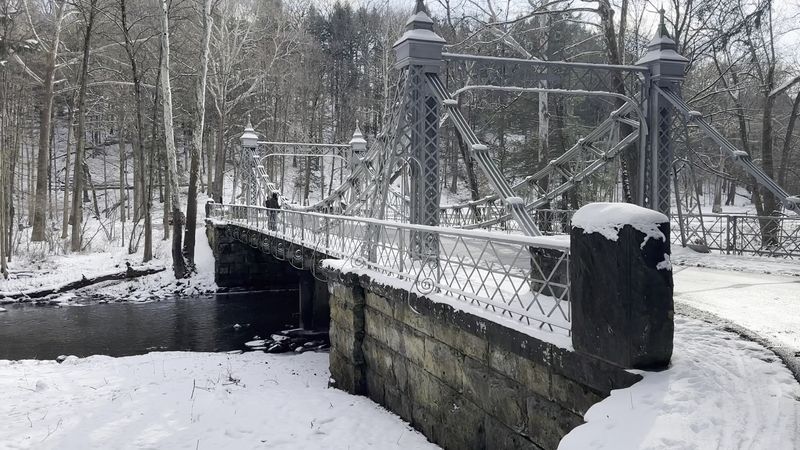
For Youngstown locals, this bridge is not just a structure. It is a landmark woven into the fabric of growing up in the area.
Generations of families have crossed it, photographed it, and returned to it year after year. That kind of staying power says a lot.
Engagement photos happen here constantly. Senior portraits, family sessions, and wedding photos fill up the schedule on weekends.
The bridge has become a go-to backdrop for some of the most meaningful moments in people’s lives. It is hard to argue with a setting that looks like it belongs in a fairy tale.
Local artists have painted it. Photographers have featured it in regional publications.
The bridge has appeared in enough artwork that it carries a visual identity all its own. People from outside Youngstown often discover it through photos shared online and then make a trip just to see it in person.
There is also a sense of community pride tied to this place. Youngstown has faced economic challenges over the decades, but this bridge remains a point of genuine civic pride.
It reminds people that the city holds real beauty and real history. The Cinderella Bridge is not just a photo opportunity.
It is a cultural anchor for a community that values what it has built and preserved.
Wildlife And Plant Life In The Vicinity
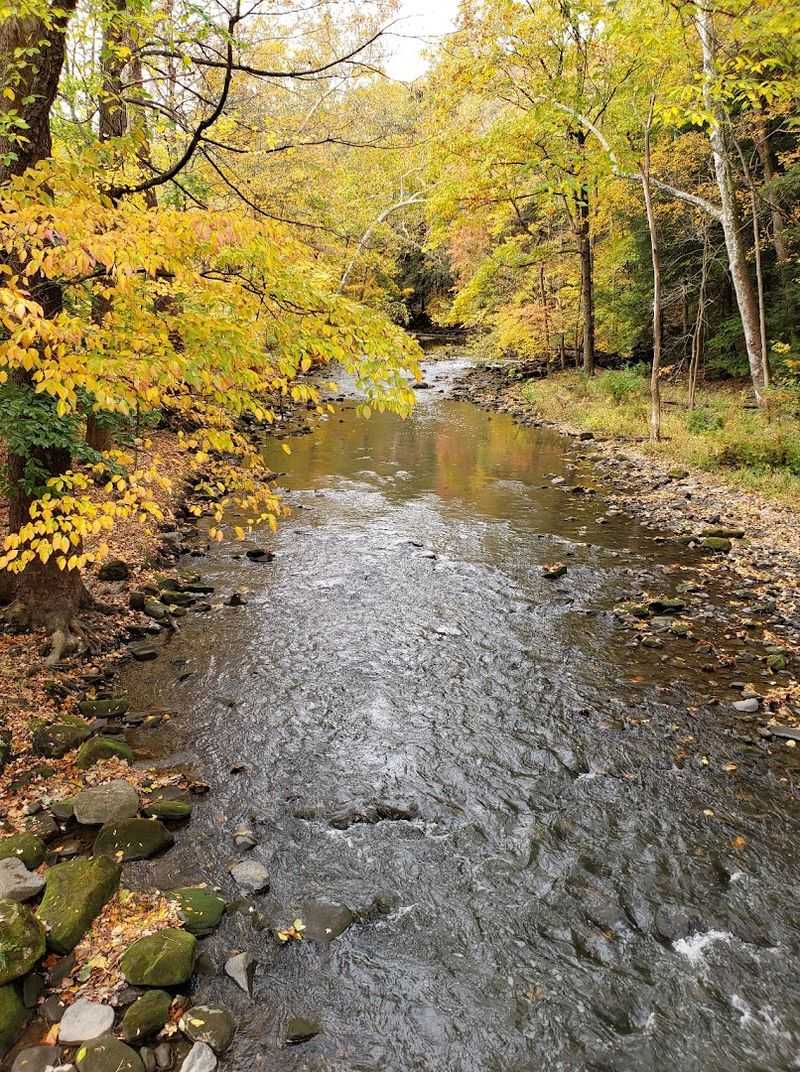
Mill Creek Park is a living ecosystem, and the area around the Cinderella Bridge is no exception. The creek draws in all kinds of wildlife throughout the year.
Herons, ducks, and smaller water birds are common sights along the banks.
The forest canopy here is thick and varied. Oak, maple, and sycamore trees create a layered woodland environment that supports a wide range of bird species.
During spring migration, birdwatchers make a point of visiting the park to catch species passing through the region.
Along the creek banks, ferns and native wildflowers fill in the understory. In late spring, the ground cover blooms in patches of color that contrast beautifully with the dark iron of the bridge above.
It is a natural art installation that changes week by week.
Deer are spotted regularly in the quieter corners of the park, especially in the early morning hours. Squirrels, chipmunks, and the occasional fox round out the mammal activity.
The creek itself supports small fish and freshwater invertebrates, which in turn attract the herons and kingfishers. Spending time near this bridge is genuinely a multi-sensory nature experience.
The sounds of moving water, rustling leaves, and birdsong layer together into something that feels restorative in a real and immediate way.
Seasonal Changes And Their Impact On Appearance
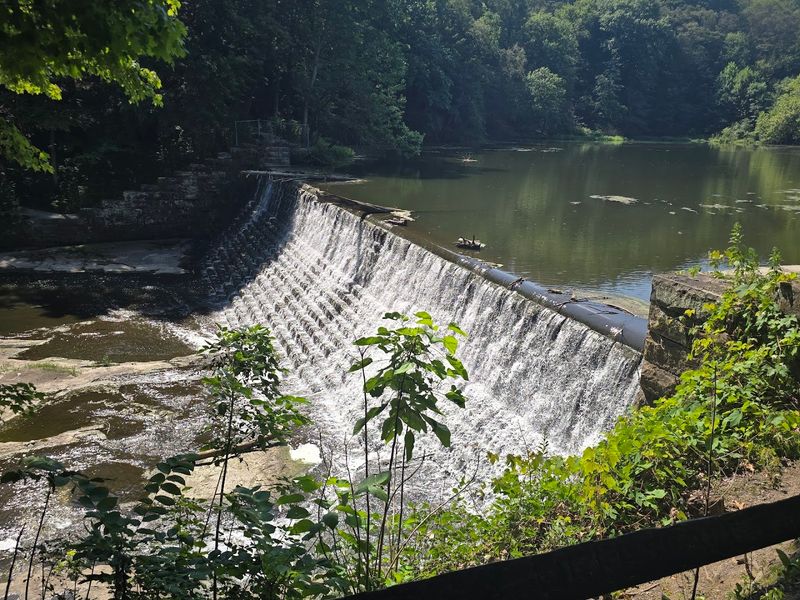
Few places transform as dramatically with the seasons as this bridge does. In spring, fresh green leaves unfurl around the ironwork, and the creek runs high and fast from snowmelt.
The whole scene feels newly painted and full of energy.
Summer brings full canopy coverage, turning the park into a shaded escape from the heat. The bridge sits in cool shadow for much of the day, and the creek below slows to a gentle, reflective surface.
It is the kind of place that earns return visits during the warmest months.
Autumn is something else entirely. The maples and oaks surrounding the bridge turn orange, red, and gold, framing the silver ironwork in a color palette that photographers plan entire trips around.
It is genuinely one of the most photogenic fall settings in northeastern Ohio.
Winter strips the trees bare and sometimes dusts the iron spires with snow. The bridge looks skeletal and striking in that season, its architectural details fully exposed without the foliage.
Ice occasionally forms along the creek edges, adding texture to the scene. The park stays open year-round during regular hours, so every season is accessible.
Each visit feels like seeing a slightly different version of the same remarkable place, which is one of the reasons people keep coming back again and again.
Recreational Activities Near The Covered Bridge
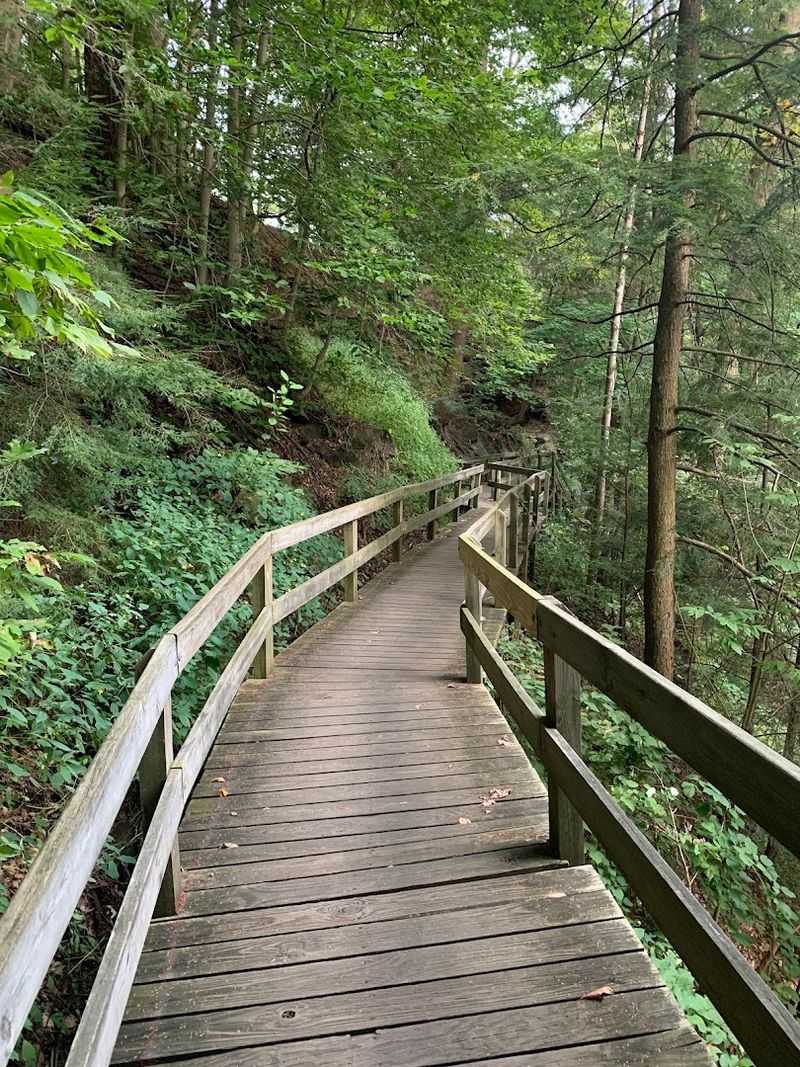
The bridge is a destination, but the surrounding park is an activity hub. Hiking trails branch off in multiple directions from the bridge area.
Whether you want a short walk or a longer trek, the trail network inside Mill Creek Park has options for every energy level.
Boulders on the east side of the bridge are climbable and offer an elevated view of the surrounding area. It is a low-key adventure that kids and adults both enjoy.
The view from up top is worth the short scramble.
Open grassy areas near the bridge are great for picnics. Bring a blanket, some food, and let the afternoon stretch out.
Dogs are welcome on the trails, and the park sees plenty of four-legged visitors on any given day.
The bridge also sits near the Mahoning River Valley trail system, making it a natural stop for cyclists and long-distance trail users. Lanterman’s Mill, a historic grist mill, is located nearby and pairs perfectly with a visit to the bridge.
Together, the two landmarks make for a full half-day outing. The park opens at 6 AM daily and closes at 8:30 PM, giving visitors a solid window of time to explore without feeling rushed.
Plan to stay longer than you think you need to.
Conservation Efforts And Preservation Challenges
Keeping a 130-year-old iron bridge in working condition is no small task. The 2007 rehabilitation project was a major investment in the bridge’s future.
Crews worked to repair structural elements and restore the visual appearance of the landmark.
That project did come with tradeoffs. The original eye-bar chain suspension system, which was one of the most historically unique features of the bridge, was converted into primarily a decorative element.
Structural support was added underneath to handle modern load requirements. Preservation purists noted the change, but the bridge remained open and standing.
Balancing historic integrity with modern safety standards is one of the central challenges in preserving old bridges.
The Cinderella Bridge faces ongoing maintenance needs related to iron corrosion, weather exposure, and the wear of regular vehicle and foot traffic.
None of those challenges is small or cheap to address.
The bridge’s listing on the National Register of Historic Places since 1976 provides some protection and makes it eligible for certain preservation funding. Local advocacy and community awareness also play a role in keeping the structure a priority.
Mill Creek Park management continues to monitor the bridge’s condition. The good news is that strong public interest in this landmark may help protect it from being forgotten or demolished over time.