
The Charming Ohio Village Most Travelers Never Find
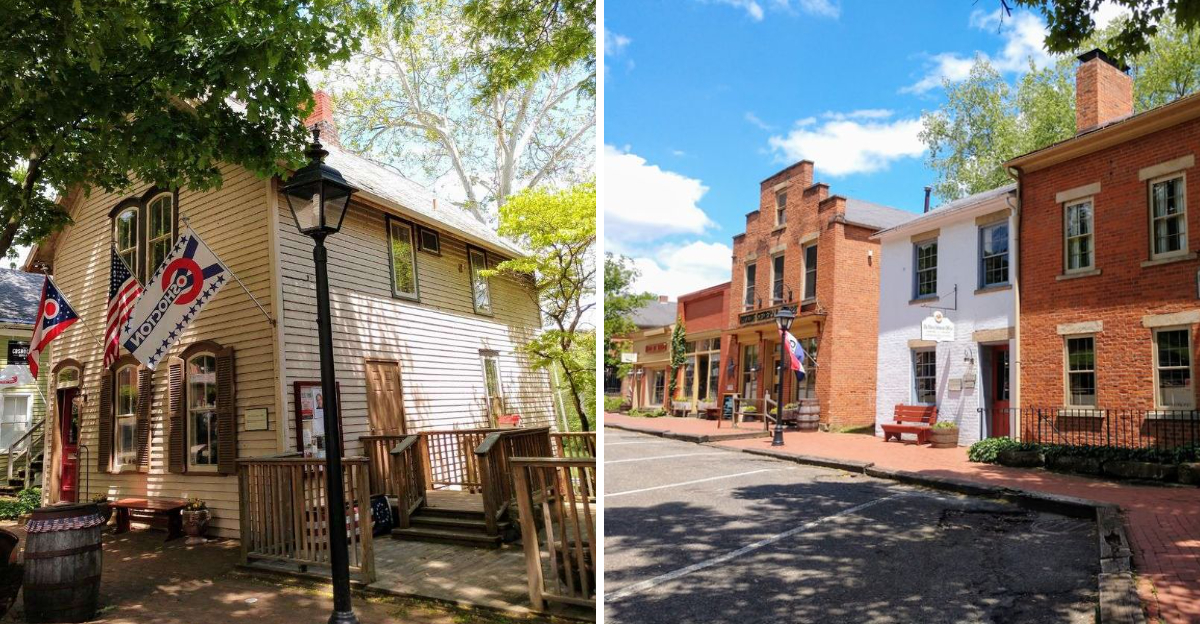
Along the banks of a historic waterway in eastern Ohio lies a village that time seems to have overlooked entirely. Roscoe Village, located at 600 N Whitewoman St in Coshocton, represents a rare window into the canal era that shaped the American Midwest during the 1800s.
While interstate highways now carry travelers past this quiet corner of the state, those who venture off the beaten path discover brick streets, original architecture, and a pace of life that feels refreshingly removed from the modern world. Few destinations manage to preserve both their physical structures and their sense of character so completely, making this restored canal town one of Ohio’s most rewarding secrets.
It’s One Of Ohio’s Best-Preserved Canal-Era Villages
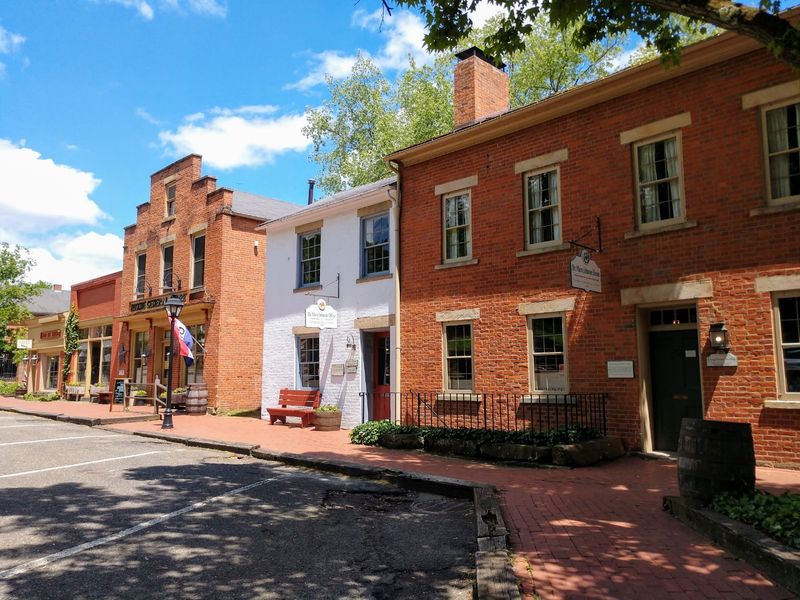
Walking through Roscoe Village feels less like visiting a museum and more like stepping through a portal into the 1830s. The entire community operates as a living history site, where original buildings still stand along streets that once bustled with canal workers, merchants, and travelers moving goods across the young nation.
Unlike many historical recreations that feel contrived or incomplete, this village maintains an authenticity that comes from genuine preservation rather than reconstruction.
Located at 600 N Whitewoman St, the village opens daily from 10 AM to 4 PM, offering visitors a chance to explore without the overwhelming crowds that plague better-known destinations. The Ohio and Erie Canal runs directly through town, just as it did nearly two centuries ago.
Costumed interpreters demonstrate traditional crafts in workshops that occupy their original spaces, from the blacksmith forge to the broom-making shop.
The preservation effort extends beyond mere buildings to include gardens, walkways, and even the commercial district that serves modern visitors while respecting historical character. This commitment to authenticity earns Roscoe Village its reputation as one of the finest canal-era sites remaining in the entire Midwest region.
The Village Was Once A Bustling Canal Boomtown
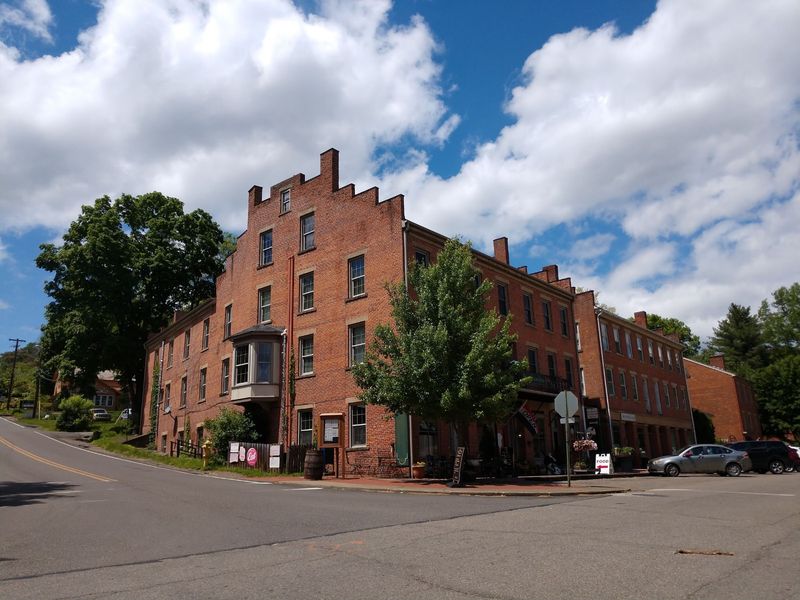
During the height of the canal era, Roscoe Village thrived as a critical port along the Ohio and Erie Canal, which connected Lake Erie to the Ohio River. Boats loaded with grain, whiskey, wool, and manufactured goods passed through constantly, transforming this rural crossroads into a prosperous commercial center.
The village population swelled with workers, merchants, and entrepreneurs seeking fortunes along the new transportation corridor that opened the American interior to trade.
Warehouses lined the waterfront, storing goods awaiting shipment north or south. Taverns and inns provided lodging for travelers and crew members spending nights between canal locks.
The local economy boomed as farmers brought crops to market and craftsmen supplied tools, clothing, and household goods to the expanding population.
By the 1850s, however, railroads began replacing canals as the preferred method of moving freight and passengers. Roscoe Village gradually declined as commerce shifted to faster, more efficient rail lines.
The boomtown atmosphere faded, leaving behind the brick buildings and quiet streets that visitors now cherish for their peaceful, preserved character rather than their bustling commercial energy.
Many Of The Brick Buildings You See Are Original
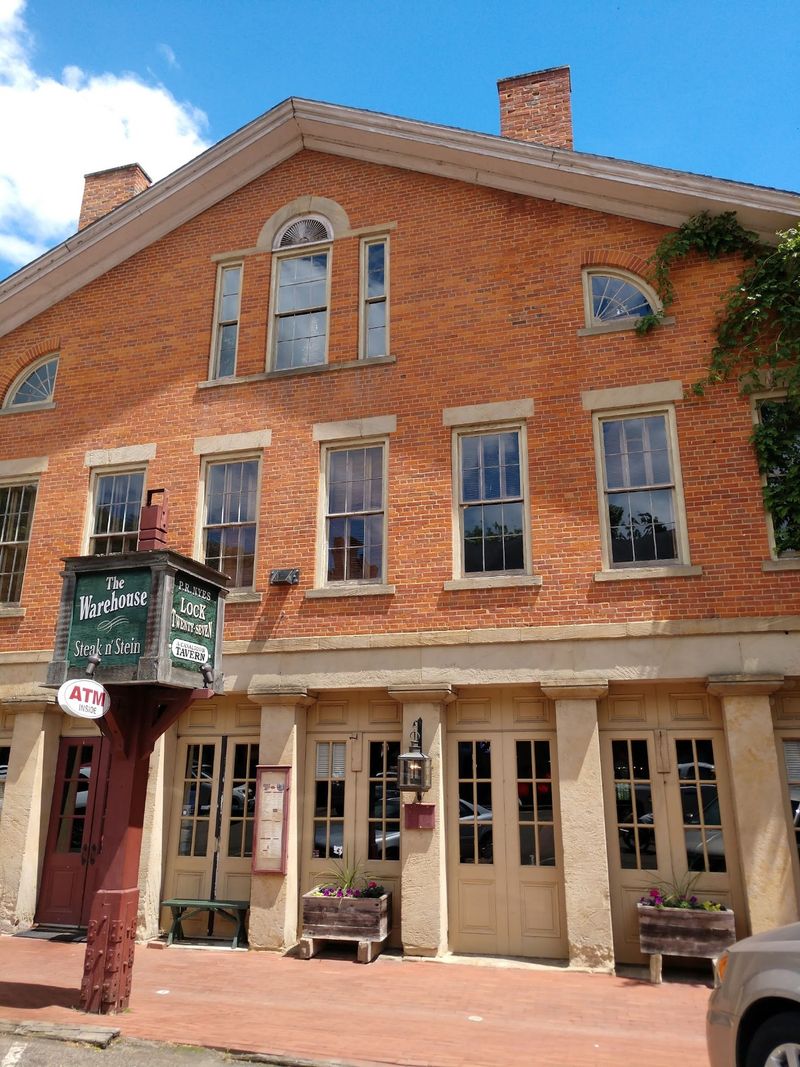
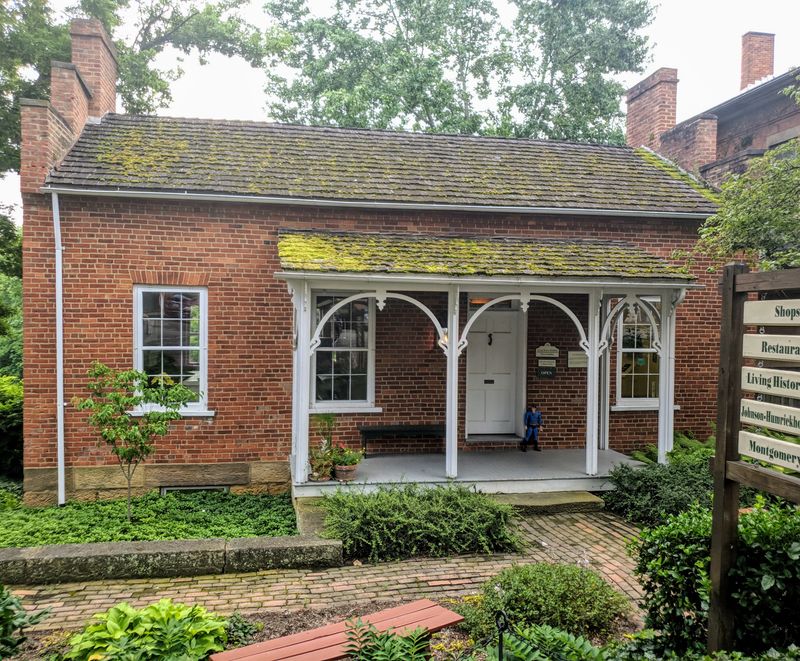
The structures lining Roscoe Village’s main thoroughfare are not replicas or careful reconstructions—they are the actual buildings that housed businesses and families during the canal’s golden age. Brick facades weathered by nearly two centuries still display the craftsmanship of local masons who built to last.
Window frames, doorways, and architectural details remain largely unaltered, offering an unfiltered view of mid-19th century construction techniques and aesthetic preferences.
Several buildings maintain their original purposes, though adapted for contemporary use. The warehouse that once stored grain now operates as a restaurant, its thick walls and timber beams creating an atmospheric dining space.
Shops occupy storefronts that sold similar goods 180 years ago, though modern inventory replaces the period merchandise.
Walking these streets, visitors notice details that mass-produced modern construction simply cannot replicate—slightly uneven brickwork, hand-forged hardware, and the subtle variations that mark genuine historical fabric. The preservation committee has worked carefully to maintain structural integrity while allowing these buildings to function as working spaces rather than static exhibits.
This approach keeps the village alive and accessible while honoring the materials and methods that created these remarkably durable structures in the first place.
It Was Saved From Disappearing In The 1960s
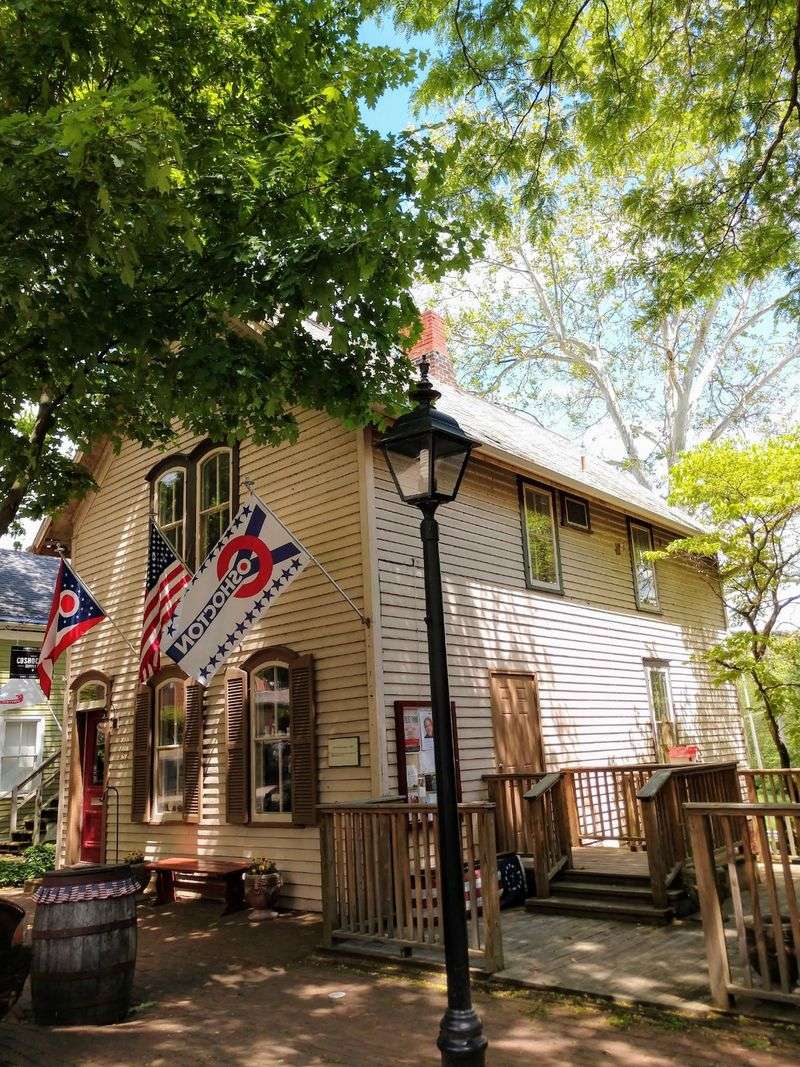
By the mid-20th century, Roscoe Village faced the same fate as countless small American towns bypassed by modern transportation networks. Buildings fell into disrepair, businesses closed, and the once-thriving port seemed destined for abandonment or demolition.
The historical significance of the site went largely unrecognized as newer communities with better highway access drew residents and commerce away from the aging canal district.
A dedicated group of local preservationists recognized what would be lost if the village disappeared entirely. They organized a restoration effort that gained momentum through the 1960s and 1970s, securing funding, recruiting craftsmen, and carefully documenting the original structures before decay progressed too far.
This grassroots movement eventually attracted state and federal preservation support, transforming a rescue mission into a comprehensive restoration project.
The success of this effort provides a model for heritage preservation across the country. Rather than allowing history to crumble, the community chose to invest in its past as a foundation for its future.
Today, Roscoe Village stands as proof that thoughtful preservation can revive not just buildings but entire communities, creating destinations that educate, inspire, and generate sustainable tourism revenue for generations.
The Ohio & Erie Canal Still Runs Right Through Town
Unlike many canal sites where waterways were filled in or paved over decades ago, the Ohio and Erie Canal remains a working feature of Roscoe Village’s landscape. Water flows through the original channel, bordered by towpaths where mules once pulled barges laden with cargo.
The canal’s presence transforms the village from a collection of old buildings into a complete historical environment where visitors can observe the transportation system that justified the town’s existence.
During warmer months, replica canal boats offer rides that recreate the experience of 19th-century travel, complete with narration about the canal’s construction, operation, and economic impact. The gentle pace of boat travel—far slower than modern vehicles—helps visitors appreciate how different transportation shaped daily life and commerce.
Standing on the towpath or floating on the canal provides perspectives that no museum display can adequately convey.
The canal also serves as a peaceful walking route, with paths maintained for pedestrians exploring the village at their own pace. Benches overlook the water, and interpretive signs explain the engineering challenges overcome by canal builders working with hand tools and animal power.
This living waterway remains central to understanding why Roscoe Village developed where it did and how it functioned during its commercial peak.
The Streets Stay Quiet Even On Weekends
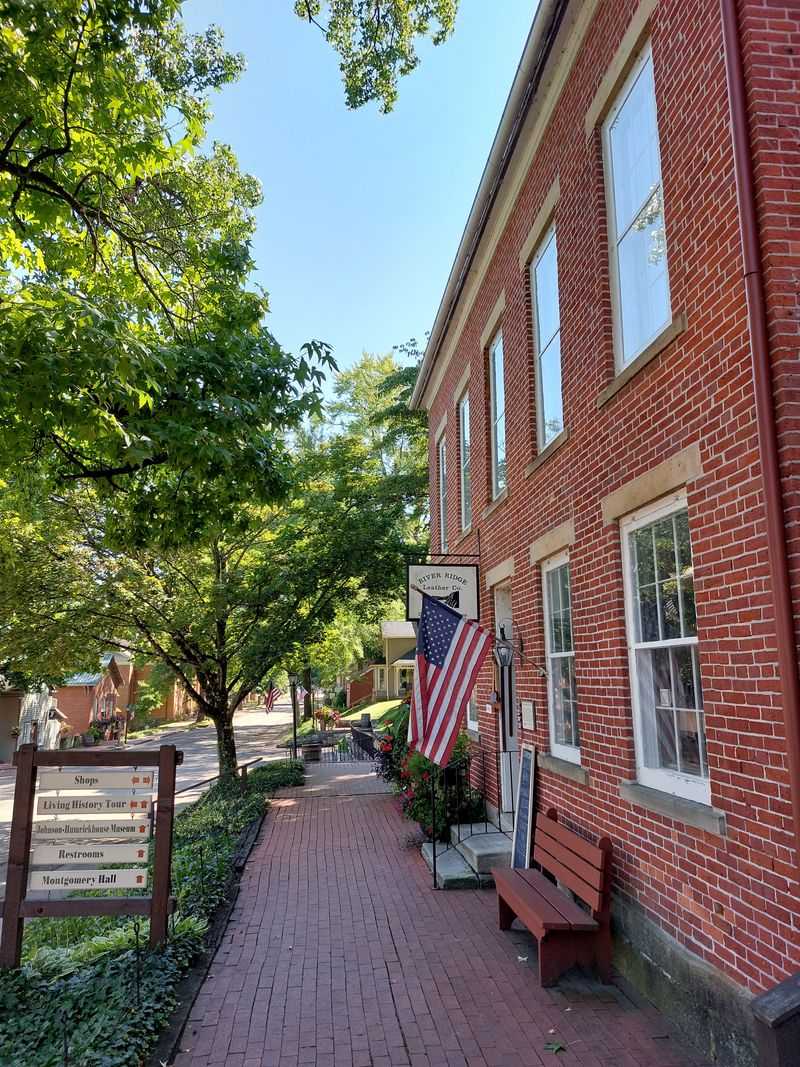
One of Roscoe Village’s most appealing qualities is its consistent tranquility, even during peak visiting hours. The village never feels overrun or commercialized, maintaining an atmosphere of calm exploration that many historical sites sacrifice to accommodate larger crowds.
Parking rarely presents challenges, shops remain browsable without congestion, and the restaurants can usually accommodate walk-in diners except during special events.
This peaceful character stems partly from the village’s location off major tourist routes and partly from thoughtful management that prioritizes quality of experience over maximum attendance numbers. The single main street limits vehicle traffic naturally, encouraging visitors to park once and explore on foot.
The absence of aggressive merchandising or intrusive modern signage helps maintain the historical mood without constant reminders of contemporary commerce.
Families appreciate the safe, contained environment where children can explore without the hazards or overwhelming stimulation of larger attractions. Couples find the quiet streets conducive to leisurely strolls and unhurried conversation.
Even solo travelers discover that the village’s peaceful atmosphere invites reflection and careful observation rather than the rushed checklist approach that characterizes visits to more crowded destinations. This enduring quietness may be Roscoe Village’s greatest asset in an increasingly noisy, hurried world.
Seasonal Events Bring The Village To Life
Throughout the year, Roscoe Village hosts festivals and events that showcase traditional crafts, music, and seasonal celebrations rooted in 19th-century customs. The Apple Butter Stirrin’ festival draws visitors to watch this traditional preservation method demonstrated in large copper kettles over open fires, filling the village with the scent of cooking apples and spices.
Christmas candlelight tours transform the streets into a scene from a Victorian holiday card, with buildings decorated in period style and carolers performing traditional songs.
These events provide opportunities to see the village at its most animated, with additional costumed interpreters, expanded craft demonstrations, and special programming that goes beyond the daily offerings. The blacksmith works continuously, the broom maker explains traditional techniques, and other artisans demonstrate skills that modern life has rendered nearly obsolete.
Food vendors offer period-appropriate treats alongside contemporary festival fare, creating connections between historical and modern tastes.
Even during events, the village avoids the carnival atmosphere that can overwhelm smaller festivals. Organizers maintain focus on educational content and authentic historical interpretation rather than purely entertainment-focused programming.
This approach attracts visitors genuinely interested in history and traditional crafts while providing family-friendly activities that engage younger attendees without compromising the site’s educational mission or historical integrity.
The Architecture Feels Frozen In Time
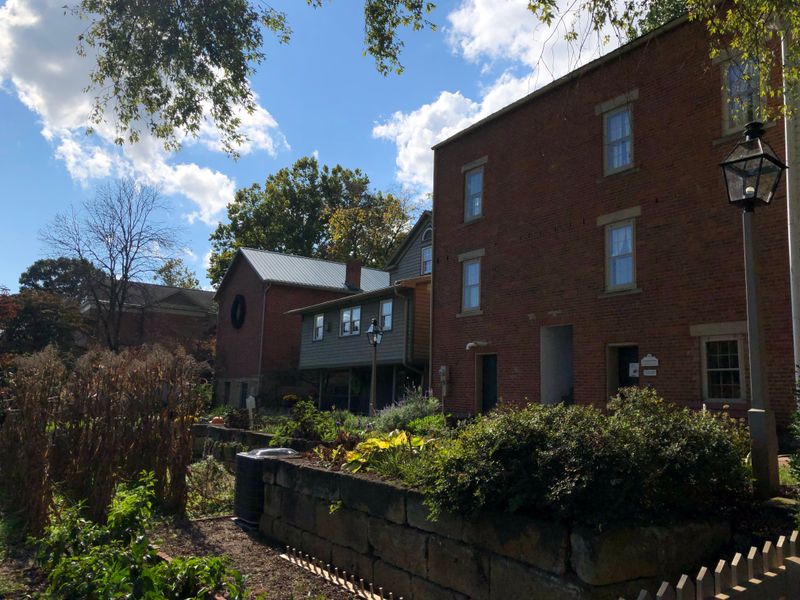
Federal and Greek Revival styles dominate the village’s architectural landscape, reflecting the design preferences of prosperous Americans during the canal era’s peak. Simple, symmetrical facades feature carefully proportioned windows and doorways that convey both practicality and modest elegance.
Brick construction provided durability and fire resistance while signaling the builder’s financial success—frame structures were cheaper but less prestigious and more vulnerable to the fires that regularly devastated 19th-century towns.
Details reveal the craftsmanship standards of the period: hand-formed bricks with slight variations in color and texture, stone lintels cut to support window and door openings, and hardware forged by local blacksmiths to functional designs unchanged for generations. Rooflines maintain consistent heights and pitches that create visual harmony along the street, while chimneys mark the location of fireplaces and stoves that provided the only heat during Ohio’s harsh winters.
Modern additions and alterations have been carefully minimized, preserving the streetscape’s historical integrity. Utility lines run underground, contemporary signage remains discreet, and building modifications respect original proportions and materials.
This careful stewardship means visitors see the village much as canal-era residents would have known it, creating an immersive experience that photographs and museum displays cannot replicate. The architecture stands as tangible evidence of how Americans built communities during the young nation’s expansion westward.
It Sits Just Minutes From Modern Coshocton—But Feels A Century Away
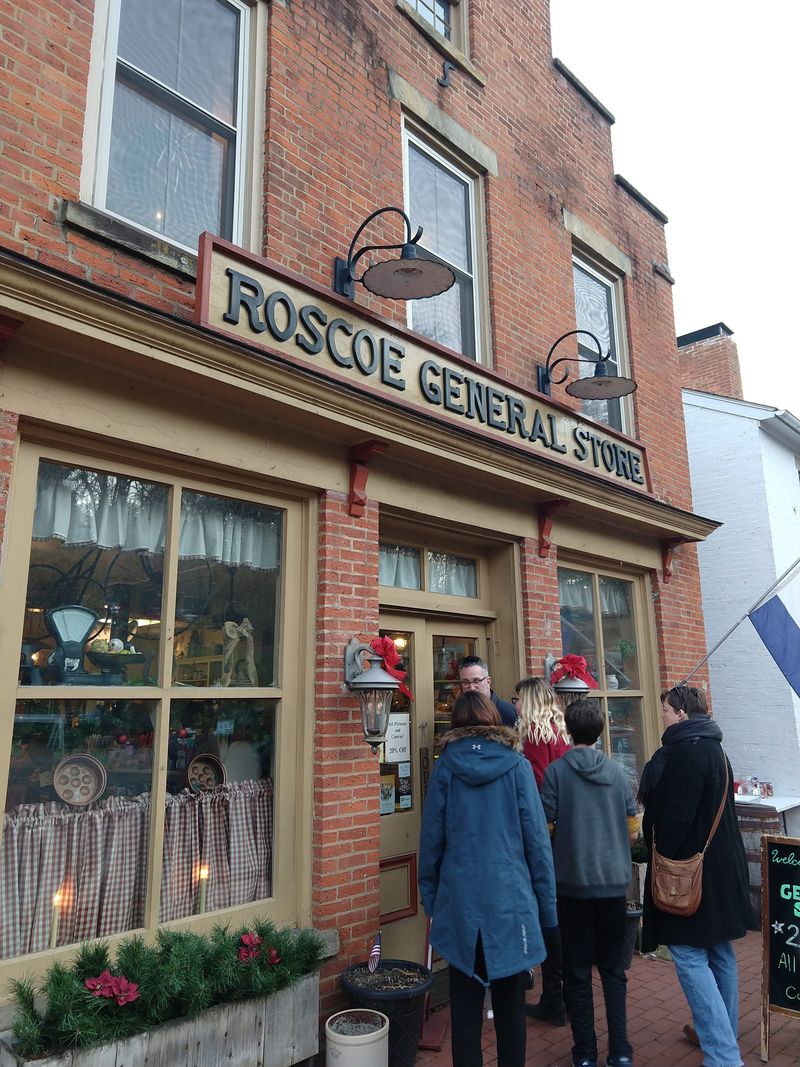
The contrast between Roscoe Village and contemporary Coshocton creates one of the site’s most striking qualities. Within a five-minute drive, visitors transition from chain restaurants, gas stations, and standard commercial development to a preserved 19th-century streetscape where the modern world seems to have stopped at the village boundary.
This proximity to modern amenities provides convenience while emphasizing how completely different the preserved area feels from surrounding development.
Coshocton offers practical services—grocery stores, lodging, fuel—that support extended visits to the village without compromising the historical site’s character. Families can base themselves in modern accommodations while spending days exploring the canal town, enjoying the best of both worlds.
The nearby town also provides context for understanding how dramatically American communities have changed in 180 years, making the preservation effort’s significance even more apparent.
This juxtaposition serves an educational purpose beyond mere convenience. Visitors experience viscerally how transportation technology shaped settlement patterns, architectural styles, and daily rhythms of life.
The quiet, walkable scale of Roscoe Village contrasts sharply with automobile-dependent modern development, prompting reflection on what has been gained and lost as American communities evolved. Few historical sites offer such immediate, tangible comparisons between past and present ways of living and building.
It’s One Of Ohio’s Most Overlooked Day Trips
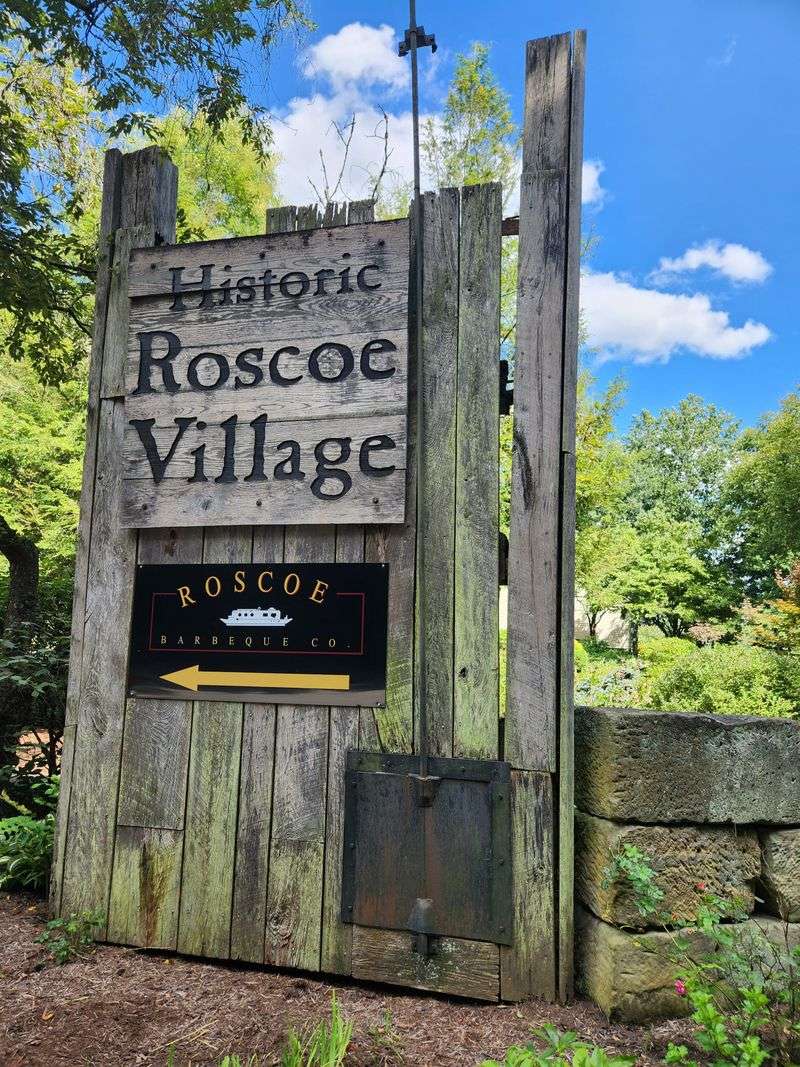
Despite its historical significance and well-executed preservation, Roscoe Village remains largely unknown outside the immediate region. Travelers rushing along Interstate 77 rarely take the brief detour necessary to reach this hidden gem, unaware of what they are passing.
The village lacks the name recognition of larger historical sites, operating instead through word-of-mouth recommendations and the enthusiasm of repeat visitors who return to share the experience with friends and family.
This relative obscurity works to the advantage of those who do make the trip. Without the infrastructure and crowds that accompany famous tourist destinations, Roscoe Village offers an intimate, personal experience of history.
Visitors can engage directly with interpreters, explore at their own pace, and discover details that would be overlooked in more hectic environments. The village rewards careful observation and genuine curiosity rather than rushed photo opportunities and checklist tourism.
For Ohio residents seeking weekend destinations that combine education, relaxation, and genuine historical interest, Roscoe Village deserves far more attention than it receives. The village sits within easy driving distance of Columbus, Cleveland, and Pittsburgh, making it accessible for day trips or overnight excursions.
Its overlooked status means discovering it feels like finding a secret that locals have carefully guarded—a rare pleasure in an age when every destination seems exhaustively documented and promoted online.
Working Artisans Demonstrate Traditional Crafts Daily
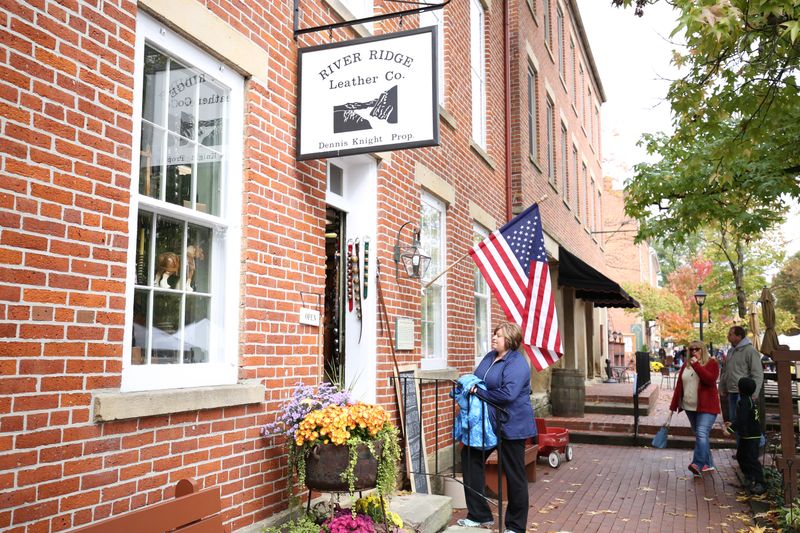
Throughout the village, skilled craftspeople practice trades that have nearly disappeared from American life, offering visitors rare opportunities to observe traditional techniques firsthand. The blacksmith forge operates as both demonstration space and working shop, where iron is heated, shaped, and formed into useful objects using methods unchanged for centuries.
The rhythmic hammer strikes and glowing metal create a sensory experience that no video or written description can adequately convey.
The broom-making shop showcases another vanishing skill, where natural fibers are sorted, bound, and trimmed into functional tools that modern factories mass-produce from synthetic materials. Watching the broom maker work reveals the patience and precision required to create quality handmade goods, challenging assumptions about what qualifies as skilled labor.
Other artisans demonstrate candle making, weaving, and printing on equipment that predates electricity and automation.
These demonstrations serve educational purposes while keeping traditional knowledge alive through practice rather than mere documentation. Visitors leave with deeper appreciation for the skills that sustained daily life before industrialization, understanding that conveniences taken for granted today required significant human expertise and physical labor.
The artisans answer questions enthusiastically, sharing not just techniques but the broader context of how their crafts fit into canal-era economic and social structures. This living history approach makes the past tangible and relevant rather than remote and abstract.
The Visitor Center Provides Essential Context And Resources
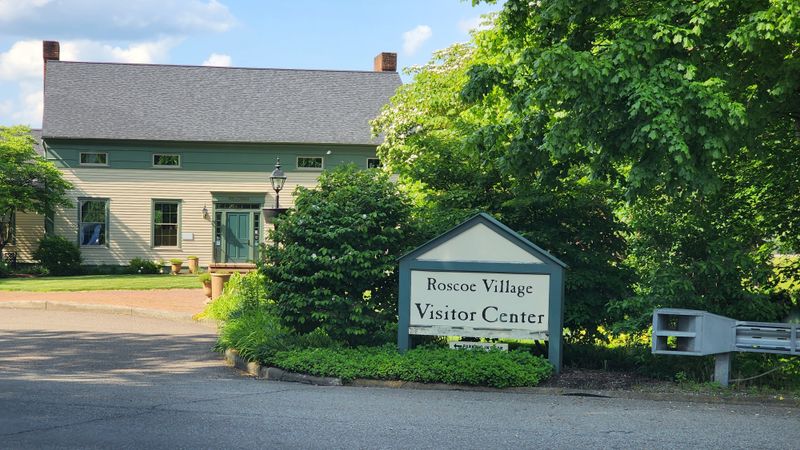
Beginning any Roscoe Village exploration at the welcome center located at 600 N Whitewoman St ensures visitors understand the site’s history and make the most of their time. The center houses a museum on the upper floor that chronicles the canal’s construction, Roscoe Village’s development, and the preservation efforts that saved the site from disappearing.
Exhibits include artifacts, photographs, and interpretive displays that establish context before visitors explore the village itself.
Staff members provide maps, suggest itineraries based on available time and interests, and explain ticketing options for various tours and activities. The center sells combination tickets that include canal boat rides, guided building tours, and access to special exhibits, offering better value than purchasing individual admissions.
Knowledgeable volunteers answer questions about local history, recommend dining options, and share insider tips about the best times to visit specific demonstrations or shops.
The building also offers practical amenities—restrooms, climate control, and seating areas where visitors can plan their exploration or rest between activities. A well-stocked gift shop features locally made crafts, books about canal history, and souvenirs that reflect the site’s character rather than generic tourist merchandise.
Starting here transforms a casual visit into an informed, purposeful exploration that reveals layers of history and significance easily missed by those who simply wander the streets without preparation or context.